
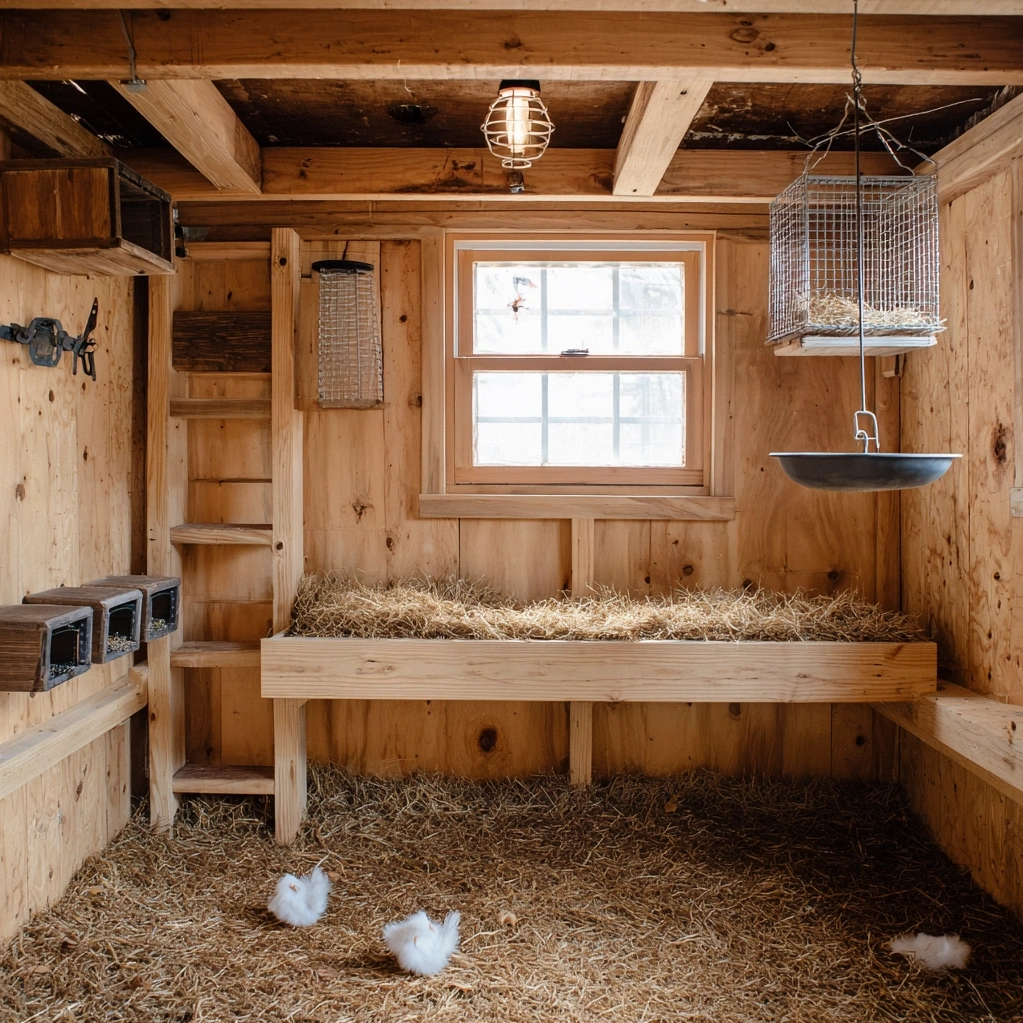
When most people think of interior design, they envision living rooms, kitchens, and bedrooms. Yet, for backyard chicken keepers, creating a beautiful, functional interior for a chicken coop is just as important. These spaces are more than just shelters; they’re the heart of a thriving flock’s daily life. A well-designed chicken coop interior ensures your birds are healthy, happy, and productive, while also making maintenance easier for you. Whether you’re building a new coop or revamping an existing one, focusing on the interior layout, materials, and features can transform a basic structure into a comfortable home for your feathered friends. This article will explore essential chicken coop interior ideas that prioritize both poultry welfare and practical management. From ventilation and lighting to nesting boxes and roosts, we’ll cover how to create a space that supports natural behaviors, reduces stress, and maximizes egg production. Embrace these creative approaches to elevate your flock’s living conditions and enjoy the rewards of a harmonious backyard setup. Let’s dive into the world of chicken coop interiors and discover how thoughtful design can lead to happier chickens and more enjoyable keeping experiences.
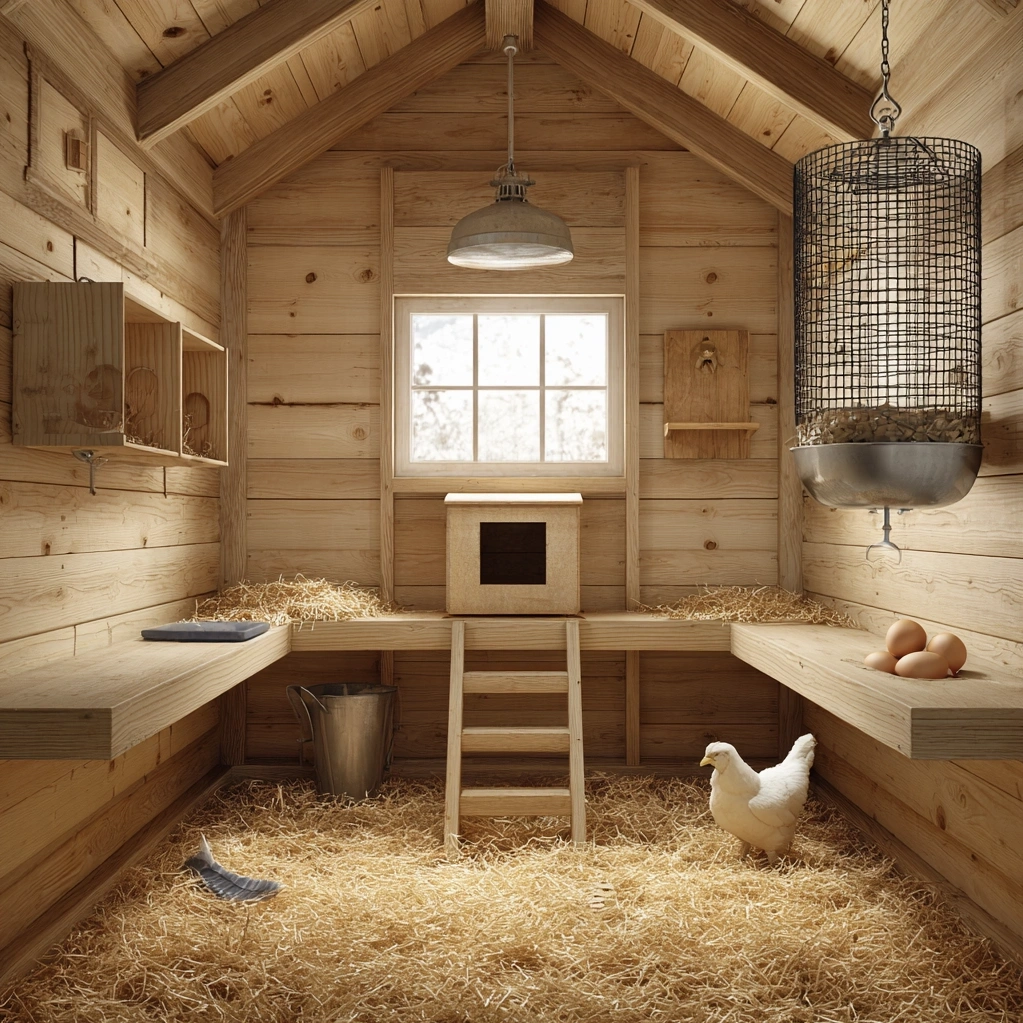
Essential Chicken Coop Interior Layouts for Optimal Space
The layout of your chicken coop interior is the foundation for a functional and healthy environment. Start by ensuring adequate space: each chicken needs at least 2-4 square feet inside the coop to prevent overcrowding and stress. For small flocks, a simple rectangular or square design works well, with clear zones for different activities. Place nesting boxes in a quiet, dimly lit corner, elevated off the ground to provide privacy and reduce egg breakage. Use materials like straw or wood shavings for bedding, which are easy to clean and comfortable for laying. Next, install roosts along the walls or in the center, using sturdy wooden poles at varying heights to accommodate the flock's pecking order. Allow at least 8-12 inches of roosting space per bird, and position them away from nesting areas to keep droppings separate. Include a designated feeding and watering station with easy access, using hanging or wall-mounted systems to save floor space and minimize mess. Ventilation is crucial; install windows or vents near the ceiling to allow fresh air flow without creating drafts at chicken level. By planning your chicken coop interior with these layouts in mind, you'll create a balanced space that promotes natural behaviors, reduces health risks, and simplifies daily chores.
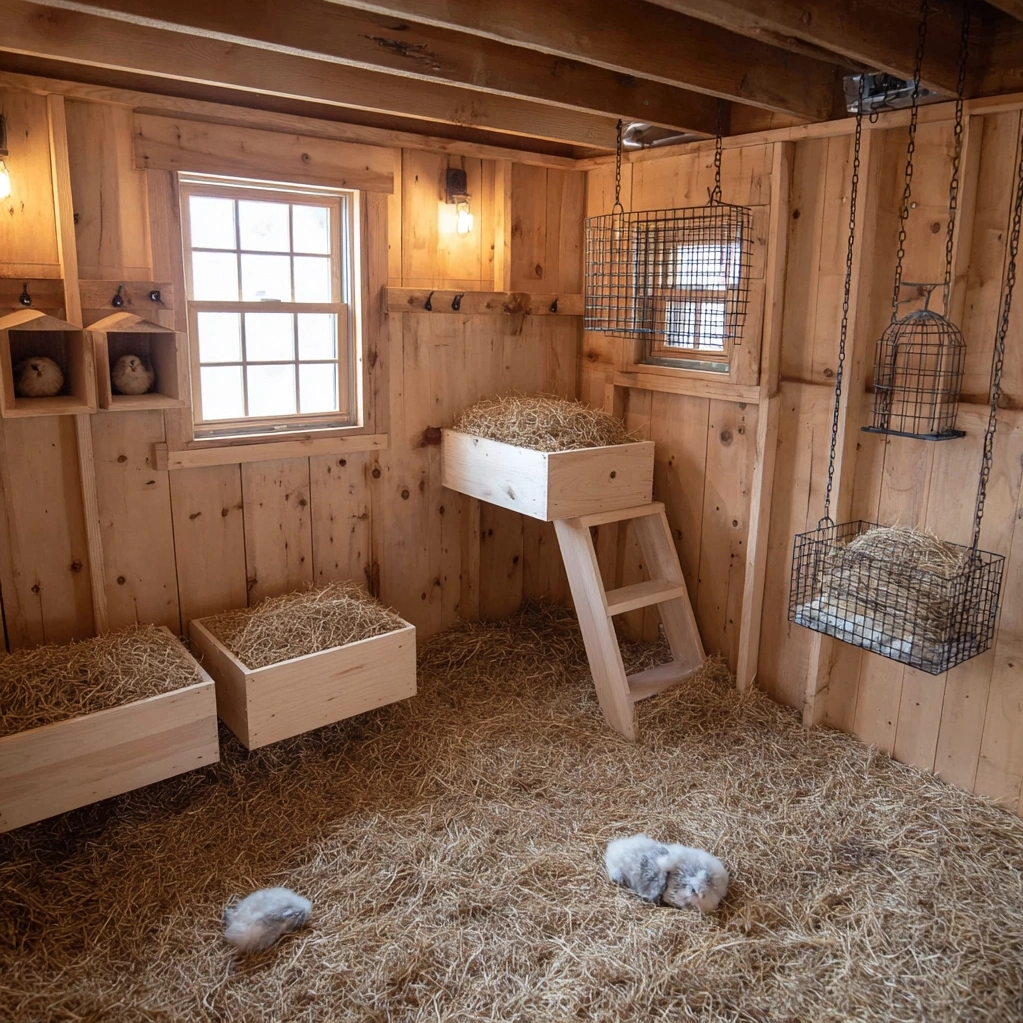
Creative Chicken Coop Interior Decor for Health and Happiness
Decorating your chicken coop interior isn't just about aesthetics; it's about enhancing your flock's well-being and productivity. Focus on practical yet attractive elements that serve a purpose. For bedding, consider deep litter systems with materials like pine shavings or sand, which absorb moisture and reduce odors, creating a healthier atmosphere. Add natural light with windows or skylights, as sunlight boosts vitamin D and regulates laying cycles—just ensure they're secure against predators. Incorporate perches and ladders made from untreated wood to encourage exercise and exploration, placing them at different levels to mimic a natural environment. For nesting boxes, use cozy, enclosed designs with soft liners like hay, and consider adding curtains for extra privacy, which can reduce stress and egg-eating behaviors. Decorative touches like painted walls in light colors can brighten the space and make cleaning easier, while non-toxic plants like herbs (e.g., lavender or mint) hung in corners can provide natural insect repellents and aromatherapy. Avoid clutter and sharp objects, and ensure all decor is easy to clean and safe for chickens. These chicken coop interior ideas not only make the coop visually appealing but also support a thriving, content flock that rewards you with consistent eggs and minimal issues.
Practical Chicken Coop Interior Upgrades for Easy Maintenance
Upgrading your chicken coop interior with smart features can save time and effort while keeping your flock in top condition. Start with flooring: consider removable trays or slatted floors that allow droppings to fall through, making cleanup a breeze and reducing ammonia buildup. Use durable, non-porous materials like vinyl or sealed wood for walls and surfaces, which resist moisture and are simple to wipe down. Install automated systems, such as waterers with nipples or cups that minimize spillage and keep water fresh, and feeders with gravity designs to reduce waste and frequent refills. For nesting boxes, add roll-out trays or easy-access doors to collect eggs without disturbing the hens, and use drop-down panels for quick bedding changes. Lighting can be enhanced with LED bulbs on timers to extend daylight hours in winter, boosting egg production without raising energy costs. Include storage solutions like shelves or hooks for tools and supplies, keeping the interior organized. Ventilation upgrades, such as ridge vents or exhaust fans, improve air quality and prevent respiratory issues. By implementing these chicken coop interior upgrades, you'll create a low-maintenance space that prioritizes chicken health and your convenience, allowing more time to enjoy your backyard flock.
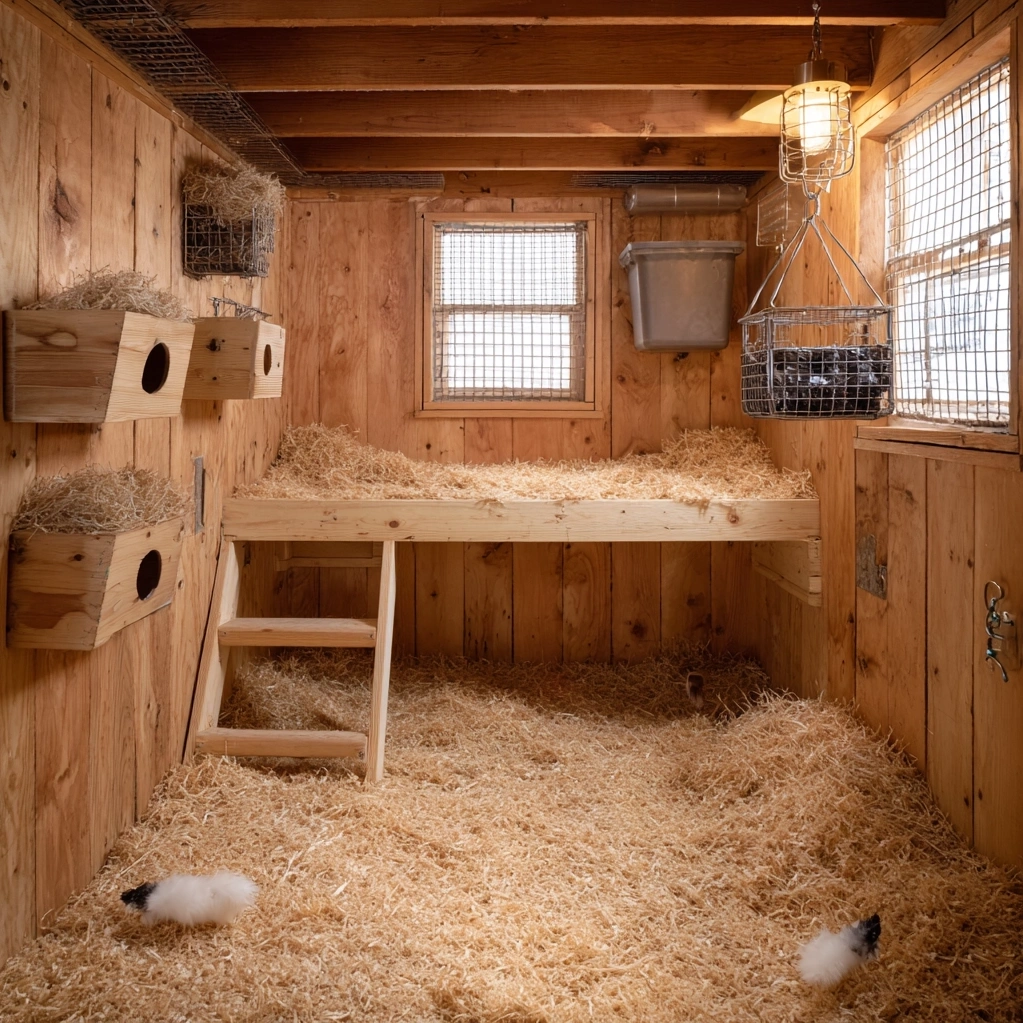
Seasonal Chicken Coop Interior Adjustments for Year-Round Comfort
Adapting your chicken coop interior to seasonal changes ensures your flock stays comfortable and productive all year. In winter, focus on insulation and warmth without compromising ventilation. Add extra bedding, such as straw or hemp, to provide insulation on the floor, and consider insulating walls with foam boards or reflective barriers, leaving air gaps to prevent condensation. Use draft-free vents near the roof to maintain airflow while keeping cold winds out, and install a safe heat source like a radiant panel if temperatures drop severely—avoid heat lamps due to fire risks. For lighting, extend daylight with timers to encourage laying during shorter days. In summer, prioritize cooling and pest control. Increase ventilation with additional windows or fans, and provide shade with awnings or reflective roof coatings. Use sand or light-colored bedding to reflect heat, and add frozen water bottles or misters for relief. Throughout the year, adjust nesting box liners and roost heights based on flock behavior, and monitor humidity levels to prevent mold. These chicken coop interior adjustments help mitigate seasonal stressors, promoting a stable environment that supports egg production and overall health, no matter the weather outside.
Conclusion
Designing an effective chicken coop interior is a rewarding endeavor that blends creativity with practicality. By focusing on layouts, decor, upgrades, and seasonal adjustments, you can create a space that nurtures your flock's health and happiness while simplifying your care routine. Remember, a well-planned interior not only enhances egg production and reduces behavioral issues but also makes chicken keeping more enjoyable. Start with the basics: ensure adequate space, proper ventilation, and safe materials, then layer in thoughtful touches like natural lighting and easy-clean features. As you implement these chicken coop interior ideas, observe your chickens' behavior—they'll show you what works best through their activity and egg-laying patterns. Looking ahead, consider incorporating sustainable practices, such as composting bedding or using solar-powered lights, to make your coop even more efficient. Whether you're a beginner or an experienced keeper, continuous improvement based on these principles will lead to a thriving backyard ecosystem. Embrace the journey of creating a cozy, functional home for your feathered friends, and enjoy the benefits of a harmonious and productive flock.
Frequently Asked Questions
Q: How much space do I need per chicken in the coop interior?
Each chicken requires at least 2-4 square feet of interior space in the coop to prevent overcrowding, reduce stress, and minimize health issues like respiratory diseases. For larger breeds or in colder climates, aim for the higher end of this range. Additionally, ensure there's enough roosting space (8-12 inches per bird) and nesting box access (one box for every 3-4 hens). Proper spacing supports natural behaviors and makes cleaning easier.
Q: What are the best materials for chicken coop interior flooring?
The best materials for chicken coop interior flooring are durable, easy to clean, and moisture-resistant. Options include sealed wood, vinyl, or concrete with a non-slip surface. For a natural approach, use deep litter systems with pine shavings, straw, or sand, which absorb droppings and can be composted. Avoid materials like bare earth or carpet, as they can harbor pests and bacteria. Removable trays or slatted floors are excellent upgrades for quick maintenance.
Q: How can I improve ventilation in my chicken coop interior without creating drafts?
To improve ventilation without drafts, install vents or windows near the roof or eaves, as warm, moist air rises and exits there. Use adjustable covers or screens to control airflow, and ensure openings are predator-proof. Avoid placing vents at chicken level where drafts can cause chills. In larger coops, consider ridge vents or exhaust fans for consistent air exchange. Good ventilation reduces humidity and ammonia, preventing respiratory problems while keeping the interior fresh.