
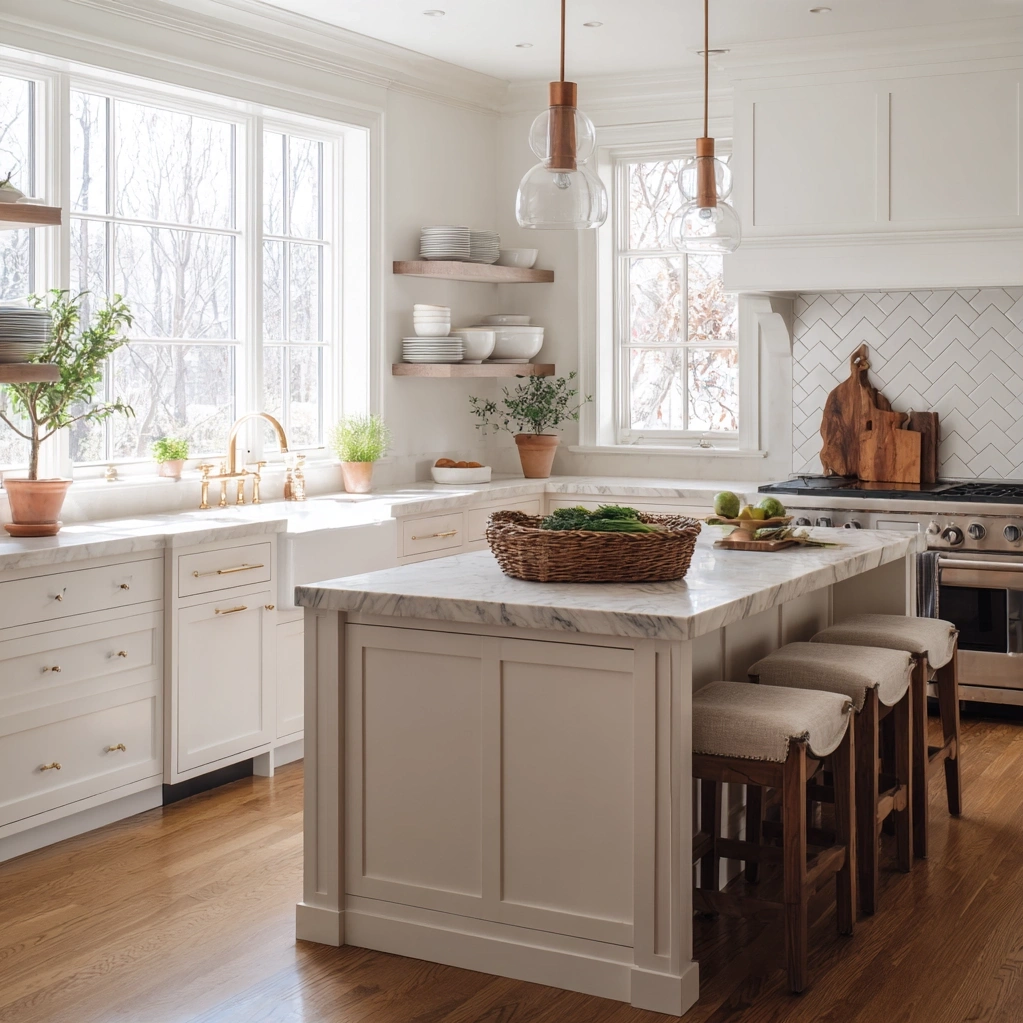
In a world of fleeting trends and ever-changing styles, the classic timeless kitchen stands as an enduring sanctuary of beauty and functionality. This design philosophy transcends passing fashions, creating spaces that remain relevant and beautiful for decades. The appeal lies in its ability to blend traditional craftsmanship with practical living, offering a sense of permanence and comfort that modern, trend-driven designs often lack. When you invest in a classic timeless kitchen, you’re not just creating a cooking space—you’re building a foundation for family memories and daily rituals that will withstand the test of time. The importance of this approach cannot be overstated in today’s fast-paced design landscape. Many homeowners find themselves constantly updating their spaces to keep up with trends, only to discover their choices look dated within a few years. A classic timeless kitchen avoids this pitfall by focusing on fundamental design principles rather than temporary aesthetics. It prioritizes quality materials, balanced proportions, and thoughtful layouts that work harmoniously together. This creates a kitchen that feels both familiar and fresh, comfortable and sophisticated. The emotional resonance of such a space is profound. It becomes more than just a room; it becomes the heart of your home, a place where generations gather, stories are shared, and life unfolds. The warmth of natural wood, the solidity of stone countertops, the gleam of carefully chosen hardware—all these elements contribute to an environment that feels both luxurious and lived-in. This balance is what makes classic timeless kitchens so universally appealing across different architectural styles and personal tastes. They adapt to your lifestyle rather than forcing you to adapt to them.
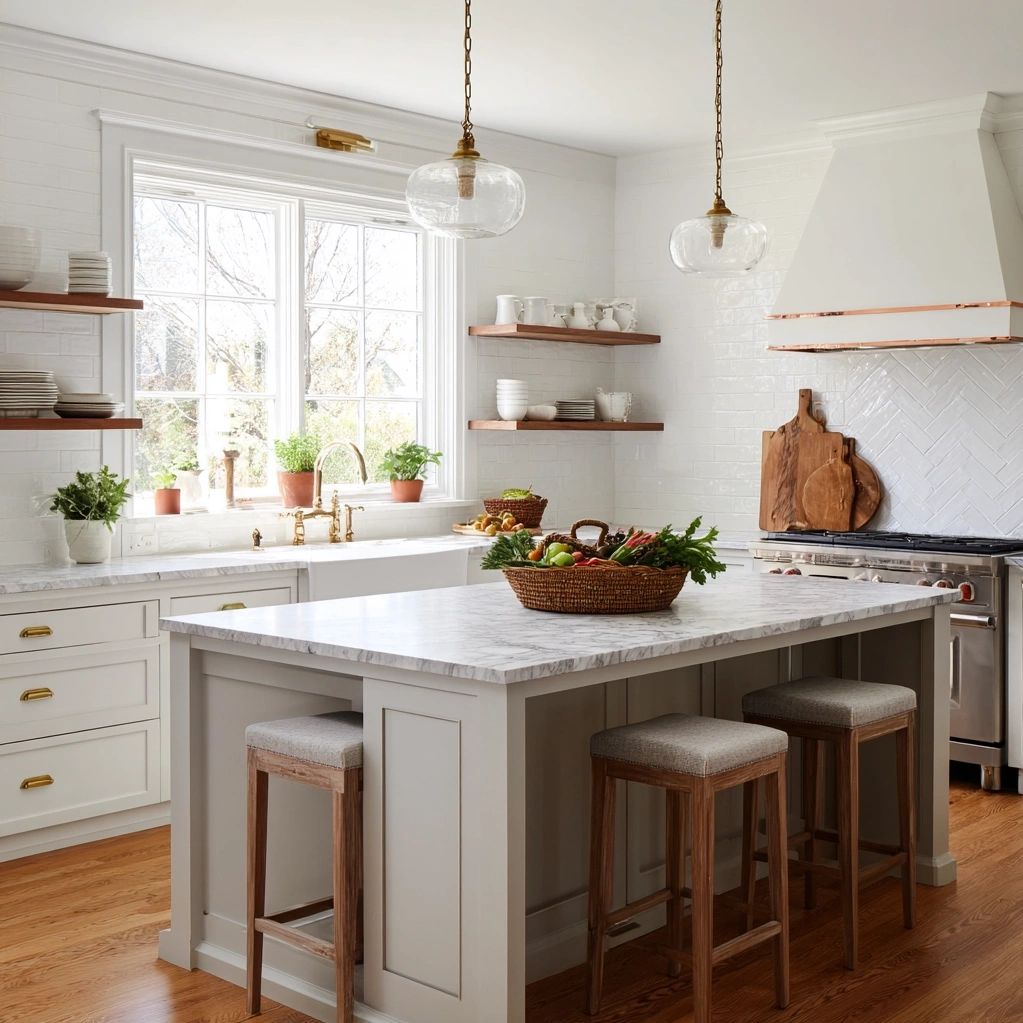
Essential Elements of a Classic Timeless Kitchen
Creating a classic timeless kitchen requires careful attention to fundamental elements that have proven their worth over generations. The foundation begins with cabinetry that emphasizes quality construction and simple, elegant lines. Shaker-style cabinets remain a perennial favorite for their clean profiles and versatility. They work equally well in traditional and transitional spaces, providing a neutral backdrop that allows other elements to shine. Solid wood construction ensures durability, while subtle details like inset doors and quality hinges contribute to the overall sense of craftsmanship. Countertop selection is another critical component. Natural materials like marble, granite, and soapstone have been kitchen staples for centuries because they combine beauty with practicality. While each has its maintenance considerations, their patina develops character over time, telling the story of your kitchen's use. For those preferring lower maintenance options, quartz with subtle veining can provide a similar aesthetic without the upkeep. The backsplash should complement rather than compete with these elements. Subway tile in various formats remains a timeless choice, offering clean lines that highlight other features. For added interest, consider herringbone patterns or extended sizes that maintain the classic feel while adding subtle contemporary touches. Flooring anchors the entire space with materials that age gracefully. Hardwood floors in medium tones provide warmth and durability, developing a rich patina over years of use. Porcelain tile that mimics natural stone offers another excellent option, particularly in homes with heavy traffic or moisture concerns. Lighting completes the picture with a layered approach. Combine recessed lighting for general illumination with pendant lights over islands and under-cabinet lighting for task areas. Classic designs in materials like wrought iron, brass, or simple glass ensure your lighting choices won't date quickly.
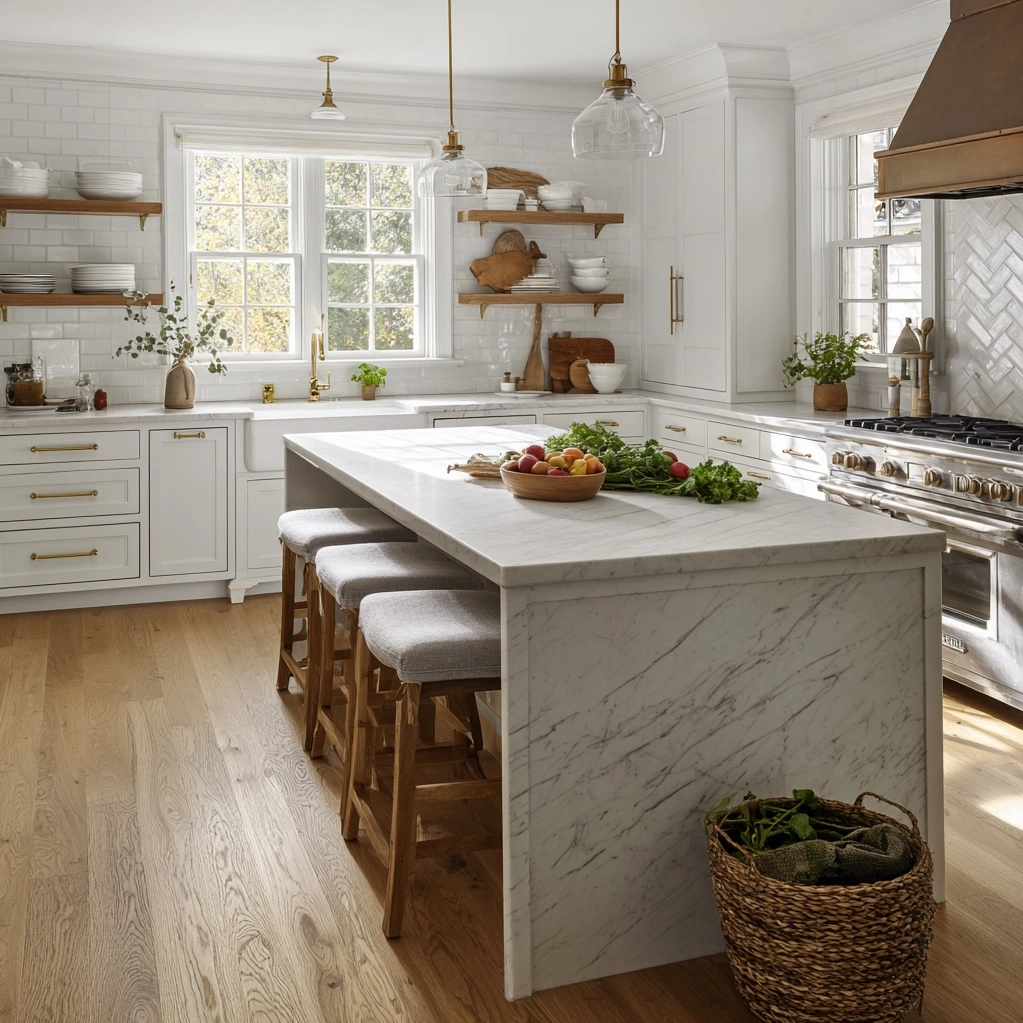
Color Palettes That Define Classic Timeless Kitchens
The color scheme of a classic timeless kitchen plays a crucial role in establishing its enduring appeal. Neutral palettes form the backbone of these spaces, providing a versatile canvas that accommodates changing accessories and personal styles over time. White kitchens have maintained their popularity for generations because they create a sense of cleanliness, light, and space. Whether you choose crisp bright whites or warmer cream tones, white cabinets reflect light beautifully and make rooms feel larger. They also provide perfect contrast for natural materials like wood and stone. For those seeking more depth, gray has emerged as a modern classic that offers sophistication without trendiness. From light dove grays to deeper charcoal tones, gray provides excellent flexibility. It pairs beautifully with both warm and cool accents, allowing you to change your decor seasonally without requiring a complete kitchen overhaul. Blue represents another timeless choice with historical precedent. Navy and slate blues bring richness and depth to cabinetry, while lighter sky blues create airy, coastal-inspired spaces. These blues work particularly well with brass or nickel hardware, creating combinations that feel both traditional and fresh. Two-tone kitchens offer another approach to classic timeless design. By pairing upper and lower cabinets in different but complementary colors, you create visual interest without sacrificing longevity. Common combinations include white uppers with navy lowers, or light gray uppers with natural wood lowers. This technique allows you to incorporate color while maintaining the neutral foundation essential to timeless design. When selecting colors, consider how they interact with natural light throughout the day. North-facing rooms benefit from warmer tones to counteract cool light, while south-facing spaces can handle cooler hues without feeling sterile. Always test samples in your actual space before committing to ensure the colors work harmoniously with your specific lighting conditions.
Layout and Functionality in Classic Timeless Kitchens
The success of a classic timeless kitchen depends as much on its layout as its aesthetic choices. These kitchens prioritize functionality and flow above all else, recognizing that beautiful design must serve practical needs. The work triangle—connecting refrigerator, sink, and stove—remains a fundamental principle for efficient movement. However, modern interpretations often expand this concept to include multiple work zones, particularly in larger kitchens with islands or peninsulas. Islands have become central to contemporary classic kitchens, serving multiple functions from food preparation to casual dining. When designing an island, ensure adequate clearance on all sides (typically 42-48 inches) for comfortable movement. Incorporate storage solutions that match your cooking habits, whether that's deep drawers for pots and pans, open shelving for frequently used items, or specialized compartments for baking sheets and cutting boards. Storage solutions in classic timeless kitchens emphasize accessibility and organization. Pull-out shelves, lazy Susans in corner cabinets, and vertical dividers for trays all contribute to a kitchen that works as hard as it looks. Consider incorporating a pantry, whether walk-in or cabinet-style, to keep countertops clear and ingredients organized. This maintains the clean lines essential to timeless design while providing practical storage. Appliance integration represents another key consideration. Many classic timeless kitchens feature panel-ready appliances that blend seamlessly with cabinetry, creating a cohesive look. For freestanding appliances, choose models with clean lines and classic finishes like stainless steel or matte black. These finishes have proven their staying power across design eras. Ventilation deserves special attention in these designs. Range hoods should be both functional and beautiful, with materials like copper, zinc, or wood adding character while effectively removing cooking odors and moisture. Finally, consider how your kitchen connects to adjacent spaces. Open floor plans have made kitchens more social than ever, but even in more traditional layouts, creating visual and physical connections to dining and living areas enhances the kitchen's role as the heart of the home.
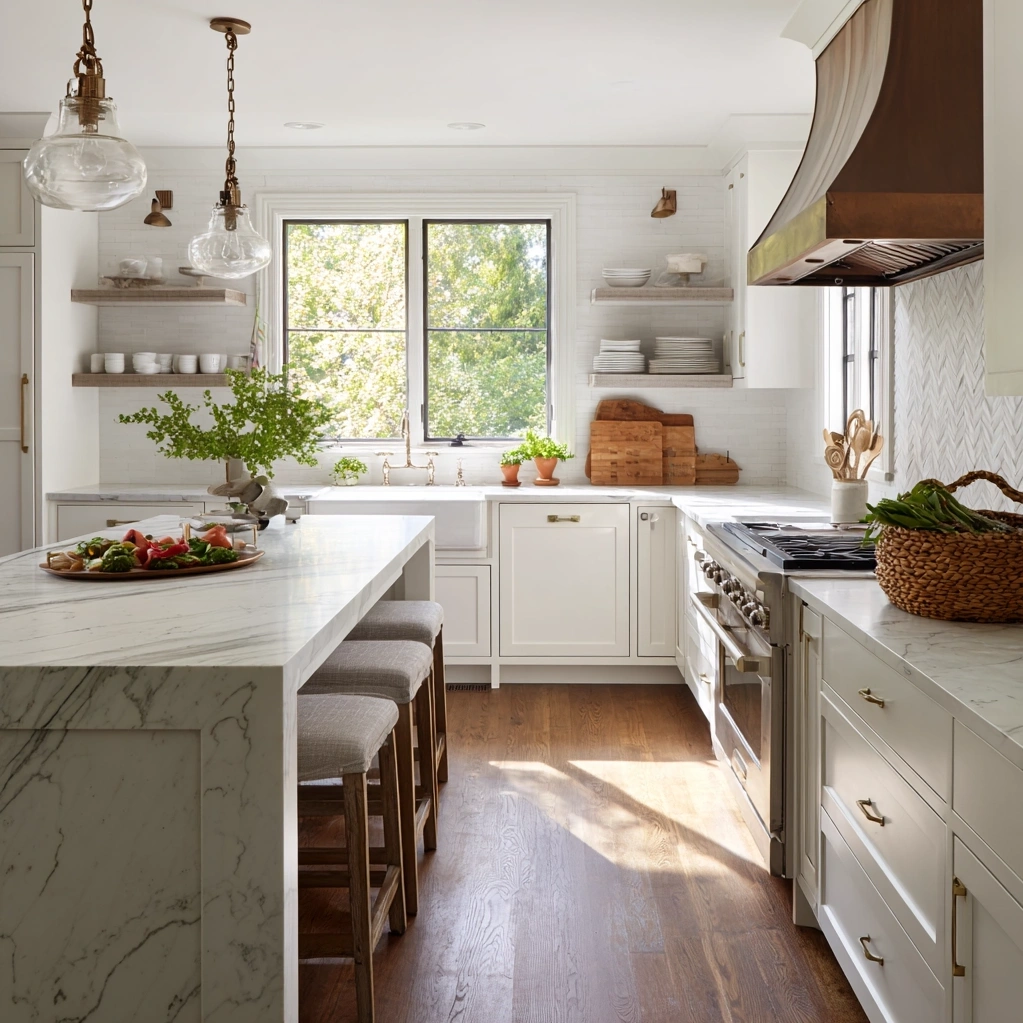
Materials and Finishes for Lasting Beauty
The materials and finishes you choose determine not only the appearance but also the longevity of your classic timeless kitchen. Natural materials consistently outperform synthetic alternatives in both durability and aesthetic appeal over time. Wood remains the gold standard for cabinetry, with species like oak, maple, and cherry offering distinct characteristics. Oak provides pronounced grain patterns that develop rich patina, while maple offers a smoother surface ideal for painted finishes. Cherry darkens beautifully with age, telling the story of your kitchen's life. For countertops, natural stone continues to define timeless elegance. Marble, despite its maintenance requirements, offers unparalleled beauty with its unique veining. Granite provides exceptional durability with natural variation, while soapstone develops a soft, matte finish that many find appealing. Butcher block introduces warmth and practicality, particularly on islands where its cutting surface proves useful. Hardware represents the jewelry of your kitchen, and classic choices ensure lasting appeal. Knob and pull designs should be substantial enough to feel quality in hand while maintaining simple silhouettes. Materials like unlacquered brass develop a living finish that changes with use, while nickel and iron offer more consistent appearances. Avoid overly ornate designs that might date quickly, opting instead for profiles that have stood the test of time. Backsplash materials should complement rather than compete with other elements. Ceramic and porcelain tiles in classic shapes like subway, hexagon, or penny rounds provide clean backgrounds that highlight cabinetry and countertops. Natural stone mosaics add texture without overwhelming the space. For a truly seamless look, consider extending your countertop material up the wall as a backsplash. Flooring materials must withstand heavy use while maintaining their beauty. Hardwood floors in medium-width planks offer warmth and durability, with options like white oak providing excellent stain resistance. For higher moisture areas, porcelain tile that mimics wood or stone provides practical beauty. Natural stone tiles like limestone or travertine develop character through slight wear, adding to the kitchen's story. Lighting fixtures should combine function with timeless design. Materials like aged brass, wrought iron, and seeded glass work across various styles. Consider mixing fixture types—pendants over islands, sconces at sinks, and recessed lighting throughout—to create layers of illumination that enhance both tasks and ambiance.
Conclusion
A classic timeless kitchen represents more than just a design choice—it's an investment in lasting beauty, functionality, and emotional connection. Throughout this exploration, we've seen how fundamental principles of design, carefully selected materials, and thoughtful layouts combine to create spaces that remain relevant and beautiful for decades. The appeal lies in their ability to evolve with your family while maintaining their core elegance. Unlike trend-driven designs that require constant updates, these kitchens grow more characterful with time, developing a patina that tells the story of meals shared, holidays celebrated, and daily life embraced. Looking forward, the principles of classic timeless design will only become more valuable as homeowners seek sustainability in both materials and design philosophy. The movement toward quality over quantity, permanence over disposability, aligns perfectly with this approach. Future kitchens will likely incorporate smart technology more seamlessly, but the fundamental elements—quality cabinetry, natural materials, efficient layouts—will remain constant. The integration of energy-efficient appliances and sustainable materials will enhance rather than detract from timeless aesthetics. For those considering a kitchen renovation or new construction, remember that classic doesn't mean boring or restrictive. It provides a foundation upon which you can layer personal touches through accessories, artwork, and decorative elements that reflect your evolving tastes. The neutral palette allows for seasonal changes in decor, while the quality construction ensures your investment pays dividends for years to come. Ultimately, a classic timeless kitchen creates a sanctuary that nourishes both body and soul, proving that some things only get better with age.
Frequently Asked Questions
Q: What makes a kitchen design truly timeless rather than just traditional?
A timeless kitchen design transcends specific eras by focusing on fundamental principles rather than period-specific details. While traditional kitchens might incorporate ornate moldings or highly decorative elements characteristic of particular historical styles, timeless kitchens emphasize clean lines, quality materials, and balanced proportions that work across decades. The key distinction lies in versatility—timeless designs incorporate elements that have proven their staying power through multiple design movements. They avoid extremes in color, shape, or finish that might quickly date. For example, while both might use wood cabinetry, a timeless kitchen would choose simple Shaker-style doors over heavily carved Victorian styles. The color palette tends toward neutrals that provide flexibility for changing accessories. Most importantly, timeless kitchens prioritize functionality equally with aesthetics, ensuring the space works beautifully for daily life regardless of changing trends.
Q: Can I incorporate modern appliances and technology into a classic timeless kitchen without compromising the aesthetic?
Absolutely, and this integration often enhances both functionality and the timeless appeal. Modern appliances and technology can be seamlessly incorporated through several strategies. First, consider panel-ready appliances that accept custom cabinet fronts, making refrigerators, dishwashers, and sometimes even ranges disappear into your cabinetry. This maintains clean lines while providing cutting-edge performance. For freestanding appliances, choose models with simple, clean designs in finishes that have proven longevity, such as stainless steel, matte black, or white. Many manufacturers now offer appliances with retro styling that incorporates modern technology—think Smeg refrigerators or AGA ranges. Smart home technology can be integrated discreetly through under-cabinet lighting controls, voice-activated assistants built into speakers, or touchless faucets with classic designs. When planning your classic timeless kitchen, work with designers who understand how to conceal charging stations, hide outlets in drawers, and incorporate ventilation systems that don't dominate the space. The goal is to enjoy modern conveniences without visual clutter that might date your kitchen.
Q: How do I choose between different countertop materials for a classic timeless kitchen?
Selecting countertop materials involves balancing aesthetics, maintenance, durability, and budget—all while ensuring your choice supports timeless appeal. Natural stone remains the gold standard for classic timeless kitchens. Marble offers unparalleled beauty with its unique veining and luminous quality, though it requires acceptance of patina and potential etching from acids. Granite provides exceptional durability with natural variation, requiring only periodic sealing. Soapstone develops a soft, matte finish that many find appealing, and while it can scratch, these often blend into the character of the stone. Butcher block brings warmth to islands and workspaces, though it requires regular oiling. For lower maintenance options, consider quartz engineered stone, which offers the look of natural stone with greater resistance to stains and scratches. When choosing, consider your cooking habits, maintenance willingness, and how the material complements your cabinetry. View large samples in your actual kitchen light at different times of day. Remember that in timeless design, subtle patterns and neutral colors generally outperform bold, dramatic veining that might feel dated in a few years. Also consider the edge profile—simple eased, beveled, or ogee edges tend to remain classic longer than highly decorative profiles.