
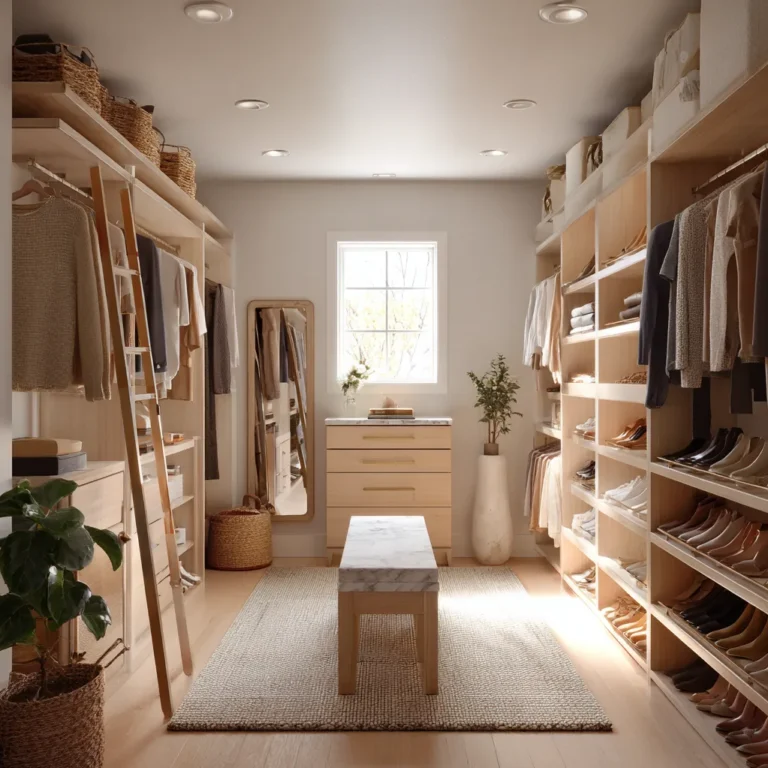
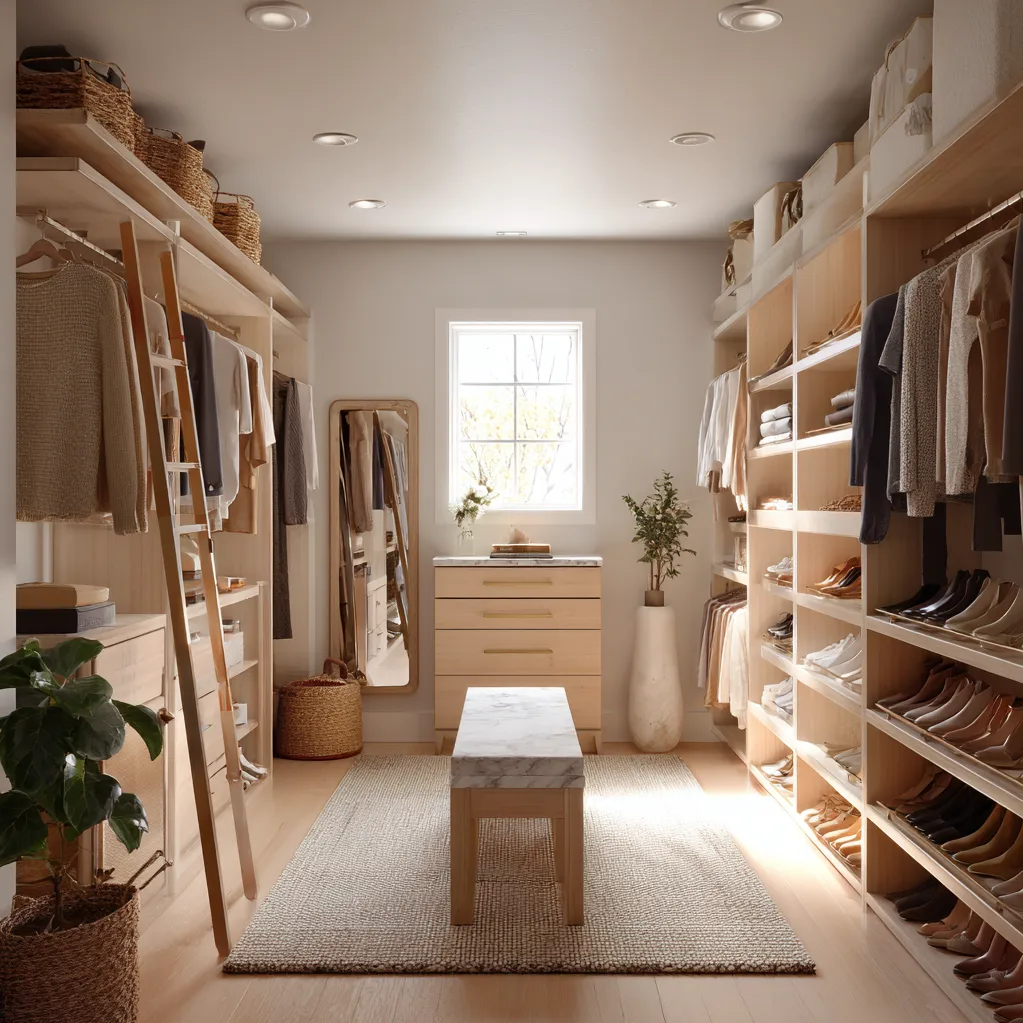
Are you tired of cluttered closets that make your mornings chaotic and your home feel disorganized? Closet designs are more than just a functional necessity; they’re a game-changer for your daily life and overall well-being. In today’s fast-paced world, an efficient closet can save you time, reduce stress, and even boost your confidence by ensuring your clothes and accessories are neatly organized and easily accessible. Whether you’re dealing with a tiny apartment closet or a spacious walk-in, thoughtful closet designs can transform your storage space into a personalized haven. This isn’t about mere tidiness—it’s about creating a system that works for you, enhancing your routine and making your home a more serene place. From maximizing vertical space to incorporating smart dividers, investing in good closet designs pays off in convenience and peace of mind. As we explore various options, you’ll see how tailored solutions can fit any lifestyle, proving that a well-designed closet is a cornerstone of modern living. So, let’s dive in and discover how to turn that cramped corner into a functional masterpiece!
Maximizing Small Spaces with Smart Closet Designs
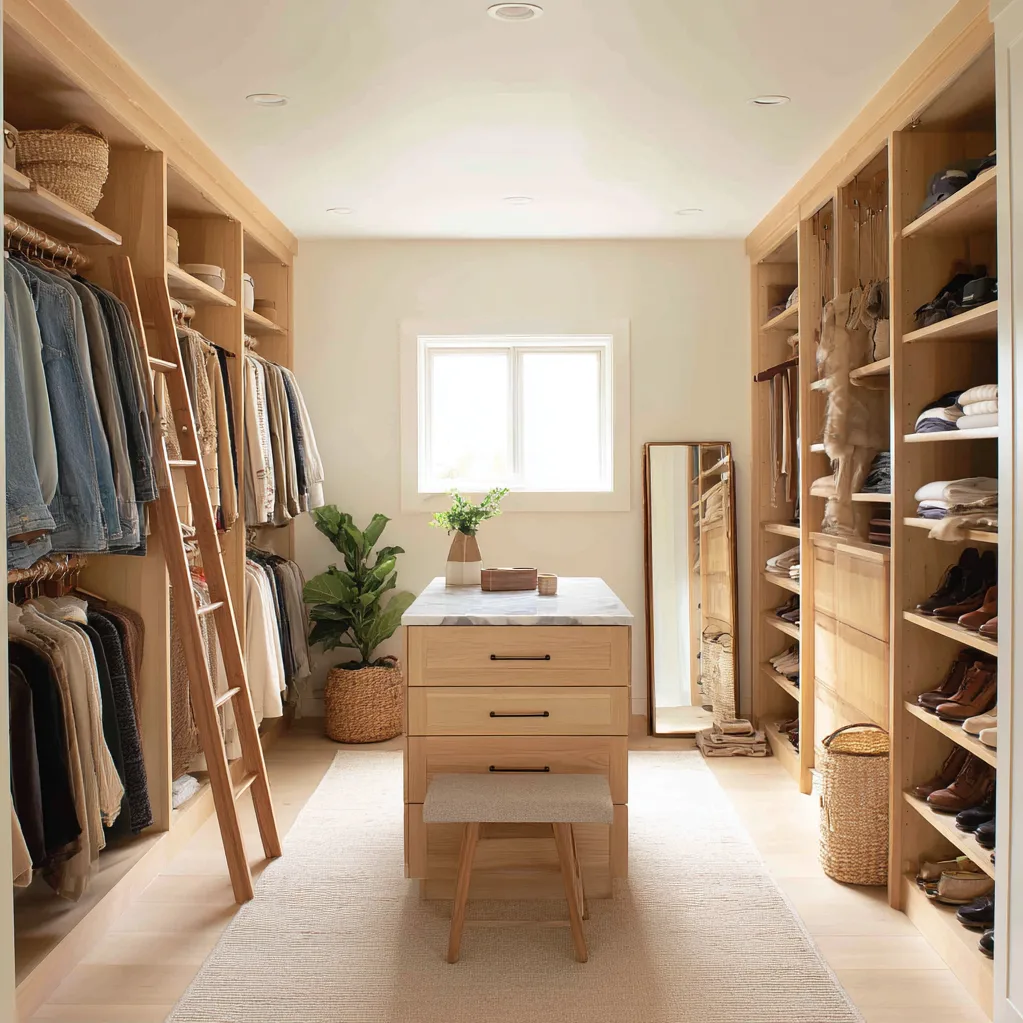
When dealing with limited square footage, smart closet designs can make all the difference. Start by assessing your available space—even a shallow nook can be optimized with custom shelving and hanging rods. For instance, use vertical storage to your advantage: install shelves that reach the ceiling for less frequently used items, and add double-hung rods to double your hanging capacity without increasing floor space. Pull-out drawers and baskets are excellent for keeping smaller items like socks and accessories organized, while slimline hangers can free up precious inches. Don't forget about the back of the closet door; over-door organizers or hooks can hold everything from belts to shoes, turning wasted space into a functional asset. In small bedrooms or studio apartments, consider built-in closet designs that blend seamlessly with the room's layout, using light colors and mirrors to create an illusion of spaciousness. For a real-world example, check out this guide on space-saving ideas from The Spruce, which offers expert tips for tight areas. By focusing on efficiency, you can transform a cramped closet into a streamlined storage hub that supports your daily routine without overwhelming your living area.
Walk-In Closet Designs for Luxury and Functionality
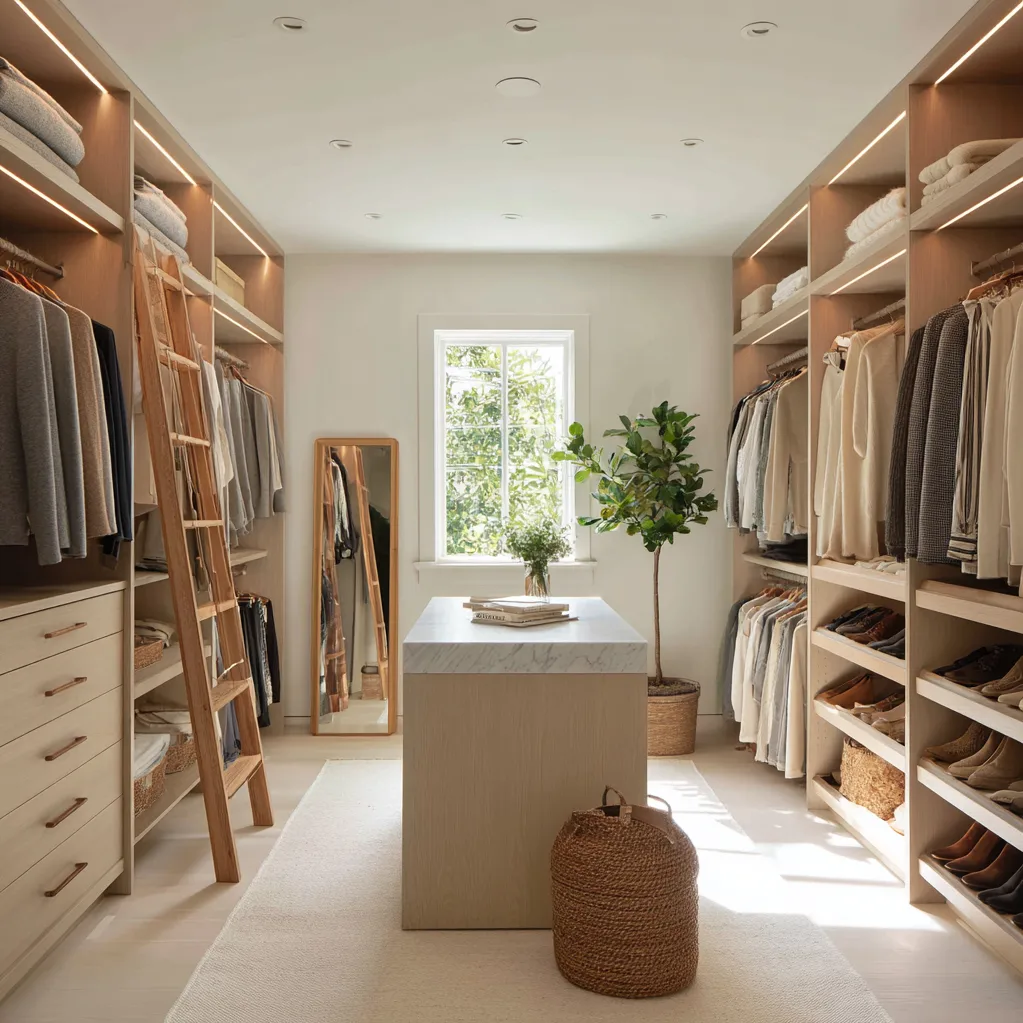
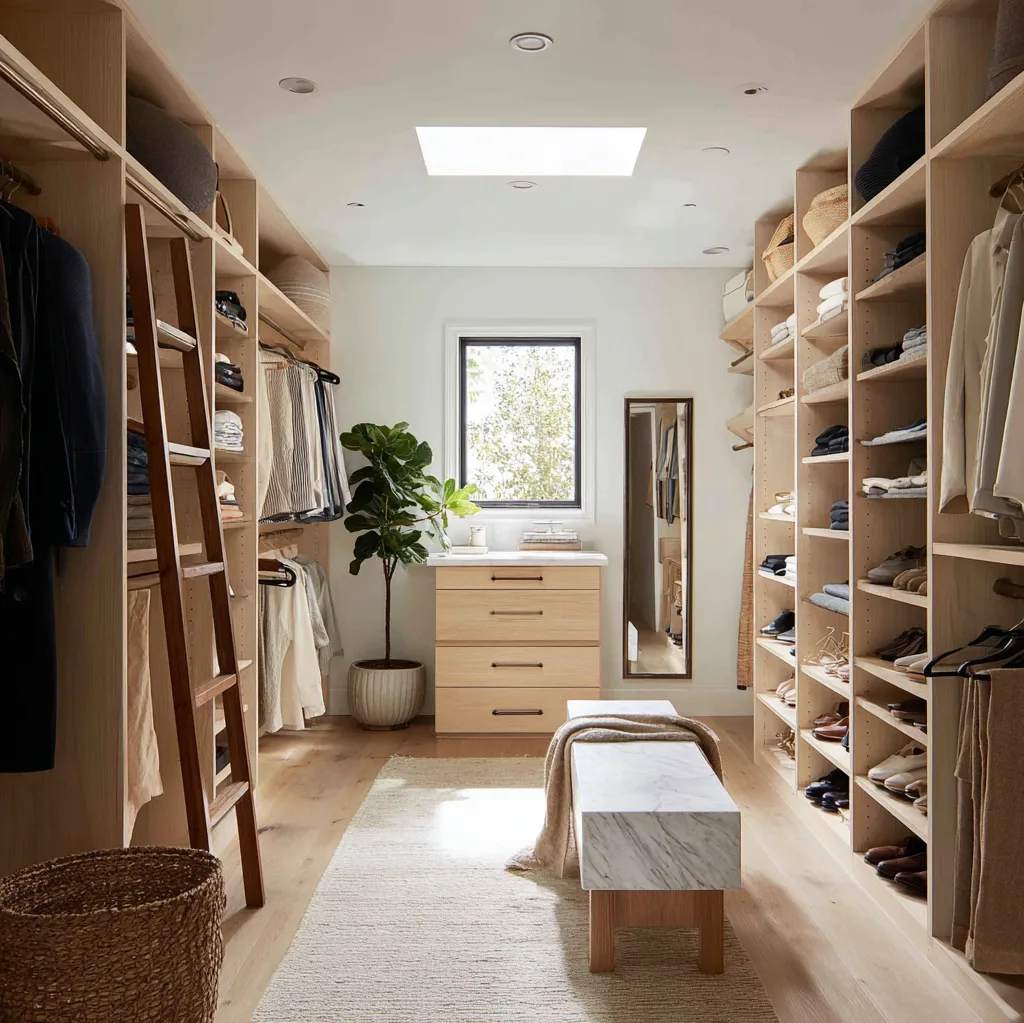
Walk-in closet designs offer the ultimate blend of luxury and practicality, turning storage into a personal retreat. Begin with a clear layout: central islands with drawers provide ample space for folded clothes and jewelry, while surrounding walls can feature a mix of open shelving, hanging sections, and specialized compartments for shoes or handbags. Incorporate lighting strategically—LED strip lights under shelves or motion-sensor overhead fixtures ensure everything is visible, reducing the hassle of searching for items. For added elegance, use high-quality materials like solid wood or laminates that resist wear and tear, and include seating like a small bench or ottoman for trying on shoes. Customizable elements, such as adjustable rods and modular units, allow the closet to evolve with your needs, whether you're storing seasonal wear or expanding a collection. At ChicAura Home, we've seen how tailored walk-in designs can boost home value and daily enjoyment. Remember to include ventilation to prevent odors and maintain fabric quality, and consider adding a full-length mirror for quick outfit checks. With thoughtful planning, a walk-in closet becomes more than storage; it's a sanctuary that reflects your style and simplifies your life, making every morning a pleasure.
Sustainable Closet Designs for an Eco-Friendly Home
Embracing sustainable closet designs not only helps the planet but also creates a healthier living environment. Start by choosing materials like bamboo, reclaimed wood, or FSC-certified timber, which are renewable and have lower environmental impacts. Opt for low-VOC (volatile organic compound) finishes and adhesives to improve indoor air quality, and consider upcycling old furniture into closet components to reduce waste. In terms of functionality, design for longevity: modular systems that can be reconfigured over time minimize the need for replacements, and energy-efficient lighting, such as LED bulbs, cuts down on electricity use. For storage, use natural fiber baskets or recycled plastic bins instead of synthetic options, and incorporate ventilation to reduce mold and mildew, which can damage clothes and health. A great resource is the Environmental Protection Agency's tips on green building, which highlight ways to integrate sustainability into home projects. By focusing on durability and eco-friendly practices, your closet designs can support a minimalist lifestyle, encouraging you to buy less and organize better. This approach not only conserves resources but also fosters a sense of responsibility, making your home a model of conscious living that benefits both you and the environment.
Conclusion
In summary, closet designs are a vital aspect of home organization that can dramatically improve your daily life. From maximizing small spaces with vertical storage and smart dividers to creating luxurious walk-in closets with custom islands and lighting, we've explored how tailored solutions cater to various needs and preferences. Sustainable approaches further enhance these benefits by promoting eco-friendly materials and long-lasting functionality, ensuring your closet not only serves you well but also respects the planet. As we look to the future, trends in closet designs are likely to embrace even more innovation, such as integrated smart technology for inventory tracking or AI-assisted organization tools. The key takeaway is to start with a clear assessment of your space and habits, then invest in designs that grow with you. Remember, a well-planned closet isn't just about storage—it's about crafting a space that simplifies routines, reduces stress, and reflects your personal style. So, take the first step today: evaluate your current setup, draw inspiration from these ideas, and transform your closet into a functional masterpiece that supports a happier, more organized home life for years to come.
Frequently Asked Questions
Q: What are the key elements to consider when planning closet designs?
When planning closet designs, focus on functionality, space utilization, and personal needs. Key elements include assessing your storage requirements (e.g., hanging vs. folded items), measuring the available space accurately, choosing durable materials like wood or metal, and incorporating adjustable features for flexibility. Lighting is crucial for visibility—opt for LED options to save energy. Also, consider ventilation to prevent moisture buildup and include accessories like drawers, shelves, and hooks for organization. For small spaces, vertical storage and multi-purpose units can maximize efficiency, while walk-in closets benefit from islands and specialized compartments. Always prioritize ease of access and long-term usability to ensure your closet designs meet your lifestyle.
Q: How can I make my closet designs more eco-friendly?
To make closet designs more eco-friendly, start by selecting sustainable materials such as bamboo, reclaimed wood, or recycled metals, which have lower environmental impacts. Use low-VOC paints and finishes to maintain indoor air quality, and opt for energy-efficient lighting like LEDs. Design for durability by choosing modular systems that can be reused or repurposed, reducing waste over time. Incorporate natural ventilation to minimize the need for dehumidifiers, and consider upcycling old furniture into closet components. Additionally, focus on reducing consumption by designing for minimalism—encouraging fewer, higher-quality items. For more insights, refer to resources like the EPA's green building guidelines, which offer practical tips for sustainable home projects. By integrating these practices, your closet can support both organization and environmental responsibility.
Q: What are some budget-friendly tips for upgrading closet designs?
Upgrading closet designs on a budget is achievable with simple, DIY-friendly strategies. Start by decluttering to free up space, then repurpose items like old bookshelves or crates for additional storage. Use affordable organizers such as tension rods for extra hanging areas, stackable bins for folded clothes, and over-door hooks for accessories. Painting the interior a light color can make the space feel larger and more inviting, while adding inexpensive LED strip lights improves visibility. For custom touches, consider building basic shelves with plywood or using fabric dividers to section off areas. Shopping at thrift stores or online marketplaces for second-hand components can also cut costs. Remember, small changes like reorganizing existing items or adding labels can have a big impact without breaking the bank. Focus on incremental improvements to gradually enhance functionality and aesthetics.