
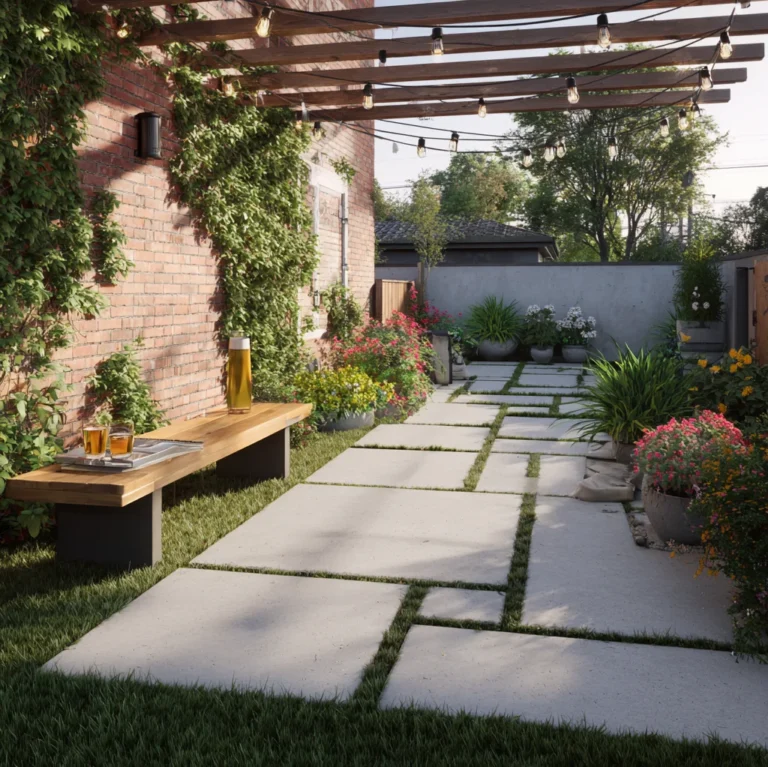
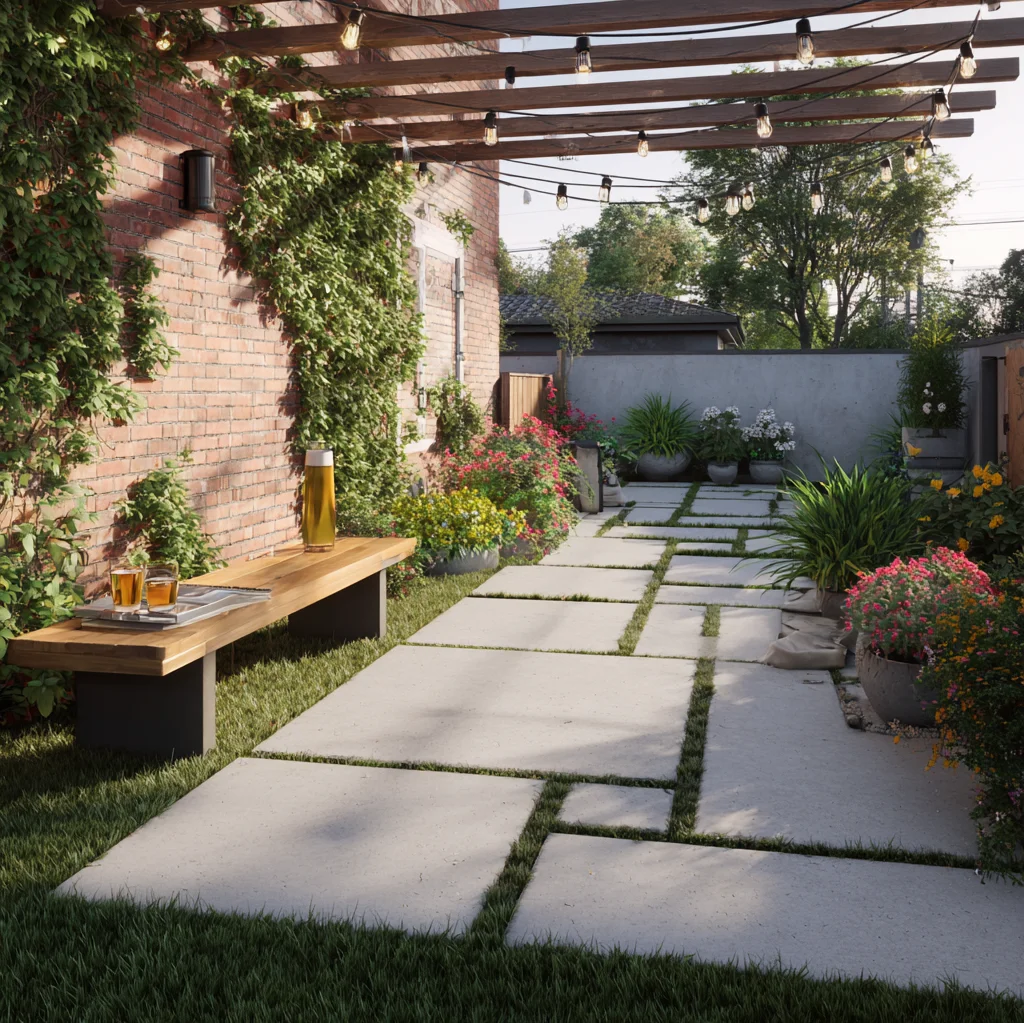
Are you looking to breathe new life into your outdoor areas? Concrete paver ideas offer a versatile and durable solution that can elevate your home’s curb appeal and functionality. Pavers are not just for driveways—they can create stunning patios, walkways, and garden paths that withstand the elements while adding aesthetic value. With so many design options, from classic to modern, it’s easy to customize your space to reflect your personal style. In fact, incorporating concrete pavers can increase property value by enhancing outdoor living areas. Whether you’re tackling a DIY project or hiring a professional, understanding the basics is key. For inspiration, check out this guide from Better Homes & Gardens on outdoor hardscaping. At ChicAura Home, we believe that every detail matters in creating a cohesive home environment. Let’s dive into eight concrete paver ideas that will inspire your next project and help you achieve a beautiful, long-lasting finish that you’ll enjoy for years.
Versatile Concrete Paver Ideas for Modern Patios
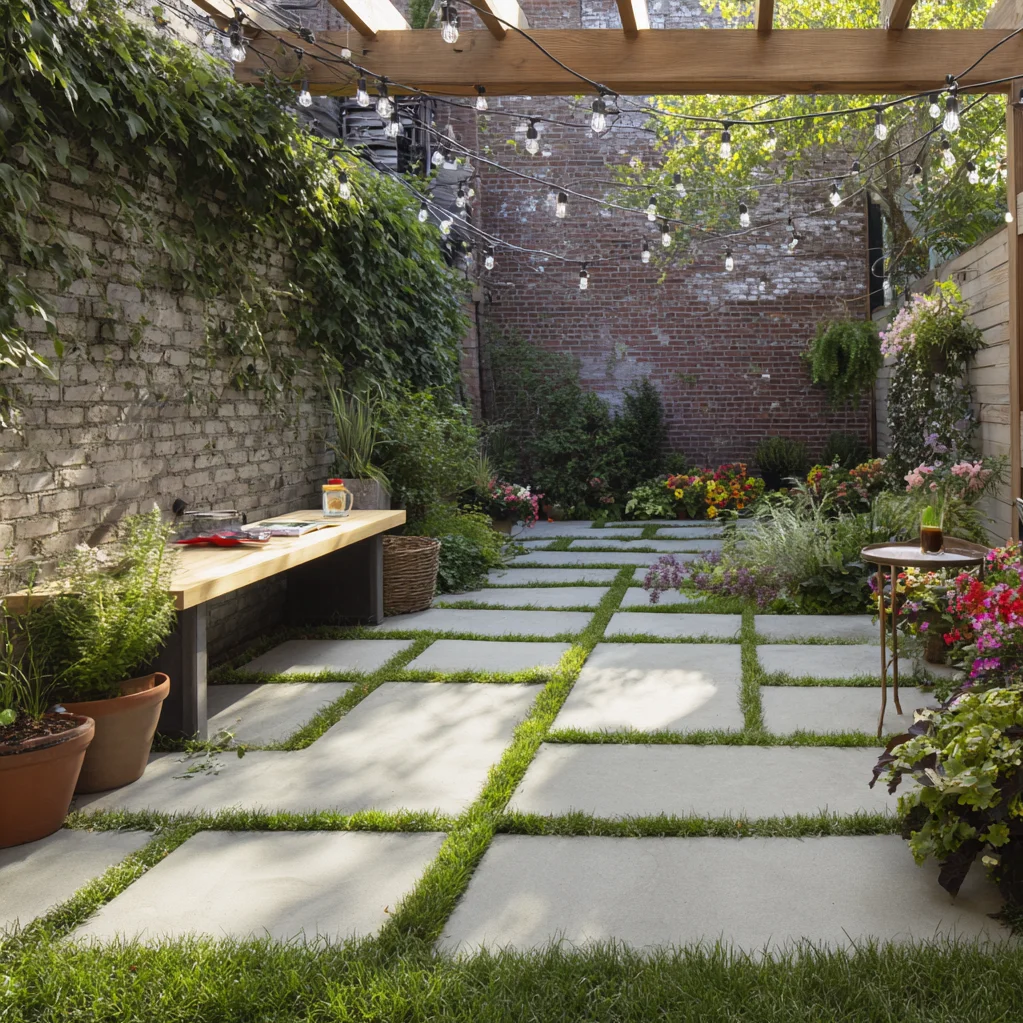
When it comes to patios, concrete paver ideas can transform a bland backyard into a stylish retreat. Start by choosing pavers in geometric shapes like rectangles or hexagons for a contemporary look. For example, interlocking pavers in gray or charcoal create a sleek, uniform surface that pairs well with outdoor furniture. Consider adding a border with contrasting colors to define the space and add visual interest. If you have a sloped area, use leveling sand and a compacted base to ensure stability and prevent shifting over time. Another great idea is to mix paver sizes—combine large slabs with smaller ones to create patterns that break up monotony. For durability, opt for pavers with a textured finish to reduce slipping when wet. Don't forget to integrate seating walls or built-in planters using the same pavers for a cohesive design. These elements not only enhance functionality but also make your patio a central hub for entertaining. With proper installation, your patio can last decades, requiring minimal maintenance. Explore more patio inspirations on our ChicAura Home blog for additional tips on blending style and practicality in your outdoor oasis.
Creative Concrete Paver Ideas for Driveways and Walkways
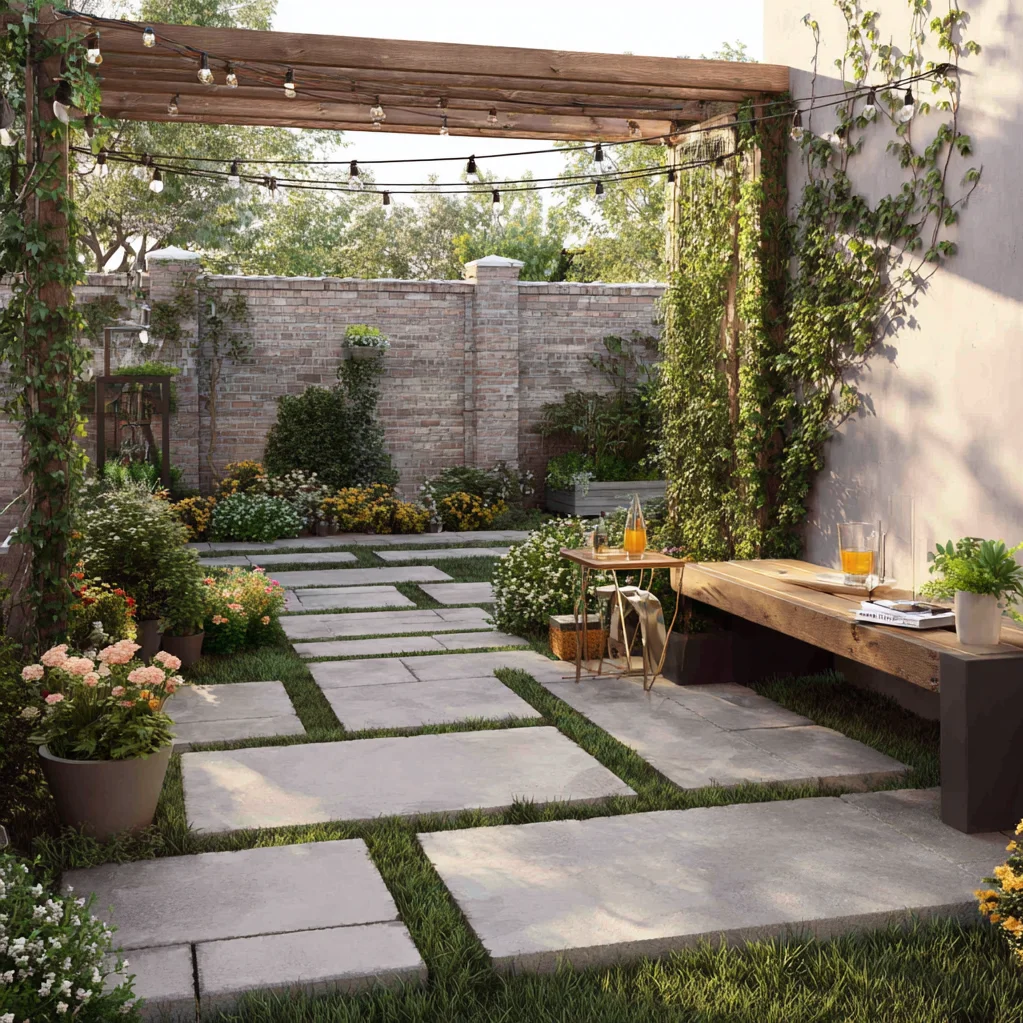
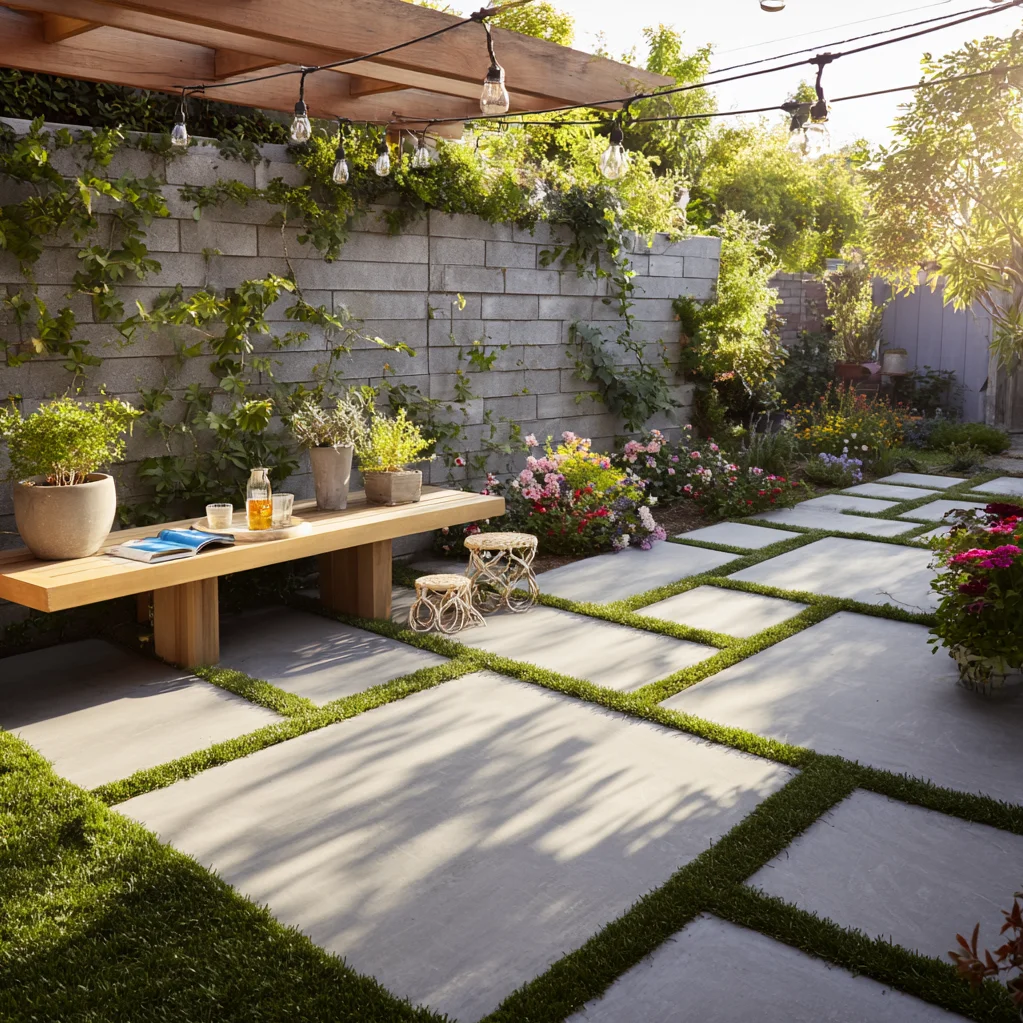
Driveways and walkways are high-traffic areas where concrete paver ideas shine for both beauty and resilience. For driveways, choose thicker pavers (at least 2.5 inches) to handle vehicle weight, and consider patterns like herringbone or running bond for added strength. Earthy tones such as tan or brown blend seamlessly with natural surroundings, while permeable pavers allow water drainage, reducing runoff and puddles. In walkways, curved designs can guide guests through your garden, creating an inviting path. Use edging restraints to keep pavers in place and prevent weeds from growing between joints. For a rustic touch, combine concrete pavers with gravel or grass in the gaps to soften the look. If you're dealing with uneven ground, a solid base of crushed stone is essential to avoid settling. Lighting can enhance safety and ambiance—embed solar-powered lights along the edges for a glowing effect at night. Remember, regular sweeping and occasional sealing will keep your pavers looking new. These ideas not only improve accessibility but also boost your home's overall appeal. For step-by-step guides, visit ChicAura Home's DIY section to learn how to install pavers efficiently and avoid common pitfalls.
Eco-Friendly Concrete Paver Ideas for Sustainable Landscaping
Sustainability is a growing trend, and concrete paver ideas can support eco-friendly landscaping by incorporating permeable options that reduce environmental impact. Permeable pavers allow rainwater to seep into the ground, replenishing groundwater and minimizing stormwater runoff. This is especially useful in urban areas where impermeable surfaces contribute to flooding. Choose pavers made from recycled materials to lower your carbon footprint, and pair them with native plants in surrounding beds to create a habitat for local wildlife. For example, use pavers with open cells that can be filled with grass or gravel, promoting green spaces without sacrificing durability. In garden paths, this approach blends hardscape with softscape, fostering biodiversity. Additionally, light-colored pavers reflect heat, reducing the urban heat island effect and keeping your outdoor areas cooler in summer. Maintenance is straightforward—just occasional rinsing to prevent clogging. By integrating these ideas, you not only enhance your property but also contribute to a healthier ecosystem. For more on sustainable home projects, check out resources from experts like The Spruce, which offers insights into green building practices. At ChicAura Home, we encourage designs that balance aesthetics with environmental responsibility for a brighter future.
Conclusion
In summary, concrete paver ideas provide a powerful way to upgrade your outdoor spaces with style, durability, and versatility. From modern patios to eco-friendly walkways, the eight designs we've explored demonstrate how pavers can adapt to various needs and preferences. By focusing on proper installation, material choices, and maintenance, you can ensure your projects stand the test of time while enhancing your home's value and appeal. Remember, the key to success lies in planning—consider factors like climate, usage, and personal taste to select the best options. As outdoor living continues to gain popularity, investing in quality pavers can transform your yard into a functional retreat for relaxation and entertainment. Looking ahead, trends may lean towards smarter, more sustainable materials, so stay informed and experiment with new ideas. For ongoing inspiration, browse our ChicAura Home collections to discover how small changes can make a big impact. Start your paver project today, and enjoy a beautiful, low-maintenance space that brings joy for years to come.
Frequently Asked Questions
Q: How do I maintain concrete pavers to keep them looking new?
Regular maintenance for concrete pavers involves sweeping to remove debris and rinsing with water to prevent stains. Apply a sealant every 2-3 years to protect against weathering and color fading. For weed control, use polymeric sand in the joints, which hardens to block growth. If pavers shift or settle, you can easily lift and relevel them without major repairs. Avoid using harsh chemicals that could damage the surface, and address spills promptly to maintain their appearance.
Q: Can I install concrete pavers myself, or should I hire a professional?
DIY installation is possible for small projects like walkways or patios if you have basic tools and follow guides carefully. Key steps include excavating the area, adding a base of crushed stone, leveling with sand, and placing pavers in your desired pattern. However, for larger or complex jobs like driveways, hiring a professional is recommended to ensure proper compaction, drainage, and longevity. Professionals can handle issues like soil stability and grading, reducing the risk of future problems. Check out DIY tutorials on ChicAura Home for beginner-friendly advice.
Q: What are the cost considerations for concrete paver projects?
Costs for concrete paver projects vary based on factors like paver type, size of the area, and labor. On average, materials range from $3 to $10 per square foot, with installation adding $5 to $15 per square foot. Permeable or custom-designed pavers may cost more but offer long-term benefits like reduced maintenance and environmental impact. Budget for extras like base materials, edging, and sealants. To save money, consider doing prep work yourself or sourcing materials in bulk. Always get multiple quotes if hiring pros to compare prices and services.