
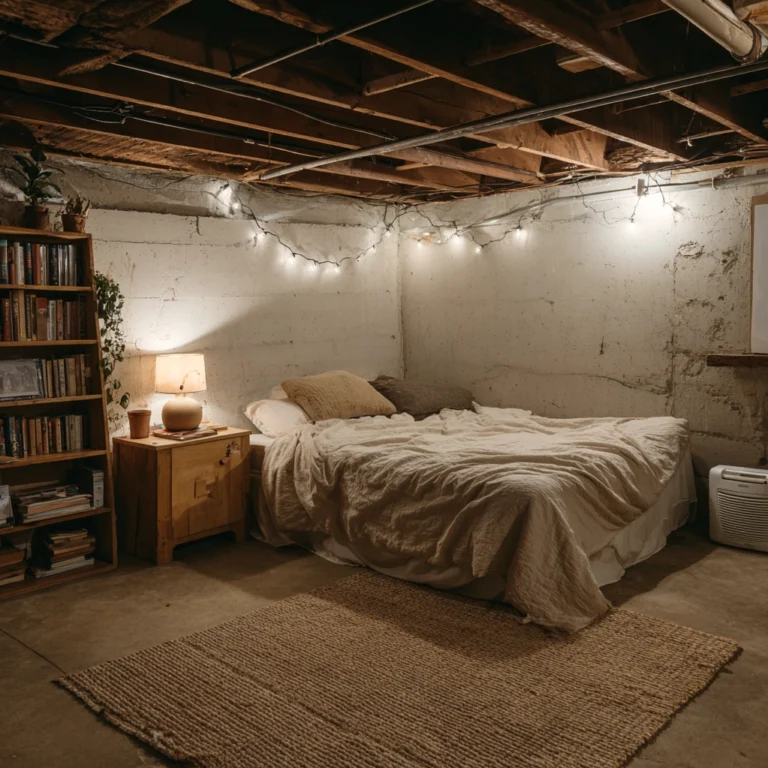
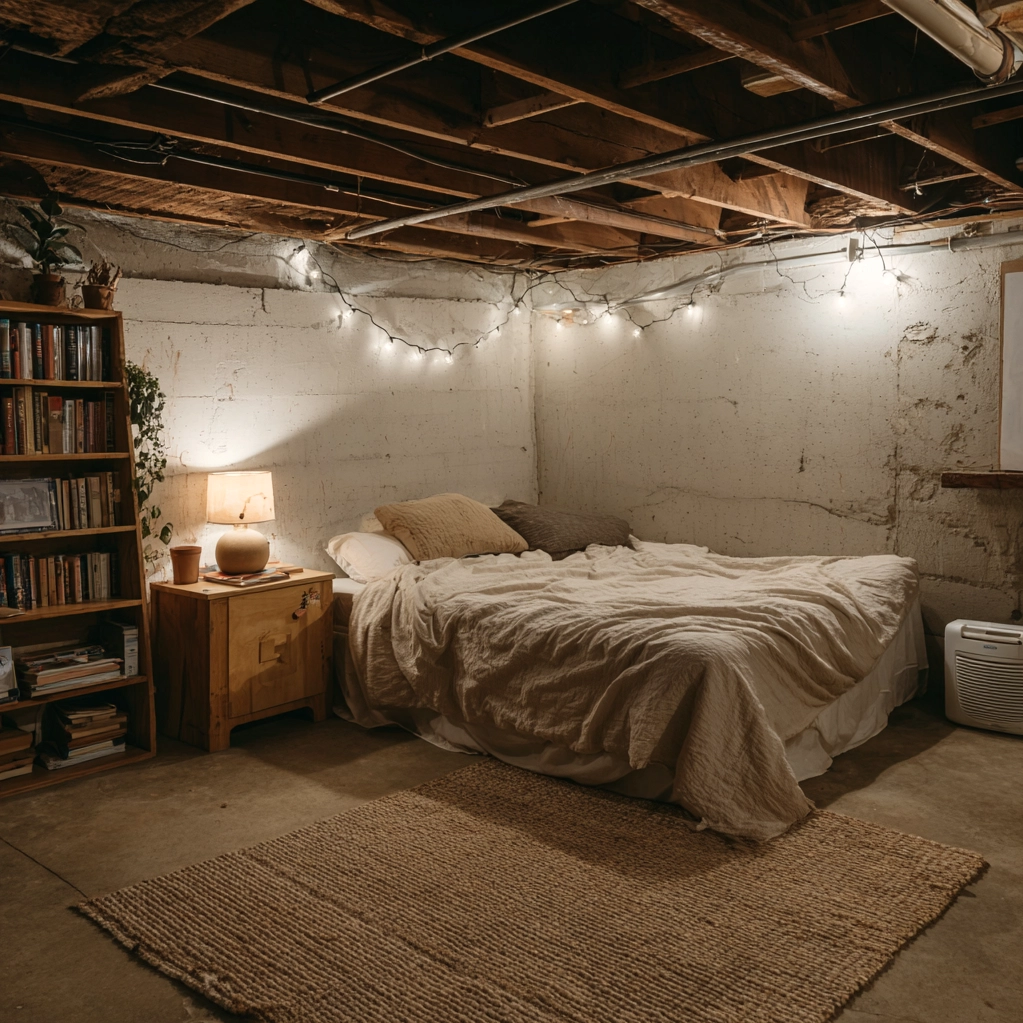
An unfinished basement bedroom often gets dismissed as a dark, damp storage area—but what if it could become your home’s coziest retreat? Many homeowners overlook the incredible potential lurking beneath their feet, settling for clutter and cold concrete instead of embracing the opportunity to create an intimate sanctuary. This guide reveals how to transform that raw, unfinished space into a warm, inviting bedroom that rivals any above-ground room in comfort and style. The journey from bare walls to a cozy unfinished basement bedroom isn’t just about adding furniture; it’s about reimagining what’s possible in the most unexpected places. Basements offer unique advantages like natural sound insulation, separation from daily household noise, and often more square footage than typical bedrooms. By addressing common challenges like moisture control, lighting, and temperature regulation, you can unlock a space that feels both private and expansive. Whether you’re creating a guest room, a teen’s hideaway, or your own personal escape, a cozy unfinished basement bedroom provides value that extends far beyond extra sleeping quarters—it becomes a cherished part of your home’s living experience. Let’s explore how to turn those concrete floors and exposed beams into your favorite room in the house.
Designing Your Cozy Unfinished Basement Bedroom Layout
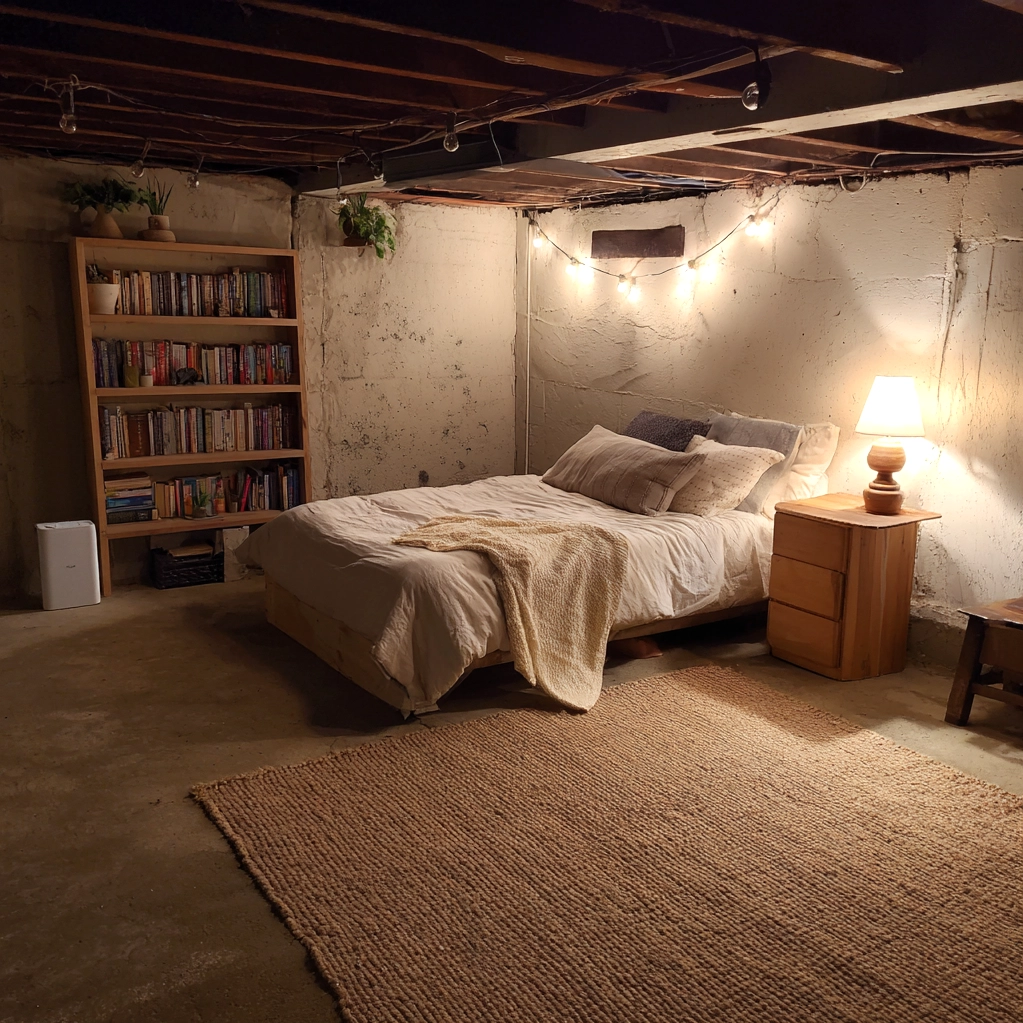
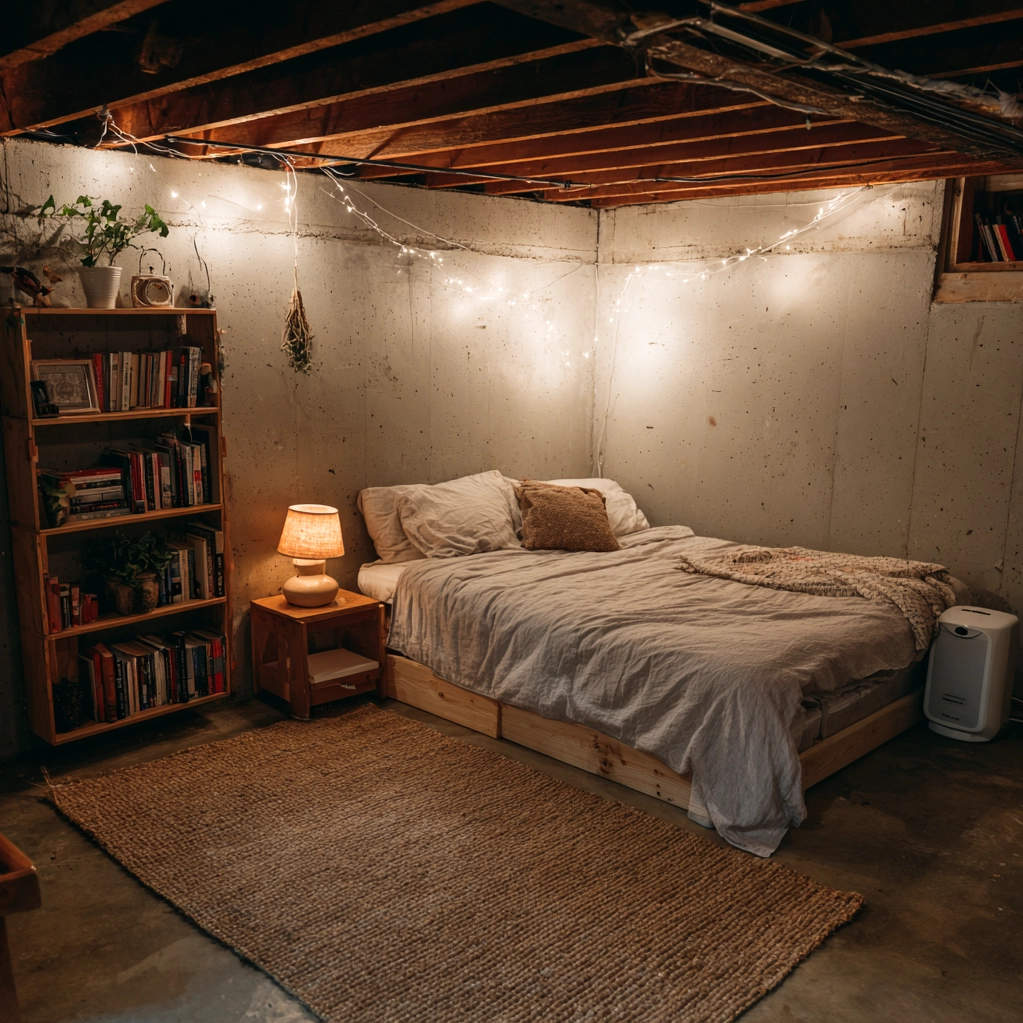
The foundation of any successful basement transformation begins with thoughtful layout planning. Unlike standard bedrooms, an unfinished basement bedroom requires special consideration for its unique structural elements. Start by assessing the existing features—exposed pipes, support columns, and concrete walls—and decide whether to work around them or incorporate them into your design. Many homeowners find that leaving some elements exposed adds character and industrial charm to their cozy unfinished basement bedroom. Create zones within the space: a sleeping area, a small seating nook, and storage solutions that maximize vertical space. Position your bed against the warmest wall (typically an interior one) to avoid cold drafts from exterior concrete. Consider installing a platform bed with built-in storage beneath to compensate for limited closet space. Leave adequate clearance around HVAC systems and water heaters for maintenance access while using room dividers or curtains to visually separate these functional areas. Proper spacing between furniture ensures the room feels inviting rather than cramped. Remember that basement ceilings are often lower than upstairs rooms, so opt for lower-profile furniture and avoid tall headboards that might make the space feel oppressive. A well-planned layout turns potential obstacles into design features that enhance the cozy unfinished basement bedroom's unique appeal.
Essential Elements for a Cozy Unfinished Basement Bedroom
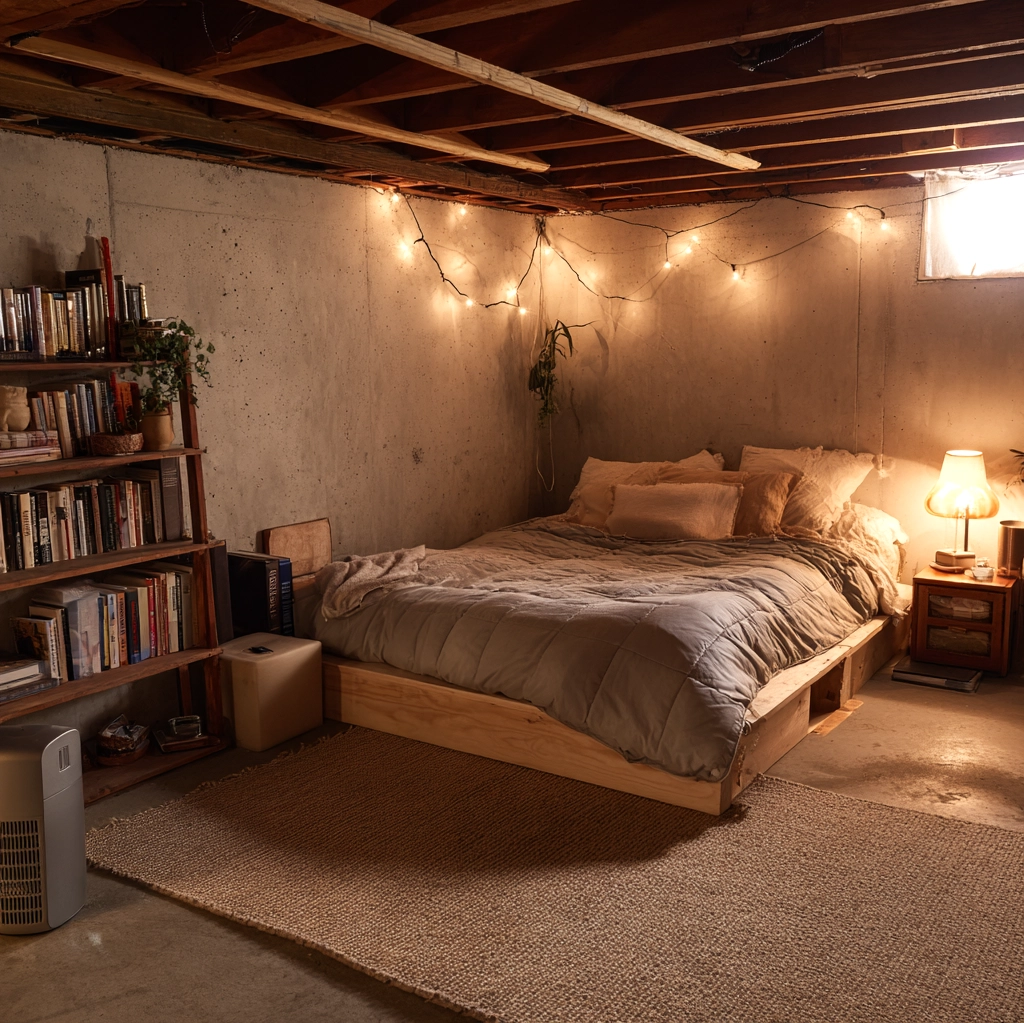
Creating warmth in a basement bedroom requires strategic attention to materials, textures, and environmental controls. Begin with moisture management—install a dehumidifier to maintain ideal humidity levels and prevent musty odors. For flooring, consider engineered wood, luxury vinyl plank, or thick carpet tiles that provide insulation against cold concrete. Area rugs layered over these surfaces add visual warmth and comfort underfoot. Lighting is crucial in windowless or low-light basements; combine multiple light sources like recessed ceiling lights, wall sconces, and table lamps to eliminate shadows and create a welcoming glow. Choose warm-toned bulbs (2700K-3000K) rather than cool daylight bulbs to enhance coziness. For walls, drywall over concrete provides the cleanest finish, but you can also use moisture-resistant paneling or even paint directly on sealed concrete for an industrial look. Incorporate soft textiles abundantly: layered bedding, throw blankets, and curtains (even over non-windows) add texture and sound absorption. Heated mattress pads or electric blankets provide extra warmth during colder months. Don't overlook acoustic treatments—basements can echo, so adding fabric wall hangings, upholstered furniture, and plush rugs makes the cozy unfinished basement bedroom feel intimate and serene. These elements work together to transform a sterile space into a retreat you'll love spending time in.
Budget-Friendly DIY Projects for Your Cozy Unfinished Basement Bedroom
Transforming an unfinished basement doesn't require a massive budget—just creativity and some hands-on effort. Start with simple projects that yield high visual impact. Painting concrete floors with epoxy or concrete stain creates a durable, attractive surface for a fraction of tile or wood costs. Build your own headboard from reclaimed wood or plywood wrapped in fabric to add personality without breaking the bank. Create custom storage solutions: build floating shelves between exposed studs for books and decor, or construct a simple platform bed with drawers underneath from basic lumber. For lighting, string fairy lights along exposed ceiling joists or pipes to add magical ambiance at minimal cost. Make your own curtains from inexpensive fabric to soften walls and hide unfinished areas. If your basement has exposed insulation, cover it with affordable fabric panels stapled to furring strips for a polished look. DIY acoustic panels made from foam insulation covered in breathable fabric can improve sound quality dramatically. Even small touches matter: paint an accent wall in a warm, rich color to define the sleeping area, or create a gallery wall using thrifted frames. Remember that imperfections can add charm—sanded and sealed concrete walls with their natural texture become a design feature rather than something to hide. These projects let you personalize your cozy unfinished basement bedroom while keeping expenses manageable.
Maintaining Comfort in Your Cozy Unfinished Basement Bedroom
A truly cozy unfinished basement bedroom requires ongoing attention to comfort factors that differ from above-ground rooms. Temperature regulation is paramount—basements tend to stay cool year-round, which is great in summer but challenging in winter. Supplement your home's HVAC with a space heater (choose models with automatic shutoff for safety) or consider installing radiant floor heating mats beneath your flooring for consistent warmth. Ensure proper insulation in exterior walls and ceilings to prevent heat loss. Air quality matters in below-grade spaces; run your dehumidifier regularly and consider an air purifier with a HEPA filter to reduce dust and allergens. Check for drafts around window wells and foundation cracks, sealing them with weatherstripping or spray foam. Maintain your cozy unfinished basement bedroom by vacuuming frequently (basements collect more dust) and washing bedding regularly to prevent moisture-related issues. Monitor humidity levels with a hygrometer, keeping them between 30-50% to prevent mold growth while maintaining comfort. Create a seasonal rotation: lighter bedding for summer, heavier layers for winter, and perhaps a small fan for air circulation during warmer months. Address any water intrusion immediately—even minor leaks can undermine your cozy atmosphere. Finally, refresh decor seasonally with different throw pillows, blankets, and curtain colors to keep the space feeling current and inviting. With these maintenance habits, your basement retreat will remain comfortable through every season.
Conclusion
Transforming an unfinished basement into a cozy bedroom isn't merely a home improvement project—it's an opportunity to reimagine how you use every square foot of your living space. By embracing the unique characteristics of below-grade rooms rather than fighting them, you create a retreat that offers tranquility, privacy, and character unmatched by conventional bedrooms. The journey from concrete and exposed beams to a warm, inviting sanctuary demonstrates that coziness comes not from perfection, but from intentional design choices that prioritize comfort and personality. Your cozy unfinished basement bedroom becomes more than just extra sleeping quarters; it's a testament to creative problem-solving and the joy of making overlooked spaces truly special. As you enjoy your transformed basement, consider how this approach might apply to other underutilized areas of your home. Perhaps that awkward attic or garage corner holds similar potential. The skills you've developed—moisture management, lighting design, space optimization—serve you well in future projects. Most importantly, you've created a space that family and guests will cherish, proving that the best rooms aren't always the most obvious ones. Your cozy unfinished basement bedroom stands as a reminder that with vision and effort, any space can become a place of rest and rejuvenation.
Frequently Asked Questions
Q: How do I deal with moisture in my unfinished basement bedroom?
Moisture control is essential for basement comfort. Start by identifying sources: check for foundation cracks, leaking window wells, or plumbing condensation. Seal any cracks with hydraulic cement or waterproof sealant. Install a dehumidifier rated for your basement's square footage and run it consistently, especially during humid months. Ensure proper drainage around your home's exterior by extending downspouts away from the foundation. For flooring, choose moisture-resistant materials like luxury vinyl plank or ceramic tile rather than solid hardwood. Allow air circulation with fans or by occasionally opening windows if available. Consider painting walls with moisture-resistant paint designed for basements. Regularly monitor humidity with a hygrometer, keeping it between 30-50%.
Q: What's the best way to add warmth to a cold basement bedroom?
Basements naturally stay cooler, but several strategies can add warmth. Begin with insulation: add foam board insulation to exterior walls and ensure ceiling insulation exists between basement and upper floors. For flooring, install thick underlayment beneath your flooring choice and use layered area rugs. Consider radiant floor heating mats—they're efficient and provide consistent warmth underfoot. Use space heaters safely (look for tip-over protection and cool-touch exteriors) or install a baseboard heater if wiring allows. Choose warm lighting (2700K-3000K color temperature) and incorporate textiles: flannel sheets, down comforters, and wool blankets make beds cozier. Finally, position furniture away from exterior walls where cold penetrates most.
Q: Can I create a cozy basement bedroom without finishing the walls?
Absolutely! Many homeowners embrace the industrial aesthetic of unfinished walls. Start by cleaning concrete walls thoroughly and sealing them with waterproof paint to prevent dust and moisture. Exposed pipes and beams can be painted in cohesive colors (black, white, or metallic tones work well) to look intentional. Use fabric panels, tapestries, or large artwork to cover sections of wall for visual warmth. Bookshelves, room dividers, and strategic furniture placement can also hide less attractive areas. The key is balancing raw elements with soft textures: plush rugs, layered bedding, and ample lighting make the space feel inviting despite unfinished surfaces. This approach often costs less and maintains basement access for utilities.