
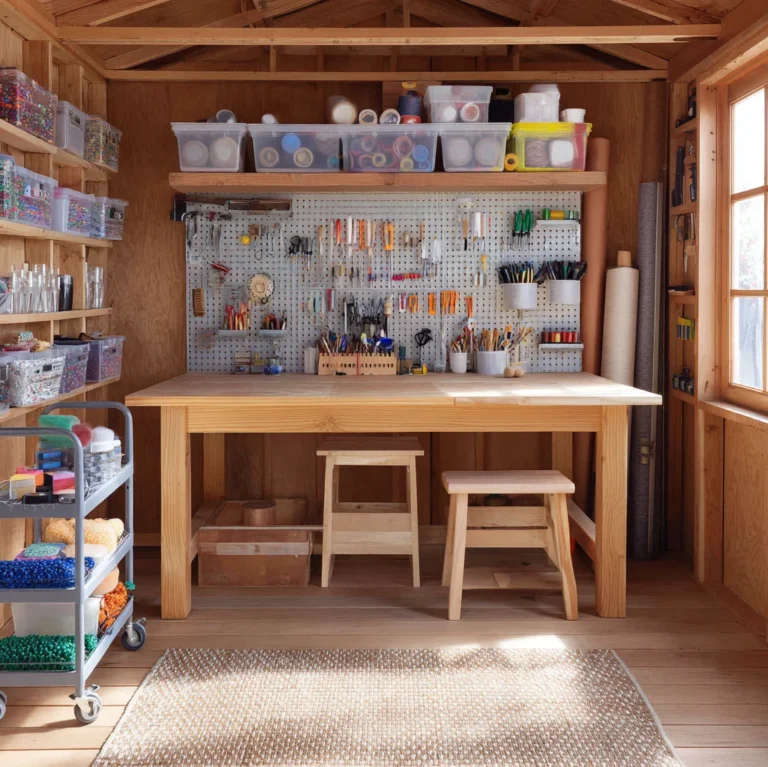
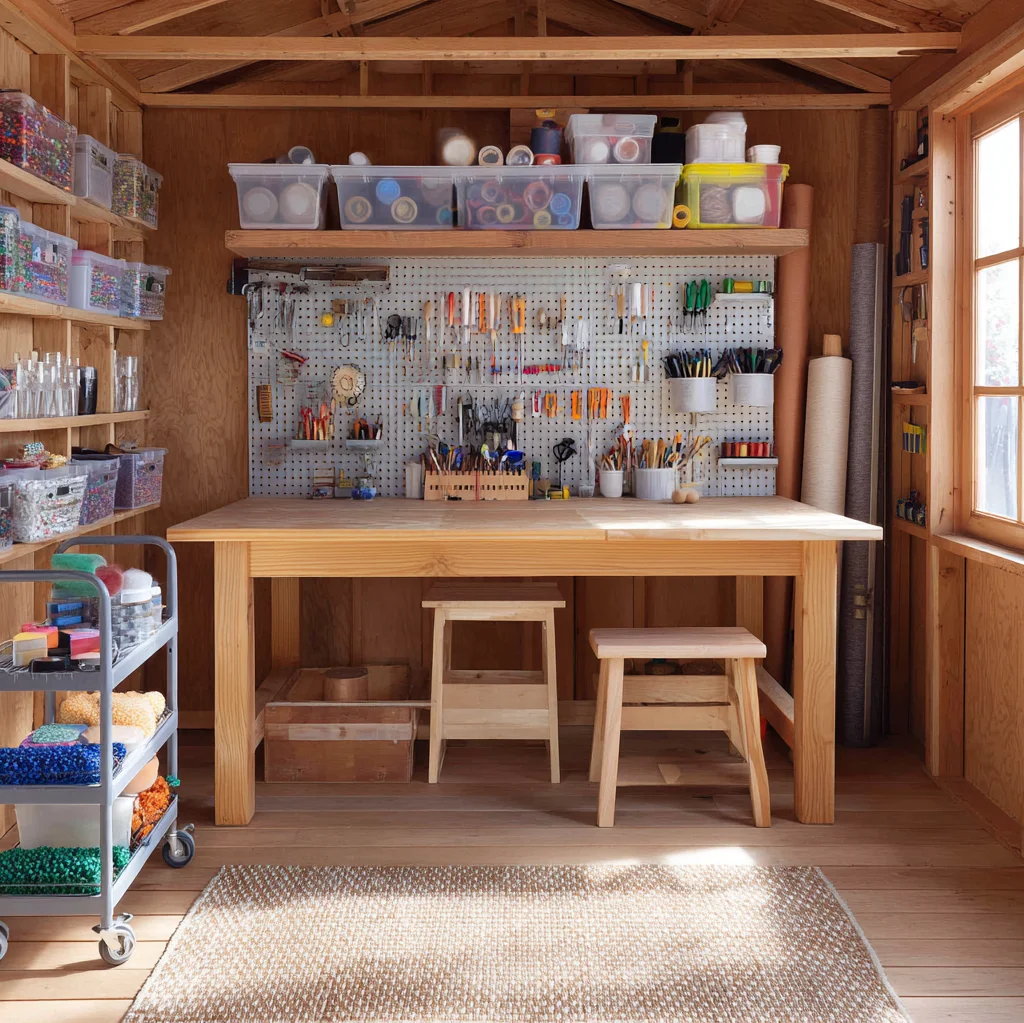
Transforming a humble shed into a dedicated craft space can revolutionize your creative workflow and boost productivity. A well-organized craft shed interior isn’t just about storage—it’s about designing an environment that inspires and supports your artistic endeavors. Whether you’re into painting, sewing, woodworking, or any other craft, the right setup can make all the difference. Picture a space where every tool has its place, natural light floods in, and you can focus without constant interruptions. This article will guide you through essential craft shed interior ideas to help you create a functional, beautiful, and personalized area. From maximizing storage to enhancing lighting, we’ll cover practical tips that cater to both beginners and seasoned crafters. Imagine stepping into your shed and feeling instantly motivated—that’s the power of thoughtful interior design. Don’t let clutter or poor layout hold back your creativity; instead, embrace these ideas to build a sanctuary that fuels your passion. With a bit of planning, your craft shed can become the heart of your hobbies, offering a retreat where ideas flourish and projects come to life effortlessly.
Essential Craft Shed Interior Ideas for Organization
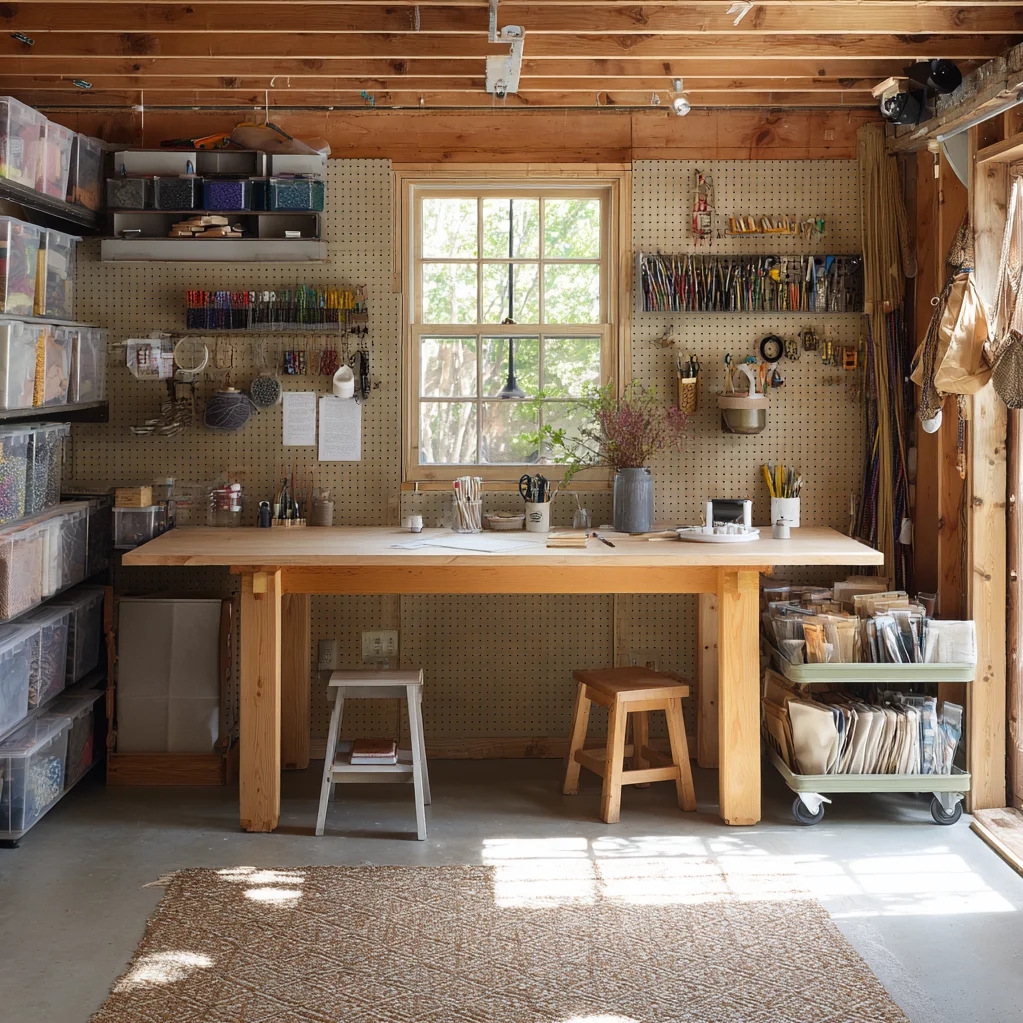
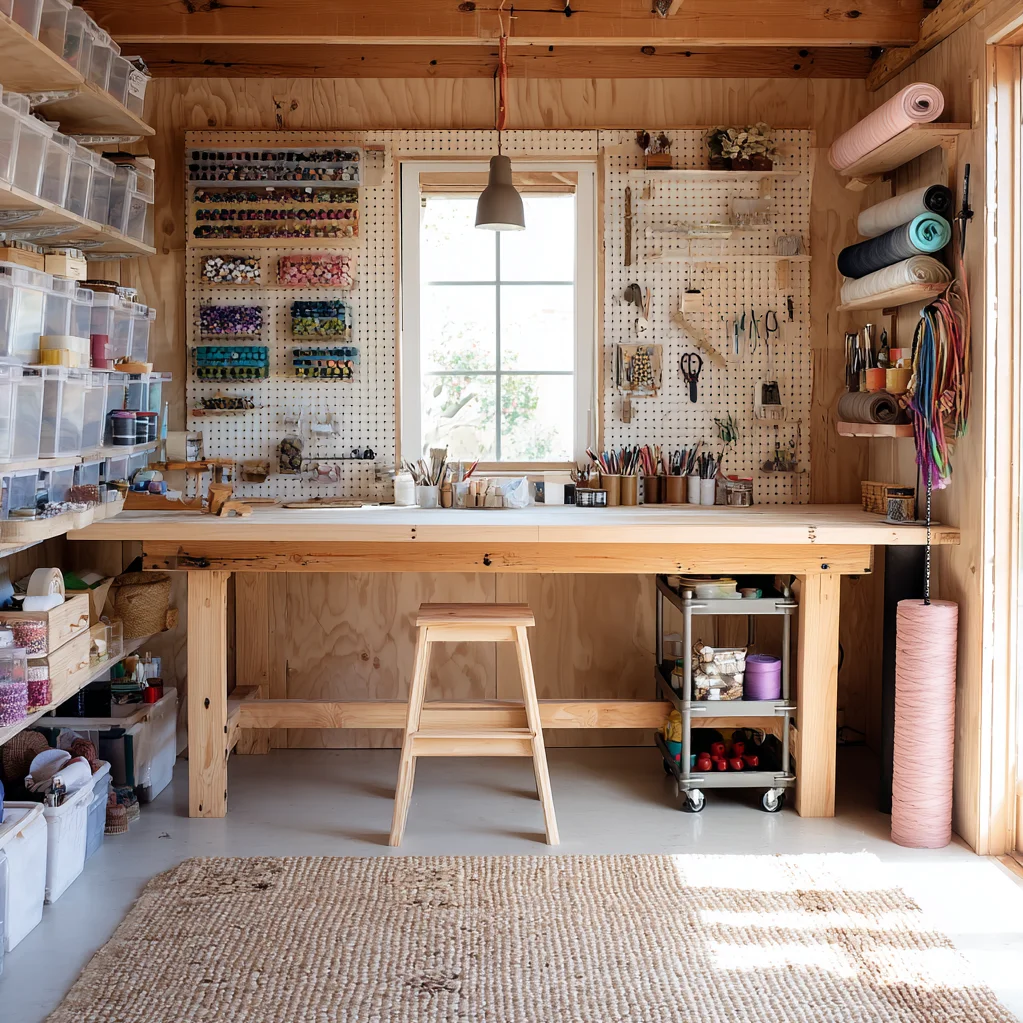
Organization is the cornerstone of any effective craft shed interior, ensuring that your tools and materials are easily accessible and your workspace remains clutter-free. Start by assessing your storage needs based on the crafts you pursue. For instance, if you work with fabrics, install sturdy shelving units to hold bolts of material, while pegboards are ideal for hanging scissors, rulers, and other small tools. Labeling bins and containers can save time and reduce frustration, especially when searching for specific items. Consider vertical storage solutions, such as wall-mounted racks or overhead shelves, to maximize floor space—this is one of the most practical craft shed interior ideas for small areas. Incorporate multi-functional furniture, like a workbench with built-in drawers, to keep supplies within arm's reach. Don't forget about waste management; include a recycling bin or scrap container to maintain tidiness. By implementing these organization strategies, you'll create a streamlined environment that minimizes distractions and maximizes creativity. For more inspiration on storage solutions, check out this guide from The Spruce, a trusted resource for home organization tips. Remember, a well-organized shed not only boosts efficiency but also makes crafting more enjoyable and sustainable in the long run.
Creative Craft Shed Interior Ideas for Lighting and Ambiance
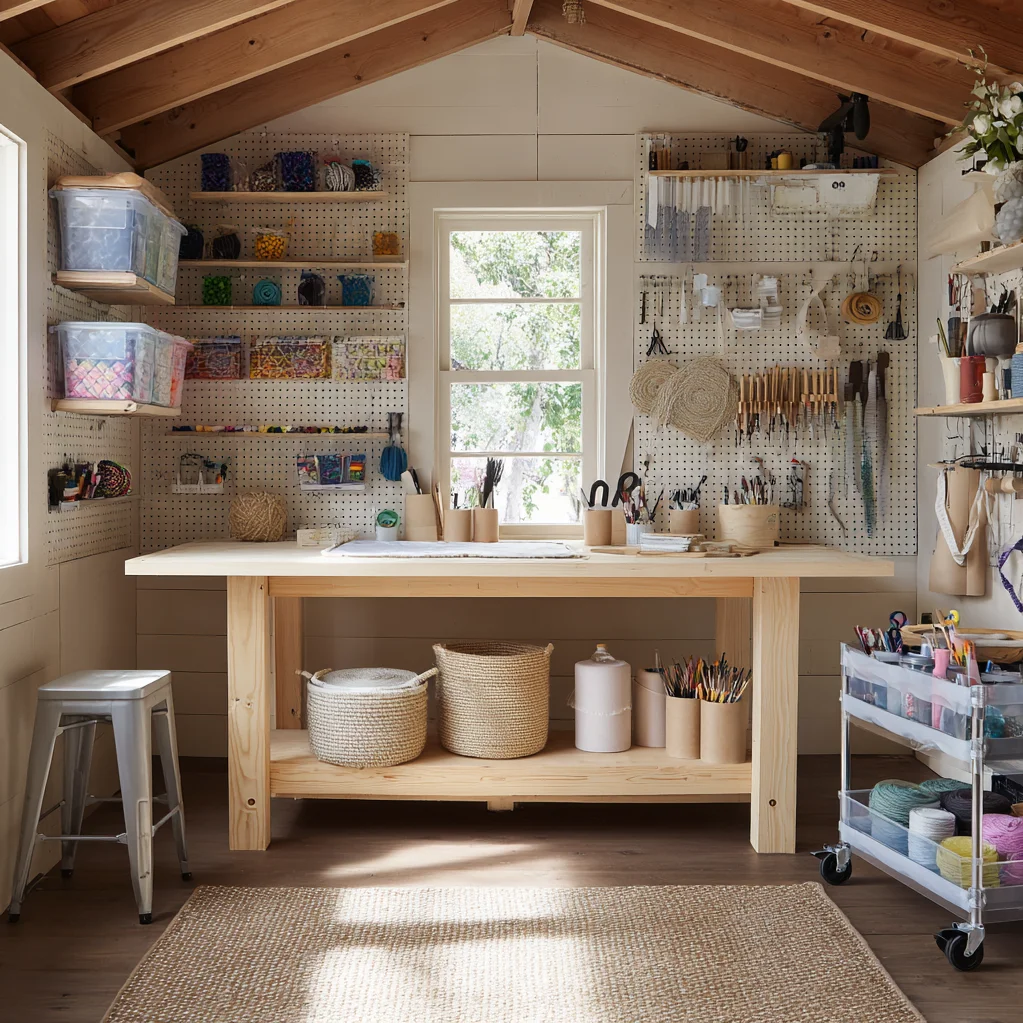
Lighting plays a crucial role in crafting, affecting both visibility and mood, so incorporating smart lighting solutions is key among craft shed interior ideas. Begin with natural light by adding windows or skylights to reduce eye strain and create an inviting atmosphere. For artificial lighting, layer different types: overhead LED fixtures for general illumination, task lighting like adjustable desk lamps for detailed work, and accent lights to highlight decorative elements. Choose bulbs with a high Color Rendering Index (CRI) to ensure colors appear true to life, which is vital for activities like painting or beadwork. To enhance ambiance, consider adding dimmer switches or smart bulbs that allow you to adjust brightness based on the time of day or project needs. Decorative touches, such as string lights or a small rug, can make the space feel cozy and personalized. If your shed lacks electrical outlets, battery-operated or solar-powered lights are excellent alternatives. Proper ventilation is also part of this setup; include a fan or vent to keep the air fresh, especially if you use paints or adhesives. By focusing on lighting and ambiance, you'll craft a shed that's not only functional but also a joy to spend time in, encouraging longer, more productive sessions. For additional tips on shed lighting, explore our related post on chicaurahome.com/lighting-solutions.
Practical Craft Shed Interior Ideas for Multi-Purpose Use
If your craft shed serves multiple functions, such as a workspace and storage area, these craft shed interior ideas will help you balance versatility with efficiency. Start by zoning the space: designate specific areas for different activities, like a cutting table in one corner and a seating nook for planning in another. Use movable furniture, such as rolling carts or foldable tables, to adapt the layout as needed—this is perfect for sheds that double as guest spaces or gardening hubs. Incorporate modular storage, like stackable bins or collapsible shelves, to accommodate varying project sizes. For safety, ensure that hazardous materials are stored securely, perhaps in locked cabinets, especially if children or pets access the shed. Think about comfort too; add insulation and heating for year-round use, or a small fan for summer months. Personalize the space with inspirational quotes or a vision board to keep motivation high. By designing for multi-purpose use, you'll make the most of your shed's potential without sacrificing organization or creativity. These ideas ensure that your craft shed remains a flexible, inviting haven for all your endeavors, from art projects to quick repairs. Remember, a well-planned multi-purpose shed can evolve with your needs, making it a valuable addition to any home.
Conclusion
In summary, crafting the perfect shed interior is about blending organization, lighting, and multi-purpose functionality to create a space that inspires and supports your creative journey. By implementing the craft shed interior ideas discussed—such as vertical storage for efficiency, layered lighting for ambiance, and flexible zoning for versatility—you can transform a simple shed into a personalized retreat. This not only boosts productivity but also makes crafting a more enjoyable and sustainable hobby. As you move forward, consider how your needs might evolve; perhaps you'll expand into new crafts or require more advanced tools. Stay open to adapting your setup, and don't hesitate to revisit these ideas for updates. For instance, as seasons change, you might add thermal insulation or better ventilation. Ultimately, a well-designed craft shed becomes more than just a workspace—it's a sanctuary where ideas flourish and memories are made. Start small, focus on what matters most to you, and watch as your shed becomes the heart of your creative life. Embrace these insights, and you'll find that even the simplest changes can lead to amazing results, fueling your passion for years to come.
Frequently Asked Questions
Q: What are the best storage solutions for a small craft shed interior?
For small craft sheds, vertical storage is key to maximizing space. Use wall-mounted pegboards, shelves, and hooks to keep tools and materials off the floor. Stackable bins and rolling carts allow for easy reorganization, while overhead racks can hold bulky items. Label everything to maintain order, and consider multi-functional furniture like a workbench with built-in storage. These solutions help prevent clutter and make the most of limited square footage.
Q: How can I improve lighting in my craft shed without electrical wiring?
If your shed lacks electrical wiring, opt for battery-operated or solar-powered lights. LED task lamps with rechargeable batteries are great for detailed work, while solar-powered string lights or lanterns can provide ambient lighting. Additionally, maximize natural light by adding windows or using light-colored paints and reflective surfaces to brighten the space. Portable power banks can also support small lamps, ensuring you have adequate illumination for crafting sessions.
Q: What safety tips should I consider when designing a craft shed interior?
Safety is crucial in a craft shed. Store sharp tools and hazardous materials, like paints or glues, in locked cabinets or high shelves out of reach of children and pets. Ensure good ventilation to avoid fume buildup, and install fire extinguishers and smoke detectors. Keep pathways clear to prevent tripping, and use non-slip mats if the floor is slippery. Regularly inspect electrical equipment for faults, and always unplug tools when not in use to reduce risks.