
The dining room is more than just a place to eat—it’s the heart of your home where memories are made, conversations flow, and connections deepen. Thoughtful dining room decor transforms this essential space from a functional area into a welcoming sanctuary that reflects your personal style and enhances daily living. Whether you’re hosting festive gatherings or enjoying quiet family dinners, the right decor elements can elevate the entire experience, making every meal feel special and every moment more meaningful.
Investing in your dining room decor isn't about following fleeting trends or spending extravagantly. It's about creating a cohesive, inviting environment that balances aesthetics with practicality. From choosing the perfect dining table that fits your lifestyle to selecting lighting that sets the mood, each decision contributes to a harmonious whole. A well-decorated dining room encourages lingering conversations, celebrates togetherness, and becomes a backdrop for life's most cherished moments.
This article will guide you through essential principles and creative ideas to transform your dining space. You'll discover how to blend style with function, incorporate personal touches, and design a room that feels both elegant and lived-in. Let's explore how to make your dining room a true centerpiece of your home, where every detail adds to the joy of sharing meals and making memories.
Essential Dining Room Decor Elements for Lasting Style
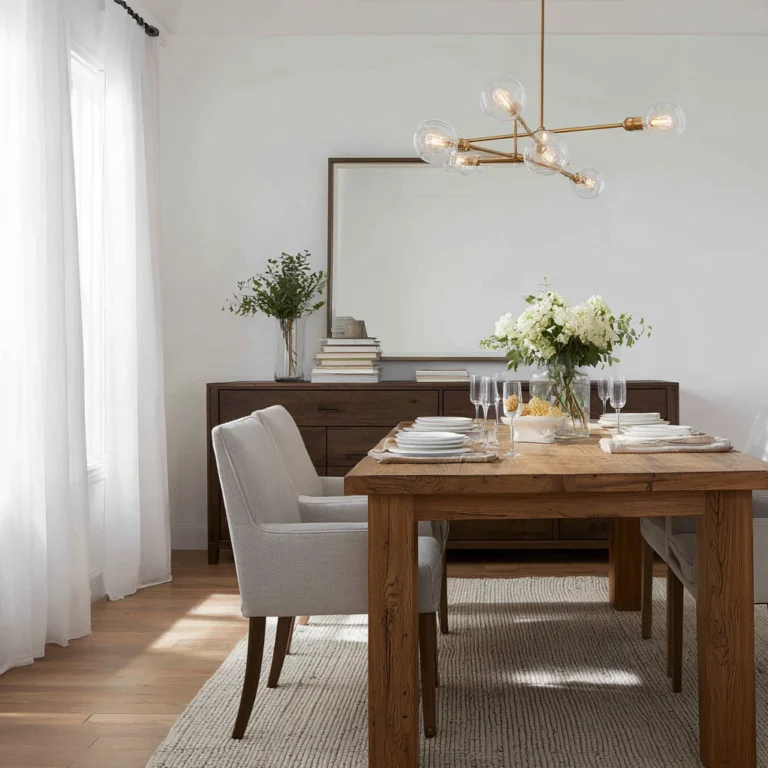
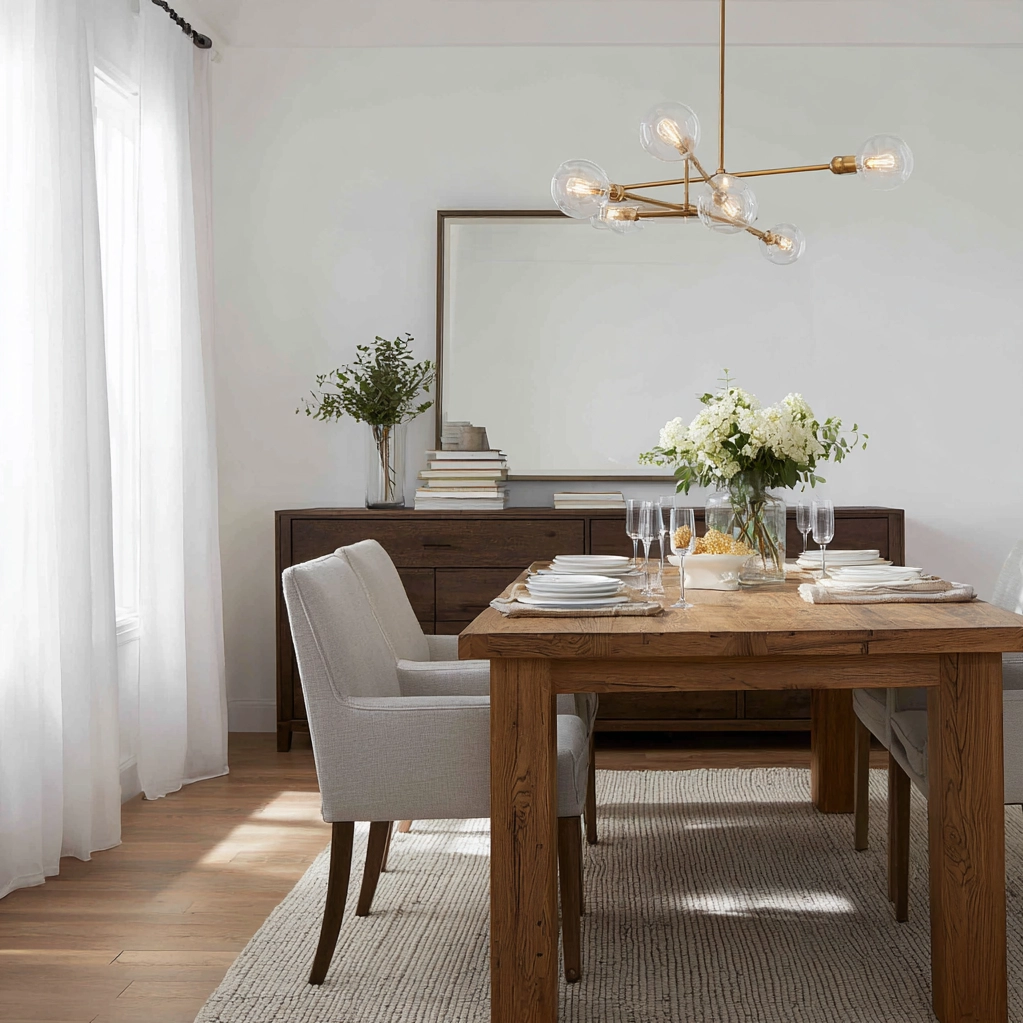
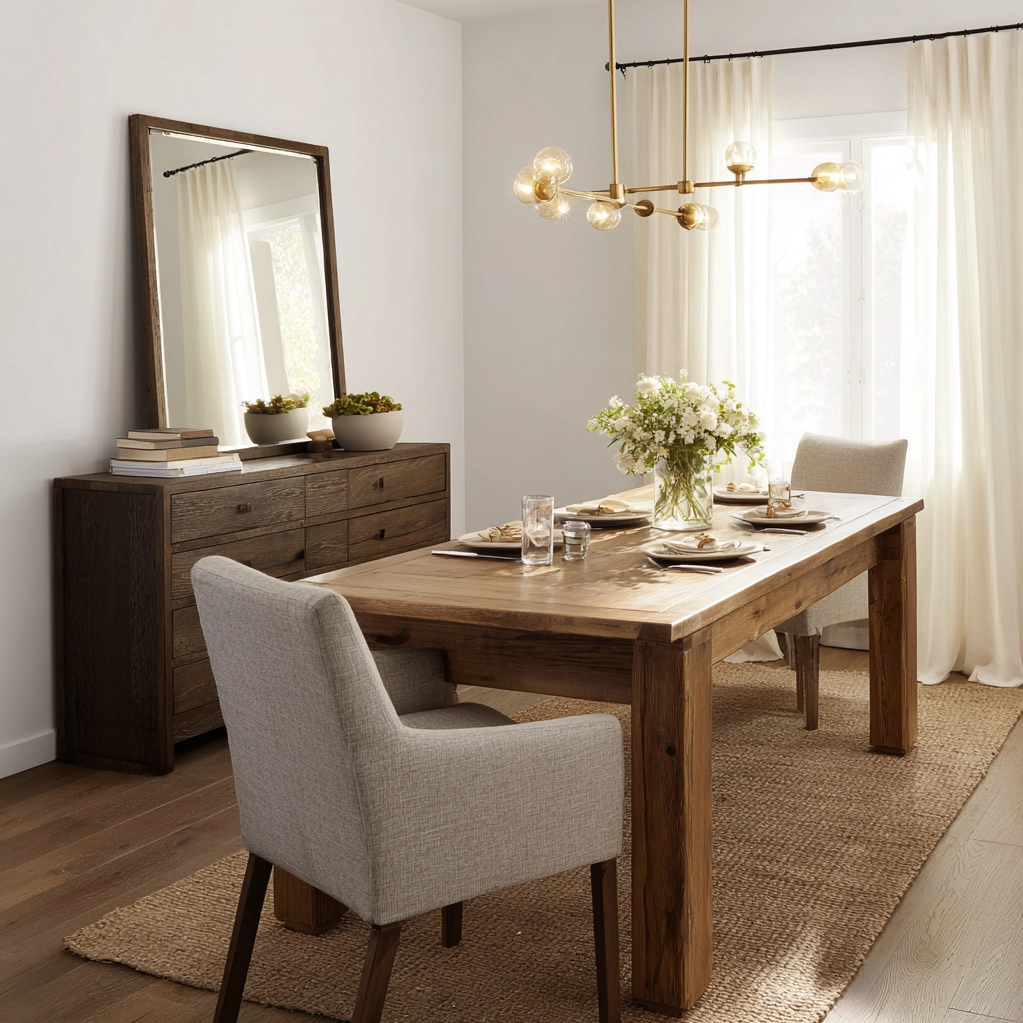
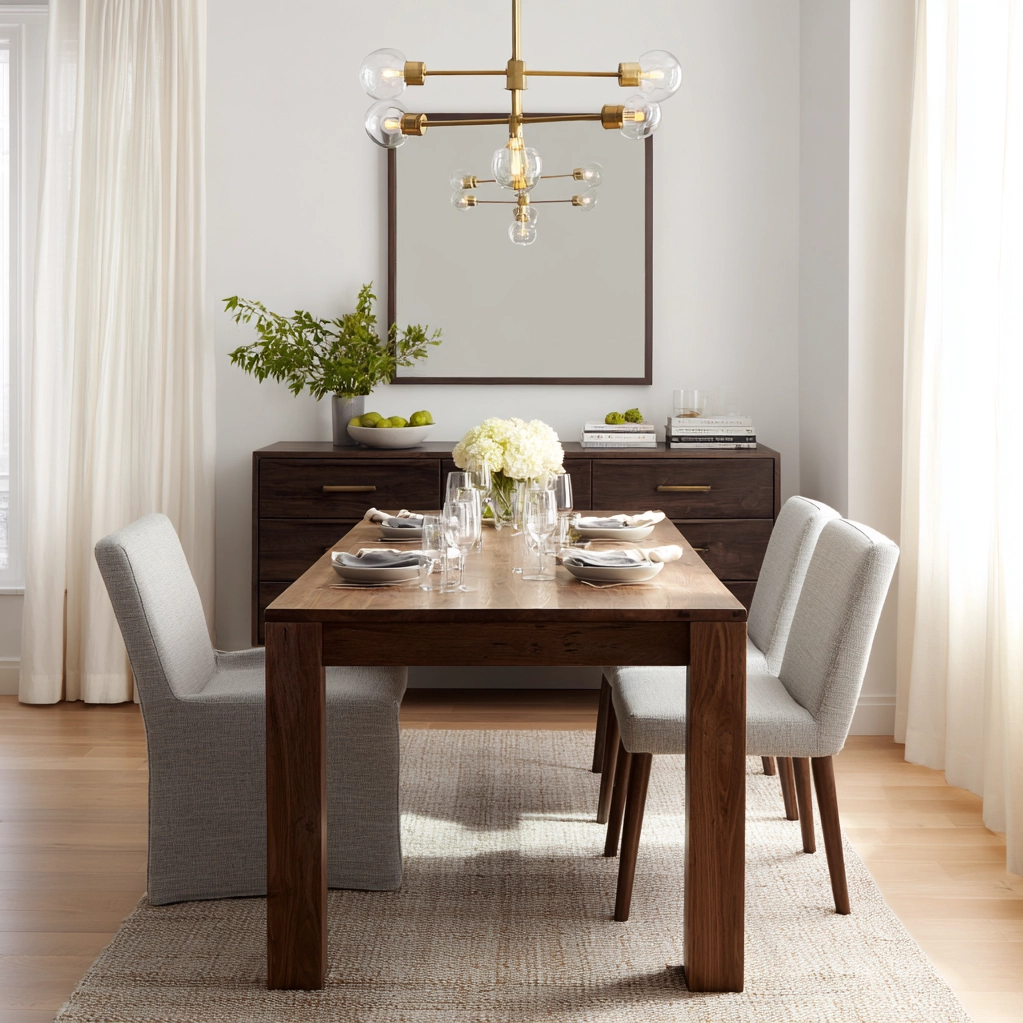
Creating a beautiful dining room starts with selecting key decor elements that form the foundation of your space. The dining table is the centerpiece—choose one that suits your needs, whether it's a rustic farmhouse table for casual meals or a sleek modern design for formal entertaining. Consider size, shape, and material; a round table promotes conversation, while rectangular tables fit well in traditional layouts. Pair it with chairs that offer comfort and complement the table's style, ensuring they're sturdy yet inviting for long dinners.
Lighting is another crucial element in dining room decor. A statement chandelier or pendant light above the table not only illuminates the space but also serves as a focal point. Opt for dimmable fixtures to adjust brightness for different occasions, from bright family breakfasts to soft, intimate dinners. Layer lighting with wall sconces or buffet lamps to create ambiance and eliminate harsh shadows. Natural light should also be maximized with window treatments that allow flexibility, like sheer curtains or adjustable blinds.
Storage and display pieces add both function and personality to your dining room decor. A sideboard or buffet provides space for tableware, linens, and serving dishes while offering a surface for decorative items. Display cherished dinnerware, art pieces, or collections on open shelves or in glass-front cabinets to infuse character. Rugs define the dining area and add warmth; choose durable, easy-to-clean materials that anchor the table and chairs. Finally, consider practical touches like a mirror to reflect light and make the room feel larger, or a bar cart for entertaining convenience.
By focusing on these essential elements, you can build a dining room that's both stylish and functional. Balance is key—combine pieces that work together harmoniously, avoiding overcrowding. Your dining room decor should feel intentional yet comfortable, ready to host everything from daily meals to special celebrations with effortless grace.
Color and Texture in Dining Room Decor for Visual Impact
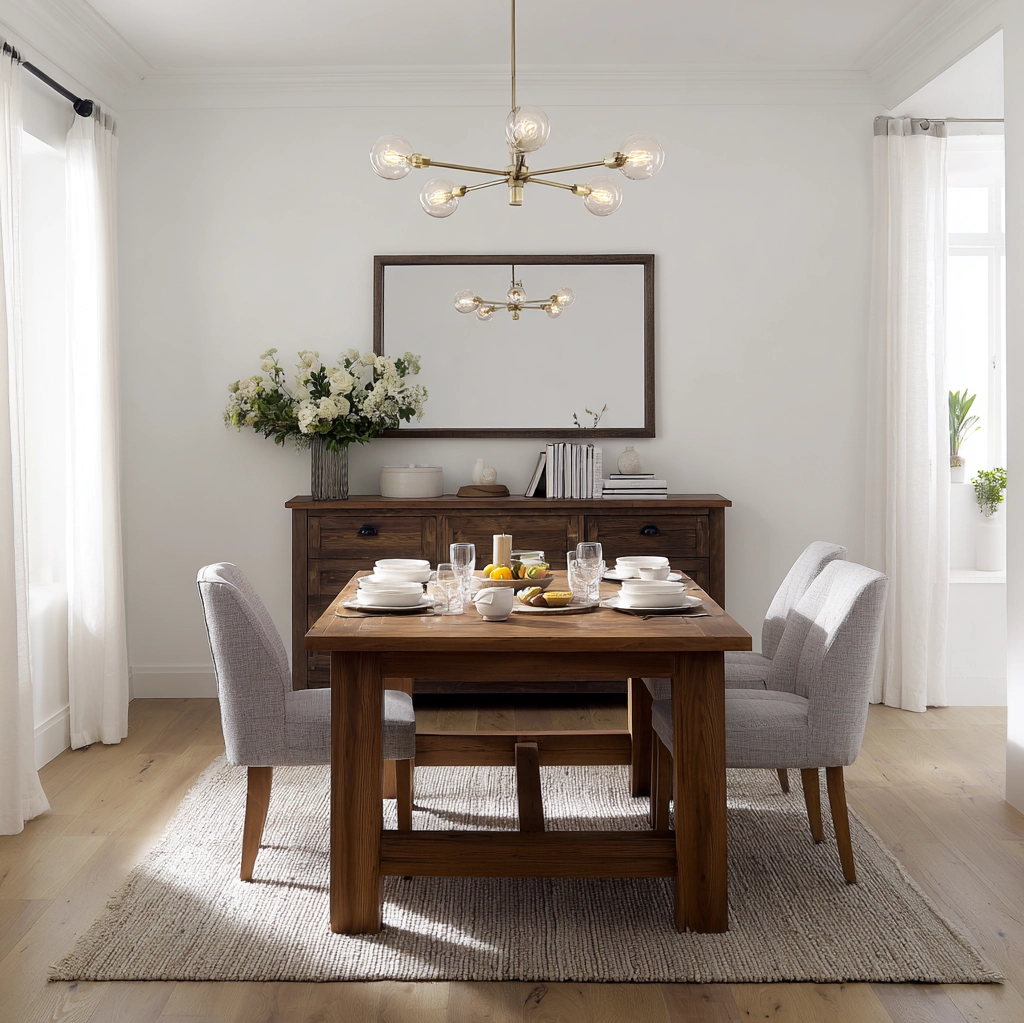
Color and texture play transformative roles in dining room decor, setting the mood and defining the space's character. Start with a cohesive color palette that reflects your desired atmosphere—warm tones like terracotta, mustard, or deep burgundy create a cozy, inviting feel, while cool shades such as navy, sage, or soft gray lend a serene, elegant vibe. Neutral bases like white, beige, or greige provide versatility, allowing you to layer in accent colors through accessories, artwork, or textiles. Consider the room's natural light; darker colors can make a well-lit space feel intimate, whereas lighter hues help brighten dimmer areas.
Incorporating texture adds depth and interest to your dining room decor. Mix materials like wood, metal, glass, and fabric to create a rich, layered look. For example, pair a smooth marble tabletop with woven rattan chairs, or combine a sleek metal chandelier with a plush, textured rug. Textiles such as curtains, table linens, and upholstered chairs introduce softness and warmth. Choose fabrics that are durable and easy to maintain, like cotton or linen for tablecloths, and velvet or leather for chair seats, depending on your lifestyle and usage.
Don't overlook walls and floors as opportunities to enhance texture. Wall treatments like wainscoting, wallpaper, or textured paint can add dimension without overwhelming the space. A statement wall behind a buffet or sideboard draws attention and creates a focal point. On the floor, consider hardwood, tile, or laminate with area rugs that add pattern and comfort. Layering rugs of different textures, such as a jute base with a wool overlay, can define zones in open-plan areas. Remember, the goal is to create a sensory experience that feels inviting—textures should complement each other, not compete.
When applying color and texture, keep balance in mind. Use the 60-30-10 rule: 60% dominant color (walls, large furniture), 30% secondary color (upholstery, curtains), and 10% accent color (decor items, art). Test samples in natural and artificial light to ensure colors look consistent throughout the day. Your dining room decor will come alive with thoughtful combinations that stimulate the senses and make every meal a visually pleasing experience.
Personalizing Your Dining Room Decor with Unique Touches
Personal touches are what turn a standard dining room into a reflection of your identity and story. Dining room decor becomes truly special when it incorporates elements that speak to your passions, memories, and tastes. Start with artwork—choose pieces that resonate with you, whether it's a large statement painting, a gallery wall of family photos, or prints from your favorite artists. Position art at eye level when seated to ensure it's enjoyed during meals. Consider thematic consistency; for example, botanical prints for a nature-inspired look or abstract pieces for a modern vibe.
Table settings and centerpieces offer endless opportunities for personalization in dining room decor. Mix and match dinnerware, glassware, and flatware to create eclectic tablescapes that feel curated rather than cookie-cutter. Incorporate seasonal elements like fresh flowers, fruits, or candles to keep the table dynamic. A unique centerpiece, such as a vintage tray with collected objects or a sculptural vase, can become a conversation starter. Don't forget functional decor like napkin rings, placemats, or chargers that add color and texture while serving a purpose.
Incorporate collections or heirlooms to infuse history and meaning into your dining room decor. Display inherited china, vintage glassware, or travel souvenirs on open shelves or in a cabinet with glass doors. These items tell a story and make the space feel lived-in and cherished. Similarly, custom pieces like a handmade table or locally crafted lighting fixtures add uniqueness and support artisans. Even small details, like monogrammed linens or custom-engraved serving pieces, can elevate the personal connection to the room.
Remember, personalization doesn't require perfection—embrace imperfections and mix styles to create a space that feels authentically yours. Rotate decor seasonally or as your tastes evolve to keep the dining room fresh and inspiring. By adding these unique touches, your dining room decor will not only look beautiful but also feel like a true extension of your home and heart, making every meal a more intimate and enjoyable experience.
Conclusion
Transforming your dining room with thoughtful decor is an investment in your home's heart and soul. By focusing on essential elements like furniture and lighting, playing with color and texture for visual impact, and adding personal touches that reflect your story, you can create a space that's both functional and inspiring. A well-decorated dining room enhances everyday meals, hosts memorable gatherings, and becomes a sanctuary for connection and celebration. It's not about following strict rules but about crafting an environment that feels inviting and authentic to you.
As you embark on your dining room decor journey, remember that small changes can make a big difference. Start with one focal piece, like a new light fixture or a fresh coat of paint, and build from there. Don't be afraid to experiment—mix old and new, blend styles, and trust your instincts. The goal is to design a room that evolves with your life, adapting to seasons, occasions, and personal growth. Whether you prefer minimalist elegance or cozy maximalism, your dining room should be a place where you love to spend time.
Looking ahead, consider sustainable and adaptable decor choices that stand the test of time. Invest in quality pieces that last, incorporate natural materials, and choose versatile items that can be repurposed. Your dining room decor can also embrace smart home integrations, like adjustable lighting systems or durable, easy-clean surfaces for modern living. Ultimately, the most beautiful dining rooms are those filled with love, laughter, and the shared experiences of those who gather there. Let your decor tell your story and make every meal a moment to cherish.
Frequently Asked Questions
Q: What are the key pieces of furniture needed for basic dining room decor?
The essential furniture pieces for a functional and stylish dining room include a dining table, chairs, and storage solutions. Choose a table that fits your space and lifestyle—common sizes range from 36 inches for small rounds to 96 inches for large rectangles. Chairs should be comfortable and proportionate to the table, with options like upholstered seats for coziness or wooden designs for durability. Storage pieces like a sideboard, buffet, or china cabinet help organize tableware, linens, and decor while adding surface area for serving or display. Optional items like a bar cart or console table can enhance functionality. Focus on quality materials and cohesive styles to create a harmonious foundation for your dining room decor.
Q: How can I make a small dining room feel larger with decor?
To make a small dining room feel more spacious, use light colors on walls and furniture to reflect light and create an airy feel. Opt for a round or oval table, which takes up less visual space and improves traffic flow. Choose chairs with open backs or slim profiles to reduce bulk. Mirrors strategically placed opposite windows or in key areas can amplify light and give the illusion of depth. Multifunctional furniture, like a drop-leaf table or stackable chairs, offers flexibility. Keep decor minimal and avoid clutter—use vertical space with floating shelves or tall, narrow storage. Proper lighting, including layered sources, ensures the room feels bright and open, enhancing your dining room decor without overcrowding.
Q: What are some budget-friendly ways to update dining room decor?
Updating your dining room decor on a budget is achievable with creative solutions. Start by repainting walls or furniture in a fresh color to instantly transform the space. Swap out hardware on existing pieces, like drawer pulls on a sideboard, for a modern touch. Add inexpensive textiles, such as new curtains, table runners, or seat cushions, to introduce pattern and color. DIY projects like painting old chairs or creating artwork can personalize the room without high costs. Shop secondhand for unique finds like vintage lighting or decor items. Rearrange furniture to improve flow and focus on decluttering to make the room feel renewed. Small updates, like a new centerpiece or updated place settings, keep your dining room decor stylish and inviting without breaking the bank.