
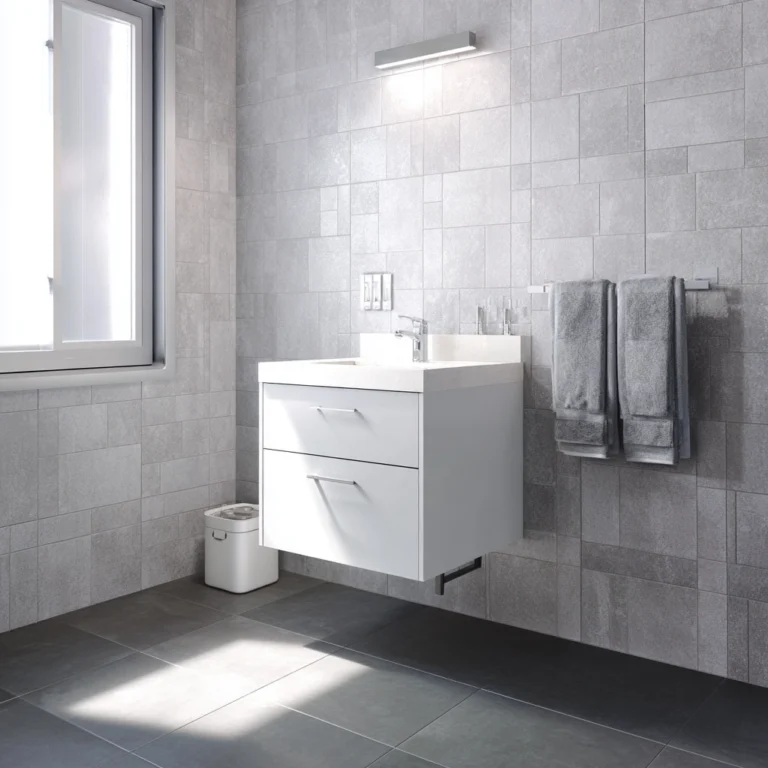
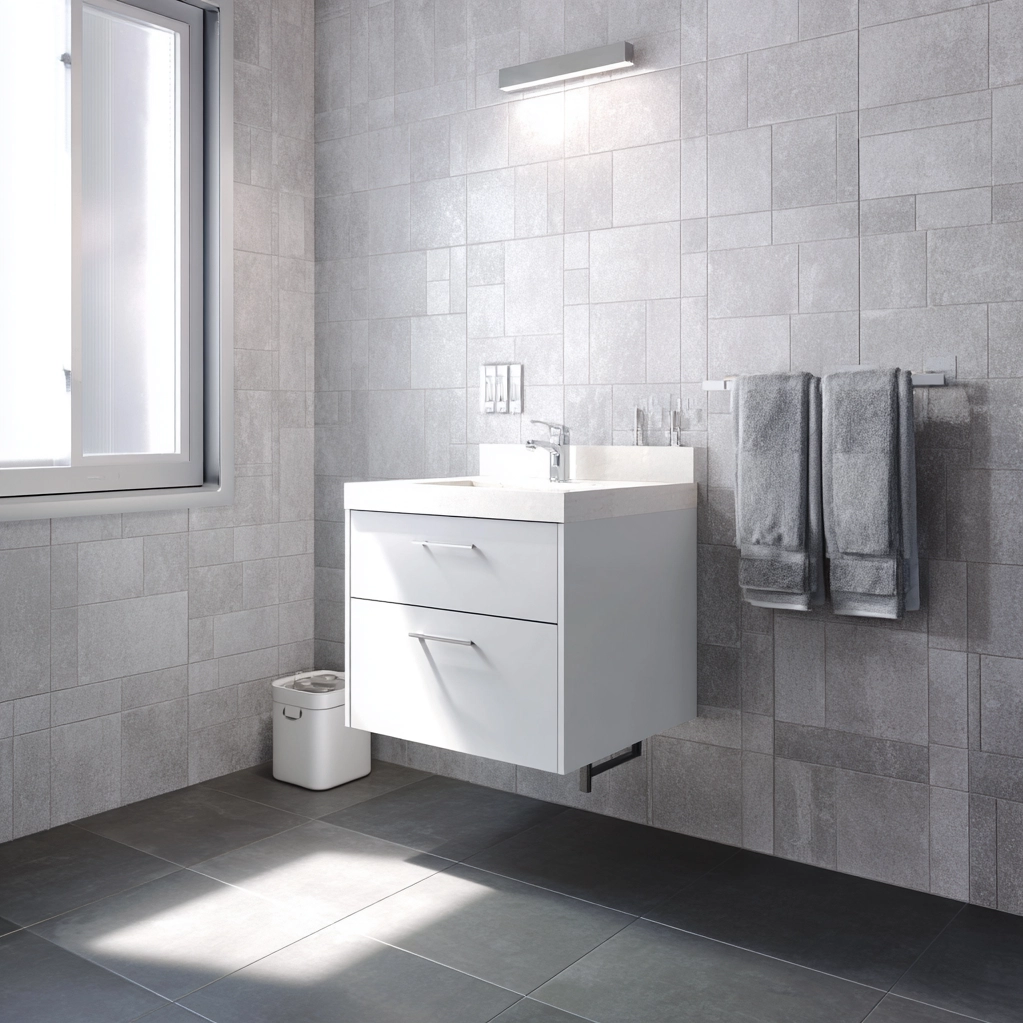
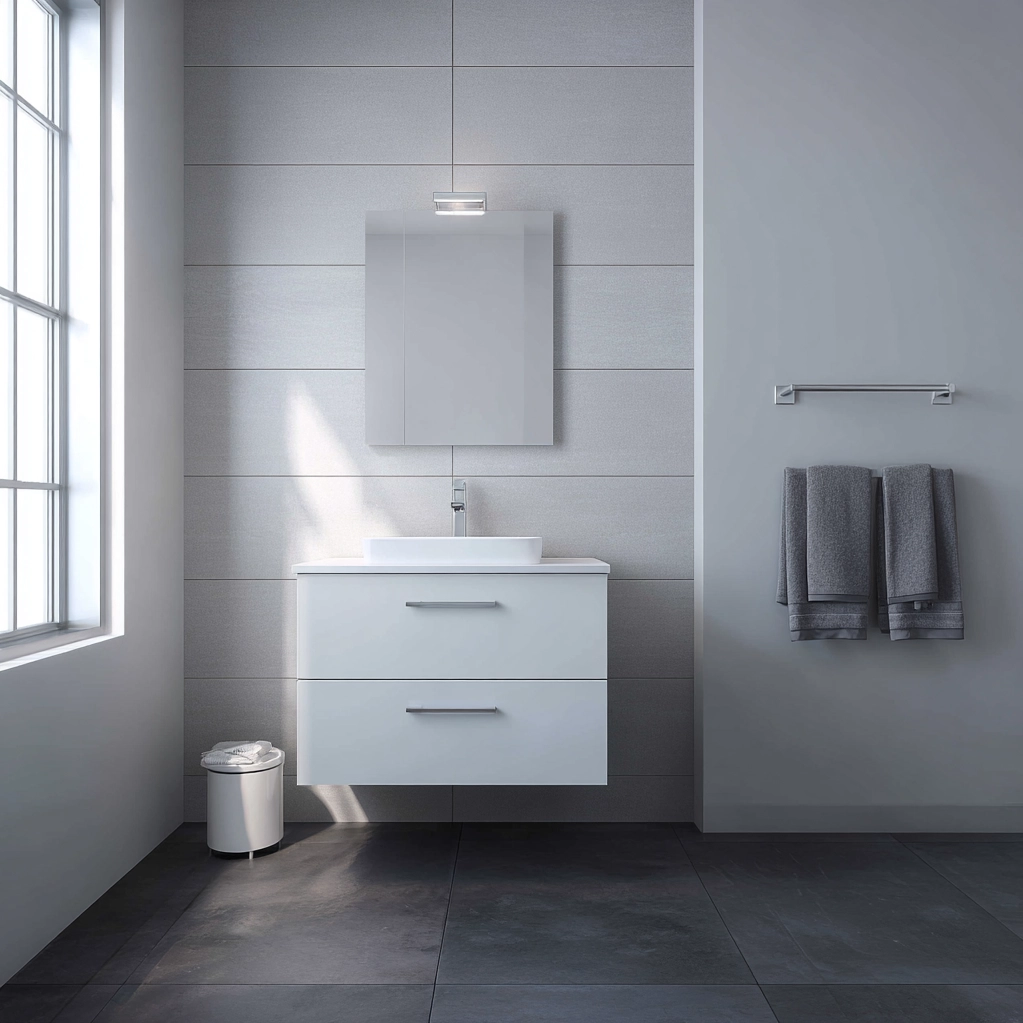
In modern bathroom design, the floating vanity cabinet has emerged as a game-changing element that transforms both aesthetics and functionality. This innovative installation mounts directly to the wall, creating the illusion of floating above the floor. The result is a clean, minimalist look that opens up valuable visual space in even the smallest bathrooms. Unlike traditional vanity units that rest heavily on the floor, floating vanities create an airy atmosphere that makes rooms feel larger and more sophisticated. For homeowners navigating limited square footage or simply seeking a contemporary upgrade, these cabinets offer practical solutions that don’t compromise on style. The importance of this design choice extends beyond mere appearance. By elevating storage off the ground, floating vanities make cleaning effortless—no more awkwardly maneuvering around bulky legs or scrubbing in tight corners. This accessibility proves especially valuable in family bathrooms where spills and splashes are common. The visual lightness created by the open space beneath the cabinet can make compact bathrooms feel surprisingly spacious, addressing one of the most common challenges in home design. Beyond practicality, floating vanity cabinets represent a design philosophy that values simplicity and intentionality. They encourage thoughtful organization since every item must earn its place in the limited storage space. This constraint often leads to more efficient use of bathroom essentials, reducing clutter and creating a more serene environment. Whether you’re planning a complete bathroom renovation or seeking a focal point for a refresh, understanding the benefits and considerations of floating vanities will help you create a space that’s both beautiful and functional.
Essential Benefits of a Floating Vanity Cabinet
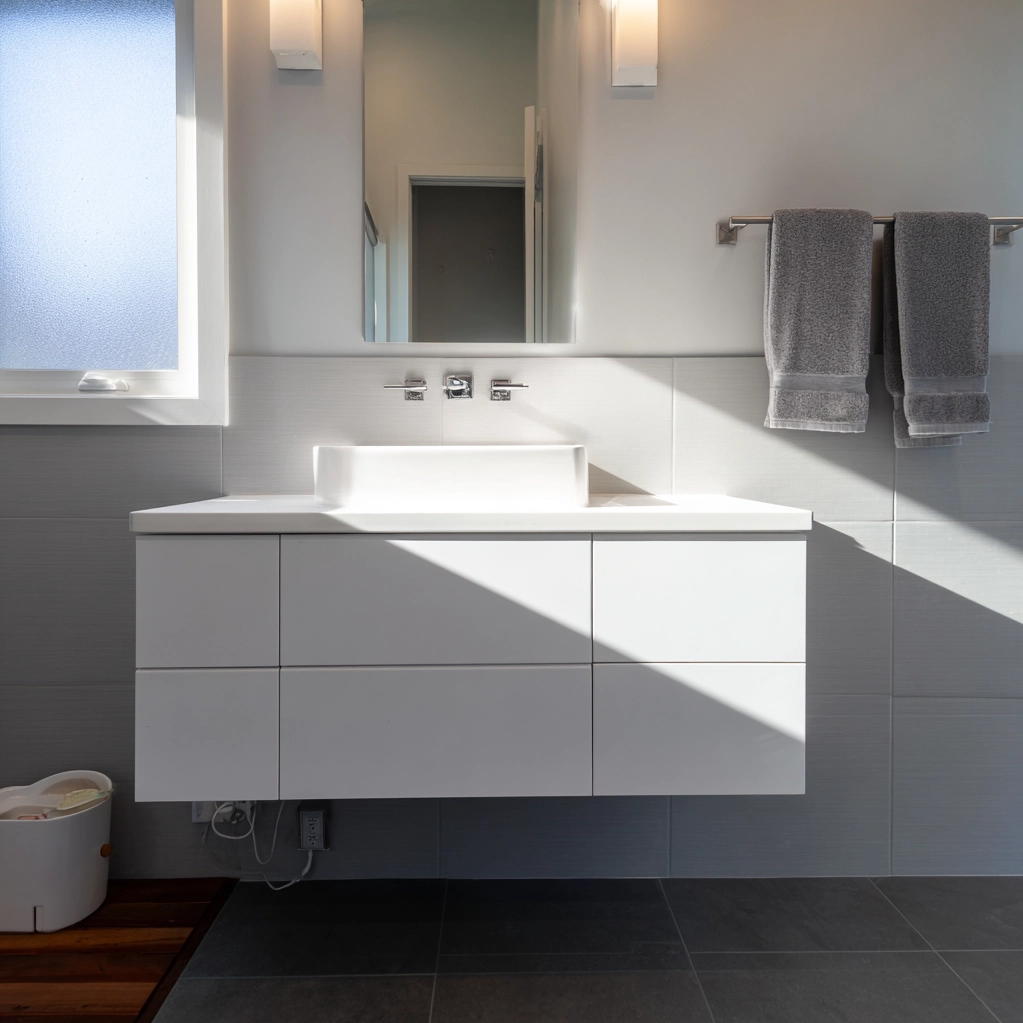
The floating vanity cabinet offers numerous advantages that extend well beyond its stylish appearance. One of the most significant benefits is the enhanced sense of space it creates. By eliminating visual clutter at floor level, these cabinets make bathrooms appear larger and more open. This optical illusion is particularly valuable in powder rooms or en-suite bathrooms where every inch counts. The clean lines and uninterrupted sightlines contribute to a modern aesthetic that feels both luxurious and practical. Another major advantage is improved accessibility for cleaning. Without legs or a base touching the floor, you can easily sweep or mop beneath the cabinet, maintaining hygiene with minimal effort. This feature proves especially useful in households with children or pets where bathroom floors require frequent attention. The floating design also allows for better air circulation, helping prevent moisture buildup that can lead to mold or mildew issues common in bathroom environments. From a design perspective, floating vanity cabinets offer remarkable versatility. They can be installed at various heights to accommodate different users, making them excellent choices for accessible design or homes with family members of varying statures. This adjustability extends to storage solutions as well—many models feature drawers or shelves that can be customized to fit specific needs. The visual lightness of these cabinets makes them ideal for creating focal points without overwhelming smaller spaces. When properly installed with adequate wall support, floating vanities provide durable, long-lasting storage that withstands daily use while maintaining their elegant appearance for years.
Choosing the Perfect Floating Vanity Cabinet for Your Space
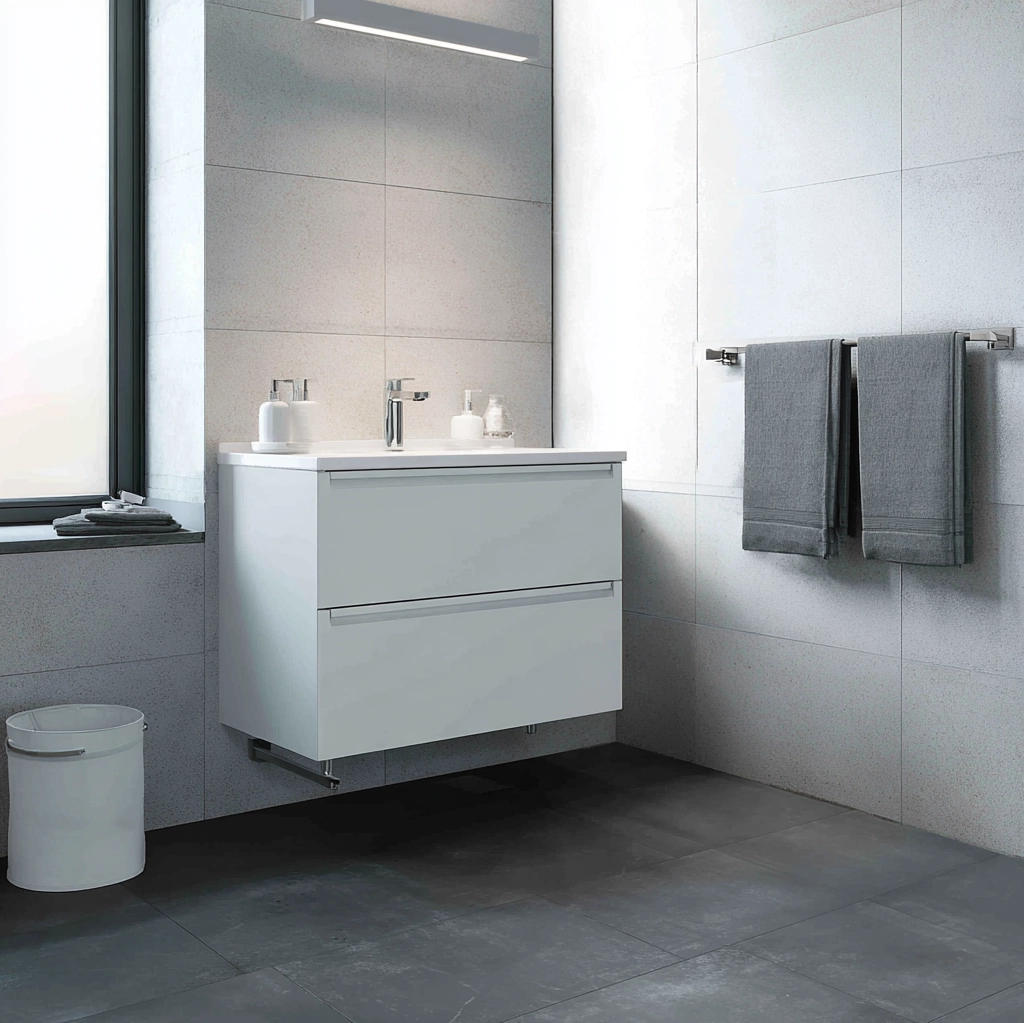
Selecting the right floating vanity cabinet requires careful consideration of several factors to ensure it complements your bathroom perfectly. Start by measuring your available wall space accurately, accounting for plumbing access and door swings. Most floating vanities range from 24 to 72 inches in width, with 36 to 48 inches being the most common for standard bathrooms. Consider both the cabinet's dimensions and the necessary clearance around it for comfortable use. The material choice significantly impacts both appearance and durability. Solid wood options like oak or walnut offer timeless beauty and can be refinished over time, while engineered materials like medium-density fiberboard (MDF) with waterproof coatings provide excellent moisture resistance at more affordable price points. For contemporary spaces, consider floating vanity cabinets with clean-lined fronts in matte finishes or textured surfaces that add visual interest without overwhelming the room. Storage needs should guide your selection process. Assess what you need to store—towels, toiletries, cleaning supplies—and choose a configuration that accommodates these items efficiently. Some floating vanities feature deep drawers perfect for organizing taller bottles, while others include combination setups with both drawers and cabinets. Don't forget about sink compatibility; vessel sinks sit atop the counter while undermount models create a seamless look. The countertop material deserves equal attention. Quartz offers excellent durability and stain resistance, natural stone like marble provides luxurious appeal (though requires more maintenance), and solid surface materials like Corian deliver seamless integration. Consider how the countertop edge profile will interact with the floating design—waterfall edges that continue down the sides can enhance the floating effect beautifully.
Installation Tips for Your Floating Vanity Cabinet
Proper installation is crucial for ensuring your floating vanity cabinet functions safely and maintains its elegant appearance. The process begins with identifying and preparing the wall where the cabinet will mount. Most importantly, you must locate and mark the wall studs, as these provide the necessary structural support for the weight of the cabinet, countertop, sink, and contents. Using a stud finder, identify at least two studs that align with your planned mounting points. If studs aren't positioned ideally, you may need to install horizontal blocking between studs or use specialized heavy-duty wall anchors designed for substantial loads. Before mounting, ensure all plumbing is properly positioned. Many floating vanity cabinets require specific plumbing configurations since pipes won't be concealed by a traditional base. Consider using wall-mounted faucets or specially designed supply lines that tuck neatly behind the cabinet. If you're installing a sink in the countertop, test-fit everything before final mounting to verify alignment with drain and supply lines. The mounting process typically involves securing a ledger board or mounting bracket to the wall studs, then attaching the cabinet to this support system. Use a level throughout installation to ensure perfect alignment—even slight tilts become noticeable with floating designs. Once secured, add the countertop and sink according to manufacturer instructions, paying particular attention to sealing around sinks and backsplashes to prevent water damage. For electrical considerations, many floating vanities incorporate lighting beneath or within the cabinet. Plan these elements during installation, ensuring proper wiring and switches are in place. Finally, test all components—open and close drawers multiple times, run water to check for leaks, and verify that the cabinet feels solid and secure before loading it with your bathroom essentials.
Conclusion
The floating vanity cabinet represents more than just a storage solution—it's a design statement that combines form and function in innovative ways. Throughout this exploration, we've seen how these elevated cabinets create visual space, simplify cleaning, and offer versatile storage options that adapt to various bathroom layouts and styles. By choosing the right materials, dimensions, and installation approach, homeowners can transform even compact bathrooms into sophisticated retreats that feel both spacious and intentionally designed. Looking forward, the popularity of floating vanities shows no signs of slowing as urban living spaces continue to prioritize efficient use of square footage. Future developments may bring even more innovative features, such as integrated smart technology for lighting and organization, or sustainable materials that reduce environmental impact while maintaining durability. The ongoing trend toward minimalist, clutter-free living ensures that floating designs will remain relevant, offering clean aesthetics that promote tranquility in daily routines. As you consider incorporating a floating vanity cabinet into your home, remember that successful implementation balances practical considerations with personal style. Measure carefully, choose materials suited to your household's needs, and don't hesitate to consult professionals for installation if needed. The result will be a bathroom that not only functions beautifully but also provides a daily reminder of thoughtful design. Whether you're undertaking a full renovation or making targeted upgrades, a floating vanity cabinet offers an opportunity to elevate your space in ways that enhance both its appearance and your experience within it.
Frequently Asked Questions
Q: How much weight can a floating vanity cabinet support?
A properly installed floating vanity cabinet can typically support between 200 to 400 pounds, depending on the mounting method and wall construction. The key factor is securing the cabinet to wall studs rather than just drywall. Most manufacturers provide specific weight limits for their products, which account for the cabinet itself, countertop, sink, plumbing fixtures, and stored contents. For standard installations using appropriate hardware mounted to wood or metal studs, you can expect reliable support for typical bathroom storage needs. However, if you plan to store particularly heavy items or use natural stone countertops, consult with an installer to ensure adequate support. Regular maintenance checks can help identify any issues before they become problems.
Q: Can I install a floating vanity cabinet in an older home with uneven walls?
Yes, you can install a floating vanity cabinet in older homes with uneven walls, though it requires additional preparation. The process typically involves using shims behind the mounting bracket to create a level surface for the cabinet. Start by identifying the highest point on your wall and building out from there. Some installers create a French cleat system—a wooden strip mounted to the wall that interlock with a matching piece on the cabinet—which can accommodate minor wall irregularities while providing strong support. For significantly uneven surfaces, you might need to install a plywood substrate that's been planed to create a flat mounting surface. Always use a level throughout installation and consider consulting a professional if your walls have substantial variations, as improper installation can compromise both safety and appearance.
Q: What maintenance does a floating vanity cabinet require compared to traditional vanities?
Floating vanity cabinets generally require less maintenance than traditional floor-mounted units, primarily because they're easier to clean around. The open space beneath eliminates corners where dirt and moisture accumulate, reducing cleaning time and preventing mold growth. For daily maintenance, simply wipe the exterior surfaces with a damp cloth and mild cleaner appropriate for the cabinet material. Periodically check mounting hardware for tightness, especially during the first year as the house settles. The countertop and sink require the same care as traditional vanities—wipe up spills promptly, use appropriate cleaners for the surface material, and reseal natural stone as recommended. One advantage is that floating designs often have fewer crevices where grime can hide, making thorough cleaning more straightforward. For plumbing maintenance, the accessible space beneath can make repairs easier, though it's important to ensure pipes are properly insulated in colder climates to prevent freezing.