
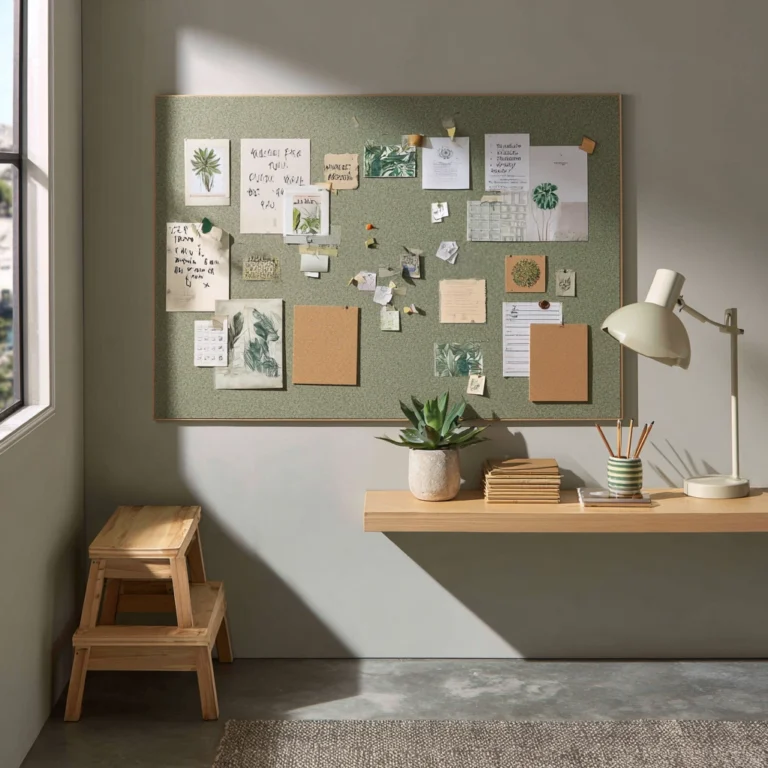
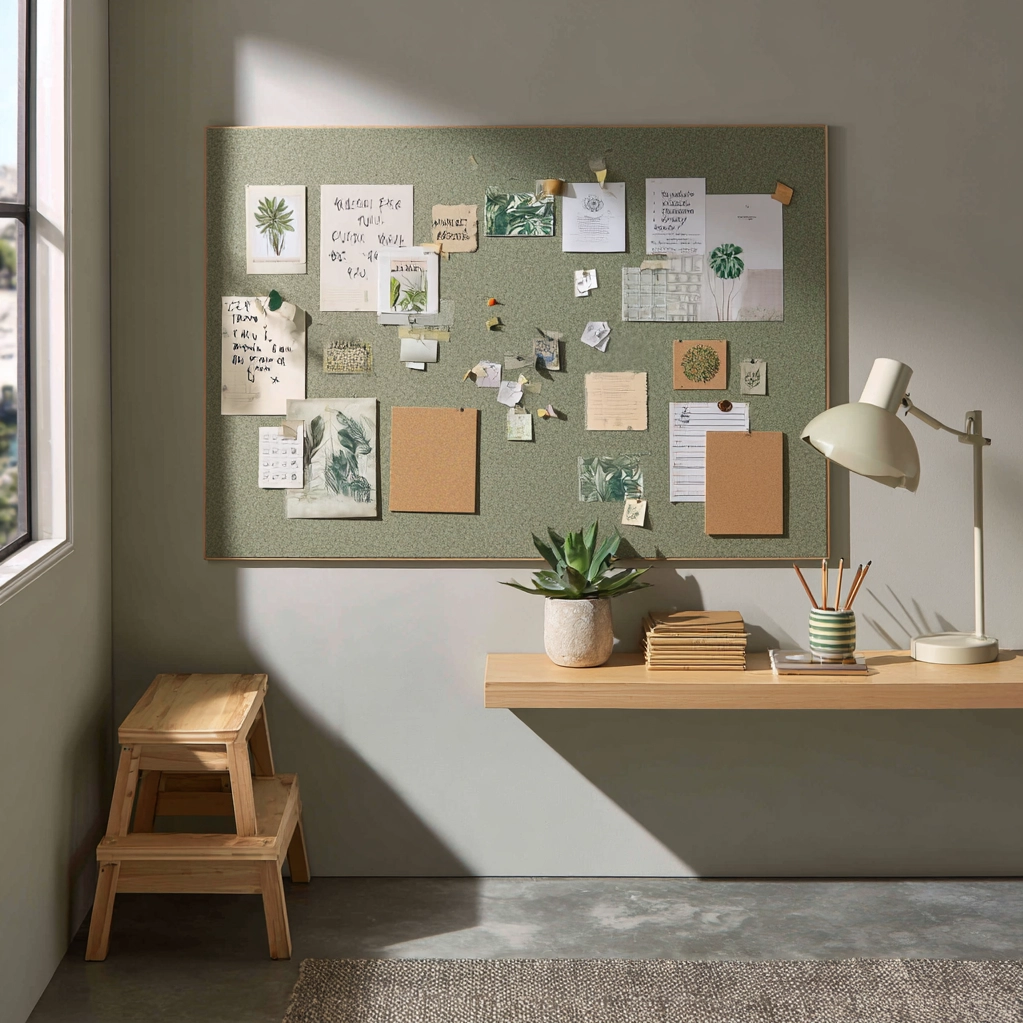
Green boards have become one of the most exciting trends in home decor, offering a versatile canvas that bridges the gap between art and organization. These functional decor pieces can transform any room from bland to brilliant, providing both aesthetic appeal and practical utility. Whether you’re looking to create a serene sanctuary in your bedroom, an inspiring workspace, or a lively family hub in the kitchen, green boards offer endless possibilities for personal expression and spatial organization.
Imagine walking into a room where every glance reveals something beautiful or useful—a place where your favorite memories, inspiring quotes, and essential reminders coexist in perfect harmony. Green boards make this vision possible by serving as dynamic focal points that can evolve with your mood, seasons, or changing needs. They're not just decorative elements; they're interactive components of your living space that encourage creativity and mindfulness.
The appeal of green boards lies in their versatility. They can be sleek and modern or rustic and charming, fitting seamlessly into any design aesthetic. From deep emerald tones that evoke forest tranquility to soft mint shades that bring a breezy freshness, the color itself carries psychological benefits—promoting calmness, creativity, and connection to nature. As we spend more time in our homes, creating spaces that nurture our well-being has become increasingly important, and green boards offer a simple yet powerful tool for achieving this goal.
In this article, we'll explore how green boards can transform different areas of your home, provide practical tips for maximizing their potential, and share seven specific green boards inspo ideas that you can adapt to your unique space. Whether you're a seasoned decorator or just beginning your home design journey, you'll find inspiration to make these versatile pieces work for you.
Green Boards Inspo for Serene Bedroom Retreats
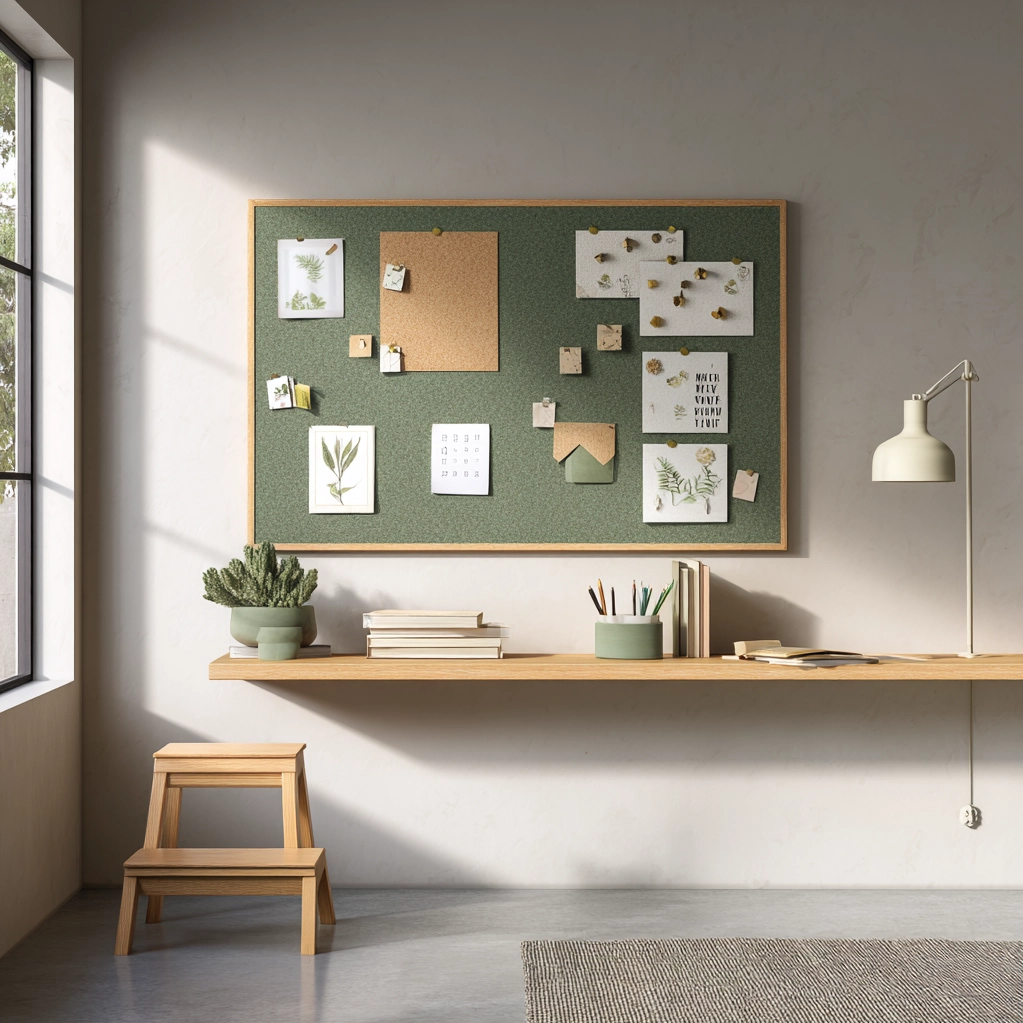
Your bedroom should be a sanctuary—a place where you can unwind, recharge, and escape from daily stresses. Green boards provide the perfect tool for creating this peaceful atmosphere while keeping your space organized and personalized. Start with a soft sage or muted olive board placed above your bed or on an adjacent wall. This color palette naturally promotes relaxation and pairs beautifully with neutral bedding and natural wood accents.
For content, consider creating a rotating gallery of calming imagery. Pressed leaves or flowers collected from your garden can be pinned to the board, bringing nature indoors. Inspirational quotes about rest and mindfulness written on beautiful paper or small cards add a thoughtful touch. You might also include a section for bedtime intentions or gratitude lists—writing down what you're thankful for each evening can improve sleep quality and overall well-being.
Practical elements can be incorporated elegantly too. A small section of your green board can hold weekly schedules, medication reminders if needed, or a sleep tracker. The key is to keep these functional items visually appealing by using coordinated pins, beautiful handwriting, or decorative clips. Consider adding subtle lighting around your green board—soft LED strips or a small nearby lamp can create a gentle glow that enhances the serene atmosphere in the evenings.
Seasonal updates keep your green board feeling fresh and connected to the natural world. In spring, add budding branches or pastel-colored elements. Summer might bring seashells or pressed wildflowers. Autumn calls for colorful leaves and warm-toned accents, while winter could feature evergreen sprigs or snowflake patterns. This connection to the changing seasons helps ground your bedroom decor in the rhythms of nature, enhancing the restorative qualities of your personal retreat.
Green Boards Inspo for Creative Workspaces
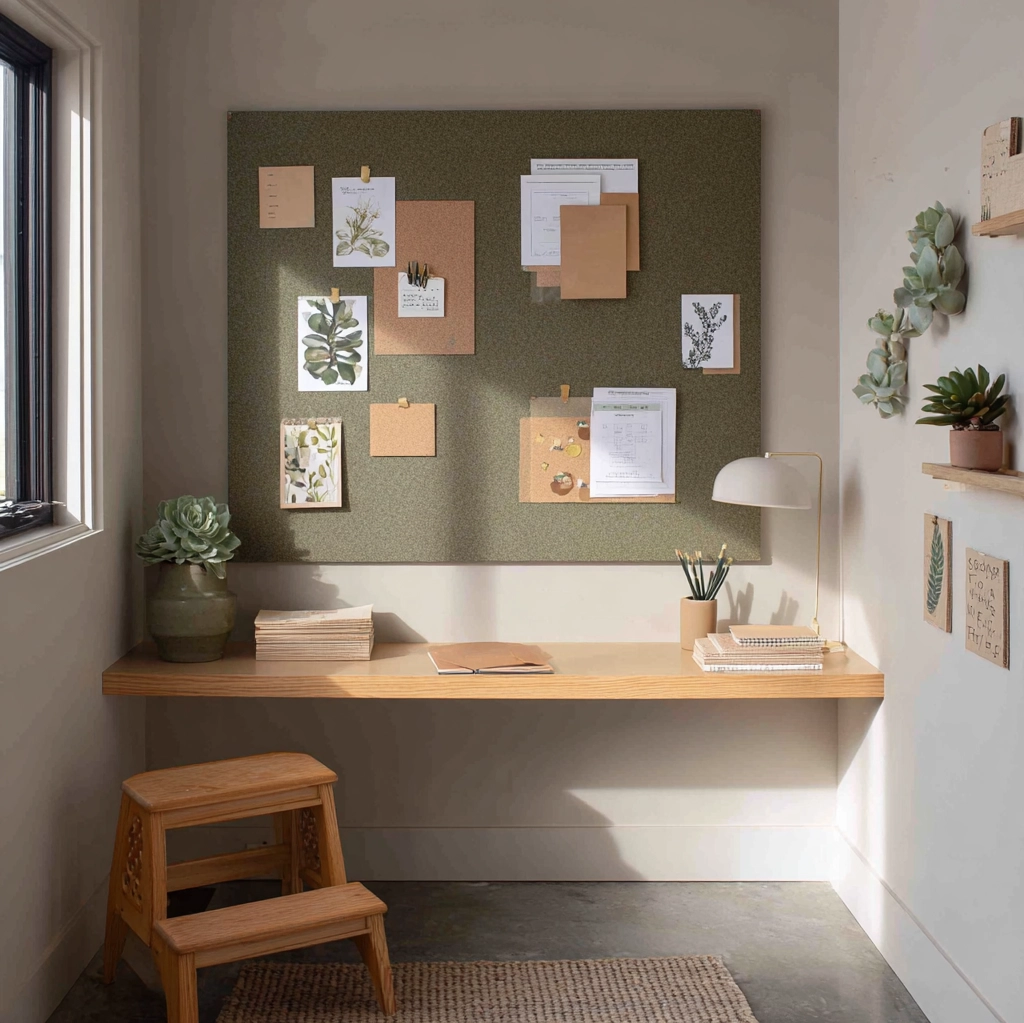
A productive workspace needs both inspiration and organization, and green boards excel at providing both. The color green has been shown to enhance creativity and reduce eye strain, making it an ideal choice for areas where you spend hours working or creating. Whether you have a dedicated home office, a studio corner, or a kitchen nook that doubles as a workspace, a well-designed green board can significantly improve both your productivity and enjoyment of the space.
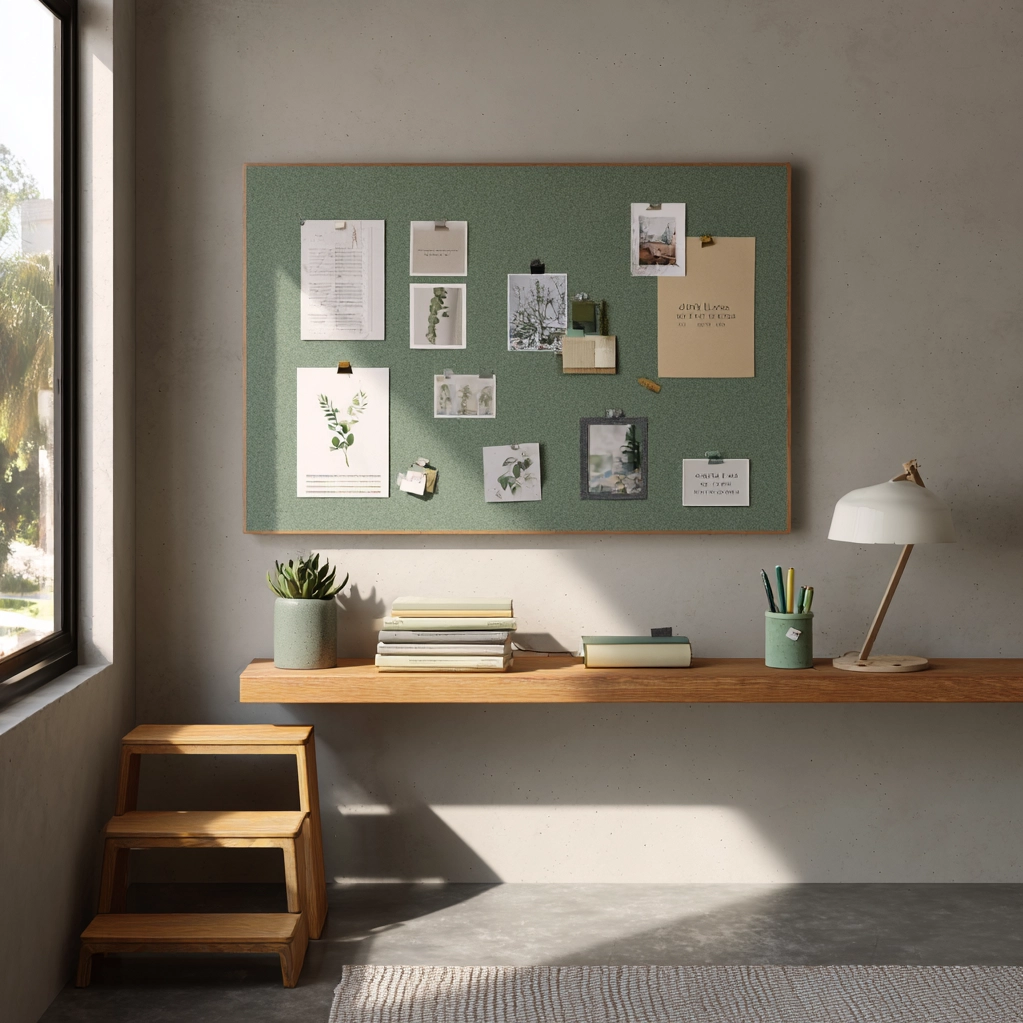
Begin with placement—position your green board directly in your line of sight or slightly to the side where you can glance at it without turning away from your work. A larger board works well for creative professionals who need space for brainstorming, mood boards, or project timelines. For those with limited space, several smaller green boards arranged together can create visual impact without overwhelming the area.
Organize your green board with clear zones. Designate sections for immediate tasks, ongoing projects, and long-term goals. Use color-coded pins or markers to differentiate between work categories. Visual thinkers might create mind maps or flowcharts directly on the board, while writers could outline chapters or plot points. Creative professionals often use green boards to display fabric swatches, paint samples, or design sketches—the green background makes colors pop while maintaining a cohesive look.
Incorporate elements that spark creativity. Beyond work-related materials, add inspiring images, quotes from thought leaders in your field, or photos of completed projects that make you proud. A small section for personal goals or motivational reminders helps maintain work-life balance. If you frequently reference materials, consider attaching clear pockets or small baskets to your green board to hold frequently used items like pens, scissors, or sticky notes. The combination of practical organization and creative stimulation makes green boards invaluable tools for anyone looking to enhance their workspace.
Green Boards Inspo for Vibrant Living Areas
Living rooms, family rooms, and entryways benefit tremendously from the organizational and decorative potential of green boards. These shared spaces often serve multiple functions—entertaining guests, family gatherings, quiet reading, and daily living—and green boards can help manage this versatility while adding character to your home. The key is to balance aesthetic appeal with practical function, creating a feature that enhances your space rather than cluttering it.
Consider scale and placement carefully. A large green board can serve as a striking focal point above a sofa or console table, while smaller boards work well in entryways for family communications or in dining areas for menu planning. The green color works beautifully with most common living room palettes—complementing neutral schemes, adding depth to monochromatic rooms, or providing a natural counterpoint to bold accent colors.
For family-oriented spaces, create sections that serve different household members. Children's artwork can be proudly displayed with decorative clips or frames pinned to the board. A calendar section helps coordinate busy schedules, while a message area allows for quick family communications. Consider incorporating a small shelf or ledge beneath your green board to hold keys, mail, or other frequently used items—this creates a complete organizational station that's both beautiful and functional.
Seasonal decorating becomes effortless with green boards. Rather than completely redecorating your living area for each season or holiday, you can update your green board with relevant elements. Spring might bring fresh botanical prints and light fabrics. Summer could feature travel photos or beach-inspired elements. Fall welcomes warm colors and natural materials like dried wheat or pinecones. Winter holidays offer opportunities for festive touches without overwhelming your entire space. This approach keeps your living area feeling fresh and connected to the passing year while maintaining a consistent overall design.
Entertaining becomes more enjoyable with a well-planned green board. Create a section for upcoming events, display menus for dinner parties, or use the board to highlight conversation-starting art or photographs. For wine enthusiasts, a green board can display tasting notes or vineyard maps. Book lovers might create reading lists or literary quotes. The possibilities are endless, making green boards one of the most adaptable and valuable additions to any vibrant living area.
7 Specific Green Boards Inspo Ideas to Transform Your Home
Now that we've explored how green boards work in different spaces, let's dive into seven specific green boards inspo ideas that you can adapt to your home. Each idea combines aesthetic appeal with practical function, offering solutions for common decor challenges while maximizing the unique benefits of green boards.
First, create a botanical wall gallery using multiple small green boards arranged in an organic pattern. Paint each board a slightly different shade of green for depth, then display pressed ferns, leaf specimens, or botanical prints. This creates a living art installation that brings the serenity of nature indoors. Perfect for hallways, bathrooms, or as an accent in living rooms.
Second, design a family command center with a large green board divided into zones. Include a calendar section, grocery list area, message board, and display space for important papers or children's schoolwork. Add small baskets or pockets for mail and keys below the board. This centralized system reduces household clutter and improves communication.
Third, develop a rotating art gallery for children's creations. Use a green board as the backdrop for displaying drawings, paintings, and craft projects. The green color makes children's artwork pop while providing a neutral background that doesn't compete with their creations. Update the display weekly to encourage young artists and keep your space feeling fresh.
Fourth, craft a mindfulness corner with a green board dedicated to wellness practices. Include sections for daily intentions, gratitude lists, breathing exercise reminders, and inspiring quotes about self-care. Add elements like small crystals, affirmation cards, or images that promote peace. This creates a visual reminder to prioritize mental health in your daily routine.
Fifth, build a creative project planner for DIY enthusiasts or crafters. Use your green board to map out project timelines, display material samples, sketch designs, and track progress. The green background reduces visual fatigue during extended creative sessions while keeping all project elements organized in one visible location.
Sixth, establish a seasonal celebration board that changes throughout the year. Decorate your green board with elements representing each season or holiday—spring flowers, summer shells, autumn leaves, winter evergreens. This allows you to celebrate seasonal changes without completely redecorating your space, saving time and money while keeping your home feeling current.
Seventh, design a memory wall that evolves over time. Use your green board to display photographs, ticket stubs, postcards, and other memorabilia from special experiences. The green background provides cohesion to potentially disparate items, creating a beautiful visual history of your life's journey. As new memories are made, simply add them to the collection, creating a living record of your most cherished moments.
Conclusion
Green boards represent more than just a passing decor trend—they're versatile tools that can transform how we interact with our living spaces. Throughout this article, we've explored how these functional art pieces can create serene bedroom retreats, enhance creative workspaces, and bring organization and beauty to vibrant living areas. The seven specific green boards inspo ideas provide practical starting points that you can adapt to your unique home and lifestyle.
The true power of green boards lies in their adaptability. Unlike fixed decor elements that remain static for years, green boards invite ongoing engagement and evolution. They encourage us to regularly assess what matters most in our spaces—what inspires us, what we need to remember, what brings us joy. This dynamic quality makes them particularly valuable in today's world, where our needs and circumstances can change rapidly.
Looking forward, the integration of green boards with smart home technology presents exciting possibilities. Imagine boards that incorporate subtle lighting that adjusts throughout the day to support circadian rhythms, or surfaces that can digitally display content while maintaining their natural aesthetic. The fundamental appeal will remain the same: providing a tangible, beautiful interface between our inner lives and our physical surroundings.
As you begin incorporating green boards into your home, remember that the most successful implementations balance beauty with function. Start with one board in a space where you spend significant time, and allow it to evolve naturally. Don't be afraid to experiment with arrangements, contents, and placements until you find what works best for your needs. The process itself can be creatively fulfilling, turning home decor into an ongoing practice of self-expression and spatial harmony.
Ultimately, green boards offer a simple yet profound way to make our homes more reflective of who we are and what we value. They bridge the gap between organization and artistry, between practicality and inspiration. Whether you implement one idea from this article or combine several, you're taking a step toward creating a home that not only looks beautiful but actively supports your daily life and well-being.
Frequently Asked Questions
Q: What types of green boards work best for home decor?
Several types of green boards excel in home decor settings. Traditional cork boards painted green offer excellent functionality for pinning items while providing that desirable green aesthetic. Fabric-covered boards with green upholstery create a softer, more luxurious look. Magnetic green boards provide versatility for displaying items with magnets. For a more permanent installation, green chalkboard or dry-erase paint can transform entire walls into functional surfaces. The best choice depends on your specific needs—cork and fabric boards are great for frequent changes, while painted surfaces offer larger continuous areas. Consider the room's humidity level too; bathrooms and kitchens might benefit from moisture-resistant options like sealed cork or specially treated surfaces.
Q: How do I maintain and clean my green board?
Proper maintenance keeps your green board looking fresh and functioning well. For cork boards, occasionally vacuum with a brush attachment to remove dust from the surface. Wipe gently with a slightly damp cloth if needed, but avoid soaking the cork. Fabric-covered boards should be spot-cleaned with a mild detergent solution, then blotted dry—test cleaning solutions on a small hidden area first. Magnetic and painted surfaces typically clean easily with a dry microfiber cloth or slightly damp cloth for stubborn marks. Avoid abrasive cleaners or rough scrubbing that could damage the surface. Regularly rotate or rearrange pinned items to prevent permanent indentations in cork or fabric. For boards with frames, dust the frame regularly with a soft cloth. If your board receives direct sunlight, consider occasionally rotating its position to prevent uneven fading of the green surface.
Q: Can green boards work in small spaces or rental properties?
Absolutely! Green boards are particularly well-suited for small spaces and rental properties because they add significant visual impact without requiring permanent changes. For small areas, consider vertical arrangements—several small green boards stacked or arranged in a column maximize wall space without consuming floor area. Leaner-style boards that rest against walls rather than being mounted offer flexibility and can be moved easily. In rental properties where drilling may be restricted, use removable mounting options like heavy-duty adhesive strips designed for walls. Temporary green board solutions include folding screens covered with green fabric or cork, or even large framed boards that can sit on furniture rather than being wall-mounted. The green color itself can make small spaces feel more expansive by creating depth and connection to nature. Even in the smallest nook or most temporary living situation, a well-placed green board can transform the feel and function of your space.