
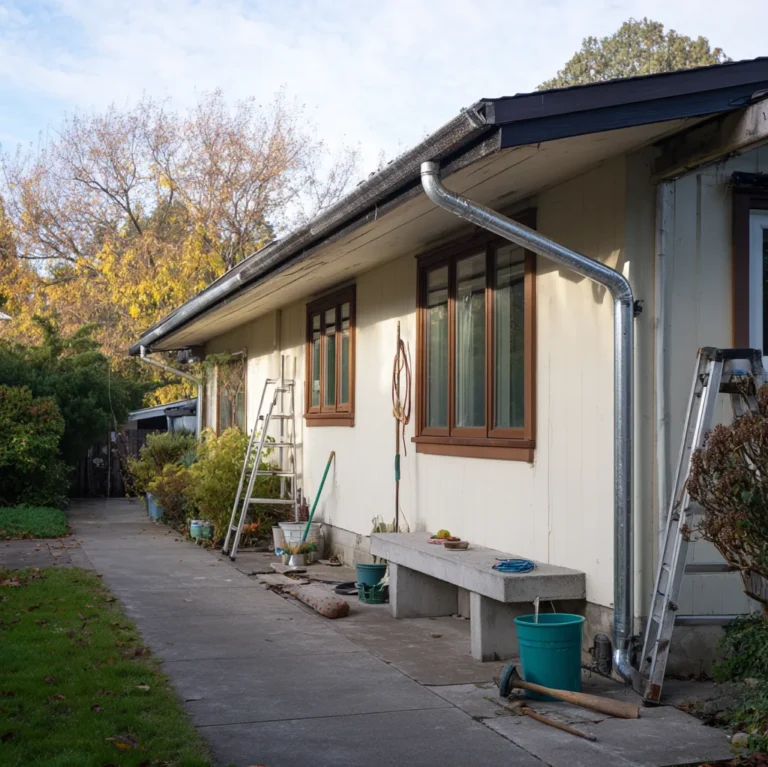
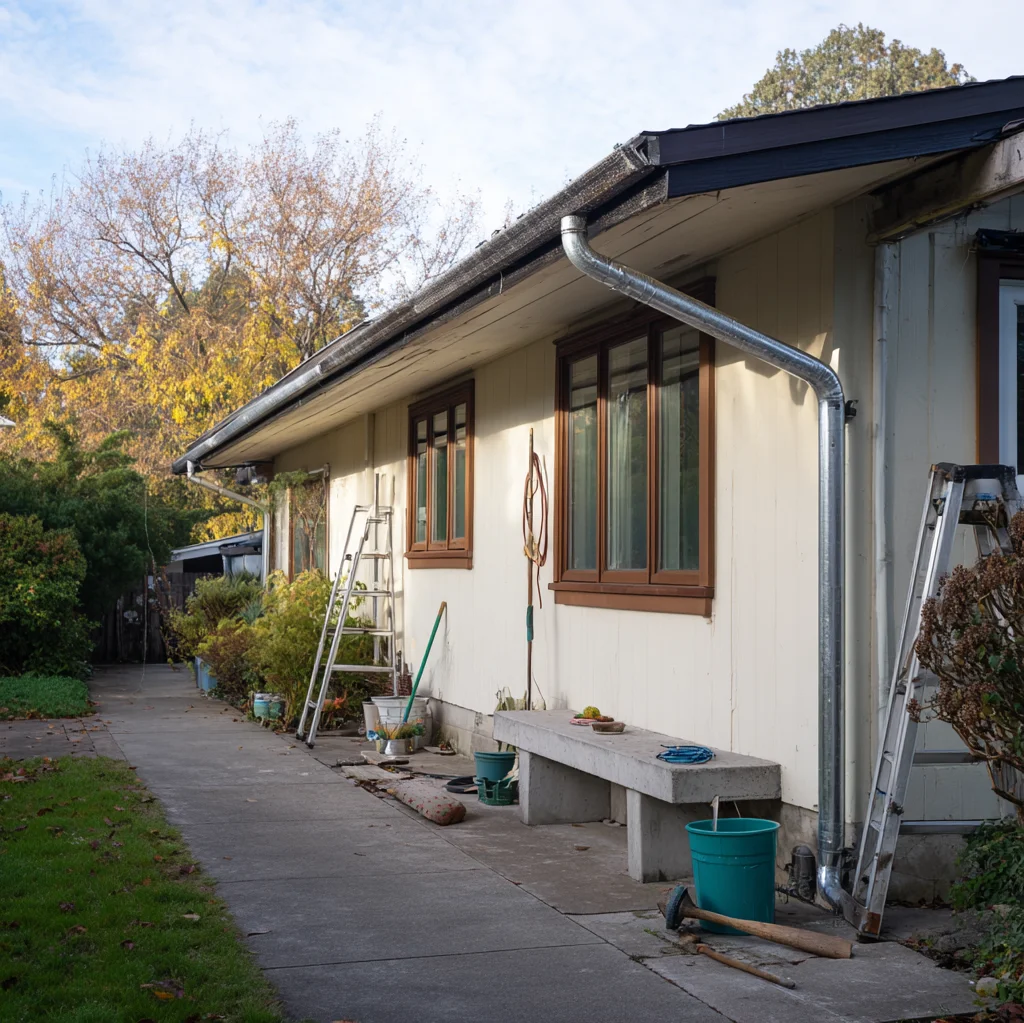
When it comes to home maintenance, gutters and drains are often overlooked, yet they play a crucial role in protecting your property from water damage. A well-designed gutter drain system not only prevents issues like foundation cracks, basement flooding, and soil erosion but also enhances the aesthetic appeal of your home. Ignoring this can lead to costly repairs and unsightly problems. In this article, we explore innovative gutter drain ideas that combine functionality with style. Whether you’re dealing with heavy rainfall or planning a home makeover, these solutions will help you manage water effectively while boosting curb appeal. From basic installations to creative designs, we’ll cover everything you need to know to keep your home safe and dry. Don’t let poor drainage undermine your hard work—embrace these ideas for a worry-free, beautiful living space. Remember, a small investment in gutters today can save you from major headaches tomorrow, making your outdoor areas more enjoyable and resilient.
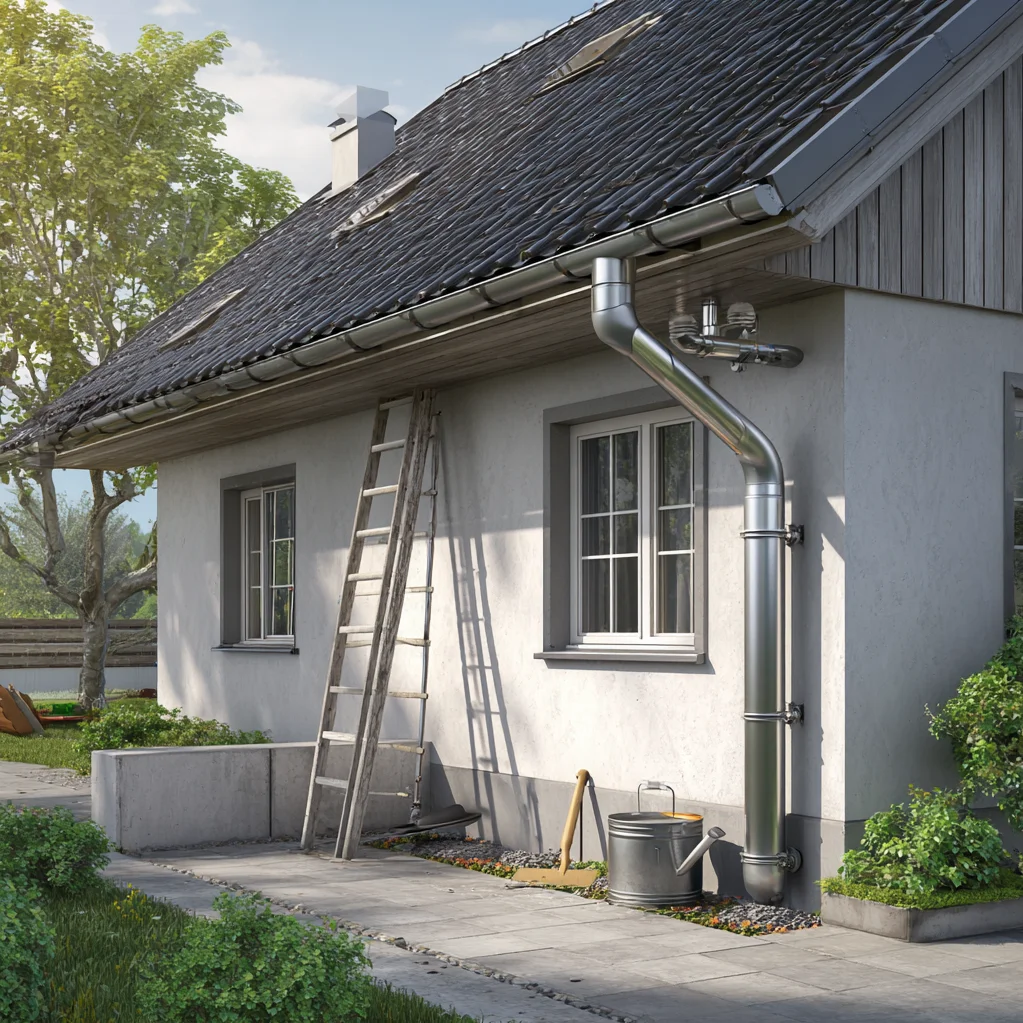
Classic Gutter Drain Ideas for Traditional Homes
For homes with a timeless aesthetic, classic gutter drain ideas offer reliability and elegance. These systems often feature materials like copper, aluminum, or vinyl that blend seamlessly with traditional architecture. A common approach is the use of half-round gutters paired with downspouts that direct water away from the foundation. This not only prevents erosion but also adds a polished look to your roofline. To enhance functionality, consider adding gutter guards to minimize debris buildup, which is a frequent issue in areas with overhanging trees. For instance, a K-style gutter with a decorative bracket can provide both strength and visual appeal. If you're on a budget, vinyl options are affordable and easy to install, though they may require more maintenance. Incorporating extensions or splash blocks at the downspout ends ensures water is dispersed safely into drainage areas, reducing the risk of pooling near walls. For more inspiration, check out this guide on home drainage from This Old House, a trusted resource for DIY enthusiasts. With these classic ideas, you can achieve a durable system that complements your home's character without compromising on performance. Regular cleaning and inspections will keep it in top shape, ensuring long-term protection against water damage.
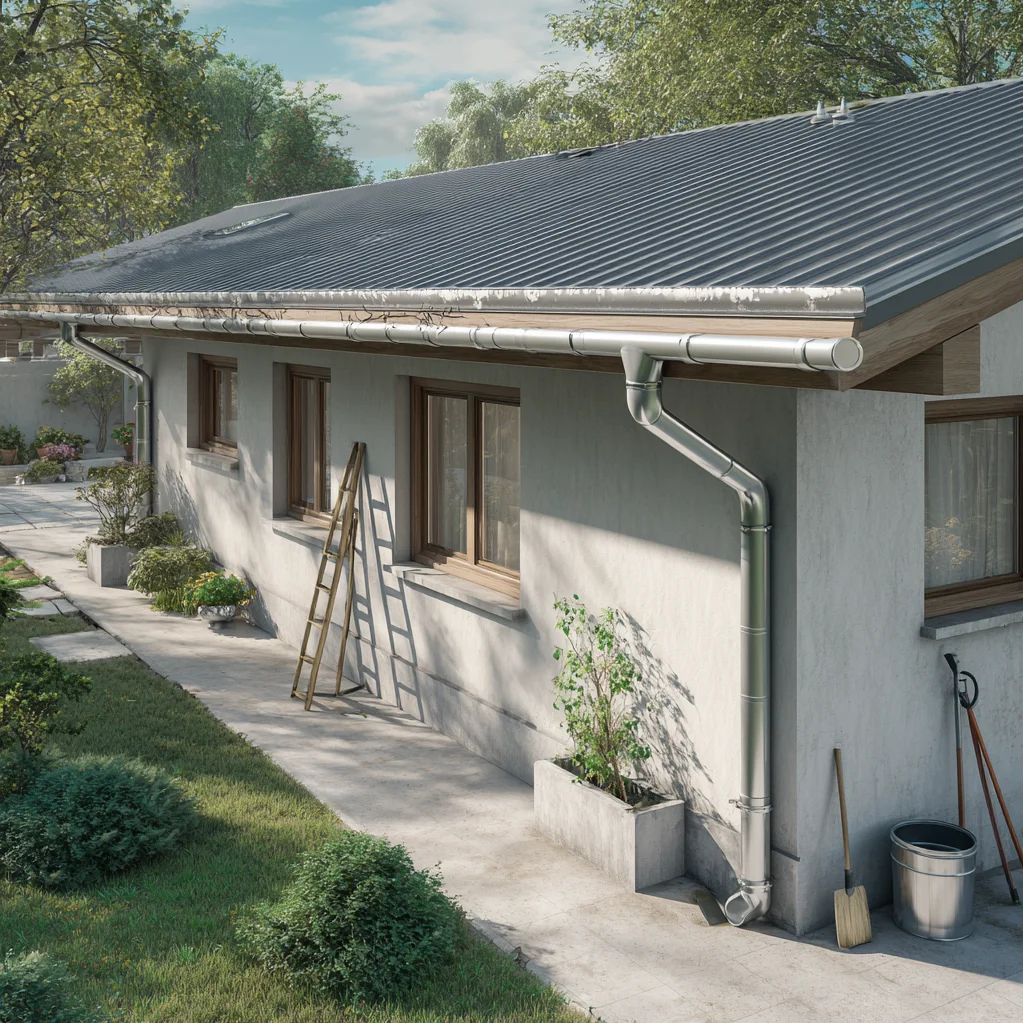
Innovative Gutter Drain Ideas for Modern Landscapes
Modern homes call for gutter drain ideas that merge sleek design with advanced functionality. Think beyond standard systems to options like hidden gutters or rain chains that add an artistic touch while managing water flow. Hidden gutters, often integrated into the roof or fascia, provide a minimalist look that doesn't detract from contemporary aesthetics. Rain chains, made of metal or ceramic, guide water visibly into basins or drainage pits, creating a soothing visual and auditory experience during rainfall. For added efficiency, pair these with French drains or dry wells to handle runoff in landscaped areas. This not only prevents soggy lawns but also supports sustainable practices by reusing water for irrigation. If your home has a flat roof, scupper drains can be a game-changer, directing water through walls or spouts without cluttering the exterior. Materials like stainless steel or powder-coated aluminum offer durability and resistance to rust, ideal for harsh climates. For example, a rain chain leading to a pebble-filled trench can double as a garden feature, enhancing your outdoor space. Always ensure proper slope and placement to avoid blockages. By adopting these innovative ideas, you turn a practical necessity into a design element that elevates your home's modern appeal while ensuring efficient water management.

Budget-Friendly Gutter Drain Ideas for DIY Enthusiasts
Managing gutter drains doesn't have to break the bank, especially with DIY-friendly ideas that are both cost-effective and effective. Start by repurposing materials like PVC pipes or recycled barrels to create simple extension systems that divert water from downspouts. For instance, attaching a flexible pipe to a downspout and directing it to a rain barrel can harvest water for gardening, saving money on utilities. If you're dealing with minor drainage issues, gravel-filled trenches or swales can be dug along property lines to channel water naturally. Adding mesh screens to gutters is another low-cost hack to reduce leaf buildup, minimizing the need for frequent cleaning. For homes with sloped yards, a DIY dry well made from a perforated container buried in gravel can absorb excess water, preventing foundation problems. Remember to measure slopes accurately to ensure water flows away from the house—a common mistake that leads to backups. Tools like a level and basic plumbing supplies are often all you need for these projects. If you're unsure, start with small adjustments and gradually expand. For more tips, explore our guide on DIY home improvements at https://chicaurahome.com/diy-makeovers, which offers step-by-step advice. With these budget ideas, you can achieve a functional drainage system without hiring professionals, making home maintenance accessible and affordable.
Conclusion
In summary, gutter drain ideas are essential for safeguarding your home from water-related issues while enhancing its overall appeal. From classic systems that suit traditional homes to innovative designs for modern landscapes and budget-friendly DIY solutions, there's an option for every need and style. By implementing these ideas, you can prevent costly damage, improve curb appeal, and even contribute to sustainability through water reuse. As climate patterns shift, investing in robust drainage will become increasingly important—consider integrating smart sensors or green infrastructure for future-proofing. Start by assessing your current setup and identifying areas for improvement. Small changes, like adding extensions or cleaning gutters regularly, can make a big difference. Remember, a well-maintained gutter drain system not only protects your investment but also creates a safer, more enjoyable living environment. Take action today to explore these possibilities and transform your home into a dry, beautiful haven for years to come.
Frequently Asked Questions
Q: What are the most common materials used for gutter drains, and how do I choose the right one?
Common materials include aluminum, vinyl, copper, and steel. Aluminum is lightweight, rust-resistant, and affordable, making it popular for most homes. Vinyl is cost-effective and easy to install but may crack in extreme temperatures. Copper offers durability and a premium look but is more expensive. Steel is strong but prone to rust if not coated. Choose based on your budget, climate, and aesthetic preferences—for instance, aluminum suits moderate climates, while copper excels in longevity and style.
Q: How often should I clean my gutter drains to prevent clogs?
It's recommended to clean gutter drains at least twice a year, typically in spring and fall, to remove leaves, debris, and blockages. If you have overhanging trees or experience heavy storms, increase frequency to every three months. Regular cleaning prevents water overflow, which can lead to roof damage, foundation issues, and mold growth. Use gloves, a ladder, and a garden hose for safety, or consider installing gutter guards to reduce maintenance needs.
Q: Can I install a gutter drain system myself, or should I hire a professional?
Yes, many gutter drain systems can be installed DIY, especially simple extensions or basic vinyl gutters, if you have the right tools and follow safety guidelines. However, for complex setups like hidden gutters or integrated drainage, hiring a professional is advisable to ensure proper slope, sealing, and compliance with local codes. DIY projects save money but require time and precision; if unsure, consult resources or start with smaller modifications to avoid costly mistakes.