
Creating a beautiful home that reflects your personality doesn’t have to drain your bank account or require professional designers. The home aesthetic DIY movement has empowered countless homeowners to transform their living spaces into personal sanctuaries that tell their unique stories. This approach combines creativity with practicality, allowing you to craft spaces that are not only visually appealing but also deeply meaningful. The beauty of home aesthetic DIY lies in its accessibility – anyone with basic tools, some inspiration, and a willingness to learn can achieve remarkable results. Whether you’re looking to refresh a single room or undertake a complete home makeover, embracing the DIY mentality opens up endless possibilities for customization. Your home should be a reflection of what brings you joy and comfort, and taking the DIY route ensures every element speaks to your personal taste. The satisfaction of looking at a completed project and knowing “I made that” adds an extra layer of meaning to your surroundings. In today’s world where cookie-cutter designs dominate, creating a unique home aesthetic through DIY projects becomes an act of personal expression and creative rebellion. This guide will show you how to approach home aesthetic DIY projects with confidence, providing practical tips and inspiration to help you transform your space into something truly special. From choosing cohesive color palettes to repurposing old furniture, you’ll discover that achieving your dream home aesthetic is within reach. The journey begins with understanding that every home tells a story – what will yours say?
Home Aesthetic DIY Planning: Where Vision Meets Practicality
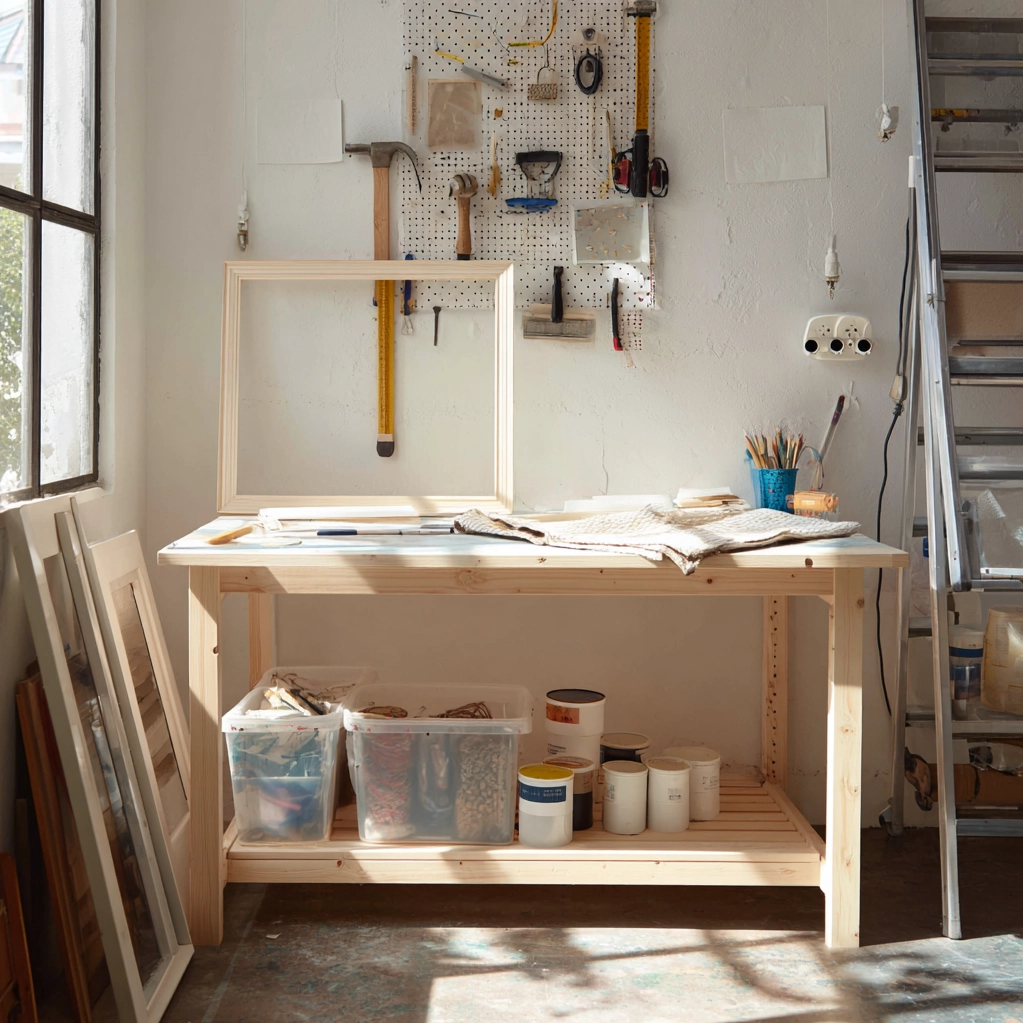
Successful home aesthetic DIY projects always begin with thoughtful planning. Before you touch a paintbrush or pick up a hammer, take time to define your vision. Start by creating a mood board – either physical or digital – that captures the colors, textures, and styles that resonate with you. Look at home aesthetic inspiration across platforms like Pinterest, Instagram, and design blogs, but remember to adapt rather than copy. Your planning phase should include a realistic assessment of your space, budget, and skill level. For home aesthetic DIY beginners, starting with smaller projects like accent walls or decorative shelves builds confidence before tackling larger transformations. Consider the flow of your space – how different areas connect and function together. Measure everything twice, and create detailed sketches of your intended changes. Research proper techniques and materials for each project, watching tutorial videos and reading step-by-step guides. Don't forget to account for preparation and cleanup time, which often takes longer than the actual DIY work. Create a timeline that allows for unexpected challenges, and always have contingency plans for when things don't go perfectly. Planning your home aesthetic DIY approach also means considering sustainability – can you repurpose existing items rather than buying new? This thoughtful preparation ensures your projects enhance both beauty and functionality while staying within your means.
Essential Home Aesthetic DIY Projects That Transform Any Space
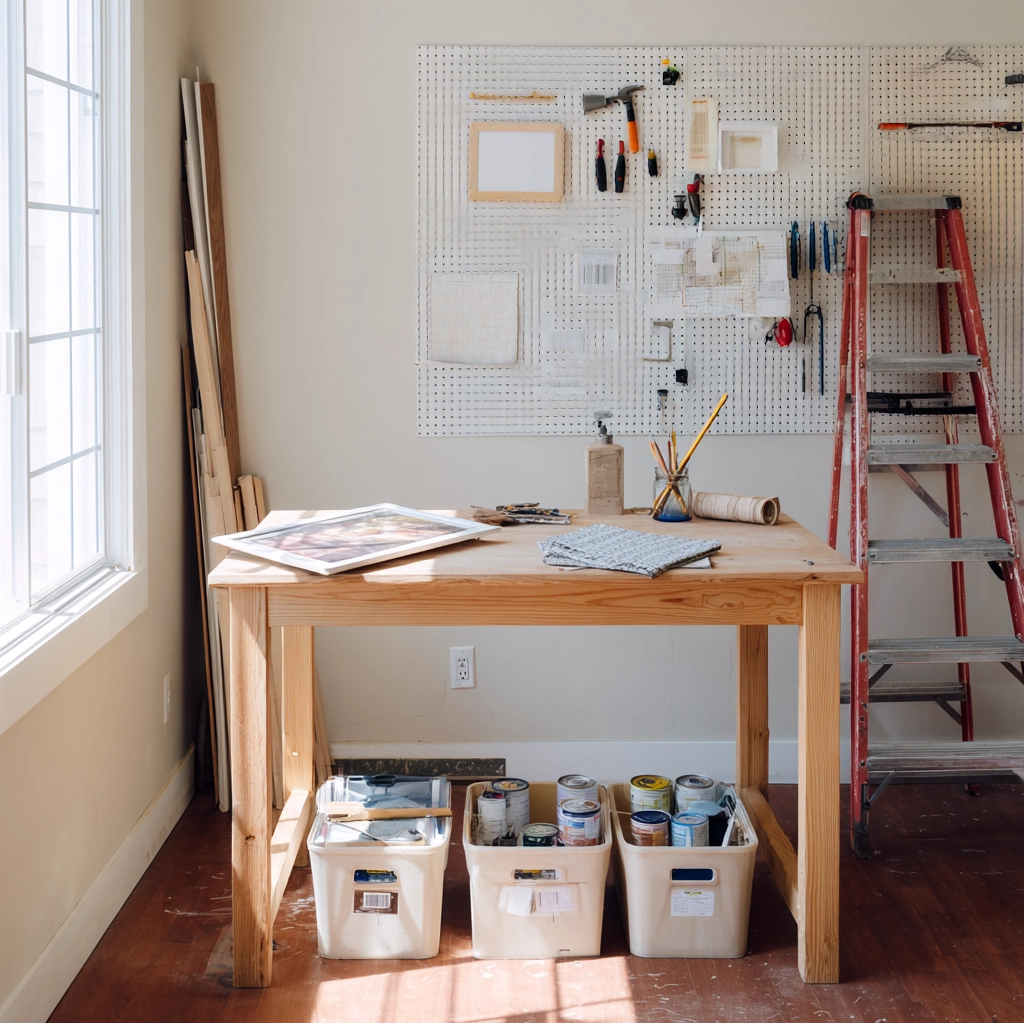
Certain home aesthetic DIY projects deliver maximum impact with reasonable effort, making them perfect starting points for transforming your living environment. Creating custom wall treatments stands as one of the most effective ways to establish your home aesthetic. Consider removable wallpaper for renters or accent walls with geometric patterns for homeowners. Another transformative project involves lighting upgrades – replacing standard fixtures with statement pieces or adding layered lighting through sconces and lamps dramatically changes a room's atmosphere. For furniture, simple DIY upgrades like painting dated pieces, adding new hardware, or reupholstering cushions can completely refresh your space without major expense. Textile projects offer another accessible entry point to home aesthetic DIY – sewing custom curtains, creating throw pillow covers, or making area rugs allows for perfect color and pattern coordination. Don't overlook smaller details that collectively create big impact: creating gallery walls with personalized art, building floating shelves for display, or crafting decorative objects from natural materials. These projects let you infuse personality into every corner while developing skills for more complex undertakings. The key is choosing projects that align with both your desired home aesthetic and your current capabilities, gradually building toward more ambitious transformations as your confidence grows.
Home Aesthetic DIY Materials and Tools: Building Your Creative Arsenal
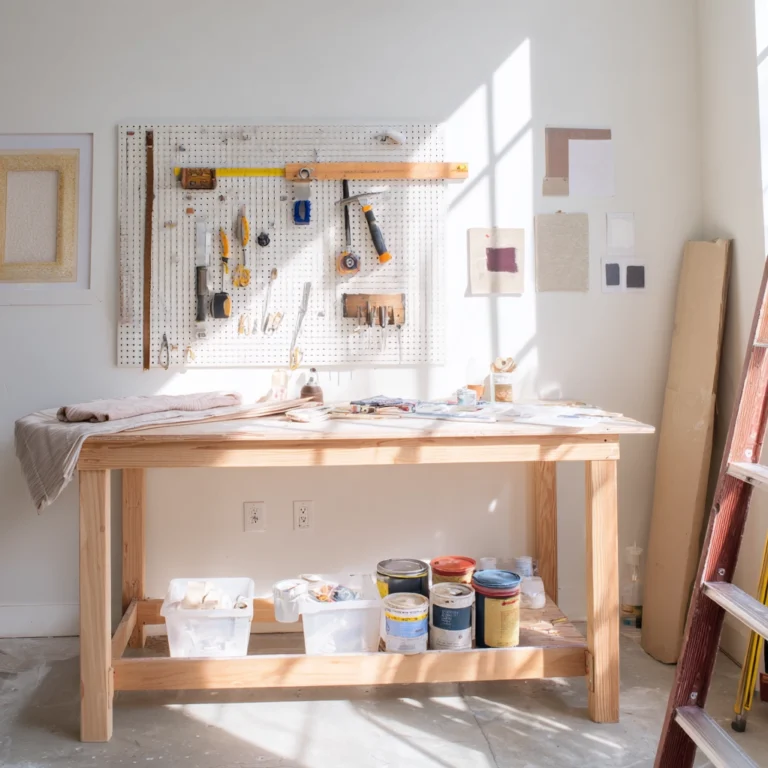
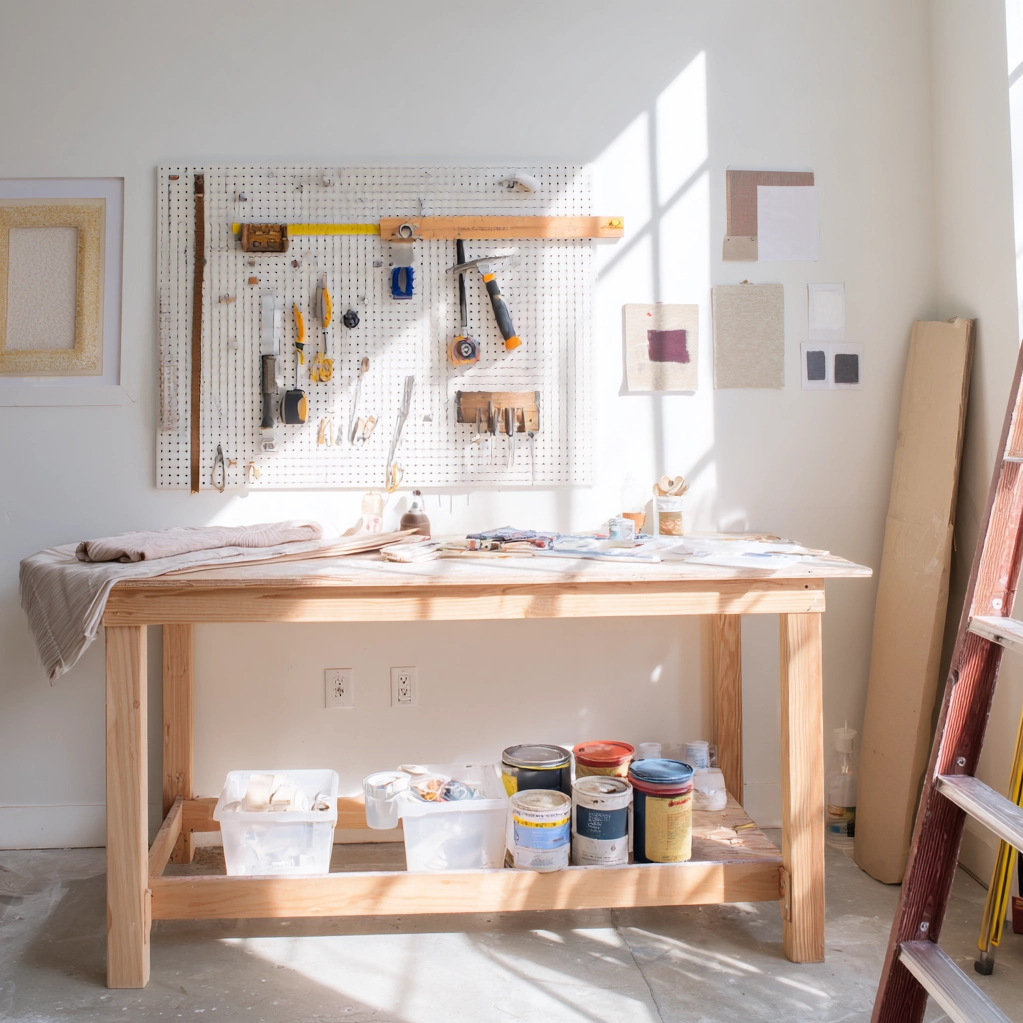
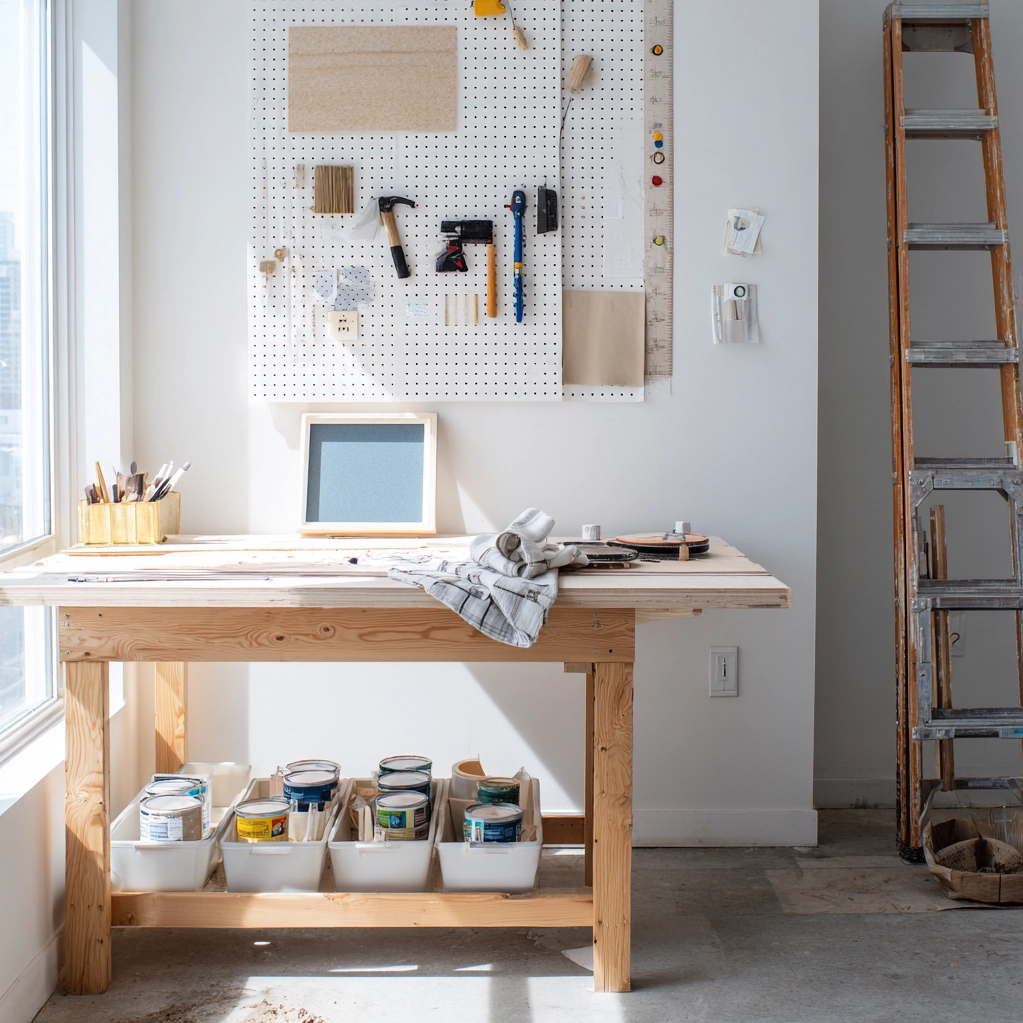
The right materials and tools form the foundation of successful home aesthetic DIY projects. Building a basic toolkit doesn't require significant investment – start with quality essentials like a measuring tape, level, hammer, screwdrivers, utility knife, and adjustable wrench. For painting projects, invest in good brushes and rollers rather than disposable options, as they provide better coverage and last through multiple projects. When selecting materials for your home aesthetic DIY endeavors, consider both aesthetics and durability. For wood projects, pine offers affordability while hardwood provides longevity. Paint choices should balance color preferences with practical concerns like washability and sheen levels. Don't overlook the importance of proper preparation materials – sandpaper, primer, and cleaning supplies often determine a project's final quality. As you advance in home aesthetic DIY, consider adding power tools like a cordless drill, orbital sander, and jigsaw, which expand your project possibilities dramatically. For textile-based home aesthetic elements, a basic sewing machine and quality fabrics enable countless customization options. Storage becomes crucial as your collection grows – organize tools and materials so you can easily find what you need for spontaneous inspiration. Remember that safety equipment like goggles, gloves, and masks represents non-negotiable investments for protecting yourself during home aesthetic DIY work. Building your creative arsenal gradually ensures you have what you need without overwhelming your budget or storage space.
Conclusion
Embracing home aesthetic DIY transforms more than just your physical space – it cultivates creativity, builds practical skills, and creates deeper connections to your living environment. The 13 tips and projects outlined here demonstrate that achieving your dream home aesthetic is accessible regardless of your starting point. Remember that perfection isn't the goal; rather, focus on progress and personal expression. Each brushstroke, each measured cut, each carefully chosen fabric contributes to a space that tells your unique story. As you continue your home aesthetic DIY journey, you'll likely discover that the process itself brings as much satisfaction as the final results. Looking forward, consider how your skills might expand to include more complex projects or even help friends and family with their own spaces. The home aesthetic DIY community continues to grow, offering endless inspiration and support through online platforms and local workshops. Perhaps most importantly, this approach teaches resilience and problem-solving that extends beyond home improvement. Your living space becomes a canvas for continuous evolution, reflecting your changing tastes and life experiences. Whether you're just beginning or have completed numerous projects, remember that every effort contributes to creating a home that truly feels like yours – crafted with intention, care, and personal touch.
Frequently Asked Questions
Q: How do I choose a cohesive home aesthetic for DIY projects?
Start by identifying what naturally appeals to you across different aspects of life – your clothing choices, favorite restaurants, travel destinations, and even the Instagram accounts you follow. Look for common threads in colors, textures, and styles. Create a physical or digital mood board collecting these elements. Test your chosen aesthetic with small, reversible projects before committing to larger transformations. Remember that your home aesthetic should reflect how you actually live, not just magazine-perfect images. Consider the architectural features of your space and work with them rather than against them. Most importantly, allow your aesthetic to evolve naturally rather than forcing a perfectly curated look from day one.
Q: What are the most common mistakes beginners make with home aesthetic DIY?
The most frequent mistakes include skipping proper preparation, underestimating time and budget requirements, and choosing projects beyond current skill levels. Beginners often forget to test paint colors in different lighting conditions or neglect surface preparation before painting. Another common error involves improper measuring – the old carpenter's adage 'measure twice, cut once' exists for good reason. Many also dive into projects without researching proper techniques, leading to frustration and unsatisfactory results. To avoid these pitfalls, start with smaller projects, watch multiple tutorial videos for each technique, and always allocate extra time and budget for unexpected challenges. Keep a project journal to document what works and what doesn't for future reference.
Q: How can I make my DIY home aesthetic projects look professional?
Attention to detail separates amateur-looking projects from professional-quality results. Always invest time in proper preparation – sanding, cleaning, and priming surfaces thoroughly. Use quality tools and materials rather than cutting corners with cheaper options. Take your time with finishing touches like caulking gaps, sanding between paint coats, and ensuring straight lines and even coverage. Study how professionals approach similar projects – notice how they handle edges, corners, and transitions. Practice new techniques on scrap materials before applying them to your actual project. Finally, don't rush the process – allowing proper drying times between steps and stepping back periodically to assess your progress leads to better outcomes. Remember that even professionals make mistakes; the difference lies in how they correct and learn from them.