
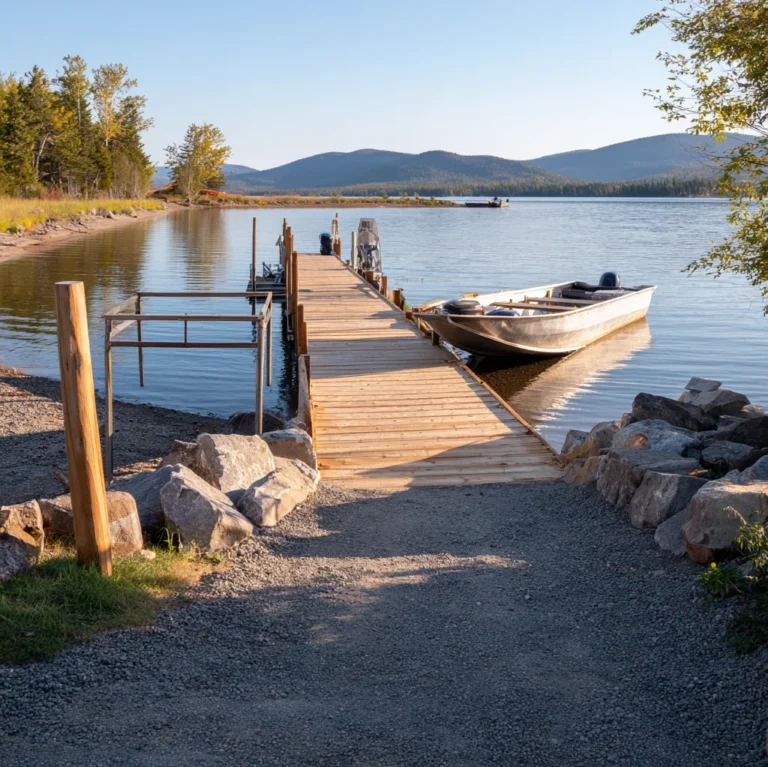
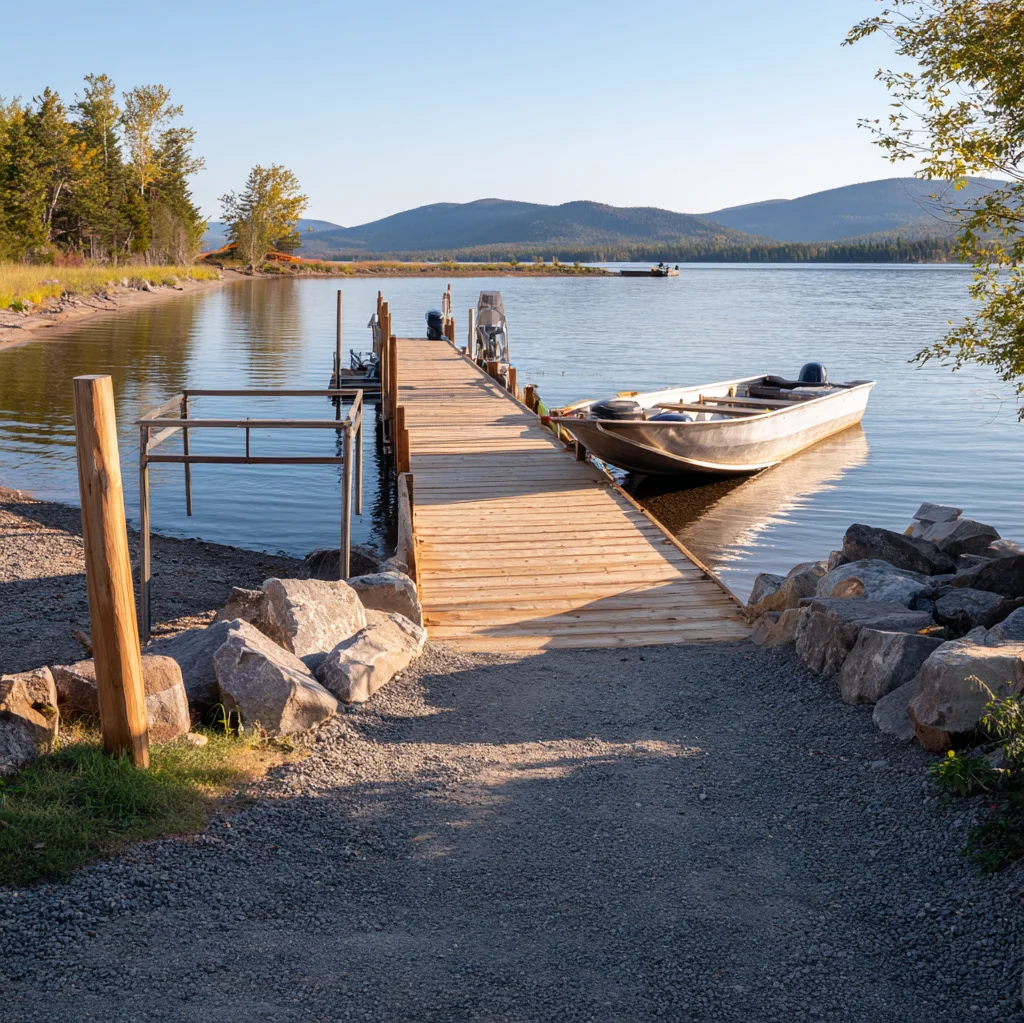
Imagine the freedom of launching your boat without the crowds and fees of public ramps. Homemade boat ramp ideas are gaining popularity among water enthusiasts who crave convenience and affordability. These DIY projects allow you to customize a ramp to fit your specific needs, whether you have a small pond, lakefront property, or a backyard with water access. By building your own ramp, you save money—often costing a fraction of commercial options—and gain the satisfaction of a hands-on project that enhances your boating experience. It’s not just about functionality; a well-designed ramp can blend seamlessly into your landscape, adding value to your property. In this article, we’ll explore practical, innovative ideas that cater to various skill levels and budgets. From simple gravel ramps to more advanced wooden or concrete designs, you’ll discover how to create a safe, durable launch point for your vessel. Embrace the DIY spirit and transform your waterfront into a personal haven for aquatic adventures. For inspiration on other home projects, check out our guide on DIY and Makeovers at https://chicaurahome.com/diy-makeovers. Let’s dive into the world of homemade boat ramp ideas and unlock the potential of your outdoor space.
Essential Homemade Boat Ramp Ideas for Beginners
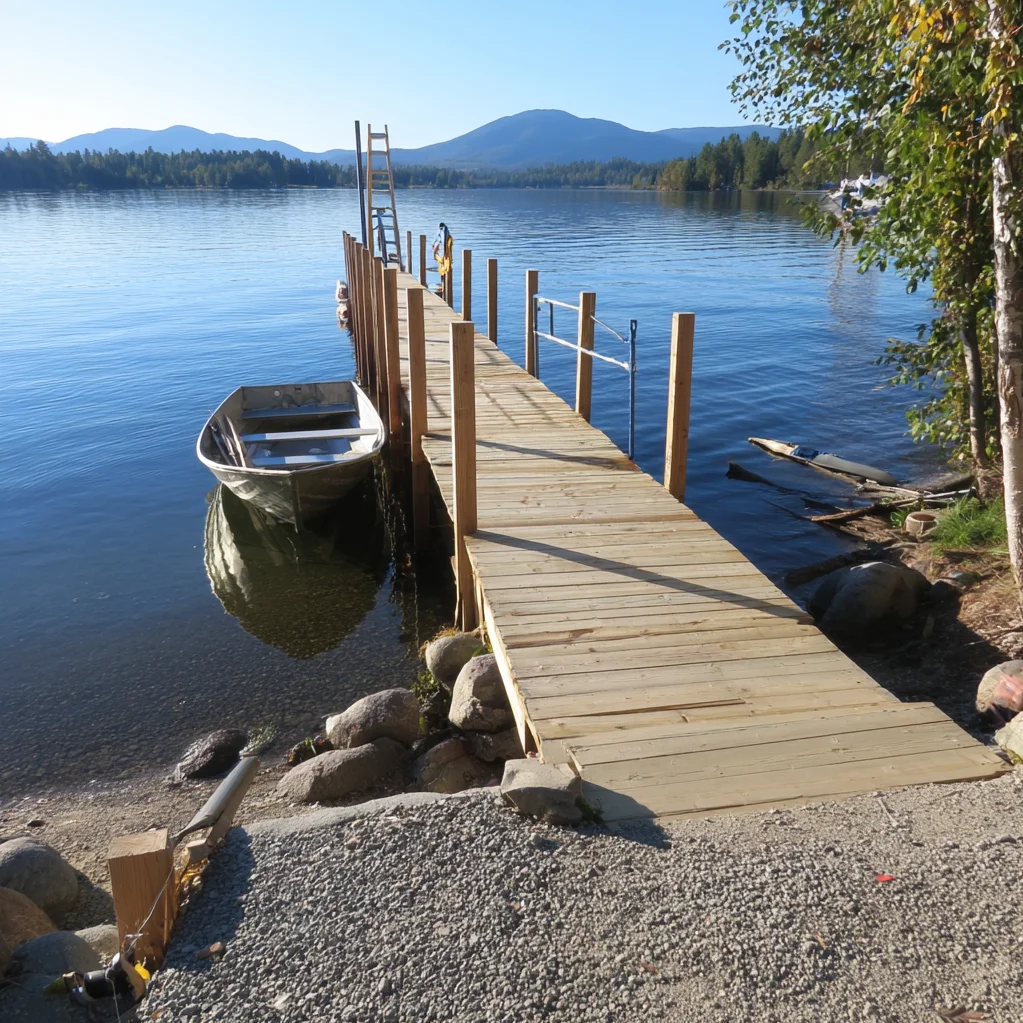
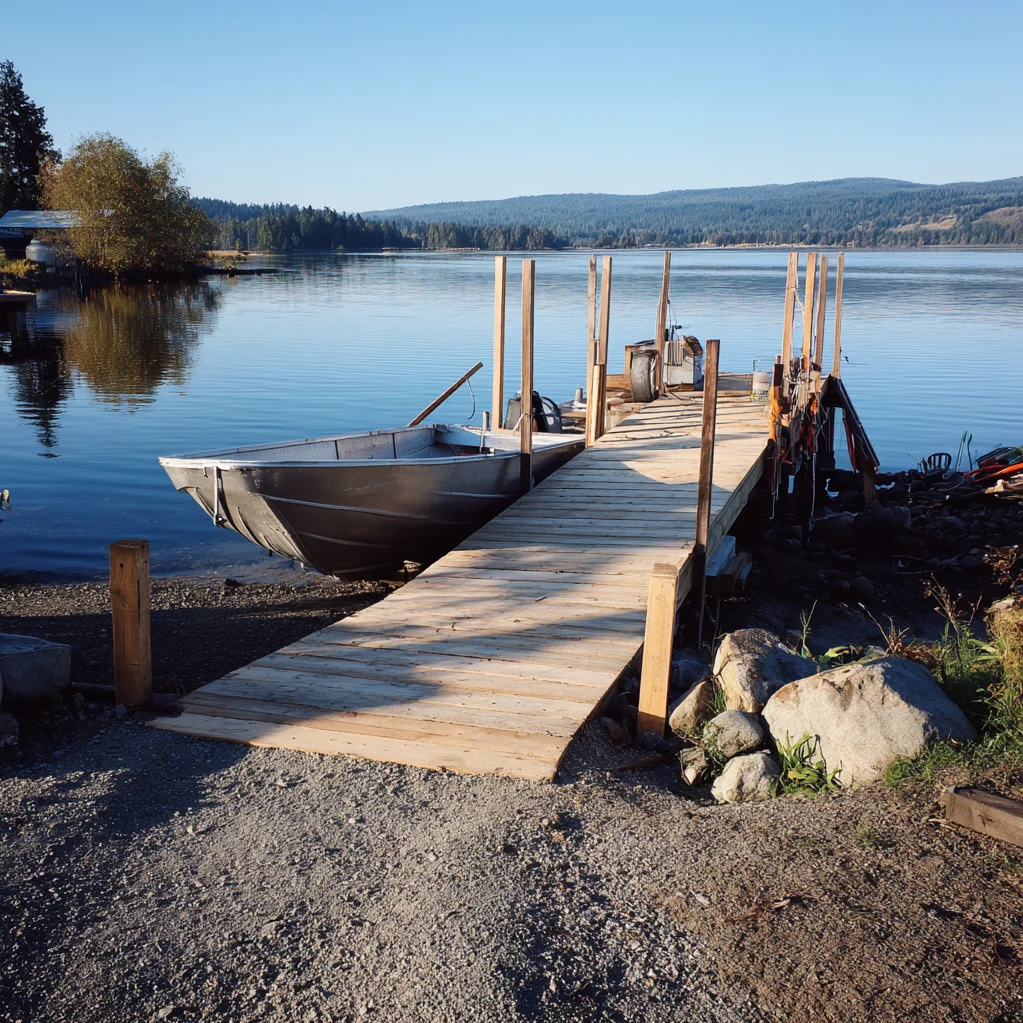
Starting with homemade boat ramp ideas doesn't have to be daunting. For beginners, focus on simplicity and safety. A basic gravel ramp is an excellent choice: it's affordable, easy to install, and requires minimal tools. Begin by selecting a gentle slope near the water's edge, ensuring it's stable and free of obstructions. Spread a layer of coarse gravel, about 4-6 inches thick, to provide traction and prevent erosion. Compact it well to create a solid surface that can support your boat's weight. Another beginner-friendly option is a wooden plank ramp. Use pressure-treated lumber to resist water damage, and secure planks horizontally across a frame made from sturdy posts driven into the ground. This design allows for easy adjustments and repairs. Always include a non-slip surface, like outdoor carpet or grip tape, to enhance safety during wet conditions. These homemade boat ramp ideas are perfect for small boats or kayaks, offering a cost-effective way to enjoy your watercraft without professional help. Remember to check local regulations before building, as some areas may have restrictions. For more tips on outdoor DIY projects, explore our resources at https://chicaurahome.com/outdoor-decor. With patience and basic materials, you can create a functional ramp that makes boating more accessible and enjoyable.
Advanced Homemade Boat Ramp Ideas for Durability
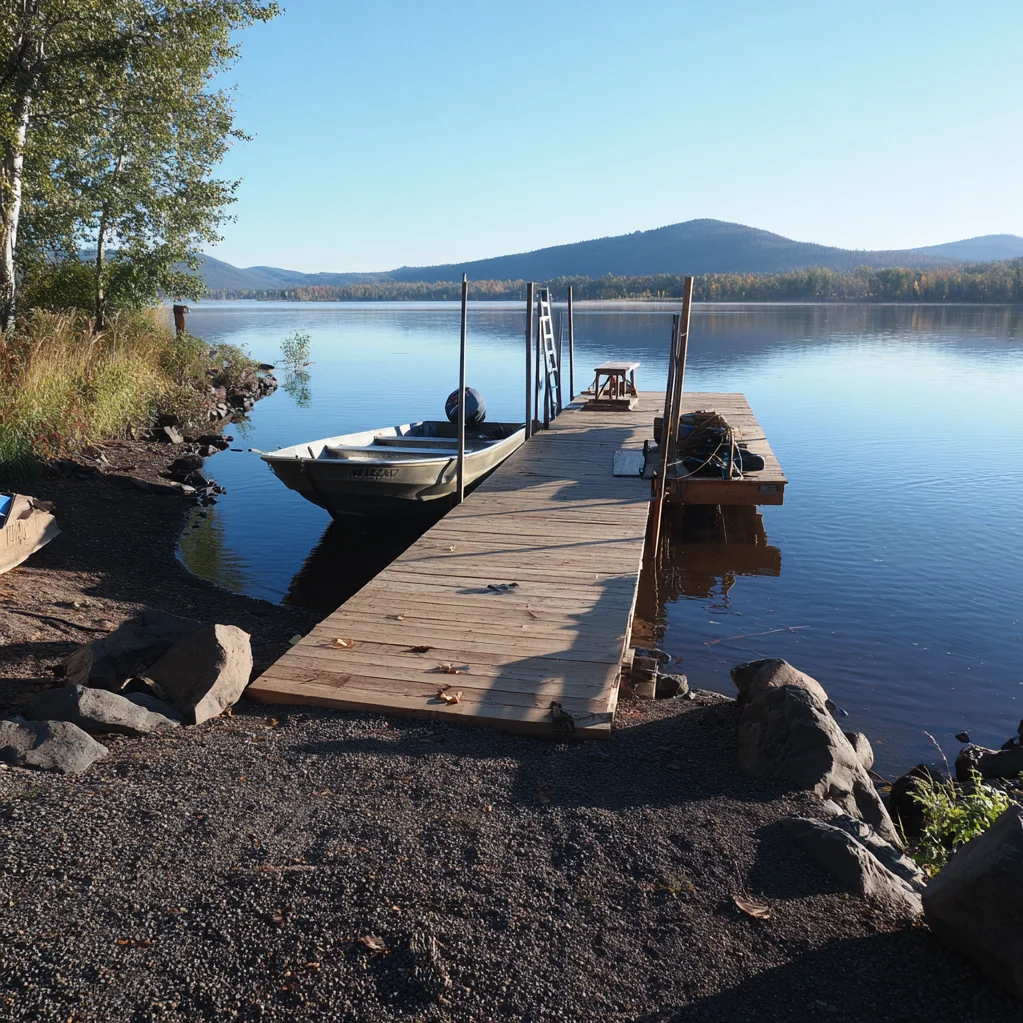
For those with more experience, advanced homemade boat ramp ideas can offer greater durability and longevity. Concrete ramps are a top choice, providing a solid, low-maintenance surface that withstands heavy use and harsh weather. Start by excavating the area to create a smooth, gradual incline, then build a formwork to shape the concrete. Mix and pour high-strength concrete, reinforcing it with rebar to prevent cracking. Finish with a textured surface for better traction, and allow it to cure fully before use. This type of ramp is ideal for larger boats and frequent launches, though it requires more time and skill. Another advanced idea is a modular aluminum or steel ramp, which can be assembled from prefabricated sections. These materials are corrosion-resistant and lightweight, making them easy to install and adjust. Weld or bolt the sections together, ensuring they're level and secure. Incorporate features like side rails or guide posts to assist with alignment during launching. These homemade boat ramp ideas not only enhance functionality but also add a professional touch to your setup. Regular maintenance, such as cleaning and inspecting for wear, will extend their life. By investing in durable materials, you create a reliable access point that saves time and effort in the long run. For insights on selecting materials, refer to industry experts at Boating Magazine. Whether for personal use or to impress guests, an advanced ramp elevates your boating experience.
Innovative Homemade Boat Ramp Ideas for Small Spaces
Limited space doesn't mean you have to forgo boating fun. Innovative homemade boat ramp ideas can adapt to compact areas like narrow shorelines or urban settings. A roll-out mat ramp is a clever solution: use heavy-duty PVC or rubber mats that unroll from a storage spool near the water. Anchor the edges with stakes or weights to keep it in place, and it provides a temporary, slip-resistant surface for launching small crafts. This idea is portable and easy to store, making it perfect for renters or those with minimal waterfront. Another space-saving option is a fold-down ramp attached to a dock or retaining wall. Construct it from aluminum or treated wood with hinges, so it can be lowered into the water when needed and folded up to save space. Ensure it has a locking mechanism for safety and stability. For even tighter spots, consider a vertical lift system using pulleys and cables to hoist the boat from the water onto a platform. These homemade boat ramp ideas prioritize efficiency without sacrificing performance. They're ideal for kayaks, canoes, or lightweight motorboats, and they encourage creativity in design. Always test the ramp with your boat's weight to confirm it's secure. By thinking outside the box, you can maximize your available area and enjoy seamless water access. For more inspiration on space-efficient projects, visit https://chicaurahome.com/small-space-solutions. Embrace innovation to make the most of your boating adventures, no matter the size of your property.
Safety Tips for Implementing Homemade Boat Ramp Ideas
Safety should always be a priority when bringing homemade boat ramp ideas to life. Start by assessing the site: choose a location with a gradual slope, firm ground, and clear access to deep water to avoid accidents. Use materials rated for outdoor and aquatic use, such as pressure-treated wood, galvanized steel, or UV-resistant plastics, to prevent rot, rust, and degradation. Incorporate non-slip surfaces on the ramp, like textured concrete, rubber coatings, or grit-added paints, to reduce the risk of slips and falls, especially when wet. For ramps with elevated sections, include handrails or guardrails made from sturdy materials like metal pipes or thick wood, securely anchored into the ground or structure. Regularly inspect your ramp for signs of wear, such as loose bolts, cracks, or erosion, and perform maintenance promptly to ensure it remains safe. When launching, always have a spotter to guide the boat and avoid overloading the ramp beyond its weight capacity. Educate users on proper techniques, like slowly backing the trailer or manually guiding the vessel. These precautions not only protect people and property but also extend the lifespan of your DIY project. For comprehensive safety guidelines, consult resources from the U.S. Coast Guard or local boating authorities. By integrating safety into your homemade boat ramp ideas, you create a reliable and enjoyable environment for all your aquatic activities. Remember, a well-built ramp enhances fun without compromising on well-being.
Conclusion
In summary, homemade boat ramp ideas offer a versatile and economical way to enhance your boating lifestyle. From simple gravel setups for beginners to durable concrete ramps for experts, and innovative solutions for small spaces, there's an option for every need and skill level. By following the tips and safety measures outlined, you can build a functional ramp that not only saves money but also adds personal value to your property. As you embark on this DIY journey, remember that planning and material selection are key to long-term success. The future of boating is increasingly leaning toward sustainability and customization; consider incorporating eco-friendly materials or solar-powered lighting for night use to stay ahead. We encourage you to start small, gather feedback from fellow boaters, and continuously improve your design. For more ideas and support, explore our other articles at https://chicaurahome.com/diy-projects. Embrace the satisfaction of creating something with your own hands, and look forward to countless hassle-free launches ahead. Whether for fishing, leisure, or adventure, a homemade ramp can transform your water access into a seamless experience. Take action today—sketch your plan, gather supplies, and make your boating dreams a reality.
Frequently Asked Questions
Q: What are the most cost-effective materials for a homemade boat ramp?
Gravel and pressure-treated wood are among the most budget-friendly options for homemade boat ramps. Gravel ramps are easy to install and require minimal tools, costing as little as $100-$300 for a small setup. Pressure-treated wood is durable against water damage and can be sourced for around $200-$500, depending on size. For even lower costs, consider repurposed materials like old railroad ties or concrete blocks, but ensure they're safe and stable. Always factor in site preparation and any necessary permits to avoid hidden expenses.
Q: How do I ensure my homemade boat ramp is safe for regular use?
To ensure safety, start with a solid foundation on a gradual slope and use non-slip surfaces to prevent accidents. Regularly inspect for wear, such as cracks or loose components, and perform maintenance like tightening bolts or replacing damaged parts. Include features like handrails for elevated sections and test the ramp with your boat's weight before full use. Follow local building codes and boating safety guidelines, and consider consulting with a professional if unsure. Proper installation and ongoing checks will keep your ramp reliable and secure.
Q: Can I build a homemade boat ramp if I have limited DIY experience?
Yes, beginners can successfully build a homemade boat ramp by starting with simple designs like gravel or basic wooden ramps. Focus on step-by-step plans, use online tutorials or guides, and gather essential tools like shovels, levels, and drills. Choose projects that match your skill level—for example, a roll-out mat ramp requires minimal construction. Enlist help from friends or family, and don't hesitate to seek advice from hardware stores or online communities. With patience and careful planning, even novices can create a functional ramp that enhances their boating experience.