
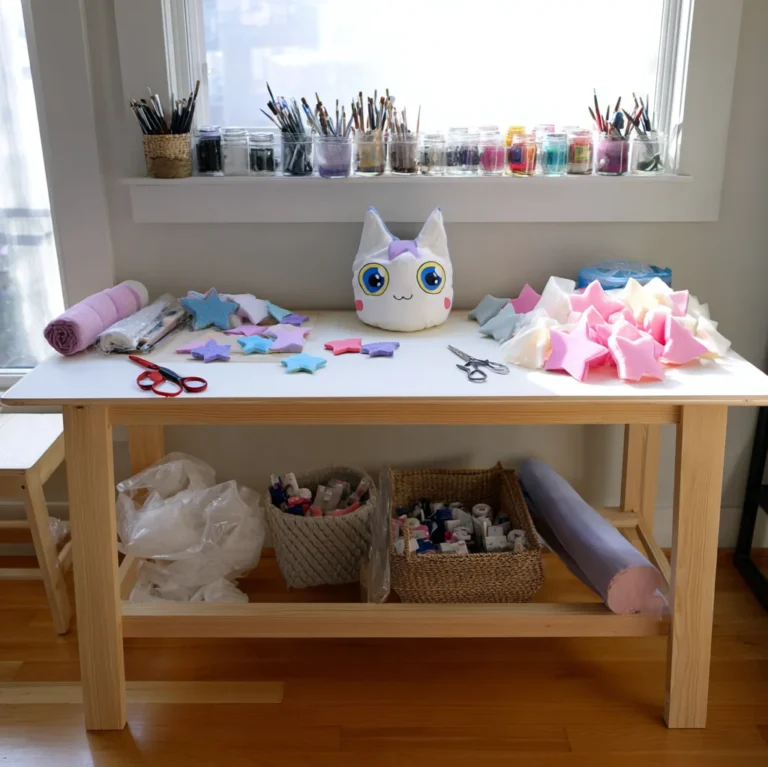
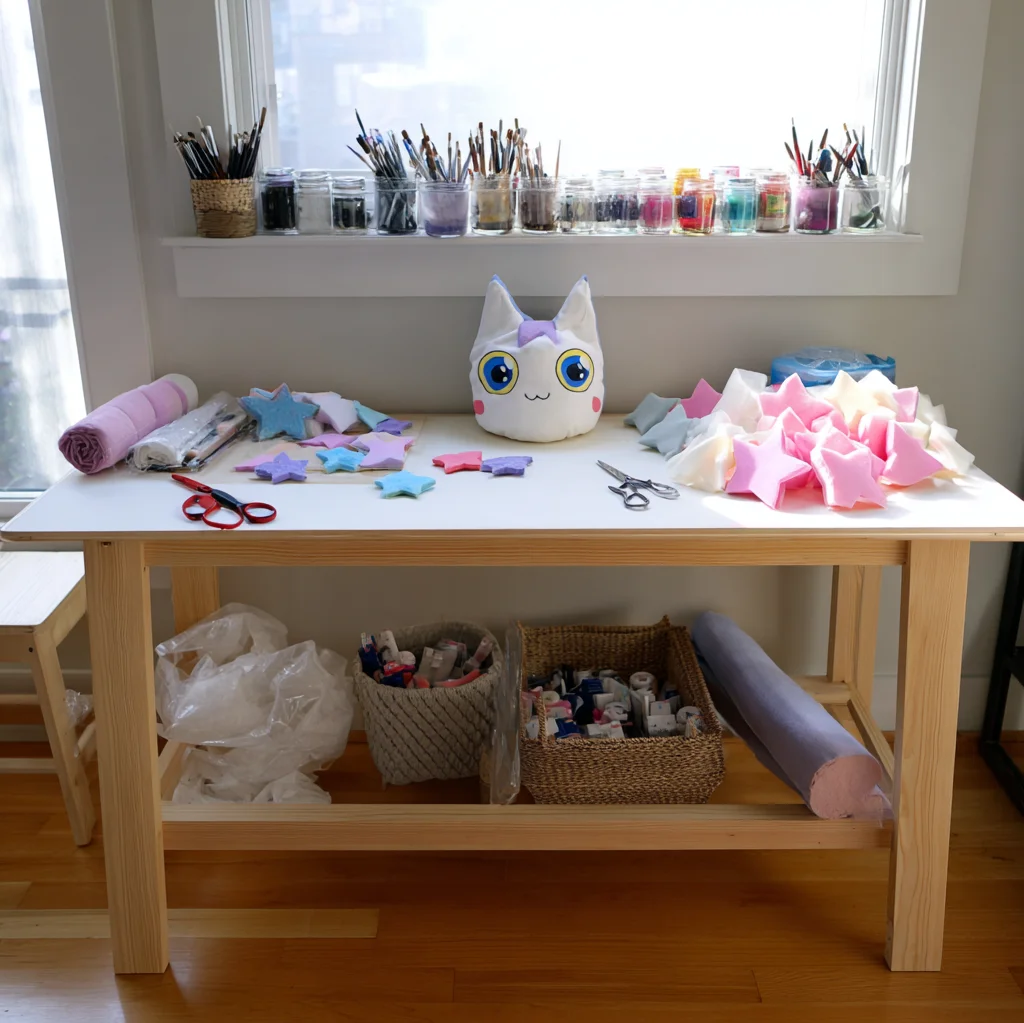
Welcome to the wonderful world of DIY squishies! If you’re looking for a fun, creative outlet that doubles as a fantastic stress reliever, you’ve come to the right place. Squishies—those soft, squeezable toys made from memory foam or other pliable materials—have taken the world by storm. They’re not just for kids; adults are embracing them too for their calming effects. The act of squeezing and releasing a squishy can help reduce anxiety, improve focus, and bring a smile to your face. In this article, we’ll dive into how to make squishies ideas that are easy, affordable, and incredibly satisfying. Whether you’re crafting with family, seeking a mindful hobby, or just want to create something unique, learning how to make squishies ideas opens up a realm of possibilities. You’ll discover step-by-step guides, material tips, and inspiration to get started today. Plus, making your own squishies allows for personalization—think favorite colors, shapes, and textures. It’s a great way to recycle materials too, like old pillows or foam scraps. So, grab your supplies, and let’s explore how to make squishies ideas that will bring joy and relaxation into your life. Remember, the best part is that anyone can do it, no prior experience needed!
How to Make Squishies Ideas with Simple Household Materials
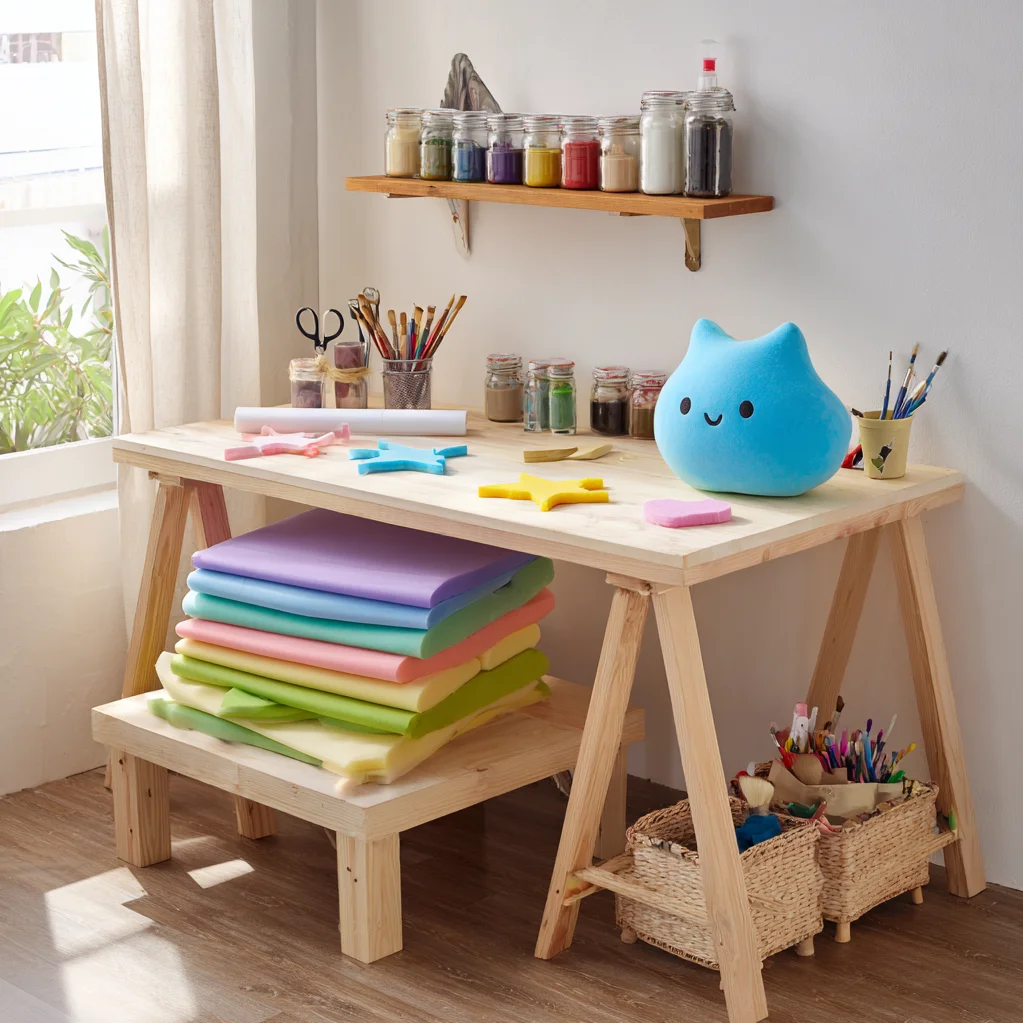
Starting your squishy-making journey doesn't require a trip to the craft store; you can use items already at home. For instance, old memory foam pillows or mattress toppers are perfect bases. First, gather materials like foam, fabric scraps, scissors, and a marker. Cut the foam into your desired shape—common choices include animals, fruits, or geometric forms. Then, cover it with a soft fabric, such as fleece or cotton, using fabric glue or a simple stitch to secure it. This method is ideal for beginners because it's low-cost and eco-friendly. Another great idea is to use sponge cloths or even repurpose old stress balls. Simply soak a sponge in water, shape it, and let it dry partially before adding details with paint or markers. The key is to experiment with textures; try adding rice or beans inside a fabric pouch for a different squishy feel. Always test your creations for durability by squeezing them gently. For more inspiration on DIY projects, check out this guide from The Spruce Crafts, a trusted resource for home crafts. By learning how to make squishies ideas with household items, you not only save money but also reduce waste. It's a win-win for your wallet and the environment. So, raid your closet or storage for materials and get crafting today!
How to Make Squishies Ideas for Custom Shapes and Designs
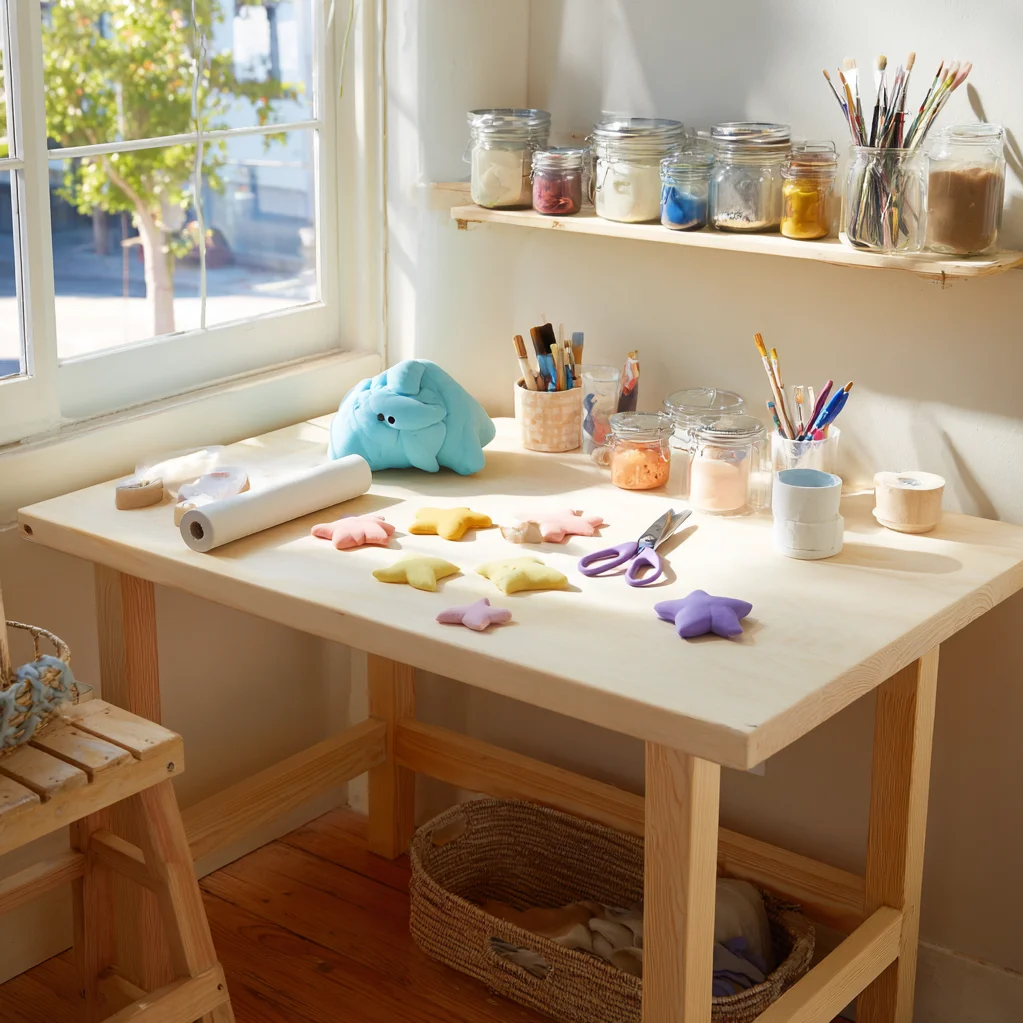
Once you've mastered the basics, it's time to get creative with custom shapes and designs. Think beyond simple cubes and spheres—why not make a squishy in the form of your favorite emoji, a cute animal, or even a miniature food item? Start by sketching your design on paper, then transfer it to foam using a marker. Use a sharp knife or scissors to cut out the shape carefully. For added detail, you can layer different colors of foam or use acrylic paints to add features like eyes or patterns. If you're making a character-based squishy, consider using felt or fabric for accessories, such as hats or bows, attached with strong adhesive. Another fun idea is to create scented squishies by adding a drop of essential oil to the foam before sealing it. This not only makes them smell great but can enhance the relaxing experience. When designing, keep in mind that simpler shapes are easier to handle, but don't be afraid to challenge yourself with more complex forms. For instance, a multi-part squishy, like a stack of pancakes, can be made by cutting individual foam layers and gluing them together. Always ensure the edges are smooth to prevent tearing. If you need more design tips, explore our related articles on https://chicaurahome.com/diy-projects for additional inspiration. Customizing your squishies makes them unique gifts or personal keepsakes, adding a special touch to your collection.
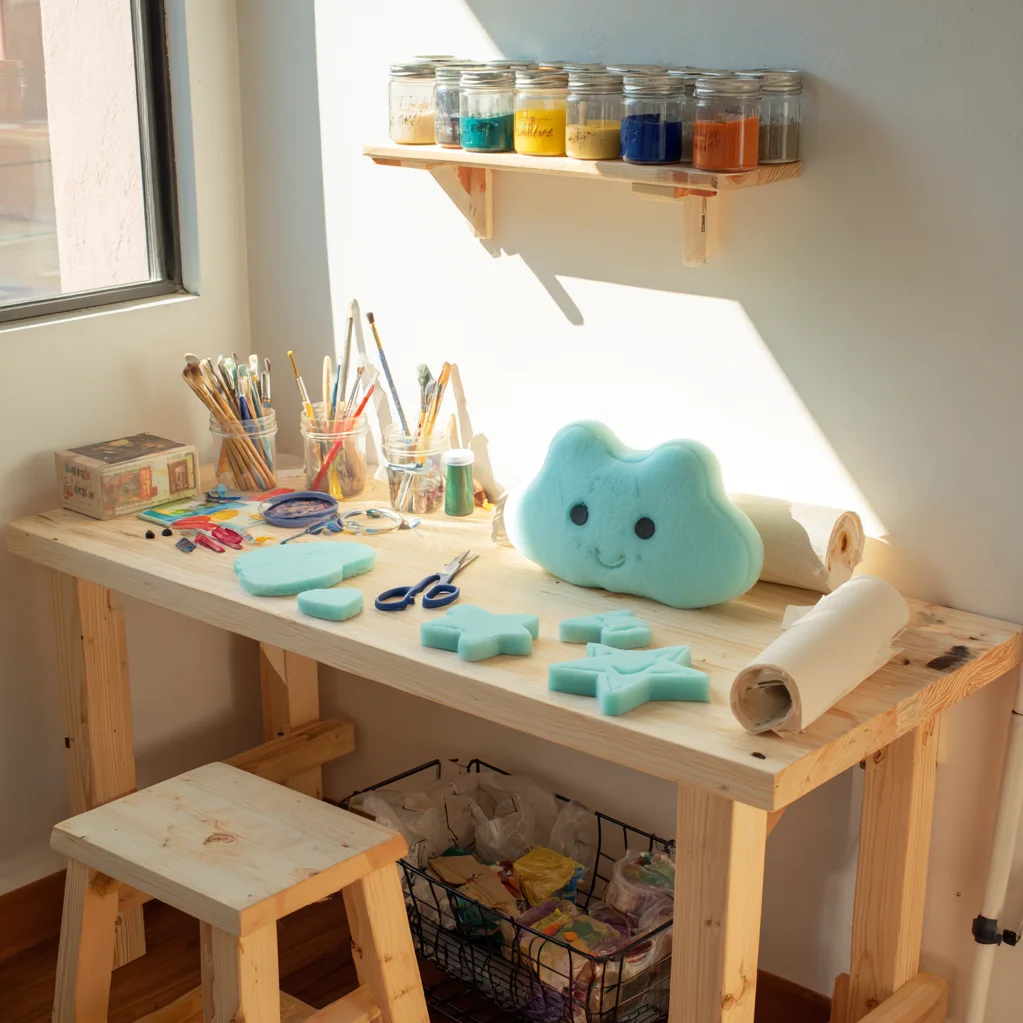
How to Make Squishies Ideas for Stress Relief and Play
Squishies aren't just toys; they're powerful tools for stress relief and sensory play. Studies show that tactile activities like squeezing squishies can lower cortisol levels and improve mood. To maximize these benefits, focus on creating squishies with varying densities and textures. For example, make a set with soft, medium, and firm squishies to suit different pressure preferences. Use materials like polyurethane foam for a bouncy feel or gel-filled pouches for a slower rebound. When crafting for stress relief, consider incorporating calming colors like blues and greens, or add soothing elements like embedded lavender sachets. For play, especially with children, ensure the squishies are safe—avoid small parts that could be choking hazards and use non-toxic materials. You can even turn squishy-making into a group activity; host a crafting session where everyone shares their how to make squishies ideas. This fosters creativity and social bonding. Additionally, squishies can be used in classrooms or therapy settings to help with focus and anxiety. To make them durable for frequent use, reinforce seams with extra stitching or use high-quality adhesives. Remember, the goal is to create something that feels good in your hands and brings a sense of calm. By focusing on how to make squishies ideas for well-being, you're not just crafting a toy—you're building a tool for mental health. Share your creations with friends or donate them to local shelters to spread the joy.
Conclusion
In conclusion, learning how to make squishies ideas is a rewarding and accessible hobby that blends creativity with practical benefits. From using everyday household items to designing custom shapes, we've covered a range of approaches to get you started. Squishies offer more than just fun; they serve as effective stress relievers, making them valuable for both children and adults. By experimenting with materials, textures, and designs, you can create personalized squishies that reflect your style and needs. Remember to prioritize safety, especially if crafting with kids, by choosing non-toxic supplies and avoiding small parts. As you continue your DIY journey, consider sharing your projects online or with communities to inspire others. The future of squishy-making looks bright, with potential innovations like eco-friendly materials or tech-integrated squishies for enhanced sensory experiences. For now, keep exploring and refining your techniques. We hope this guide has ignited your passion for crafting and shown you how to make squishies ideas that bring joy and relaxation into your daily life. Happy squishing, and don't forget to check out more tips on our site for ongoing inspiration!
Frequently Asked Questions
Q: What are the best materials for making squishies at home?
The best materials for homemade squishies include memory foam from old pillows or mattress toppers, polyurethane foam sheets, sponge cloths, and fabric like fleece or cotton. These are affordable, easy to shape, and provide a satisfying squishy texture. Avoid materials that are too hard or brittle, and always use non-toxic adhesives and paints for safety.
Q: How long does it take to make a basic squishy?
Making a basic squishy typically takes about 30 minutes to an hour, depending on the complexity. Simple shapes like cubes or spheres can be done quickly, while detailed designs may require more time for cutting, decorating, and drying. If you're new to crafting, start with easy projects to build confidence before moving to more intricate ideas.
Q: Can I make squishies that are safe for young children?
Yes, you can make child-safe squishies by using soft, non-toxic materials and avoiding small parts that could pose choking hazards. Ensure all edges are smooth and securely sealed. Supervise young children during play, and consider making larger squishies that are easier to handle. For added safety, use water-based paints and adhesives, and test the squishy for durability before giving it to a child.