
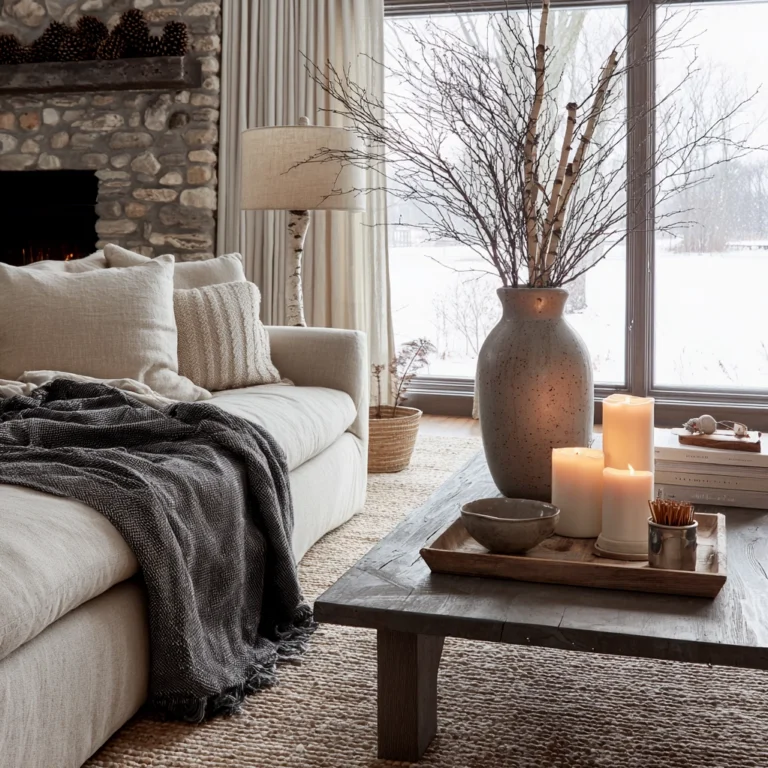
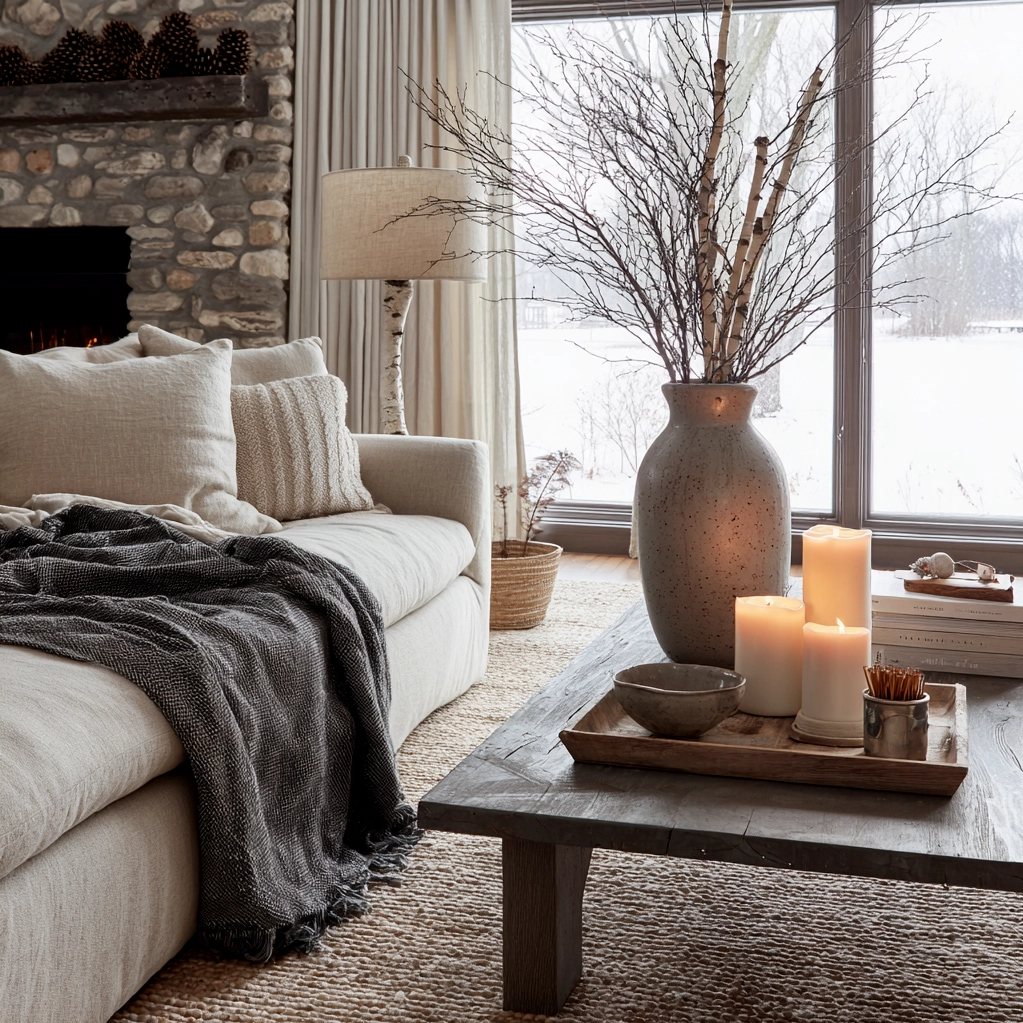
As the holiday frenzy settles and the new year begins, many people face a common dilemma: what to do with their home decor after the festive season. The answer lies in embracing the unique beauty of January through thoughtful decorations. January decorations aren’t about maintaining holiday excess, but rather about creating a warm, inviting atmosphere that carries you through the coldest month with comfort and style. This transitional period offers a perfect opportunity to refresh your space with subtle winter elements that celebrate the quiet beauty of the season. Unlike the bold reds and greens of December, January decor leans into neutral palettes, natural textures, and soft lighting that create a serene environment perfect for cozying up during long winter evenings. The importance of this seasonal transition goes beyond aesthetics—it helps reset your mental space for the new year while maintaining the comfort that winter demands. By thoughtfully incorporating January decorations, you can transform the post-holiday slump into a beautiful, intentional living space that supports your wellbeing during what can often feel like the longest month. This approach not only saves you from the stark emptiness of removed holiday decor but also creates a meaningful connection to the season’s natural rhythms. Whether you’re looking to simplify after the holidays or create a fresh start for your home, these 6 magical approaches will help you craft a space that feels both rejuvenating and comforting as you navigate the new year.
Embrace Minimalist January Decorations for a Fresh Start
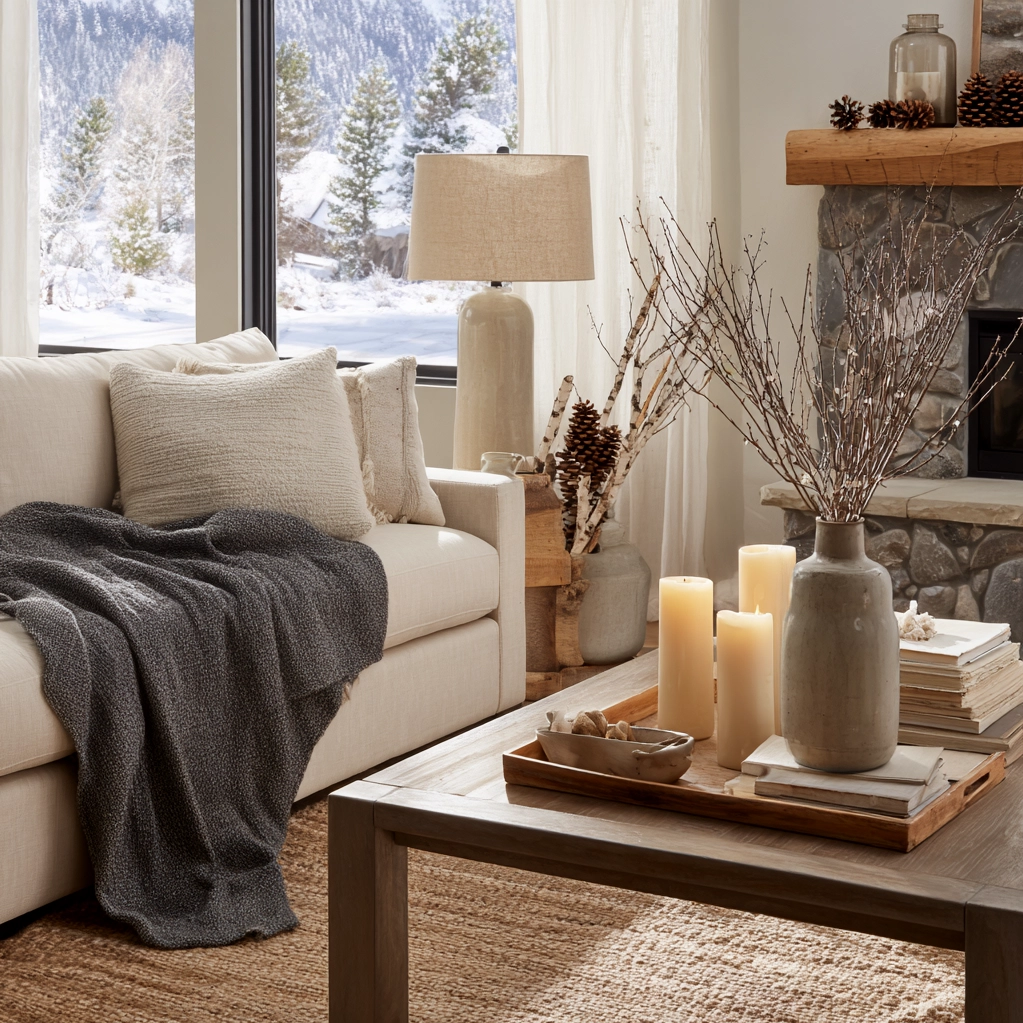
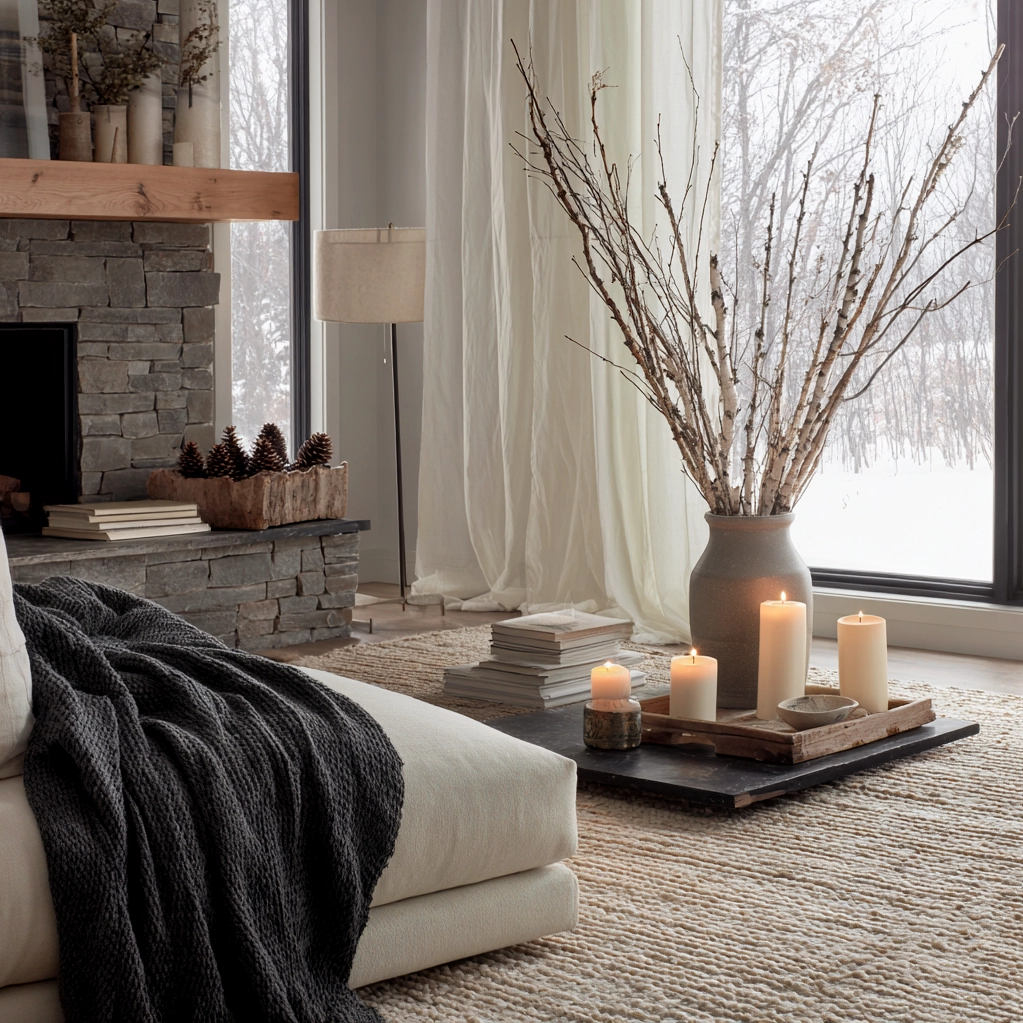
After the visual overload of holiday decor, January presents the perfect opportunity to embrace minimalist aesthetics. Minimalist January decorations focus on quality over quantity, creating spaces that feel open, airy, and intentionally curated. Start by removing all holiday-specific items, then gradually reintroduce elements that serve both aesthetic and functional purposes. Consider incorporating natural materials like bare branches, pine cones, or smooth river stones arranged in simple glass vases. These elements connect your interior to the winter landscape outside while maintaining a clean, uncluttered look. A monochromatic color scheme works particularly well for January decorations—think varying shades of white, cream, gray, and soft blue that mimic the winter sky and snow. Textured elements become particularly important in minimalist decor, as they add visual interest without overwhelming the space. Consider a chunky knit throw in ivory or charcoal, a woven basket holding firewood, or a textured wool rug that adds warmth underfoot. Lighting plays a crucial role in minimalist January decorations, with soft, diffused light sources creating a cozy atmosphere without visual clutter. Opt for simple candle arrangements in glass hurricanes or a single statement floor lamp with warm-toned bulbs. The beauty of minimalist January decorations lies in their ability to make each element feel significant and intentional, creating a space that feels both calming and sophisticated as you begin the new year.
Incorporate Natural Elements into Your January Decorations
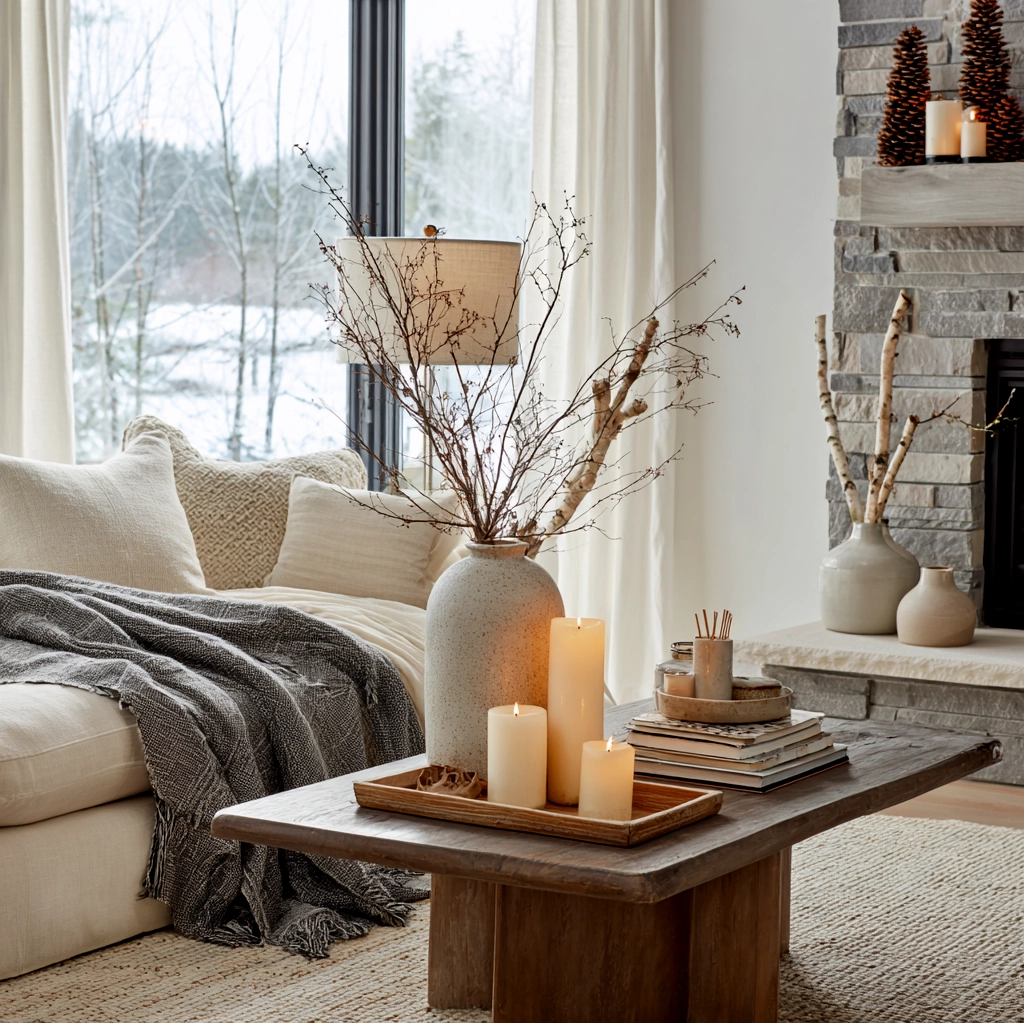
Winter's natural beauty provides abundant inspiration for January decorations that connect your indoor space to the season outside. Unlike manufactured holiday decor, natural elements bring authenticity and texture that can transform your home throughout the coldest month. Begin by foraging for winter botanical elements—bare branches with interesting shapes, pine cones of various sizes, evergreen clippings that maintain their color indoors, or dried seed pods and grasses. Arrange these in simple containers like ceramic vases, wooden bowls, or metal buckets for displays that feel organic and unforced. For a more permanent approach to natural January decorations, consider incorporating houseplants that thrive in winter conditions. Snake plants, ZZ plants, and various succulents require minimal light and care while adding life and greenery to your space. Pair these with natural materials like stone, wood, and wool to create layered textures that feel both cozy and contemporary. Winter berries, preserved eucalyptus, and dried citrus slices make excellent additions to January decorations, adding pops of color while maintaining a natural aesthetic. When arranging natural elements for your January decorations, consider creating focal points in key areas—a mantel display with varying heights of branches and candles, a dining table centerpiece with mixed natural materials, or an entryway arrangement that welcomes guests with seasonal warmth. These natural January decorations not only beautify your space but also help combat seasonal affective disorder by bringing elements of the outside world indoors during months when we spend more time inside.
Create Cozy January Decorations with Textiles and Lighting
As temperatures drop, creating warmth through textiles and lighting becomes essential to successful January decorations. Unlike the bright, festive lighting of December, January calls for softer, more intimate illumination that mimics the gentle winter light. Layered lighting creates depth and warmth in your January decorations—combine overhead fixtures with table lamps, floor lamps, and candlelight to create pools of light throughout your space. Opt for warm-toned bulbs (2700K-3000K) rather than cool daylight bulbs to create a cozy atmosphere. Dimmers become particularly valuable for January decorations, allowing you to adjust lighting levels throughout the day as natural light changes. Textiles form the foundation of cozy January decorations, transforming even the simplest spaces into warm retreats. Begin with a quality area rug that provides both visual warmth and physical insulation against cold floors. Layer throws and blankets in natural fibers like wool, cashmere, or cotton velvet on sofas, chairs, and beds—not only are they functional for chilly evenings, but they add texture and color to your January decorations. Consider swapping lighter summer pillows for plush, substantial options in winter-appropriate fabrics like velvet, faux fur, or heavy linen. Window treatments play a significant role in January decorations for both aesthetics and function. Heavy curtains in thermal fabrics help insulate against cold drafts while adding luxurious texture to your space. For a cohesive look with your January decorations, choose textiles in a coordinated color palette—perhaps varying shades of charcoal, cream, and winter blue—that work together throughout your home. These textile-focused January decorations create physical comfort while establishing visual cohesion that carries you gracefully through the winter months.
Conclusion
January decorations offer more than just aesthetic appeal—they provide a meaningful way to transition from holiday excess to intentional living as we begin the new year. By embracing minimalist principles, incorporating natural elements, and focusing on cozy textiles and lighting, you can create a home environment that supports both comfort and clarity during what can often be a challenging month. The 6 approaches outlined here demonstrate that January decorations don't require elaborate purchases or complicated installations; rather, they invite you to work with what you have while adding thoughtful seasonal touches. As you implement these ideas, remember that the most successful January decorations are those that reflect your personal style while responding to the unique qualities of winter. Looking forward, consider how these principles might evolve throughout the year—the minimalist approach could inspire spring cleaning, the natural elements might transition to fresh blooms as seasons change, and the cozy textiles could lighten for warmer months. For additional inspiration on seasonal transitions, explore our guide to year-round home styling at https://chicaurahome.com/seasonal-transitions. The beauty of January decorations lies in their ability to reset our spaces and minds simultaneously, creating homes that feel both comforting and purposeful as we navigate new beginnings. By investing time in thoughtful January decorations now, you establish patterns of intentional living that can enrich your home experience throughout the entire year.
Frequently Asked Questions
Q: How long should I keep my January decorations up?
January decorations typically work well through the entire winter season, usually until late February or early March when signs of spring begin to appear. Unlike holiday-specific decor that comes down immediately after the season, January decorations are designed to bridge the gap between winter celebrations and the fresh start of spring. Pay attention to both the calendar and your personal feelings—when you begin craving lighter colors and fresh greenery, it's likely time to transition to spring decor. The beauty of January decorations is their flexibility; you can gradually incorporate spring elements while maintaining some winter coziness during transitional weeks.
Q: Can I reuse holiday decor for January decorations?
Absolutely! Many holiday decor items can be repurposed for January decorations with simple modifications. Remove overtly festive elements like Santa figures or 'Merry Christmas' signage, then reassemble the remaining pieces. White string lights work beautifully for January decorations when arranged in simple patterns rather than holiday shapes. Evergreen garlands can be stripped of ornaments and bows, then enhanced with natural elements like pine cones or bare branches. Metallic accents in silver, gold, or copper transition well from holiday to January decorations when used sparingly. Even holiday ribbon can be reused if it comes in winter-appropriate colors like silver, white, or deep blue. The key is editing and repositioning to create a fresh, seasonally appropriate look.
Q: What are budget-friendly options for January decorations?
Creating beautiful January decorations doesn't require significant investment. Start with natural elements you can forage—bare branches, pine cones, stones, and winter berries are all free and abundantly available. Repurpose items you already own by rearranging them in new configurations—move vases to different rooms, stack books differently, or rearrange artwork. DIY projects like making your own candle holders from jars or creating simple textile accents can add personal touches without breaking the budget. Thrift stores often have excellent finds for January decorations, particularly wool blankets, ceramic vases, and simple frames that can be repurposed. Focus on one or two key areas rather than decorating every room, and remember that sometimes the most impactful January decorations come from thoughtful editing rather than new purchases.