
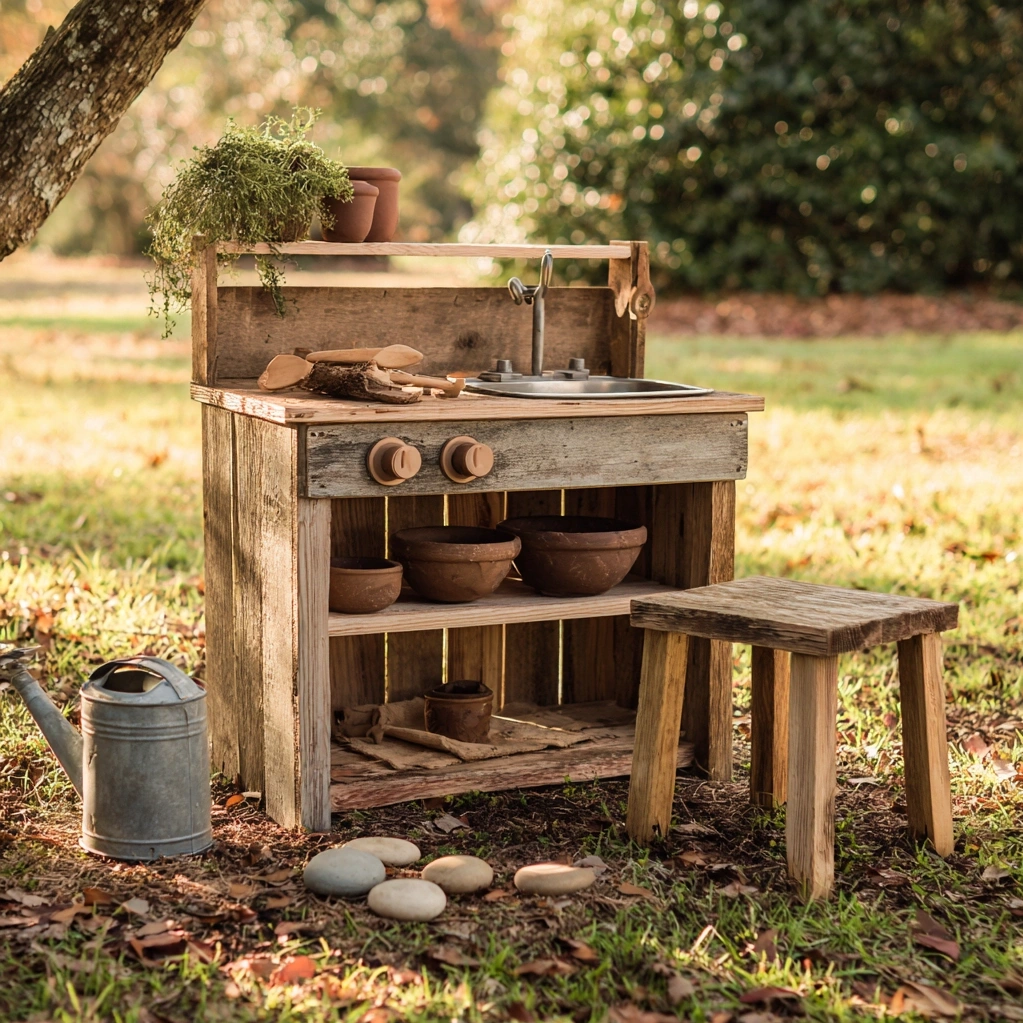
Picture your child’s eyes lighting up as they mix ‘mud pies,’ serve up ‘leaf soup,’ and create culinary masterpieces from nature’s simplest ingredients. A kids mud kitchen isn’t just another toy—it’s a gateway to endless imagination, sensory exploration, and developmental growth. In today’s screen-dominated world, these outdoor play stations offer a refreshing return to hands-on creativity, where mud, water, and natural materials become the tools for learning and joy. Beyond the obvious fun, mud kitchens foster essential skills: they encourage problem-solving as children experiment with textures, promote social interaction through shared pretend play, and build confidence as young chefs proudly present their earthy creations. They’re also wonderfully low-tech, inviting kids to engage with their environment in meaningful ways. Whether you have a spacious backyard or a cozy patio, incorporating a kids mud kitchen can transform ordinary outdoor time into an adventure. This article will guide you through why these play spaces matter, how to choose or create one, and tips for maximizing their potential. Let’s dive into the muddy, marvelous world of outdoor culinary play.
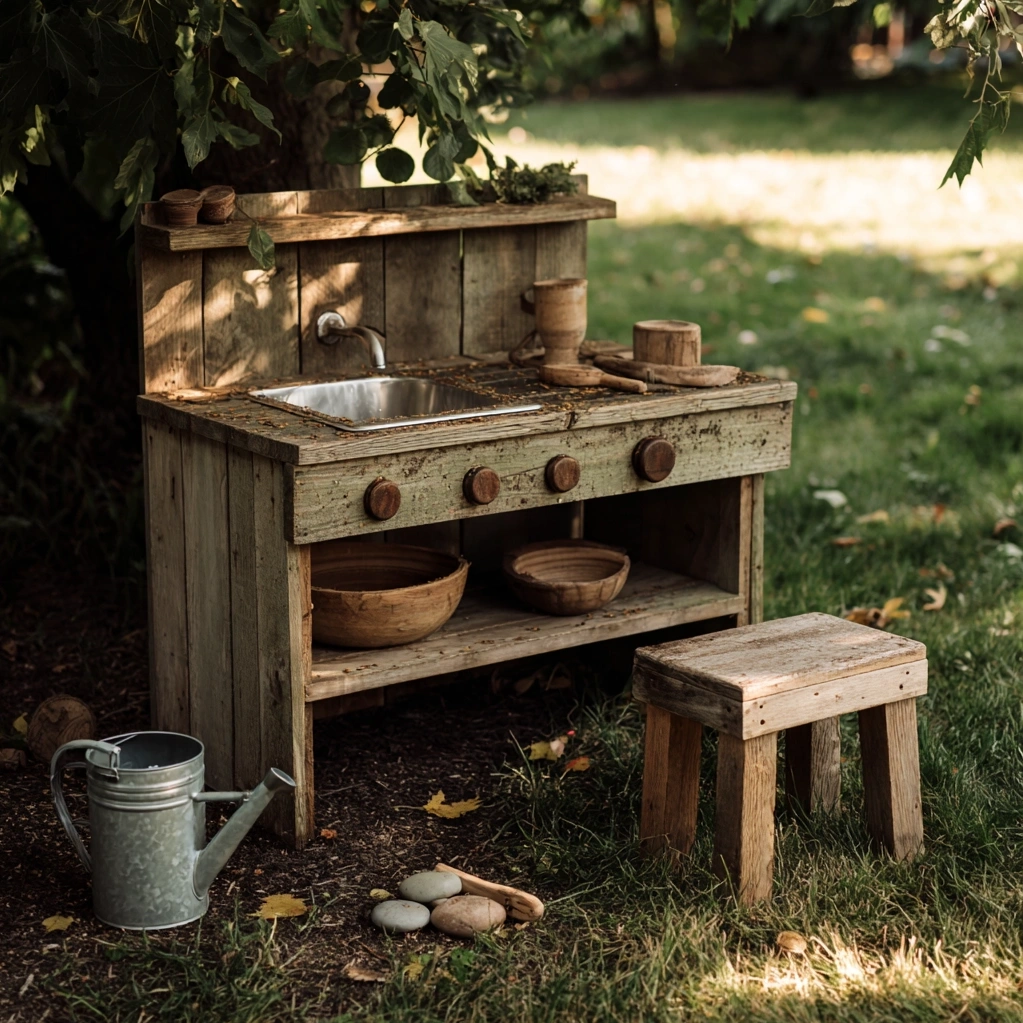
Why Every Family Needs a Kids Mud Kitchen
A kids mud kitchen is more than just a cute addition to your yard—it's a powerful tool for child development. These play stations tap into children's natural curiosity, allowing them to explore textures, weights, and cause-and-effect relationships in a safe, open-ended environment. When kids engage with mud, water, sand, and natural items like leaves or pebbles, they're not just playing; they're building fine motor skills through pouring and stirring, enhancing sensory awareness, and learning basic scientific concepts like mixing and evaporation. The imaginative aspect is equally valuable. Pretend play in a kids mud kitchen helps children develop language skills as they narrate their cooking adventures, practice social roles by taking turns as chef or customer, and express creativity without the constraints of 'right' or 'wrong' outcomes. From a practical standpoint, mud kitchens are incredibly versatile. They can be as simple as a repurposed wooden crate with a few bowls or as elaborate as a custom-built station with sinks and storage. They encourage outdoor time, which boosts physical health and reduces screen dependency. Plus, they're relatively low-cost and easy to maintain—a little hose-down keeps them clean for the next culinary session. By providing a dedicated space for messy, imaginative play, you're giving your child a gift that nurtures growth, resilience, and joy.
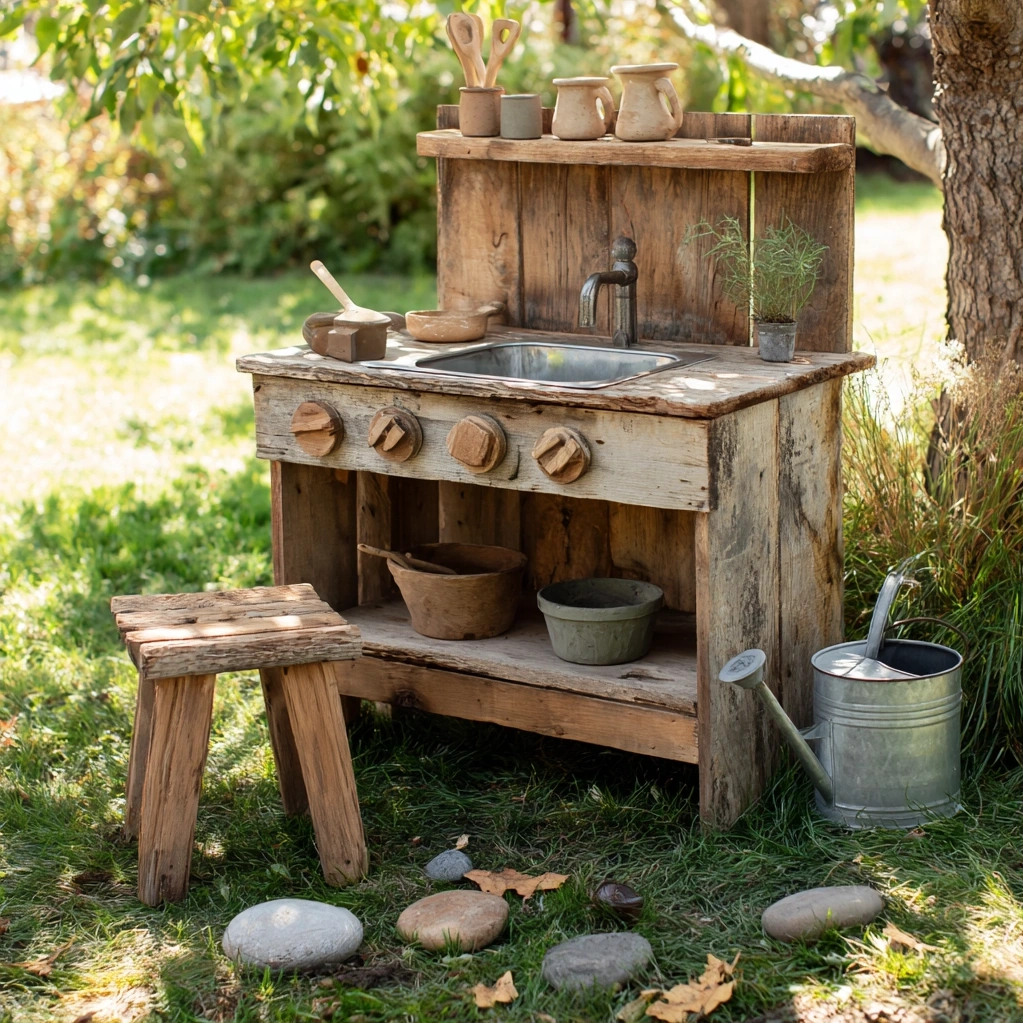
Choosing the Perfect Kids Mud Kitchen for Your Space
Selecting a kids mud kitchen involves balancing durability, safety, and fit for your outdoor area. First, consider size. For small patios or balconies, compact models or DIY versions using old furniture work well. Look for features like sturdy countertops at child-friendly heights, accessible storage for utensils, and spaces for mixing bowls. Materials matter too. Wood is popular for its natural look and sturdiness, but ensure it's treated to withstand weather. Plastic options are lightweight and easy to clean, though they may lack the rustic charm. Metal components should be rust-resistant. Safety is paramount. Avoid sharp edges, secure all parts firmly, and place the kitchen on level ground to prevent tipping. If it includes elevated elements, like a pretend stove top, ensure there's a stable step or platform if needed. Think about functionality. A good kids mud kitchen might have a 'sink' area for water play, hooks for hanging tools, and compartments for storing natural 'ingredients.' It should inspire creativity without being overly prescriptive. Budget-wise, options range from affordable DIY projects using pallets to store-bought kits. Whichever you choose, prioritize durability and adaptability—kids will use it in unexpected ways! Finally, consider placement. Set it up in a partly shaded spot to protect from harsh sun, near a water source for easy refills, and on a surface like grass or gravel that can handle messes. With thoughtful selection, your kids mud kitchen will become a beloved hub of outdoor fun.
DIY Tips for Building Your Own Kids Mud Kitchen
Creating a DIY kids mud kitchen is a rewarding project that lets you tailor the design to your child's interests and your space. Start with a plan. Sketch a simple layout including a countertop, storage, and play areas. Use recycled materials like old cabinets, wooden crates, or pallets to keep costs low and add character. Ensure all wood is sanded smooth and treated with non-toxic, weather-resistant sealant. For the countertop, a sturdy plank or an old door works well—drill holes for 'sink' basins if desired. Add functional elements: install hooks for utensils, shelves for bowls, and a bucket holder for water access. If including elevated features, like a pretend oven rack, attach it securely with screws and consider a small step stool for reach. Safety checks are crucial. Test for stability, remove any loose nails, and round sharp corners. For a realistic touch, incorporate old kitchen items: a faucet attached to a water jug, knobs for stove controls, or a chalkboard for 'menus.' These details enhance the pretend play experience. Once built, involve your child in personalizing it—let them paint it with outdoor-safe colors or decorate with handprints. Maintenance is simple: rinse off mud after play and store tools indoors if possible. A DIY kids mud kitchen not only saves money but also becomes a cherished project that grows with your family. It encourages sustainability through upcycling and offers a unique, hands-on way to bond over creativity.
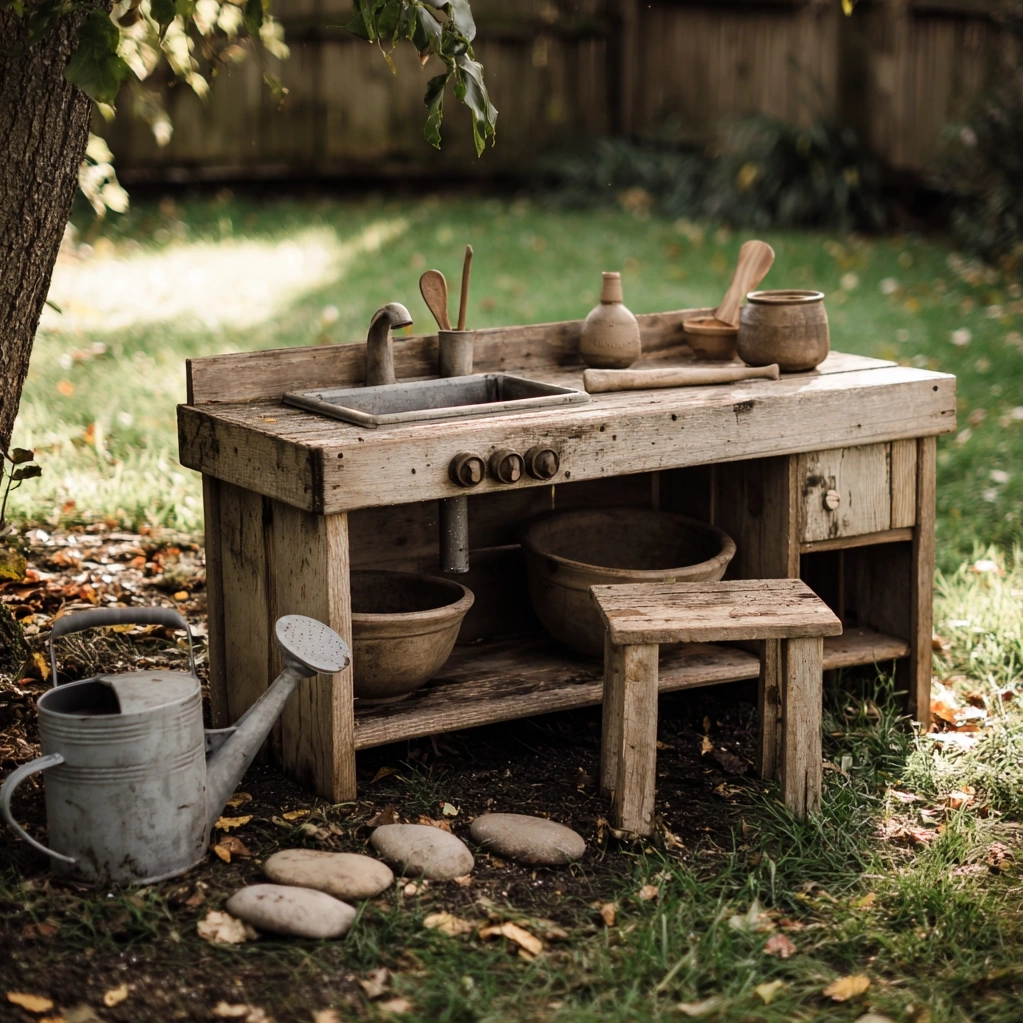
Maximizing Playtime with Your Kids Mud Kitchen
To get the most out of your kids mud kitchen, think beyond the structure itself. Stock it with open-ended materials that spark imagination. Provide old pots, pans, wooden spoons, and silicone molds for 'baking.' Add natural items like pinecones, leaves, or smooth stones as 'ingredients.' Water is essential—use a small jug or hose attachment for pouring fun. Rotate these supplies to keep play fresh and exciting. Encourage role-playing scenarios: set up a mud café where kids serve 'meals' to family members, or host a gardening day where they mix 'soil' for pretend plants. These activities build narrative skills and social interaction. Incorporate learning subtly. Ask questions like, 'What happens if we add more water?' to introduce basic science concepts. Use the kitchen for seasonal projects—making autumn leaf stew or winter ice sculptures. For hygiene, establish simple rules: wash hands before and after play, and use separate tools for mud and real food. Keep a towel and water source nearby for easy clean-up. To extend usability, adapt the space for different ages. Toddlers might enjoy simple scooping and pouring, while older kids can plan elaborate recipes or build miniature gardens around the kitchen. Finally, embrace the mess! Mud play is inherently dirty, but it's also therapeutic and engaging. By providing a designated area like a kids mud kitchen, you give children permission to explore freely, fostering resilience and joy in the process.
Conclusion
A kids mud kitchen is far more than a plaything—it's an investment in childhood creativity, development, and connection with the natural world. Throughout this article, we've explored how these outdoor stations boost sensory skills, imagination, and social interaction, while being adaptable to any space or budget. Whether you opt for a ready-made model or a DIY creation, the key is to prioritize safety, durability, and open-ended design that invites exploration. As families seek ways to reduce screen time and encourage hands-on learning, mud kitchens offer a timeless solution. They remind us that some of the best play comes from simple materials and unfettered imagination. Looking ahead, consider how your kids mud kitchen can evolve. Perhaps it becomes part of a larger outdoor play area, integrates with a garden for growing 'ingredients,' or inspires seasonal projects year-round. The possibilities are as endless as a child's curiosity. So, take the plunge—set up a mud kitchen and watch as your backyard transforms into a hub of muddy, magnificent adventures. Your child's next culinary masterpiece is waiting to be created.
Frequently Asked Questions
Q: What age is appropriate for a kids mud kitchen?
Kids mud kitchens are suitable for children as young as 2 years old, with supervision for toddlers to ensure safe play. They can be enjoyed up to age 8 or older, as older kids often use them for more complex imaginative scenarios or garden projects. Adjust the design and tools based on age—simpler setups for younger children, with added features like recipe cards or science experiments for older ones.
Q: How do I keep a kids mud kitchen clean and hygienic?
Maintaining a kids mud kitchen is straightforward. Use a hose or bucket of water to rinse off mud and debris after each play session. Store utensils and bowls indoors or in a covered area to prevent weather damage. Encourage children to wash their hands before and after playing. Choose non-porous materials for surfaces, and avoid using items that will be used for real food preparation to prevent cross-contamination.
Q: Can I build a kids mud kitchen if I have limited outdoor space?
Yes, absolutely! For small spaces like balconies or patios, opt for compact designs. Use a repurposed side table, a wooden crate on legs, or a foldable station that can be stored when not in use. Focus on vertical storage with hooks and shelves to maximize area. Even a simple setup with a few bowls and a water jug can provide hours of fun without requiring much room.