
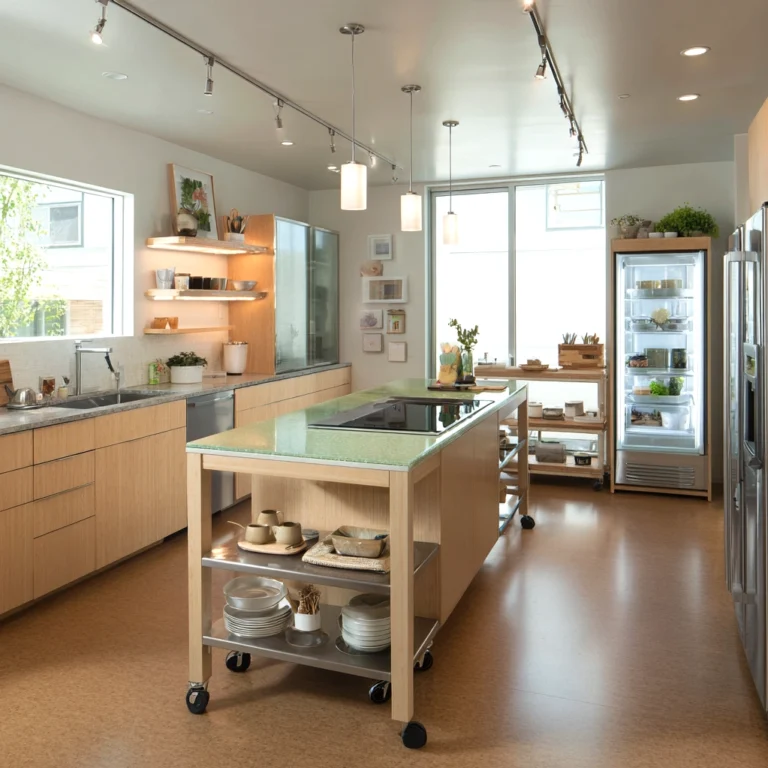
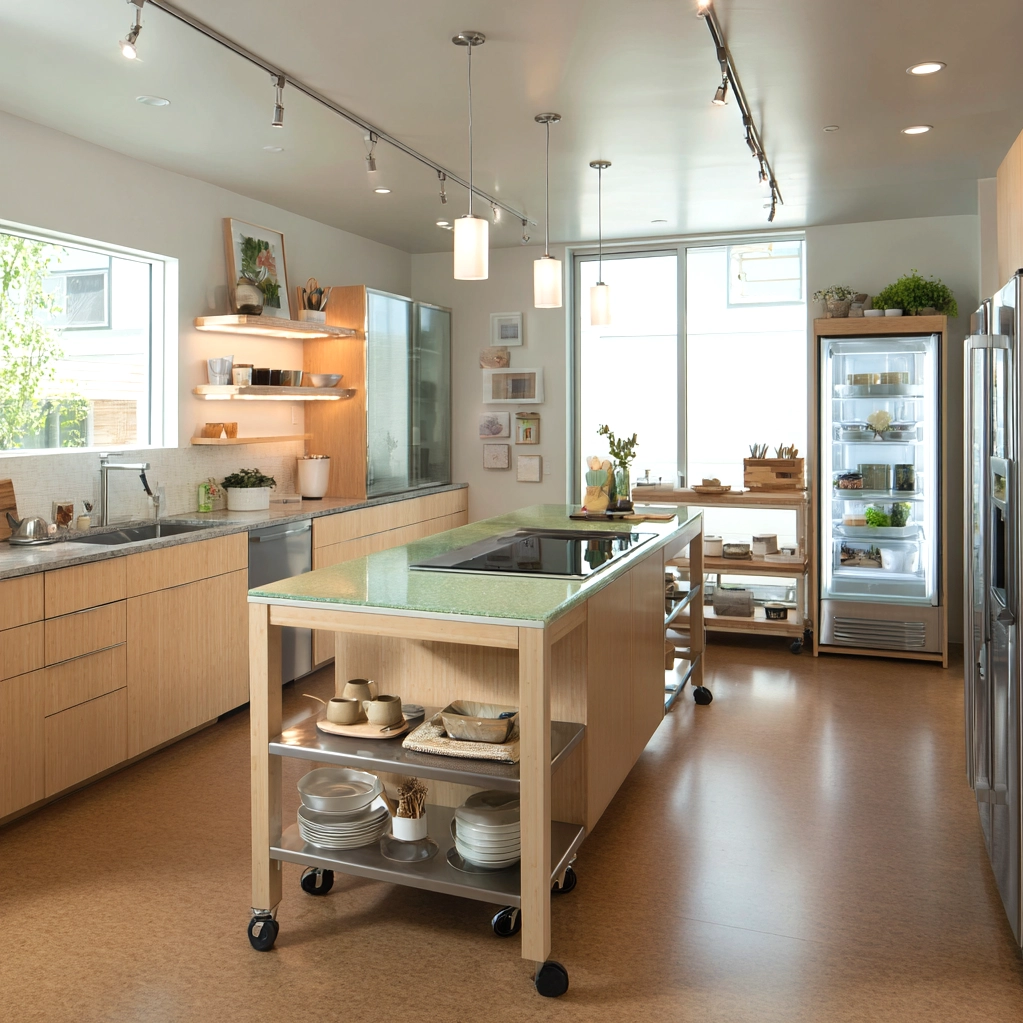
As we look toward the future of home design, kitchen styles 2026 are poised to redefine how we interact with our culinary spaces in remarkable ways. The kitchen has evolved from a purely functional room to the true heart of the home—a multifunctional hub where cooking, dining, working, and socializing seamlessly converge. Understanding emerging kitchen styles 2026 is essential for homeowners planning renovations, designers staying ahead of trends, and anyone passionate about creating spaces that are both beautiful and practical. These upcoming styles reflect broader cultural shifts toward sustainability, wellness, and technological integration, making them more than just aesthetic choices—they represent a fundamental reimagining of domestic life. The importance of staying informed about kitchen styles 2026 cannot be overstated, as these trends will influence everything from material selection to spatial layouts and smart home integration. By exploring these developments now, you can make design decisions that will remain relevant and functional for years to come. Whether you’re planning a complete overhaul or simply refreshing elements of your current kitchen, understanding the direction of kitchen styles 2026 will help you create a space that feels both contemporary and timeless, balancing innovation with comfort and practicality in equal measure.
Sustainable Kitchen Styles 2026: Eco-Conscious Materials and Energy Efficiency
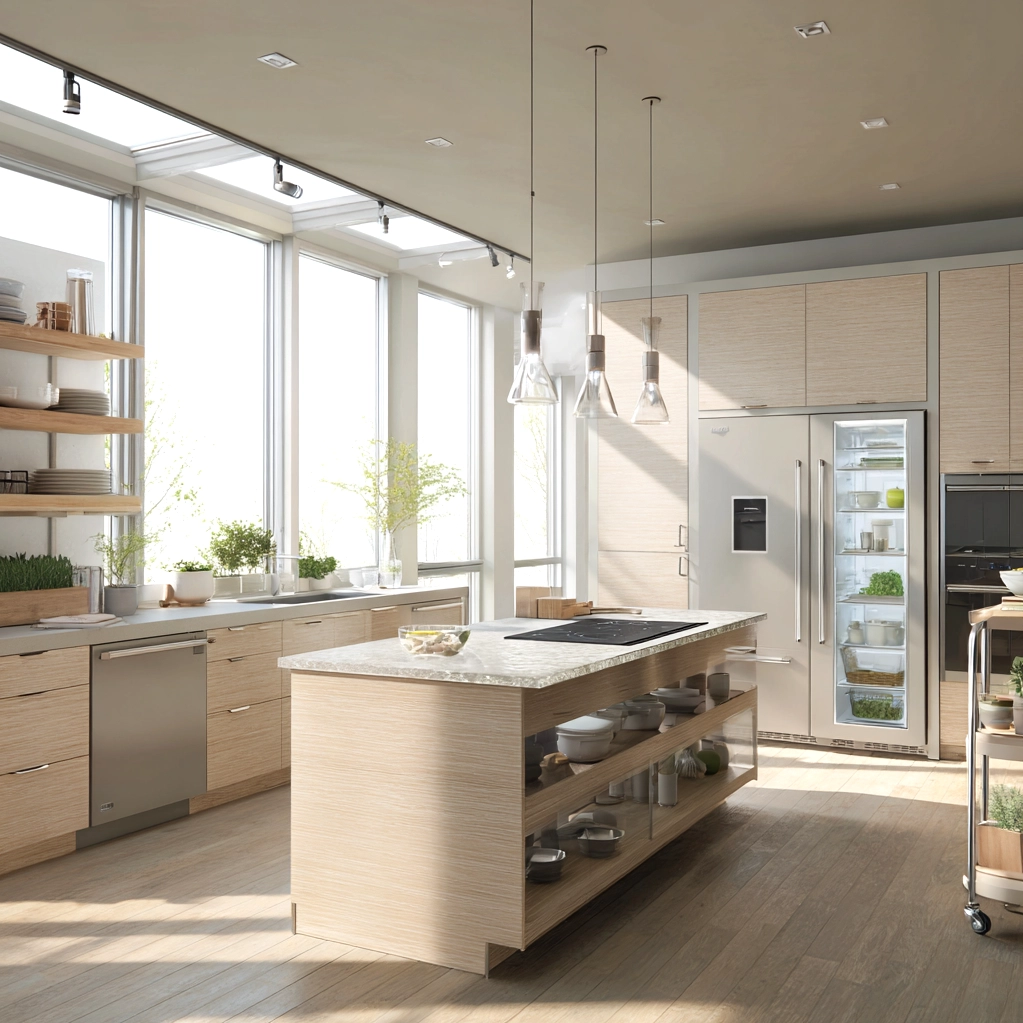
One of the most significant developments in kitchen styles 2026 is the deep integration of sustainability principles throughout every design element. This goes far beyond token eco-friendly features to create genuinely environmentally responsible spaces that reduce waste and conserve resources. Expect to see recycled and upcycled materials taking center stage, with countertops made from recycled glass, reclaimed wood cabinetry, and backsplashes crafted from repurposed ceramic or metal. These materials aren't just environmentally friendly—they add unique character and texture to kitchen designs, creating spaces that tell stories through their materials. Energy efficiency will become seamlessly integrated into kitchen styles 2026, with smart appliances that optimize power usage based on household patterns and time of day. Induction cooktops, which use electromagnetic energy to heat cookware directly, will become more prevalent due to their superior energy efficiency and safety features. Water conservation will also be a priority, with advanced filtration systems and faucets that precisely control flow rates. Natural lighting will be maximized through strategic window placement and light tubes that channel sunlight into interior spaces, reducing reliance on artificial lighting during daylight hours. Even ventilation systems will evolve to become more efficient, with heat recovery systems that capture warmth from exhaust air to preheat incoming fresh air. These sustainable kitchen styles 2026 represent a holistic approach to environmental responsibility that doesn't sacrifice aesthetics or functionality. They prove that beautiful design and ecological consciousness can work hand in hand to create spaces that are both visually stunning and ethically responsible.
Smart Technology Integration in Kitchen Styles 2026
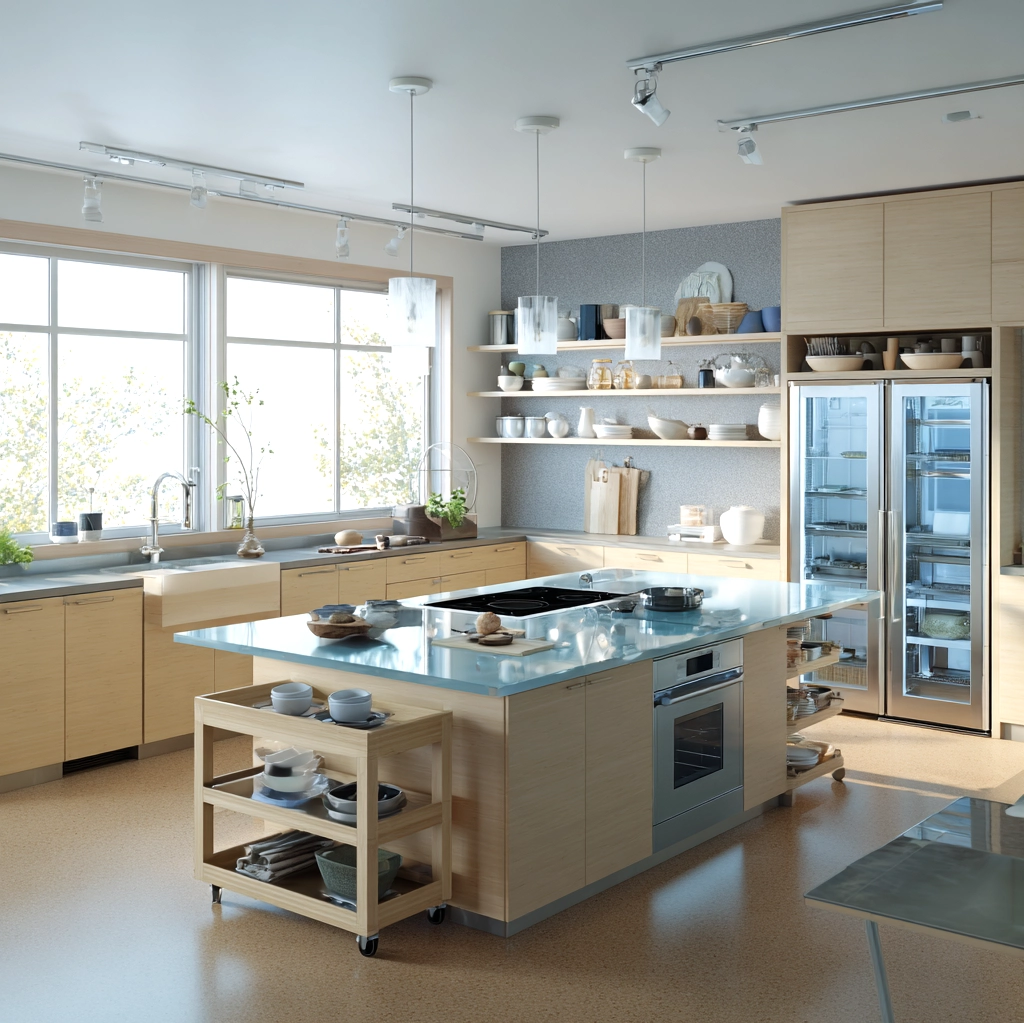
The integration of smart technology will fundamentally transform kitchen styles 2026, creating spaces that are more intuitive, efficient, and responsive than ever before. Unlike current smart kitchens that often feel like collections of disconnected gadgets, the kitchen styles 2026 will feature seamlessly integrated systems that work in harmony to enhance the cooking and living experience. Voice-activated assistants will evolve beyond simple commands to become true culinary partners, suggesting recipes based on available ingredients, guiding users through complex techniques, and adjusting cooking times based on real-time monitoring. Refrigerators will become intelligent food management systems, tracking expiration dates, suggesting meal plans, and even automatically creating shopping lists when supplies run low. Countertops will incorporate interactive surfaces that can display recipes, convert measurements, and provide cooking tutorials with step-by-step visual guides. Smart storage solutions will revolutionize kitchen organization, with motorized cabinets that bring items within easy reach and inventory systems that track what's stored where. Lighting in kitchen styles 2026 will be fully adaptive, automatically adjusting color temperature and brightness based on the time of day, the task being performed, and even the mood you want to create. Safety features will become more sophisticated, with sensors that can detect potential hazards like gas leaks or overheating appliances and automatically take corrective action. These technological advancements in kitchen styles 2026 won't just add convenience—they'll fundamentally change how we interact with our kitchens, making cooking more accessible, reducing food waste, and creating spaces that actively support healthier eating habits and more efficient meal preparation.
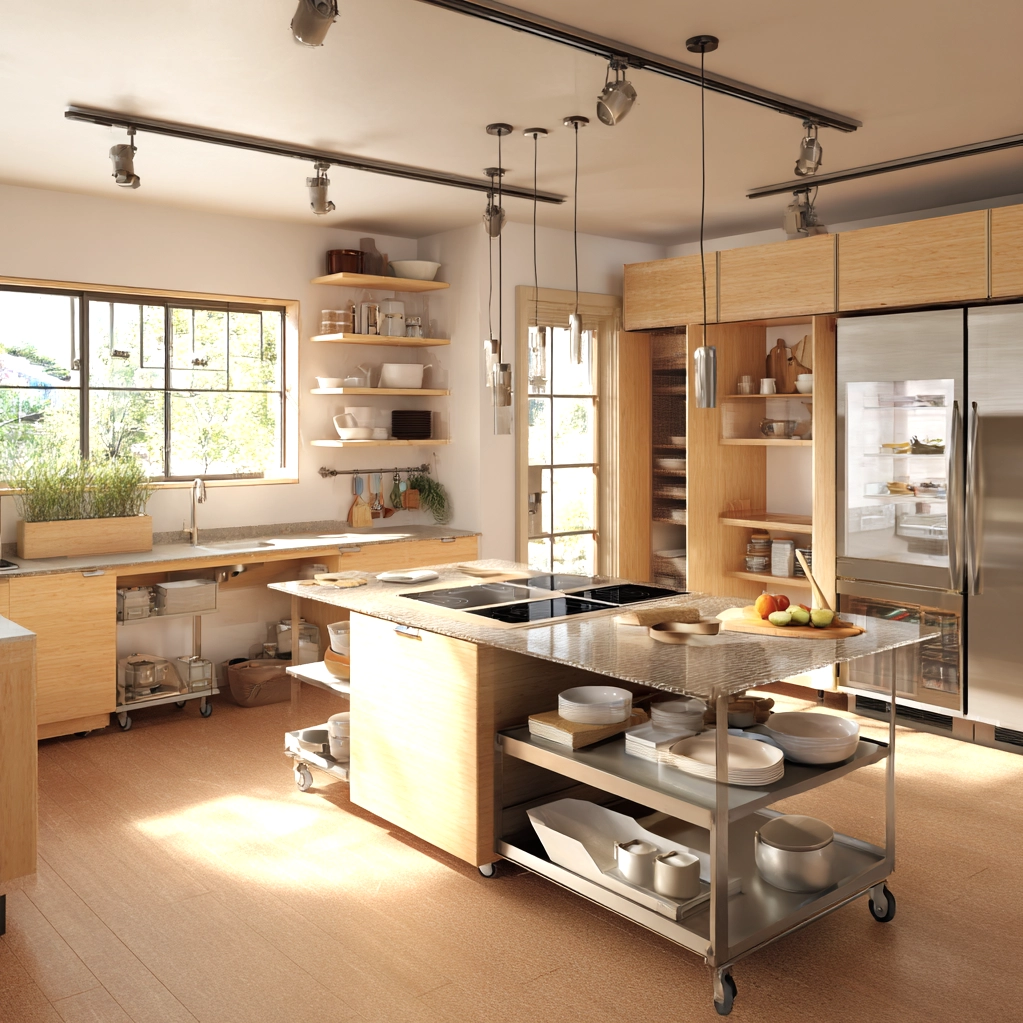
Flexible Layouts and Multifunctional Kitchen Styles 2026
Kitchen styles 2026 will embrace unprecedented flexibility in their layouts and functionality, reflecting how modern households use these spaces in diverse and evolving ways. The traditional kitchen triangle (sink, refrigerator, stove) will give way to more fluid arrangements that accommodate cooking, dining, working, and socializing simultaneously. Expect to see modular components that can be reconfigured based on specific needs—islands that convert from food prep surfaces to dining tables to workstations with the simple adjustment of height or panel configuration. Movable cabinetry on tracks will allow users to create temporary partitions or open up spaces as needed, while fold-down surfaces and retractable elements will maximize usable space in smaller kitchens. Storage in kitchen styles 2026 will become more adaptable, with adjustable shelving systems and convertible compartments that can shift from pantry storage to appliance housing to display areas. The boundaries between kitchen and adjacent living spaces will continue to blur, with transitional zones that serve multiple purposes throughout the day. These flexible kitchen styles 2026 will particularly benefit households with changing needs, such as families with growing children, people working from home, or those who frequently entertain. The materials used will support this adaptability, with durable surfaces that can withstand various uses and easy-to-clean finishes that maintain their appearance despite frequent reconfiguration. Lighting systems will complement this flexibility with programmable scenes that instantly transform the atmosphere from bright task lighting for cooking to soft ambient lighting for dining or entertaining. This emphasis on adaptability in kitchen styles 2026 recognizes that homes need to serve multiple functions and that the most successful designs are those that can evolve along with the people who use them.
Conclusion
The kitchen styles 2026 represent a significant evolution in how we think about and interact with our culinary spaces, moving beyond mere aesthetics to create environments that are sustainable, technologically integrated, and remarkably adaptable. These emerging trends reflect broader societal shifts toward environmental consciousness, technological advancement, and flexible living arrangements, making them more than just passing fashions—they're responses to real changes in how we live. As we've explored, sustainable materials and energy-efficient systems will become standard rather than exceptional, smart technology will create kitchens that are truly responsive to our needs, and flexible layouts will accommodate the diverse ways modern households use these spaces. Looking forward, the most successful kitchen styles 2026 will balance innovation with timeless design principles, creating spaces that feel both cutting-edge and comfortably familiar. For homeowners considering renovations or new builds, the key takeaway is to think holistically about how your kitchen functions within your broader lifestyle, rather than focusing solely on visual appeal. Consider how sustainable choices might benefit both the environment and your household budget over time, how smart features could simplify daily routines, and how flexible elements might accommodate changing needs. By embracing these forward-thinking kitchen styles 2026, you can create a space that not only looks beautiful today but will continue to serve you well for years to come, adapting gracefully as your needs and preferences evolve alongside continuing innovations in home design.
Frequently Asked Questions
Q: How can I incorporate kitchen styles 2026 trends without doing a complete renovation?
You can gradually integrate kitchen styles 2026 elements without a full renovation by focusing on key updates. Start with sustainable materials like recycled glass countertops or bamboo flooring. Add smart technology through plug-in appliances or voice-controlled lighting systems. Introduce flexibility with movable carts or fold-down surfaces. Update cabinet hardware and lighting fixtures to more modern designs. These smaller changes allow you to embrace emerging kitchen styles 2026 while working within your budget and timeline.
Q: Are kitchen styles 2026 suitable for small spaces or apartments?
Absolutely. Many kitchen styles 2026 trends are particularly well-suited to smaller spaces. Flexible layouts with convertible elements maximize functionality in limited square footage. Smart storage solutions optimize every inch. Light colors and reflective surfaces create an illusion of spaciousness. Integrated appliances save space while maintaining full functionality. The emphasis on multifunctional design in kitchen styles 2026 means these trends can actually make small kitchens more efficient and enjoyable to use than ever before.
Q: What is the most important consideration when planning for kitchen styles 2026?
The most crucial consideration for kitchen styles 2026 is creating a space that balances innovation with long-term functionality. While incorporating new technologies and sustainable materials, ensure the design remains intuitive and practical for daily use. Consider how each element serves your specific household needs rather than following trends blindly. Focus on quality materials that will endure, flexible layouts that can adapt, and systems that genuinely simplify your routine. This thoughtful approach ensures your kitchen styles 2026 implementation will remain valuable and enjoyable for years.