
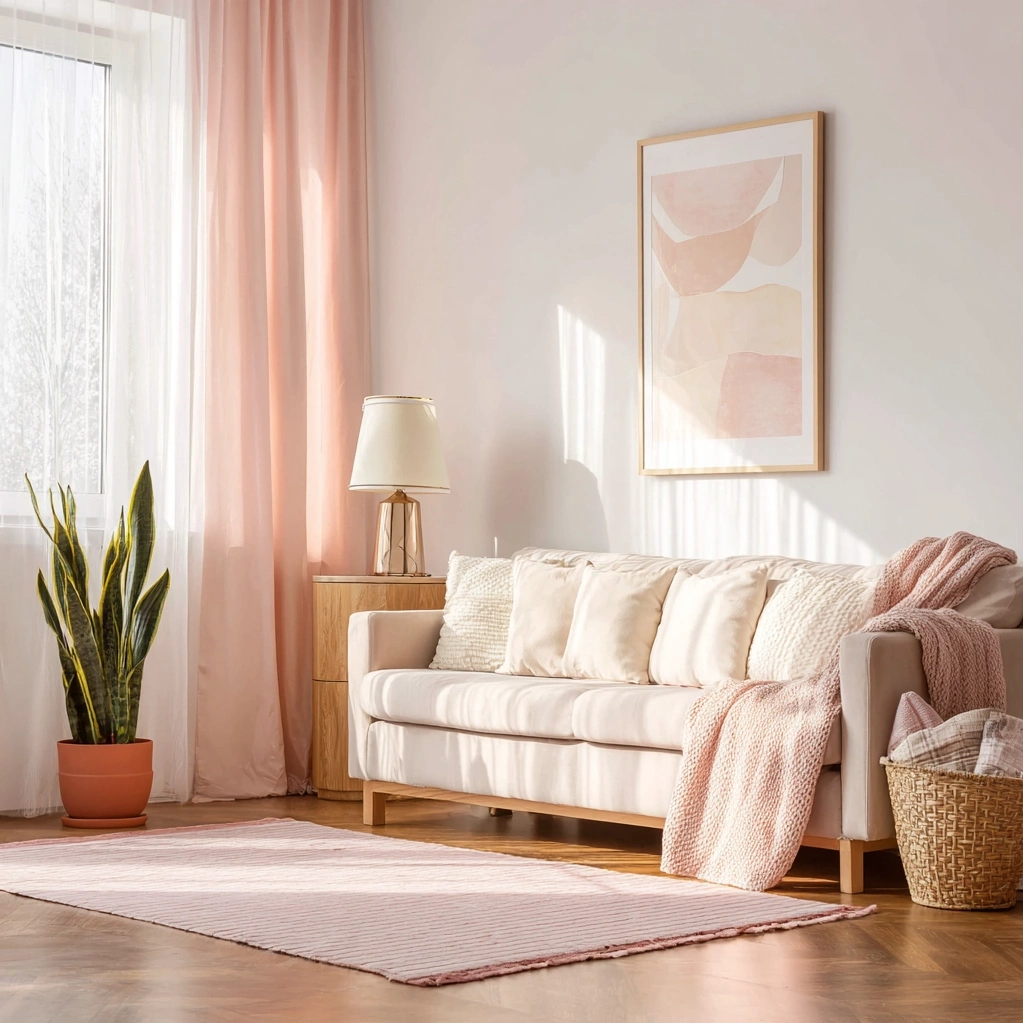
The light pink aesthetic has emerged as a powerful design movement that goes far beyond traditional notions of femininity. This delicate yet sophisticated color palette represents warmth, tranquility, and modern elegance, offering a refreshing alternative to neutral-heavy interiors. More than just a color choice, it’s a lifestyle approach that creates spaces that feel both comforting and inspiring. The light pink aesthetic captures something essential about contemporary living – the desire for environments that support our well-being while expressing personal style.
What makes this particular shade so compelling is its versatility. Unlike bolder pinks that can overwhelm a space, light pink serves as a gentle backdrop that enhances other elements in your room. It works beautifully with natural materials, metallic accents, and other soft hues, creating layered spaces that feel curated rather than decorated. This aesthetic has gained momentum because it addresses our need for calm retreats in increasingly busy lives, offering visual softness that actually helps reduce stress.
Importantly, the light pink aesthetic isn't about creating cookie-cutter spaces. It's a foundation for personal expression that can be adapted to any design style, from minimalist to maximalist. Whether you're working with a small apartment or a spacious home, incorporating light pink elements can transform how you experience your living environment. The key lies in understanding how to use this color thoughtfully to create cohesive, beautiful spaces that truly feel like home.
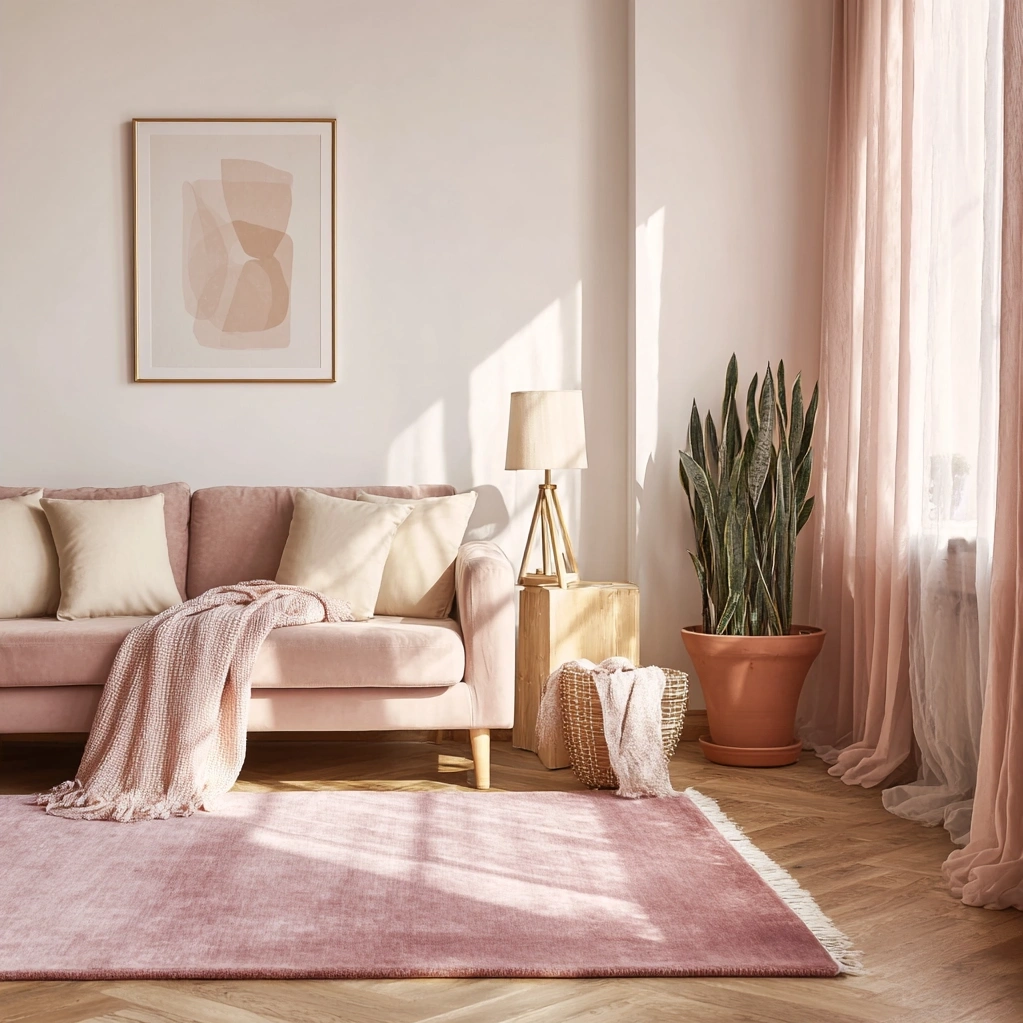
Mastering the Light Pink Aesthetic: Core Principles for Harmony
Creating a successful light pink aesthetic requires more than just painting walls or adding pink accessories. The most compelling implementations follow several key principles that ensure the space feels intentional rather than haphazard. First, consider the light pink as a neutral base rather than a dominant color. This approach allows you to layer other elements without overwhelming the senses. Think of light pink walls as you would think of white or beige – they provide warmth and softness while letting other design choices shine.
Texture plays a crucial role in the light pink aesthetic. Since the color itself is so soft, incorporating varied textures prevents the space from feeling flat or monotonous. Consider pairing smooth, light pink painted surfaces with natural materials like linen, wool, rattan, or light wood. These organic textures add depth and interest while maintaining the overall gentle atmosphere. A velvet light pink throw pillow on a linen sofa, for example, creates subtle contrast that feels luxurious yet approachable.
Balance is another essential principle. The light pink aesthetic works best when balanced with other elements. This doesn't mean you need to add bold contrast colors (though you certainly can if that's your style). More often, successful balancing involves pairing light pink with other soft neutrals like cream, pale gray, or soft beige. Metallic accents in gold, brass, or chrome provide just enough sparkle to keep the space feeling sophisticated rather than sleepy. Remember that the goal is harmony – all elements should work together to create a cohesive whole.
Finally, consider the psychological impact. Light pink has been shown to have calming effects, making it ideal for bedrooms, living rooms, and home offices. Position your light pink elements in areas where you want to encourage relaxation or creative thinking. The light pink aesthetic isn't just about looking beautiful – it's about creating environments that support how you want to feel in your home.
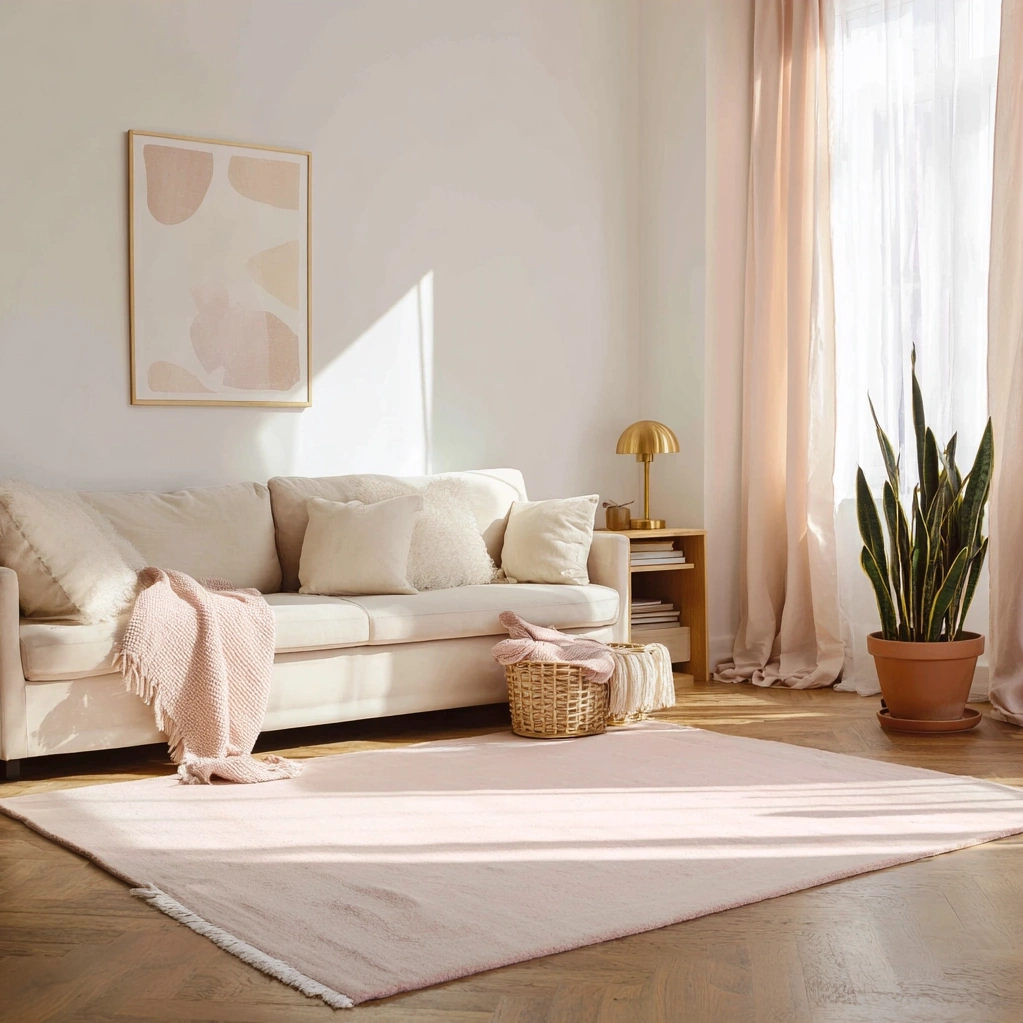
Light Pink Aesthetic Transformations: Room-by-Room Applications
The beauty of the light pink aesthetic lies in its adaptability across different spaces. Each room in your home presents unique opportunities to incorporate this gentle color palette in ways that enhance both function and beauty. Let's explore how to bring the light pink aesthetic to life in specific areas of your home.
In the bedroom, light pink creates the perfect sanctuary for rest and relaxation. Consider painting the walls in a soft blush tone or using light pink bedding as your foundation. The key here is to keep the overall palette soothing – pair light pink with crisp white linens, natural wood nightstands, and soft lighting. For those who prefer less commitment, a light pink area rug or curtains can introduce the aesthetic without overwhelming the space. The bedroom is where the calming properties of light pink truly shine, helping create an environment conducive to quality sleep.
For living areas, the light pink aesthetic offers a warm, welcoming alternative to cooler neutrals. A light pink sofa or armchair makes a beautiful statement piece that feels both contemporary and comfortable. If larger furniture feels too bold, start with accent pieces like throw pillows, blankets, or artwork featuring light pink tones. The living room benefits from pairing light pink with natural elements – think terracotta pots with green plants, woven baskets, and wooden coffee tables. This combination creates spaces that feel lived-in and inviting.
Home offices and creative spaces particularly benefit from the light pink aesthetic. Research suggests that pink environments can enhance creativity and focus while reducing stress. Consider a light pink accent wall behind your desk, or incorporate the color through organizational elements like file folders, desk accessories, or shelving. The gentle stimulation of light pink can make workspaces feel more inspiring without being distracting. Pair with functional furniture and good lighting to create a productive yet pleasant environment.
Even kitchens and bathrooms can embrace the light pink aesthetic tastefully. In kitchens, consider light pink backsplashes, cabinet interiors, or small appliances. In bathrooms, light pink towels, shower curtains, or tile accents can transform sterile spaces into spa-like retreats. The key in functional spaces is to balance the aesthetic with practicality – choose durable, easy-to-clean materials that maintain the soft color palette.
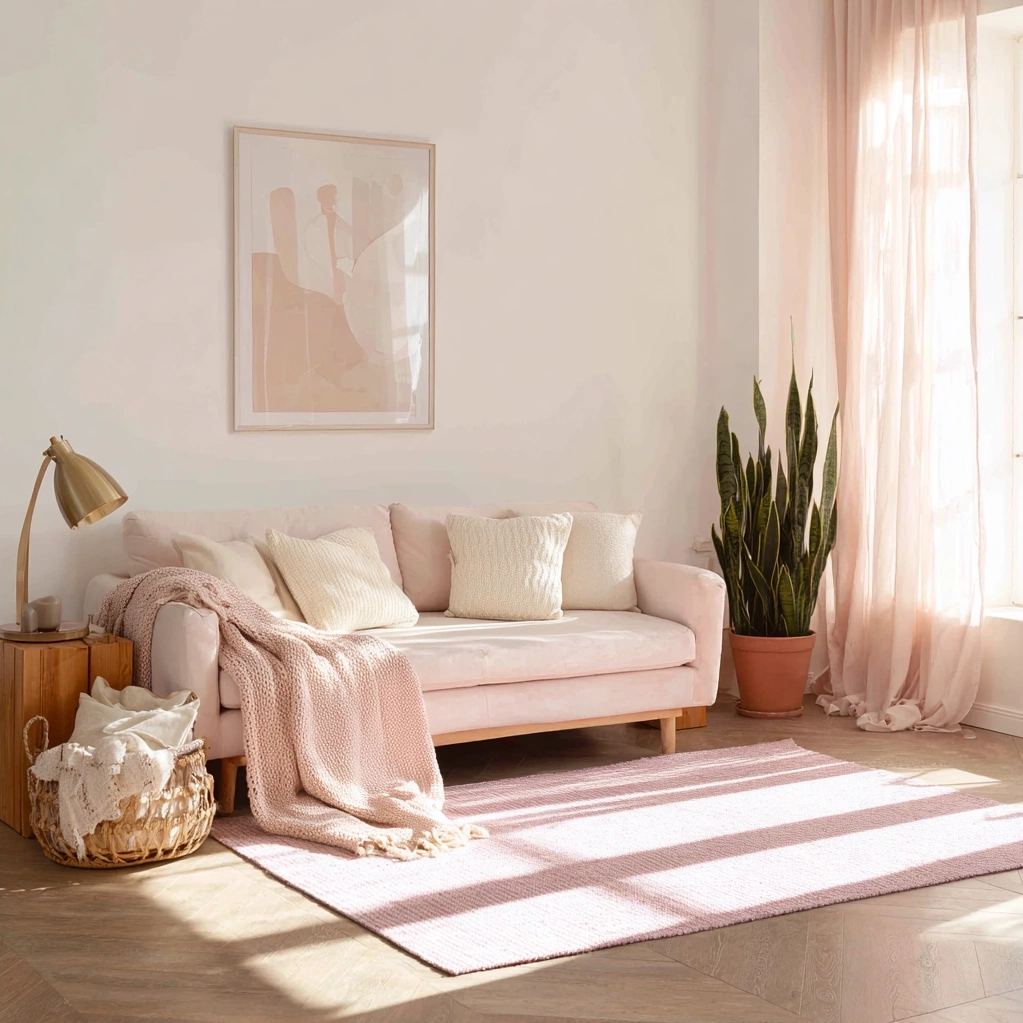
The 14 Essential Elements for Your Light Pink Aesthetic
Building a cohesive light pink aesthetic involves thoughtful selection of elements that work together harmoniously. Here are 14 essential components that will help you create a beautifully balanced space that embodies this gentle design approach.
- Foundation Walls: Start with light pink wall paint in a matte or eggshell finish. This creates the soft background that defines the aesthetic.
- Textural Fabrics: Incorporate linen, velvet, or cotton in light pink tones for curtains, throw pillows, and upholstery.
- Natural Wood Accents: Light oak, ash, or birch furniture provides warm contrast to the cool pink tones.
- Metallic Details: Brass, gold, or chrome hardware and accessories add subtle sophistication.
- Botanical Elements: Fresh flowers or green plants bring life and natural contrast to the pink palette.
- Layered Lighting: Combine overhead, task, and ambient lighting to enhance the soft atmosphere.
- Artwork with Depth: Choose pieces that incorporate light pink along with complementary colors and textures.
- Area Rugs: Light pink or neutral rugs define spaces while adding comfort underfoot.
- Mirrors and Reflection: Strategically placed mirrors amplify light and make spaces feel larger.
- Storage Solutions: Baskets, boxes, and shelves in natural materials keep clutter at bay.
- Window Treatments: Sheer light pink curtains filter natural light beautifully throughout the day.
- Personal Collections: Display books, ceramics, or other items in coordinated light pink tones.
- Flooring Considerations: Light wood floors or neutral carpets complement the overall aesthetic.
- Accent Furniture: A statement piece in deeper pink or contrasting color adds visual interest.
When implementing these elements, remember that the light pink aesthetic thrives on subtlety and layering. Start with your foundational elements (walls, major furniture), then gradually add the decorative components. Pay attention to how light changes throughout the day – morning light will make your light pink elements glow warmly, while evening artificial lighting creates a cozy atmosphere. The goal isn't perfection, but rather a collected, personal space that feels both beautiful and authentic.
Quality matters when building your light pink aesthetic. Invest in well-made foundational pieces that will last, and be more experimental with smaller accessories. This approach ensures your space evolves beautifully over time. Remember that the most successful implementations of the light pink aesthetic feel effortless and welcoming – spaces that invite you to relax and enjoy the gentle beauty of thoughtful design.
Conclusion
The light pink aesthetic represents more than just a color trend – it's a thoughtful approach to creating spaces that nurture both beauty and well-being. Throughout this exploration, we've seen how this gentle palette can transform rooms from ordinary to extraordinary, offering warmth, calm, and sophistication in equal measure. The 14 essential elements provide a practical roadmap for implementing this aesthetic in your own home, whether you're starting fresh or refreshing existing spaces.
What makes the light pink aesthetic particularly compelling is its staying power. Unlike bolder trends that come and go, this soft approach to design has timeless appeal because it addresses fundamental human needs for comfort and beauty. As we continue to seek sanctuary in our homes, colors and design approaches that support mental and emotional well-being will only grow in importance. The light pink aesthetic meets this need beautifully, creating environments that feel both uplifting and restorative.
Looking forward, we can expect to see the light pink aesthetic evolving in exciting ways. Designers are already experimenting with new combinations – pairing light pink with earthy terracotta, deep greens, or unexpected metallics. The core principles remain the same: balance, texture, and harmony. As you implement these ideas in your own space, remember that personalization is key. Your light pink aesthetic should reflect your unique style and needs.
Start small if you're unsure – a few light pink accessories can test the waters before committing to larger changes. Notice how these elements make you feel in your space. The true success of any design approach isn't measured in magazine-worthy photos, but in how it supports your daily life. The light pink aesthetic, when implemented thoughtfully, creates homes that are not just beautiful to look at, but wonderful to live in – spaces that welcome, comfort, and inspire every day.
Frequently Asked Questions
Q: Is the light pink aesthetic suitable for masculine spaces or shared living areas?
Absolutely. The light pink aesthetic transcends traditional gender associations with color. When implemented thoughtfully, it creates warm, sophisticated spaces that work beautifully for everyone. The key is in the execution – pairing light pink with natural materials, metallic accents, and other neutrals creates a balanced look that feels contemporary rather than stereotypically feminine. In shared spaces, consider using light pink as an accent rather than the dominant color. For example, light pink throw pillows on a neutral sofa, artwork featuring subtle pink tones, or a single accent wall can introduce the aesthetic without overwhelming the space. Many designers are successfully using light pink in offices, living rooms, and even studies, proving that this color palette offers versatility and appeal beyond any gender assumptions.
Q: How can I incorporate the light pink aesthetic in a rental without painting walls?
Renters can absolutely embrace the light pink aesthetic through removable and non-permanent elements. Start with textiles – light pink curtains, area rugs, bedding, and throw pillows can transform a space without any permanent changes. Furniture is another excellent avenue; consider a light pink accent chair, bookshelf, or side table. Temporary wallpaper or wall decals in light pink patterns offer another solution for adding color to walls without painting. Don't overlook smaller accessories like vases, candle holders, artwork, and decorative objects in light pink tones. These can be layered throughout your space to create a cohesive look. Finally, lighting plays a crucial role – light pink lampshades or string lights can cast a gentle pink glow in the evenings. The key is to think vertically and horizontally, using shelves, windows, and floors to distribute your light pink elements throughout the room.
Q: What colors pair best with light pink to create a balanced aesthetic?
Light pink pairs beautifully with a range of colors, allowing for personalized combinations. The most classic pairings include soft neutrals like cream, beige, light gray, and white – these create a gentle, harmonious backdrop. For added warmth, consider natural wood tones in light oak or ash. If you want more contrast, try pairing light pink with deep green (like sage or olive), navy blue, or charcoal gray – these combinations feel sophisticated and contemporary. Metallic accents in gold, brass, or chrome add subtle sparkle and elegance. For a fresh, natural look, combine light pink with other soft pastels like pale blue, mint green, or lavender. The most important consideration is balance – if using stronger contrast colors, keep them as accents rather than dominant elements. Test combinations in your actual space with samples or swatches, as lighting conditions dramatically affect how colors interact.