
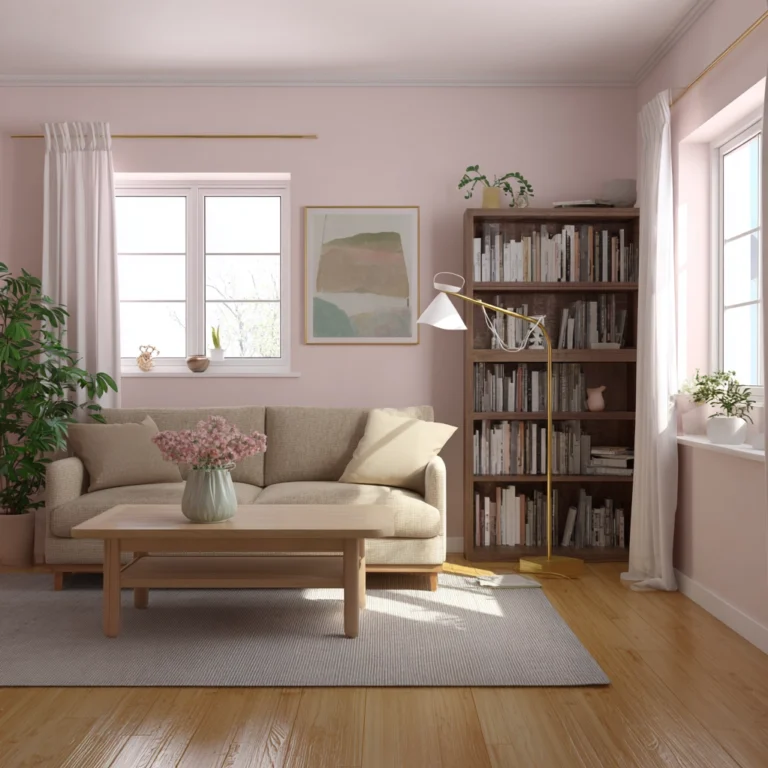
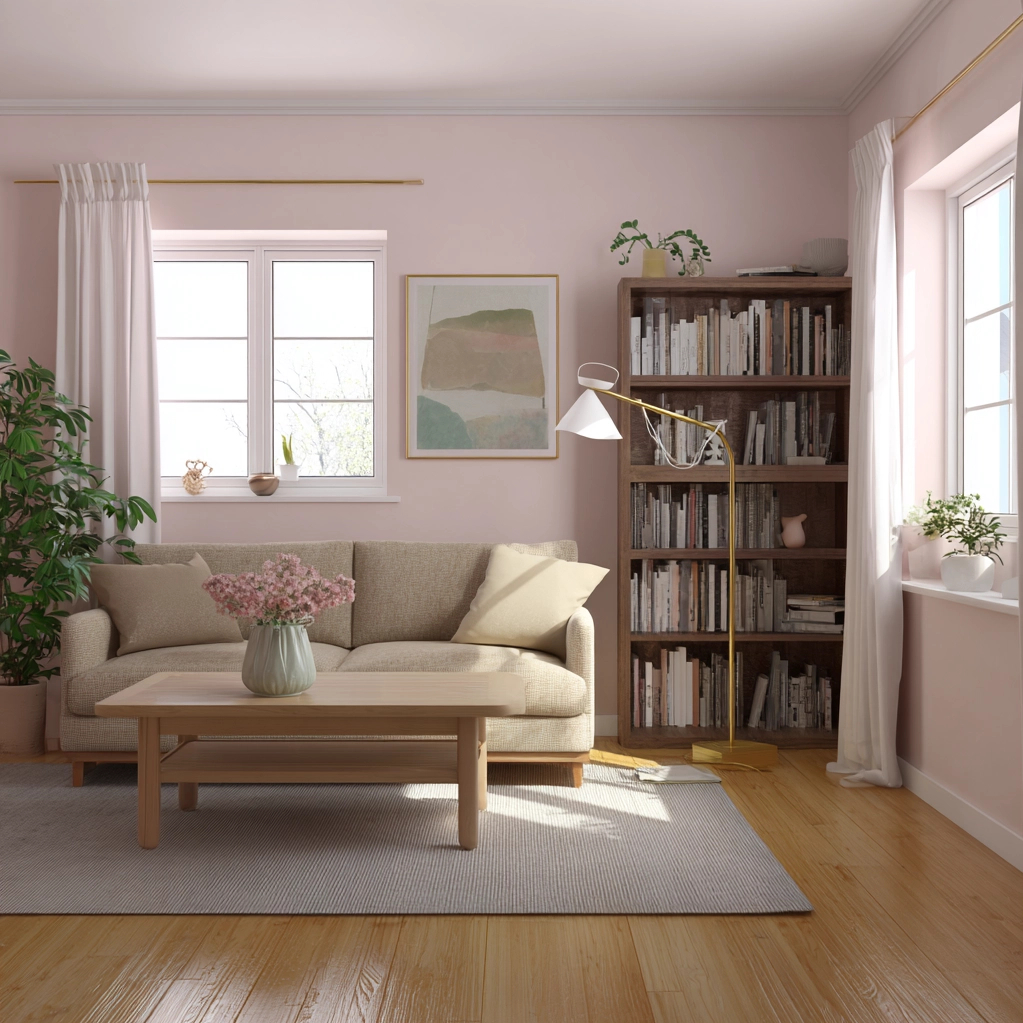
When you think of transforming your living space, color is one of the most powerful tools at your disposal. Among the spectrum of possibilities, light pink walls stand out as a surprisingly versatile and enchanting choice. This gentle hue has moved far beyond nursery rooms to become a sophisticated option for any home. Light pink walls can create an atmosphere of warmth, tranquility, and elegance, making them perfect for those seeking a serene yet stylish environment. The importance of choosing the right wall color cannot be overstated—it sets the tone for your entire home, influencing mood, perception of space, and even how natural light interacts with your rooms. Light pink offers a unique balance: it’s soft enough to be calming yet rich enough to add character. Many homeowners shy away from pink, fearing it might feel too juvenile or overwhelming. However, modern light pink shades—think blush, ballet slipper, or dusty rose—bring a mature, refined quality to interiors. They pair beautifully with various design styles, from minimalist and Scandinavian to bohemian and traditional. This color can make small rooms feel more open and airy while adding coziness to larger spaces. In today’s design world, where wellness and comfort are prioritized, light pink walls provide a soothing backdrop that promotes relaxation. They reflect light gently, creating a soft glow that enhances natural daylight and makes artificial lighting feel warmer. Whether you’re redecorating a bedroom, living room, or even a home office, light pink walls offer a fresh alternative to neutral beiges and grays. They invite creativity in decor, allowing you to experiment with contrasting colors and textures. Embracing this hue means embracing a home that feels both inviting and inspired.
The Transformative Power of Light Pink Walls in Modern Interiors
Light pink walls have emerged as a transformative element in contemporary home design. Unlike bold or dark colors that can dominate a space, light pink acts as a subtle enhancer. It brings a sense of softness and warmth that makes rooms feel more welcoming. This color works exceptionally well in living rooms and bedrooms, where comfort is key. When paired with natural materials like wood and linen, light pink walls create a harmonious, organic feel. They also complement metallic accents, such as brass or gold, adding a touch of luxury without being ostentatious. In open-plan spaces, light pink can help define areas without the need for physical dividers. For example, a light pink accent wall in a dining nook can distinguish it from the adjacent living area while maintaining visual flow. The versatility of this hue means it suits various lighting conditions. In north-facing rooms that receive cool light, light pink adds warmth. In south-facing rooms with abundant sunlight, it softens the brightness, preventing glare. Designers often recommend light pink for its psychological benefits. It's known to reduce stress and promote feelings of calm, making it ideal for spaces meant for relaxation. Moreover, light pink walls are surprisingly easy to decorate around. They serve as a neutral base that allows bold furniture or artwork to shine. For a cohesive look, consider using varying shades of pink in textiles and accessories. This creates depth and interest without overwhelming the senses. Ultimately, light pink walls offer a modern alternative to traditional neutrals, infusing spaces with personality and charm.
Styling Tips for Decorating with Light Pink Walls
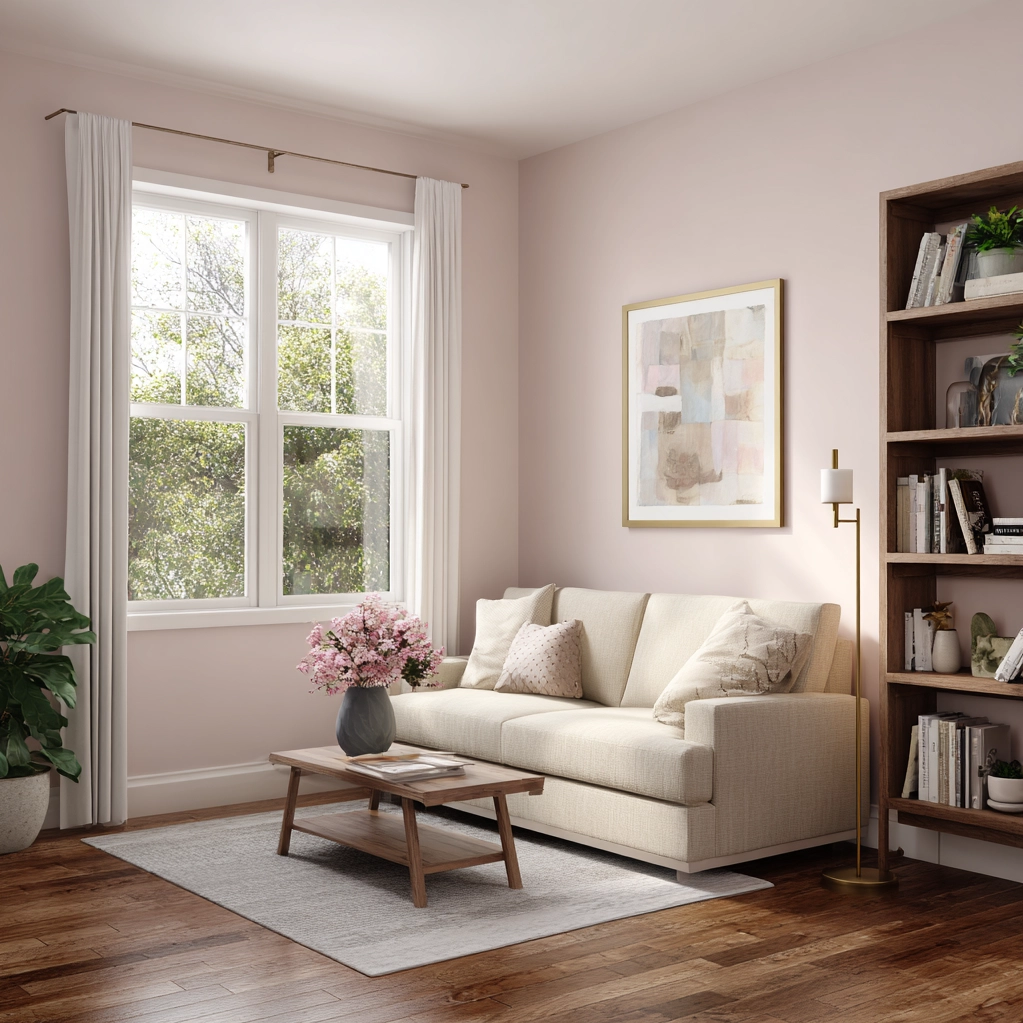
Decorating a room with light pink walls requires thoughtful consideration to achieve a balanced and stylish look. Start by selecting complementary colors. Light pink pairs beautifully with earthy tones like sage green, terracotta, and warm beige. These combinations create a natural, grounded feel. For a more dramatic contrast, incorporate deep colors such as navy blue or charcoal gray. This adds sophistication and prevents the space from feeling too sweet. When choosing furniture, opt for pieces in neutral shades like white, cream, or light wood. This keeps the focus on the walls while maintaining a clean aesthetic. Textiles play a crucial role in enhancing light pink walls. Layer rugs, curtains, and throw pillows in textures like velvet, wool, or cotton. Mixing patterns, such as geometric prints or floral motifs, can add visual interest without clashing. Lighting is another key element. Use warm-toned bulbs to enhance the cozy ambiance that light pink walls provide. Consider statement light fixtures, like a brass chandelier or woven pendant, to draw the eye upward. Artwork and decor should complement the softness of the walls. Black-and-white photography or abstract art in muted colors works well. Avoid overcrowding the space; instead, choose a few meaningful pieces that tell a story. Plants are excellent additions to rooms with light pink walls. Greenery adds a pop of color and life, creating a fresh, vibrant atmosphere. For flooring, light hardwood or pale tiles keep the room feeling airy. If you have carpets, choose neutral shades to avoid color overload. Remember, the goal is to create harmony. Test paint samples in different lighting before committing. This ensures the shade looks perfect throughout the day. With these tips, light pink walls can become the foundation of a beautifully curated home.
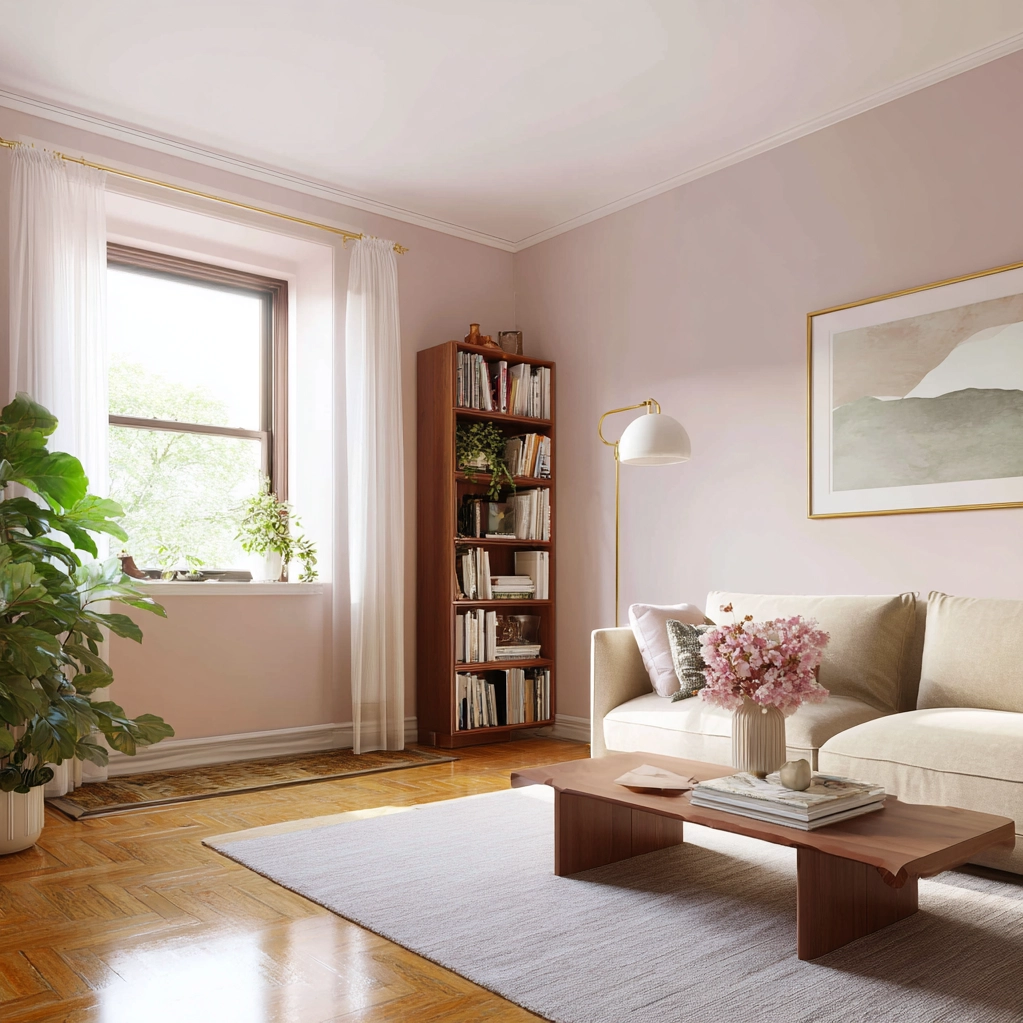
Choosing the Perfect Shade of Light Pink for Your Walls
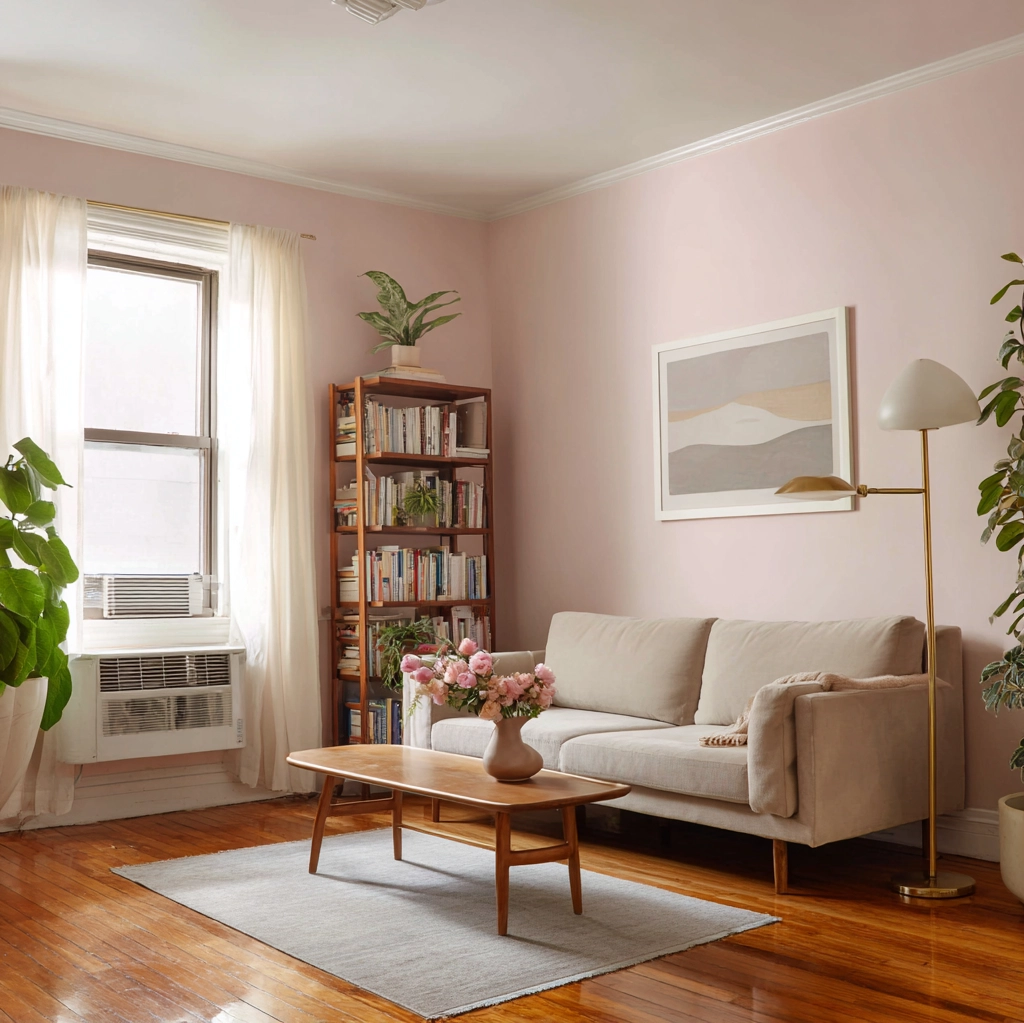
Selecting the right shade of light pink for your walls is essential to achieving the desired effect. The term 'light pink' encompasses a range of hues, from blush and peach to mauve and rose. Consider the room's purpose and lighting. For bedrooms, soft blush pinks promote relaxation. In living areas, slightly warmer tones like salmon or coral can create an inviting vibe. Cooler pinks with hints of lavender suit spaces meant for focus, such as home offices. Undertones matter greatly. Pink with yellow undertones feels cozy and sunny, while those with blue undertones appear more serene and modern. Test paint samples on large swatches and observe them at different times of day. Natural light can alter how the color appears. If your room lacks windows, opt for a brighter shade to prevent it from looking dull. The finish of the paint also impacts the result. Matte finishes hide imperfections but can be less durable. Satin or eggshell finishes offer a subtle sheen that reflects light beautifully, enhancing the soft glow of light pink walls. Consider the existing elements in your room, such as flooring and furniture. If you have dark wood floors, a light pink with warm undertones can balance the contrast. For white furniture, cooler pinks create a crisp, clean look. Don't forget about trim and ceilings. Painting trim in white or a slightly darker pink can define the space. Some homeowners choose to paint ceilings in a lighter version of the wall color to create a cohesive, enveloping effect. When in doubt, consult color wheels or design apps that visualize combinations. Popular paint brands offer curated collections that include harmonious light pink shades. Investing time in selection ensures your walls become a backdrop you'll love for years to come.
Conclusion
Light pink walls offer a unique opportunity to infuse your home with serenity, style, and sophistication. Throughout this article, we've explored how this gentle hue can transform modern interiors, provide practical styling tips, and guide you in choosing the perfect shade. By embracing light pink, you create spaces that are not only visually appealing but also conducive to well-being. The future of home design continues to prioritize colors that promote comfort and individuality, making light pink a timeless choice. As trends evolve, this hue adapts seamlessly, whether paired with minimalist decor or bold accents. Looking ahead, consider how light pink walls can evolve with your lifestyle. They provide a flexible canvas that allows for easy updates—simply change accessories or furniture to refresh the look. For those hesitant to commit, start with an accent wall or a smaller room to build confidence. The key takeaway is that light pink walls are more than just a color; they're a design tool that enhances daily living. They encourage creativity while maintaining a sense of calm. As you plan your next home project, remember the transformative power of this hue. Experiment with textures, lighting, and complementary colors to make the space uniquely yours. Ultimately, a home with light pink walls becomes a sanctuary—a place where beauty and tranquility coexist. Embrace this trend to create an environment that reflects your personality and supports your well-being for years to come.
Frequently Asked Questions
Q: Do light pink walls make a room look smaller?
No, light pink walls typically do not make a room look smaller. In fact, light colors generally reflect more light, which can make spaces feel more open and airy. Light pink, being a soft hue, has a similar effect. It creates an illusion of expansiveness, especially when paired with adequate lighting and minimal furniture. To maximize this, use mirrors and keep window treatments light. However, very warm or dark shades of pink might have a slightly enclosing effect, so stick to lighter tones for best results.
Q: What colors go best with light pink walls?
Light pink walls pair beautifully with a variety of colors. For a natural look, combine them with earthy tones like sage green, beige, or terracotta. For contrast and sophistication, try navy blue, charcoal gray, or black. Neutrals such as white, cream, and light wood create a clean, balanced aesthetic. Metallic accents in gold, brass, or copper add a touch of luxury. When accessorizing, consider incorporating textures through textiles in complementary shades. This allows for a cohesive and stylish interior that highlights the softness of the walls.
Q: Is light pink suitable for rooms other than bedrooms?
Absolutely. Light pink is versatile and suitable for many rooms beyond bedrooms. It works well in living rooms, creating a warm and inviting atmosphere. In dining areas, it can enhance social gatherings with its gentle ambiance. Home offices benefit from light pink's calming properties, which can improve focus. Even kitchens and bathrooms can incorporate this hue through accent walls or accessories, though moisture-resistant paint is recommended for wet areas. The key is to choose the right shade—warmer pinks for active spaces and cooler tones for relaxation zones.