
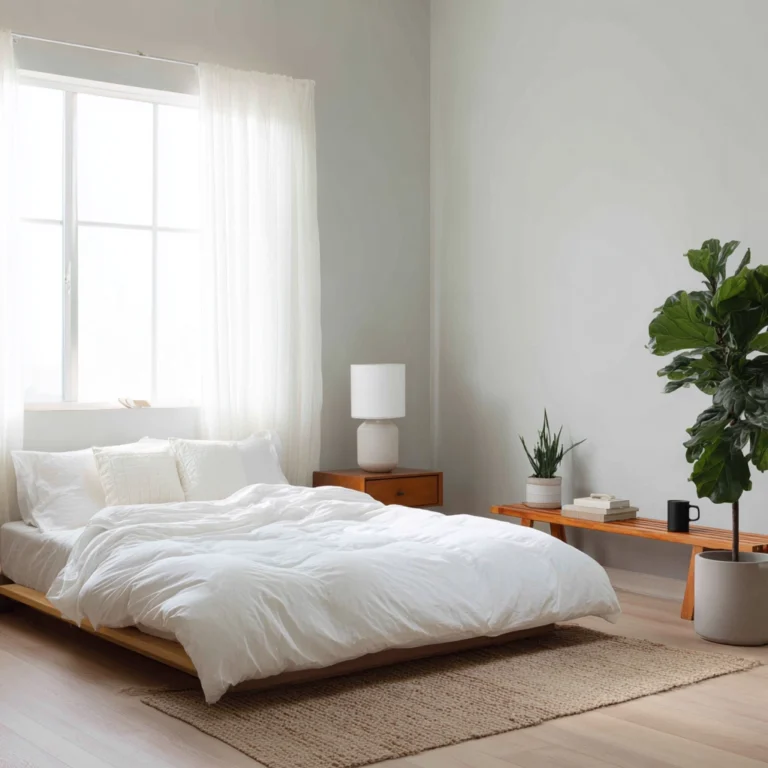
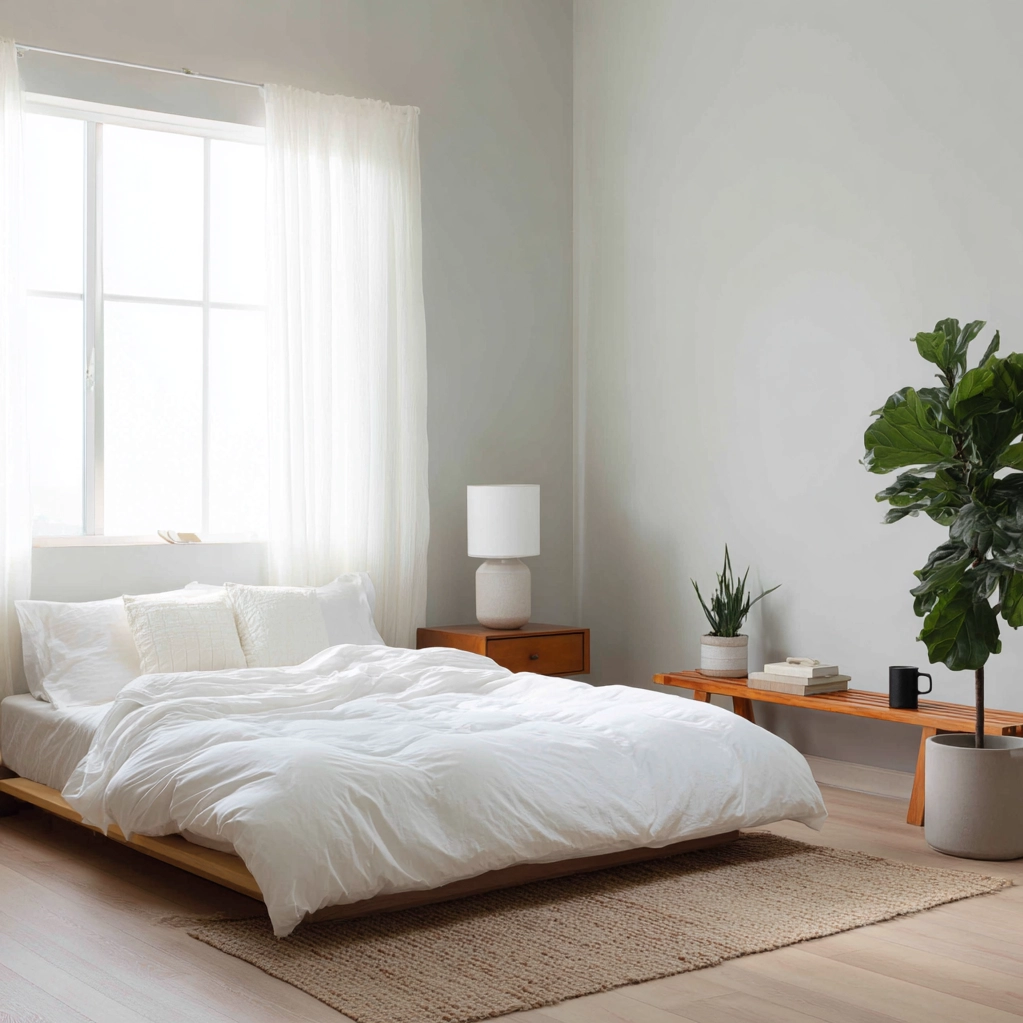
In a world filled with constant noise and clutter, minimalist room decor offers a refreshing escape. This design philosophy focuses on simplicity, functionality, and intentional living, creating spaces that promote calm and clarity. Minimalism isn’t about stark emptiness or deprivation—it’s about carefully curating your surroundings to include only what truly matters. By embracing minimalist principles, you can transform any room into a sanctuary that supports your well-being and daily life. The importance of minimalist room decor extends beyond aesthetics. Our environments significantly impact our mental state, productivity, and overall happiness. Cluttered spaces often lead to cluttered minds, while clean, organized rooms can reduce stress and improve focus. Minimalist decor helps eliminate visual noise, allowing you to appreciate each element in your space. This approach also encourages mindful consumption, reducing waste and promoting sustainability. Whether you’re redesigning your entire home or just one room, minimalist principles can create a more peaceful and functional environment. Many people hesitate to embrace minimalism, fearing it might feel cold or impersonal. However, minimalist room decor can be warm and inviting when executed thoughtfully. The key lies in selecting pieces with purpose and character, rather than simply removing items. This introduction to minimalist decor will guide you through creating a space that feels both serene and personal. You’ll discover how simplicity can enhance your daily life, making your home a true retreat from the outside world. Start your journey toward a more intentional living space today.
Essential Principles of Minimalist Room Decor
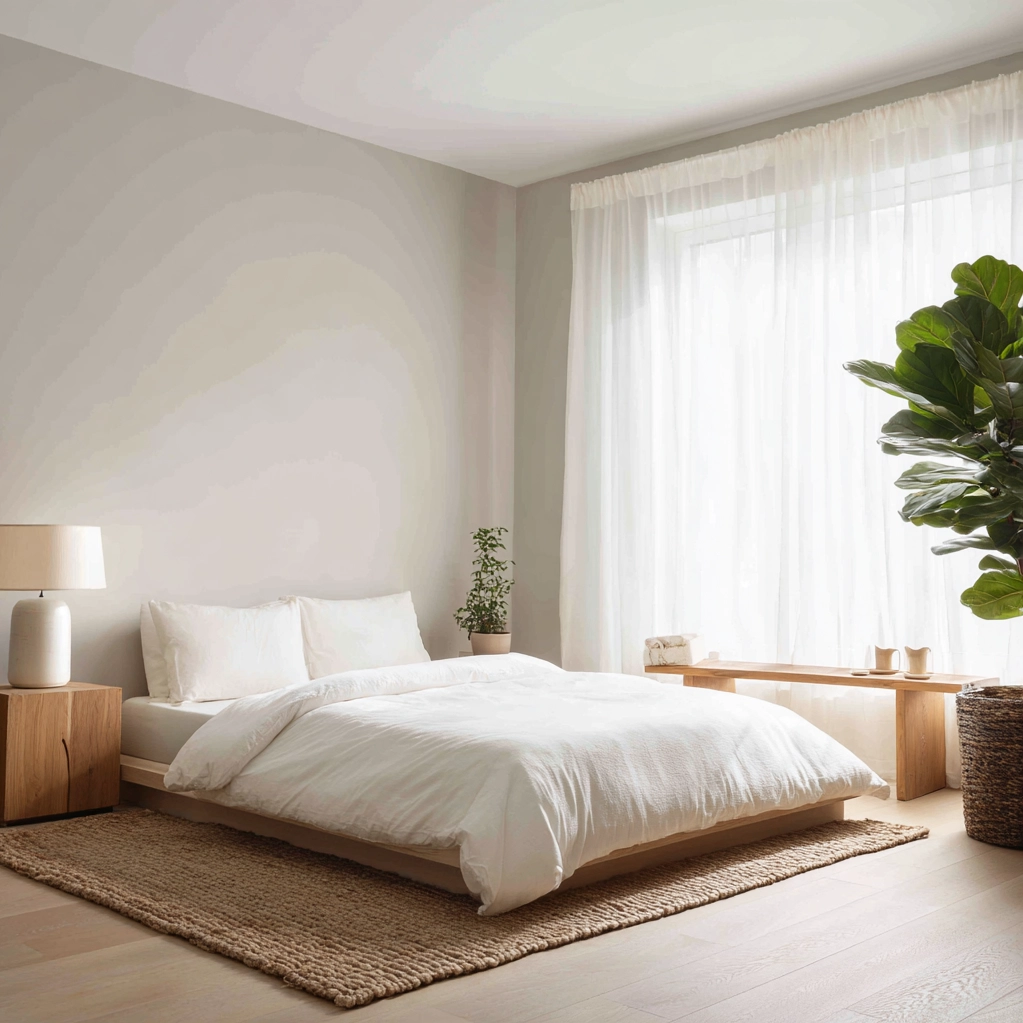
Understanding the core principles of minimalist room decor is crucial for creating a space that truly embodies this philosophy. Minimalism revolves around three key concepts: simplicity, functionality, and intentionality. Simplicity means eliminating unnecessary elements and focusing on clean lines and uncluttered surfaces. This doesn't mean your space must be bare, but rather that every item should have a purpose or bring joy. Functionality ensures that each piece in your room serves a practical role, enhancing daily life without adding clutter. Intentionality involves making deliberate choices about what to include in your space, rather than accumulating items out of habit or impulse. To apply these principles, start by assessing your current room. Identify items that don't serve a function or hold significant meaning. This process of decluttering is the foundation of minimalist room decor. As you remove excess, you'll create space for what truly matters. Next, focus on quality over quantity. Invest in well-made, durable pieces that will stand the test of time, rather than filling your room with disposable items. This approach not only creates a more cohesive look but also promotes sustainability. Color plays a vital role in minimalist design. Neutral palettes like whites, grays, and beiges create a calm backdrop, while occasional accents can add personality without overwhelming the space. Texture becomes more important in minimalist rooms, as it adds visual interest without clutter. Consider incorporating natural materials like wood, stone, or linen to bring warmth and depth to your decor. Lighting should be functional and enhance the room's atmosphere, with natural light prioritized whenever possible. By embracing these principles, you'll create a room that feels both peaceful and purposeful.
Key Elements for Achieving Minimalist Room Decor
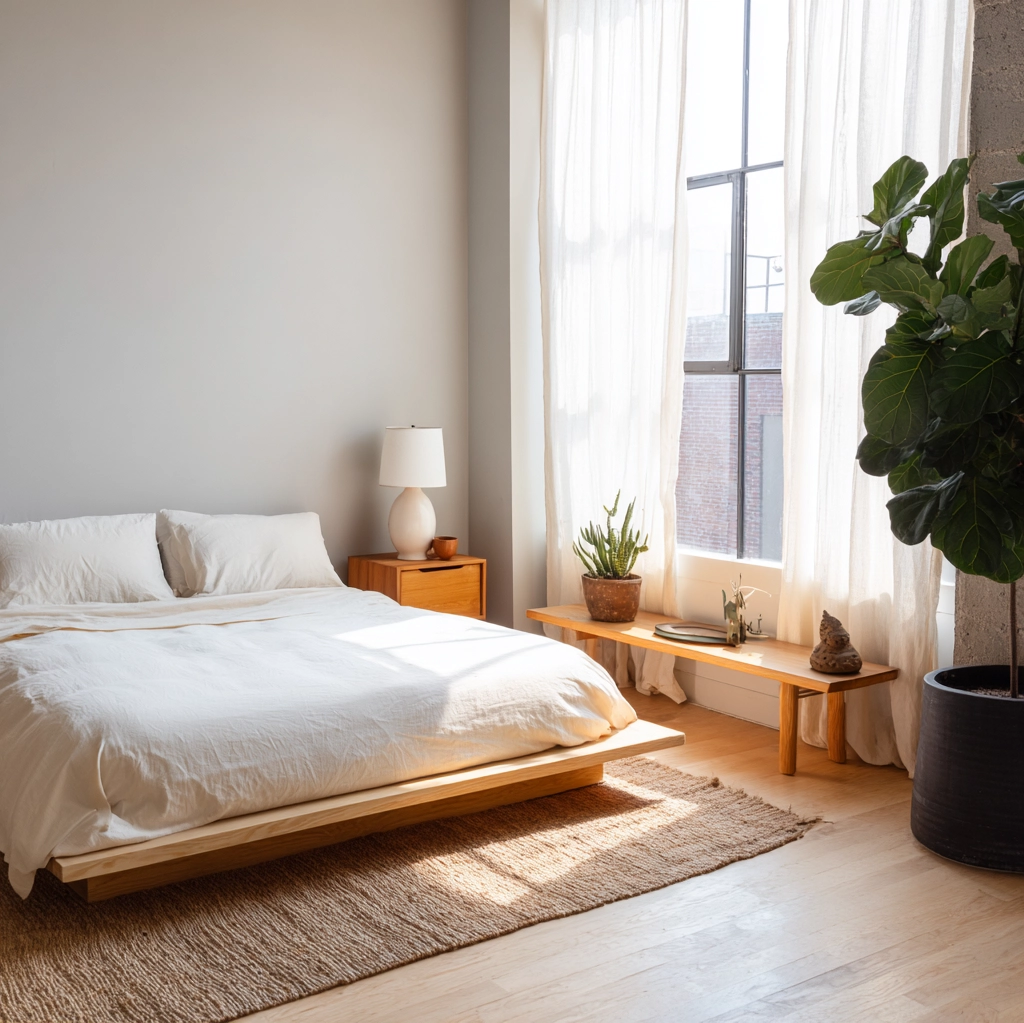
Several key elements work together to create successful minimalist room decor. Furniture selection is paramount—choose pieces with clean lines and simple designs. Multi-functional furniture, like storage beds or nesting tables, maximizes space while maintaining a clutter-free appearance. Ensure each piece has adequate breathing room; avoid overcrowding your floor plan. This creates a sense of openness and flow, essential to minimalist aesthetics. Storage solutions are another critical element. Built-in or concealed storage helps keep everyday items out of sight, maintaining clean surfaces. Open shelving can work in minimalist rooms if used sparingly and organized meticulously. Remember, visible storage should display only carefully curated items that contribute to the room's overall harmony. Textiles and accessories require careful consideration in minimalist decor. Choose a limited color palette for bedding, curtains, and rugs to maintain visual cohesion. Texture becomes particularly important here—a chunky knit throw or woven basket can add warmth without introducing visual clutter. When selecting accessories, opt for a few meaningful pieces rather than numerous decorations. A single piece of art or a well-chosen plant can make a stronger statement than a crowded gallery wall. Plants are excellent additions to minimalist rooms, bringing life and natural beauty without complicating the design. Choose low-maintenance varieties and place them in simple, complementary pots. Mirrors can enhance the sense of space and light in a minimalist room, but select frames that align with your overall aesthetic. Finally, consider the room's architectural features. Highlight clean lines, ample natural light, and unadorned windows whenever possible. If your space has interesting architectural details, let them shine rather than covering them with excessive decor. By focusing on these key elements, you'll create a room that embodies minimalist principles while feeling comfortable and lived-in.
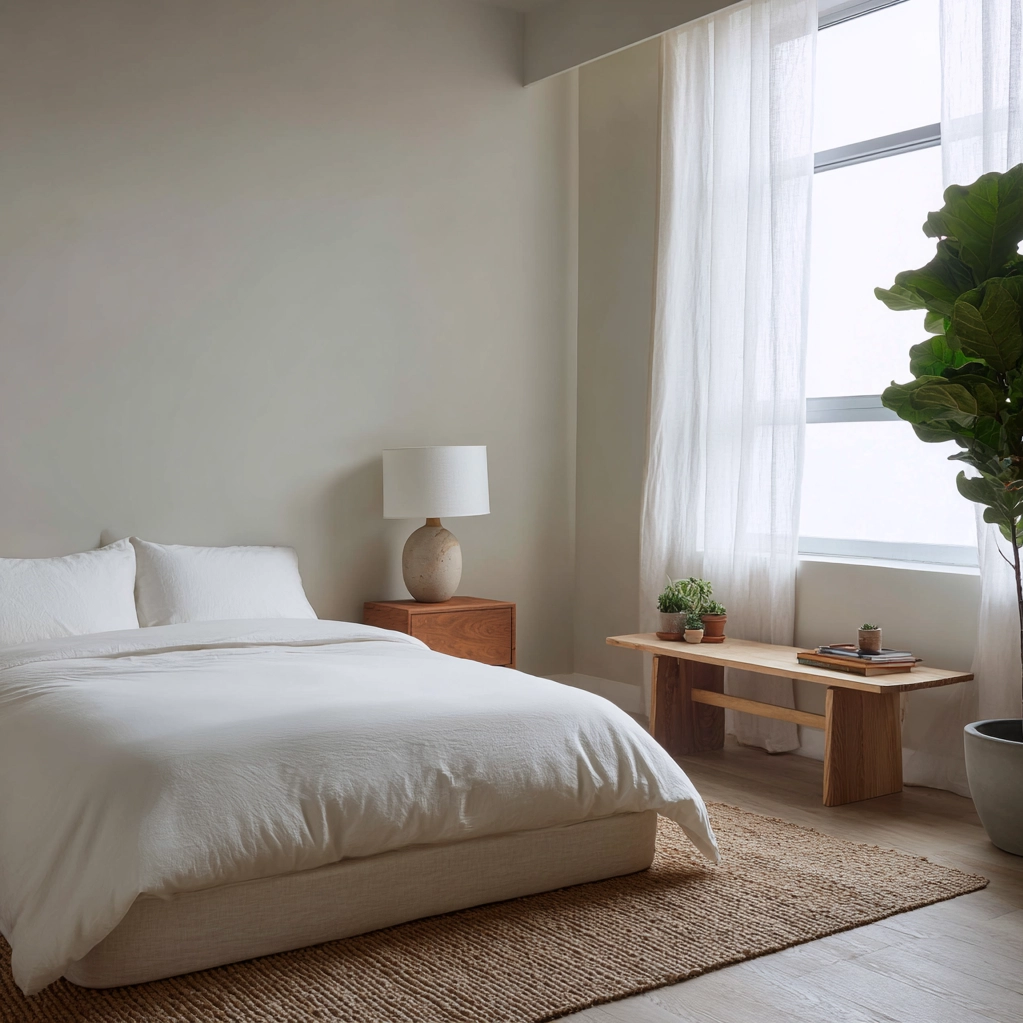
Practical Tips for Implementing Minimalist Room Decor
Implementing minimalist room decor successfully requires practical strategies that work with your lifestyle. Begin with a thorough decluttering session using the 'keep, donate, discard' method. Be honest about what you truly need and love. This process might take time, but it's essential for creating a solid foundation. After decluttering, organize what remains using simple storage solutions. Clear containers and labeled boxes can help maintain order without introducing visual chaos. When arranging furniture, prioritize flow and function. Create clear pathways and ensure each piece serves its intended purpose without obstruction. In minimalist decor, negative space is as important as the objects themselves. Allow areas of your room to remain empty, giving the eye places to rest. This doesn't mean your space should feel barren—rather, it creates a sense of balance and calm. Lighting plays a crucial role in minimalist rooms. Layer different light sources: ambient lighting for overall illumination, task lighting for specific activities, and accent lighting to highlight architectural features or artwork. Choose fixtures with simple, elegant designs that complement your space without dominating it. Maintaining minimalist room decor requires ongoing attention. Establish daily habits like making your bed and clearing surfaces before bedtime. Implement a 'one in, one out' rule for new acquisitions to prevent clutter from creeping back in. Regularly reassess your space to ensure it continues to meet your needs and reflect your values. Remember that minimalism looks different for everyone. Your version of minimalist decor should support your lifestyle and bring you joy. Don't feel pressured to achieve a magazine-perfect look overnight. Instead, focus on gradual improvements that create a more peaceful and functional environment. These practical tips will help you build and maintain a minimalist room that truly enhances your daily life.
Conclusion
Minimalist room decor offers more than just visual appeal—it provides a framework for intentional living and mental clarity. By embracing simplicity, functionality, and purpose in your space, you create an environment that supports your well-being and daily activities. The journey toward minimalist decor isn't about achieving perfection but about making conscious choices that align with your values and lifestyle. As you implement these principles, you'll likely discover that less truly can be more. A thoughtfully curated room reduces decision fatigue, saves time on cleaning and organization, and creates a peaceful retreat from the outside world. The future of minimalist decor continues to evolve, with growing emphasis on sustainability and personal expression. Modern interpretations blend minimalist principles with individual style, proving that simplicity doesn't have to mean uniformity. Looking ahead, consider how your space might adapt to changing needs while maintaining its minimalist foundation. Perhaps you'll explore biophilic design elements, incorporating more natural materials and plants to enhance connection with nature. Or maybe you'll focus on multifunctional furniture that maximizes small spaces efficiently. Whatever direction you choose, remember that minimalist room decor is ultimately about creating a home that serves you best. Start small if needed—perhaps with a single drawer or shelf—and gradually expand your efforts. Notice how each simplification brings a sense of calm and control. Your space should evolve with you, reflecting your journey toward more intentional living. Embrace the process, and enjoy the serenity that comes with a well-curated, minimalist room.
Frequently Asked Questions
Q: Does minimalist room decor have to be expensive?
Not at all. Minimalist room decor emphasizes quality over quantity, which might mean investing in a few well-made pieces, but it doesn't require a large budget. You can achieve minimalist aesthetics by decluttering existing items, repurposing furniture, and shopping secondhand. Focus on simplicity and function rather than price tags. Many affordable stores offer clean-lined furniture and storage solutions suitable for minimalist decor. The most important aspect is intentionality—carefully selecting what to include in your space regardless of cost.
Q: Can minimalist decor work in small spaces?
Absolutely. Minimalist room decor is particularly effective in small spaces because it maximizes functionality and reduces visual clutter. By carefully selecting multi-functional furniture and implementing smart storage solutions, you can make a small room feel more spacious and organized. The key is to prioritize essential items and maintain clean surfaces. Light colors, mirrors, and strategic lighting can enhance the sense of space. In fact, many people find that minimalist principles help small rooms function better and feel more comfortable than crowded, over-decorated spaces.
Q: How do I add personality to a minimalist room without creating clutter?
Adding personality to minimalist room decor involves selective curation rather than accumulation. Choose a few meaningful items that truly reflect your interests and style—perhaps a piece of art you love, a cherished book collection displayed neatly, or a plant that brings you joy. Texture and materials can also express personality; consider incorporating natural elements like wood or woven textiles that tell a story. Color accents through pillows or a throw blanket can inject character without overwhelming the space. Remember, minimalist decor isn't about removing personality but about highlighting what matters most to you in a thoughtful, uncluttered way.