
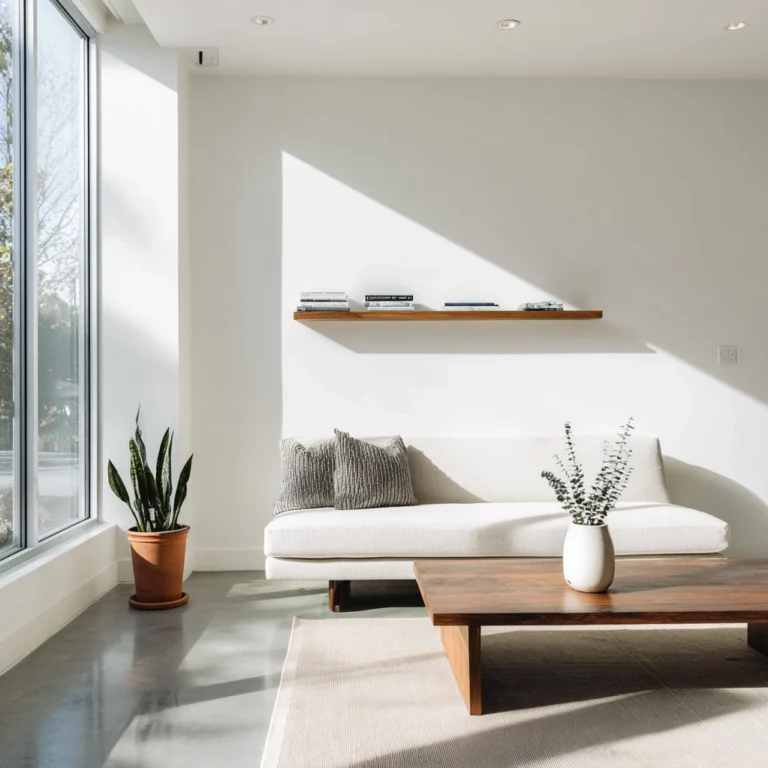
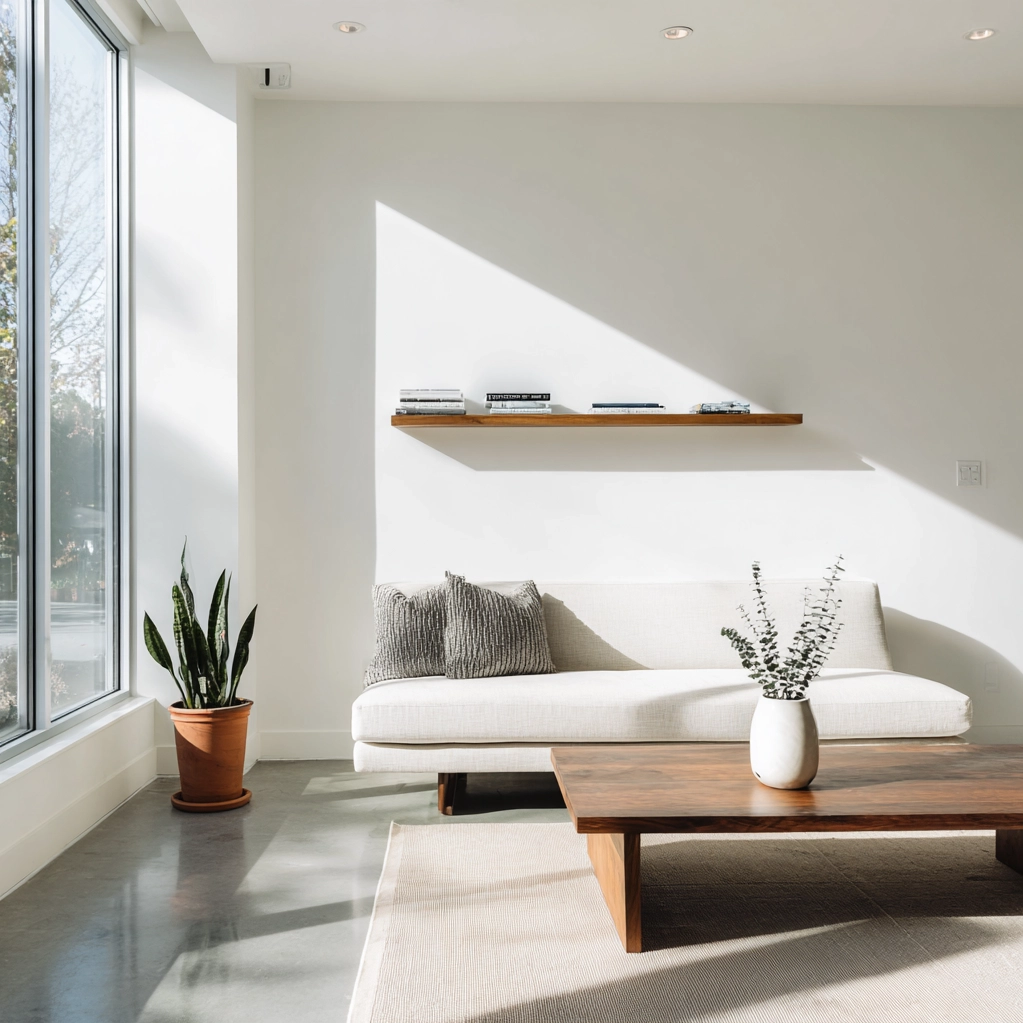
In today’s fast-paced world filled with constant stimulation and clutter, creating a peaceful retreat at home has become more important than ever. That’s where minimalist room inspo comes in—it’s not just about having fewer things, but about crafting spaces that truly serve your needs while bringing calm and clarity to your daily life. This design philosophy emphasizes simplicity, functionality, and intentionality, helping you transform chaotic rooms into serene sanctuaries that support your wellbeing. Many people mistakenly believe minimalist spaces must be stark or cold, but the reality is quite different. True minimalism is about creating warm, inviting environments where every item has purpose and meaning. Whether you’re looking to refresh a single room or overhaul your entire living space, embracing minimalist principles can dramatically improve how you feel at home. This approach isn’t about deprivation—it’s about making conscious choices that align with your values and lifestyle. By focusing on quality over quantity and creating breathing room in your surroundings, you’ll discover how minimalist design can reduce stress, increase productivity, and make daily routines more enjoyable. The beauty of minimalist room inspo lies in its adaptability to any personal style or space, offering practical solutions for modern living challenges.
Essential Minimalist Room Inspo Principles for Beginners
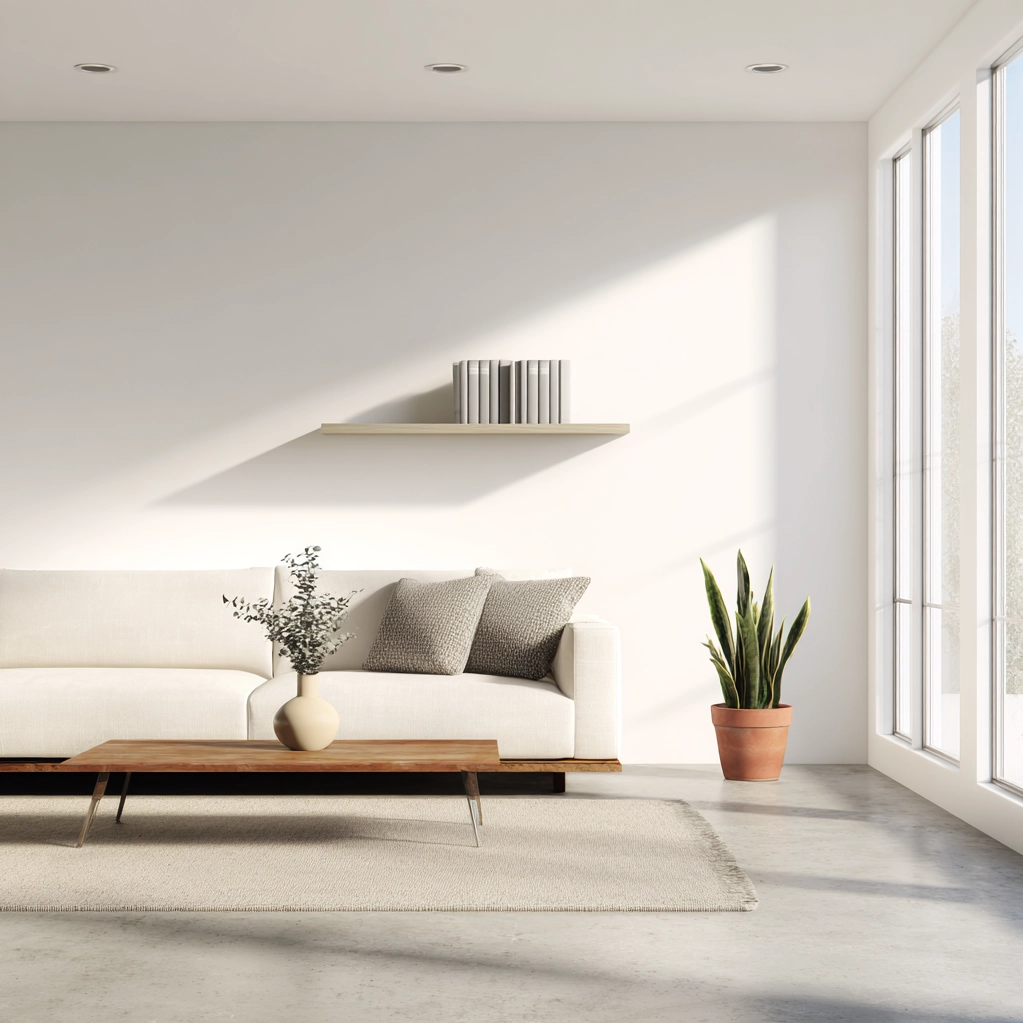
Starting your minimalist journey can feel overwhelming, but focusing on core principles makes the process manageable and rewarding. First, embrace the 'one in, one out' rule—for every new item you bring into a room, remove something you no longer need or love. This simple practice prevents clutter from accumulating while encouraging mindful consumption. Second, prioritize functionality by assessing each object's purpose in your space. Ask yourself: does this item serve a daily need, bring me joy, or have sentimental value? If not, it might be time to let it go. Third, create visual breathing room by leaving surfaces clear and maintaining consistent negative space around furniture. This doesn't mean your rooms should feel empty, but rather that each element has room to shine without competing for attention. Color plays a crucial role in minimalist room inspo—stick to a neutral palette with one or two accent colors to maintain cohesion and calm. Natural materials like wood, stone, and linen add warmth and texture without overwhelming the senses. Lighting is another key consideration; maximize natural light whenever possible and use layered artificial lighting to create inviting atmospheres at different times of day. Remember that minimalism is a personal journey—what works for one person might not work for another. Start small with a single drawer or shelf, gradually applying these principles throughout your space as you gain confidence and clarity about what truly matters in your home environment.
Transformative Minimalist Room Inspo for Every Space
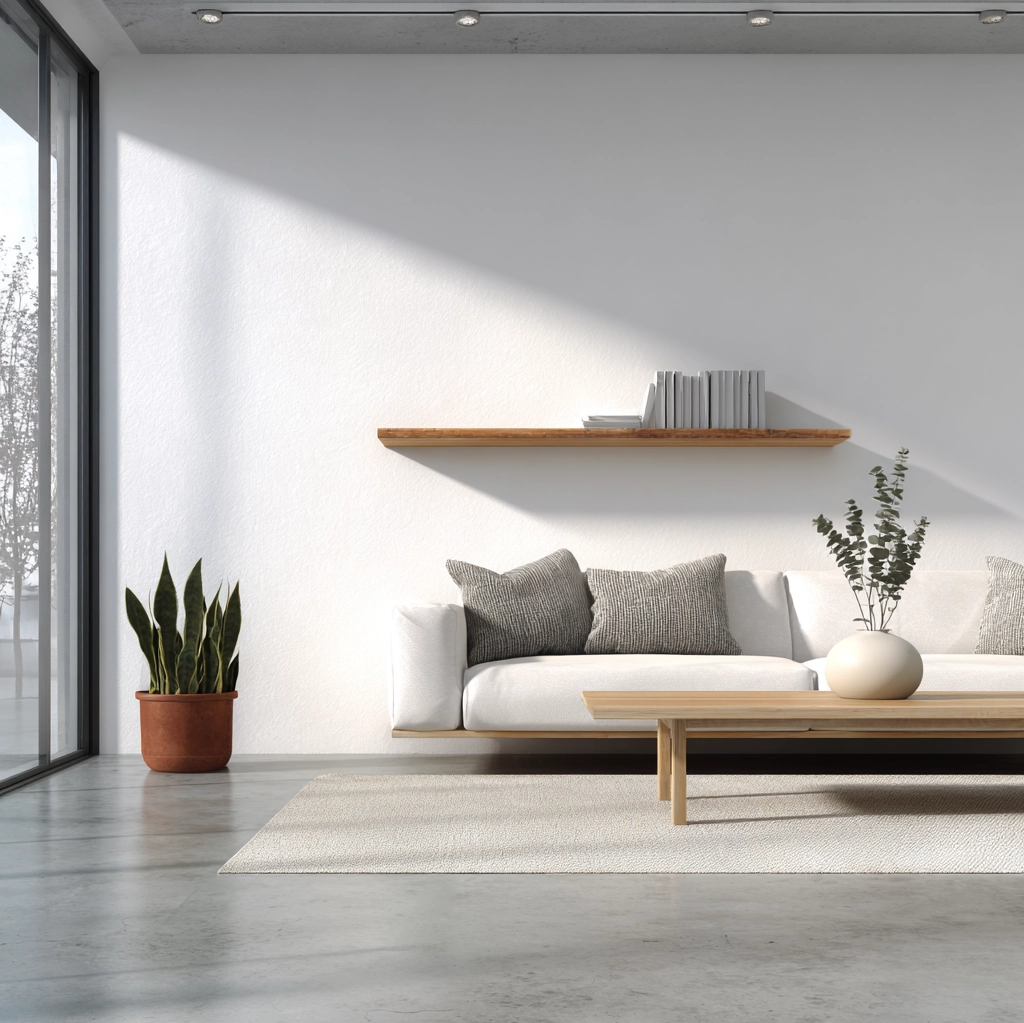
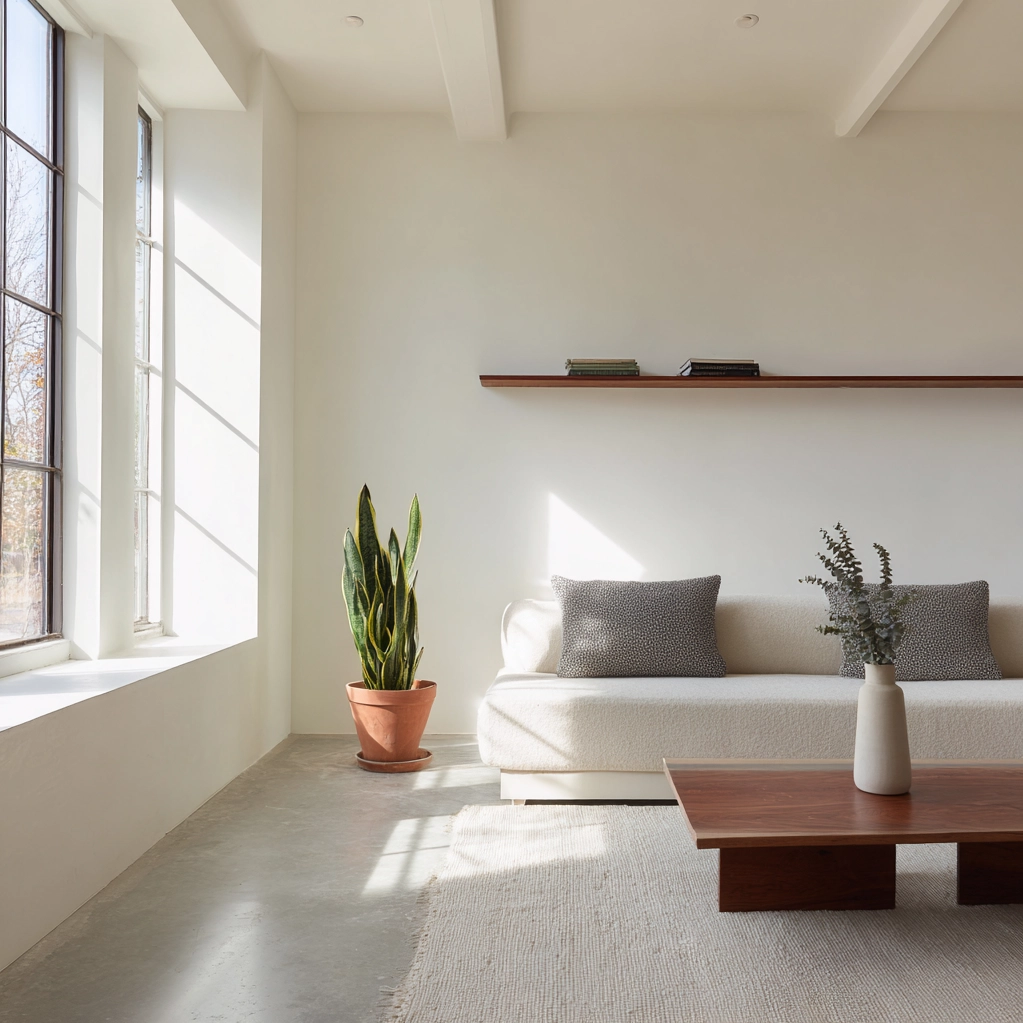
Applying minimalist principles to different rooms requires tailored approaches that respect each space's unique functions. In living rooms, focus on creating conversation-friendly arrangements with streamlined furniture that serves multiple purposes. A comfortable sofa with clean lines, a simple coffee table with hidden storage, and a single statement piece of art can transform a cluttered gathering space into an inviting retreat. For bedrooms, minimalist room inspo emphasizes rest and relaxation. Start with a quality mattress and bedding in soothing colors, then add only essential nightstands and lighting. Keep surfaces clear except for a few carefully chosen items like a book or a small plant. Bathrooms benefit tremendously from minimalism—install floating shelves for toiletries, use matching containers for products, and maintain a monochromatic color scheme to create spa-like tranquility. Home offices demand special attention to functionality; invest in a comfortable chair and desk with built-in cable management, then limit decor to items that inspire productivity without causing distraction. Kitchens present unique challenges with their numerous tools and appliances, but implementing a 'use it or lose it' policy for gadgets and maintaining clear countertops can work wonders. Throughout your home, consistent storage solutions help maintain minimalist aesthetics while keeping essentials accessible. Remember that transformative minimalist room inspo isn't about achieving perfection overnight—it's about creating systems and habits that support simplicity in your daily life, allowing each space to serve its intended purpose beautifully and efficiently.
Sustaining Your Minimalist Room Inspo Over Time
Creating a minimalist space is an achievement, but maintaining it requires ongoing attention and intentional habits. The most successful minimalist homes aren't static museums—they're living spaces that evolve with their inhabitants while staying true to core simplicity principles. Regular decluttering sessions, perhaps seasonally or biannually, help prevent accumulation of unnecessary items. During these sessions, reassess each object's value and purpose in your current life phase. Digital minimalism deserves equal attention; organize your devices and online spaces to complement your physical environment's calm. Develop daily habits like making your bed immediately, putting items back in their designated places after use, and dealing with mail and paperwork promptly. These small routines prevent clutter from building up and make deep cleaning much easier. When considering new purchases, implement a waiting period—often 24-48 hours—to determine if you genuinely need the item or if the desire will pass. Quality should always trump quantity; invest in durable, timeless pieces that will serve you well for years rather than cheap items that need frequent replacement. Minimalist room inspo also extends to how you use your spaces—create designated zones for specific activities to maintain order and purpose. For families, involve all members in maintaining minimalist principles through age-appropriate responsibilities and regular discussions about what 'enough' means for your household. Remember that life circumstances change, and your minimalist approach should adapt accordingly—what works during one season might need adjustment during another. The goal isn't rigid perfection but creating a home environment that consistently supports your wellbeing and values.
Common Minimalist Room Inspo Mistakes and How to Avoid Them
Even with the best intentions, people often encounter pitfalls when implementing minimalist design principles. One frequent mistake is confusing minimalism with emptiness—creating sterile, uninviting spaces that lack personality and comfort. The solution is to incorporate meaningful personal touches while maintaining simplicity. Display a few cherished photographs in matching frames, include textiles with texture, or add living plants to bring warmth and vitality. Another common error is underestimating storage needs, leading to 'hidden clutter' that eventually surfaces. Invest in quality storage solutions that complement your design aesthetic while keeping essentials organized and accessible. Many beginners also make the mistake of trying to achieve everything at once, which leads to burnout and frustration. Instead, tackle one room or even one area at a time, celebrating small victories along the way. Some people misinterpret minimalist room inspo as requiring expensive designer furniture, but true minimalism values function and quality regardless of price point. You can create beautiful minimalist spaces with budget-friendly finds by focusing on clean lines and versatile pieces. Lighting is another area where mistakes commonly occur—either too harsh or insufficient for the space's needs. Layer different light sources (overhead, task, ambient) to create flexibility throughout the day. Finally, the most significant mistake is comparing your journey to others' perfectly curated social media feeds. Minimalism is personal, and your version should reflect your lifestyle, needs, and aesthetic preferences. By recognizing these common pitfalls and implementing practical solutions, you can create a minimalist home that feels authentically yours while providing the peace and clarity this design philosophy promises.
Conclusion
Minimalist room inspo offers more than just aesthetic appeal—it provides a framework for creating homes that truly support our wellbeing in an increasingly complex world. By embracing simplicity, intentionality, and functionality, we transform our living spaces from mere shelters into sanctuaries that promote peace, productivity, and joy. The journey toward minimalism isn't about achieving a picture-perfect magazine spread but about discovering what matters most to you and designing your environment accordingly. As you implement these principles, you'll likely notice positive ripple effects beyond your physical space—reduced decision fatigue, increased appreciation for what you have, and more mental clarity for pursuing what truly matters in life. Looking forward, the minimalist movement continues evolving to address contemporary challenges like sustainability and digital clutter. Future minimalist room inspo will likely incorporate even smarter storage solutions, multifunctional furniture for smaller living spaces, and greater emphasis on biophilic design elements that connect us with nature. Whatever direction the trend takes, the core principles of intentional living and mindful consumption will remain relevant. Start your minimalist journey today by choosing one small area to transform—perhaps a bedside table or a single shelf. Notice how even this minor change affects your daily experience. Remember that minimalism is a practice, not a destination, and each step toward simplicity brings you closer to creating the serene, purposeful home you deserve.
Frequently Asked Questions
Q: Does minimalist design mean I have to get rid of all my personal items and decorations?
Absolutely not. Minimalist room inspo emphasizes intentionality rather than emptiness. The goal is to keep items that serve a purpose, bring you joy, or hold meaningful value. You should definitely keep personal items and decorations that matter to you—just be selective about how many you display at once. Consider rotating seasonal decorations or creating curated displays of your favorite pieces rather than having everything out simultaneously. Quality photographs in simple frames, a few cherished mementos, or meaningful artwork can all enhance minimalist spaces when chosen thoughtfully. The key is ensuring each item has breathing room and contributes positively to your environment without creating visual clutter.
Q: How can I create a minimalist bedroom that still feels cozy and inviting?
Creating a cozy minimalist bedroom involves balancing simplicity with comfort elements. Start with a neutral color palette for walls and large furniture, then add warmth through textiles. Layer different textures with a quality duvet, soft throw blankets, and plush pillows in complementary tones. Incorporate natural materials like wood for furniture and woven baskets for storage. Lighting is crucial—use dimmable overhead lights and add bedside lamps with warm bulbs for evening ambiance. Keep surfaces mostly clear but include a few carefully chosen items like a small plant, a single piece of art, or a stack of favorite books. Ensure your mattress and bedding are comfortable and supportive, as quality sleep is the ultimate purpose of any bedroom. The result should feel restful and inviting while maintaining the clean, uncluttered aesthetic of minimalist design.
Q: What's the best way to start implementing minimalist principles if my home feels completely overwhelmed with clutter?
Begin with a single, manageable area rather than trying to tackle your entire home at once. Many people find success starting with a bathroom drawer, a single shelf, or a small corner that feels particularly chaotic. Set aside 15-30 minutes to sort items into four categories: keep, donate, recycle, and trash. For items you keep, ensure they have a designated home. Once you've completed one small area, you'll build momentum and confidence to tackle slightly larger spaces. Another effective approach is the 'one room challenge'—focus exclusively on one room until it feels complete before moving to another. Remember that progress, not perfection, is the goal. Take before-and-after photos to document your journey and celebrate small victories. As you work through different areas, you'll develop a clearer sense of what you truly need and value, making subsequent decisions easier. Be patient with yourself—transforming an overwhelmed space takes time, but each step brings you closer to the calm, organized home you're creating.