
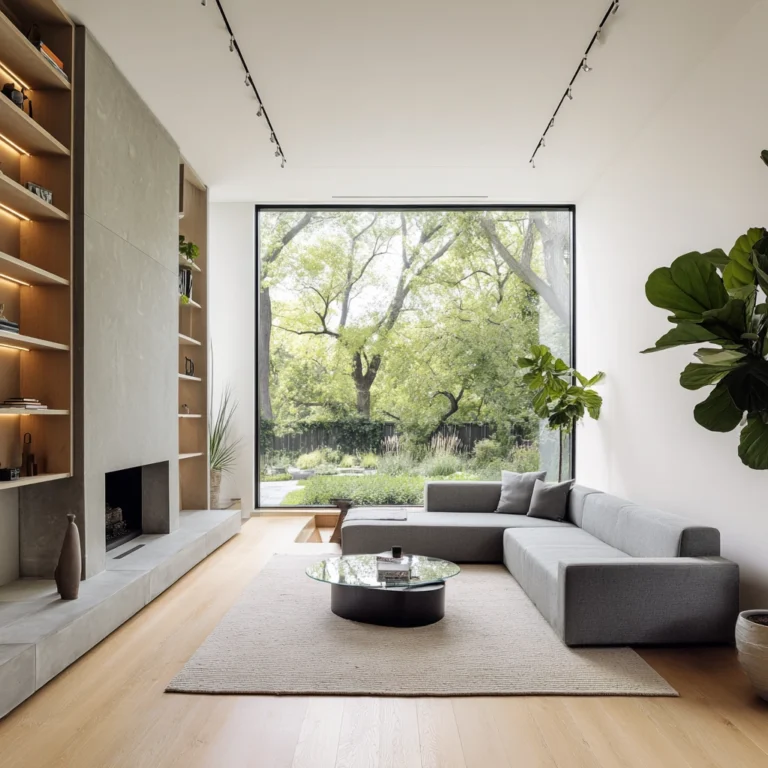
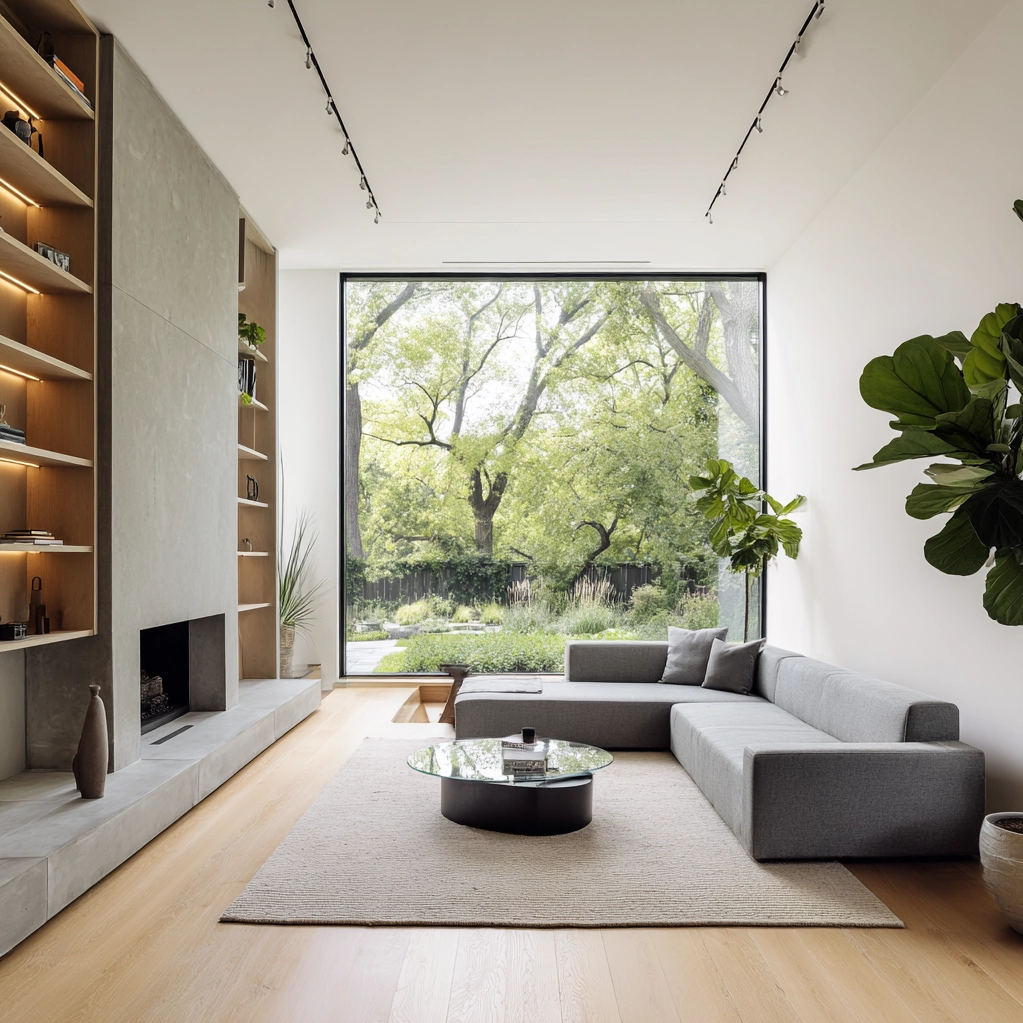
Modern house design represents more than just an architectural style; it’s a philosophy that transforms how we live, work, and interact with our surroundings. This approach to residential architecture emphasizes clean lines, open spaces, and a seamless connection between indoor and outdoor environments, creating homes that are not only visually striking but also profoundly functional. The importance of modern house design lies in its ability to respond to contemporary lifestyles while addressing environmental concerns through sustainable materials and energy-efficient solutions. As our lives become increasingly fast-paced and technology-driven, these designs offer sanctuaries of simplicity and order. They prioritize natural light, airflow, and uncluttered spaces that promote mental clarity and physical comfort. Whether you’re building a new home or renovating an existing space, understanding the principles of modern house design can help you create environments that are both beautiful and practical. This design movement has evolved from the mid-century modern aesthetic to incorporate current innovations in materials and technology. It’s not just about minimalism for its own sake, but about creating homes that genuinely enhance daily living through thoughtful spatial arrangements and material choices. The best modern house designs achieve a perfect balance between form and function, proving that practical living spaces can also be works of art that inspire and uplift their inhabitants every day.
Essential Elements of Modern House Design
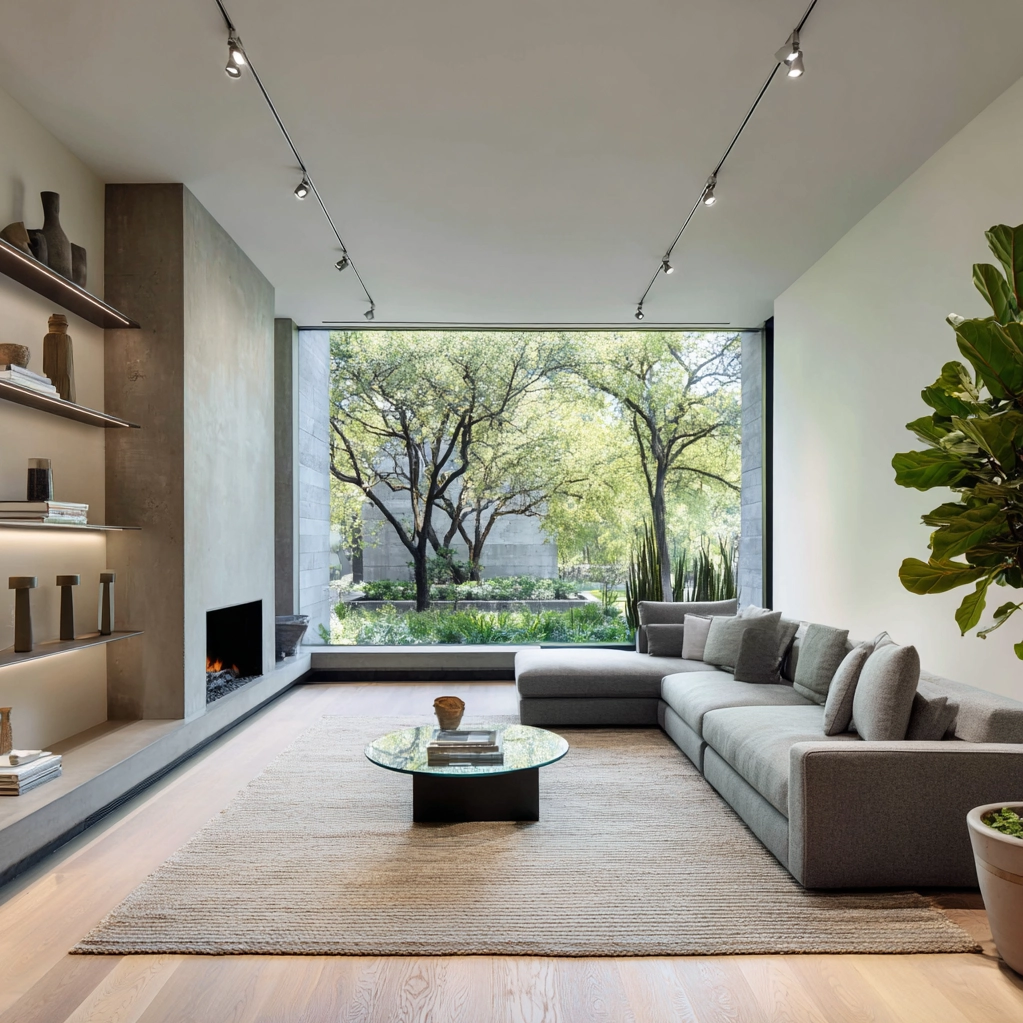
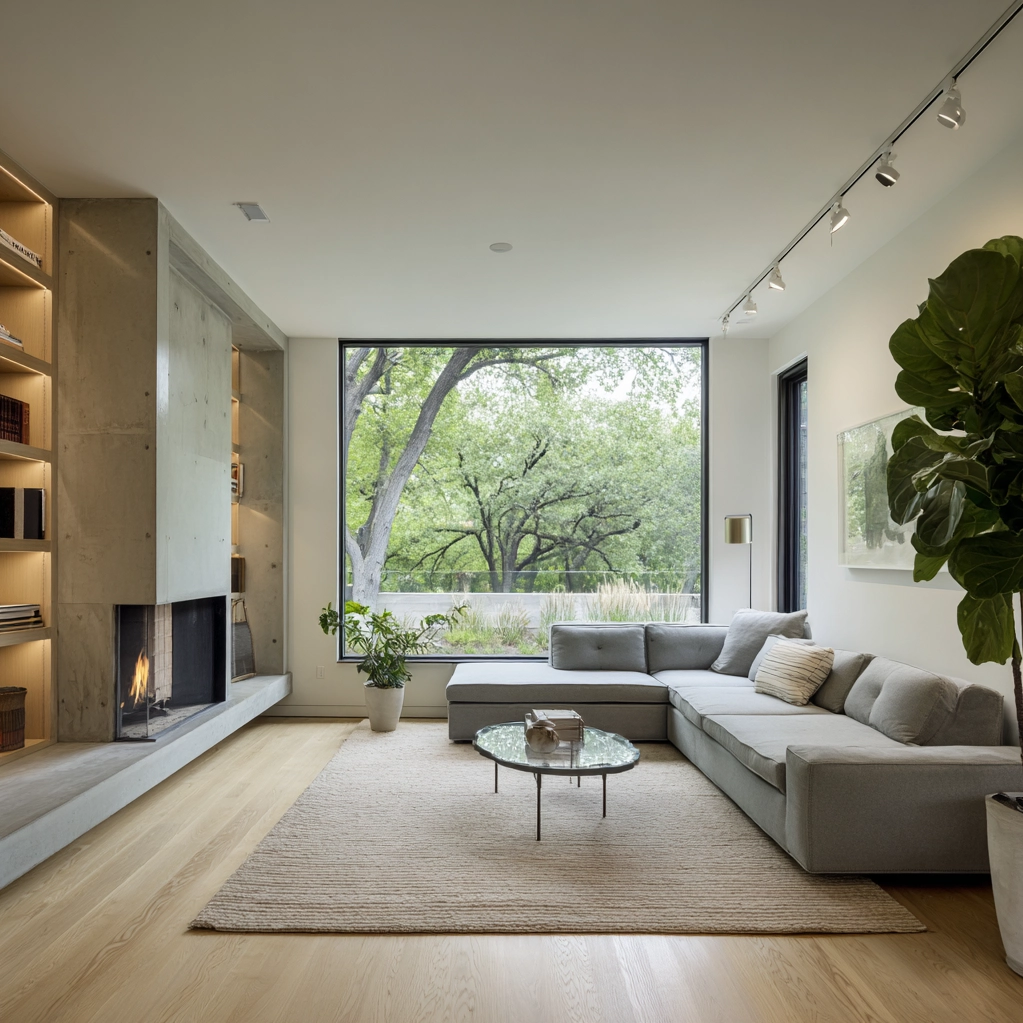
Understanding the essential elements of modern house design is crucial for creating spaces that truly embody this architectural philosophy. Clean lines and geometric forms form the foundation of this aesthetic, with straight edges and simple shapes replacing ornate details and decorative flourishes. Large windows and glass walls are another hallmark, serving multiple purposes: they flood interiors with natural light, create visual connections to the outdoors, and make spaces feel larger and more open. Open floor plans represent a revolutionary departure from traditional compartmentalized layouts, allowing for flexible living arrangements and improved social interaction. The thoughtful integration of indoor and outdoor spaces creates a seamless flow that enhances both the functionality and beauty of a home. Material selection plays a critical role in modern house design, with an emphasis on natural materials like wood, stone, and concrete used in honest, straightforward ways. These materials are often left in their natural state or given simple finishes that highlight their inherent textures and characteristics. Neutral color palettes dominated by whites, grays, and earth tones create calm, sophisticated backgrounds that allow architectural features and carefully selected furnishings to stand out. This minimalist approach to color and material creates spaces that feel serene and timeless, avoiding trends that quickly become dated. Every element in modern house design serves a purpose, whether functional, aesthetic, or both, creating homes that are as practical as they are beautiful.
Key Principles for Successful Modern House Design
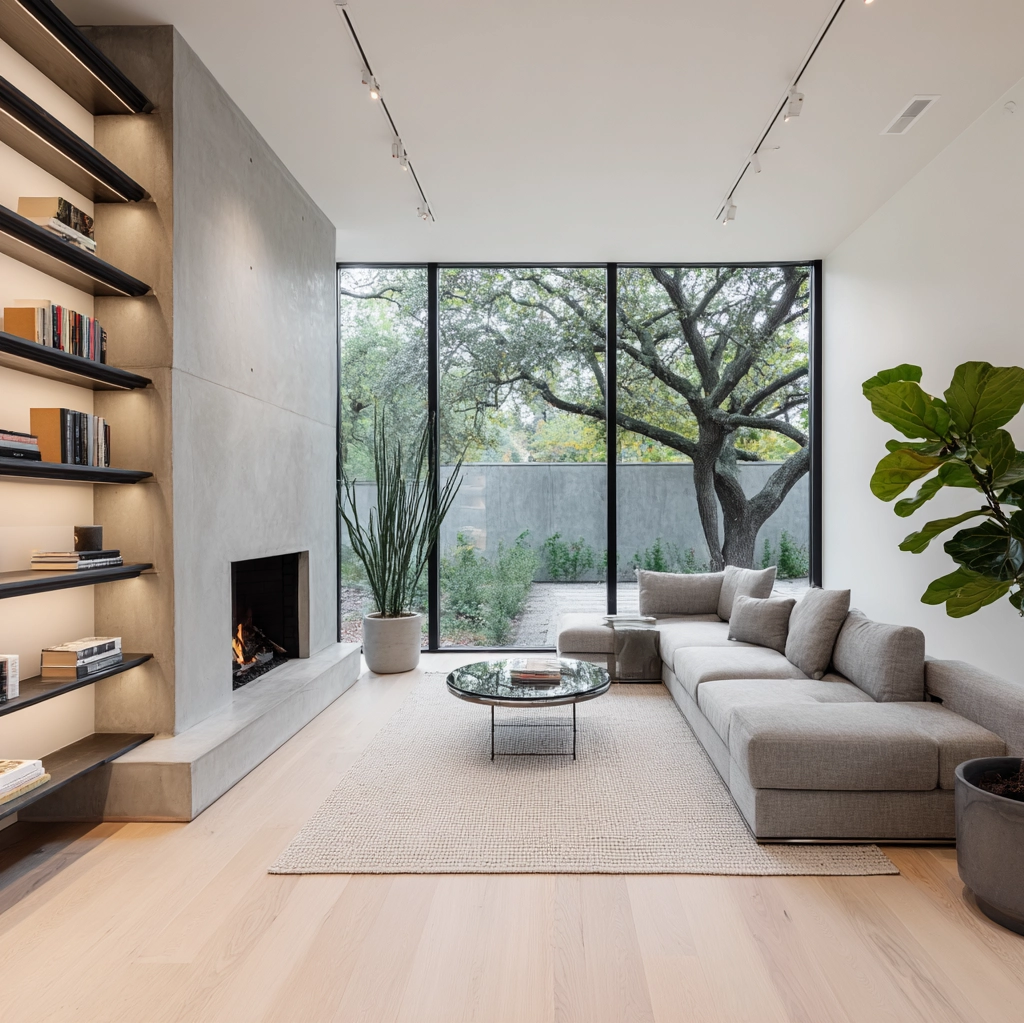
Successful modern house design follows several key principles that distinguish it from other architectural approaches. First and foremost is the concept of "form follows function," meaning that every design decision should serve a practical purpose rather than purely decorative intent. This principle ensures that spaces are not only beautiful but also highly functional for daily living. The emphasis on simplicity and minimalism involves removing unnecessary elements and focusing on what truly matters, creating environments that are calm and uncluttered. This doesn't mean spaces feel cold or sterile; rather, it's about thoughtful editing and purposeful design choices. Integration with the surrounding environment is another crucial principle, where modern house design seeks to create harmony between the built structure and its natural setting. This might involve orienting the house to maximize solar gain, framing specific views through strategic window placement, or using materials that complement the local landscape. The principle of honest material expression involves using materials in ways that reveal their true nature rather than covering them with decorative finishes. Exposed structural elements, visible mechanical systems, and natural material textures become part of the design vocabulary. Technological integration represents an important modern principle, with smart home systems, energy-efficient appliances, and sustainable building techniques becoming standard features. These principles work together to create homes that are not just visually appealing but also responsive to contemporary needs and environmental responsibilities. They ensure that modern house design remains relevant and meaningful in today's rapidly changing world.
Practical Applications in Modern House Design
The practical applications of modern house design principles can be seen in various aspects of residential architecture and interior design. In spatial planning, modern approaches prioritize flow and flexibility, with multi-functional spaces that can adapt to different needs throughout the day. This might include living areas that seamlessly transition into dining spaces, or home offices that can convert into guest rooms. Storage solutions become integrated architectural elements rather than afterthoughts, with built-in cabinetry and clever hidden storage maintaining the clean aesthetic. Lighting design receives special attention in modern house design, with a combination of natural and artificial lighting carefully planned to enhance both functionality and atmosphere. Large windows provide abundant daylight, while strategically placed artificial lighting creates layers of illumination for different activities and moods. Sustainable features represent practical applications that benefit both homeowners and the environment. These might include solar panels, rainwater collection systems, high-performance insulation, and energy-efficient HVAC systems. Modern house design also addresses practical considerations like accessibility and aging-in-place, with features like wider doorways, zero-threshold entries, and single-level living incorporated in thoughtful ways. In terms of materials and finishes, practical applications include durable surfaces that are easy to maintain, such as polished concrete floors, quartz countertops, and low-maintenance exterior cladding. Technology integration goes beyond smart home systems to include features like electric vehicle charging stations, home automation for security and energy management, and high-speed internet infrastructure. These practical applications demonstrate how modern house design solves real-world problems while creating beautiful living environments that enhance quality of life.
Conclusion
Modern house design represents a comprehensive approach to residential architecture that successfully balances aesthetics, functionality, and environmental responsibility. Through its emphasis on clean lines, open spaces, natural materials, and technological integration, this design philosophy creates homes that are both beautiful and practical. The principles of modern house design address contemporary living needs while offering solutions for sustainable development and improved quality of life. As we look to the future, modern house design will continue to evolve, incorporating new materials, technologies, and insights about how people want to live. The growing emphasis on wellness and connection to nature suggests that biophilic design elements will become even more prominent, with living walls, indoor gardens, and natural ventilation systems becoming standard features. Smart home technology will become more seamlessly integrated, with artificial intelligence helping to optimize energy use and create personalized living environments. Modular and prefabricated construction methods may make modern house design more accessible to a wider range of homeowners. Most importantly, the core values of modern house design—simplicity, functionality, and harmony with the environment—will remain relevant as people seek homes that support their lifestyles rather than complicate them. Whether you're planning a new build or a renovation, embracing these principles can help you create a home that is not only visually striking but also genuinely enhances your daily life. The future of residential design lies in creating spaces that are both human-centered and environmentally responsible, and modern house design provides the perfect framework for achieving this balance.
Frequently Asked Questions
Q: What makes modern house design different from contemporary design?
Modern house design refers specifically to the architectural style that emerged in the early to mid-20th century, characterized by clean lines, minimal ornamentation, and emphasis on function. It has specific principles and historical roots in movements like Bauhaus and International Style. Contemporary design, on the other hand, refers to what is popular and current at any given time—it's constantly evolving and may incorporate elements from various styles, including modern, traditional, and eclectic influences. While modern design has established rules and characteristics, contemporary design is more fluid and reflects current trends.
Q: Can modern house design work in traditional neighborhoods?
Yes, modern house design can work beautifully in traditional neighborhoods when executed thoughtfully. The key is to respect the scale, massing, and setbacks of surrounding homes while maintaining modern design principles. This might involve using materials that complement neighboring houses, such as brick or wood siding in colors that harmonize with the existing palette. The modern elements can be expressed through cleaner lines, larger windows, and simplified details rather than creating a completely contrasting structure. Many architects successfully blend modern sensibilities with contextual considerations, creating homes that feel both fresh and respectful of their surroundings. Proper landscaping and thoughtful placement can also help modern designs integrate seamlessly into traditional neighborhoods.
Q: Is modern house design more expensive to build than traditional styles?
Modern house design can sometimes have higher upfront costs due to specific materials, custom details, and advanced systems, but it often provides long-term savings and value. The clean lines and simple forms can actually reduce construction costs by eliminating ornate details and complex roof lines. However, features like large expanses of glass, high-quality minimalist finishes, and integrated technology systems may increase initial expenses. The emphasis on energy efficiency and sustainable materials often leads to lower utility bills and maintenance costs over time. Many modern designs also make efficient use of space, potentially reducing the overall square footage needed. Ultimately, costs depend on specific design choices, materials, and the level of customization. Working with an experienced architect can help balance budget considerations with design goals to create a modern home that meets both aesthetic and financial parameters.