
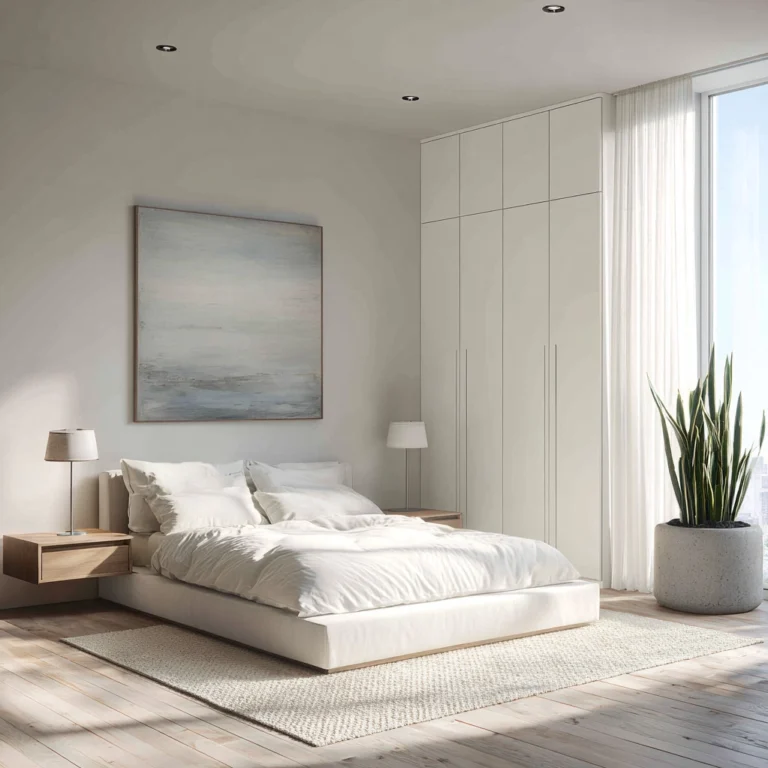
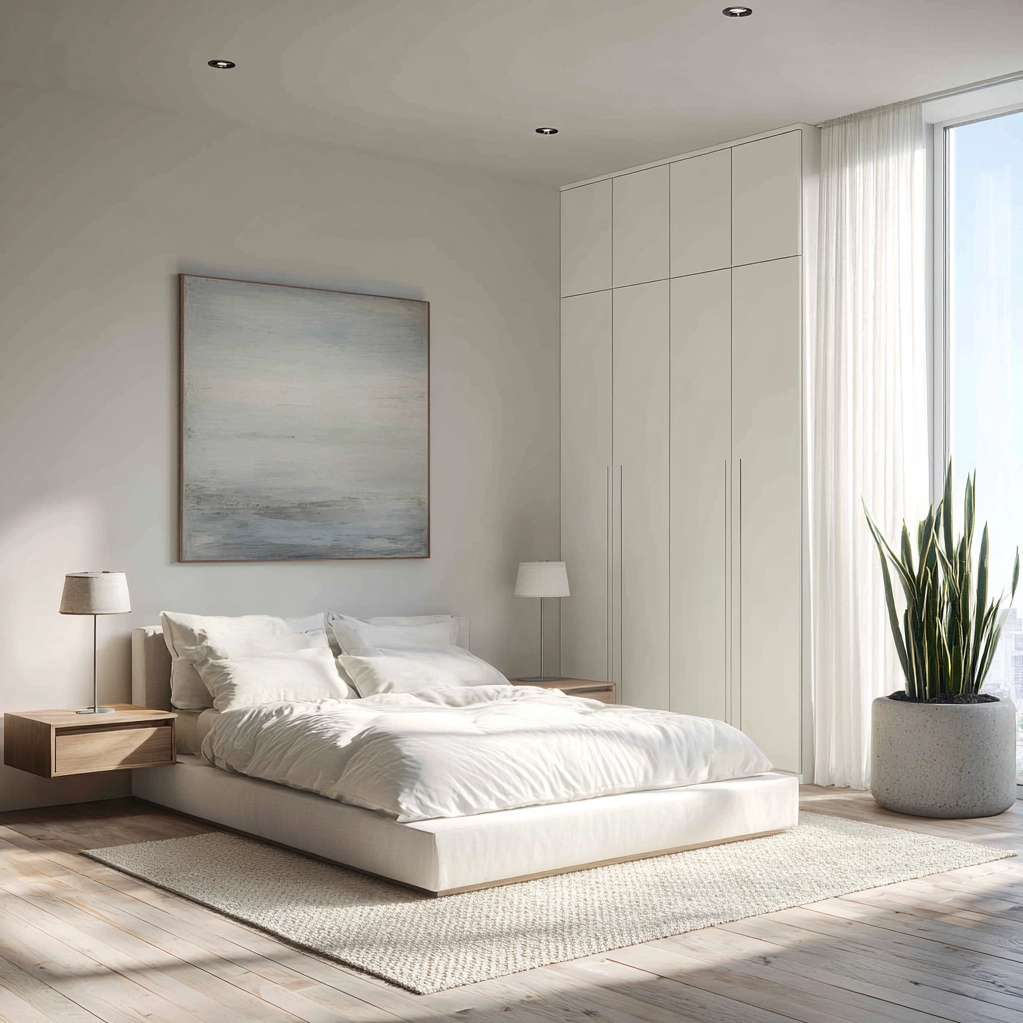
The modern master bedroom is more than just a place to sleep—it’s a sanctuary for relaxation, rejuvenation, and personal expression. In today’s fast-paced world, creating a bedroom that promotes tranquility and comfort has become essential for mental and physical well-being. Modern design principles offer clean lines, thoughtful organization, and harmonious aesthetics that transform ordinary sleeping quarters into extraordinary retreats. This evolution in bedroom design reflects our growing need for spaces that support both rest and daily routines. A well-designed modern master bedroom can significantly impact your quality of life, providing a peaceful escape from daily stresses. It’s where you start and end each day, making its design crucial for setting positive tones. The shift toward minimalist yet functional spaces has redefined what we expect from our personal sanctuaries. Modern bedrooms emphasize simplicity without sacrificing comfort, creating environments that feel both sophisticated and inviting. This article explores how to achieve this balance through smart design choices. We’ll look at key elements that define contemporary bedroom aesthetics and how they contribute to creating spaces that truly feel like home. Whether you’re planning a complete renovation or simple updates, understanding modern bedroom principles can help you create a space that supports your lifestyle while looking effortlessly stylish. The importance of this personal haven cannot be overstated—it’s where you recharge, reflect, and prepare for whatever comes next.
Essential Elements of Modern Master Bedrooms
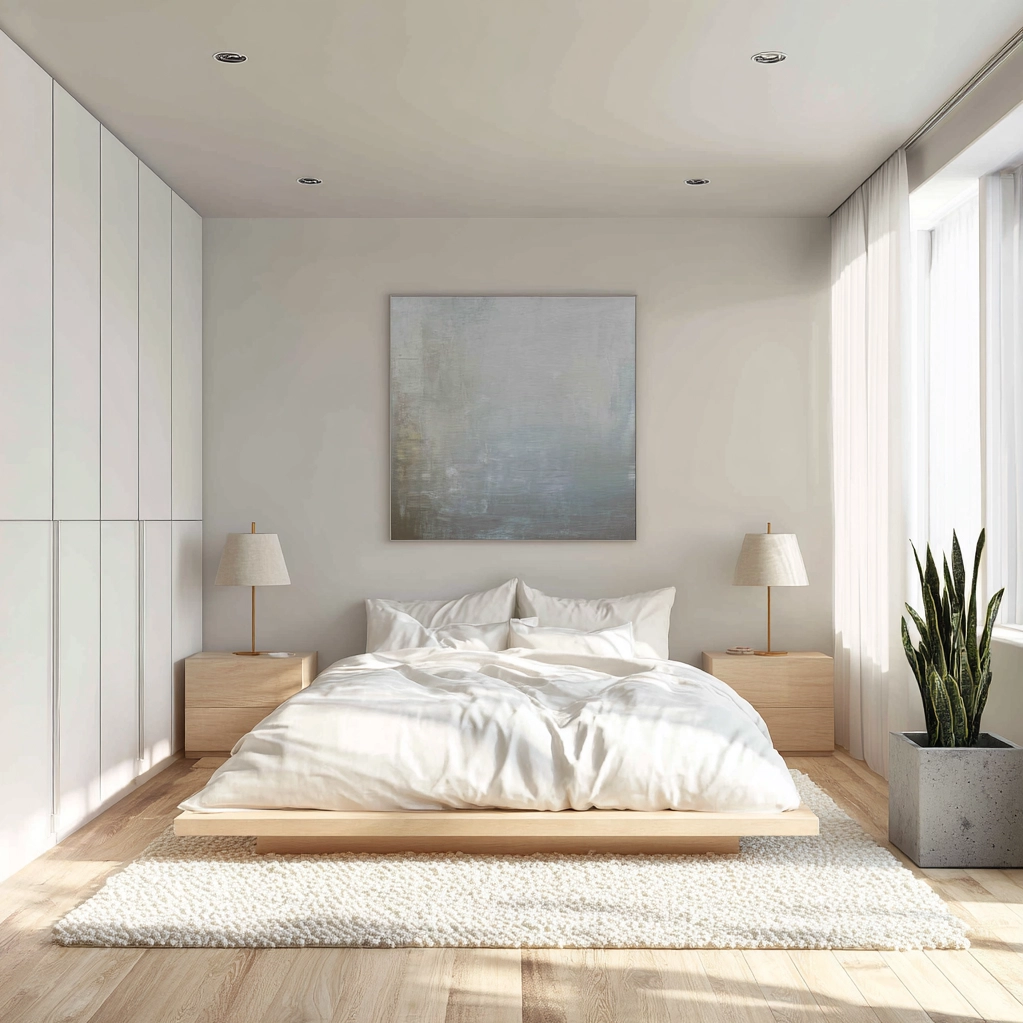
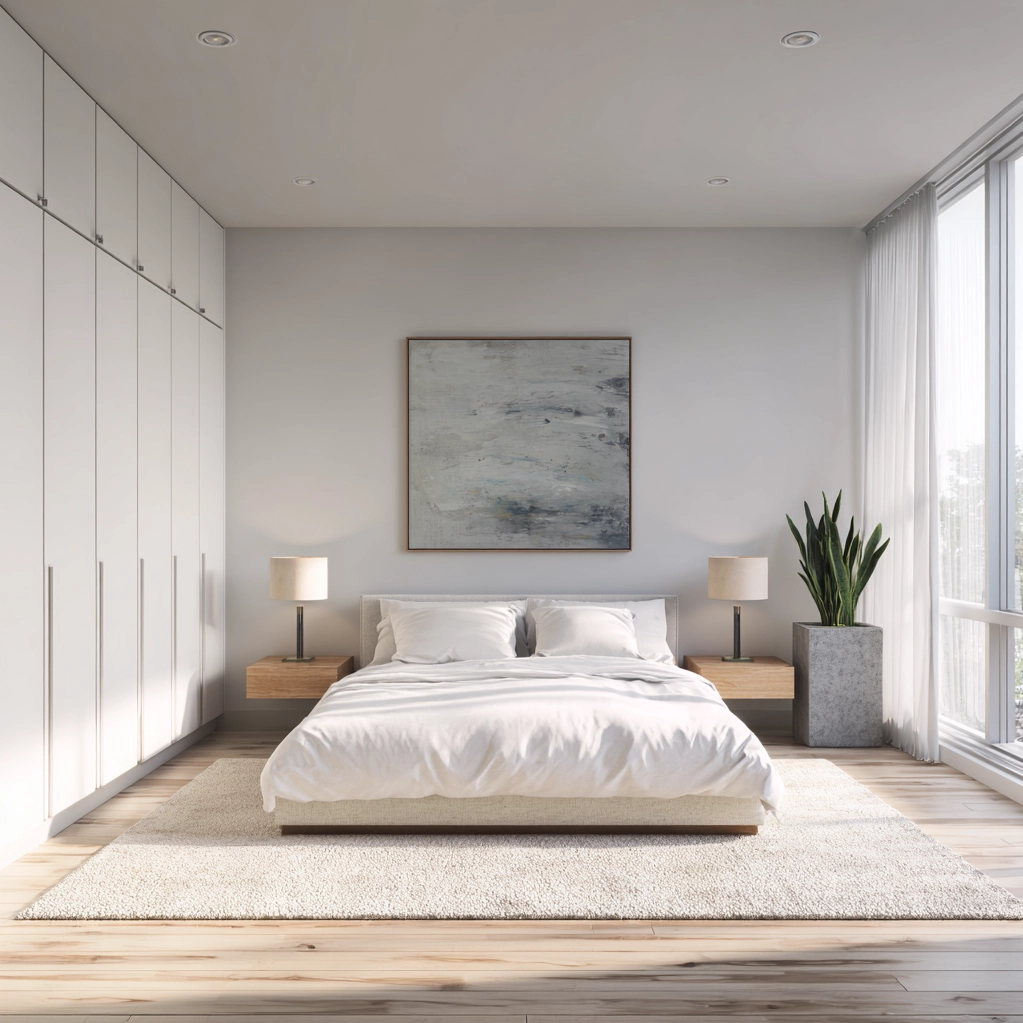
Modern master bedrooms achieve their distinctive look through specific design elements that work together to create cohesive, calming spaces. The foundation begins with a neutral color palette—think shades of white, gray, beige, or soft blues that create a serene backdrop. These colors promote relaxation while allowing other design features to stand out. Clean lines and minimal ornamentation define the aesthetic, with furniture featuring simple silhouettes and smooth surfaces. Natural materials like wood, stone, and linen add warmth and texture without overwhelming the space. Strategic lighting plays a crucial role, with layered approaches combining ambient, task, and accent lighting. Recessed ceiling lights provide general illumination, while bedside lamps offer focused light for reading. Thoughtful storage solutions maintain the minimalist appearance by keeping clutter out of sight. Built-in wardrobes, under-bed storage, and floating nightstands help maximize space while maintaining clean lines. The layout should prioritize flow and accessibility, with clear pathways and functional zones for sleeping, dressing, and relaxing. Window treatments should be simple and practical, often using blackout curtains or streamlined blinds that complement the room's aesthetic. These elements work together to create modern master bedrooms that feel both sophisticated and comfortable, proving that simplicity doesn't mean sacrificing personality or warmth.
Modern Master Bedrooms with Smart Storage Solutions
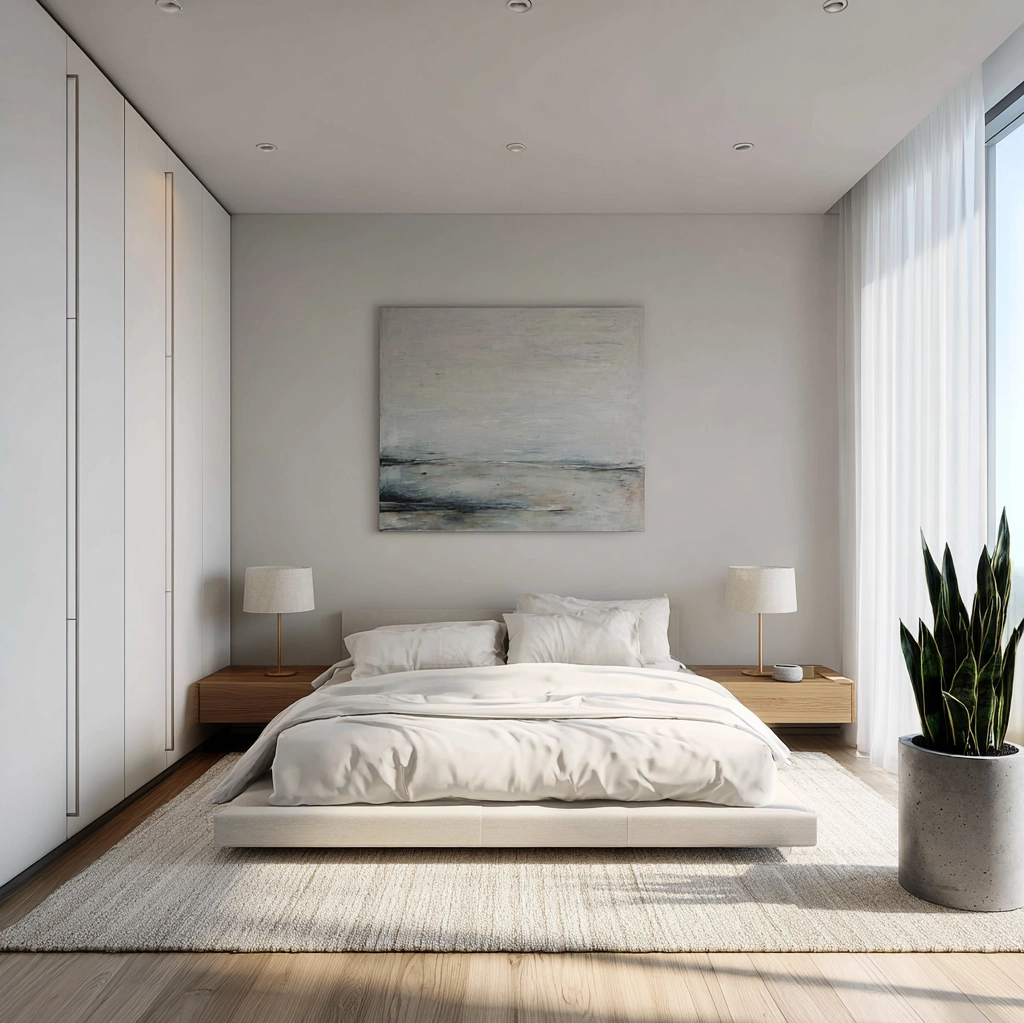
One of the hallmarks of successful modern master bedrooms is intelligent storage that maintains the clean, uncluttered aesthetic. Contemporary design prioritizes hidden storage that keeps personal items organized without visual distraction. Built-in wardrobes with floor-to-ceiling doors create seamless walls of storage, often using push-to-open mechanisms that eliminate visible handles. These can be customized with interior organizers for clothing, accessories, and other essentials. Platform beds with integrated drawers provide valuable storage for linens, off-season clothing, or personal items, utilizing space that would otherwise go unused. Floating nightstands with slim profiles offer surface space for essentials while maintaining an airy feel. Many modern master bedrooms incorporate walk-in closets with systematic organization, using uniform hangers, clear bins, and designated zones for different clothing categories. For smaller spaces, multifunctional furniture provides clever solutions—a storage bench at the foot of the bed, a dresser that doubles as a media console, or shelves that serve as both display and storage. The key is maintaining consistency in materials and finishes, ensuring storage elements blend seamlessly with the overall design. Proper organization systems within storage areas prevent clutter from accumulating, supporting the minimalist philosophy. These solutions prove that modern master bedrooms can be both beautiful and practical, offering ample storage without compromising the serene atmosphere that defines contemporary design.
Creating Serene Modern Master Bedrooms with Lighting and Textiles
Lighting and textiles transform modern master bedrooms from simple sleeping areas into truly restful retreats. Lighting design in contemporary bedrooms follows a layered approach that accommodates different activities and moods throughout the day. Ambient lighting, often from recessed ceiling fixtures or discreet track lighting, provides overall illumination without harshness. Task lighting at bedside areas ensures comfortable reading, with adjustable wall sconces or minimalist table lamps that don't overwhelm nightstands. Accent lighting highlights architectural features or artwork, adding depth and visual interest. Many modern master bedrooms incorporate smart lighting systems with dimmers and programmable settings that adjust throughout the day. Textiles introduce softness and warmth to balance the clean lines of contemporary furniture. High-quality bedding in natural fibers like cotton or linen creates comfort while maintaining the minimalist aesthetic. Area rugs define sleeping zones and add texture underfoot, often using neutral tones with subtle patterns. Window treatments should provide light control and privacy while complementing the room's design—think motorized shades or simple drapery panels in complementary fabrics. Layering different textiles creates visual interest without clutter: a wool throw at the foot of the bed, velvet accent pillows, or a knitted pouf in a corner. These elements work together to establish the calming atmosphere essential to modern master bedrooms, proving that careful attention to lighting and soft furnishings elevates the entire space from functional to truly restorative.
Personalizing Your Modern Master Bedrooms
While modern design emphasizes simplicity, successful modern master bedrooms still reflect the personalities of those who inhabit them. Personalization comes through curated details that add character without creating visual clutter. Artwork becomes a focal point, with one or two significant pieces rather than crowded gallery walls. Large-scale photographs, abstract paintings, or sculptural elements can anchor the room while maintaining clean lines. Plants introduce life and natural elements, with low-maintenance varieties like snake plants or pothos adding greenery without demanding constant attention. Personal collections should be displayed thoughtfully—a few favorite books on a shelf, meaningful objects on a dresser, or travel souvenirs arranged intentionally. Texture plays a crucial role in personalization, with different materials creating visual interest: a chunky knit blanket, smooth marble surfaces, or brushed metal accents. Even within a neutral color palette, subtle variations in tone add depth and sophistication. Technology integration should be seamless, with charging stations built into furniture and speakers discreetly placed. The key is intentionality—every item should serve a purpose or bring genuine joy. Modern master bedrooms achieve personal expression through quality over quantity, with each chosen element contributing to the overall harmony of the space. This approach creates rooms that feel both designed and lived-in, proving that contemporary aesthetics can comfortably accommodate personal history and preferences.
Conclusion
Modern master bedrooms represent more than just a design trend—they reflect a fundamental shift in how we approach personal spaces for rest and rejuvenation. By combining clean aesthetics with practical functionality, these rooms create sanctuaries that support both physical comfort and mental well-being. The journey through essential elements, smart storage, thoughtful lighting, and personalization reveals how contemporary design principles can transform ordinary bedrooms into extraordinary retreats. As we move forward, the evolution of modern master bedrooms will likely continue to emphasize sustainability, with eco-friendly materials and energy-efficient solutions becoming standard. Technology integration will become increasingly seamless, supporting rest rather than distracting from it. The focus will remain on creating spaces that promote genuine relaxation in our increasingly busy lives. Looking ahead, the most successful modern master bedrooms will balance timeless design principles with adaptability to changing needs and preferences. Whether you're starting from scratch or refreshing an existing space, remember that the goal is creating a room that feels uniquely yours while providing the tranquility you deserve. Begin with one element that speaks to you—whether it's simplifying your color palette, improving your storage, or upgrading your lighting—and build from there. Your modern master bedroom should be a reflection of what brings you peace, designed to support your best rest and daily renewal.
Frequently Asked Questions
Q: What colors work best in modern master bedrooms?
Neutral color palettes are most effective in modern master bedrooms, creating serene backdrops that promote relaxation. Shades of white, gray, beige, and soft blues or greens work particularly well. These colors provide flexibility for adding texture and accent elements while maintaining the clean, uncluttered aesthetic central to contemporary design. You can introduce subtle variations within these neutral families—for example, combining warm grays with cool whites—to add depth without overwhelming the space. If you want to incorporate bolder colors, do so sparingly through artwork, accent pillows, or a single statement piece of furniture. The key is maintaining balance, ensuring the overall feel remains calm and cohesive.
Q: How can I make my modern master bedroom feel cozy without clutter?
Creating coziness in modern master bedrooms comes through texture and lighting rather than additional items. Layer different textiles—a plush area rug, quality bedding in natural fibers, and a soft throw blanket at the foot of the bed. Incorporate warm materials like wood accents, whether through furniture, flooring, or decorative elements. Lighting is crucial: use dimmers on overhead lights, add bedside lamps with warm bulbs, and consider indirect lighting options like wall sconces. Plants also add life and warmth without creating clutter. The goal is to engage multiple senses—soft textures underfoot, warm lighting for the eyes, natural materials that feel substantial—while maintaining the clean lines and organized spaces that define modern design.
Q: What furniture is essential for modern master bedrooms?
Essential furniture for modern master bedrooms includes a platform bed with clean lines, nightstands with simple designs, and adequate storage solutions. The bed should be the focal point, often with a low profile and minimal headboard. Nightstands can be floating or have slim profiles to maintain an airy feel. Storage is crucial—either a dresser with smooth surfaces or built-in wardrobes that blend with the walls. A comfortable chair or small seating area can be included if space allows, using designs with geometric shapes and neutral upholstery. Each piece should serve a clear function while contributing to the overall aesthetic. Avoid overcrowding; modern design values open space and clear pathways, so choose furniture that fits proportionally and leaves room to move comfortably.