
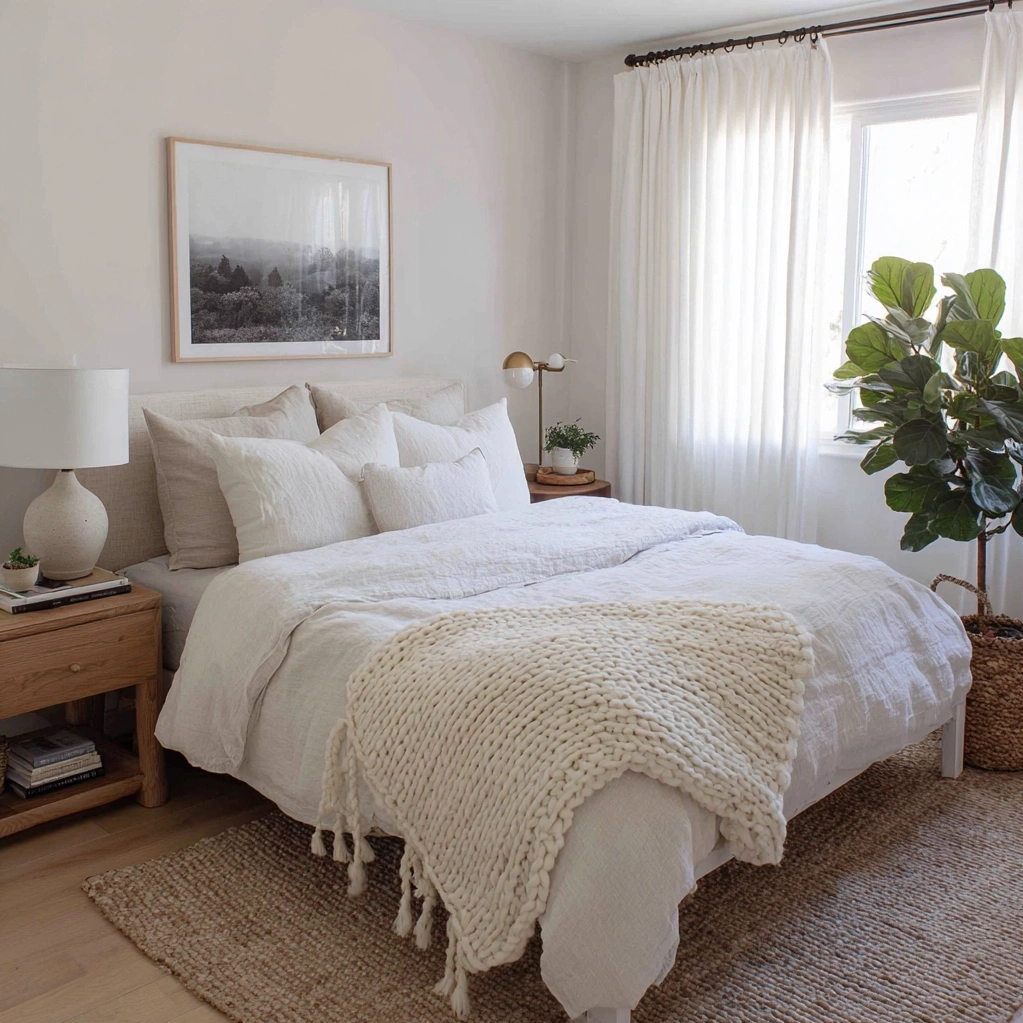
Imagine a space where stress melts away the moment you enter—a sanctuary designed for rest, rejuvenation, and peace. This is the power of a neutral bedroom, a design approach that goes beyond mere aesthetics to transform your sleep environment into a haven of calm. In today’s fast-paced world, where screens and stimuli constantly demand our attention, creating a bedroom that promotes relaxation has become more important than ever. A neutral palette provides the perfect foundation for this restorative atmosphere, offering versatility, timelessness, and psychological benefits that colorful spaces often can’t match. Whether you’re starting from scratch or looking to refresh your existing decor, exploring neutral bedroom inspirations can help you craft a room that feels both sophisticated and soothing. The magic of neutrals lies in their ability to adapt to changing tastes and seasons while maintaining a cohesive, elegant look. From soft beiges and warm taupes to cool grays and crisp whites, these hues work together to create depth and interest without overwhelming the senses. This article will guide you through 13 essential secrets for achieving the perfect neutral bedroom, helping you balance texture, light, and personal touches to build a space that truly feels like home. Get ready to discover how subtle tones can make a powerful impact on your daily life and well-being.
Neutral Bedroom Inspirations: Laying the Foundation with Color and Texture
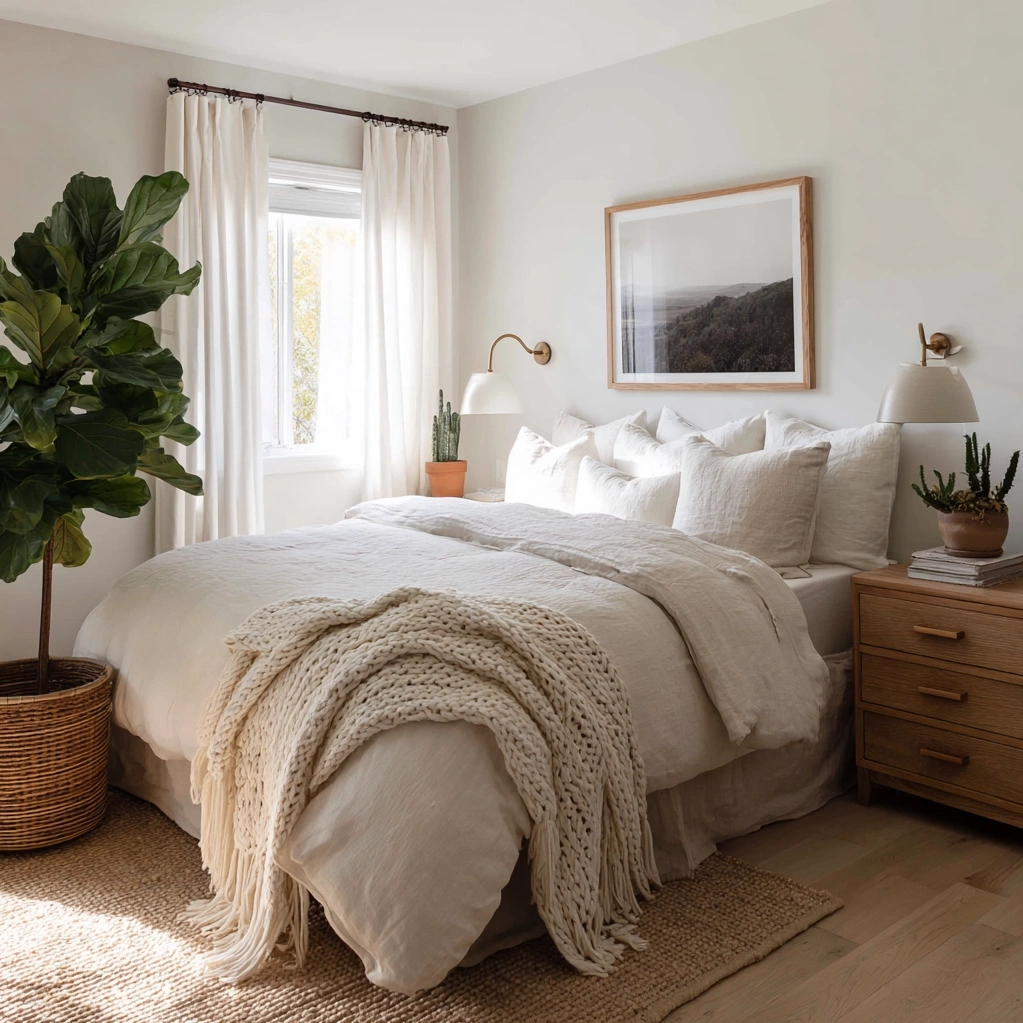
The first step in creating a stunning neutral bedroom is understanding how to build a layered foundation. Start by selecting your primary neutral—this might be a warm beige, a soft gray, or a creamy white for your walls and larger furniture pieces. These base colors set the tone for the entire room. Once you have your foundation, introduce texture to prevent the space from feeling flat or sterile. Think about incorporating a chunky knit throw on the bed, linen curtains that filter light beautifully, or a wool area rug that adds warmth underfoot. Texture creates visual interest and tactile comfort, making your neutral bedroom feel inviting rather than bland. Consider mixing materials like wood, metal, and woven elements to add dimension. A reclaimed wood nightstand next to a brushed brass lamp, for example, creates contrast while staying within the neutral palette. Don't forget about layering different shades of neutrals—a room painted entirely in one flat color can feel monotonous. Instead, use varying tones to create depth. You might choose a light taupe for the walls, a darker charcoal for an accent chair, and an off-white for bedding. This approach keeps the room cohesive while adding subtle complexity. Remember that texture isn't just about fabrics and finishes—it's also about pattern. A subtle herringbone throw pillow or a geometric jute rug can introduce pattern without introducing color, maintaining your neutral theme while preventing visual boredom. These foundational elements work together to create a bedroom that feels rich, comfortable, and intentionally designed.
Mastering Lighting in Your Neutral Bedroom Inspirations
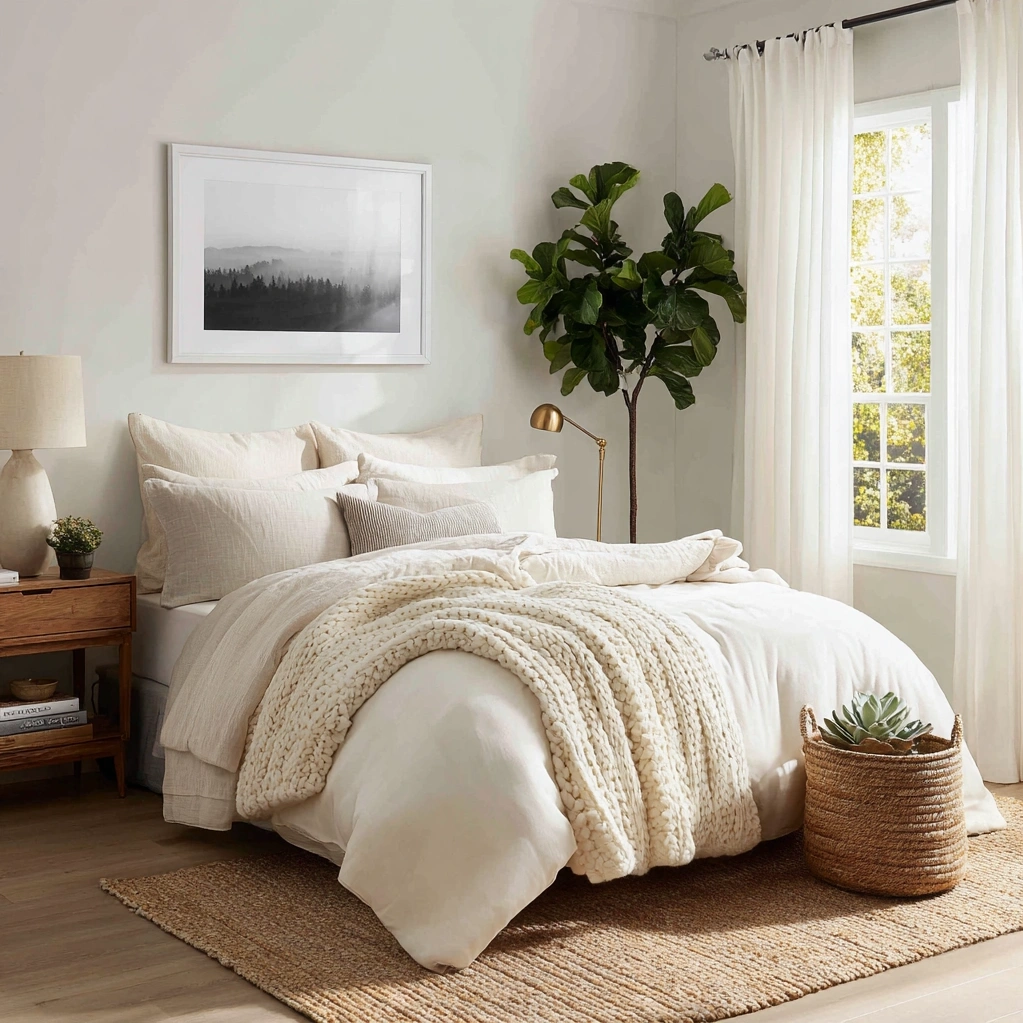
Lighting plays a crucial role in bringing your neutral bedroom inspirations to life. The right lighting can enhance the warmth and depth of neutral tones, creating an atmosphere that shifts beautifully from morning to night. Begin with natural light—maximize it wherever possible. Sheer, neutral-colored curtains allow daylight to filter in softly, highlighting the textures and subtle color variations in your room. For artificial lighting, implement a layered approach. Start with ambient lighting, such as a central ceiling fixture with a warm-white bulb. Then add task lighting beside the bed—consider wall-mounted sconces or table lamps with fabric shades that diffuse light gently. Finally, incorporate accent lighting to highlight architectural features or artwork. Dimmable switches are particularly valuable in a neutral bedroom, allowing you to adjust the mood throughout the day. In the evening, lower lighting levels help signal to your body that it's time to wind down. Pay attention to color temperature when selecting bulbs. Warm white bulbs (2700K-3000K) complement most neutral palettes, enhancing beiges, taupes, and creams without casting harsh blue tones. If your room features cooler grays, you might opt for a slightly cooler white, but generally, warm lighting creates a cozier atmosphere. Don't overlook the reflective qualities of different surfaces. A mirrored nightstand or metallic lamp base can help bounce light around the room, making it feel brighter and more spacious. Consider the placement of each light source to avoid shadows where you need clarity, such as near a reading nook or dressing area. By thoughtfully combining natural and artificial light, you can ensure your neutral bedroom feels inviting at all hours, transforming it from a simple sleeping space to a multi-functional retreat.
Personalizing Your Neutral Bedroom Inspirations with Thoughtful Accents
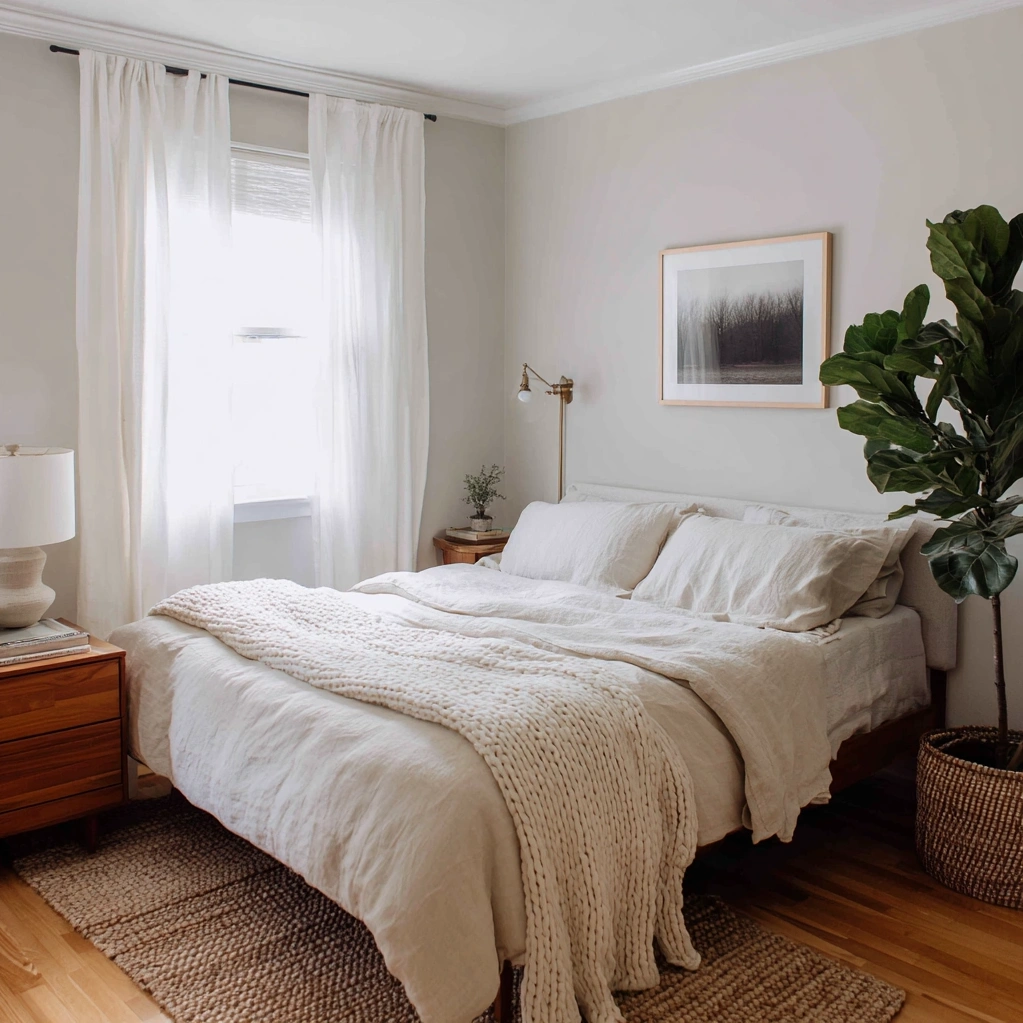
While neutral bedrooms prioritize calm and simplicity, they should never feel impersonal or sterile. The key to successful neutral bedroom inspirations lies in thoughtful personalization—adding elements that reflect your personality without disrupting the serene atmosphere. Begin with artwork. Choose pieces that feature neutral tones or black-and-white photography, framed in natural wood or simple black frames. A large abstract painting with subtle texture can become a stunning focal point. Next, consider incorporating meaningful objects—a stack of your favorite books on a nightstand, a cherished ceramic vase on a dresser, or a collection of seashells from memorable travels displayed on a shelf. These items add character without introducing jarring colors. Plants are another excellent way to personalize a neutral space while bringing life and freshness. Opt for varieties with interesting textures, like a fiddle-leaf fig with large, glossy leaves or a snake plant with upright, striped foliage. The green of plants complements neutral tones beautifully and adds a natural element that enhances wellbeing. When it comes to bedding and textiles, this is where you can play with pattern and personal style. A duvet cover with a subtle stripe or a quilt with minimal embroidery adds visual interest while maintaining the neutral theme. Finally, don't underestimate the power of scent. A diffuser with lavender or chamomile essential oils can enhance the relaxing ambiance of your bedroom. By carefully selecting and arranging personal touches, you create a space that feels uniquely yours—a true sanctuary that balances serenity with self-expression.
Conclusion
Creating the perfect neutral bedroom is about more than just choosing beige paint—it's about crafting a personal sanctuary that promotes rest, relaxation, and rejuvenation. Throughout this article, we've explored 13 essential secrets for achieving timeless tranquility through neutral bedroom inspirations. From laying a textured foundation and mastering layered lighting to adding personalized accents that reflect your unique style, each element works together to transform your sleeping space into a haven of calm. The beauty of a neutral palette lies in its versatility and longevity; unlike trendy color schemes that may feel dated in a few years, a well-designed neutral bedroom remains elegant and adaptable. As you implement these ideas, remember that balance is key—too much texture can feel chaotic, while too little can feel sterile. The same applies to personal touches; select items that truly resonate with you rather than filling the space with clutter. Looking ahead, the trend toward mindful, restorative home environments shows no signs of slowing. Your neutral bedroom can evolve with you, easily accommodating new accessories or seasonal changes without requiring a complete overhaul. Start with one small change today—perhaps swapping out bright bedding for neutral tones or adding a textured throw—and notice how it transforms your space and your mindset. Sweet dreams await in your beautifully curated neutral retreat.
Frequently Asked Questions
Q: How do I keep a neutral bedroom from feeling boring or sterile?
The key to avoiding a boring neutral bedroom is incorporating plenty of texture, layering, and personal touches. Use different materials like linen, wool, wood, and metal to create visual interest. Layer various shades of neutrals—think cream walls with taupe bedding and charcoal accents. Add texture through chunky knit throws, woven baskets, or a plush area rug. Introduce subtle patterns in your textiles, such as stripes or geometric designs in neutral tones. Finally, personalize the space with meaningful artwork, plants, and decorative objects that reflect your style without introducing jarring colors.
Q: What are the best neutral paint colors for a bedroom?
The best neutral paint colors for a bedroom depend on the light and mood you want to create. For north-facing rooms or spaces that receive less natural light, warm neutrals like beige, cream, or soft taupe can add coziness. For south-facing rooms with abundant light, cooler neutrals like light gray or greige (gray-beige) work well. Popular versatile choices include Benjamin Moore's Classic Gray, Sherwin-Williams' Repose Gray, and Farrow & Ball's Setting Plaster. Always test paint samples on your walls at different times of day to see how the color changes with light. Remember that neutrals have undertones—some grays lean blue or purple, while some beiges have pink or green undertones—so choose one that complements your existing furnishings.
Q: Can I add color to a neutral bedroom, and if so, how?
Absolutely! Adding small doses of color can enhance a neutral bedroom without overwhelming the serene atmosphere. The trick is to use color sparingly and intentionally. Consider introducing color through accessories that are easy to change, such as throw pillows, a small area rug, or artwork. Earthy tones like sage green, terracotta, or navy blue work particularly well with neutral bases. You might add a single colorful accent piece—a velvet chair in a muted hue or a ceramic vase with a subtle glaze. Another approach is to bring in color through natural elements like fresh flowers or green plants. Keep colored elements to about 10-20% of the room's visual space to maintain the calming neutral foundation. This allows you to enjoy pops of color while preserving the overall tranquil vibe.