
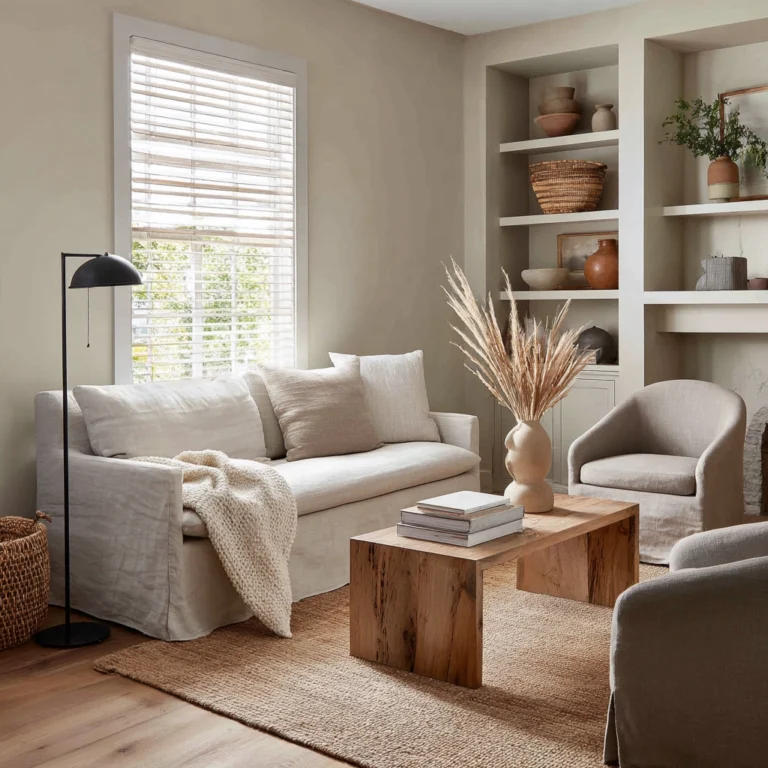
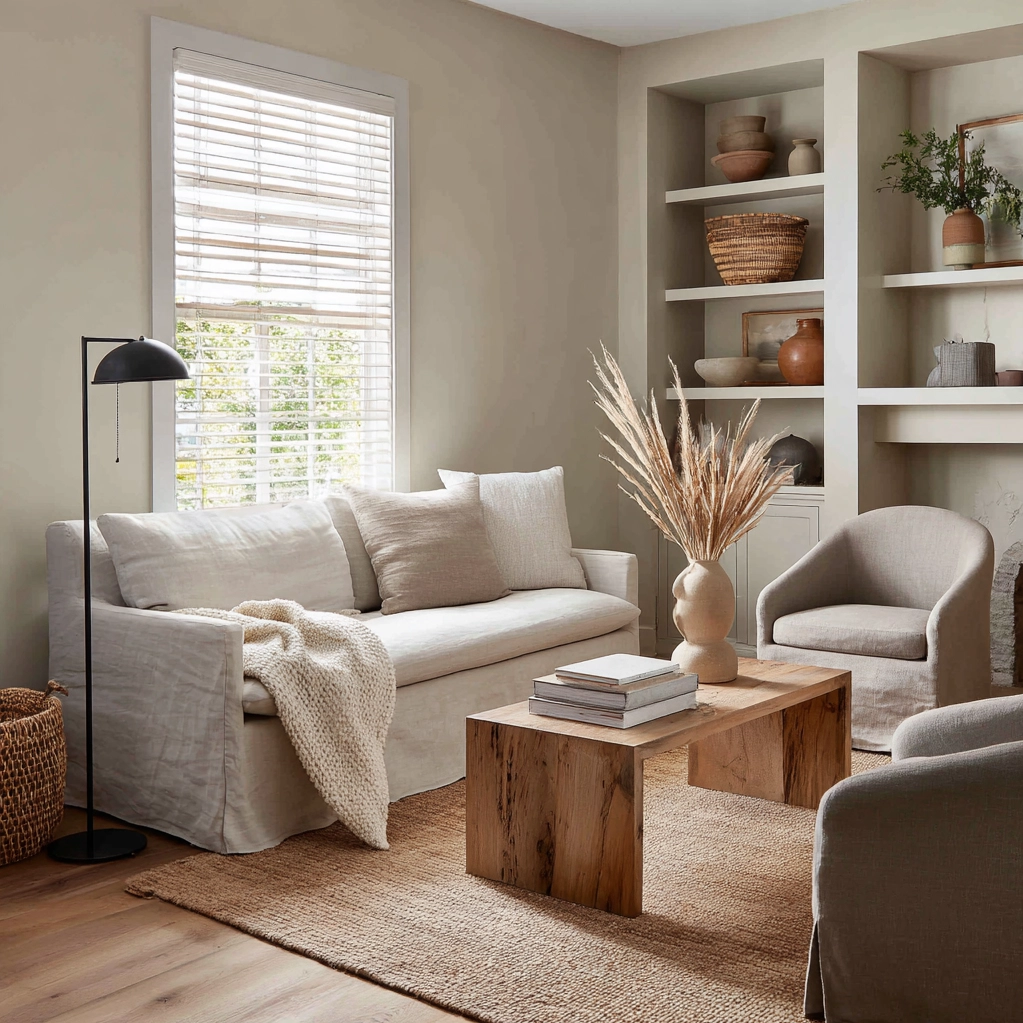
In the ever-changing world of home design, one element stands out for its enduring appeal and remarkable versatility: the neutral paint palette. Far from being bland or boring, neutral colors offer a sophisticated foundation that can transform any space into a haven of calm and elegance. Whether you’re decorating a cozy apartment or a spacious family home, choosing the right neutral shades sets the stage for a harmonious environment that reflects your personal style while accommodating future changes effortlessly. The importance of a well-chosen neutral paint palette cannot be overstated—it serves as the canvas upon which your entire design vision unfolds, allowing furniture, artwork, and accessories to shine without overwhelming competition. Unlike bold colors that may quickly feel dated or restrictive, neutral tones provide lasting beauty that adapts to evolving trends and personal preferences. Many homeowners underestimate the power of subtle variations within neutral families, but understanding these nuances can mean the difference between a flat, uninspired room and one that feels layered, inviting, and perfectly balanced. From creamy whites to warm taupes and cool greiges, each hue brings its own personality and mood to a space. Mastering the neutral paint palette means creating rooms that feel both current and timeless, offering flexibility for seasonal updates while maintaining a cohesive overall aesthetic. This approach to color selection has gained popularity for good reason—it creates spaces that are not only beautiful but also functional, promoting relaxation and comfort in every corner of your home.
Why a Neutral Paint Palette Creates Harmonious Living Spaces
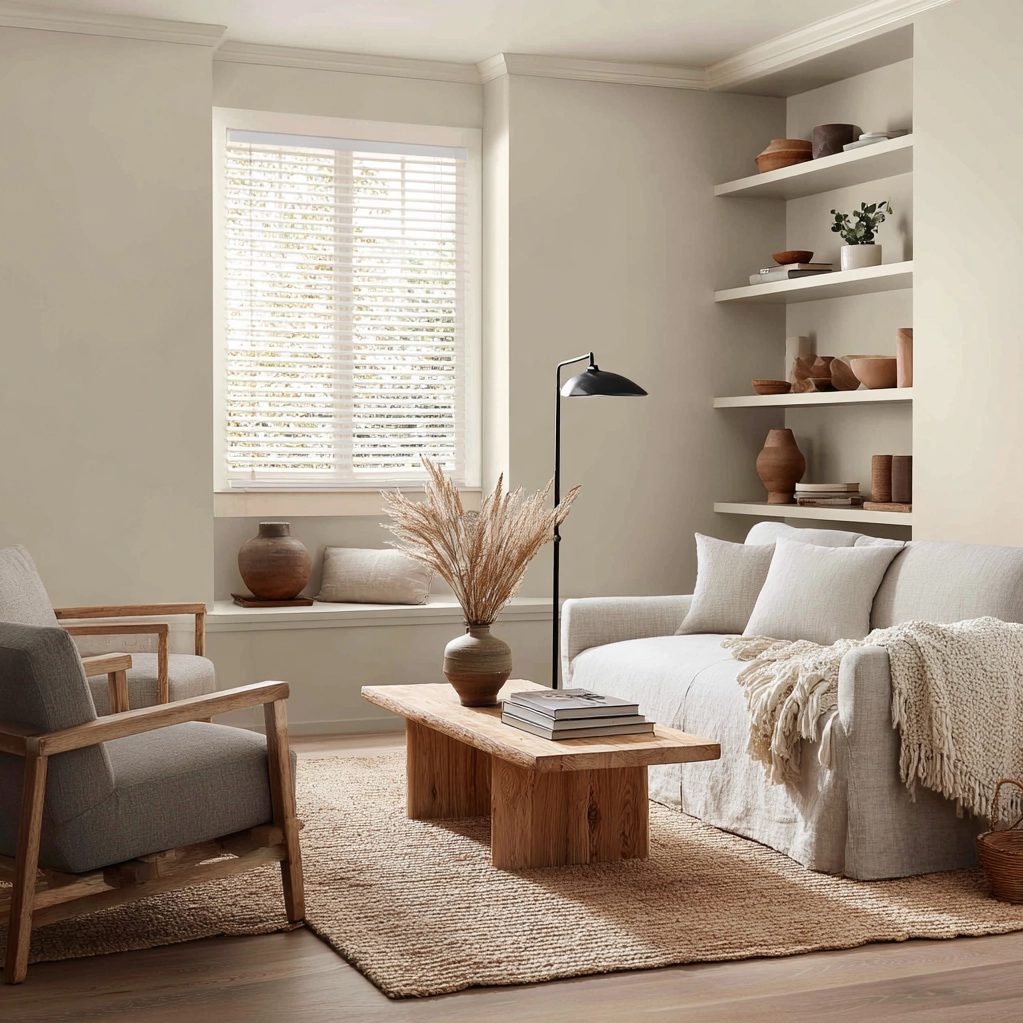
A well-executed neutral paint palette serves as the foundation for creating truly harmonious living spaces that promote both visual balance and emotional well-being. Unlike bold accent walls or vibrant color schemes that can sometimes feel overwhelming or restrictive, neutral tones work together to establish a sense of unity throughout your home. This cohesion is particularly valuable in open-concept layouts where different functional areas flow into one another. By selecting complementary neutral shades for walls, ceilings, and trim, you create a seamless visual experience that guides the eye naturally from room to room. The psychological benefits of a neutral environment are significant—these colors have been shown to reduce stress and promote relaxation, making your home feel like a true sanctuary from the outside world. Furthermore, a neutral paint palette provides the perfect backdrop for showcasing your personal style through furniture, textiles, and artwork. Your favorite pieces become the stars of the show when they're not competing with brightly colored walls for attention. This approach also allows for greater flexibility in decorating choices over time. You can easily update your space with new throw pillows, area rugs, or decorative objects without worrying about clashing with existing wall colors. For those who enjoy seasonal decorating, neutral walls make it simple to incorporate holiday touches or rotate accessories according to the time of year. The versatility extends to different lighting conditions as well—neutral colors tend to adapt beautifully to both natural and artificial light, maintaining their appeal throughout the day and evening. When selecting your neutral paint palette, consider the specific function of each room and how different shades might enhance its purpose, creating spaces that are not only beautiful but perfectly suited to your lifestyle.
Building Your Perfect Neutral Paint Palette: Essential Color Families
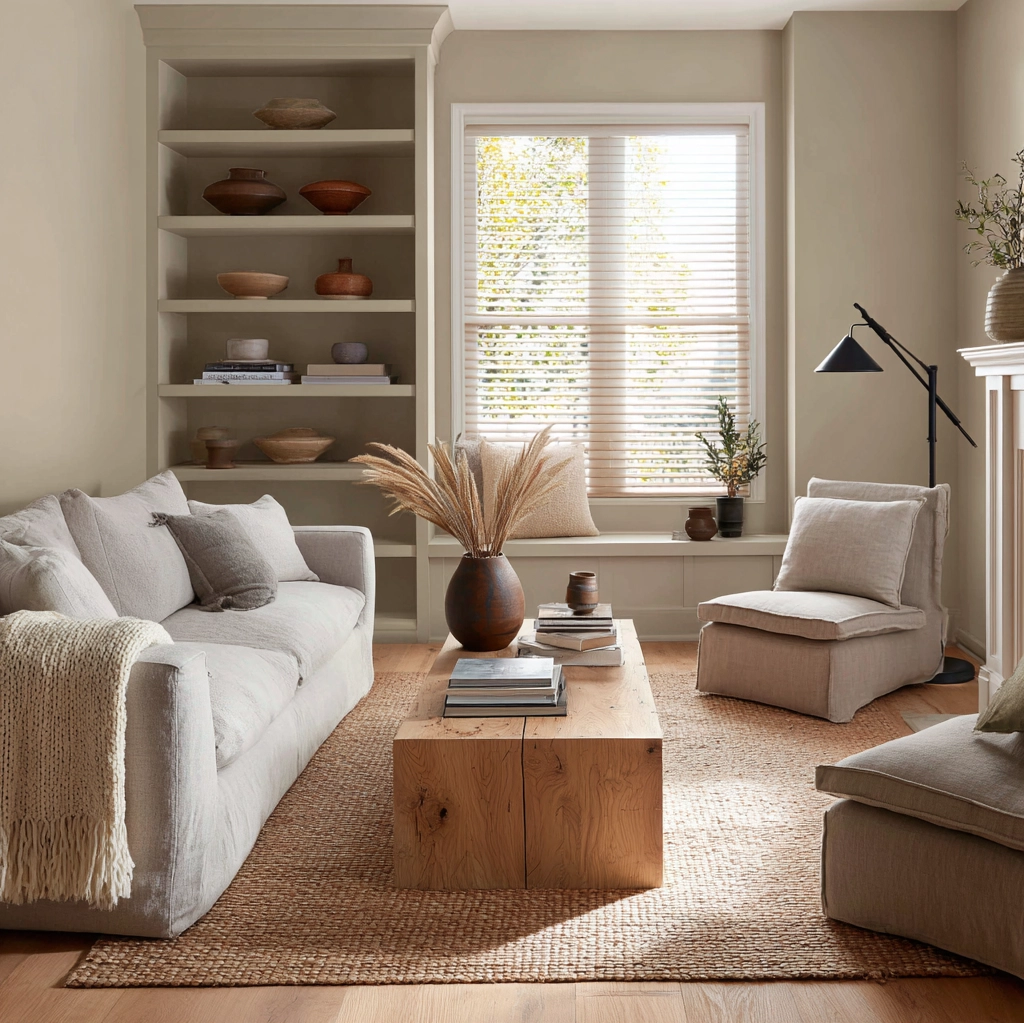
Creating your ideal neutral paint palette begins with understanding the distinct color families that fall under the neutral umbrella and how they interact with your specific space. While many people think of neutrals as simply white, beige, or gray, today's options include sophisticated blends that offer far more depth and character. Warm neutrals—think creamy whites, soft taupes, and gentle greiges with beige undertones—create inviting, cozy environments perfect for living rooms, bedrooms, and dining areas. These shades tend to make spaces feel more intimate and welcoming, especially in rooms with limited natural light. Cool neutrals, including pure whites, crisp grays, and greiges with blue or green undertones, lend a clean, contemporary feel that works beautifully in kitchens, bathrooms, and home offices. These colors can make small rooms appear more spacious and airy. Then there are the earthy neutrals—warm browns, soft clays, and muted greens—that bring organic warmth and texture to any space. When building your neutral paint palette, consider the existing elements in your room that won't change, such as flooring, cabinetry, or architectural features. Your wall colors should complement these fixed elements rather than clash with them. Testing paint samples in multiple locations and at different times of day is crucial, as natural and artificial light can dramatically alter how colors appear. Pay attention to how colors transition from room to room, ensuring a cohesive flow throughout your home. Don't be afraid to mix different neutral families—a warm beige in the living room can transition beautifully to a cooler gray in an adjacent hallway when the undertones are complementary. The key is maintaining balance and harmony while allowing each space to have its own distinct personality. Remember that sheen matters too; matte finishes absorb light for a softer look, while satin or eggshell finishes offer subtle reflectivity that can brighten a space.
Maximizing Impact with Your Neutral Paint Palette Through Texture and Contrast
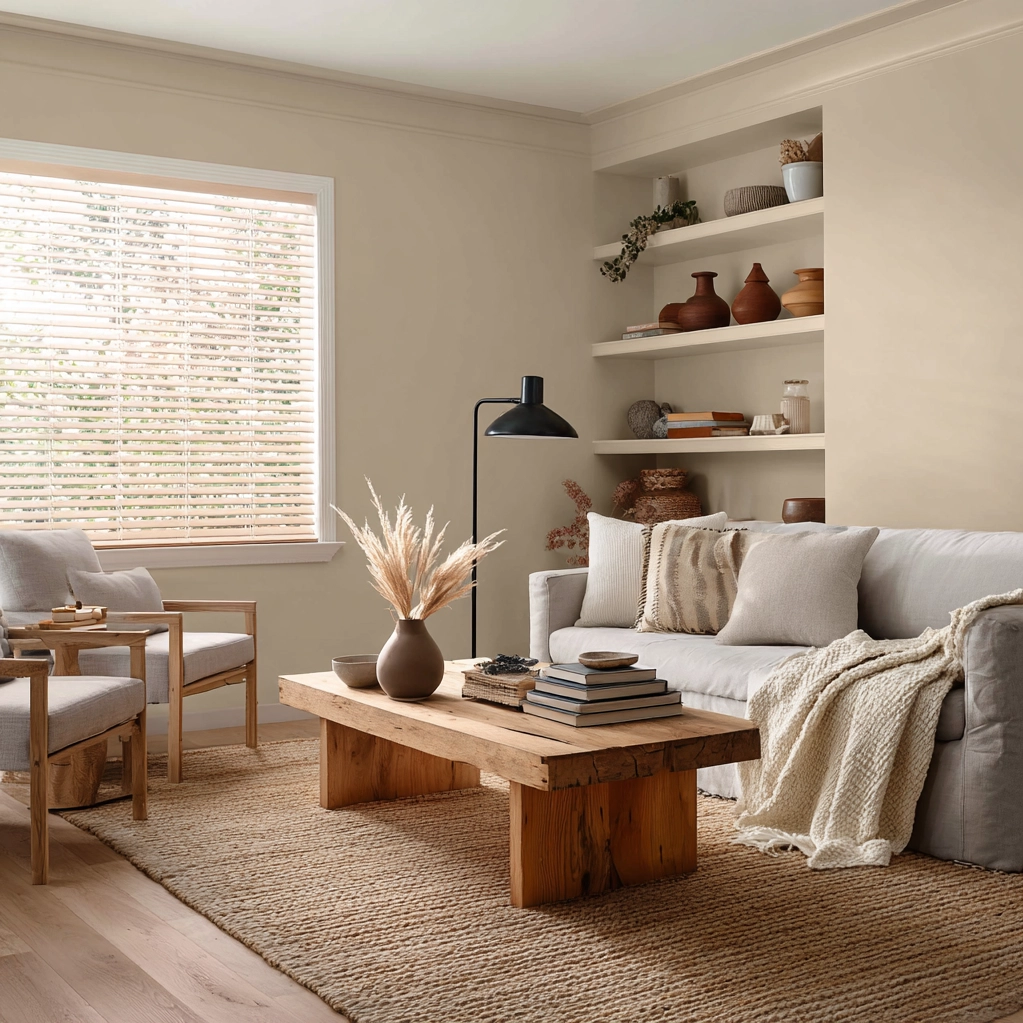
While a neutral paint palette provides the perfect foundation, the true magic happens when you layer texture and contrast to create depth and visual interest in your spaces. Texture transforms neutral rooms from flat to fascinating, adding dimension that engages the senses and creates a rich, layered environment. Consider incorporating various textural elements through your choice of furnishings and accessories—think plush wool rugs, nubby linen curtains, smooth leather chairs, and rough-hewn wooden tables. These contrasting surfaces play beautifully against neutral walls, creating a tactile experience that makes rooms feel more inviting and complete. Contrast within your neutral paint palette itself is equally important for preventing a monotonous look. This doesn't mean introducing bold accent colors (though you certainly can), but rather playing with different shades and tones within the neutral family. Try painting architectural features like crown molding, baseboards, or built-in shelving in a slightly lighter or darker shade than your walls to create subtle definition. Or consider an accent wall in a deeper neutral tone to add drama without overwhelming the space. The strategic use of black or dark charcoal as an accent color can work wonders in a neutral room, providing crisp definition and modern edge. Think black picture frames, dark metal light fixtures, or charcoal throw pillows against your neutral backdrop. Lighting plays a crucial role in enhancing your neutral paint palette—well-placed fixtures can highlight textural elements and create beautiful shadows that add to the room's dimensionality. Don't forget about natural materials like wood, stone, and metal, which bring their own inherent textures and colors that complement neutral walls beautifully. By thoughtfully combining these elements, you create spaces that feel curated and intentional rather than simply safe or predictable. The result is a home that's both calming and captivating, proving that a neutral paint palette offers endless possibilities for creative expression.
Conclusion
Embracing a neutral paint palette represents more than just a safe color choice—it's a strategic design decision that offers lasting beauty, remarkable versatility, and endless creative potential. Throughout this exploration, we've seen how neutral colors create harmonious living spaces that promote relaxation and well-being while providing the perfect backdrop for personal expression. By understanding different neutral families and how to combine them effectively, you can build a cohesive color story that flows beautifully throughout your home. The key lies in balancing warmth and coolness, light and dark, simplicity and sophistication to create environments that feel both current and timeless. Looking forward, the appeal of neutral paint palettes shows no signs of diminishing, as homeowners continue to value spaces that offer flexibility for changing needs and tastes. The future of neutral design leans toward even more nuanced approaches, with complex blends that adapt to different lighting conditions and sophisticated combinations that challenge traditional notions of what 'neutral' means. As you implement your own neutral paint palette, remember that the true power of this approach lies in its ability to evolve with you—accommodating new furniture, reflecting different seasons, and supporting your changing lifestyle without requiring complete redesigns. Whether you're refreshing a single room or planning a whole-home makeover, starting with a thoughtful neutral foundation ensures your spaces will remain beautiful and relevant for years to come. The journey toward creating your ideal home begins with these subtle, sophisticated colors that whisper rather than shout, proving that sometimes the quietest choices make the most powerful statements.
Frequently Asked Questions
Q: What are the most popular neutral paint colors for modern interiors?
Today's most popular neutral paint colors for modern interiors include sophisticated blends that offer more depth than basic whites or beiges. Warm greiges—colors that mix gray and beige undertones—top the list for their versatility and contemporary appeal. Soft whites with subtle warm or cool undertones remain perennially popular for creating bright, airy spaces. Earthy taupes and clay-inspired neutrals have gained significant traction for bringing organic warmth to interiors. For cooler palettes, light grays with blue or green undertones offer a clean, modern look. Many designers also recommend exploring off-whites with hints of gray or beige, which provide more character than pure white while maintaining neutrality. The key is choosing colors that complement your home's specific lighting conditions and existing elements.
Q: How do I choose between warm and cool neutrals for my space?
Choosing between warm and cool neutrals depends on several factors specific to your space and desired atmosphere. First, assess the natural light in your room—north-facing rooms with cooler light often benefit from warm neutrals to add coziness, while south-facing rooms with abundant warm light can handle cooler tones without feeling sterile. Consider the room's function: warm neutrals (with yellow, red, or brown undertones) typically create inviting, intimate spaces ideal for living areas and bedrooms, while cool neutrals (with blue, green, or purple undertones) lend a crisp, clean feeling perfect for kitchens, bathrooms, and home offices. Look at your fixed elements like flooring, cabinetry, and countertops—your wall color should complement these rather than clash. Test large paint samples on multiple walls and observe them at different times of day before making your final decision.
Q: Can a neutral paint palette work in small or dark rooms?
Absolutely—a well-chosen neutral paint palette can actually enhance small or dark rooms when selected strategically. For small spaces, light neutral colors can create an illusion of more space by reflecting available light. However, pure white isn't always the best choice as it can sometimes feel stark or clinical in low-light conditions. Instead, consider soft, warm neutrals with slight beige or gray undertones that add depth without darkening the room. In dark rooms, avoid colors that are too cool or gray, as they can emphasize the lack of light. Warmer neutrals like creamy whites, soft taupes, or pale greiges with warm undertones will make the space feel cozier and more inviting. Using a paint with a slight sheen (like satin or eggshell) rather than flat matte can help reflect whatever light is available. Remember that proper lighting—both natural and artificial—plays a crucial role in how colors appear, so complement your neutral paint palette with well-placed lamps and light fixtures.