
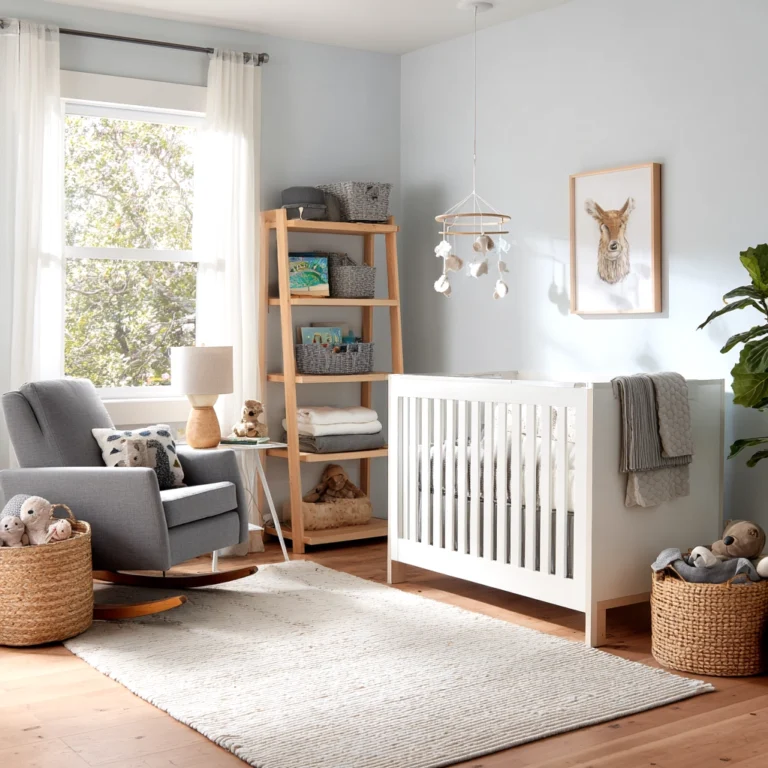
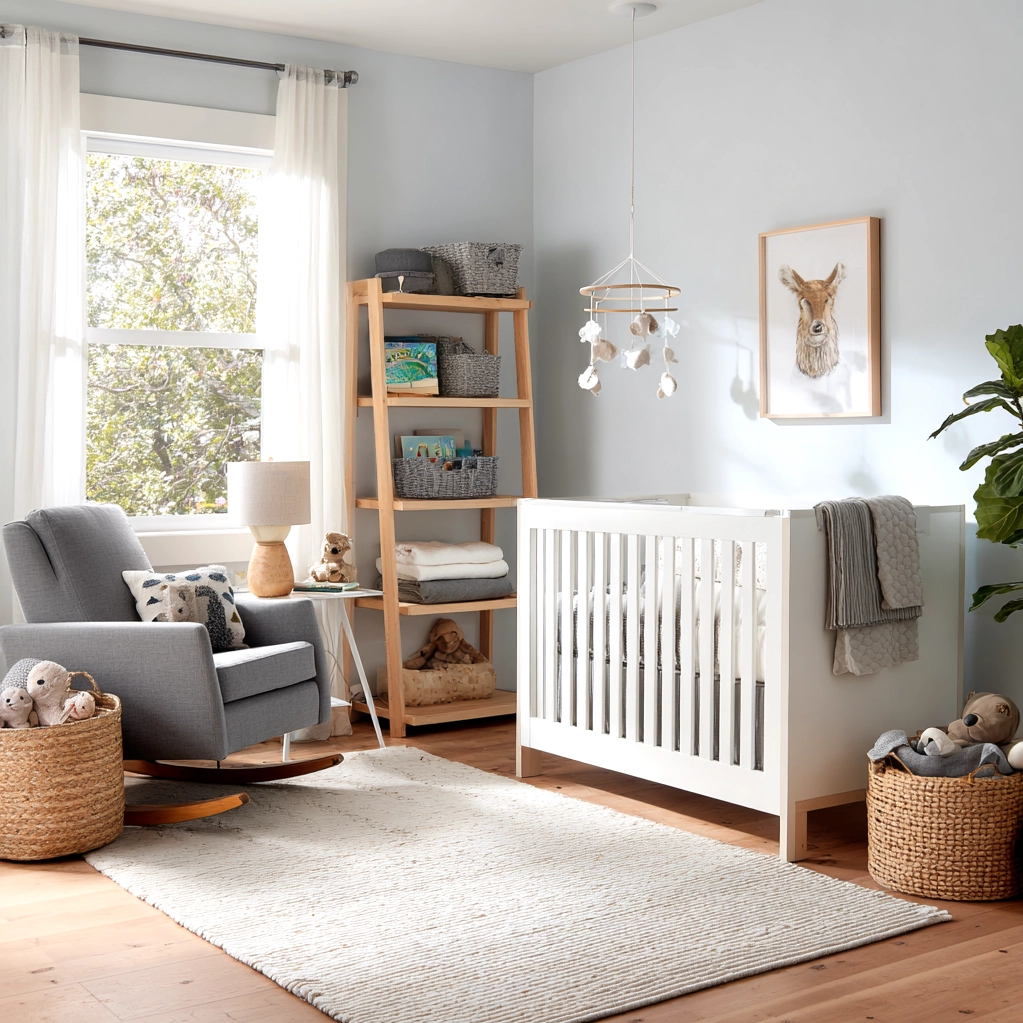
Creating the perfect nursery is one of the most exciting and meaningful projects for expectant parents. This special room will become the backdrop for countless precious moments—late-night feedings, gentle lullabies, and the first glimpses of your baby’s personality. Nursery room decor ideas aren’t just about aesthetics; they’re about crafting a safe, soothing, and stimulating environment that supports your child’s development while reflecting your family’s unique style. The right design choices can transform an ordinary room into a sanctuary that grows with your little one. Many parents feel overwhelmed by the endless options available, from color schemes to furniture arrangements to storage solutions. That’s why we’ve distilled the process into 11 incredible strategies that combine practicality with creativity. Whether you’re working with a spacious room or a cozy nook, these nursery room decor ideas will help you create a space that feels both magical and functional. The nursery should be a place where comfort meets inspiration, where every element serves a purpose while sparking joy. As you embark on this journey, remember that the most important aspect is creating a room that feels like home to you and your baby. Let’s explore how to make that vision a reality with thoughtful, beautiful design choices that stand the test of time.
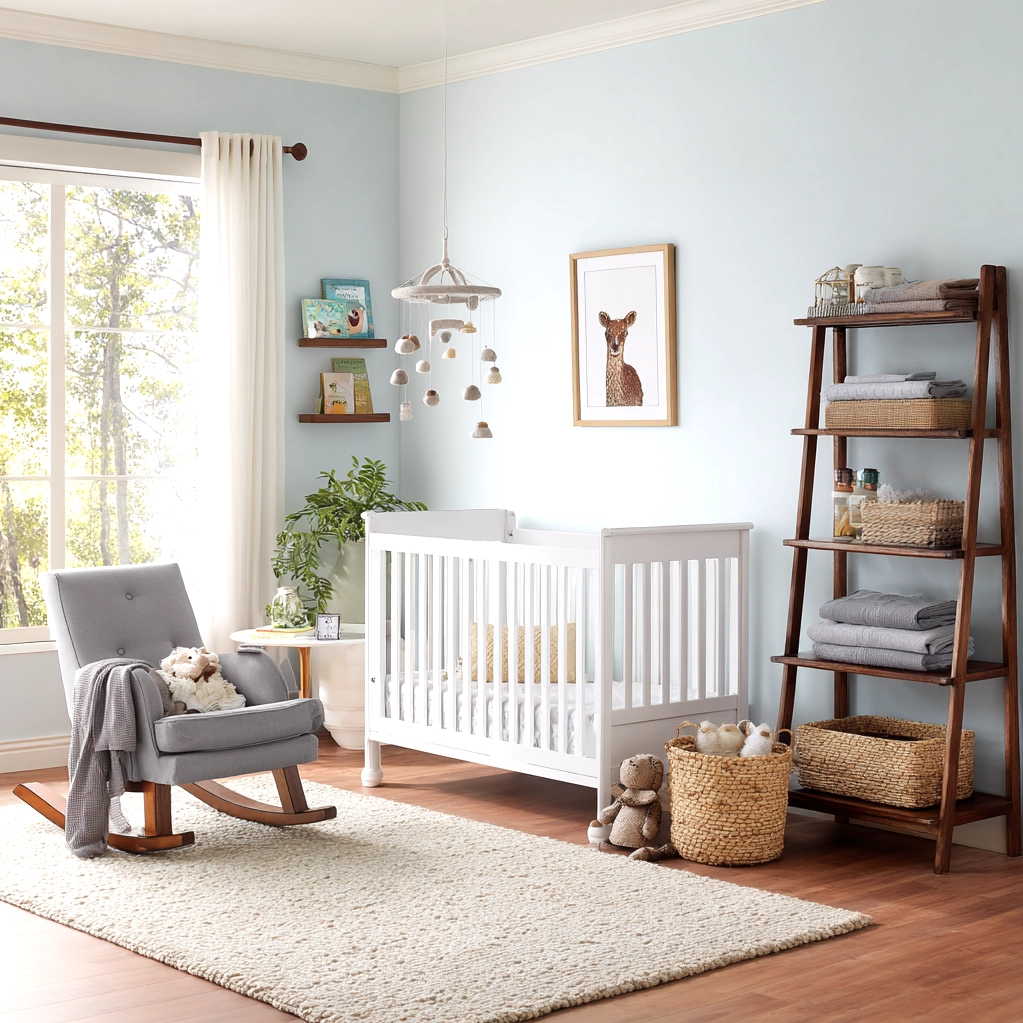
Nursery Room Decor Ideas: Choosing the Perfect Color Palette
Selecting the right color palette is the foundation of any successful nursery design. Color influences mood, perception, and even sleep patterns, making it crucial for creating a calming yet stimulating environment. For nursery room decor ideas, consider soft, soothing hues like pastel blues, gentle greens, warm creams, or muted lavenders. These colors promote relaxation and can help your baby settle more easily. If you prefer something more vibrant, incorporate bold accents through wall art, textiles, or accessories rather than overwhelming the entire space. Neutral backgrounds provide flexibility as your child grows, allowing you to update the room with minimal effort. Many parents opt for gender-neutral palettes that work beautifully for any baby while creating a timeless look. Consider using paint samples on the walls to see how colors change with natural light throughout the day. Don't forget about ceiling color—a light, reflective hue can make the room feel more spacious and airy. For added visual interest, try an accent wall with subtle patterns or textured wallpaper that complements your chosen palette. Remember that colors should coordinate with furniture and decor elements to create a cohesive look. Testing your palette with actual nursery items before committing ensures everything works harmoniously together. Ultimately, the perfect color scheme balances aesthetics with functionality, creating a serene backdrop for your baby's earliest memories.
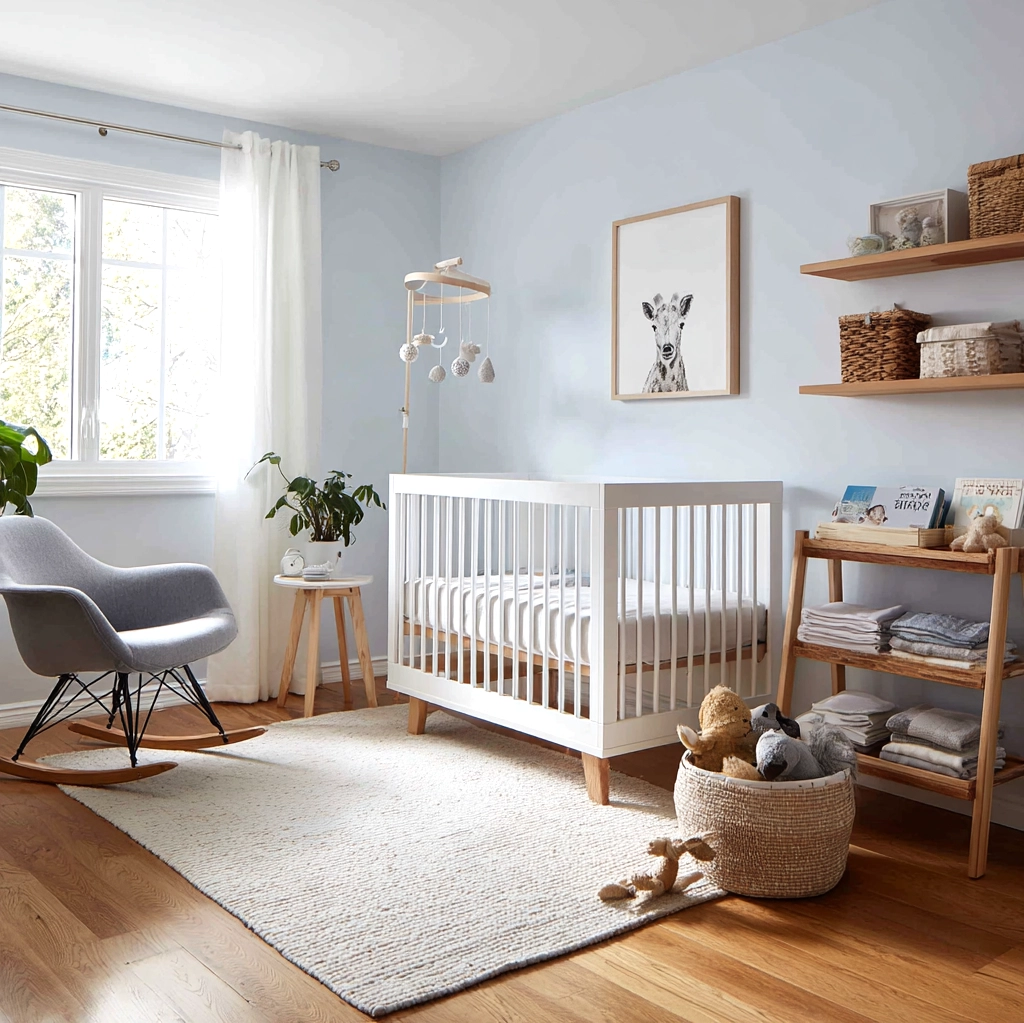
Nursery Room Decor Ideas: Functional Furniture Arrangements
Furniture arrangement in a nursery must prioritize safety, accessibility, and comfort above all else. Start by placing the crib in a location away from windows, heaters, and cords to ensure your baby's safety. The changing table should be within easy reach of storage for diapers and supplies, creating an efficient workflow during those frequent changes. A comfortable nursing or feeding chair is essential—position it near a light source for nighttime feedings but with enough space to move around comfortably. For nursery room decor ideas that maximize space, consider multifunctional furniture like a crib that converts to a toddler bed or storage ottomans that offer seating and organization. Leave ample floor space for future play areas as your baby grows and becomes more mobile. Arrange furniture to create clear pathways that allow you to move safely through the room even in low light. If you have a smaller nursery, vertical storage solutions like wall-mounted shelves can free up valuable floor space while keeping essentials accessible. The glider or rocking chair should face away from bright lights to help your baby relax during feedings. All furniture should be securely anchored to prevent tipping, with no sharp edges or small parts that could pose hazards. Thoughtful arrangement transforms furniture from mere objects into tools that support your daily routines while maintaining the room's aesthetic appeal. By planning your layout carefully, you create a nursery that works beautifully for both you and your baby.
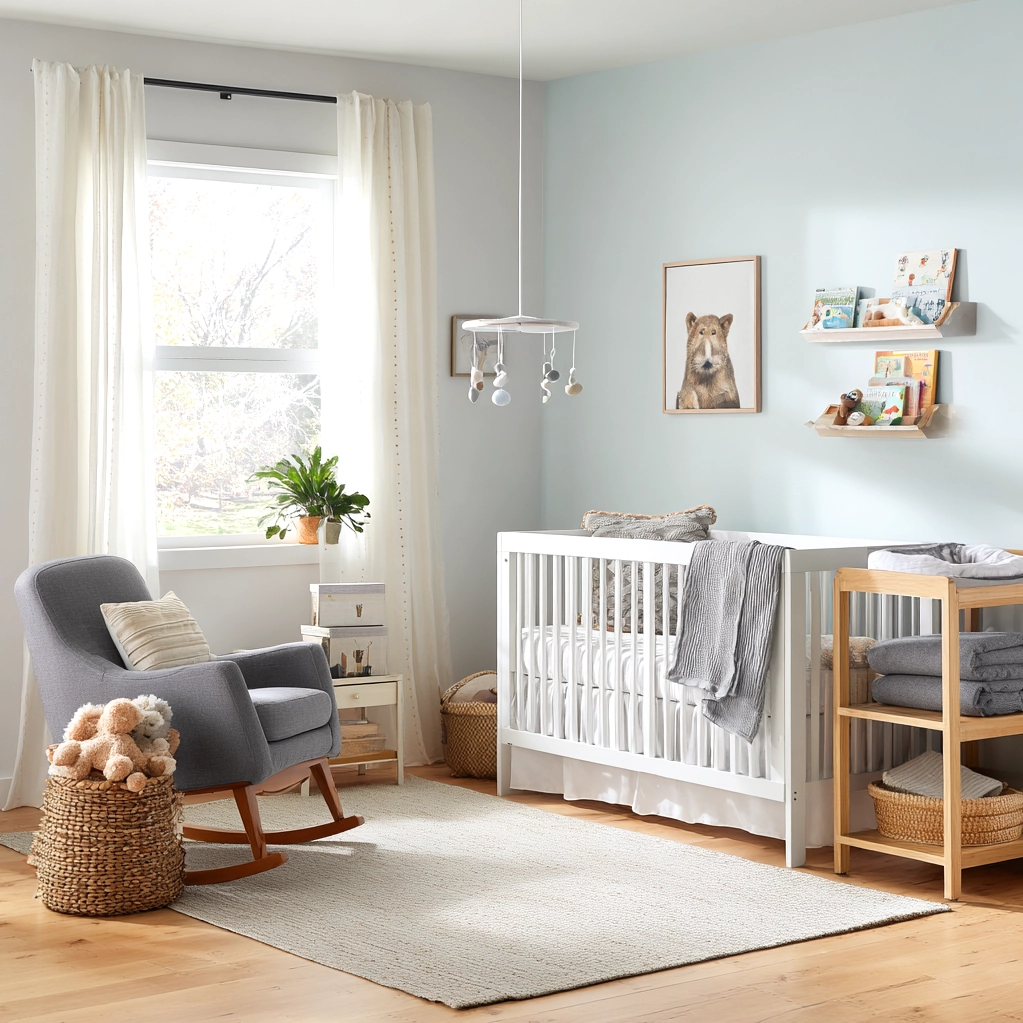
Nursery Room Decor Ideas: Creating Stimulating Sensory Elements
A well-designed nursery engages your baby's developing senses through carefully chosen decor elements. Visual stimulation can be achieved with high-contrast black-and-white patterns in wall art, mobiles, or bedding—these are particularly captivating for newborns whose vision is still developing. For nursery room decor ideas that incorporate texture, consider soft rugs, knitted blankets, and varied fabric surfaces that invite touch exploration. Auditory elements like a sound machine playing gentle nature sounds or white noise can help soothe your baby to sleep while masking household noises. Install dimmable lighting that allows you to adjust brightness for different activities, from late-night changes to daytime play. A mobile above the crib provides visual interest and can help develop tracking skills as your baby follows the movement. Wall decals with simple shapes or animals add visual appeal without overwhelming the space. Consider incorporating natural elements like wooden toys or cotton textiles that provide different tactile experiences. Avoid overstimulation by keeping decor relatively simple and organized—too many bright colors or busy patterns can make it difficult for babies to relax. Rotate sensory elements periodically to maintain interest as your child grows. These thoughtful touches not only enhance the room's beauty but also support cognitive and sensory development from the earliest days. By creating a multi-sensory environment, you give your baby rich opportunities to explore and learn within the safety of their nursery.
Conclusion
Designing the perfect nursery is a beautiful journey that blends creativity with practicality. These 11 incredible nursery room decor ideas provide a comprehensive framework for creating a space that is both magical and functional. From selecting soothing color palettes to arranging furniture for optimal safety and flow, each element contributes to an environment where your baby can thrive. Remember that the most successful nurseries evolve with your child, incorporating flexible elements that can adapt as needs change. Don't feel pressured to complete everything before your baby arrives—sometimes the best touches come from lived experience in the space. Focus on creating a room that feels calm and joyful to you, since your comfort directly impacts your baby's well-being. As you implement these ideas, trust your instincts about what works best for your family. The nursery should reflect your unique style while providing a safe haven for those precious early months and years. Looking ahead, consider how elements might transition as your child grows—convertible furniture and neutral bases make updates easier. Ultimately, the love and care you pour into this space will shine through more than any decor trend. Your nursery will become the backdrop for countless cherished memories, making every thoughtful choice worthwhile.
Frequently Asked Questions
Q: What are the safest color choices for a nursery?
The safest color choices for a nursery are soft, muted tones that create a calming atmosphere. Pastel shades like light blue, pale green, soft yellow, warm gray, and creamy white are excellent options. These colors promote relaxation and better sleep patterns while providing a neutral backdrop that won't overstimulate your baby. Avoid overly bright or dark colors on large surfaces, as they can be overwhelming. Instead, incorporate brighter accents through removable items like artwork, pillows, or curtains. Many parents choose gender-neutral palettes that work for any child and allow for easy updates as preferences change. Always test paint samples in the actual room lighting before committing, as colors can appear different throughout the day.
Q: How can I maximize storage in a small nursery?
Maximizing storage in a small nursery requires creative vertical and multifunctional solutions. Start by utilizing wall space with floating shelves or wall-mounted organizers for books, toys, and supplies. Choose furniture with built-in storage, such as a crib with drawers underneath or an ottoman that opens for blanket storage. Vertical bookcases or tall, narrow cabinets make excellent use of limited floor space. Consider over-the-door organizers for diapers, wipes, and small items. Baskets and bins that slide under the crib or changing table keep essentials accessible without cluttering the room. A changing table with shelves or drawers provides dedicated storage for diaper-changing supplies. Remember to regularly declutter and rotate items to prevent accumulation. These strategies help maintain an organized, spacious feel even in the coziest nurseries.
Q: When should I start decorating the nursery?
It's best to start decorating the nursery during the second trimester, typically around 20-24 weeks. This timing allows you to work at a comfortable pace before the third trimester when mobility might become more challenging. Starting early gives you time to research nursery room decor ideas, order furniture (which may have delivery delays), and complete any painting or renovations well before your due date. It also allows paint fumes and any chemical odors to dissipate completely, ensuring a healthy environment for your baby. If you're waiting to learn the baby's gender, you can begin with neutral elements like furniture arrangement, lighting, and storage solutions, then add gender-specific accents later. Remember that the nursery doesn't need to be perfect before the baby arrives—focus on creating a safe, functional space first, then add decorative touches as you settle into your new routine.