
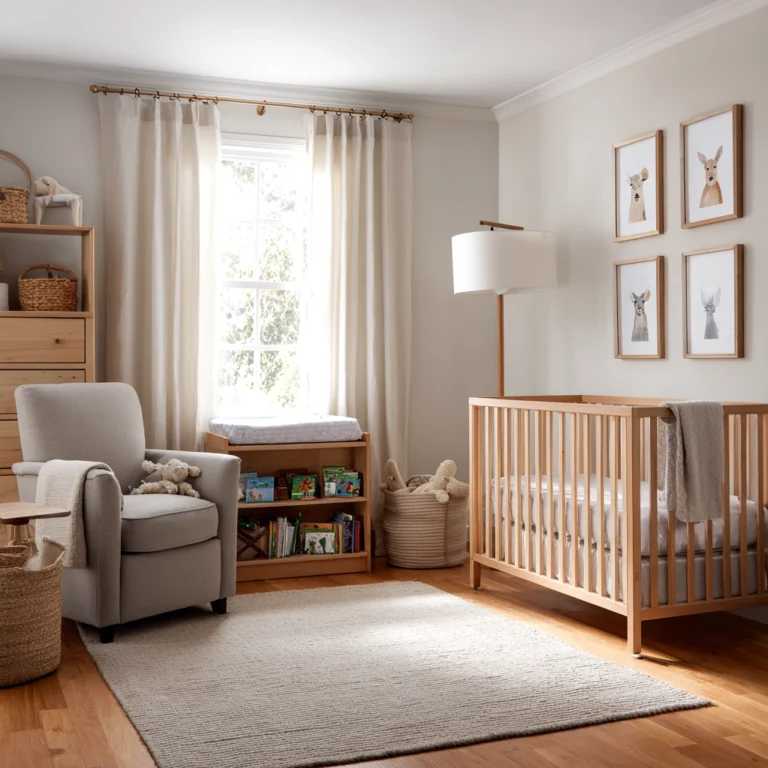
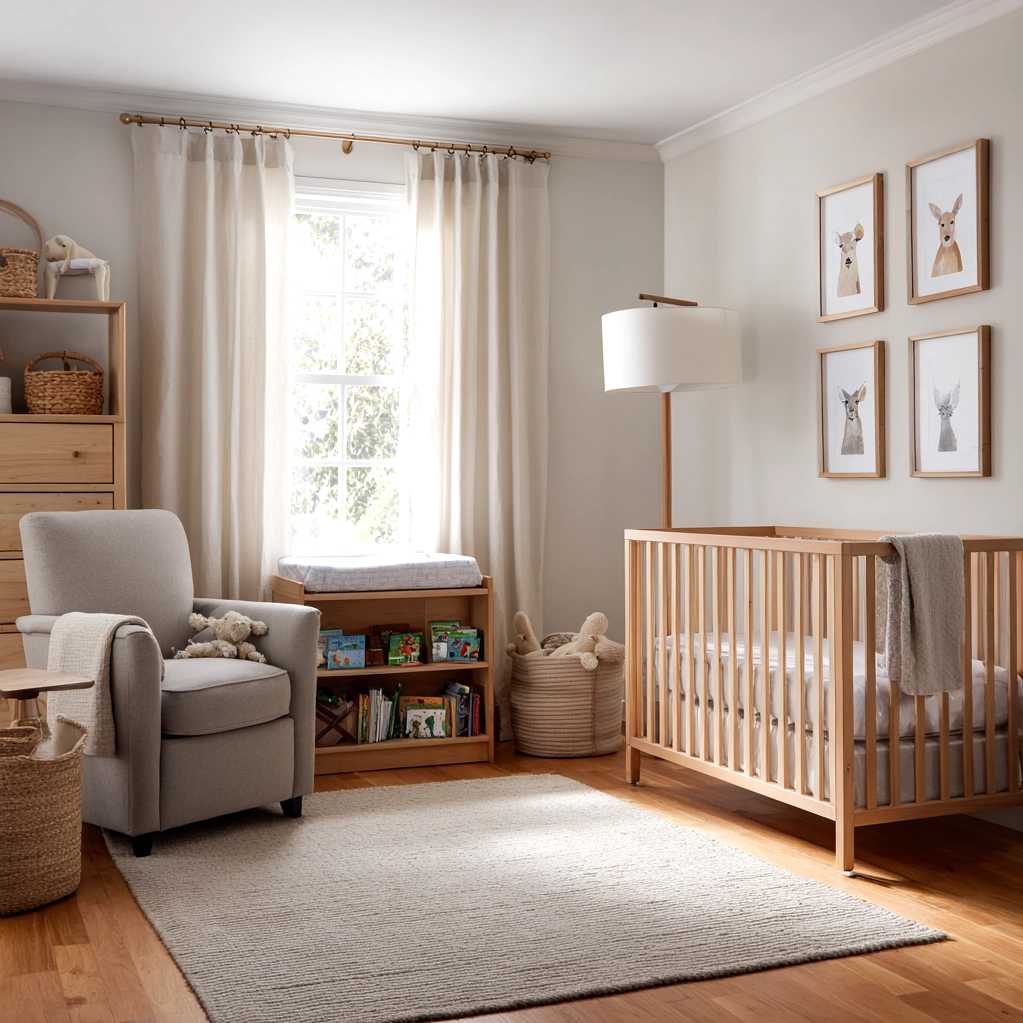
Welcoming a new baby into your home is one of life’s most joyful moments, and creating the perfect nursery room decoration is an exciting part of that journey. This special space serves as more than just a room—it becomes a sanctuary where your baby will sleep, play, and grow during those precious first years. Thoughtful nursery decoration can influence your child’s development, comfort, and sense of security while providing parents with a functional and beautiful environment to care for their little one. Many parents feel overwhelmed by the countless options available, from color schemes to furniture choices, safety considerations to storage solutions. However, with careful planning and a clear vision, you can create a nursery that balances aesthetics with practicality. The right nursery room decoration reflects your family’s personality while prioritizing safety and functionality. Whether you’re working with a spacious room or a cozy corner, every element should contribute to a harmonious atmosphere. This article will guide you through the essential aspects of nursery design, helping you make informed decisions that create a nurturing environment. Remember that trends come and go, but creating a space filled with love and thoughtful details will stand the test of time. Your baby’s nursery should be a place where memories begin, where late-night feedings feel peaceful, and where you can watch your child explore their first surroundings. Let’s explore how to transform any space into the perfect nursery through smart decoration choices that serve both baby and parents.
Essential Elements for Perfect Nursery Room Decoration
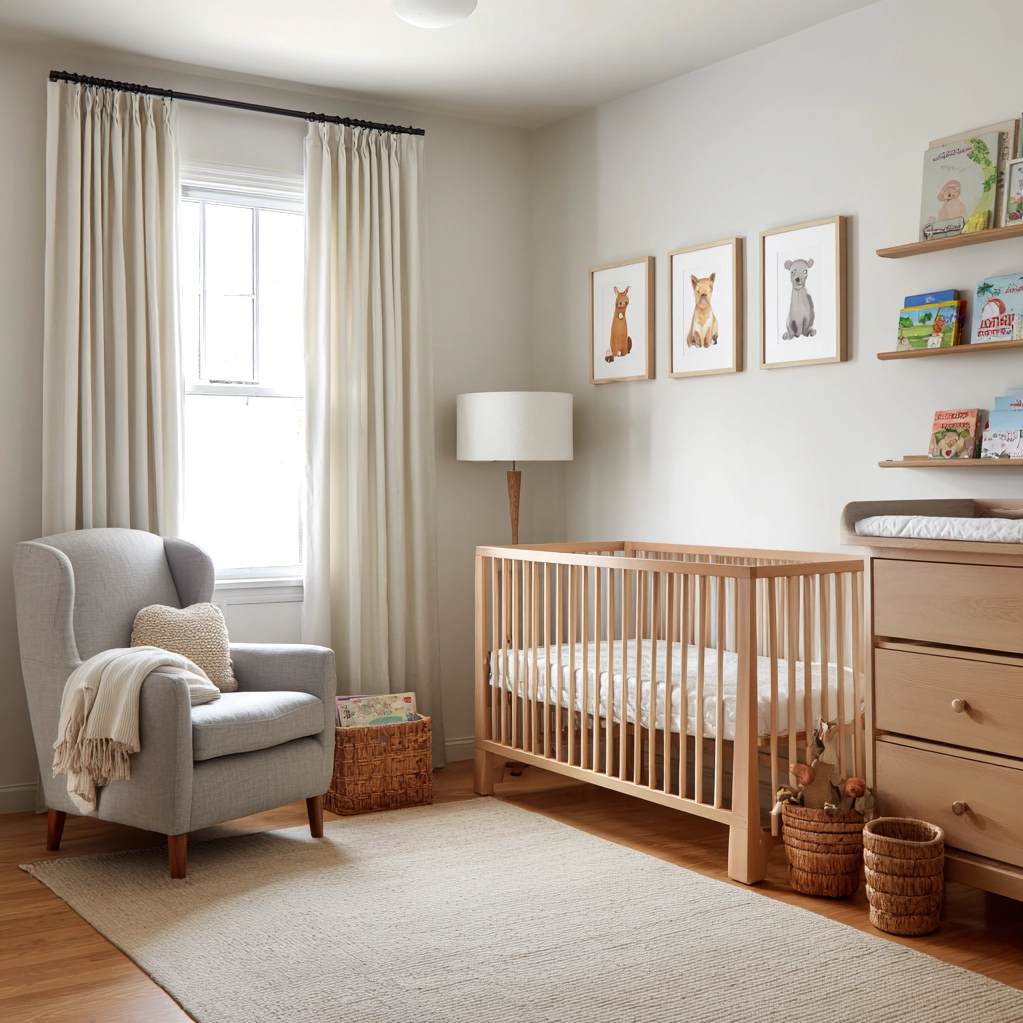
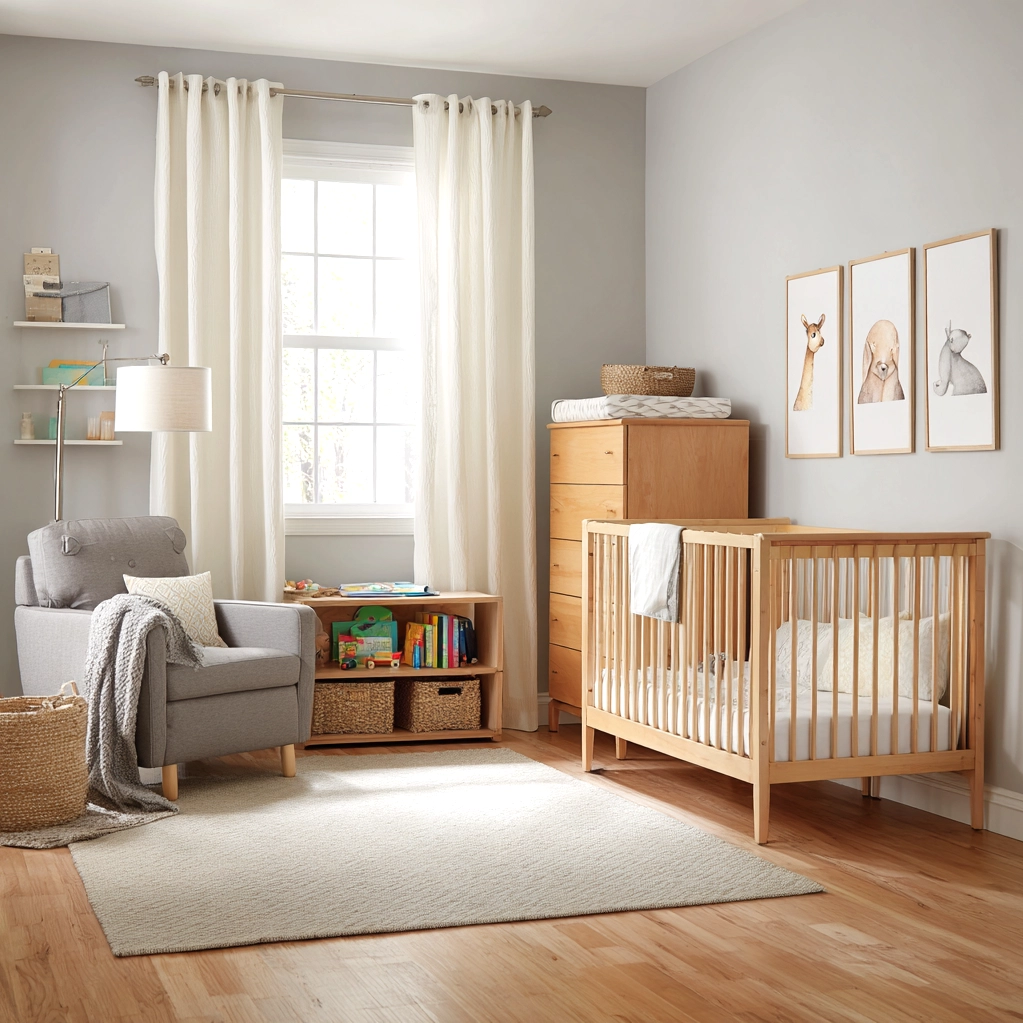
Creating effective nursery room decoration begins with understanding the fundamental elements that every nursery needs. The crib is undoubtedly the centerpiece, and selecting one that meets safety standards while complementing your design aesthetic is crucial. Look for cribs with adjustable mattress heights and sturdy construction. Beyond the crib, consider the changing station—a dedicated area that makes diaper changes efficient and organized. Many parents opt for combination dresser-changing tables that serve dual purposes in limited spaces. Storage solutions are another critical component of nursery decoration. Babies accumulate countless items, from clothes and diapers to toys and books. Incorporate shelving units, baskets, and drawers that keep essentials accessible while maintaining a tidy appearance. Open shelving with labeled bins can help organize smaller items, while closed cabinets hide clutter. Don't overlook seating options for parents. A comfortable glider or rocking chair with supportive cushions makes nighttime feedings and cuddles more enjoyable. Consider placing this seating near a window or with good lighting for reading bedtime stories. Lighting plays a vital role in nursery decoration as well. Layered lighting—including overhead fixtures, task lighting near the changing area, and soft night lights—creates flexibility for different activities throughout the day and night. Dimmer switches allow you to adjust brightness for sleep times. Finally, include personal touches that make the space uniquely yours. Family photos, handmade artwork, or meaningful keepsakes add warmth and personality to your nursery room decoration. These elements transform a functional room into a cherished space where your family will spend countless precious moments together.
Color Psychology and Theme Selection in Nursery Room Decoration
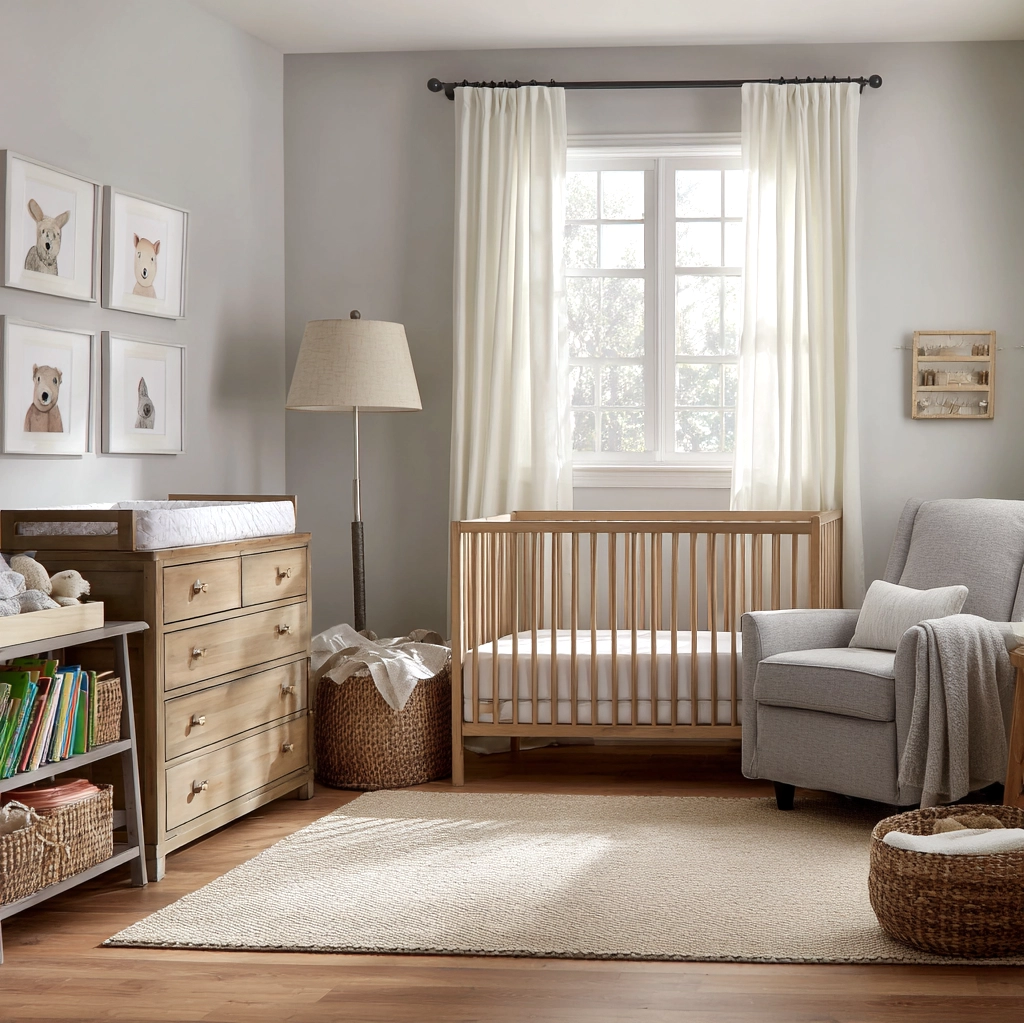
Choosing colors and themes for nursery room decoration involves more than aesthetic preference—it can impact mood and development. Soft, muted colors like pale blues, gentle greens, warm grays, and creamy whites create calming environments conducive to sleep. These neutral backgrounds also provide flexibility as your child grows, allowing you to add pops of color through accessories that can easily be changed. If you prefer brighter colors, consider using them as accents rather than dominant wall colors. A feature wall with removable wallpaper in a cheerful pattern can add visual interest without overwhelming the space. When selecting a theme for your nursery room decoration, think beyond immediate trends to something that will remain appealing for several years. Nature-inspired themes with animals, plants, or celestial elements often have timeless appeal. Literary themes based on favorite children's books can inspire a love of reading from the earliest days. Whatever theme you choose, incorporate it subtly through artwork, bedding, and decorative elements rather than committing to permanent installations. Consider how colors work together in your nursery decoration scheme. Complementary colors create harmony, while contrasting colors can stimulate visual development in older infants. Pay attention to how natural light affects your color choices throughout the day. Test paint samples on walls at different times to see how they appear in various lighting conditions. Remember that the goal of nursery room decoration is to create a soothing environment that supports your baby's wellbeing. Avoid overly stimulating patterns or colors that might interfere with sleep. Instead, focus on creating visual interest through texture variations—soft rugs, knitted blankets, wooden furniture, and fabric wall hangings can all add depth without visual clutter. Your color and theme choices should ultimately reflect a space where both baby and parents feel comfortable and connected.
Safety Considerations for Nursery Room Decoration
Safety must be the top priority in any nursery room decoration project. Begin with furniture placement—ensure cribs are positioned away from windows, blinds cords, and electrical outlets. All furniture should be securely anchored to walls to prevent tipping, especially dressers and shelving units that curious toddlers might attempt to climb. When selecting furniture for nursery decoration, look for rounded edges rather than sharp corners, and avoid pieces with small parts that could become choking hazards. Window treatments deserve special attention in nursery room decoration. Cordless blinds or curtains with safety ties eliminate strangulation risks. Ensure window locks are functional and consider window guards if you live in a multi-story home. Electrical safety is another crucial aspect of nursery decoration. Cover all unused outlets with safety plugs, and use cord organizers to keep electrical cords out of reach. Position lamps and night lights where they won't be easily pulled down. Flooring choices impact safety in nursery decoration as well. Soft, non-slip rugs provide cushioning for falls while creating a comfortable play surface. Ensure rugs lie flat without curling edges that could cause trips. Avoid area rugs with loose fibers that might present choking hazards. As part of your nursery room decoration planning, establish clear zones within the room. Keep play areas separate from sleeping areas to help your baby associate the crib with rest. Ensure there's ample clear floor space for tummy time and eventual crawling. Regularly inspect your nursery decoration for potential hazards as your baby grows and becomes more mobile. What seems safe for a newborn might present risks to a crawling infant or toddler. Finally, maintain good air quality in the nursery by choosing low-VOC paints and finishes during your decoration process. Proper ventilation and regular cleaning contribute to a healthy environment where your baby can thrive safely.
Budget-Friendly Nursery Room Decoration Ideas
Creating beautiful nursery room decoration doesn't require a massive budget. With creativity and strategic planning, you can design a welcoming space that meets all your needs without overspending. Start by prioritizing essential items in your nursery decoration plan. The crib, mattress, and changing station are worth investing in for safety and durability, while many other elements can be sourced affordably. Consider multifunctional furniture that serves multiple purposes in your nursery room decoration. A dresser with a secure changing pad on top eliminates the need for a separate changing table. Storage ottomans provide seating while concealing toys or blankets. Look for gently used furniture from trusted sources—many high-quality cribs and dressers are available at significant discounts when purchased secondhand. DIY projects can personalize your nursery decoration while saving money. Create your own artwork using inexpensive frames and printable designs. Sew simple curtains or crib skirts from fabric remnants. Repurpose furniture from other rooms with a fresh coat of paint suitable for nursery use. When selecting decor items for nursery room decoration, focus on pieces that can grow with your child. Neutral wall colors and classic furniture styles allow you to update the room gradually rather than completely redecorating as your baby becomes a toddler. Shop sales for bedding sets and wait for seasonal discounts on larger items. Many stores offer nursery decoration packages that bundle essential items at reduced prices. Don't underestimate the power of thoughtful organization in creating the illusion of a more expensive nursery. Well-organized spaces always appear more polished and intentional. Use matching baskets or bins to corral small items, and keep surfaces clear of clutter. Finally, remember that the most meaningful elements of nursery room decoration often cost nothing at all. Family heirlooms, handmade gifts from loved ones, and personal mementos add warmth and character that money can't buy. Your baby will cherish the love and care evident in every detail of their carefully decorated nursery, regardless of how much you spent creating it.
Conclusion
Nursery room decoration represents a beautiful intersection of practicality and creativity, where safety considerations meet personal expression. Throughout this article, we've explored the essential elements that create a functional yet magical space for your baby's first years. From selecting the right furniture and color schemes to implementing safety measures and budget-friendly solutions, each aspect of nursery decoration contributes to an environment that supports your child's development while providing comfort for the entire family. Remember that the most successful nursery room decoration balances aesthetic appeal with everyday functionality. Your nursery should evolve as your baby grows, adapting to changing needs while maintaining its core purpose as a safe haven. Don't feel pressured to complete every detail before your baby arrives—some of the most meaningful decorative touches will come naturally as you settle into life with your little one. As you embark on your nursery decoration journey, trust your instincts about what feels right for your family. Whether you prefer minimalist designs or vibrant, theme-based rooms, the love and care you put into creating this space will shine through. Future parents might consider incorporating smart technology gradually, like sound machines or temperature monitors that integrate seamlessly with nursery decor. Most importantly, enjoy the process of creating this special room. Nursery room decoration is more than just interior design—it's an act of preparation and love that sets the stage for countless precious memories. Your thoughtfully decorated nursery will become the backdrop for first smiles, bedtime stories, and quiet moments that you'll cherish forever as your family grows together in this carefully crafted space.
Frequently Asked Questions
Q: When should I start planning my nursery room decoration?
It's best to begin planning your nursery room decoration during the second trimester of pregnancy. This gives you ample time to research options, make safety-conscious decisions, and complete the room before the third trimester when energy levels typically decrease. Starting early allows for thoughtful consideration of each element, from furniture selection to color schemes. You'll have time to compare products, wait for sales on larger items, and complete any DIY projects without feeling rushed. Many parents find that having the nursery mostly complete by 34-36 weeks provides peace of mind as the due date approaches. Remember that you can always add finishing touches after your baby arrives—sometimes the best decorative elements reveal themselves once you understand your baby's personality and your family's daily rhythms.
Q: What are the most important safety features to include in nursery decoration?
Several safety features are essential in nursery room decoration. First, ensure all furniture meets current safety standards and is properly anchored to walls to prevent tipping. Use cordless window treatments to eliminate strangulation hazards. Install outlet covers on all unused electrical outlets, and secure cords away from reach. Select a crib with slats no more than 2-3/8 inches apart and a firm, well-fitting mattress. Avoid placing the crib near windows, heaters, or dangling cords. Choose non-toxic, low-VOC paints and finishes to maintain good air quality. Include a working smoke detector and carbon monoxide detector in or near the nursery. As your baby grows, regularly reassess the room for new hazards—what's safe for a newborn might not be safe for a crawling infant. These precautions create a foundation of safety that allows you to enjoy the decorative aspects of nursery design with greater peace of mind.
Q: How can I make my nursery decoration adaptable as my child grows?
Creating adaptable nursery room decoration involves selecting timeless elements that can evolve with your child. Choose neutral wall colors that serve as a versatile backdrop for changing accessories and artwork. Invest in convertible furniture, like cribs that transform into toddler beds and changing tables that become regular dressers. Select storage solutions with adjustable shelving that can accommodate different items as needs change. Incorporate decorative elements that have longevity—instead of character-themed wallpaper that might feel outdated quickly, opt for removable decals or artwork that can be easily replaced. Designate zones within the room that can transition from diaper changing to play areas to study spaces as your child develops. Leave some wall space empty initially, allowing you to add elements that reflect your growing child's interests. With these strategies, your carefully decorated nursery can gracefully transition from infancy through the toddler years and beyond, saving you from complete room renovations as your family's needs evolve.