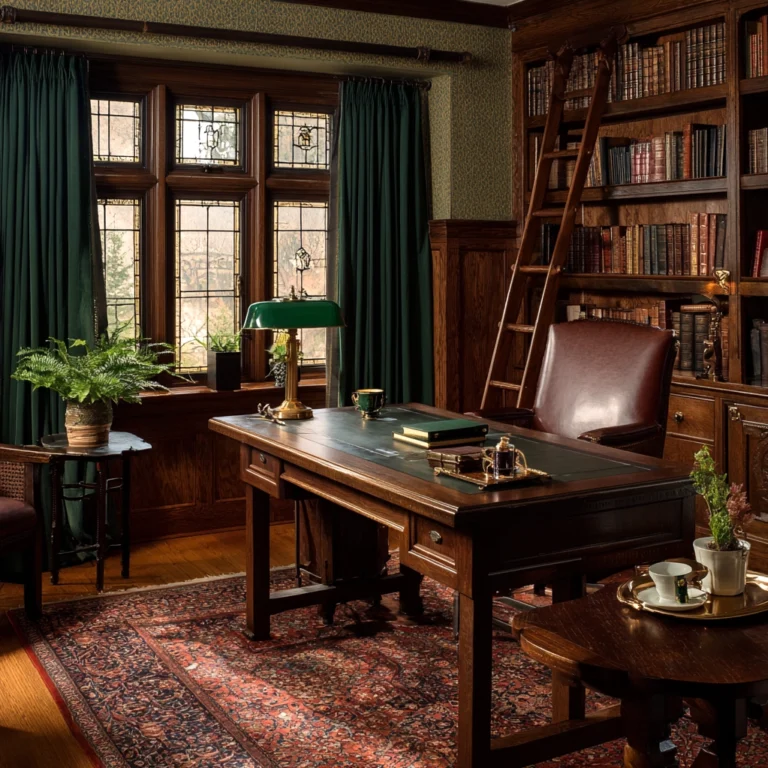
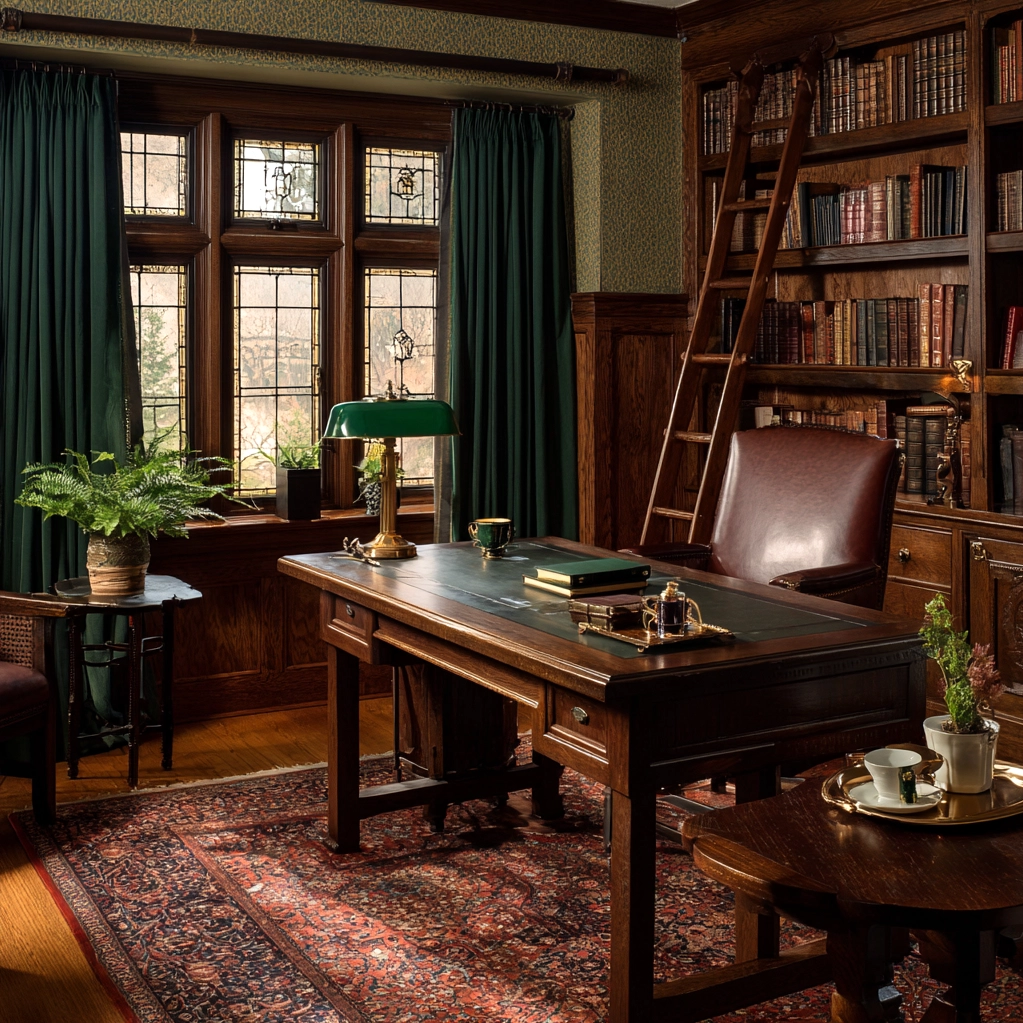
In a world of fleeting design trends and mass-produced furniture, the appeal of ‘old money’ office ideas endures with quiet confidence. This aesthetic isn’t about ostentatious wealth displays or following the latest fads. Instead, it represents a sophisticated approach to workspace design rooted in heritage, quality, and understated elegance. An office designed with old money principles becomes more than just a place to work – it transforms into a sanctuary of productivity that reflects cultivated taste and long-standing traditions. The importance of this design philosophy lies in its ability to create spaces that stand the test of time, both in durability and style. Unlike trendy office setups that quickly feel dated, old money office ideas prioritize substance over flash, investing in pieces that improve with age rather than deteriorate with use. This approach results in workspaces that feel established, dignified, and inherently productive. The psychological impact is equally significant – surrounding yourself with quality materials and thoughtful design elevates your work experience, fostering focus and professional confidence. Whether you’re designing a home office or a corporate workspace, embracing old money office ideas means creating an environment that commands respect while providing genuine comfort and functionality. These spaces tell a story of continuity and refinement, offering a retreat from the disposable culture that dominates so much of modern design. The result is an office that feels both timeless and relevant, where every element serves a purpose while contributing to an atmosphere of quiet sophistication.
Essential Furniture Choices for Old Money Office Ideas
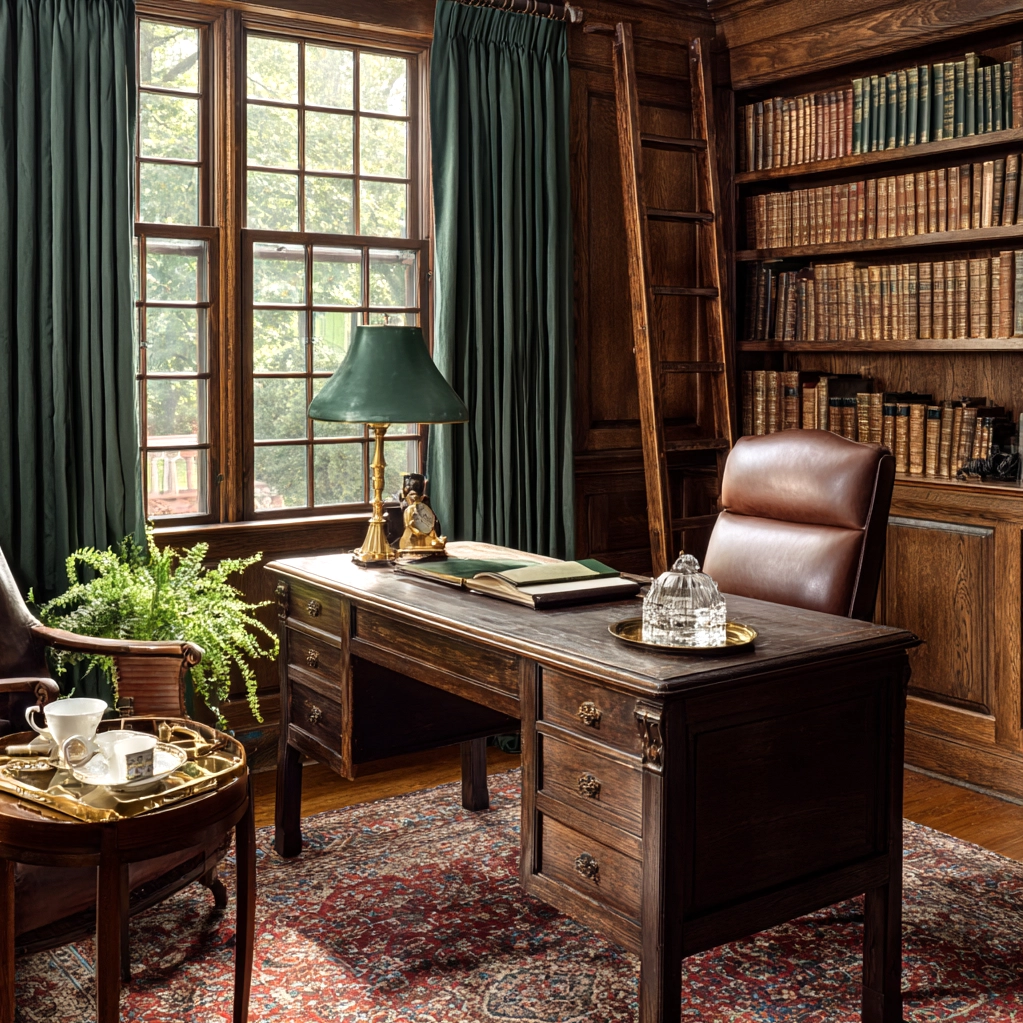
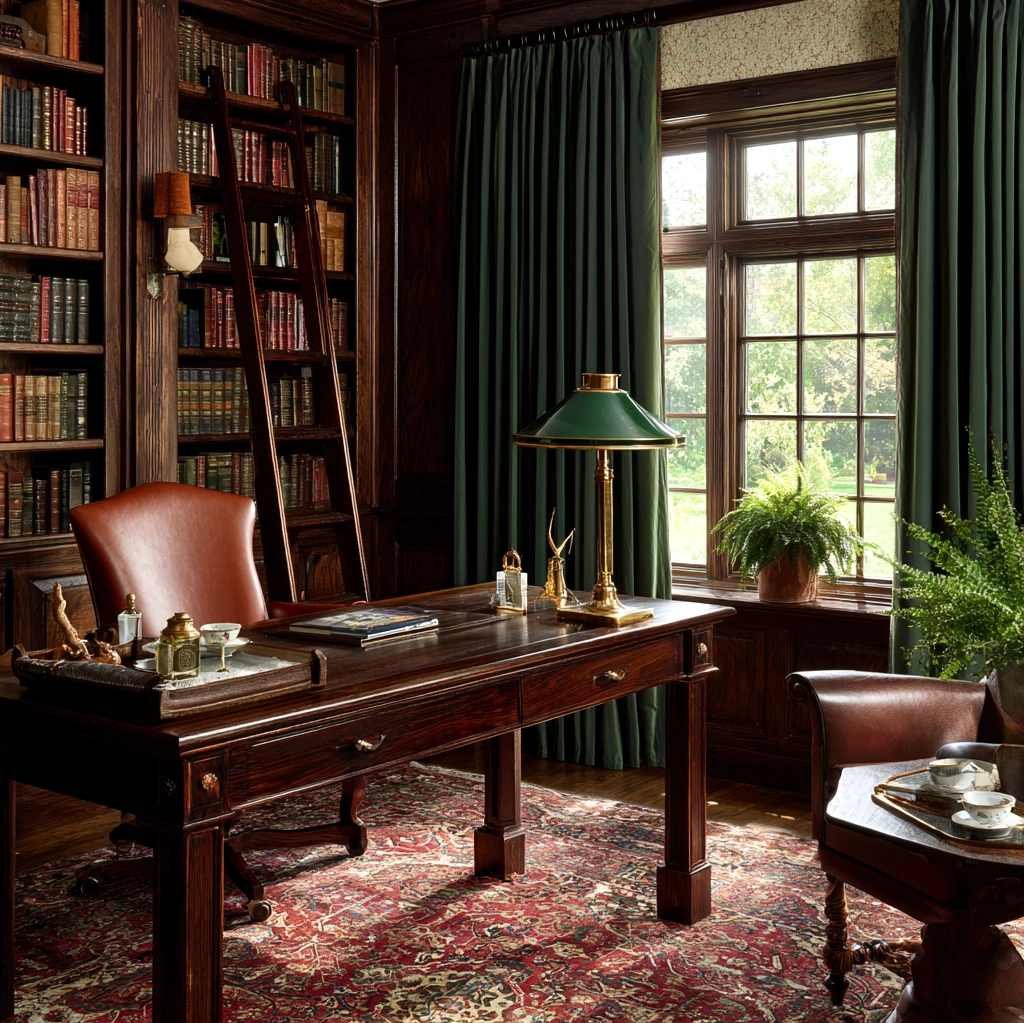
The foundation of any successful old money office begins with carefully selected furniture that prioritizes quality craftsmanship over temporary trends. Central to these old money office ideas is the concept of 'buying once, buying well' – investing in pieces that will last generations rather than needing replacement every few years. A solid wood desk serves as the anchor of the space, preferably in rich, dark finishes like mahogany, walnut, or cherry that develop a beautiful patina over time. Look for desks with substantial proportions, clean lines, and traditional joinery techniques that ensure durability. The chair should offer both comfort and style, with leather upholstery that ages gracefully and a frame that provides proper support for long work sessions. Avoid overly ornate carvings or gilded accents; old money design favors subtle detailing that reveals itself upon closer inspection. Built-in bookshelves or freestanding library cases add vertical storage while showcasing collected volumes and meaningful objects. These should be constructed from the same quality wood as the desk to create visual harmony. Additional seating, such as a leather club chair or a pair of upholstered armchairs, creates a conversation area for meetings or quiet contemplation. Each furniture piece should feel substantial and well-made, with attention to details like dovetail joints, solid brass hardware, and hand-rubbed finishes. The arrangement should prioritize functionality without sacrificing elegance, ensuring everything has its place while maintaining an uncluttered appearance. Remember that in old money office ideas, furniture isn't just functional – it's an investment in craftsmanship and tradition that enhances the workspace's overall atmosphere.
Refined Materials and Textiles in Old Money Office Design
Material selection plays a crucial role in executing authentic old money office ideas, transforming ordinary workspaces into environments of refined sophistication. The textiles and surfaces you choose should engage multiple senses while standing up to years of use. Begin with the flooring – rich hardwood floors, preferably in herringbone or wide-plank patterns, provide a timeless foundation that can be softened with a quality Persian or Oriental rug. These rugs should feature traditional patterns in deep, muted colors like burgundy, navy, or forest green, adding warmth and acoustic benefits to the space. For window treatments, consider heavy velvet or linen drapes that can be drawn to control light while adding texture and visual weight to the room. Leather remains a cornerstone material in old money office ideas, appearing on desk blotters, chair upholstery, and accessory trays. Look for full-grain leather that will develop a rich patina with use, telling the story of the workspace's history. Brass or bronze hardware and fixtures add subtle shine without being ostentatious, while marble or granite surfaces on side tables or decorative objects introduce natural variation and luxury. Wall treatments should feel substantial – think grasscloth wallpaper, wainscoting, or traditional wood paneling that adds depth and character. Even functional items like desk accessories should reflect this material philosophy: a brass letter opener, a crystal inkwell, or a leather-bound notebook contribute to the overall aesthetic. The key is consistency – materials should complement rather than compete with each other, creating a harmonious environment where quality is evident in every touchpoint. These choices create a multisensory experience that elevates daily work routines into moments of refined productivity.
Strategic Lighting and Decorative Elements for Old Money Office Ideas
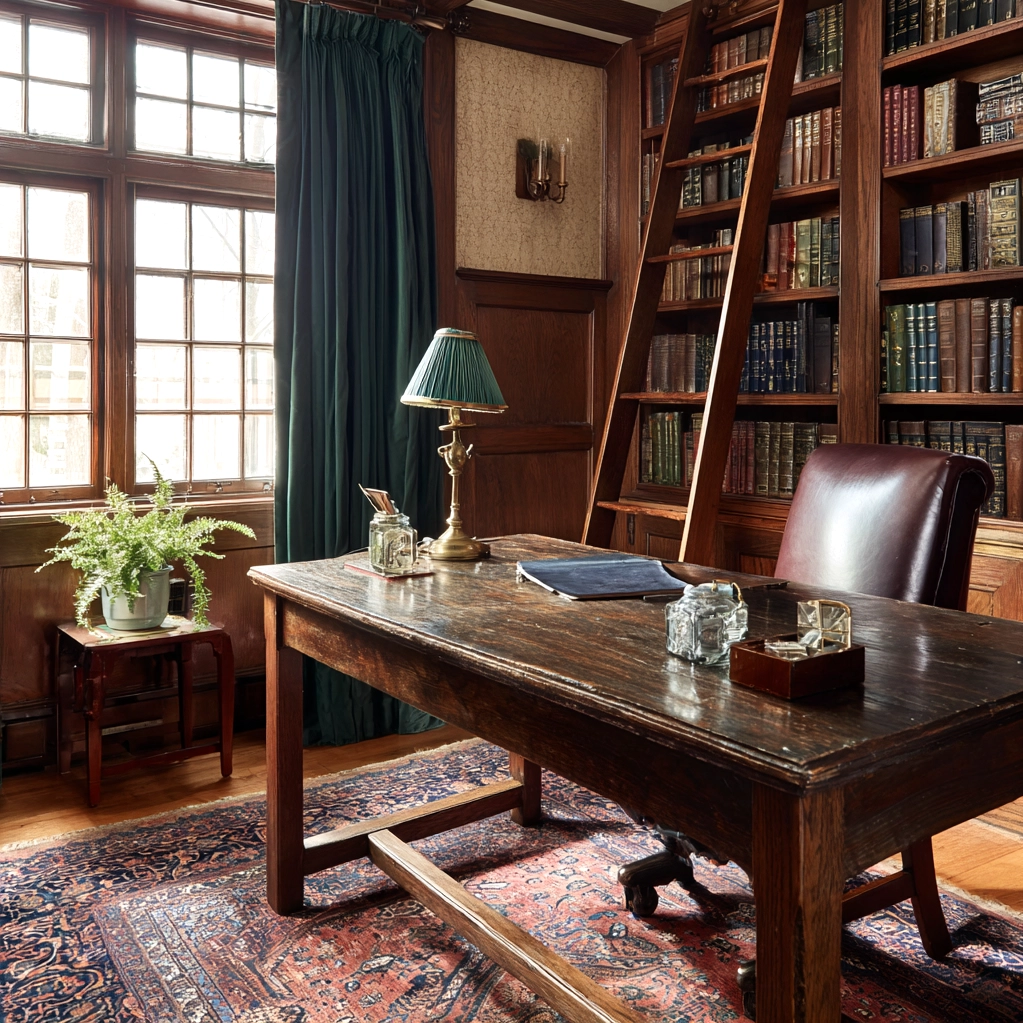
Proper lighting and carefully curated decorative elements complete the transformation when implementing old money office ideas, adding layers of atmosphere and personal significance to the workspace. Lighting should be both functional and atmospheric, creating a warm, inviting glow that enhances productivity without harsh glare. A substantial desk lamp with a brass or bronze base and a fabric shade provides focused task lighting, while a floor lamp with similar materials offers ambient illumination for reading areas. Consider incorporating a traditional chandelier or pendant light with crystal accents for overhead lighting that feels elegant rather than institutional. The quality of light matters as much as the fixtures themselves – warm white bulbs create a welcoming atmosphere that complements the rich materials throughout the space. Decorative elements should feel collected rather than purchased all at once, telling the story of personal and professional journeys. Framed antique maps, original artwork, or family photographs in substantial frames add visual interest to walls without appearing cluttered. Books remain essential decorative elements in old money office ideas – leather-bound classics, professional reference volumes, and art books arranged thoughtfully on shelves contribute to an atmosphere of learning and sophistication. A globe on a stand, whether antique or reproduction, adds both decorative appeal and a sense of worldly perspective. Fresh flowers in a crystal vase or a potted plant in a ceramic container bring natural elements into the space. Every decorative choice should serve a purpose beyond mere ornamentation, whether it's inspiring creativity, representing personal values, or facilitating conversation. The arrangement should feel intentional but not stiff, allowing the eye to move naturally through the space while maintaining a sense of order and refinement that defines successful old money office ideas.
Conclusion
Creating a workspace with old money office ideas represents more than just aesthetic choices – it's an investment in quality, tradition, and enduring style that transforms how we approach our professional lives. By focusing on timeless furniture, refined materials, and strategic decorative elements, you cultivate an environment that fosters focus, commands respect, and provides genuine comfort. The beauty of this approach lies in its sustainability; rather than chasing temporary trends, you build a workspace that improves with age, developing character and patina that mass-produced alternatives can never achieve. This design philosophy encourages mindful consumption, prioritizing pieces with lasting value over disposable decor. As you implement these old money office ideas, remember that perfection isn't the goal – authenticity is. Allow your space to evolve naturally, adding meaningful pieces over time rather than completing everything at once. The result will be a workspace that feels both established and personal, a sanctuary where productivity and refinement coexist harmoniously. Looking forward, these principles remain relevant regardless of changing design trends, proving that true style transcends temporary fashions. Whether you're designing a corporate office or a home workspace, embracing old money sensibilities creates an environment that supports professional excellence while providing daily inspiration. Start with one quality piece and build from there, allowing your office to tell the story of your journey through carefully chosen elements that stand the test of time.
Frequently Asked Questions
Q: What are the key characteristics that define old money office ideas?
Old money office ideas are characterized by several distinctive qualities that separate them from contemporary or trendy office designs. First and foremost is an emphasis on quality over quantity – investing in fewer, better-made pieces that will last for decades rather than disposable furniture. Traditional materials like solid wood, leather, brass, and natural fibers dominate these spaces, chosen for their durability and ability to develop character over time. The aesthetic favors understated elegance rather than flashy displays, with clean lines, rich dark finishes, and subtle detailing. Functionality remains paramount, with every element serving a practical purpose while contributing to the overall refined atmosphere. These workspaces often feature collected elements that tell a story, such as inherited furniture, framed historical documents, or leather-bound books. The color palette tends toward classic, muted tones like deep greens, burgundies, navies, and browns, creating a calming environment conducive to focused work. Ultimately, old money office ideas create spaces that feel established, dignified, and timeless rather than trendy or temporary.
Q: How can I incorporate old money office ideas on a budget?
Implementing old money office ideas doesn't require unlimited funds – it's about strategic choices and prioritizing quality where it matters most. Begin by investing in one key piece, such as a quality leather desk chair or a solid wood desk, and build around it gradually. Search for vintage or secondhand furniture at estate sales, antique shops, or online marketplaces where you can find well-made pieces at reasonable prices. Focus on materials rather than brands – a simple wooden desk with good bones can be refinished to look luxurious. Choose one or two quality textiles, like a wool rug or velvet drapes, to anchor the space visually. For decorative elements, frame meaningful documents or maps rather than purchasing expensive art, and use books you already own as decorative objects. Prioritize lighting – a good desk lamp with a brass base and fabric shade makes an immediate impact. Remember that old money design values patina and character, so don't be afraid of pieces that show gentle wear; this adds authenticity to the space. The key is starting with a foundation of quality and adding thoughtfully over time rather than trying to complete everything at once with lower-quality items.
Q: Can modern technology be integrated into old money office designs without compromising the aesthetic?
Absolutely – modern technology can be seamlessly integrated into old money office ideas with thoughtful planning and strategic concealment. The key is to prioritize wired connections and built-in solutions that minimize visible cords and clutter. Consider having an electrician install discreet outlets within or behind furniture to power devices without tangled wires showing. For computers and monitors, choose models with minimalist designs in neutral colors that blend with traditional furnishings. Laptops can be closed and stored in leather sleeves when not in use. Wireless charging pads can be placed inside drawers or on trays that match the desk's aesthetic. Sound systems can be built into bookshelves or concealed within furniture. When technology must be visible, select accessories that complement the traditional aesthetic – a brass desk lamp with a USB port, a leather mousepad, or a wooden monitor stand. The goal isn't to hide technology but to integrate it thoughtfully so it serves its function without disrupting the refined atmosphere. Many traditional furniture makers now offer pieces with built-in cable management and technology integration, proving that old money office ideas can successfully accommodate modern work requirements while maintaining their timeless appeal.