
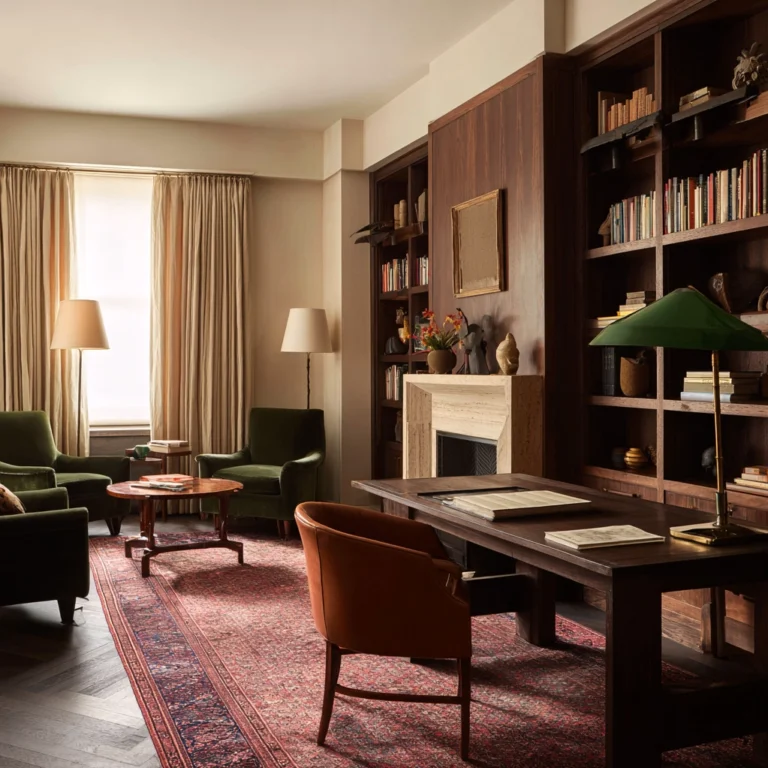
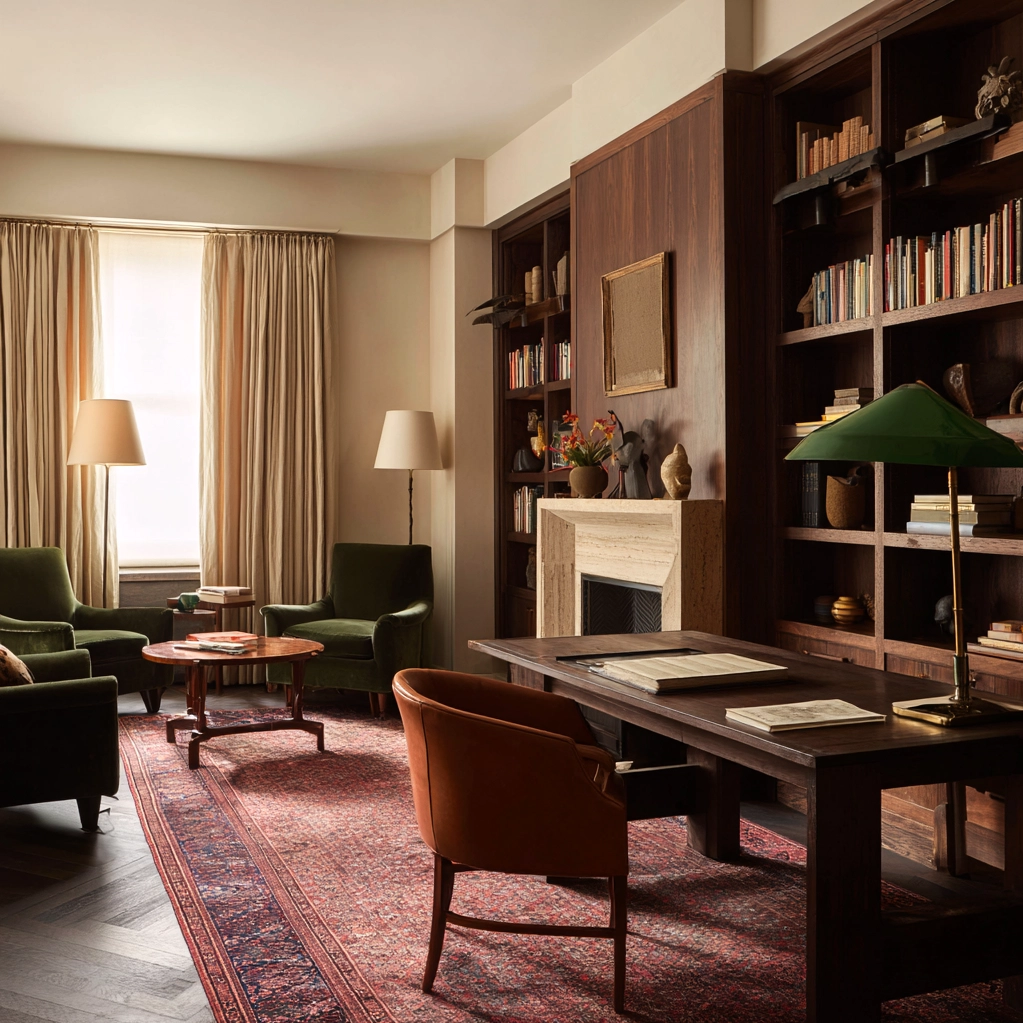
The term ‘old money’ evokes images of understated luxury, timeless taste, and a legacy of refined living. This aesthetic extends powerfully into the workspace, creating old money offices that are not just functional rooms, but sanctuaries of sophistication and success. An old money office is more than a desk and a chair; it’s a carefully curated environment that communicates stability, heritage, and quiet confidence. It rejects fleeting trends in favor of enduring quality, materials that age gracefully, and an atmosphere of profound calm. In our fast-paced, digital world, the allure of such a space is stronger than ever. It offers a retreat from the noise, a place where focus deepens and decisions feel more considered. This design philosophy isn’t about ostentatious wealth—it’s about cultivated taste. It’s the difference between a flashy statement and a whispered legacy. Understanding how to craft this look is valuable for anyone seeking to elevate their home workspace, study, or professional environment into a bastion of classic style. It teaches us to invest in pieces that last, to value craftsmanship over branding, and to create a backdrop for a life of purpose. The principles behind these spaces are surprisingly accessible, revolving around four key pillars that anyone can apply to instill a sense of gravitas and grace into their own working environment.
The Foundational Elements of an Old Money Office
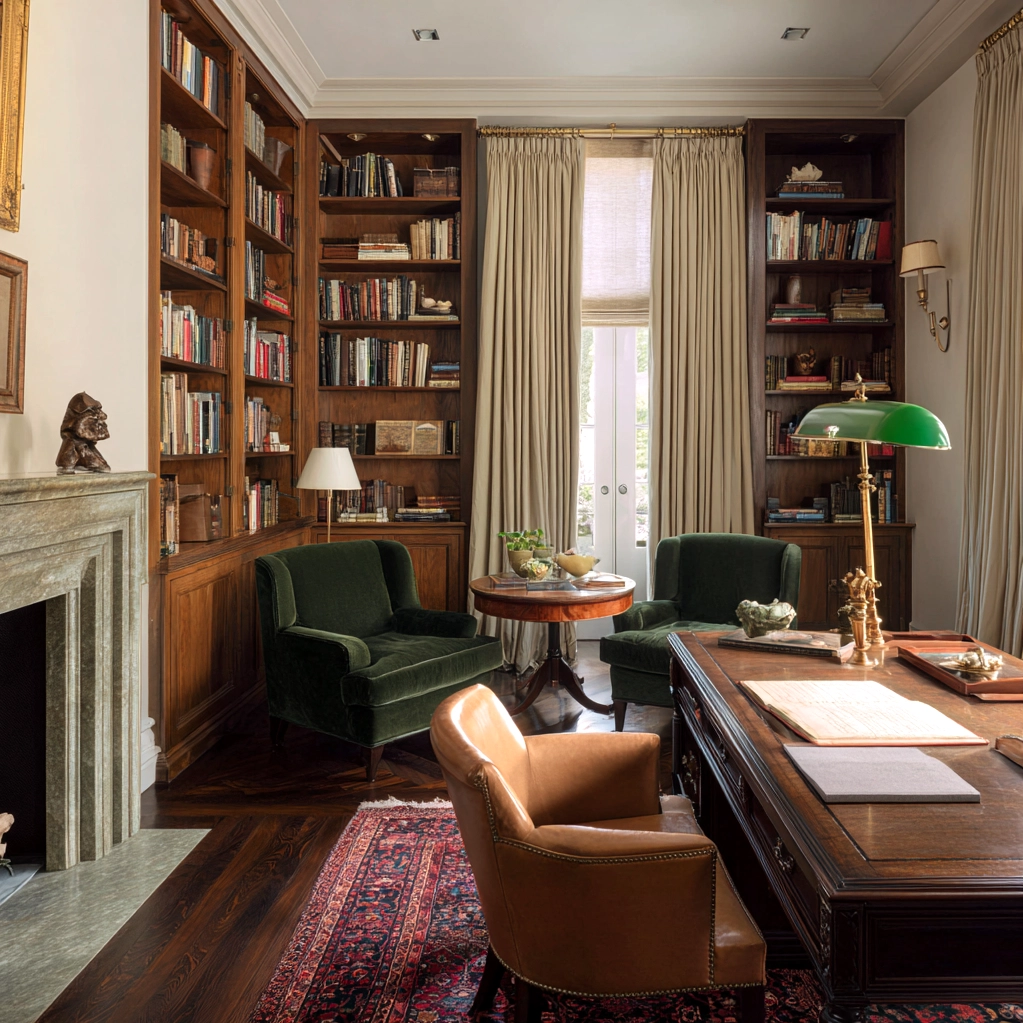
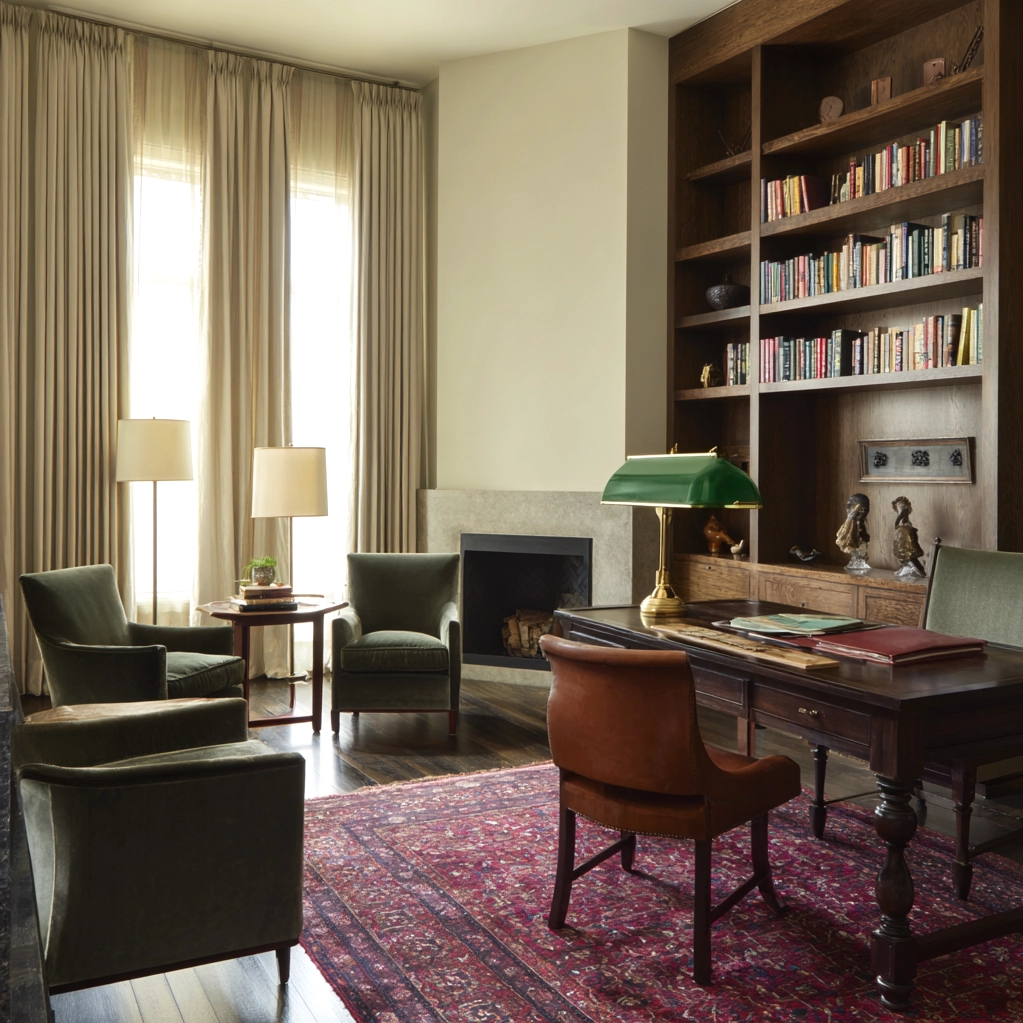
Creating an authentic old money office begins with its foundational elements: furniture, materials, and layout. These are the non-negotiables that set the stage for everything else. The furniture should be substantial, crafted from solid, rich woods like mahogany, walnut, or oak. Look for pieces with classic, clean lines—a partners desk, a leather-topped writing table, or a sturdy library table. Avoid anything overly ornate or flimsy. The goal is heft and history. Upholstery is equally critical. A high-backed leather chair, preferably in a worn-in burgundy, cognac, or forest green, is a quintessential anchor. The leather should be full-grain, developing a beautiful patina over time. For other seating, consider wool or velvet in deep, muted tones. Materials extend to the flooring and walls. Dark hardwood floors, perhaps with a Persian or Oriental rug layered on top, add warmth and texture. Walls are best kept in a palette of heritage colors: deep greens, navy blues, warm grays, or creamy off-whites. Wood paneling or wainscoting can elevate the space instantly, adding architectural interest. The layout should feel intentional and uncluttered. Furniture is arranged for conversation and contemplation, not just facing a screen. A seating area with two armchairs by a fireplace, if possible, invites thoughtful discussion. Every item has its place, and the space breathes, avoiding the cramped feeling of a modern cubicle. This deliberate foundation creates the silent, powerful backdrop that defines the old money aesthetic.
Curating the Old Money Office Library and Collections
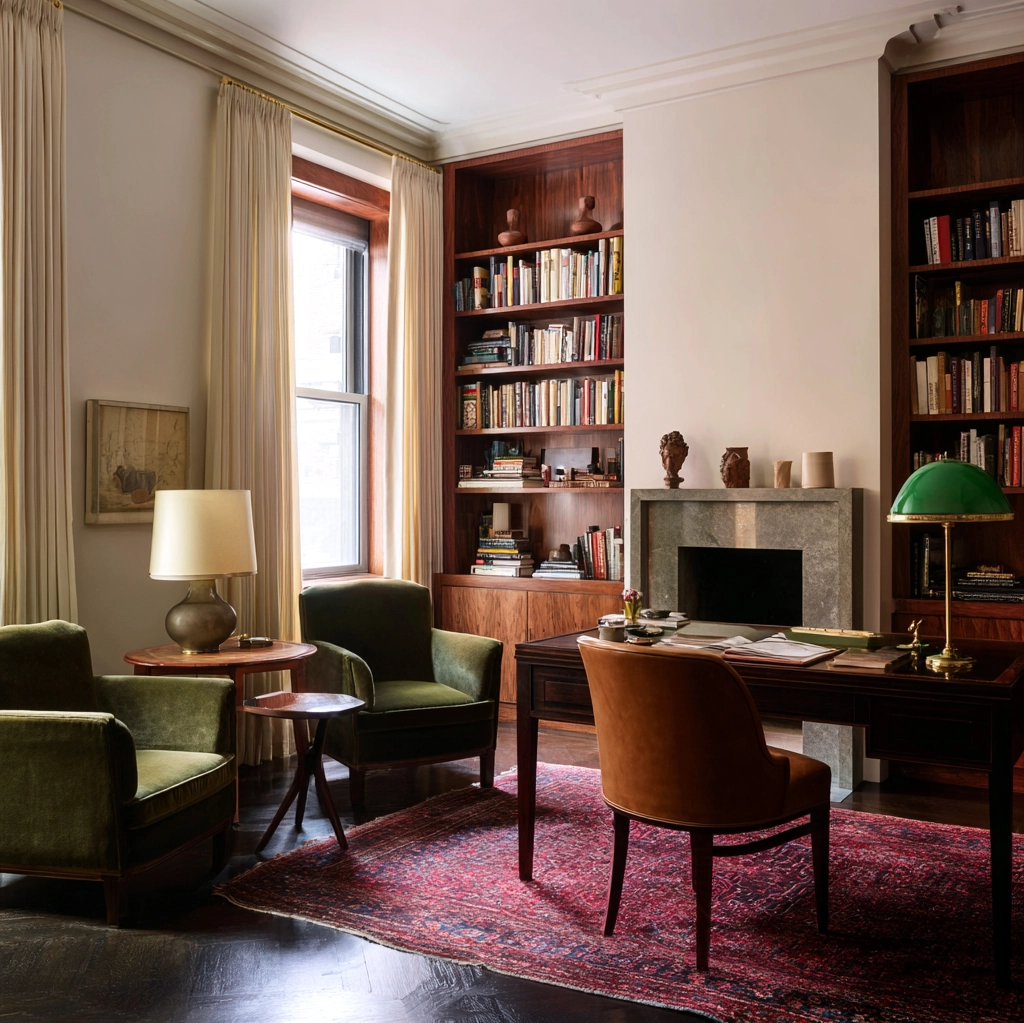
An old money office is defined as much by what it contains as by its empty spaces. It is a place of knowledge and curated passion. The most important collection is, without question, books. Floor-to-ceiling bookshelves, built-in or freestanding, are a hallmark. They should be filled with a mix of leather-bound classics, historical volumes, art books, and well-read modern literature. The books should look used and loved, not merely decorative. Arrange them by size and color for a cohesive look, and leave some space for objets d'art. This leads to the second key element: curated collections. An old money office might feature a globe on a stand, a collection of antique writing instruments in a crystal tray, or a few pieces of mineralogy under a glass dome. These items tell a story of travel, curiosity, and personal interest. They are collected over a lifetime, not bought in a set. Artwork is subdued and meaningful. Original oil paintings, etchings, or black-and-white photographs in simple frames work best. Avoid posters or mass-produced prints. A single, striking piece is more powerful than a wall of clutter. Finally, consider the tools of the trade. A beautiful fountain pen, a solid brass letter opener, a heavy crystal inkwell—these functional items are chosen for their beauty and permanence. They reject disposability. Together, a library and thoughtful collections transform the office from a mere workspace into a portrait of a cultivated mind, reinforcing the theme of legacy and lifelong learning that is central to the old money ethos.
Lighting and Atmosphere in the Old Money Office
The atmosphere of an old money office is its most intangible yet crucial quality, and lighting is the primary tool to shape it. Harsh, overhead fluorescent lights are the enemy. The goal is a warm, layered, and forgiving glow that flatters both the space and the person within it. Natural light is the first layer. Heavy, quality drapes in velvet or linen can be drawn back during the day to let in soft, diffused light. The second and most important layer is ambient lighting from multiple low-level sources. A classic green-shaded brass desk lamp provides perfect task lighting for reading or writing, casting a warm pool of light on the desktop. Around the room, use table lamps with linen or parchment shades on side tables. Their light should bounce off walls and ceilings, eliminating shadows without being glaring. The third layer is accent lighting. Picture lights above artwork or subtle sconces on wood-paneled walls add depth and highlight specific features. All bulbs should be warm white, mimicking the gentle light of incandescence. Beyond lighting, atmosphere is created through scent and sound. A subtle, woody fragrance from a high-quality candle or diffuser (think sandalwood, vetiver, or leather) can enhance the sensory experience. Sound should be minimal—perhaps the quiet tick of a mantle clock or the distant chime of a grandfather clock. The overall effect is one of profound calm and focus. This carefully managed atmosphere makes the old money office a retreat from the digital glare of modern life, a place where one can think deeply and work without distraction, enveloped in a sense of timeless serenity.
4 Key Principles for Modern Adaptation
While the archetypal old money office might seem like a relic, its core principles are perfectly adaptable to contemporary life. You don't need a manor house to capture the essence. Start with these four key principles. First, invest in fewer, better things. Instead of a cheap particle-board desk, save for one solid wood piece that will last decades. Apply this to your chair, lighting, and rug. Quality over quantity is the mantra. Second, embrace patina and character. New things can feel sterile. Seek out vintage or antique pieces with a history—a pre-owned leather chair, a salvaged library card catalog, an old globe. Their minor imperfections add authenticity and soul that new mass-produced items lack. Third, prioritize natural materials. Choose wool, leather, cotton, linen, wood, and brass over plastic, laminate, and synthetic fabrics. These materials age beautifully and feel substantial to the touch. Fourth, cultivate intentional emptiness. An old money office is not cluttered. Every item has a purpose and a place. Practice rigorous editing. A clear desk and organized shelves promote mental clarity. For the modern home, integrate technology discreetly. Hide cords, use a laptop stand that looks like a leather folio, or store devices in a drawer when not in use. The goal is to let the technology serve you without dominating the aesthetic. By following these four principles—investment, patina, natural materials, and emptiness—you can create a workspace that feels both timeless and perfectly suited for today's needs, proving that the old money office aesthetic is a sustainable and deeply satisfying approach to modern living.
Conclusion
The old money office represents more than a design style; it is a philosophy for creating a workspace that dignifies the work done within it. By focusing on foundational quality, curated knowledge, atmospheric lighting, and adaptable modern principles, we can craft environments that foster focus, inspire creativity, and stand the test of time. This approach moves us away from disposable, trend-driven interiors and toward spaces that accumulate meaning and character. They become sanctuaries that reflect a commitment to enduring values like craftsmanship, learning, and quiet confidence. In a world of constant digital notification and planned obsolescence, such a room offers a powerful counterpoint—a place of stability and deep thought. The future of workspaces, especially in our homes, will increasingly value this kind of intentional design. As we seek balance between our digital and physical lives, the principles of the old money office provide a timeless blueprint. They show us that our surroundings profoundly impact our mindset and productivity. Start small. Choose one quality piece. Edit your clutter. Layer your lighting. Each step brings you closer to owning a space that doesn't just look sophisticated, but feels it—a true legacy in the making, ready for the work and wisdom of years to come.
Frequently Asked Questions
Q: What is the most important piece of furniture for an old money office?
The most critical piece is undoubtedly the desk or writing table. It serves as the anchor of the room. Opt for a substantial piece made from solid wood like walnut, mahogany, or oak. A partners desk (a large desk meant for two people facing each other) is a classic choice, but any desk with clean, elegant lines and a sense of permanence will do. The material and craftsmanship of the desk set the tone for the entire space, communicating stability and taste before a single other item is added.
Q: Can I create an old money office on a budget?
Absolutely. The aesthetic is about principles, not unlimited funds. Focus on the core ideas: quality, natural materials, and curation. Shop for pre-owned solid wood furniture at estate sales, auctions, or online marketplaces—a well-made older desk often costs less than a new, flimsy one. Invest in one good leather chair secondhand. Paint your walls a deep, heritage color for instant atmosphere. Use library-style shelving from a big-box store and fill it with your own books. The key is to prioritize and build slowly, choosing one quality item at a time rather than buying a cheap set all at once.
Q: How do I incorporate modern technology without ruining the aesthetic?
The goal is seamless integration. Start by minimizing visible tech. Use a laptop stand made of wood or leather that blends with the desk. Invest in a wireless keyboard and mouse with a classic design. Manage all cords meticulously with clips, sleeves, or by routing them behind furniture. When not in use, store devices like tablets in a drawer. For necessary screens, consider a single monitor on a discreet arm that can be tucked away. The philosophy is to let the technology be a tool that disappears into the background, preserving the room's timeless, analog feel while still providing full modern functionality.