
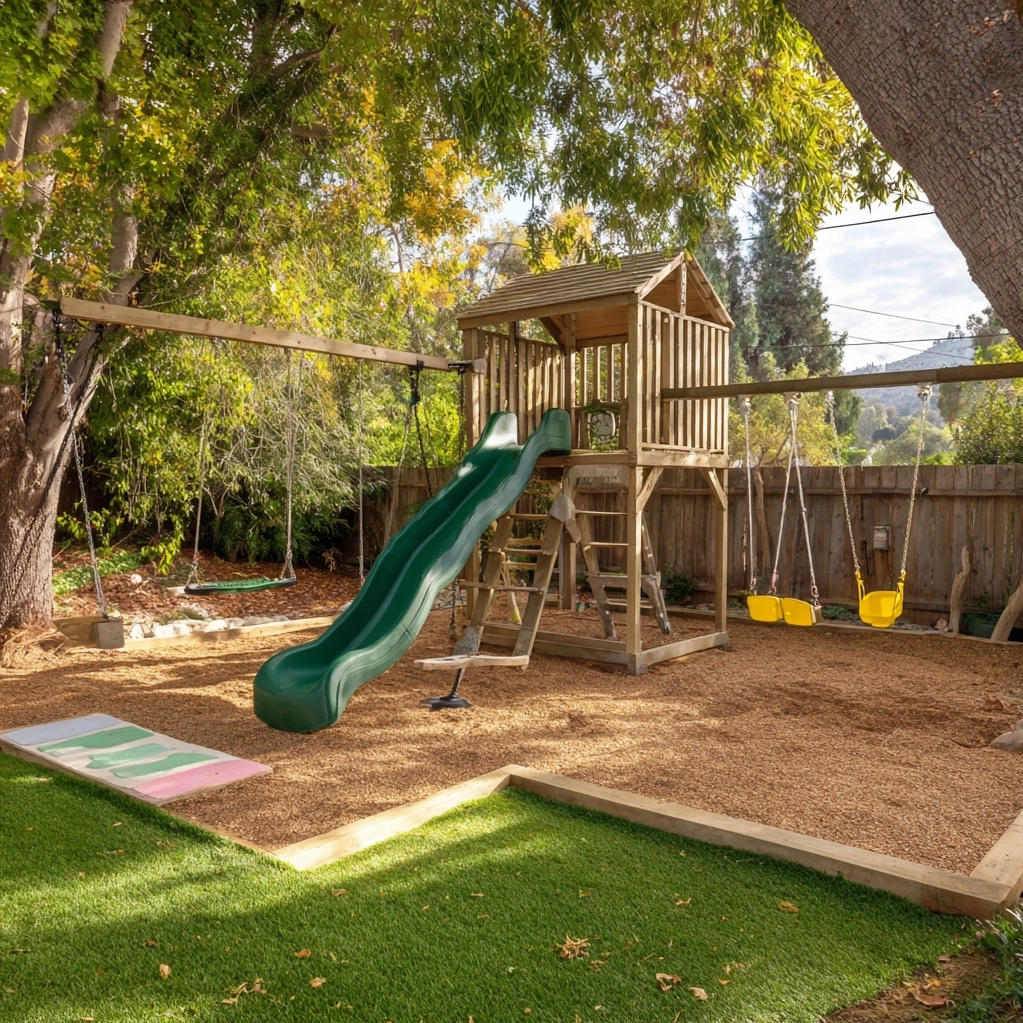
Creating an outdoor kids play area in your backyard is more than just adding a swing set or sandbox – it’s about crafting a space where imagination flourishes, physical activity becomes joyful play, and childhood memories are made under the open sky. In today’s digital age where screens compete for our children’s attention, a thoughtfully designed outdoor play area offers a powerful antidote to sedentary lifestyles while fostering creativity, independence, and connection with nature. Whether you have a sprawling backyard or a modest patio, every family can benefit from dedicating space for outdoor play. These areas become natural gathering spots where children learn social skills through shared games, develop physical coordination through climbing and running, and experience the simple pleasures of fresh air and sunshine. The magic of an outdoor play area lies in its ability to transform ordinary afternoons into adventures, turning your own backyard into a destination that rivals any playground. Beyond the immediate fun, these spaces teach children valuable lessons about boundaries, safety, and responsibility while giving them a sense of ownership over their environment. As parents, we want to provide our children with the best possible foundation for growth, and a well-designed outdoor play area contributes significantly to their physical, emotional, and social development. The beauty of creating such a space is that it doesn’t require massive budgets or professional landscaping – with some thoughtful planning and creative thinking, you can build an outdoor kids play area that becomes the heart of your family’s outdoor life.
Planning Your Perfect Outdoor Kids Play Area
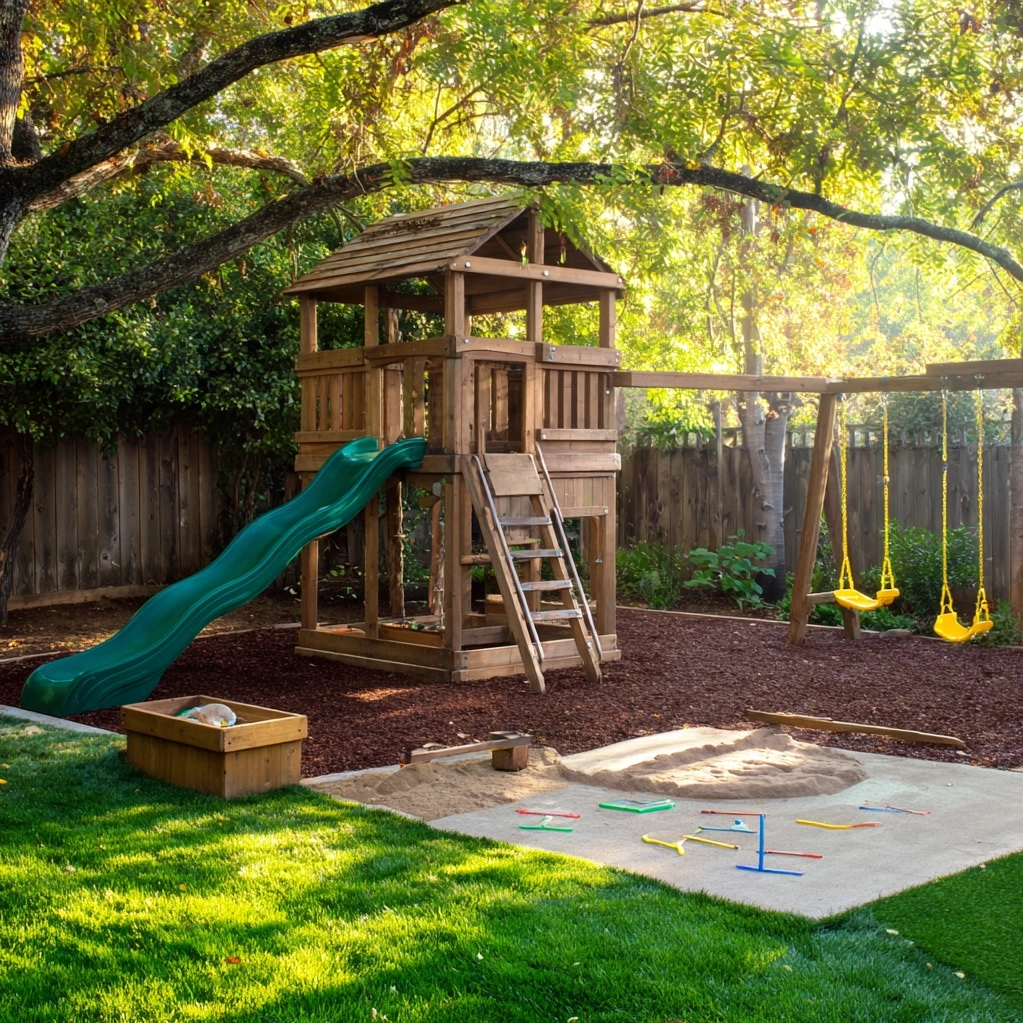
The foundation of any successful outdoor kids play area begins with careful planning that considers both safety and functionality. Start by assessing your available space – measure the area and note any existing features like trees, slopes, or structures that could influence your design. Consider the ages of your children and their specific interests; younger children benefit from sensory elements like sand and water play, while older kids might prefer climbing structures or sports areas. Create zones within your outdoor kids play area to accommodate different types of activities – a quiet corner for imaginative play, an open space for running games, and structured areas for equipment. Safety should be your top priority throughout the planning process. Ensure there's adequate fall protection under climbing equipment, typically with wood chips, rubber mulch, or safety tiles. Position your outdoor kids play area where you can easily supervise from your home or patio, and consider sightlines when placing taller elements. Think about accessibility too – children should be able to move freely between different play zones without obstacles. When planning your outdoor kids play area, consider how it will evolve as your children grow. Modular systems with interchangeable components offer flexibility, while permanent structures should have age-appropriate challenges that can be modified over time. Don't forget practical considerations like drainage to prevent muddy conditions and proximity to your home for quick bathroom breaks or drink refills. A well-planned outdoor kids play area balances structured equipment with open space, allowing children to create their own games while providing safe, engaging challenges. Take time to observe how your children naturally play outdoors – do they love digging, climbing, or building? Incorporate elements that match their natural inclinations to create an outdoor kids play area they'll genuinely love using. Finally, consider how the space will be used during different seasons and weather conditions, planning for shade in summer and perhaps covered areas for rainy day play.
Essential Elements for an Engaging Outdoor Kids Play Area
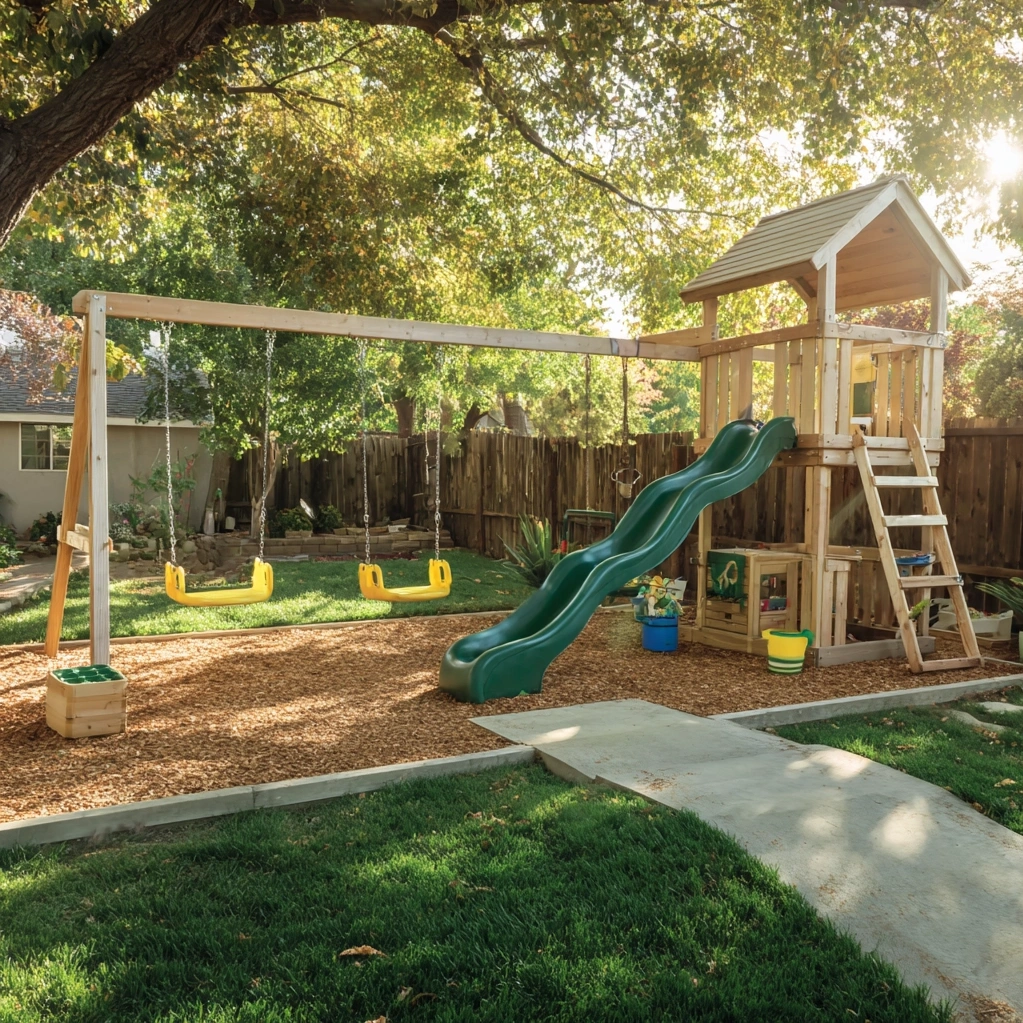
Every memorable outdoor kids play area combines several key elements that work together to create endless entertainment possibilities. Start with versatile climbing structures that offer multiple ways to play – a simple A-frame with swings, climbing wall, and slide provides hours of fun while developing strength and coordination. Incorporate natural elements whenever possible; a designated digging area with child-sized tools, a water table for sensory play, or a small garden plot where children can grow plants adds valuable learning opportunities to your outdoor kids play area. Don't underestimate the power of open space – leave plenty of room for running, cartwheels, and improvised games. A paved or smooth surface area is perfect for chalk drawings, tricycle riding, or ball games. For imaginative play, include elements that can transform with a child's creativity: a simple playhouse becomes a castle, spaceship, or grocery store depending on the day's adventure. Consider adding musical elements to your outdoor kids play area – hanging pots and pans or outdoor xylophones create joyful noise while developing rhythm and auditory awareness. Storage is a crucial but often overlooked element; include weather-resistant bins or a small shed for toys and equipment to keep your outdoor kids play area organized and inviting. For families with multiple children, create spaces that accommodate different ages simultaneously – perhaps a lower platform for toddlers and higher challenges for older siblings. Incorporate seating areas for parents within the outdoor kids play area, creating comfortable spots for supervision and interaction. Natural shade from trees or manufactured structures like pergolas makes the space usable throughout the day, while proper lighting extends playtime into early evenings. Safety surfacing is non-negotiable – install appropriate materials under all climbing and swinging equipment, extending the safety zone beyond the equipment's footprint. Finally, add personal touches that make the outdoor kids play area uniquely yours: painted stepping stones, a custom name sign, or themed decorations that reflect your family's interests. These elements work together to create an outdoor kids play area that children will return to day after day, finding new ways to play each time they visit.
Budget-Friendly Ideas for Your Outdoor Kids Play Area
Creating an amazing outdoor kids play area doesn't require a massive budget – with creativity and resourcefulness, you can build a wonderful space that provides years of enjoyment. Start by repurposing materials you already have: old tires make excellent swings or obstacle course elements, wooden pallets can become playhouses or sandbox borders, and leftover bricks or pavers create perfect pathways through your outdoor kids play area. Visit local recycling centers or online marketplaces for gently used play equipment – many families sell quality items as their children outgrow them. For climbing structures, consider natural alternatives like sturdy fallen logs (properly secured), rope ladders hung from strong tree branches, or a simple cargo net attached between posts. Create an imaginative play zone in your outdoor kids play area using everyday items: an old kitchen table becomes a fort with a sheet draped over it, cardboard boxes transform into rockets or cars, and fabric scraps can be used for costume play. A basic sandbox requires only lumber for framing and play sand – add kitchen utensils from thrift stores for digging and building tools. Water play elements in your outdoor kids play area can be as simple as a plastic storage bin filled with water and cups, or a length of gutter with end caps for water channel experiments. For artistic expression, paint a section of fence or wall with chalkboard paint to create an outdoor drawing surface in your outdoor kids play area. Nature provides free play materials – collect pinecones for sorting games, leaves for art projects, or stones for building. Create a mud kitchen in your outdoor kids play area using old pots, pans, and utensils where children can mix dirt and water to their hearts' content. If you're building permanent structures, use affordable but durable materials like pressure-treated lumber and galvanized hardware. Involve your children in creating elements for the outdoor kids play area – they can paint rocks for decoration, help plant a sensory garden, or design their own game markers. Remember that the most valuable aspects of an outdoor kids play area often cost nothing: space to run, natural materials to explore, and time to play freely. By focusing on versatility and imagination rather than expensive equipment, you can create an outdoor kids play area that grows with your children and adapts to their changing interests.
Maintaining and Evolving Your Outdoor Kids Play Area
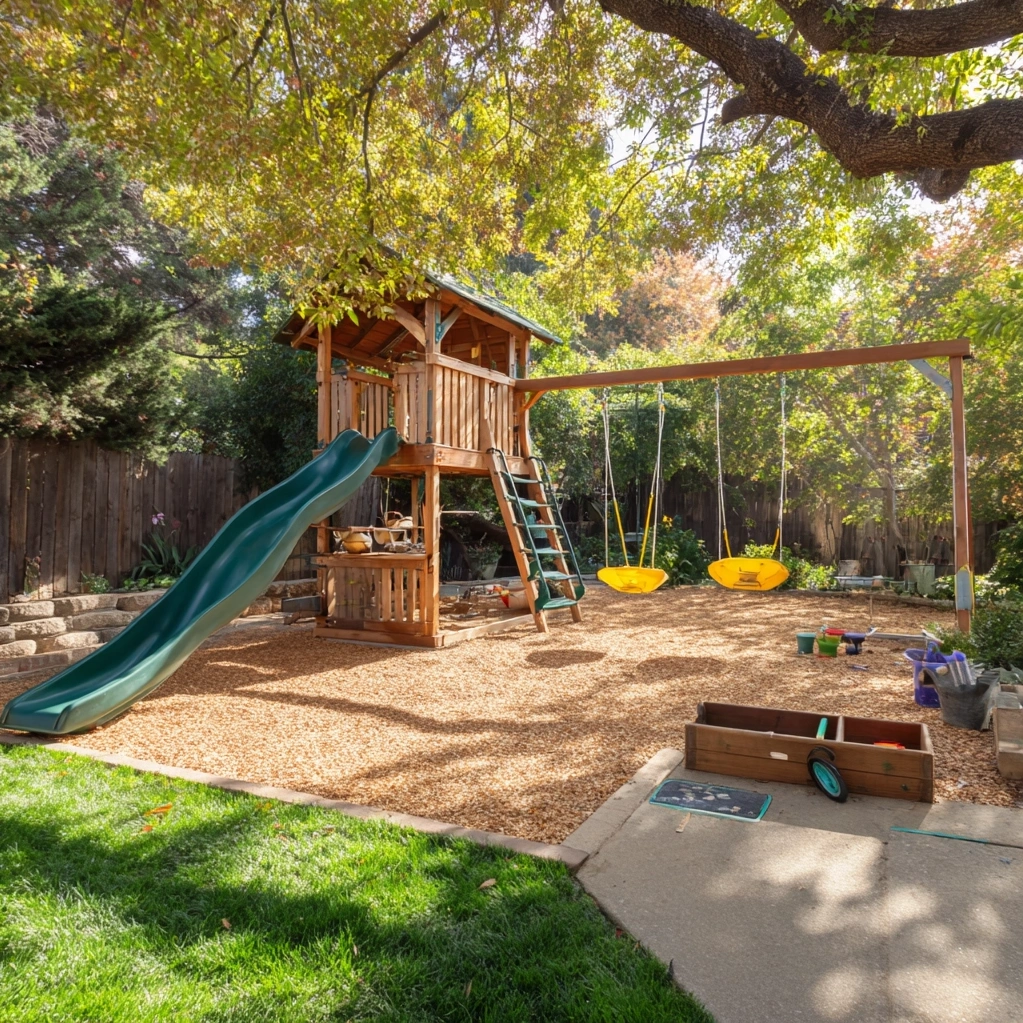
A successful outdoor kids play area requires regular maintenance and thoughtful evolution to remain safe, engaging, and relevant as your children grow. Establish a simple maintenance routine that includes weekly safety checks – inspect all equipment for loose bolts, sharp edges, or wear points, and test swing chains and climbing ropes for strength. Keep surfaces clean and free of debris, particularly in fall zones under equipment. Wooden structures in your outdoor kids play area may need annual treatment with child-safe sealants to prevent splintering and weathering, while metal components should be checked for rust. Refresh safety surfacing regularly, raking loose materials to maintain proper depth and removing any foreign objects. As seasons change, adapt your outdoor kids play area accordingly: store delicate items during harsh weather, add shade solutions for summer, and create cozy elements for cooler months. The evolution of your outdoor kids play area should match your children's development – toddlers need different challenges than school-aged children. Consider how to modify existing elements: add higher climbing holds to a wall, introduce more complex building materials to construction areas, or create new game rules for sports spaces. Listen to your children's feedback about the outdoor kids play area; they'll often suggest improvements or new elements they'd enjoy. Rotate toys and equipment seasonally to keep the space feeling fresh and exciting. Incorporate learning elements as your children grow – add measurement markers to a climbing structure, create weather observation stations, or include gardening projects that teach responsibility. Safety considerations evolve too; as children gain independence, you might expand boundaries or introduce tools with proper supervision. Document the growth of your outdoor kids play area with photos – not only does this create wonderful memories, but it helps you track what elements get the most use and what might need improvement. Consider how the space can accommodate friends and playdates as your children's social circles expand. Finally, think about the lifecycle of your outdoor kids play area – some elements will eventually be outgrown or need replacement. Plan for this natural progression, perhaps passing equipment to younger relatives or repurposing materials for new projects. A well-maintained and evolving outdoor kids play area remains a cherished family space for years, adapting to your children's changing needs while continuing to provide the benefits of outdoor play.
Conclusion
Creating and maintaining an outdoor kids play area represents one of the most rewarding investments you can make in your family's quality of life and your children's development. More than just a collection of equipment, this dedicated space becomes a canvas for imagination, a gym for growing bodies, and a classroom for life lessons learned through play. The benefits extend far beyond the immediate entertainment value – children who regularly engage with well-designed outdoor play areas develop stronger physical coordination, enhanced problem-solving skills, and deeper appreciation for nature and outdoor activity. As we've explored, successful outdoor kids play areas balance safety with adventure, structure with freedom, and permanent installations with adaptable elements. Whether you start with a simple sandbox and grow your space over time or create a comprehensive play environment from the beginning, the key is to match the design to your children's ages, interests, and your family's lifestyle. Looking forward, consider how your outdoor kids play area can evolve to include more sustainable elements – perhaps a rainwater collection system for water play, native plants that attract butterflies and birds, or solar-powered lighting for evening enjoyment. The future of outdoor play spaces increasingly embraces biophilic design principles that strengthen children's connection to the natural world. As your children grow, involve them in planning additions or changes to the space, teaching them about design, budgeting, and project management in the process. Remember that the most successful outdoor kids play areas aren't necessarily the most expensive or elaborate – they're the spaces where children feel free to explore, create, and simply be kids. By prioritizing this valuable outdoor space, you're giving your children gifts that last a lifetime: memories of sunny afternoons, confidence gained through physical challenges, and the fundamental joy of play. Start where you are with what you have, and watch as your outdoor kids play area becomes the backdrop for your family's happiest moments.
Frequently Asked Questions
Q: What is the minimum space needed for an outdoor kids play area?
You can create a functional outdoor kids play area in as little as 100 square feet, though 200-400 square feet allows for more variety. The key is vertical thinking – use climbing walls, overhead elements, and multi-level structures to maximize play value in limited horizontal space. Even small patios or balconies can host container gardens, water tables, and compact climbing frames. Focus on versatile equipment that serves multiple purposes, like a play structure combining slide, climbing, and swinging functions. For very small spaces, consider portable or foldable elements that can be stored when not in use. Remember that quality matters more than quantity – a well-designed small outdoor kids play area often provides more enjoyment than a sprawling but poorly planned space.
Q: How can I make our outdoor kids play area safe for different age groups?
Creating a safe outdoor kids play area for mixed ages involves thoughtful zoning and equipment selection. Designate specific areas for different age groups – a toddler zone with low platforms, gentle slides, and secure boundaries, separate from areas with higher challenges for older children. Use age-appropriate safety surfacing throughout, with deeper cushioning under equipment designed for bigger kids. Install protective barriers around potentially hazardous elements, and ensure all climbing structures have proper guardrails and handholds sized for different hand sizes. Supervise actively when children of different ages play together, and teach older children to be aware of their younger siblings' capabilities. Choose equipment with adjustable features – swings with convertible seats, climbing walls with removable holds at higher levels, or modular systems that can be reconfigured as children grow. Regular safety inspections become even more important with mixed-age use, as wear patterns may differ across equipment sections.
Q: What are the most durable materials for outdoor play equipment?
The most durable materials for outdoor kids play areas include pressure-treated cedar or redwood for wooden structures, which naturally resist insects and decay while being splinter-resistant. Powder-coated steel or aluminum provides excellent durability for metal frames and swing sets, with rust-resistant finishes that withstand weather exposure. For plastic components, look for UV-stabilized polyethylene or polypropylene that won't become brittle or fade significantly. Hardware should be galvanized or stainless steel to prevent corrosion. For safety surfacing, rubber mulch or poured rubber tiles offer long-lasting cushioning that maintains its protective qualities for years. Natural options like cedar chips also provide good durability with proper maintenance. When selecting materials, consider your local climate – areas with intense sun need UV-resistant materials, while rainy regions require excellent drainage and mold resistance. Invest in quality from the start, as durable materials may cost more initially but save money on replacements and repairs over time.