
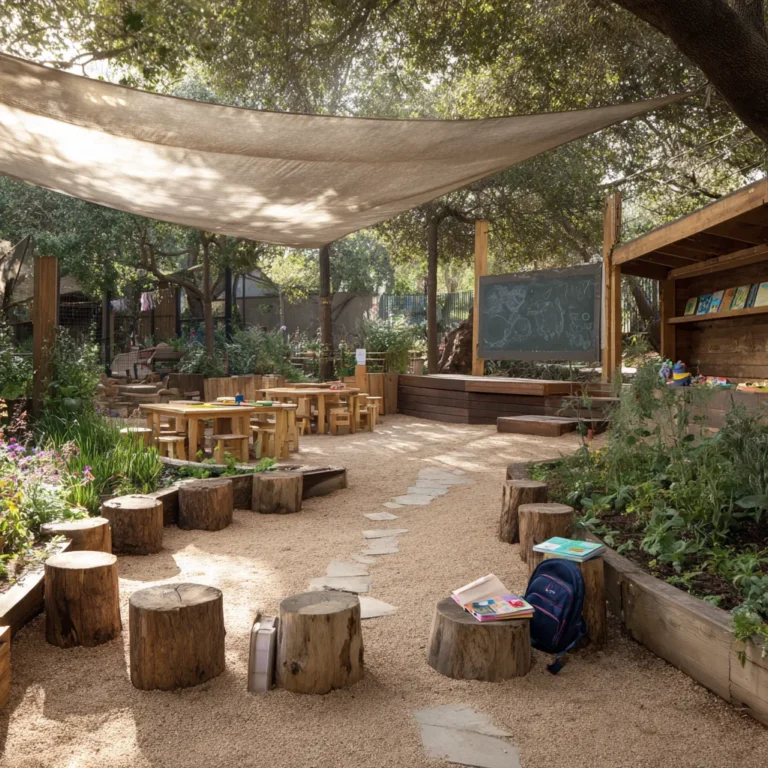
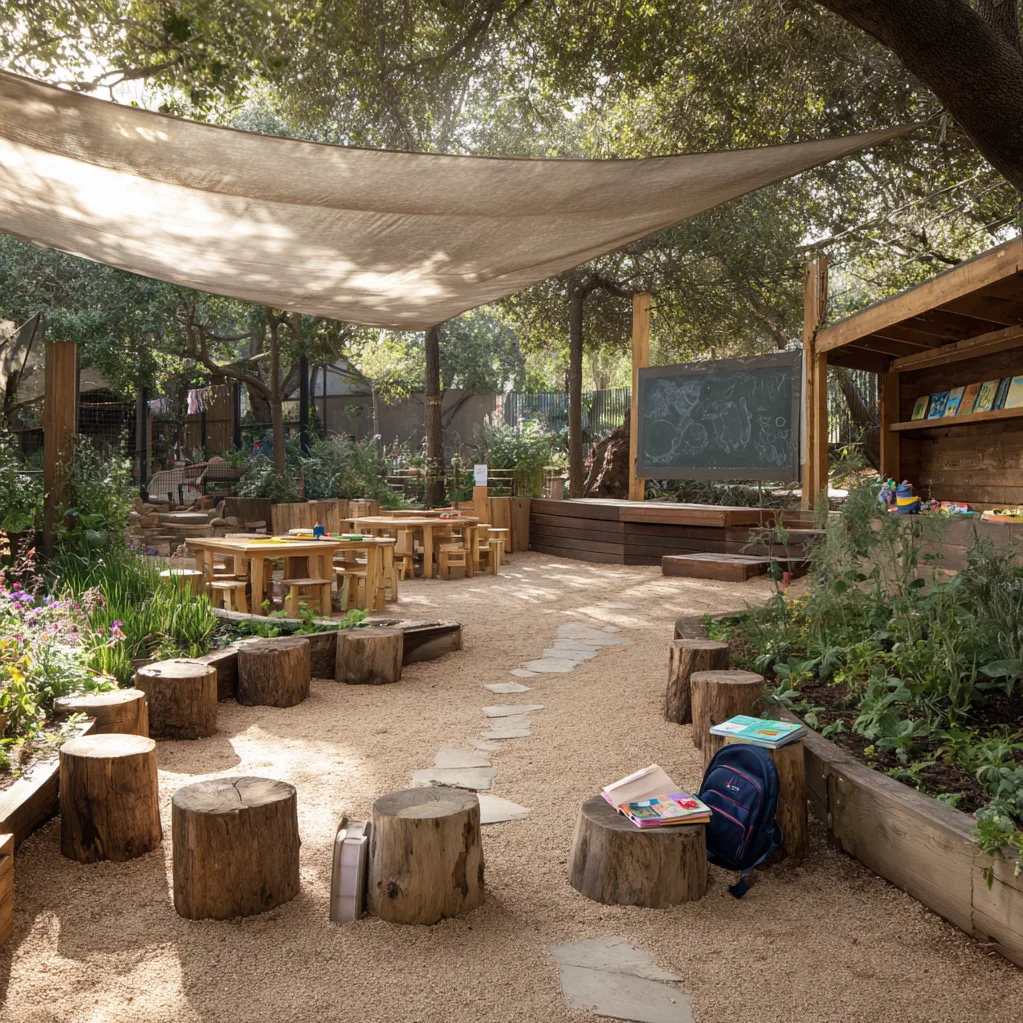
Imagine a classroom without walls, where fresh air fuels curiosity and nature becomes the ultimate teacher. Outdoor learning spaces in schools are no longer a luxury but a necessity, offering a dynamic environment that traditional indoor settings simply can’t match. With childhood obesity rates climbing and screen time dominating young lives, these spaces provide crucial opportunities for physical activity, hands-on exploration, and stress reduction. Studies show that exposure to natural light and green spaces boosts cognitive function, improves mood, and enhances academic performance. Schools that integrate outdoor learning areas report higher student engagement, better behavior, and stronger community connections. From urban courtyards to sprawling forest clearings, these spaces adapt to any setting, making learning more inclusive and accessible. They encourage creativity, problem-solving, and teamwork, skills essential for future success. In this article, we’ll dive into practical ideas for creating effective outdoor learning environments, backed by real-world examples and expert insights. Whether you’re a teacher, parent, or administrator, you’ll discover how to transform any schoolyard into a vibrant hub of discovery and growth. Embrace the shift toward experiential education and unlock the full potential of every student with these innovative approaches to outdoor learning.
Budget-Friendly Outdoor Learning Spaces Ideas for Schools
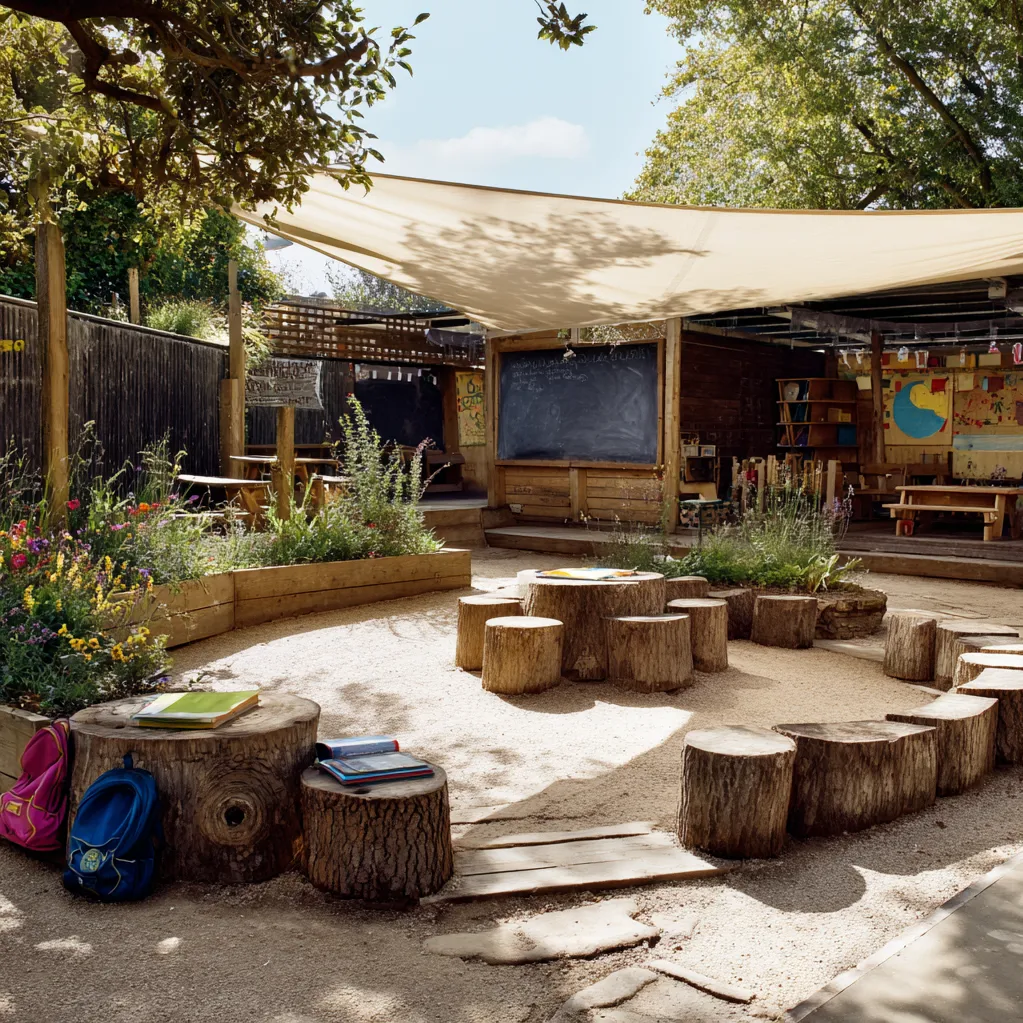
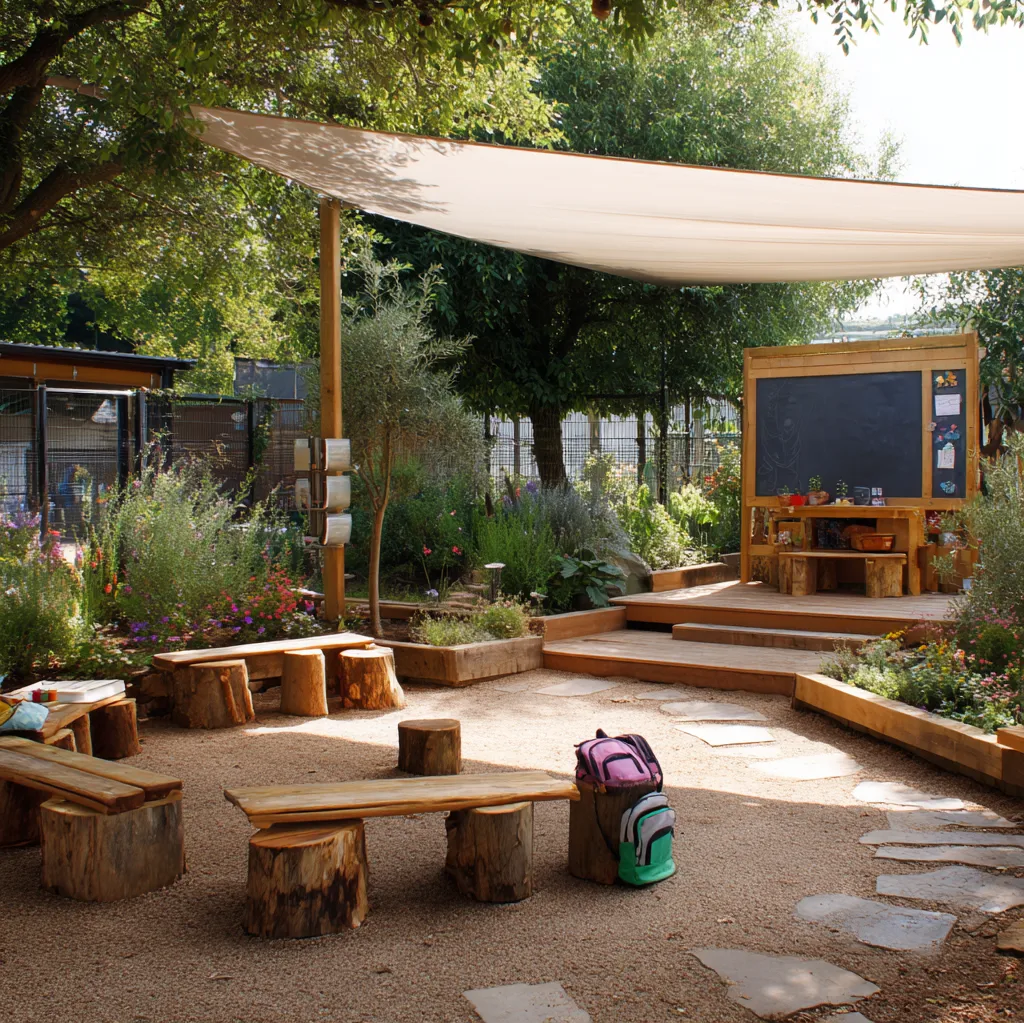
Creating effective outdoor learning spaces in schools doesn't have to drain your budget. Start with low-cost materials like repurposed wooden pallets for seating or chalkboards painted on fences. Local businesses often donate supplies, such as old tires for garden beds or stones for pathways, fostering community involvement. Focus on multi-functional elements: a simple gravel area can serve as a storytelling circle, science lab, or art studio. Incorporate natural features already on campus, like shady trees for reading nooks or slopes for amphitheater-style seating. For weather protection, use affordable tarps or DIY pergolas made from PVC pipes and climbing plants. Engage students in the design process to build ownership and reduce labor costs—they can paint murals or assemble recycled bottle greenhouses. According to Edutopia, schools that involve students in outdoor space projects see higher usage and maintenance rates. Remember, the goal is to maximize learning opportunities without overspending. Prioritize durability and safety by choosing materials that withstand the elements and are easy to clean. With creativity and collaboration, even the tightest budgets can yield inspiring outdoor classrooms that enrich education daily.
Innovative Layouts for Outdoor Learning Spaces Ideas in Schools
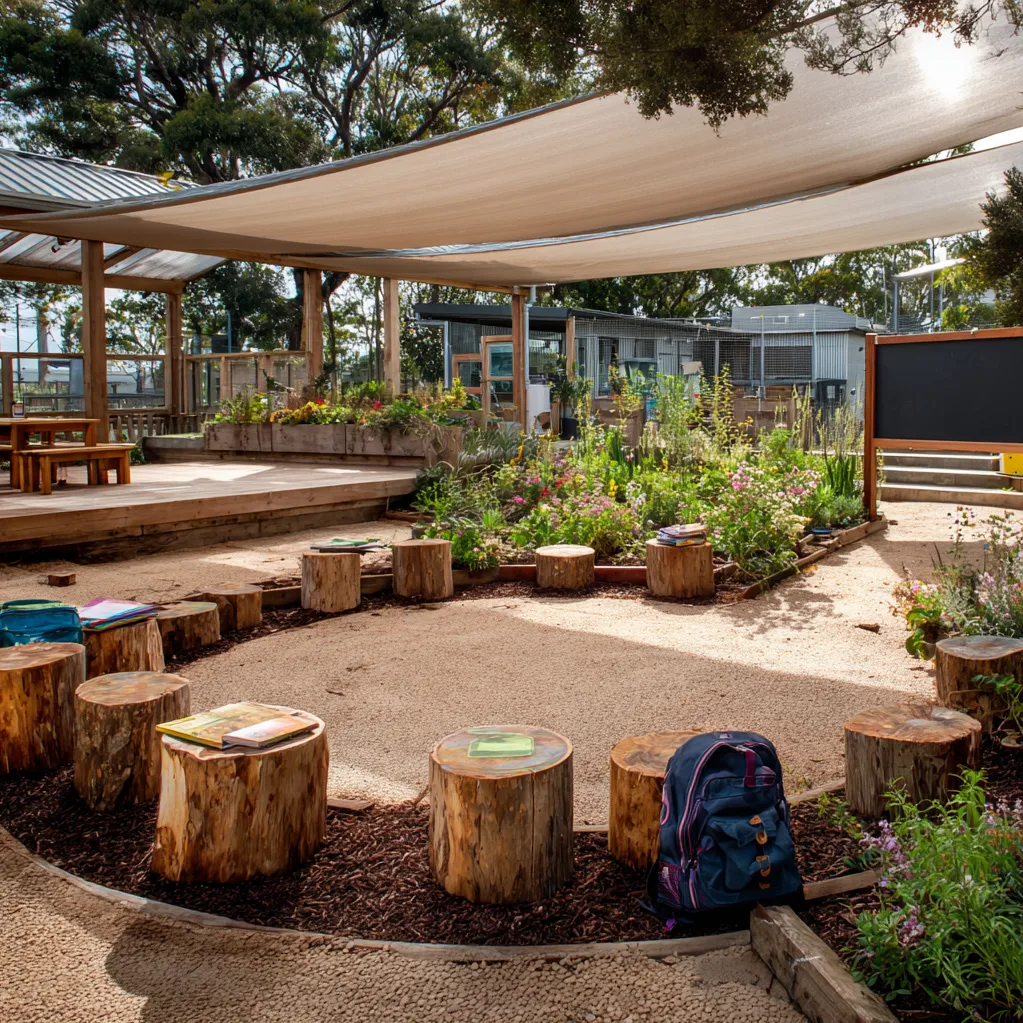
The layout of outdoor learning spaces in schools can make or break their effectiveness. Start by zoning areas for different activities: a quiet corner with benches for reading, an open lawn for group discussions, and a hands-on zone with raised garden beds for science experiments. Use natural boundaries like hedges or low fences to define spaces without blocking sightlines, ensuring teacher supervision. Incorporate flexible seating options, such as movable logs, stumps, or mats, allowing quick reconfiguration for various lessons. For larger schools, consider circular or semicircular arrangements to promote inclusivity and eye contact during instruction. Pathways made of mulch or stepping stones guide movement and reduce trampling of green areas. Include shaded spots under trees or simple structures to protect from sun and light rain, extending usability across seasons. Think about accessibility—ensure paths are wide enough for wheelchairs and surfaces are even to prevent trips. A well-planned layout encourages flow between activities, reducing transition times and keeping students engaged. For inspiration, visit the Green Schoolyards America website, which highlights successful designs from across the country. By thoughtfully arranging elements, you create a cohesive environment that supports diverse learning styles and fosters a sense of community among students.
Sustainable Materials for Outdoor Learning Spaces Ideas in Schools
Choosing sustainable materials for outdoor learning spaces in schools not only benefits the environment but also teaches students valuable lessons in eco-consciousness. Opt for locally sourced, renewable resources like bamboo for fencing or seating, which grows quickly and requires minimal processing. Recycled plastic lumber is ideal for benches and tables, as it resists rot and doesn't need painting, reducing long-term maintenance. For ground cover, use permeable options such as gravel, wood chips, or native grasses that allow rainwater absorption and reduce runoff. Incorporate living elements like vertical gardens on walls or roofs, which improve air quality and provide habitats for pollinators. When building structures, select durable woods certified by the Forest Stewardship Council (FSC) to support responsible forestry. Avoid treated woods with harmful chemicals; instead, use natural sealants or metal alternatives for longevity. Include compost bins or rain barrels to demonstrate resource cycles, turning waste into learning opportunities. These choices align with curriculum goals in science and sustainability, making the space an active part of education. For more ideas, check out resources from the U.S. Green Building Council, which offers guidelines on eco-friendly school projects. By prioritizing sustainability, you create a healthier, more resilient outdoor classroom that inspires future generations to care for the planet.
Conclusion
Outdoor learning spaces in schools represent a powerful shift toward holistic education, blending academic rigor with the restorative benefits of nature. Throughout this article, we've explored budget-friendly strategies, innovative layouts, and sustainable materials that make these environments accessible and effective. By implementing these ideas, schools can address modern challenges like student stress and disengagement while fostering skills in creativity, collaboration, and environmental stewardship. The evidence is clear: students in outdoor settings show improved focus, physical health, and emotional well-being. As we look to the future, the integration of technology—such as solar-powered charging stations or weather sensors—could further enhance these spaces, making them hubs for STEAM (Science, Technology, Engineering, Arts, and Mathematics) learning. Schools should start small, perhaps with a single garden or seating area, and expand based on community feedback and success stories. For ongoing inspiration, explore our guide on https://chicaurahome.com/school-garden-designs to see how similar projects have transformed learning. Embrace this movement; by investing in outdoor classrooms, we're not just building spaces—we're cultivating curious, resilient minds ready to thrive in an ever-changing world. Take the first step today and watch your school's potential bloom under the open sky.
Frequently Asked Questions
Q: What are the key benefits of outdoor learning spaces in schools?
Outdoor learning spaces offer numerous benefits, including improved academic performance through hands-on experiences, enhanced physical health from increased activity, and better mental well-being due to exposure to nature. They encourage creativity, problem-solving, and social skills, while reducing stress and boredom common in traditional classrooms. Studies, such as those cited by the Children & Nature Network, show that students in outdoor settings have higher engagement and retention rates.
Q: How can schools fund the creation of outdoor learning spaces on a tight budget?
Schools can use cost-effective strategies like applying for grants from organizations such as the National Environmental Education Foundation, organizing community fundraisers, or partnering with local businesses for material donations. Repurposing existing resources—like using recycled items for seating or gardens—also cuts costs. Involving students and parents in DIY projects not only saves money but builds a sense of ownership and pride in the space.
Q: What safety considerations are important for outdoor learning spaces in schools?
Safety is paramount and includes ensuring surfaces are slip-resistant and even to prevent falls, providing shade and water access to avoid heat-related issues, and using non-toxic, durable materials. Supervision should be easy with clear sightlines, and elements like fences or natural barriers can define boundaries. Regular maintenance checks for hazards like loose structures or pests are essential. Always adhere to local school safety guidelines to create a secure environment for all students.