

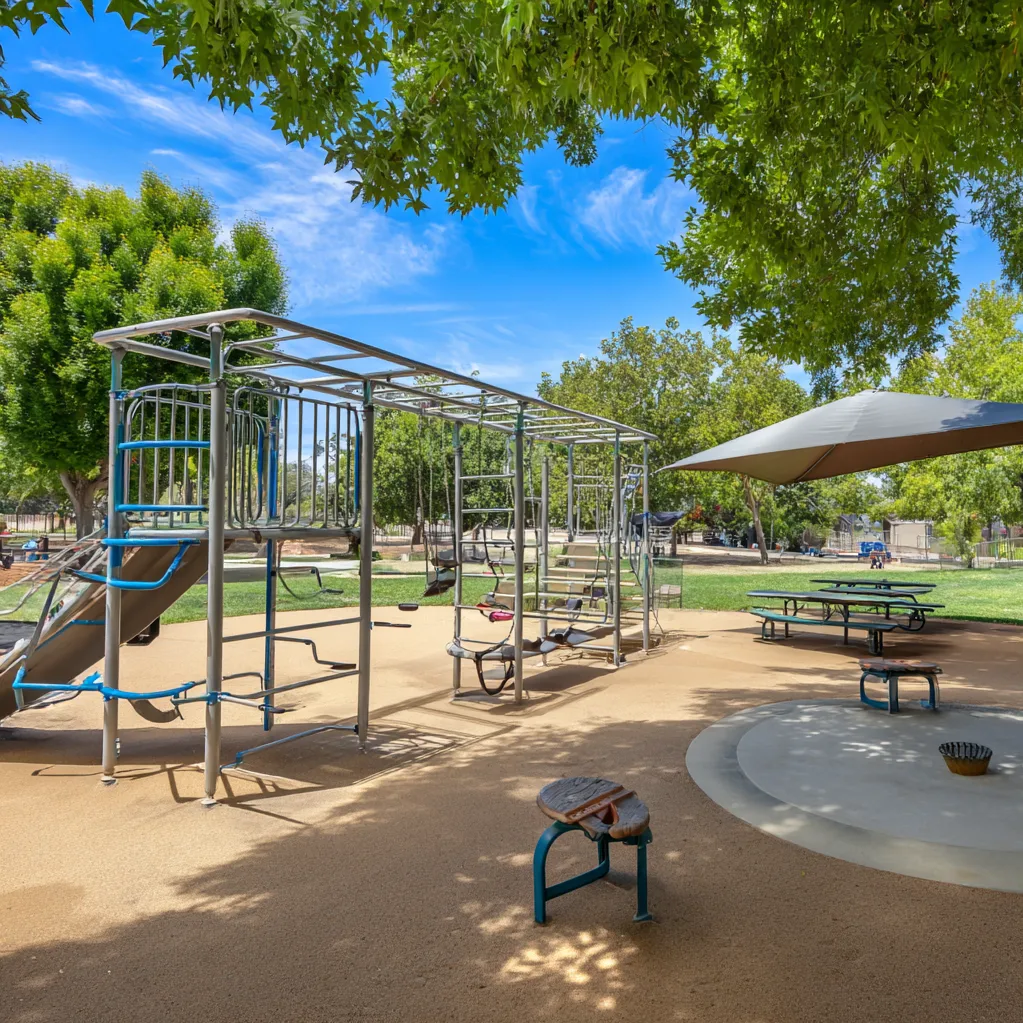
Outdoor school playgrounds are more than just spaces for children to burn off energy; they are vital environments that foster physical development, social skills, and a love for learning through play. In today’s fast-paced world, where screen time often overshadows outdoor activities, well-designed playgrounds encourage kids to engage with nature, build friendships, and develop crucial motor skills. The right outdoor school playground ideas can transform a bland yard into a dynamic hub of exploration, making recess a highlight of the school day. A thoughtfully planned playground not only supports health and wellness but also enhances cognitive abilities by stimulating curiosity and problem-solving. For educators and parents, investing in creative playgrounds means prioritizing children’s holistic growth. From climbing structures that build strength to sensory gardens that spark imagination, every element plays a role in shaping confident, active learners. Let’s dive into how innovative designs can create safe, inclusive, and exciting spaces where every child thrives. Remember, a great playground isn’t just about equipment—it’s about crafting experiences that leave lasting positive impacts. For more insights on designing functional spaces, check out this guide from a trusted source like the National Program for Playground Safety.
Innovative Outdoor School Playground Ideas for Active Play
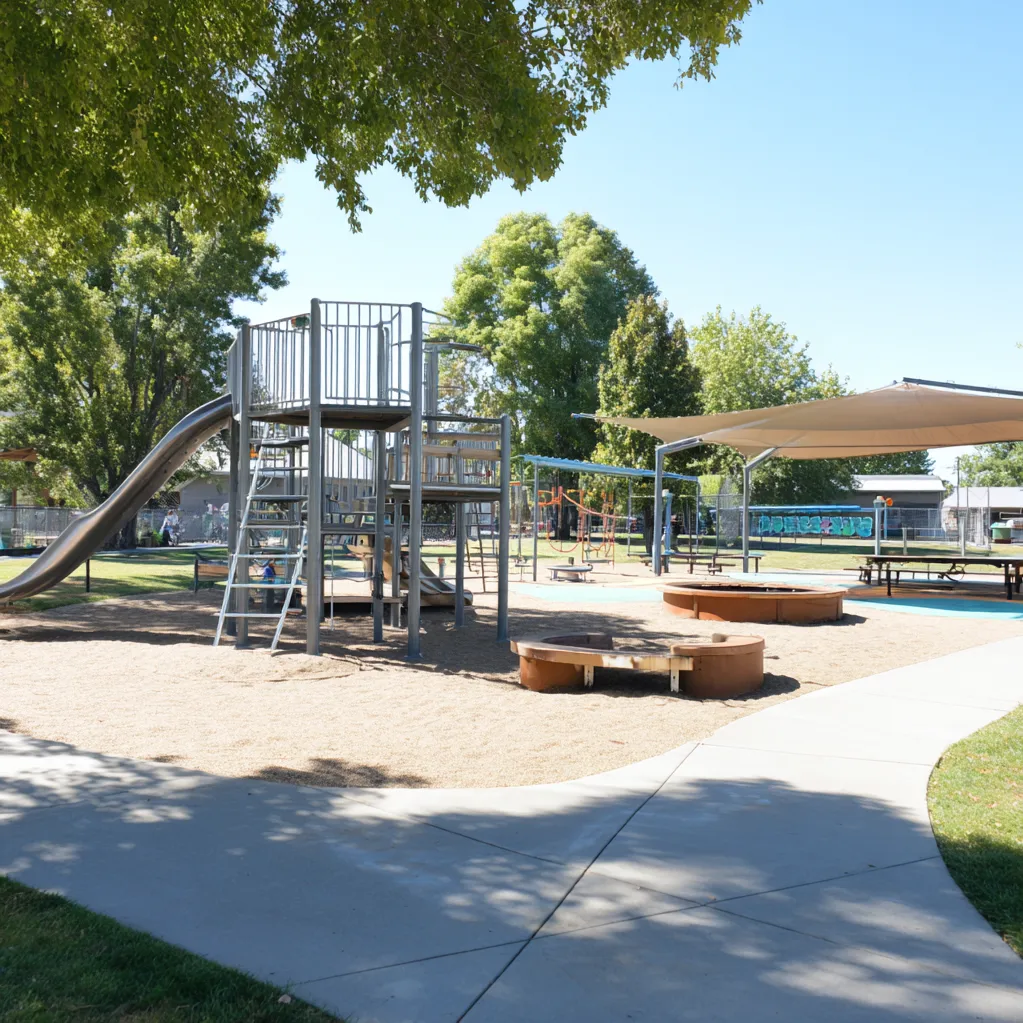
When planning outdoor school playground ideas focused on active play, it's essential to incorporate elements that promote movement, coordination, and teamwork. Structures like climbing walls, obstacle courses, and swing sets encourage children to develop gross motor skills while having fun. For example, a modular climbing frame with ropes and nets can challenge different age groups, fostering perseverance and physical fitness. Adding sports courts for basketball or soccer integrates structured games, teaching rules and cooperation. Safety is paramount, so use soft, impact-absorbing surfaces like rubber mulch or synthetic turf beneath equipment to prevent injuries. These outdoor school playground ideas should also include shaded areas to protect kids from sun exposure, ensuring they can play comfortably year-round. By blending traditional swings with modern agility challenges, schools create environments that keep children engaged and healthy. For instance, a zip line or balance beams add variety, reducing monotony and encouraging repeated use. Active play not only combats childhood obesity but also boosts mood and concentration in the classroom. Schools can involve students in the design process through surveys, making the playground a community project that reflects their interests. Ultimately, these ideas help build a foundation for lifelong physical activity habits. Explore more design tips at https://chicaurahome.com/active-play-zones.
Educational Outdoor School Playground Ideas That Spark Learning
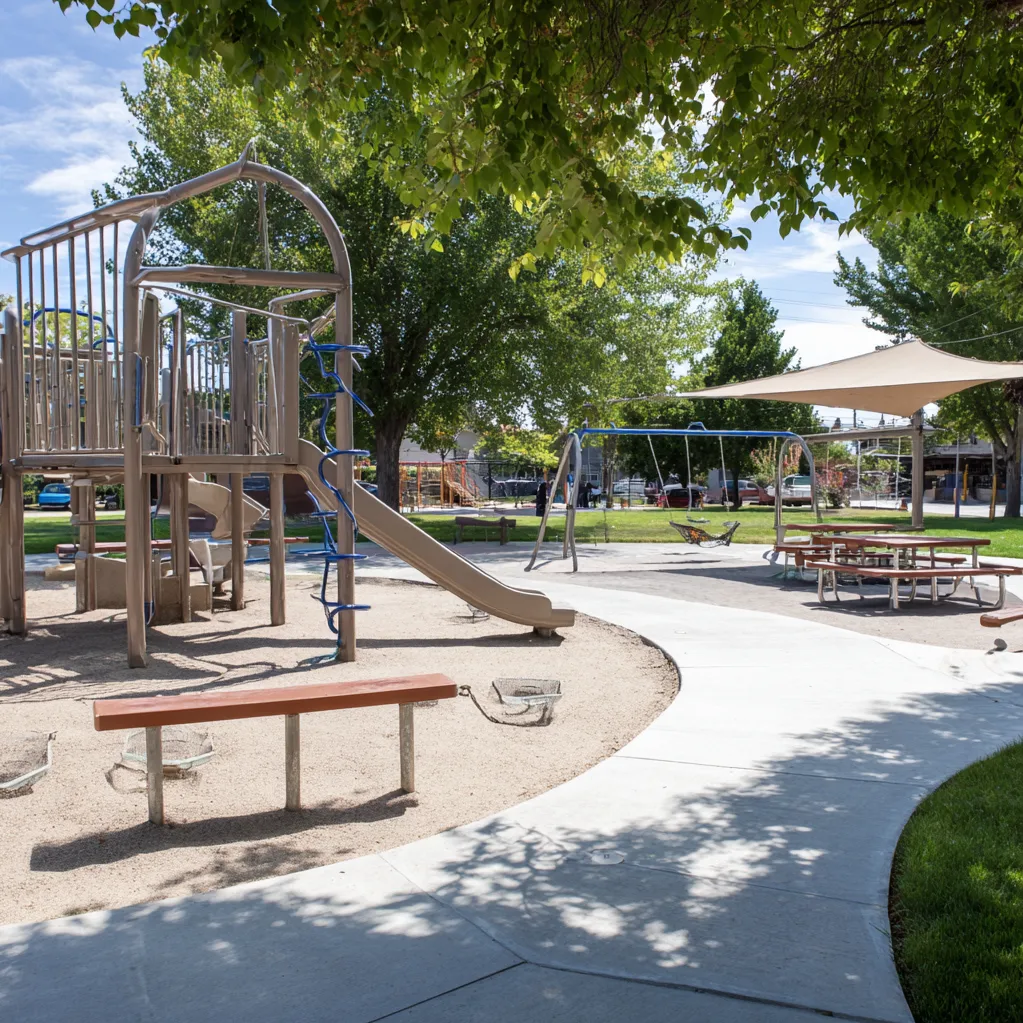
Educational outdoor school playground ideas merge play with learning, turning recess into an extension of the classroom. Incorporate elements like outdoor chalkboards, weather stations, or nature trails where kids can observe plants and insects, aligning with science curricula. For instance, a sensory garden with herbs and textured plants teaches botany while engaging the senses, making lessons memorable and hands-on. Musical installations, such as xylophones or drums, introduce basic physics and rhythm, fostering creativity and auditory skills. These outdoor school playground ideas can also include math-themed games, like hopscotch with numbers or geometric shapes painted on the ground, reinforcing concepts in a fun, interactive way. By designing spaces that encourage exploration, schools support STEAM (Science, Technology, Engineering, Arts, and Mathematics) education outdoors. A sandpit with measuring tools can teach volume and proportions, while a sundial or compass rose integrates geography and time-telling. It's crucial to ensure these features are durable and weather-resistant, using materials like treated wood or metal. Teachers can use these areas for impromptu lessons, making learning dynamic and reducing classroom fatigue. Involving local experts, like botanists or artists, can enrich the experience, providing real-world connections. Such playgrounds not only enhance academic outcomes but also nurture curiosity and critical thinking in a natural setting.
Inclusive Outdoor School Playground Ideas for All Abilities
Inclusive outdoor school playground ideas ensure that every child, regardless of ability, can participate fully in play. Start with accessible pathways made of smooth, firm materials like poured rubber or concrete, wide enough for wheelchairs and strollers. Install ground-level play components, such as sensory panels or interactive panels, that don't require climbing, allowing children with mobility challenges to engage easily. Swings with high backs and harnesses provide support for those with physical disabilities, while quiet zones with benches offer respite for kids with sensory sensitivities. These outdoor school playground ideas should also feature ramps leading to elevated structures, ensuring that slides and platforms are reachable by all. For example, a merry-go-round with wheelchair locks or a sand table at varying heights promotes social interaction and cooperative play. Color contrast and tactile cues help visually impaired children navigate the space safely. By designing with universal principles, schools foster empathy and inclusion, teaching students to appreciate diversity from a young age. Regular maintenance checks are vital to keep equipment safe and functional. Collaborating with occupational therapists during the planning phase can identify specific needs, making the playground a welcoming environment. Ultimately, inclusive designs not only comply with accessibility standards but also build a school culture where everyone feels valued and included in the joy of play.
Sustainable Outdoor School Playground Ideas for Eco-Friendly Fun
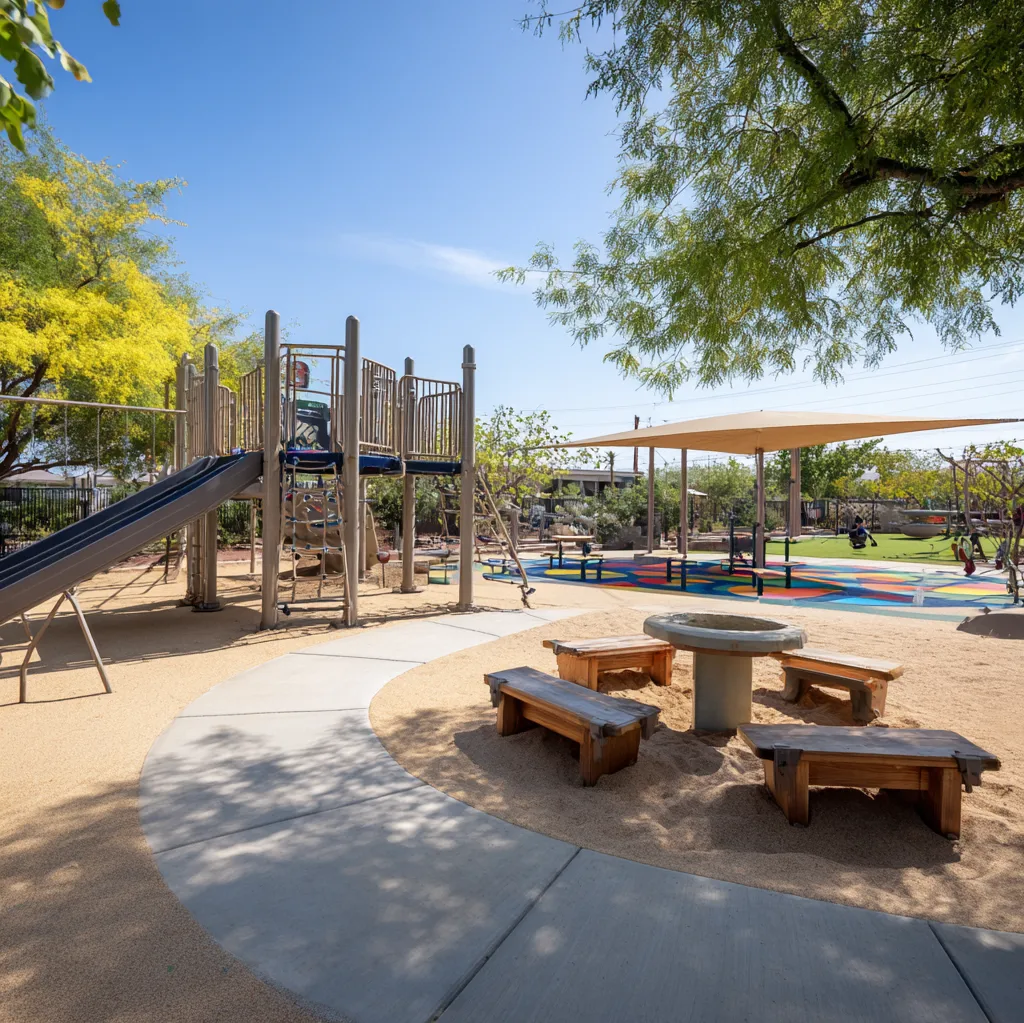
Sustainable outdoor school playground ideas focus on environmental responsibility, using materials and designs that minimize ecological impact while maximizing durability. Incorporate recycled plastic lumber for benches and structures, which resists rot and reduces waste, or opt for natural elements like untreated wood and stone that blend with the surroundings. Rain gardens or permeable paving help manage stormwater runoff, teaching kids about water conservation in a practical way. Planting native trees and shrubs not only provides shade but also supports local wildlife, turning the playground into a mini-ecosystem for lessons on biodiversity. These outdoor school playground ideas can include solar-powered lights for evening use or educational signs about recycling, reinforcing green habits. For instance, a compost bin near a garden area encourages students to learn about decomposition and soil health. By choosing low-maintenance, drought-resistant plants, schools save water and reduce upkeep costs. Involving students in gardening projects fosters a sense of stewardship and connection to nature. Sustainable designs also consider long-term resilience, using materials that withstand harsh weather without frequent replacements. This approach not only benefits the planet but also educates the next generation on sustainability practices. Schools can partner with local environmental groups to source materials and ideas, creating a community effort toward a greener future. Ultimately, eco-friendly playgrounds inspire children to care for their environment while enjoying safe, imaginative play spaces.
Conclusion
In summary, outdoor school playground ideas are crucial for creating engaging, safe, and educational spaces that support children's development in multiple ways. From active play structures that boost physical health to inclusive designs that ensure every child can participate, a well-planned playground enriches the school experience. Educational elements seamlessly blend learning with fun, while sustainable approaches teach environmental responsibility. By focusing on these aspects, schools can foster communities where play promotes teamwork, creativity, and lifelong habits. Looking ahead, the future of playground design will likely embrace more technology-integrated features, such as interactive digital elements or augmented reality games, while maintaining a balance with nature. Schools should regularly update their spaces based on student feedback and safety standards to keep them relevant and exciting. As we move forward, remember that investing in innovative playgrounds is an investment in our children's well-being and future. Start by assessing your current space and involving the community in brainstorming sessions—small changes can make a big difference. For more inspiration on transforming outdoor areas, visit resources like the National Program for Playground Safety, and let's build playgrounds that inspire joy and growth for generations to come.
Frequently Asked Questions
Q: What are the key safety considerations for outdoor school playgrounds?
Safety is paramount in outdoor school playgrounds. Key considerations include using impact-absorbing surfaces like rubber mulch or mats under equipment to cushion falls, ensuring structures are age-appropriate and free of sharp edges, and maintaining proper supervision. Regular inspections for wear and tear, such as loose bolts or splintered wood, are essential. Additionally, provide shaded areas to prevent sun overexposure and include clear signage for rules. Adhering to guidelines from organizations like the Consumer Product Safety Commission helps minimize risks and create a secure environment for all children.
Q: How can schools fund new outdoor playground projects?
Schools can fund playground projects through various sources, such as applying for grants from educational or community foundations, organizing fundraisers like bake sales or fun runs, and seeking donations from local businesses or alumni. Partnering with parent-teacher associations can mobilize community support, while crowdfunding campaigns online can reach a wider audience. Some schools also allocate portions of their budgets or explore corporate sponsorships that offer materials or financial aid. Planning in phases and starting with low-cost elements, like painted games or volunteer-built structures, can make projects more manageable and inclusive.
Q: What materials are best for durable and low-maintenance playgrounds?
For durable and low-maintenance playgrounds, opt for materials like powder-coated metal, which resists rust and fading, or recycled plastic lumber that doesn't splinter or require painting. Natural wood, if used, should be pressure-treated to withstand weather and pests. Surfaces made of poured-in-place rubber or synthetic turf are easy to clean and provide long-lasting cushioning. Avoid materials that degrade quickly, such as untreated wood or cheap plastics, and choose elements designed for heavy use. Regular cleaning and seasonal checks help extend lifespan, ensuring the playground remains safe and functional for years with minimal upkeep.