
Choosing the right color palette for your home can feel overwhelming, but it’s one of the most impactful decisions you’ll make in interior design. Your color scheme sets the entire mood of a room, influencing how you feel, how guests perceive your space, and even how functional the area becomes. Palette decor ideas aren’t just about picking pretty colors—they’re about creating harmony, telling a story, and building an environment that reflects your personality while serving your daily needs. Whether you’re starting from scratch in a new home or looking to refresh your current space, understanding how to work with color palettes can transform bland rooms into stunning, cohesive sanctuaries. This guide will walk you through practical approaches to selecting and implementing color schemes that work beautifully in real homes. Forget the confusion of endless paint chips and decor magazines—these palette decor ideas will give you clear, actionable strategies you can apply immediately. From understanding color theory basics to mastering accent placement, you’ll discover how to make confident choices that elevate every corner of your living space. Let’s dive into the colorful world of home transformation!
Mastering Basic Palette Decor Ideas for Every Room
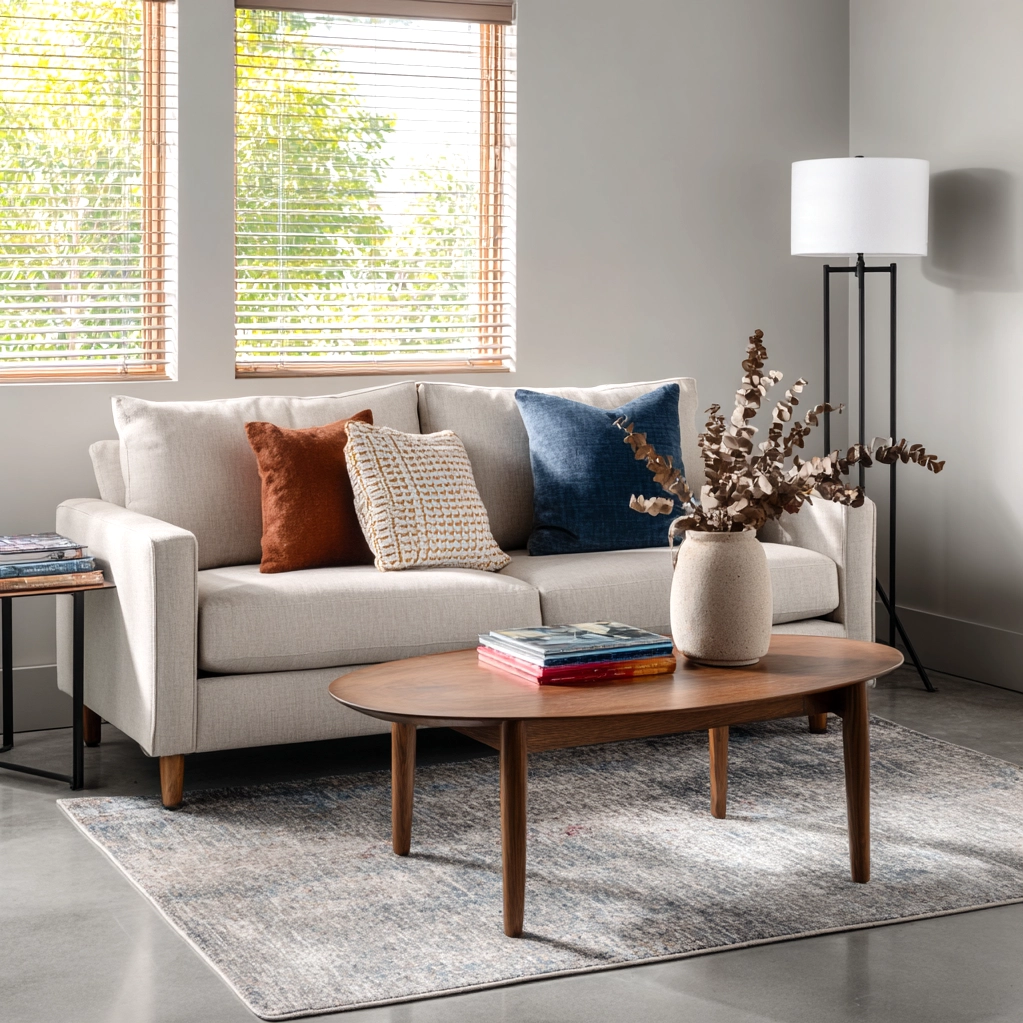
The foundation of successful palette decor ideas begins with understanding some fundamental principles that work across all types of spaces. Start by considering the room's purpose—calming blues and greens work wonderfully in bedrooms, while energizing yellows and oranges might be perfect for a home office or kitchen. The 60-30-10 rule is a classic approach: 60% of the room should be your dominant color (usually walls and large furniture), 30% should be a secondary color (upholstery, curtains, or area rugs), and 10% should be an accent color (throw pillows, artwork, and accessories). This creates balance without overwhelming the senses. Natural light plays a crucial role too. North-facing rooms with cooler light benefit from warm tones like peach or creamy yellow, while south-facing rooms with abundant light can handle cooler shades like gray-blue or sage green. Don't forget about the existing elements you can't change, like flooring or built-in cabinetry—your palette decor ideas should complement these fixed features rather than fight against them. Test your colors in the actual space at different times of day before committing. Paint large swatches on multiple walls and observe them in morning, afternoon, and artificial evening light. This simple step prevents costly mistakes and ensures your palette works harmoniously in all conditions. Remember, the goal isn't perfection but personal expression that makes your space feel uniquely yours.
Creative Palette Decor Ideas with Monochromatic Schemes
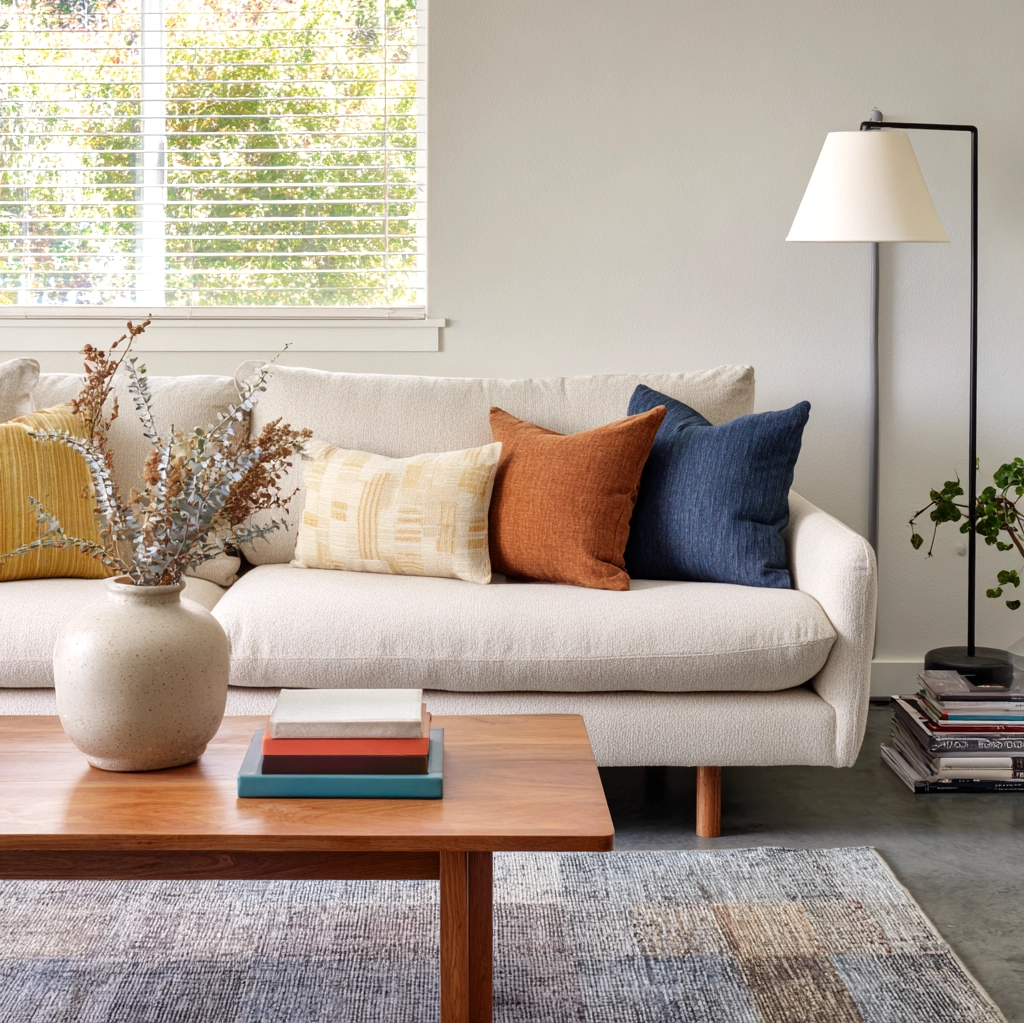
Monochromatic palette decor ideas offer a sophisticated approach that's surprisingly versatile and beginner-friendly. Contrary to what some might think, a single-color scheme doesn't mean boring—it creates depth through variations in shade, tone, and texture. Start by choosing a base color you genuinely love, then explore its entire spectrum from light tints to dark shades. For example, a blue monochromatic scheme might range from pale sky blue walls to navy velvet sofa cushions, with cerulean artwork and slate blue ceramic vases providing mid-tone accents. The key to successful monochromatic palette decor ideas lies in texture variety. Combine matte painted walls with glossy trim, plush area rugs with sleek metal fixtures, and woven baskets with smooth glass accessories. This creates visual interest without introducing competing colors. Consider a warm gray scheme where light gray walls meet charcoal gray sectional seating, with silver metallic accents and concrete-textured side tables. Lighting becomes particularly important in monochromatic spaces—use warm white bulbs to enhance cozy schemes and cool white bulbs for crisp, modern looks. Don't be afraid to incorporate subtle pattern through textiles like striped curtains or geometric rugs in varying tones of your chosen color. These palette decor ideas work exceptionally well in smaller spaces where they create a seamless, expansive feel, or in open-concept areas where they provide visual continuity between different functional zones. The result is a curated, intentional look that feels both calming and elevated.
Bold Palette Decor Ideas Using Complementary Colors
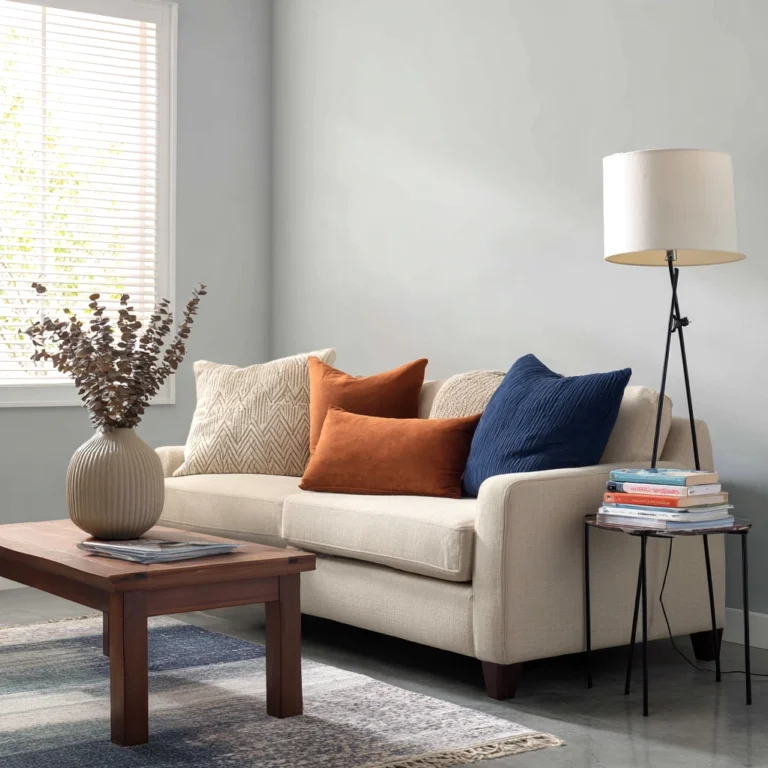
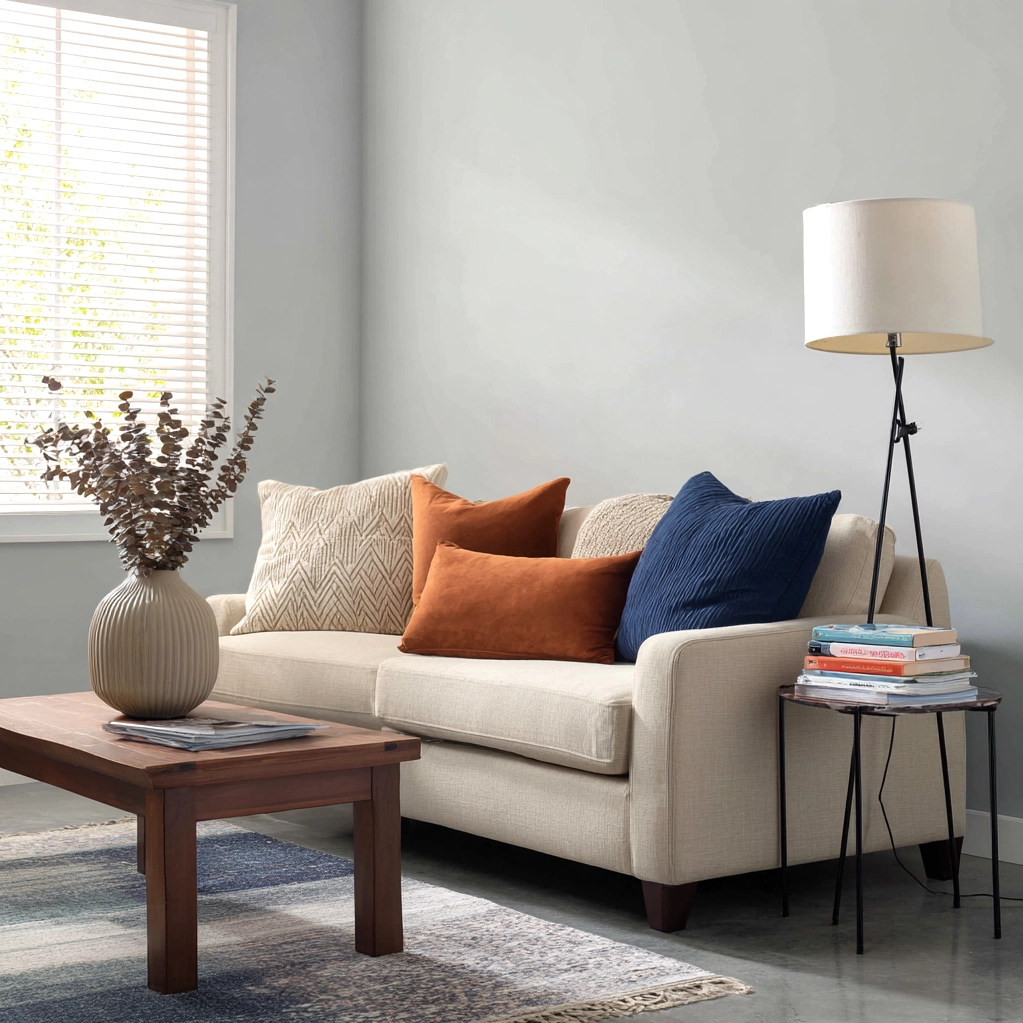
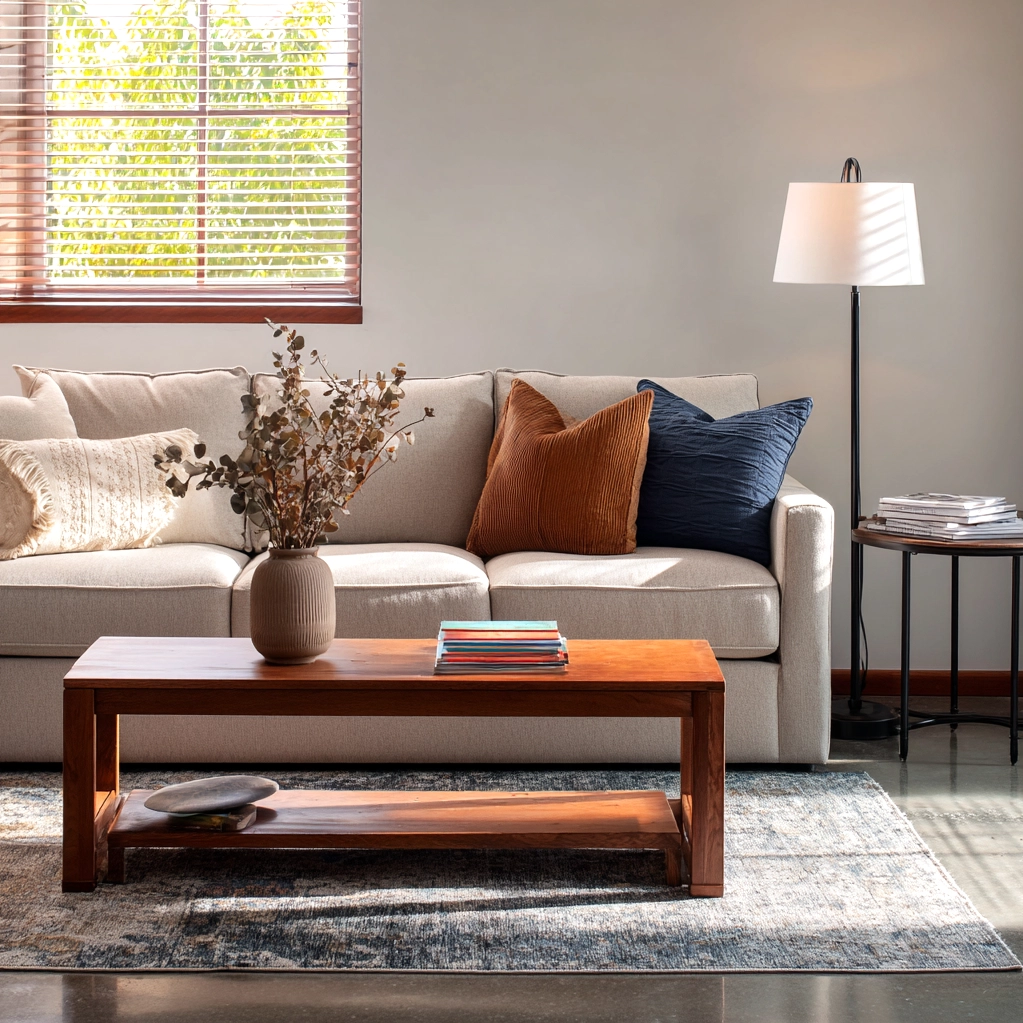
For those ready to make a statement, complementary palette decor ideas offer dynamic contrast that energizes any space. Complementary colors sit opposite each other on the color wheel—think blue and orange, purple and yellow, or red and green—and when used thoughtfully, they create vibrant, balanced interiors. The secret to avoiding visual chaos is proportion and saturation. Choose one color as dominant (about 70% of the room) and use its complement as strategic accents (30%). A living room might feature deep navy walls with burnt orange throw pillows, a single statement chair, and artwork containing both colors. Alternatively, consider a more subtle approach using desaturated versions of complementary pairs, like sage green with muted terracotta, which provides contrast without overwhelming intensity. These palette decor ideas work particularly well in social spaces like dining rooms, entryways, or creative studios where you want to stimulate conversation and energy. When implementing complementary schemes, pay attention to value—the lightness or darkness of colors. Pairing a light version of one color with a dark version of its complement creates sophisticated contrast. For example, pale yellow walls with deep purple velvet curtains creates drama without garishness. Remember to include neutral elements as visual resting places: white trim, natural wood tones, or black metal frames help ground bold color combinations. Test your complementary palette decor ideas with fabric swatches and paint samples before full implementation, as some combinations read differently in various lighting conditions. When executed well, these schemes create memorable, personality-filled spaces that feel both exciting and harmonious.
Conclusion
Exploring palette decor ideas opens up endless possibilities for personalizing your living environment. Whether you prefer the serene simplicity of monochromatic schemes, the balanced energy of complementary colors, or the foundational principles that guide all successful color planning, remember that your home should ultimately reflect your unique taste and lifestyle. The most successful interiors aren't those that follow trends blindly, but those where color serves both aesthetic and functional purposes—creating moods, defining spaces, and enhancing daily experiences. As you implement these palette decor ideas, start with one room and observe how different color combinations affect your mood and the room's functionality. Don't be afraid to adjust as you live with your choices; sometimes the best discoveries come from unexpected combinations that evolve over time. Looking forward, consider how your palette might adapt to seasonal changes through switchable accessories, or how it could accommodate future furniture additions. The beauty of a well-chosen color scheme is its flexibility—it provides a cohesive foundation that can grow and change with your life. Most importantly, have fun with the process. Color should bring joy to your home, not stress. Trust your instincts, experiment within the guidelines we've discussed, and create spaces that truly feel like yours. Your perfect palette is waiting to be discovered!
Frequently Asked Questions
Q: How do I choose a color palette for an open-concept living area?
For open-concept spaces, select one cohesive palette that flows naturally between zones while allowing for subtle variations. Choose a dominant neutral for walls and large furniture that connects all areas, then use accent colors to define different functions—perhaps blues in the living area, greens in the dining space, and warm wood tones in the kitchen. Maintain consistent trim and flooring colors throughout to unify the space. Consider sightlines carefully; colors visible from multiple angles should harmonize. Using a consistent lighting temperature (all warm or all cool bulbs) also helps create cohesion in open layouts.
Q: Can I mix warm and cool colors in the same room?
Absolutely! Mixing warm and cool colors can create dynamic, balanced interiors when done thoughtfully. The key is proportion and intentional placement. Choose one temperature as dominant (about 70-80% of the room) and use the other as strategic accents. For example, a room with cool gray walls and blue furniture (cool dominant) could be warmed with terracotta pillows and brass fixtures (warm accents). Alternatively, use a neutral base like white or beige that works with both temperatures, then layer in both warm and cool elements. Always test combinations in your actual lighting, as natural and artificial light can significantly affect how colors interact.
Q: What's the best way to test palette decor ideas before committing?
Testing is crucial for successful color implementation. Start by collecting physical samples: paint large swatches (at least 2×2 feet) on multiple walls and observe them at different times of day over several days. For fabrics and materials, create a mood board with actual swatches of upholstery, rug samples, wood stains, and metal finishes. Live with these samples in the space where they'll be used. Digital tools can help visualize combinations, but remember that screen colors often differ from reality. If possible, borrow or purchase small quantities of key items (like a throw pillow in your proposed accent color) to see how they work in the space before investing in larger pieces. This process prevents costly mistakes and ensures your final palette feels harmonious.