
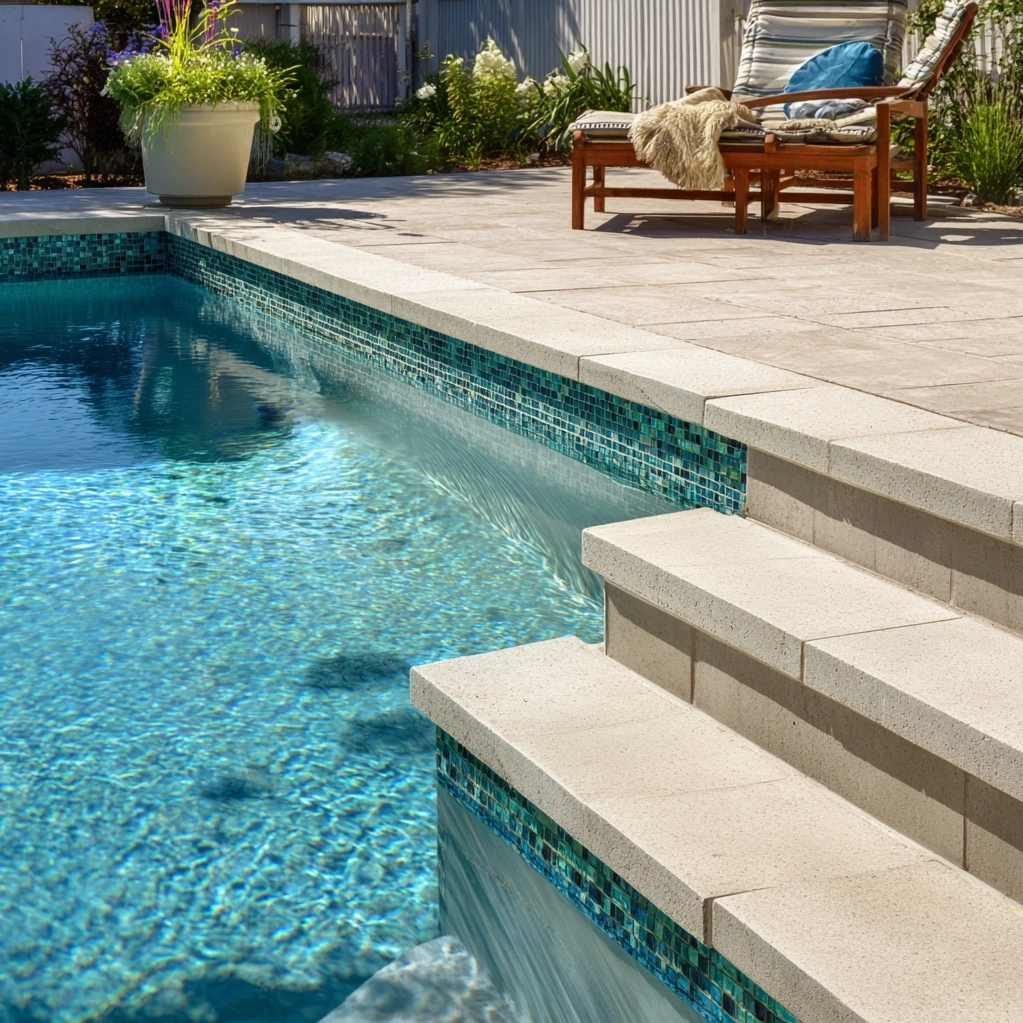
When envisioning your dream backyard oasis, the shimmering water of your pool often takes center stage. Yet, the true magic of an extraordinary outdoor space lies in the details that frame and define it—specifically, pool coping and tile. These elements are far more than mere finishing touches; they are the foundation of your pool’s safety, durability, and aesthetic appeal. Pool coping, the capstone material that borders the pool’s edge, serves as a critical barrier between the pool structure and deck. It prevents water from seeping into the ground, protects the pool shell from damage, and provides a safe, slip-resistant surface for swimmers entering and exiting the water. Meanwhile, pool tile adds personality, color, and texture, transforming a simple basin into a work of art. The right combination of pool coping and tile can elevate your backyard from ordinary to extraordinary, creating a cohesive look that complements your home’s architecture and landscaping. Whether you’re building a new pool or renovating an existing one, understanding these components is key to achieving a functional and beautiful outdoor retreat. Investing in quality materials and thoughtful design ensures your pool remains a source of joy and relaxation for years to come.
Choosing the Perfect Pool Coping and Tile: Material Matters
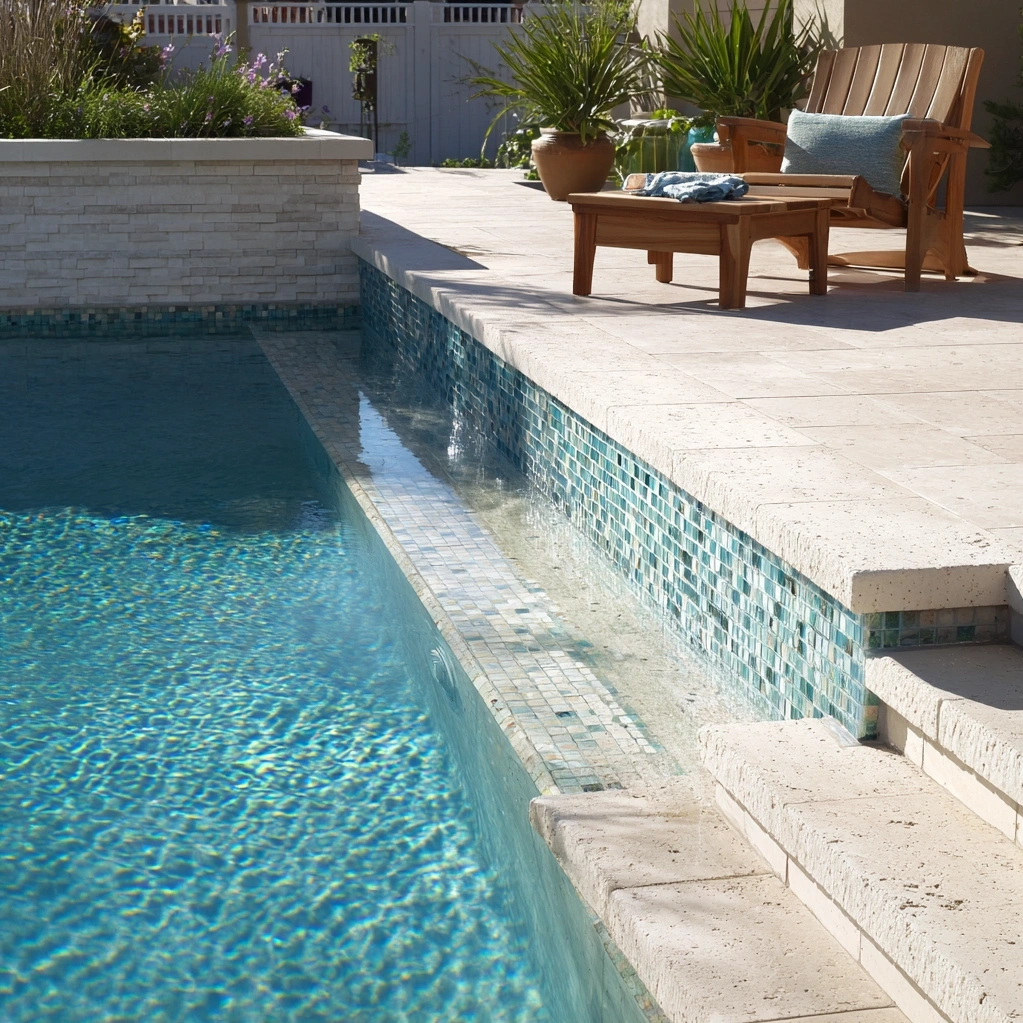
Selecting the right materials for your pool coping and tile is crucial for both performance and style. Pool coping materials vary widely, each offering unique benefits. Natural stone, such as travertine or bluestone, provides a timeless, elegant look with excellent slip resistance and durability. It stays cool underfoot, making it comfortable for bare feet on hot days. Concrete coping is a versatile and cost-effective option, available in various colors and textures to mimic other materials. Brick offers a classic, rustic charm, while pavers allow for creative patterns and easy replacement if damaged. For pool tile, options include ceramic, porcelain, glass, and natural stone. Ceramic and porcelain tiles are durable, affordable, and come in countless colors and designs. Glass tiles add a luxurious sparkle and reflect light beautifully, enhancing the water's color. Natural stone tiles, like slate or marble, create a sophisticated, organic feel but may require more maintenance. When choosing materials, consider factors like climate, budget, and maintenance. In colder regions, frost-resistant materials are essential to prevent cracking. Always prioritize safety with slip-resistant surfaces, especially around the pool's edge. The interplay between pool coping and tile should create harmony; for example, pairing a neutral stone coping with vibrant glass tiles can make a bold statement. Consulting with a professional can help you navigate these choices to achieve a stunning, long-lasting result.
Installation Tips for Pool Coping and Tile: Ensuring Durability and Safety
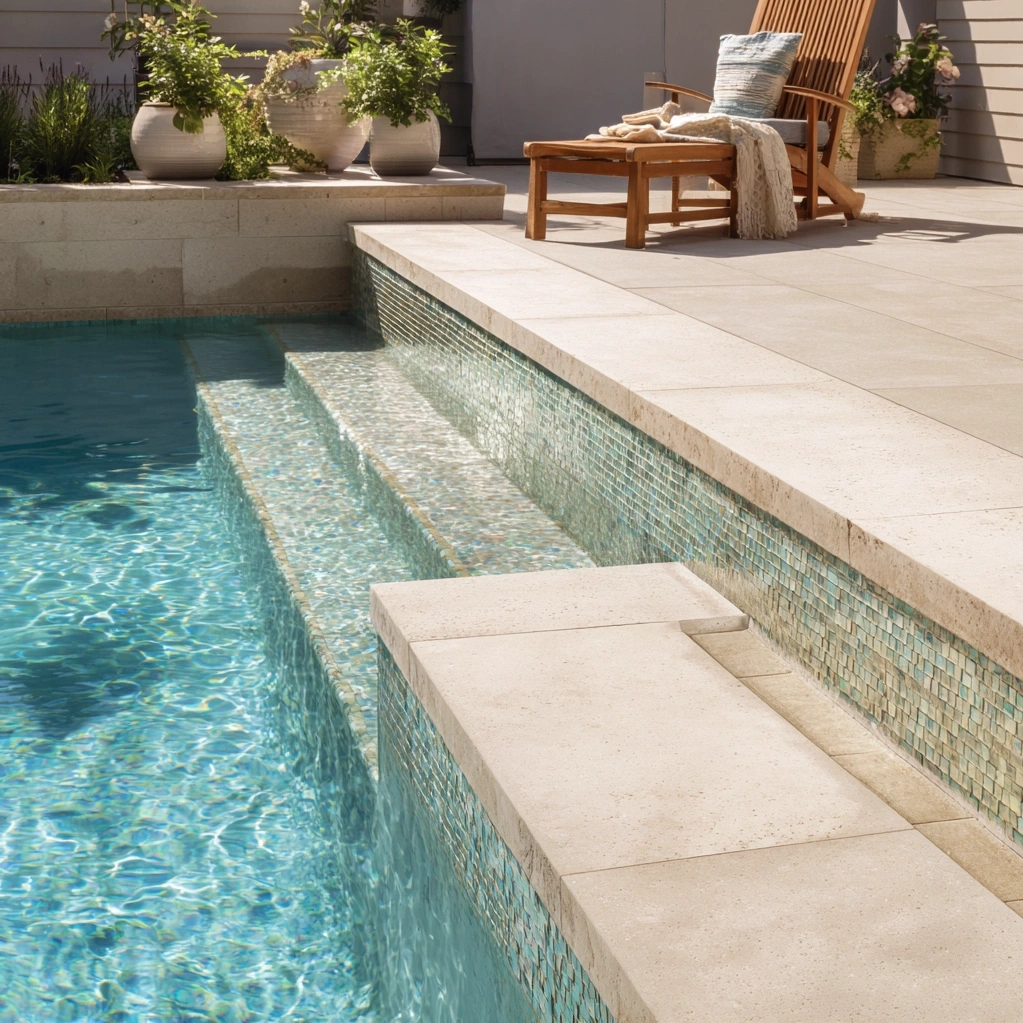
Proper installation of pool coping and tile is vital to prevent issues like water leakage, cracking, or uneven surfaces. Start with a solid foundation: the pool's bond beam must be level and structurally sound before installing coping. Coping should be set with a mortar mix designed for wet environments, ensuring it slopes slightly away from the pool to direct water runoff. This prevents pooling and reduces slip hazards. Expansion joints between coping pieces are essential to accommodate temperature changes and ground movement, avoiding unsightly cracks. For pool tile installation, surface preparation is key. The substrate must be clean, smooth, and properly waterproofed. Use a high-quality thin-set mortar and grout specifically formulated for submerged applications to resist mold and mildew. When laying tile, maintain consistent spacing with tile spacers for a professional look. Pay attention to corners and edges, using bullnose or specialty tiles to create smooth transitions. Safety features, like non-slip textures on coping and tile, are non-negotiable, especially in high-traffic areas like steps and ledges. If you're tackling a DIY project, research local building codes and consider hiring a professional for complex aspects, as mistakes can lead to costly repairs. Regular inspection after installation helps catch minor issues early. By following these tips, your pool coping and tile will not only look beautiful but also stand the test of time, providing a safe and enjoyable environment for all swimmers.
Design Inspirations with Pool Coping and Tile: Creating Your Dream Oasis
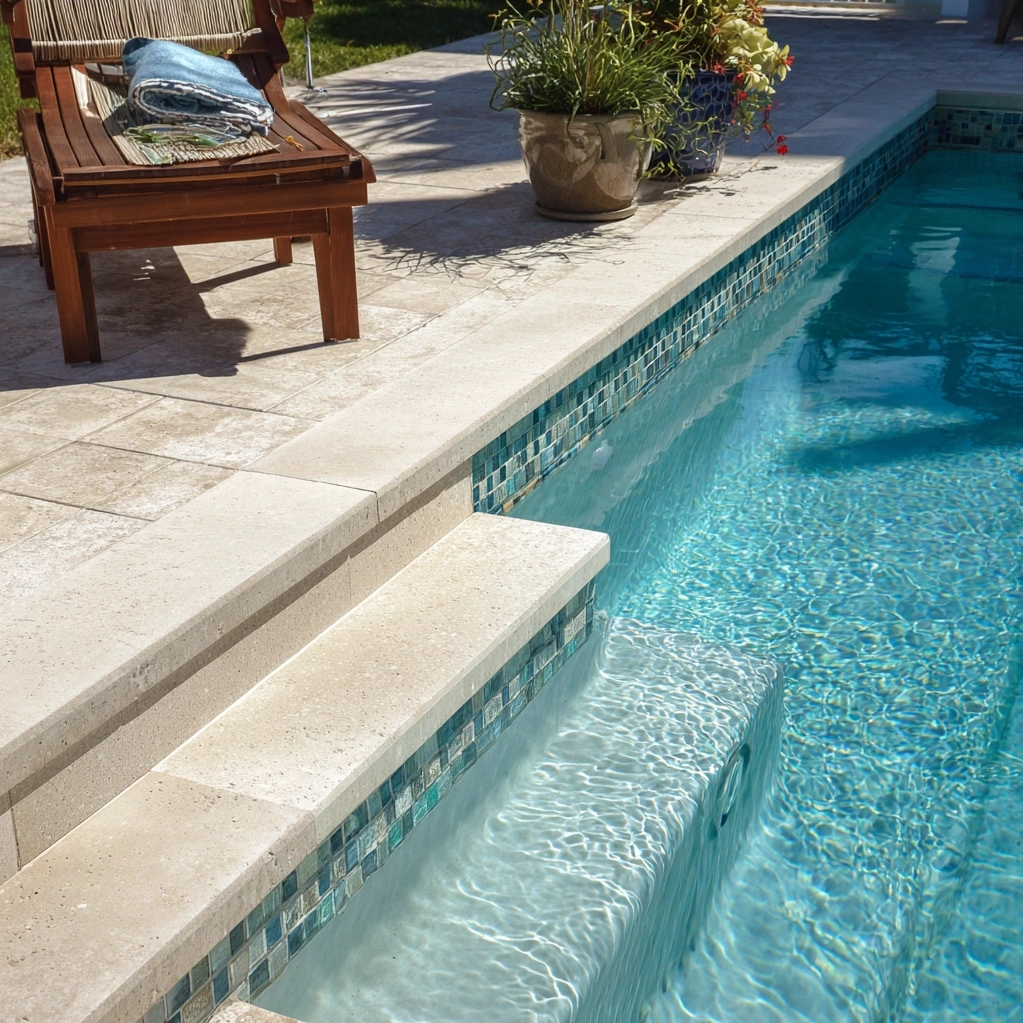
Pool coping and tile offer endless design possibilities to personalize your outdoor space. Start by considering the overall theme: do you want a modern, minimalist look or a tropical, resort-style vibe? For a contemporary feel, opt for sleek, linear coping in materials like poured concrete or large-format porcelain tiles, paired with monochromatic glass tiles in shades of blue or gray. This creates a clean, seamless appearance that emphasizes the water's movement. If you prefer a natural aesthetic, combine rustic stone coping with mosaic tiles featuring earthy tones or organic patterns, blending seamlessly with garden surroundings. Color coordination is key; use pool tile to introduce pops of color or subtle accents that complement your home's exterior and landscaping. For example, azure blue tiles can enhance the water's clarity, while terracotta tones add warmth. Don't forget about functional elements: incorporate LED lights under coping or within tile patterns for evening ambiance. Textural contrasts also add interest, such as pairing smooth, glossy tiles with rough-hewn stone coping. When designing, think beyond the pool itself—extend the tile or coping materials to adjacent features like fountains, fire pits, or seating areas to create a cohesive outdoor living space. Inspiration can come from travel memories, nature, or design magazines. Sketching ideas or using digital tools can help visualize the final look. Remember, the goal is to create a harmonious balance where pool coping and tile work together to reflect your personal style while enhancing usability and enjoyment.
Conclusion
In summary, pool coping and tile are indispensable elements that define the safety, durability, and beauty of your backyard pool. From selecting the right materials to ensuring proper installation and embracing creative design, these components work in tandem to transform a simple swimming area into a personalized oasis. Pool coping acts as a protective and functional border, while tile adds aesthetic flair and character. By prioritizing quality and thoughtful planning, you can avoid common pitfalls and enjoy a pool that stands the test of time. As outdoor living spaces continue to evolve, trends in pool coping and tile are shifting towards sustainable materials, smart lighting integration, and bold, artistic patterns. Looking ahead, consider how your choices today might adapt to future needs—whether it's incorporating eco-friendly options or updating designs to keep pace with style innovations. Ultimately, investing in these details not only enhances your property's value but also creates a sanctuary for relaxation and entertainment. Take the time to explore options, consult experts, and let your creativity flow. Your dream pool, framed by perfect pool coping and tile, awaits to bring years of joy and memories to your home.
Frequently Asked Questions
Q: What is the difference between pool coping and pool tile?
Pool coping and pool tile serve distinct but complementary roles in pool construction. Pool coping refers to the material installed along the top edge of the pool, capping the bond beam and creating a finished border between the pool and deck. Its primary functions are to provide a safe, slip-resistant entry point, prevent water from seeping behind the pool shell, and protect the structure from damage. Common materials include natural stone, concrete, and brick. In contrast, pool tile is applied to the interior surfaces of the pool, such as the waterline, steps, and bottom. It enhances aesthetics with color, texture, and design, while also offering a smooth, easy-to-clean surface that resists algae and stains. Tile materials range from ceramic and porcelain to glass and natural stone. Together, they ensure both functionality and visual appeal in your pool area.
Q: How often should pool coping and tile be maintained or replaced?
Maintenance frequency for pool coping and tile depends on the materials used and environmental factors. For pool coping, inspect it annually for cracks, chips, or loose pieces, which can compromise safety and water integrity. Clean it regularly with a mild detergent and soft brush to remove dirt and prevent mold growth. Resealing natural stone or concrete coping every 1-3 years helps protect against stains and weather damage. Replacement may be needed every 10-20 years if signs of significant wear appear, such as extensive cracking or erosion. For pool tile, check for grout deterioration, cracks, or loose tiles during routine pool cleaning. Grout should be inspected yearly and repaired as needed to prevent water leakage. Tiles themselves can last decades with proper care, but may require replacement if they become discolored, damaged, or outdated. In harsh climates, more frequent checks are advisable. Consistent maintenance extends the lifespan of both components, ensuring your pool remains safe and attractive.
Q: Can I install pool coping and tile myself, or should I hire a professional?
While DIY installation of pool coping and tile is possible for experienced homeowners, hiring a professional is often recommended due to the complexity and high stakes involved. Professionals have the expertise to ensure proper leveling, waterproofing, and adherence to local building codes, which are critical for safety and durability. Mistakes in installation can lead to water leakage, structural damage, or unsafe surfaces, resulting in costly repairs. If you choose to DIY, start with thorough research, use quality materials designed for wet environments, and follow manufacturer guidelines closely. Focus on smaller projects or repairs, such as replacing a few tiles, but leave major installations—like full coping replacement or intricate tile patterns—to licensed contractors. Professionals can also provide valuable design advice and warranties on their work. Ultimately, investing in professional installation offers peace of mind and a longer-lasting result, making it a wise choice for most pool owners.