
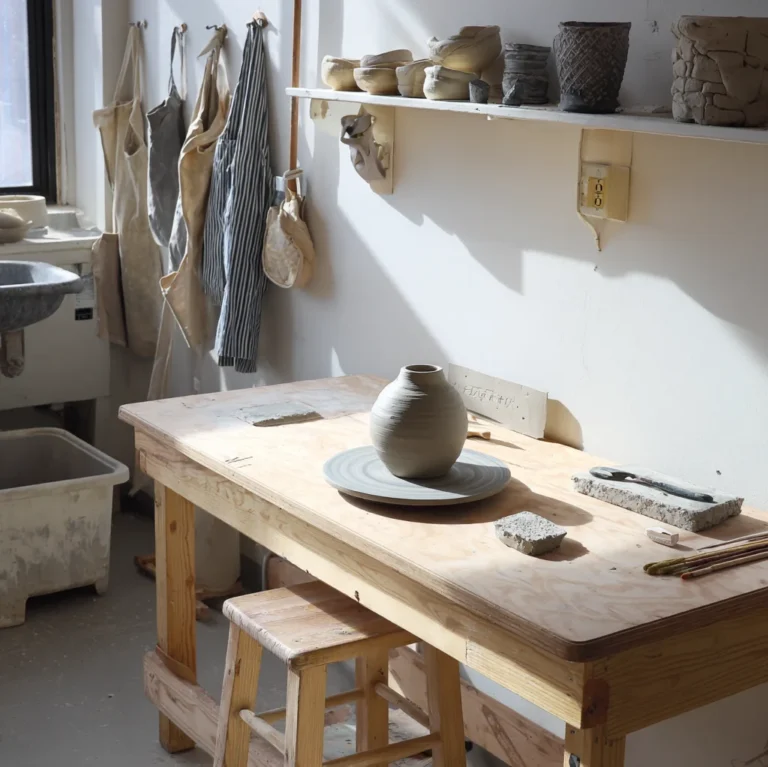
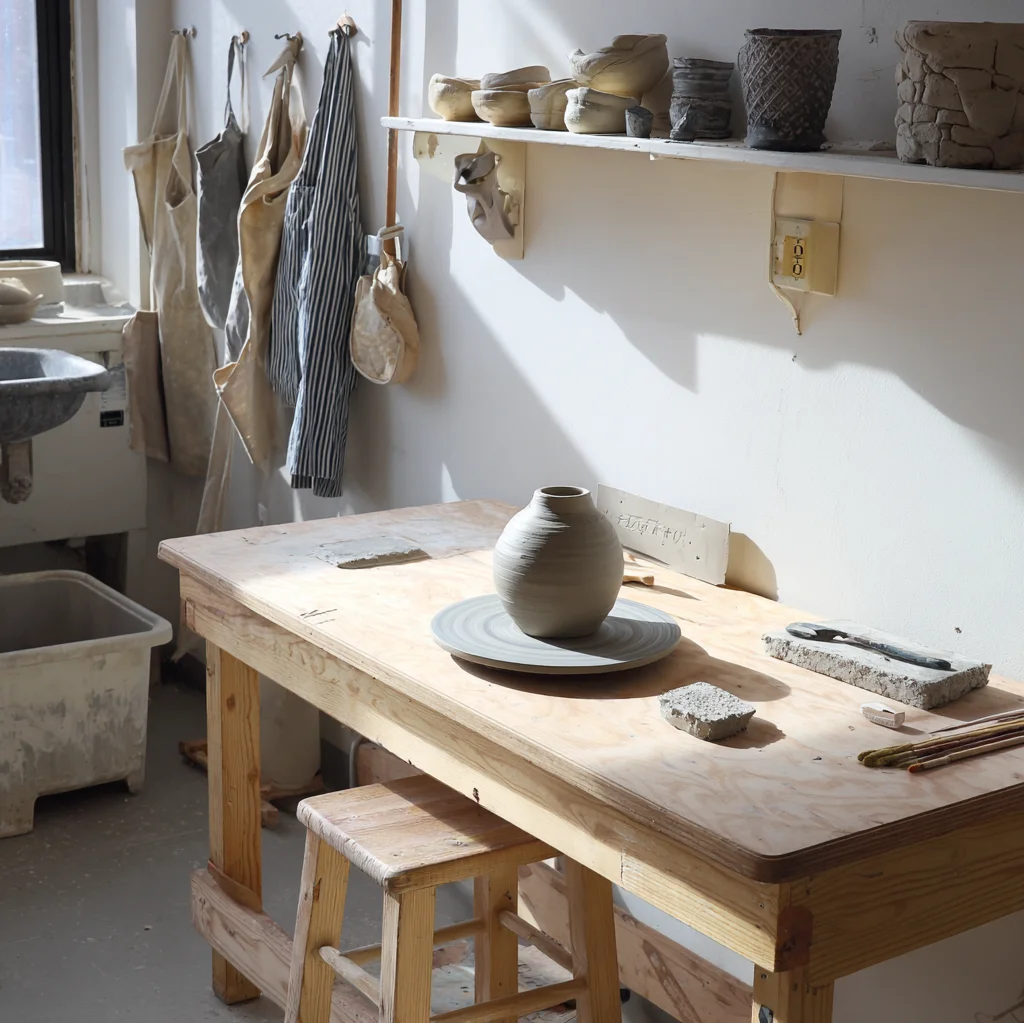
Pottery is a timeless craft that blends creativity with hands-on fun, making it an incredible hobby for anyone looking to unwind and create something beautiful. If you’re a beginner, the thought of shaping clay into pottery might seem daunting, but it’s surprisingly accessible with the right guidance. Starting with beginner-friendly pottery ideas can build your confidence and skills gradually, transforming a lump of clay into functional art like mugs, bowls, or decorative pieces. The importance of this topic lies in its ability to foster mindfulness, reduce stress, and provide a tangible sense of accomplishment. In today’s fast-paced world, pottery offers a therapeutic escape, allowing you to connect with your artistic side without the pressure of perfection. According to a study by the American Art Therapy Association, engaging in creative activities like pottery can improve mental well-being by promoting focus and relaxation. By exploring simple pottery ideas for beginners, you’ll not only learn a new skill but also enhance your home decor with personalized items. This article will walk you through easy projects, essential tools, and tips to ensure your pottery journey starts on the right foot. Whether you’re working with air-dry clay or a pottery wheel, these ideas are designed to be approachable and inspiring. So, grab some clay, and let’s dive into the world of pottery, where every creation tells a story and every beginner can shine. Remember, the key is to enjoy the process, embrace mistakes, and celebrate your progress as you craft pieces that reflect your unique style.
Easy Hand-Building Pottery Ideas for Beginners
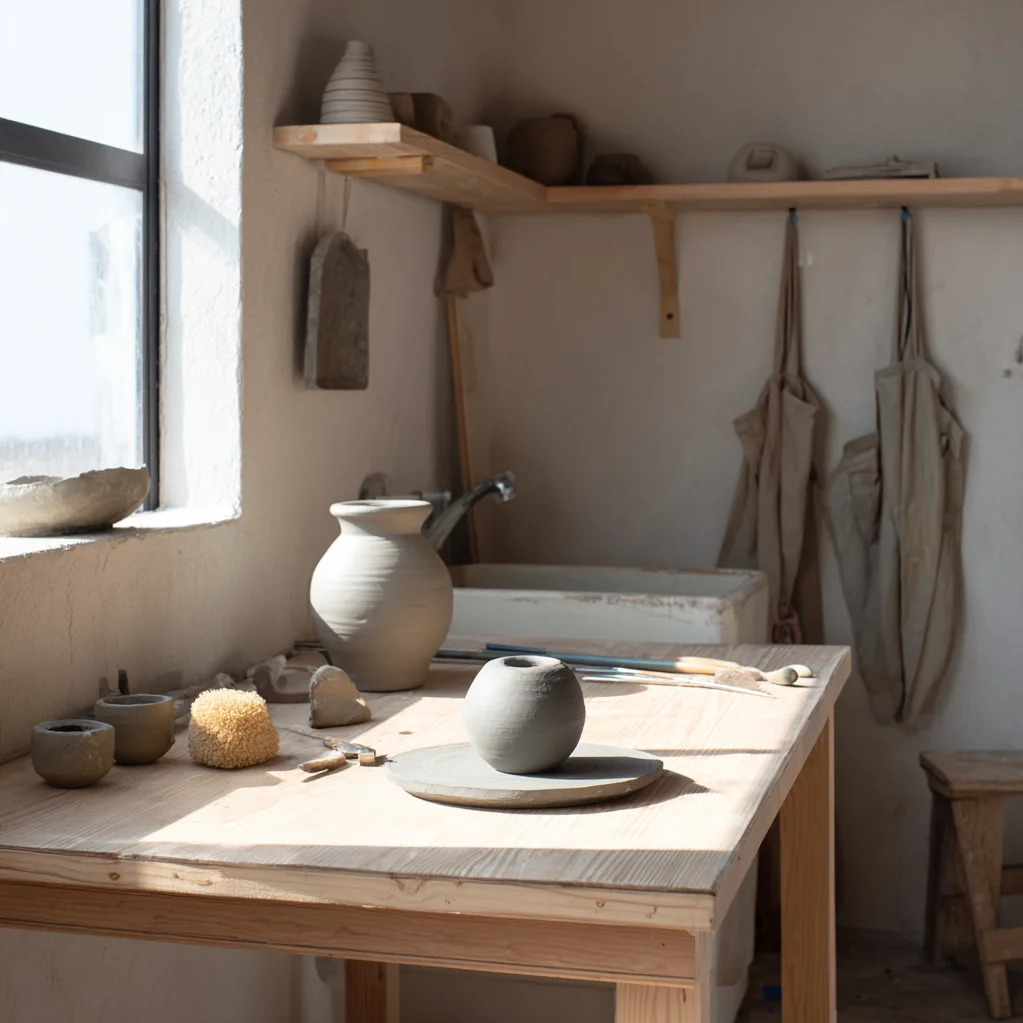
Hand-building is one of the most accessible techniques for beginners, as it requires minimal tools and allows for creative freedom without a pottery wheel. Start with pinch pots, where you simply shape a ball of clay by pinching it with your fingers to form small bowls or cups. This method teaches you about clay consistency and control, making it a perfect first project. Another great pottery idea for beginners is coil building, where you roll clay into long ropes and stack them to create vessels like vases or planters. This technique helps develop patience and precision, as you smooth the coils together to form a seamless surface. Slab building is also beginner-friendly; roll out flat pieces of clay and cut shapes to assemble into boxes, trays, or wall hangings. For inspiration, try making a simple stamped dish by pressing textures like leaves or stamps into the clay before it dries. These projects not only build foundational skills but also result in practical items for your home. Use air-dry or oven-bake clay if you don't have access to a kiln, and always work on a non-stick surface to prevent sticking. As you practice, you'll notice improvements in your ability to handle clay, leading to more complex creations. Hand-building encourages experimentation, so don't be afraid to mix techniques or add personal touches with paints or glazes. For more detailed guides, check out resources like The Pottery Wheel, which offers step-by-step tutorials. By starting with these easy pottery ideas for beginners, you'll gain confidence and discover the joy of crafting with your hands, all while creating unique pieces that enhance your living space.
Essential Tools and Materials for Beginner Pottery Projects
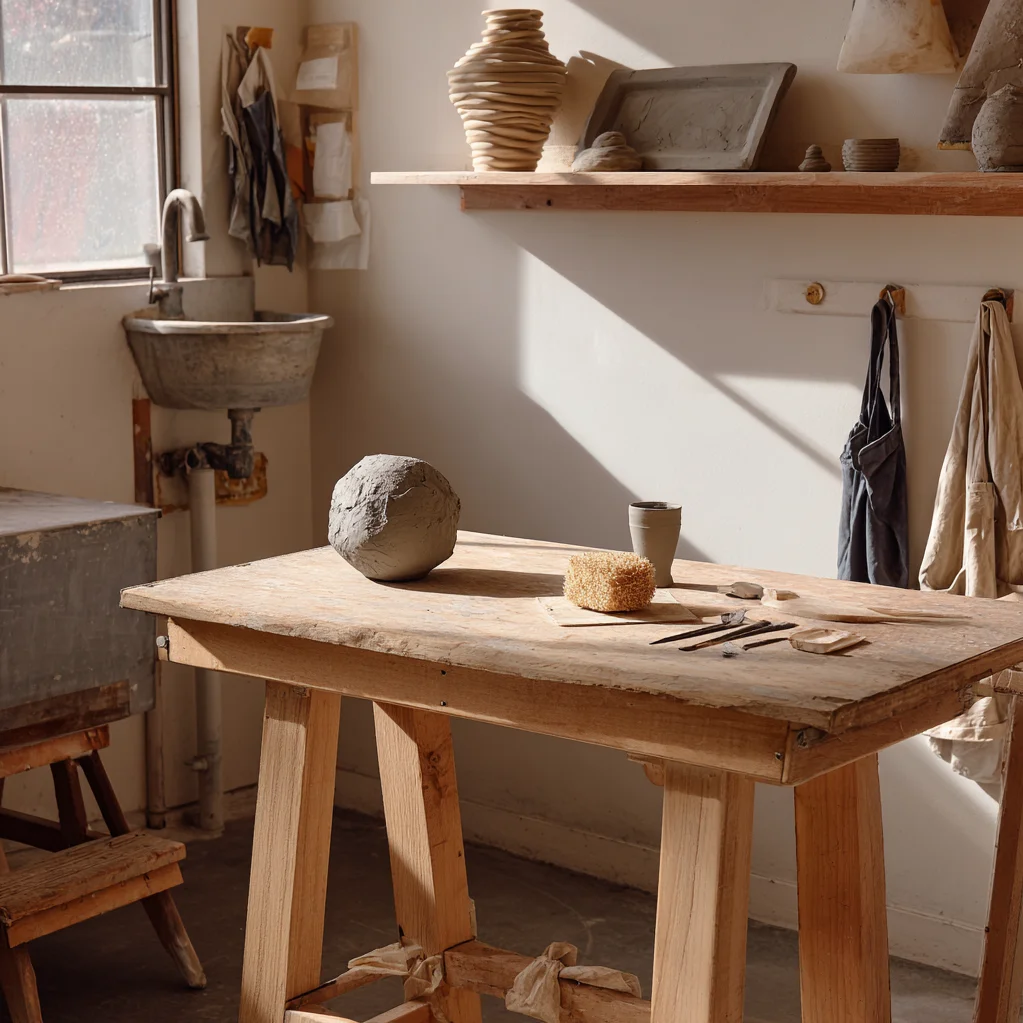
Having the right tools and materials is crucial for a smooth start in pottery, especially for beginners who might feel overwhelmed by options. Basic tools include a rolling pin for flattening clay, a wire cutter for slicing, and modeling tools for detailing and smoothing surfaces. A pottery sponge helps keep clay moist and clean up edges, while a rib tool aids in shaping and refining forms. For materials, begin with air-dry clay or polymer clay if you're working at home without a kiln; these are forgiving and easy to use. If you have access to a studio, earthenware or stoneware clay is ideal for wheel-throwing or firing. Glazes and underglazes add color and finish, but start with water-based options for simplicity. Safety is key, so wear an apron and use a dust mask when handling dry clay to avoid inhalation. A sturdy work surface, like a canvas-covered table, prevents sticking and makes cleanup easier. As you progress, consider investing in a pottery wheel for more advanced projects, but it's not necessary initially. Many beginners find that starting with a basic kit, which often includes tools and clay, reduces setup stress. For example, a beginner's pottery kit from a reputable brand can provide everything needed for your first few projects. Proper storage is also important; keep clay in airtight containers to maintain its workability. By gathering these essentials, you'll be prepared to tackle various pottery ideas for beginners without frustration. Remember, quality tools enhance your experience, so prioritize durability and ease of use. With the right setup, you can focus on creativity and skill-building, turning simple materials into stunning handmade pieces for your home or as gifts.
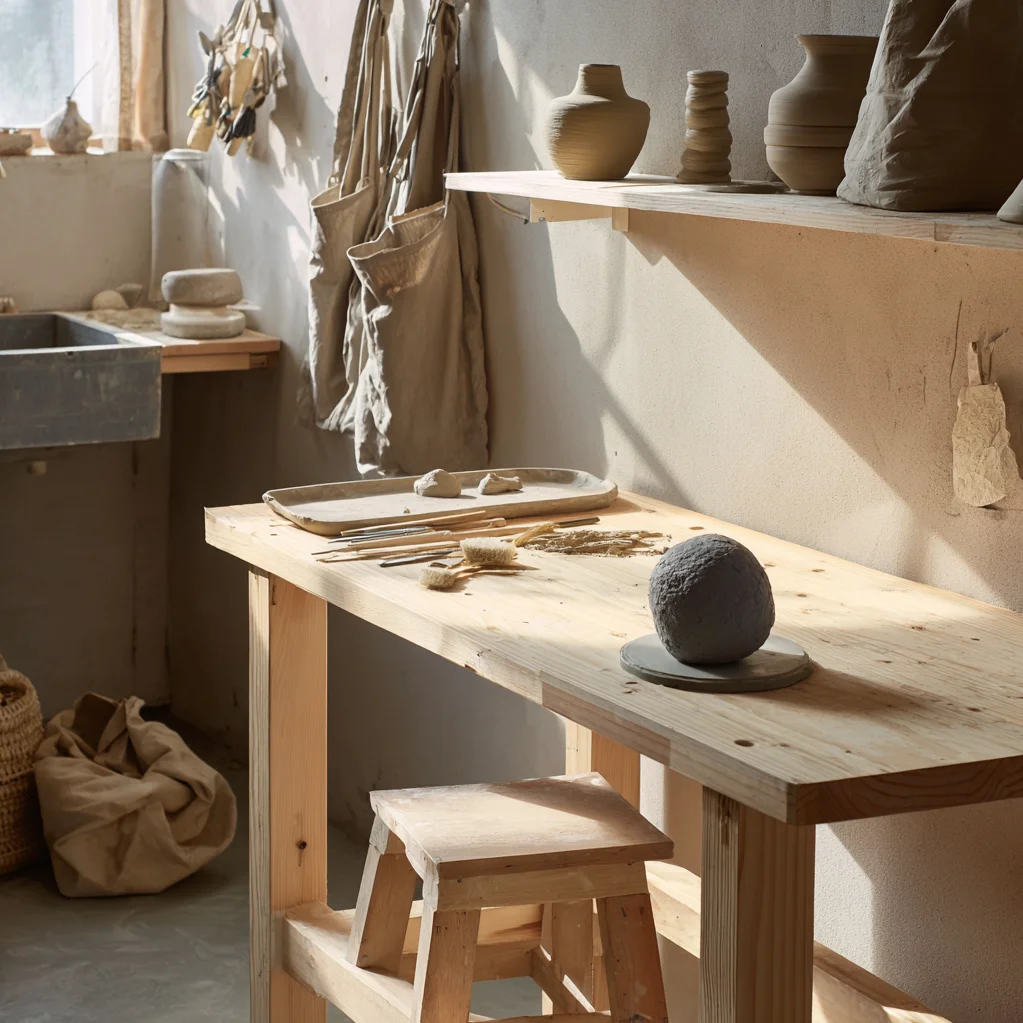
Step-by-Step Pottery Ideas for Beginners to Build Skills
Following a step-by-step approach ensures that beginners can build skills progressively while completing satisfying projects. Start with a basic pinch pot: take a small ball of clay, press your thumb into the center, and gently pinch the walls to form a bowl shape. Smooth the edges with a damp sponge, and let it air-dry or bake according to clay instructions. This project teaches foundational techniques like centering and shaping. Next, move to a coil pot: roll several coils of clay, stack them in a spiral, and blend the seams with your fingers or a tool to create a stable pot. This improves your hand-eye coordination and understanding of structure. For slab projects, try making a simple picture frame: roll out a slab, cut it into strips, assemble into a frame, and decorate with impressions or carvings. As you advance, experiment with adding handles to mugs or lids to jars, focusing on symmetry and attachment methods. Each step should emphasize patience; allow pieces to dry slowly to prevent cracking. Firing and glazing come later—if using a kiln, bisque fire first, then apply glazes for a finished look. For beginners, it's helpful to document your process with notes or photos to track improvements. Incorporate these pottery ideas for beginners into regular practice sessions, aiming for one project per week to build consistency. Over time, you'll develop a feel for clay's properties and be ready for more complex techniques like wheel-throwing. By following these steps, you'll not only create beautiful items but also gain the confidence to explore advanced pottery, making your hobby both rewarding and educational.
Conclusion
In summary, pottery is a rewarding and accessible hobby for beginners, offering a perfect blend of creativity, relaxation, and practical skill-building. By starting with simple hand-building techniques like pinch pots, coil construction, and slab projects, you can gradually develop your abilities without feeling overwhelmed. Essential tools and materials, such as basic modeling tools and air-dry clay, make it easy to begin at home, while step-by-step approaches ensure steady progress. As you explore these pottery ideas for beginners, remember that the journey is as important as the outcome—embrace imperfections, as they often add character to your creations. Looking ahead, consider joining a local pottery class or online community to share ideas and gain inspiration. The future of pottery for beginners is bright, with growing resources and eco-friendly materials making it more sustainable. For instance, using reclaimed clay or natural dyes can enhance your projects while reducing environmental impact. As you master the basics, you might advance to wheel-throwing or larger sculptures, continually expanding your artistic horizons. Pottery not only beautifies your space with personalized decor but also fosters mindfulness, making it a valuable addition to your lifestyle. So, keep experimenting, stay curious, and let your hands shape not just clay, but also a more creative and fulfilling life. For ongoing inspiration, revisit projects and set new goals, ensuring that your pottery journey remains exciting and transformative.
Frequently Asked Questions
Q: What type of clay is best for beginners in pottery?
For beginners, air-dry clay or polymer clay is highly recommended because they don't require a kiln and are easy to work with at home. Air-dry clay hardens naturally, making it ideal for simple projects like pinch pots or ornaments, while polymer clay can be baked in a standard oven for durability. If you have access to a pottery studio, earthenware clay is a good choice as it's forgiving and fires at lower temperatures. Start with these options to build confidence before moving to more advanced clays like stoneware.
Q: Do I need a pottery wheel to start with beginner pottery ideas?
No, a pottery wheel is not necessary for beginners. Hand-building techniques, such as pinch pots, coil building, and slab construction, are excellent ways to start without any specialized equipment. These methods allow you to learn clay handling, shaping, and finishing skills using basic tools like rolling pins and modeling sticks. In fact, many experts recommend mastering hand-building first, as it builds a strong foundation for later wheel-throwing. If you decide to advance, you can always rent time at a local studio or invest in a wheel later on.
Q: How can I prevent my pottery from cracking during drying?
To prevent cracking, dry your pottery slowly and evenly. Avoid placing it in direct sunlight or near heat sources, as rapid drying causes stress in the clay. Cover pieces loosely with plastic wrap or a damp cloth for the first day to control moisture loss. For hand-built items, ensure uniform thickness by smoothing seams and edges, and use a needle tool to poke small holes in thicker areas to allow air escape. If using a kiln, follow proper bisque firing schedules. Patience is key—allowing adequate drying time, typically several days for air-dry clay, reduces the risk of cracks and ensures a sturdy final product.