
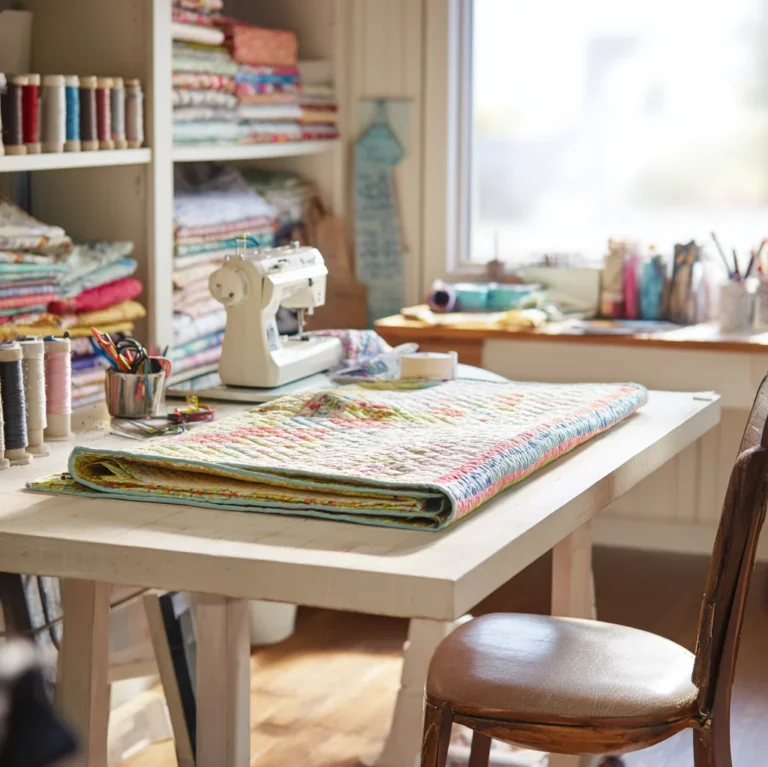
Quilt binding is the final touch that can make or break your handmade masterpiece. It’s more than just a functional edge; it’s a design element that frames your quilt, adding personality, durability, and a polished look. Whether you’re a beginner or an experienced quilter, exploring different quilt binding ideas can elevate your projects from simple blankets to cherished heirlooms. The right binding not only secures the layers but also complements your quilt’s theme, colors, and style. In this article, we’ll dive into creative and practical quilt binding ideas that are easy to implement, even if you’re new to quilting. You’ll learn how binding can enhance the overall aesthetic, protect your quilt from wear, and give it a professional finish. Don’t underestimate this step—it’s your chance to add a unique flair. For inspiration on starting your quilting journey, check out this guide on basic quilting techniques from The Spruce Crafts. By the end, you’ll feel confident to experiment and make your quilts stand out.
Creative Quilt Binding Ideas for a Personal Touch
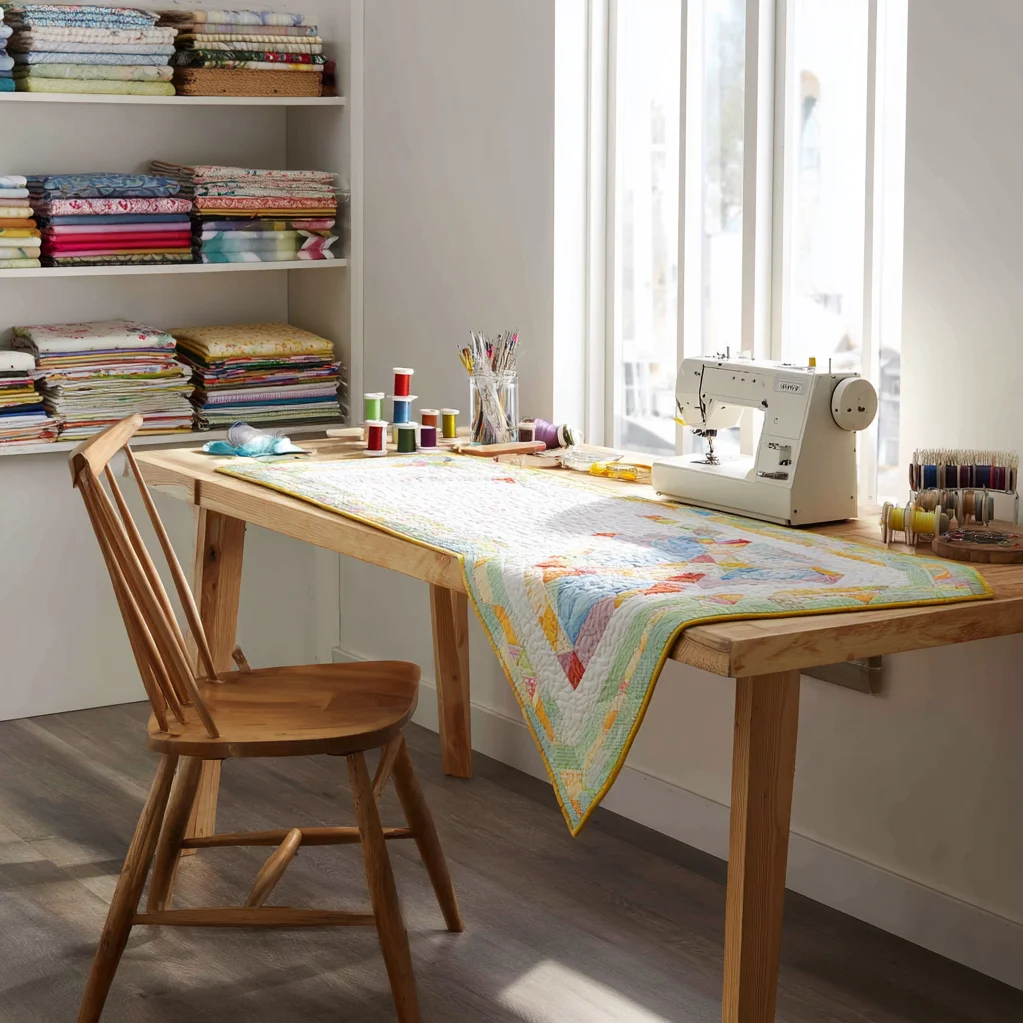
When it comes to quilt binding ideas, creativity knows no bounds. One popular approach is using contrasting fabrics to make the binding pop against the quilt top. For instance, if your quilt has soft pastels, a bold, dark binding can define the edges beautifully. Alternatively, try scrappy binding, where you sew together fabric scraps from the quilt itself for a cohesive, eclectic look. This not only reduces waste but also tells a story through varied patterns. Another idea is bias binding, cut on the diagonal grain of the fabric, which offers flexibility and durability, especially for curved quilts. It stretches smoothly around corners without puckering. For a modern twist, consider flange binding—a narrow strip of fabric inserted between the binding and quilt, adding a subtle color accent. If you’re feeling adventurous, experiment with textured fabrics like faux fur or flannel for a cozy, tactile finish. Remember, the goal is to complement your quilt’s design. Test small samples first to see how colors and textures interact. These quilt binding ideas can transform a simple project into something extraordinary. For more DIY inspiration, explore our tips on fabric selection at https://chicaurahome.com/fabric-choices.
Easy Quilt Binding Ideas for Beginners
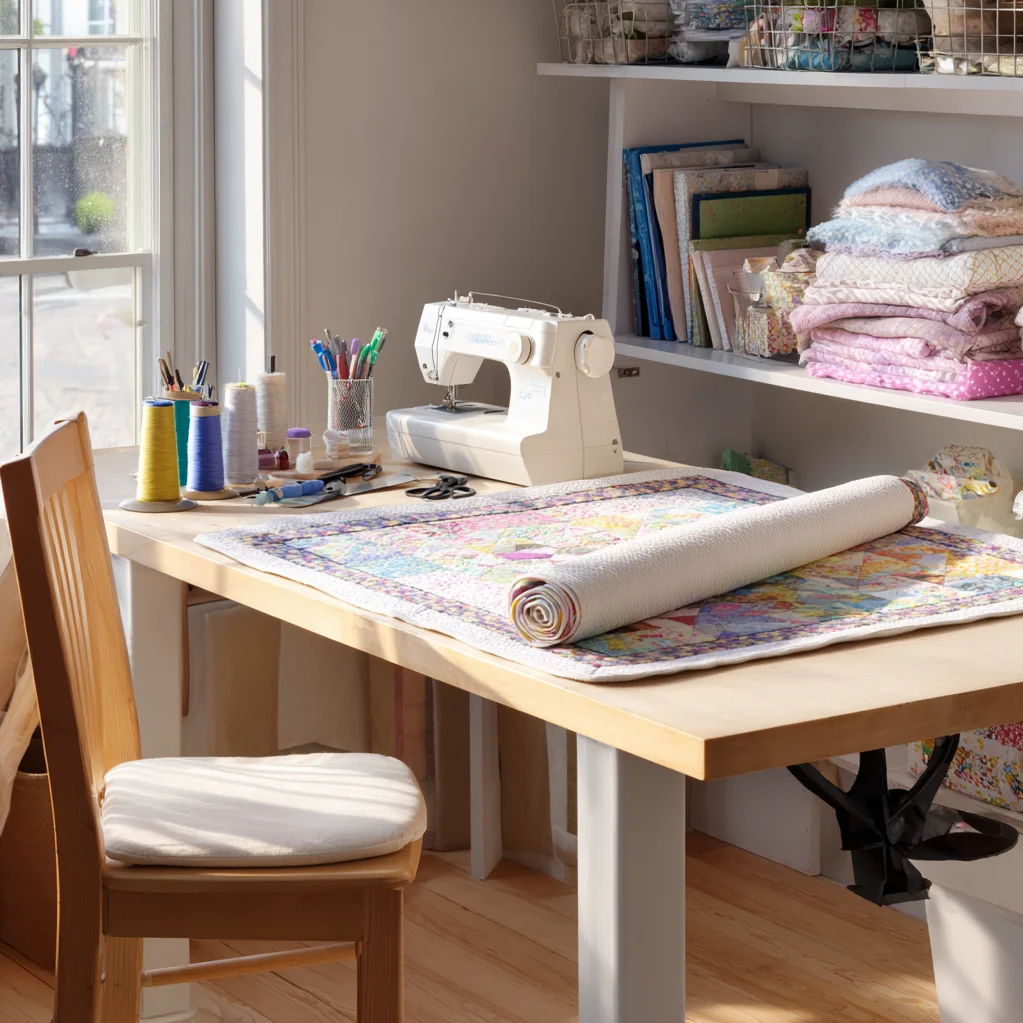
If you’re new to quilting, start with straightforward quilt binding ideas that build your skills without frustration. Single-fold binding is a great choice—it’s made from a single layer of fabric folded over the edge, making it lightweight and easy to sew. Simply cut strips, join them, and attach them to the quilt with a ¼-inch seam allowance. Another beginner-friendly option is machine binding, where you sew the binding entirely by machine for speed and durability. Use a walking foot to prevent shifting and stitch in the ditch or topstitch for a clean finish. For those short on time, pre-made binding tapes are available in various colors and can be applied quickly. They’re perfect for practice or small projects like placemats. When cutting binding strips, aim for 2.5 inches wide for a standard finish, and always press seams open to reduce bulk. To avoid common pitfalls, like wavy edges, ensure your quilt is squared up before binding and use pins or clips to hold it in place. These easy quilt binding ideas help you gain confidence while achieving a professional look. As you progress, you can tackle more complex techniques. Remember, practice makes perfect, so don’t be afraid to start small and learn from each project.
Advanced Quilt Binding Ideas for Stunning Results
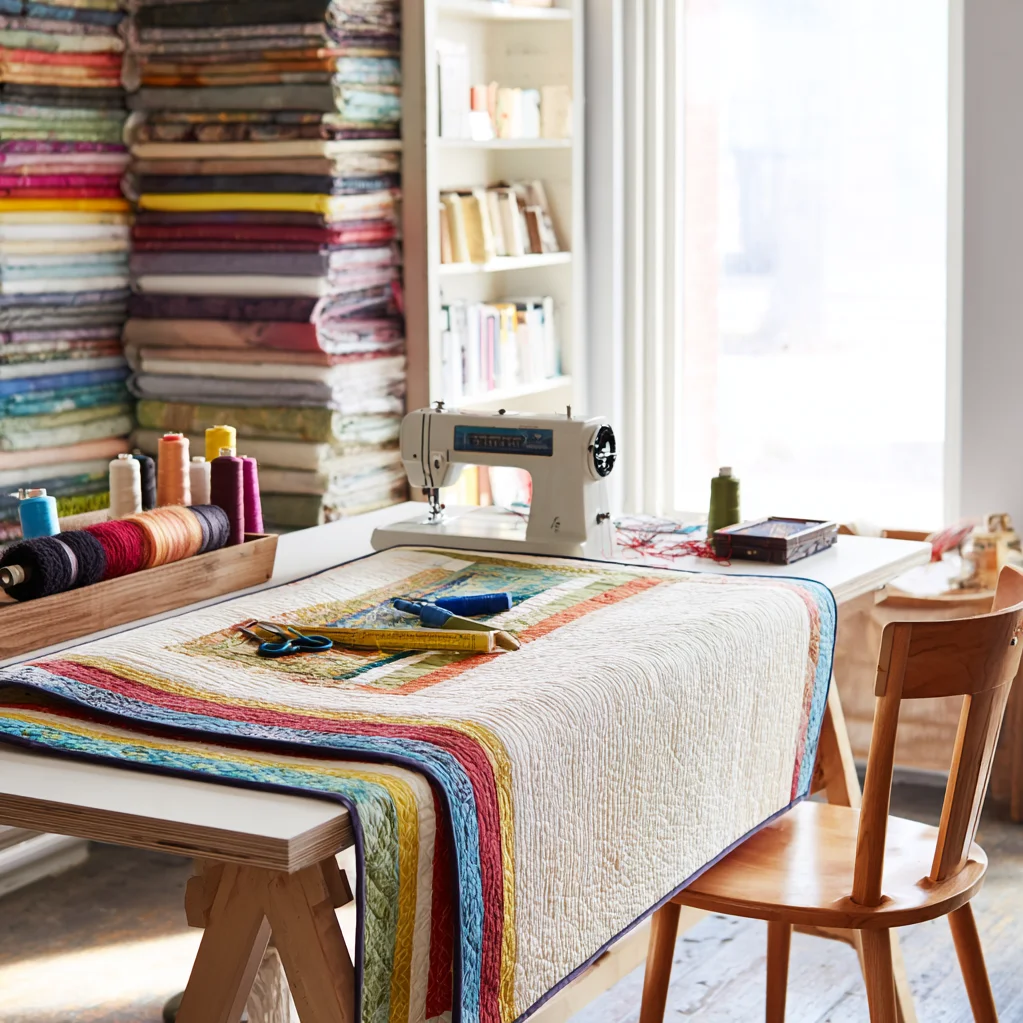
For seasoned quilters, advanced quilt binding ideas offer opportunities to showcase expertise and artistry. Prairie points are a decorative option where folded fabric triangles are inserted into the binding, creating a scalloped edge that adds dimension and texture. To make them, cut squares, fold them into triangles, and sew them along the quilt’s perimeter before applying the binding. Another sophisticated technique is faced binding, which creates an invisible edge by turning the binding to the back and hand-stitching it down. This is ideal for art quilts or those with intricate borders, as it doesn’t distract from the design. For a luxurious feel, try piped binding, where cording is enclosed in the binding strip for a raised, tailored look. It requires precision but results in a high-end finish. If you enjoy handwork, consider hand-applied binding with a blind stitch for an heirloom-quality seam that’s nearly invisible. When working with these methods, use high-quality threads and sharp needles to ensure smooth execution. These advanced quilt binding ideas can turn your quilts into gallery-worthy pieces, highlighting your dedication to craft. Experiment with combinations, like adding beads or embroidery to the binding for extra flair, and always document your process for future projects.
Conclusion
In summary, quilt binding ideas are essential for giving your projects a finished, professional appearance that reflects your personal style. From simple techniques for beginners to advanced methods for experts, binding can enhance durability, aesthetics, and overall satisfaction with your work. We’ve explored creative options like contrasting and scrappy bindings, easy approaches such as machine binding, and sophisticated styles including prairie points and faced bindings. Each idea offers unique benefits, so don’t hesitate to mix and match based on your quilt’s needs. As you move forward, keep experimenting with new fabrics and techniques—perhaps incorporate seasonal themes or upcycled materials for an eco-friendly twist. The future of quilting is bright, with trends leaning towards sustainable practices and digital tools for pattern design. To stay inspired, join online quilting communities or local workshops. Remember, the best quilt binding ideas are the ones that bring you joy and make your quilts cherished for years to come. Start your next project today and see how a little creativity at the edges can make a big difference.
Frequently Asked Questions
Q: What is the best width for quilt binding strips?
The best width for quilt binding strips depends on your desired finish, but a common standard is 2.5 inches for double-fold binding. This width allows for a ¼-inch seam allowance and a finished binding of about ½ inch. For single-fold binding, 1.5 to 2 inches works well. Always consider the quilt’s thickness; thicker quilts might need wider strips to cover the edges comfortably. Test on a scrap piece first to ensure it looks balanced.
Q: How do I attach quilt binding to curved edges?
To attach quilt binding to curved edges, use bias-cut binding strips, as they stretch and conform better to curves without wrinkling. Cut your fabric at a 45-degree angle to the grain, join the strips, and press them. When sewing, ease the binding around the curve by gently stretching it slightly and pinning it in place. Sew slowly with a ¼-inch seam, and after attaching, press the binding away from the quilt to set the shape. For tight curves, consider clipping the seam allowance to reduce bulk.
Q: Can I use pre-made binding for quilts, and is it durable?
Yes, you can use pre-made binding for quilts, and it’s generally durable for everyday use. Pre-made binding comes in various materials like cotton or polyester and is convenient for quick projects. However, it may not be as sturdy as handmade binding for heavy-use items like bed quilts, as it can be thinner. For best results, choose high-quality pre-made binding and reinforce it with secure stitching. It’s a great option for beginners or decorative pieces, but for heirlooms, consider making your own for custom fit and strength.