
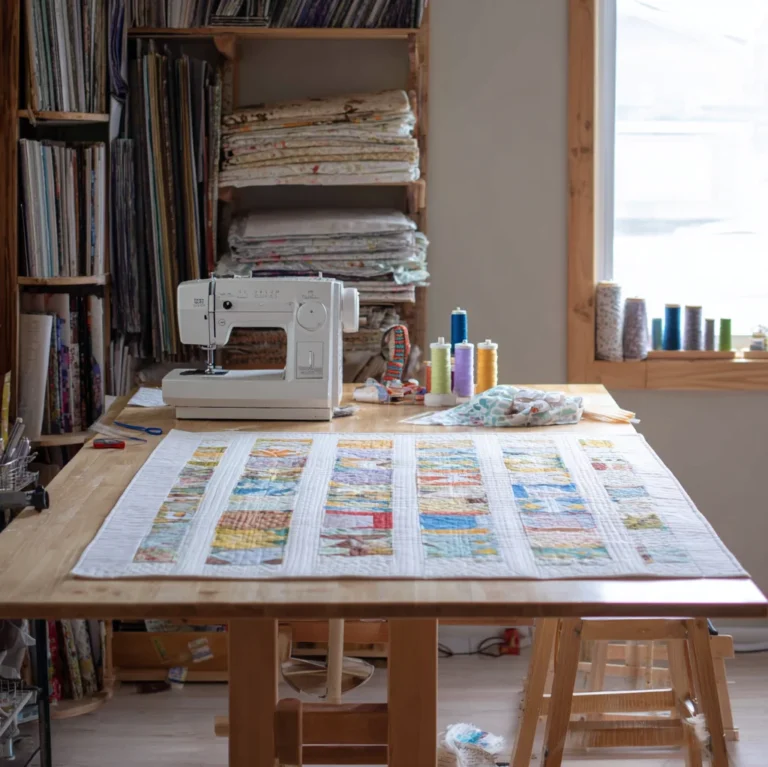
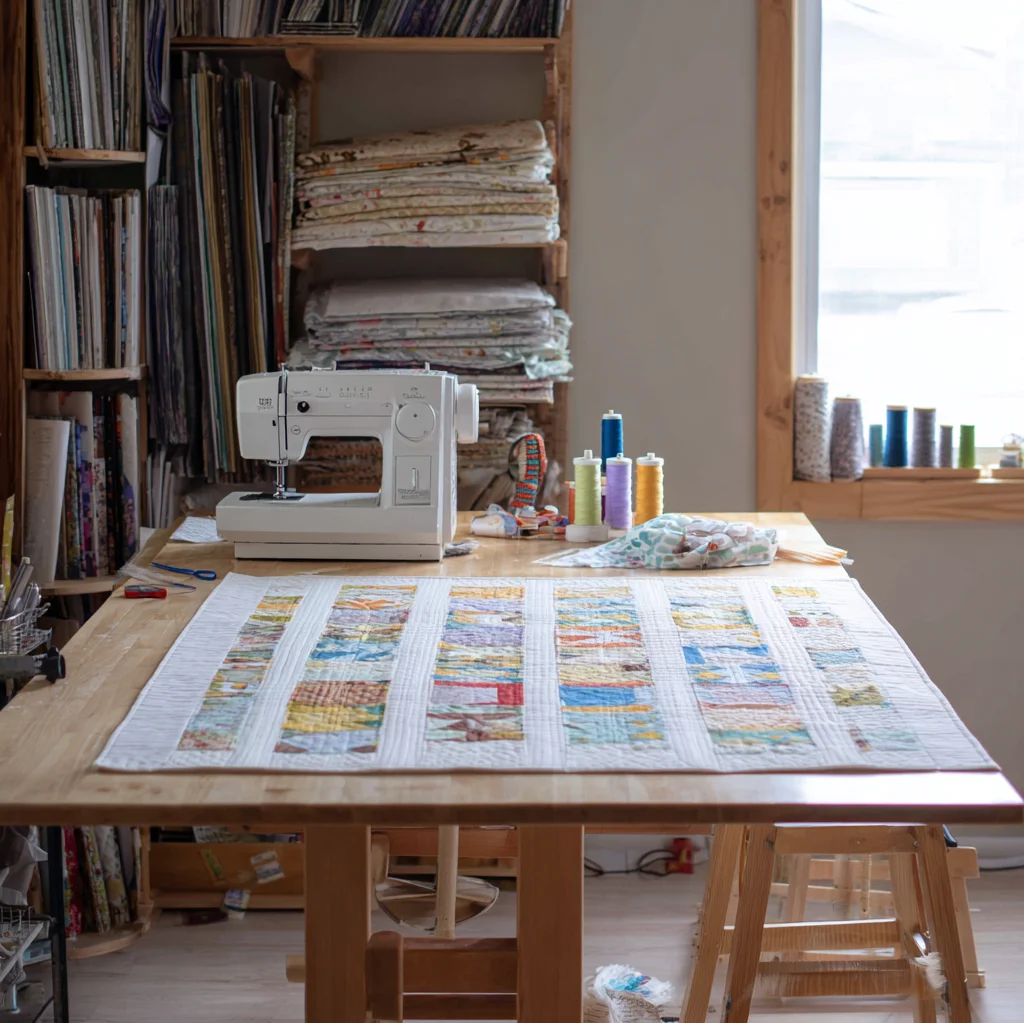
Quilt sashing is the secret ingredient that can elevate your quilting projects from ordinary to extraordinary. Often overlooked, these strips of fabric placed between quilt blocks serve not only a functional purpose—stabilizing the quilt and adding size—but also a creative one. They frame your blocks, enhance visual appeal, and introduce rhythm and cohesion to your design. In today’s home decor world, where DIY and personalized touches are cherished, mastering quilt sashing ideas allows you to infuse personality into your creations. Whether you’re a seasoned quilter or a beginner, understanding sashing opens up a world of possibilities for customizing blankets, wall hangings, or bedspreads that reflect your style. It can balance busy patterns, highlight intricate piecing, or even become the focal point with bold colors and textures. By exploring various quilt sashing ideas, you’ll gain the confidence to experiment and achieve professional-looking results. This article dives into essential techniques and inspirations to help you get started. For more on fabric selection, check out this guide from The Spruce Crafts, a trusted resource in home crafts. Remember, the right sashing can transform a simple quilt into a cherished heirloom, making your efforts truly rewarding.
Essential Quilt Sashing Ideas for Beginners
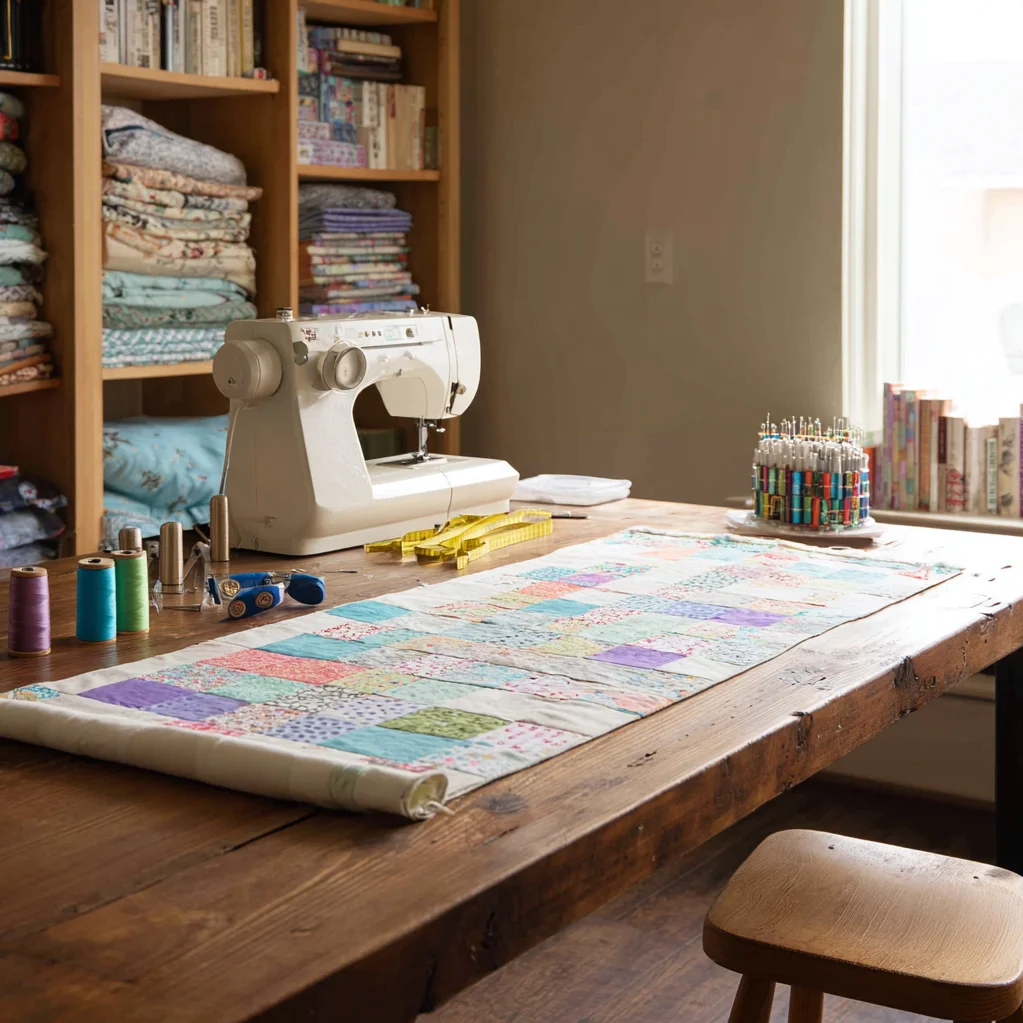
Starting with quilt sashing can feel daunting, but focusing on simple quilt sashing ideas makes the process enjoyable and achievable. For beginners, basic straight sashing is a great choice. Cut uniform strips of fabric, typically 2 to 4 inches wide, and sew them between your quilt blocks. This method adds structure without complexity. Consider using solid colors to contrast with patterned blocks, which can make the design pop. Another easy quilt sashing idea is to incorporate cornerstones—small squares at the intersections of sashing strips. These add a decorative touch and help align the pieces evenly. When selecting fabrics, opt for high-quality cotton that matches your quilt's theme; for instance, light sashing can brighten a dark quilt, while dark sashing adds depth to light blocks. Tools like a rotary cutter and quilting ruler ensure precise cuts, reducing errors. Practice on scrap fabric first to build confidence. As you progress, you'll find that even simple quilt sashing ideas can dramatically enhance your project's appearance. Don't forget to press seams open or to one side for a flat finish. For more beginner tips, explore our DIY and Makeovers section at https://chicaurahome.com/diy-quilting-basics. With patience, you'll soon be creating beautiful, cohesive quilts that showcase your growing skills.
Creative Quilt Sashing Ideas for Visual Impact
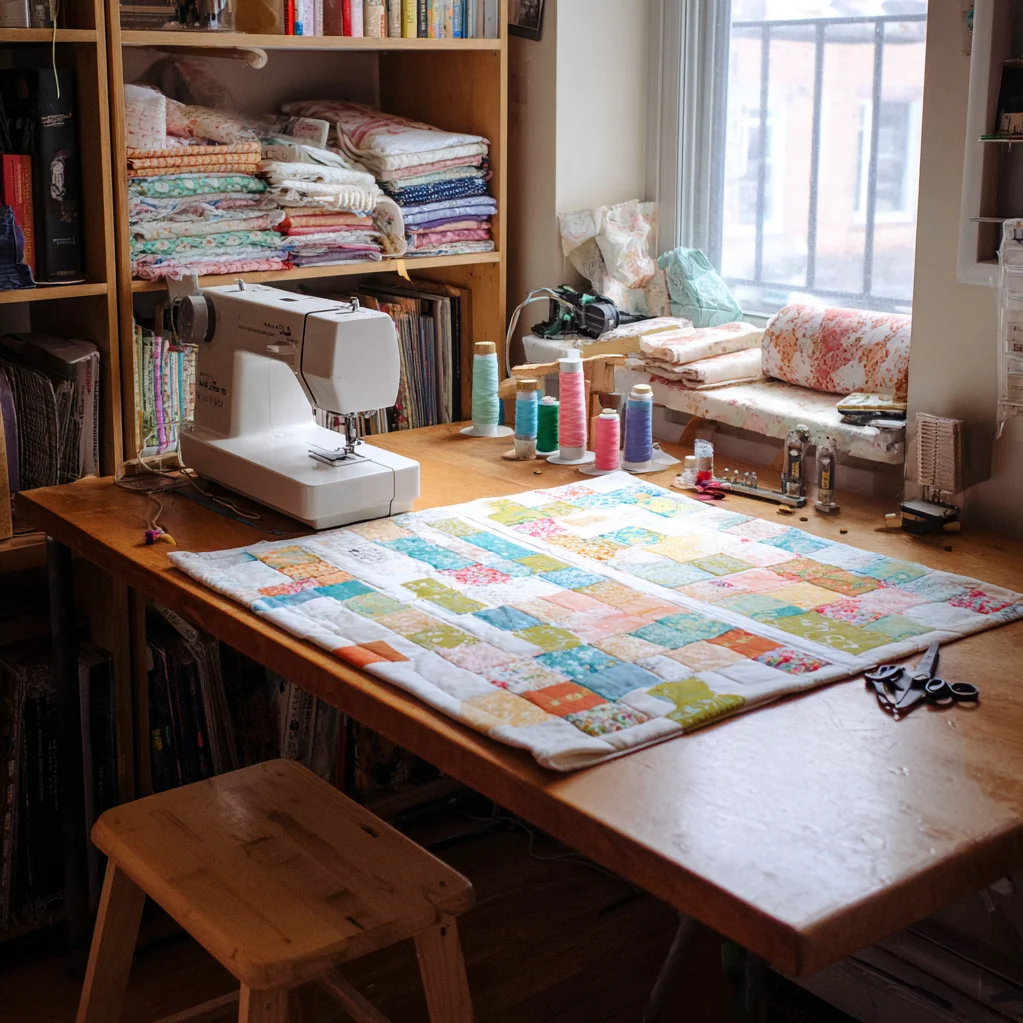
Once you've mastered the basics, it's time to explore creative quilt sashing ideas that add flair and personality to your quilts. One popular approach is pieced sashing, where you sew together smaller fabric pieces to form the sashing strips. This can include patterns like log cabins or chevrons, integrating the sashing into the overall design rather than just as a separator. Another inventive quilt sashing idea is to use appliqué or embroidery on the sashing strips, adding motifs that tell a story or complement the quilt blocks. For a modern twist, try asymmetrical sashing with varying widths or angles, which creates dynamic movement and visual interest. Color plays a crucial role here; gradient sashing, where strips shift from one hue to another, can evoke emotions like calm or energy. Textured fabrics, such as linen or flannel, introduce tactile elements that make the quilt more inviting. When planning these creative quilt sashing ideas, sketch your design first to ensure balance. Remember, the goal is to enhance without overwhelming the main blocks. Tools like design software or simple graph paper can help visualize the outcome. Incorporating these ideas not only boosts aesthetics but also makes your quilt unique. For inspiration on color schemes, visit The Spruce Crafts' article on quilt color theory. With practice, you'll develop a signature style that turns every project into a work of art.
Advanced Quilt Sashing Ideas for Experienced Crafters
For those with quilting experience, advanced quilt sashing ideas offer opportunities to push boundaries and showcase expertise. One sophisticated technique is curved sashing, where strips are cut and sewn in arcs or waves, requiring precise piecing and patience. This can soften the geometric feel of traditional quilts and add fluidity. Another advanced quilt sashing idea involves incorporating secondary patterns—where the sashing and blocks interact to form new designs, such as stars or chains, when viewed from a distance. This requires careful planning of colors and measurements to achieve the illusion. You might also experiment with dimensional sashing by adding ruffles, pleats, or trapunto quilting to create raised effects that catch the light and shadow. Using specialty fabrics like batiks or metallics can further elevate the design, but ensure they are compatible with your quilt's purpose (e.g., washable for bed quilts). When implementing these advanced quilt sashing ideas, accuracy is key; use tools like acrylic templates and basting sprays to maintain alignment. Consider the quilt's end use; for example, art quilts can handle more intricate sashing, while functional quilts should prioritize durability. For detailed tutorials on advanced techniques, check out our Interiors And Styling category at https://chicaurahome.com/advanced-quilting. Mastering these ideas will not only improve your skills but also allow you to create heirloom pieces that stand out in any home decor setting.
Practical Tips for Implementing Quilt Sashing Ideas
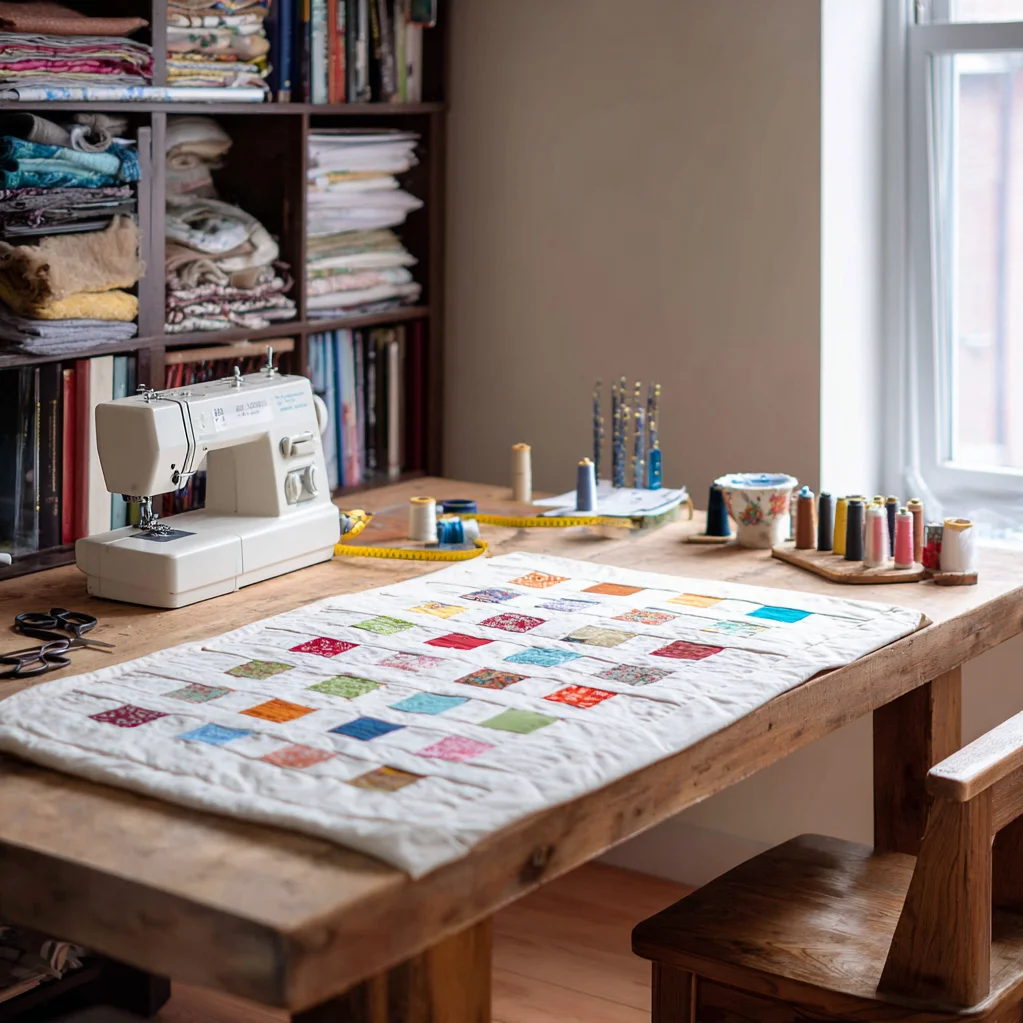
Implementing quilt sashing ideas successfully requires attention to practical details that ensure a polished finish. Start by accurately measuring your quilt blocks and calculating sashing dimensions to avoid puckering or misalignment. A common rule is to add sashing width to the block size when planning layout. When cutting strips, use a sharp rotary blade and mat for clean edges, and always cut parallel to the fabric grain to prevent stretching. Sewing sashing involves pinning carefully to match seams, especially at corners; for cornerstones, sew sashing to blocks first, then add the cornerstone squares. Pressing is crucial—press seams toward the sashing or blocks based on your design to reduce bulk. For complex quilt sashing ideas like pieced strips, chain piecing can save time and thread. Consider the quilt's batting and backing; thicker sashing may require adjustments in quilting density. Testing on a small scale, such as a mini-quilt, helps refine techniques before committing to a large project. Storage-wise, keep sashing fabrics organized by project to maintain consistency. For washable quilts, pre-wash fabrics to prevent shrinkage issues. If you run into challenges, online communities or local quilting groups offer support. For more organizational tips, visit The Spruce Crafts' guide on quilting supplies. By following these practical steps, you'll execute your quilt sashing ideas efficiently, resulting in durable and beautiful quilts that enhance any room.
Conclusion
In summary, quilt sashing ideas are a powerful tool for transforming your quilting projects, offering both structural support and artistic expression. From simple straight sashing for beginners to advanced techniques like curved or dimensional designs, there's a style to suit every skill level and aesthetic. By experimenting with colors, textures, and patterns, you can create quilts that not only keep you warm but also tell a story and reflect your personal taste. Remember, the key to success lies in careful planning, precise execution, and a willingness to learn from each project. As you continue your quilting journey, keep exploring new inspirations—perhaps from nature, art, or cultural motifs—to keep your designs fresh and engaging. The future of quilting looks bright, with trends leaning towards sustainable fabrics and digital tools for design visualization. For ongoing support, dive into our resources at https://chicaurahome.com/quilt-inspirations. Ultimately, embracing quilt sashing ideas empowers you to craft heirlooms that bring joy and beauty to your home for years to come. So grab your fabrics, trust your creativity, and start sashing—your next masterpiece awaits!
Frequently Asked Questions
Q: What is the purpose of sashing in a quilt?
Sashing in a quilt serves multiple purposes: it adds stability by connecting quilt blocks, prevents distortion during sewing and quilting, and enhances the design by creating visual separation and framing. This can make busy patterns more cohesive, highlight individual blocks, and increase the overall size of the quilt without adding more complex piecing. It's a versatile element that boosts both function and aesthetics in quilting projects.
Q: How do I choose the right width for quilt sashing?
Choosing the right width for quilt sashing depends on your design goals and the size of your quilt blocks. For a subtle effect, use narrow sashing (1-2 inches), which adds structure without dominating the design. Wider sashing (3-5 inches or more) can make a bold statement, create negative space, or balance large blocks. Consider the quilt's purpose—bed quilts might benefit from wider sashing for durability, while wall hangings can experiment with varying widths. Always test layouts with paper or software to visualize the impact before cutting fabric.
Q: Can I mix different quilt sashing ideas in one project?
Yes, you can mix different quilt sashing ideas in one project, but it requires careful planning to maintain harmony. For example, you might use straight sashing between most blocks and add pieced sashing as a border for accent. Ensure consistent color schemes or themes to avoid a cluttered look. Sketch the design first to check how elements interact, and consider the overall balance—mixing can add interest, but overcomplicating might distract from the quilt's focal points. Start with small combinations to build confidence.