
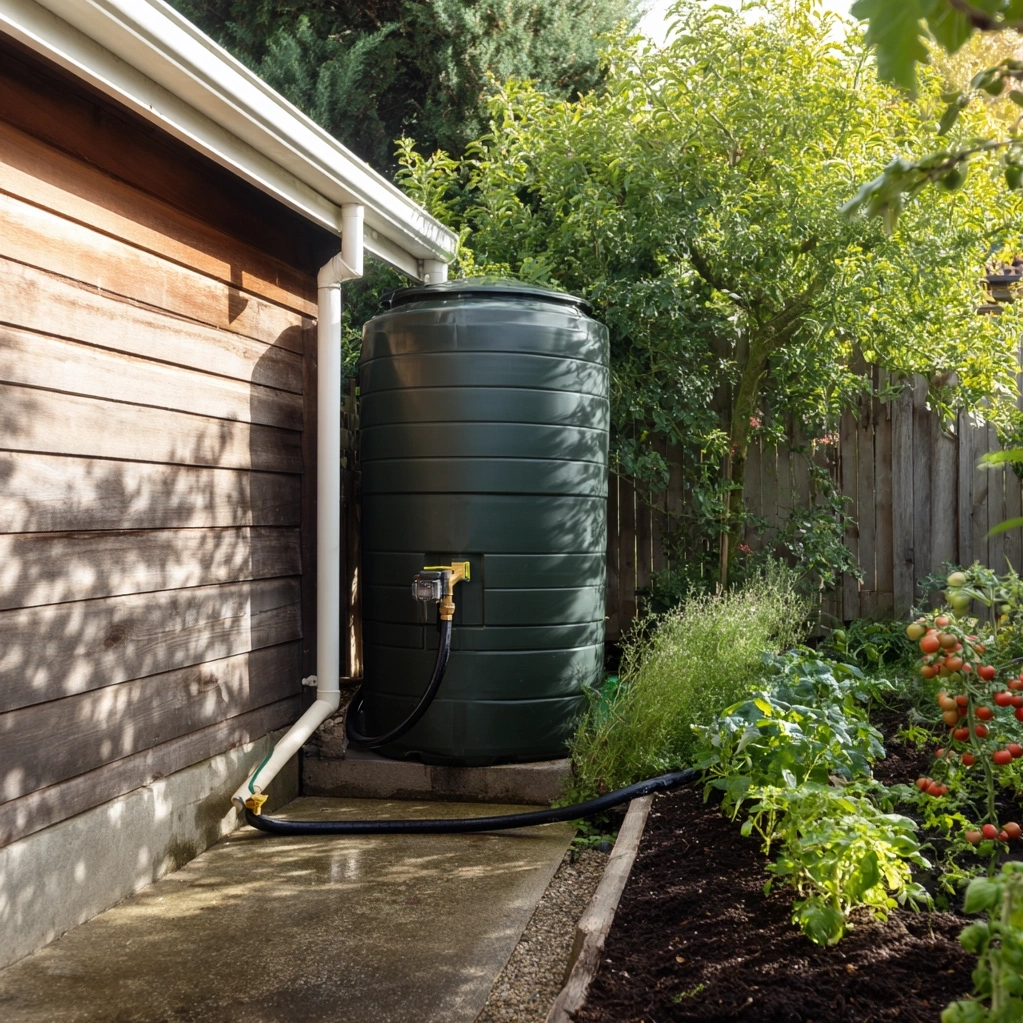
Imagine transforming your home into a self-sufficient oasis while dramatically reducing your environmental footprint. A rain water collection system offers precisely that opportunity—a practical, eco-friendly approach to water management that benefits both your household and the planet. As climate patterns shift and water scarcity becomes an increasing concern in many regions, capturing and utilizing rainwater has evolved from a niche practice to an essential component of sustainable living. This simple yet powerful system allows homeowners to harness nature’s bounty, providing free water for gardens, lawns, cleaning, and even household use with proper treatment. Beyond the obvious environmental benefits, installing a rain water collection system can lead to significant savings on water bills, especially during dry seasons when municipal water restrictions often apply. The psychological satisfaction of reducing your reliance on municipal systems and contributing to groundwater recharge adds another layer of value. Whether you live in a rainy climate or experience seasonal downpours, implementing a rain water collection system represents a meaningful step toward greater self-sufficiency and environmental responsibility. This comprehensive guide will explore everything you need to know about creating and maintaining an effective system that aligns with your home’s needs and local regulations.
Understanding the Components of a Rain Water Collection System
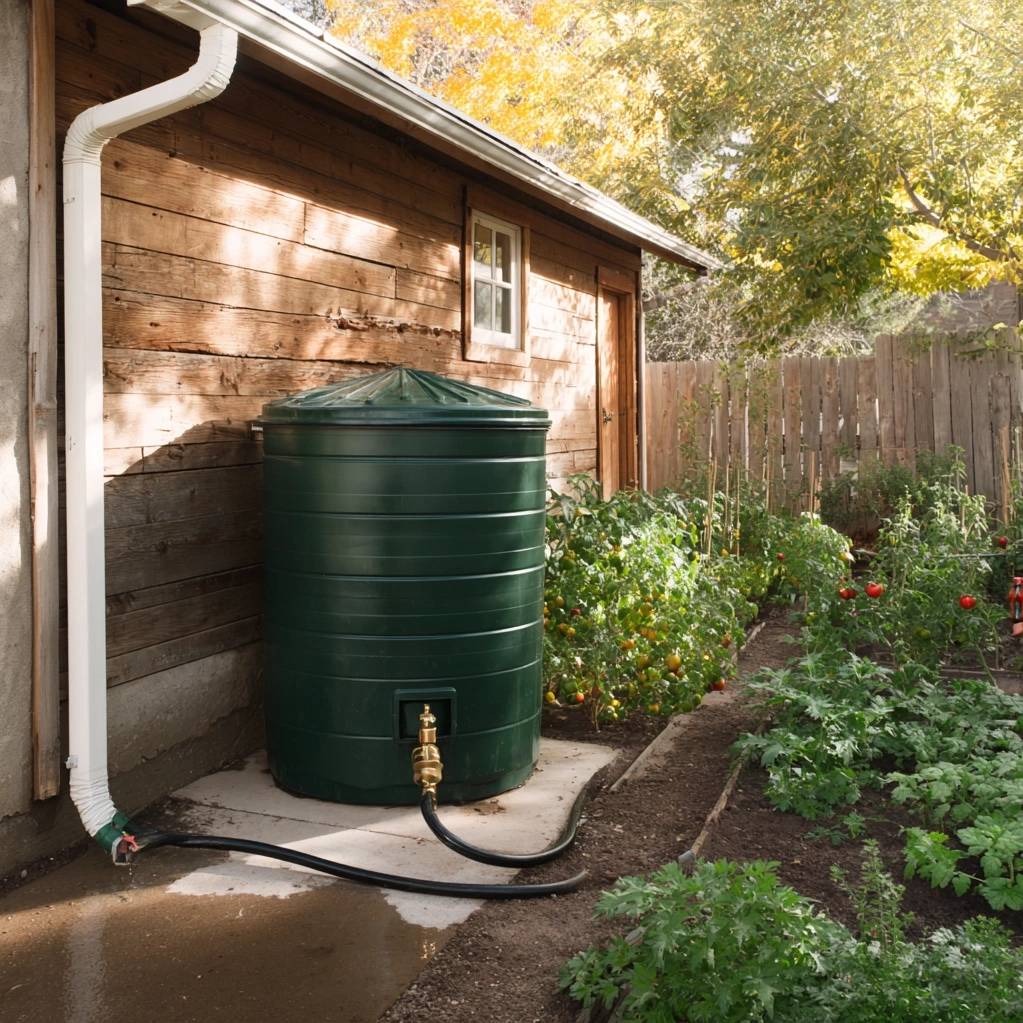
A well-designed rain water collection system consists of several key components that work together to capture, store, and distribute water efficiently. The journey begins with your roof, which serves as the primary catchment area. Different roofing materials affect water quality, with metal and tile generally providing cleaner water than asphalt shingles. Gutters and downspouts channel the collected rainwater, with leaf guards and first-flush diverters playing crucial roles in preventing debris from entering the system. These initial filtration steps are essential for maintaining water quality and reducing maintenance requirements. The heart of any rain water collection system is the storage tank or cistern. These come in various materials including polyethylene, fiberglass, and concrete, with sizes ranging from small barrels for garden use to large underground tanks for whole-house supply. Proper placement of storage containers considers both functionality and aesthetics—many homeowners opt for discreet locations or decorative barrels that complement their landscape design. A properly installed rain water collection system includes overflow mechanisms to handle excess water during heavy storms, directing it away from foundations to prevent flooding. The distribution system completes the setup, ranging from simple gravity-fed hoses for garden irrigation to more complex pump systems for indoor use. Understanding how these components interact allows homeowners to design systems that maximize efficiency while minimizing maintenance and potential issues.
Designing Your Rain Water Collection System for Maximum Efficiency
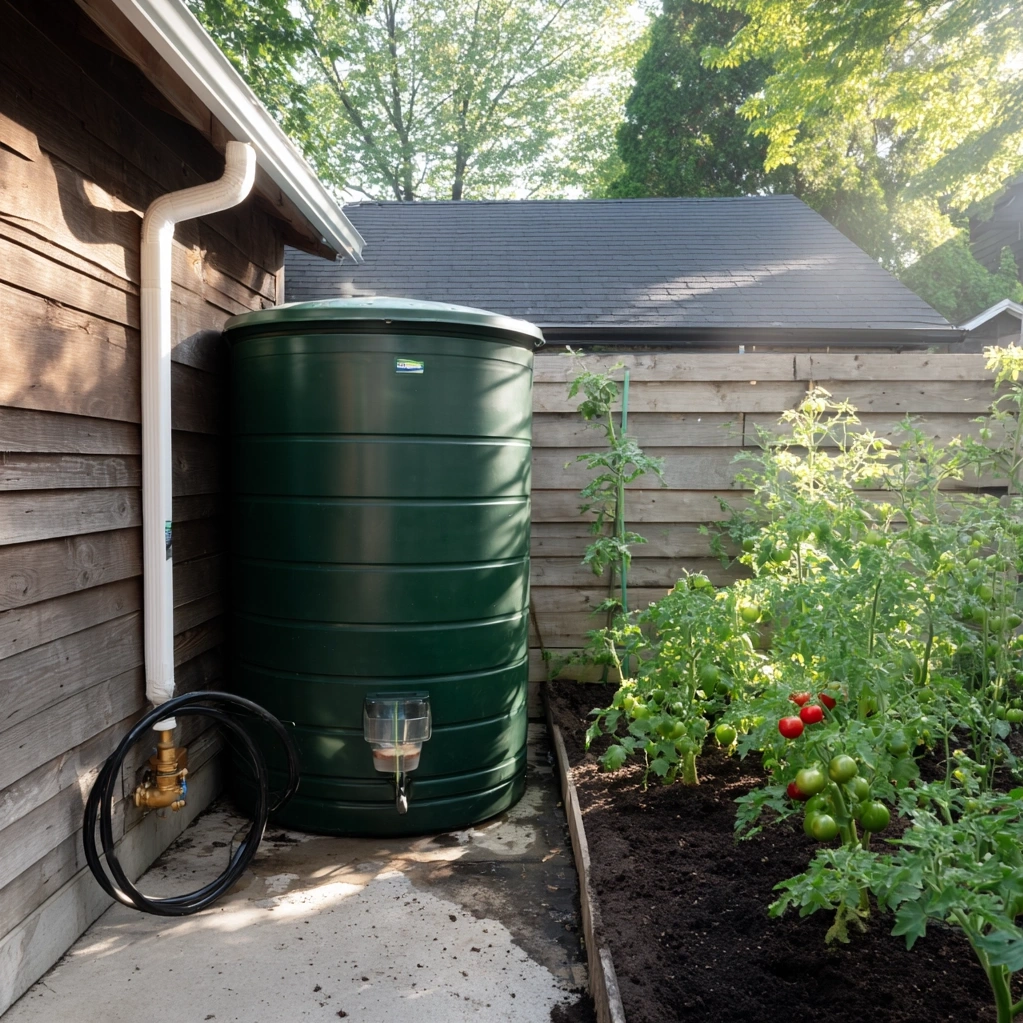
Creating an efficient rain water collection system requires careful planning that considers your specific needs, local climate, and property characteristics. Start by calculating your potential water yield based on your roof's catchment area and average rainfall. This calculation helps determine the optimal storage capacity for your system—too small, and you'll waste precious rainwater during storms; too large, and you'll invest in unnecessary capacity. Consider your primary uses for collected water: garden irrigation typically requires less treatment than water intended for indoor household use. For gardening applications, a simple above-ground barrel system with a spigot may suffice, while whole-house systems require more sophisticated filtration and pump arrangements. Proper placement of collection components significantly impacts system efficiency. Position storage tanks in shaded areas to reduce evaporation and algae growth, while ensuring easy access for maintenance and distribution. Integration with existing landscaping can enhance both functionality and visual appeal—consider incorporating rain chains, decorative barrels, or concealed underground tanks. An efficient rain water collection system also addresses seasonal variations in rainfall. In areas with distinct wet and dry seasons, larger storage capacity becomes crucial for bridging water gaps. For regions with freezing temperatures, winterization considerations include buried pipes, insulated tanks, or seasonal draining protocols. Smart design extends to overflow management, ensuring excess water during heavy storms gets directed to appropriate drainage areas or infiltration zones rather than causing foundation problems. By thoughtfully designing your rain water collection system from the outset, you'll create a setup that provides reliable water access while minimizing maintenance requirements and maximizing the return on your investment.
Maintenance and Optimization of Your Rain Water Collection System
Regular maintenance ensures your rain water collection system operates efficiently and provides clean water for years to come. Establish a seasonal maintenance routine that begins with inspecting gutters and downspouts before expected rainfall periods. Clear leaves, twigs, and other debris that could clog the system or contaminate stored water. Check and clean first-flush diverters and leaf guards, as these components prevent the dirtiest initial runoff from entering your storage tanks. Inside the storage containers, monitor water quality and address any issues promptly. Algae growth can be minimized by keeping tanks dark and sealed, while mosquito prevention requires fine mesh screens on all openings. For systems used beyond garden irrigation, additional filtration and purification become necessary. Sediment filters remove particulates, while UV treatment or chlorine tablets address biological contaminants. Regular testing of stored water ensures it remains suitable for your intended uses. Beyond basic maintenance, several optimization strategies can enhance your rain water collection system's performance. Consider adding a second tank in series to create a settling chamber that improves water clarity before storage. Implementing a gravity-fed distribution system reduces energy costs compared to pump-based systems, though pumps may be necessary for certain applications. Smart controllers can automate distribution based on soil moisture sensors or weather forecasts, ensuring water gets used efficiently. Seasonal adjustments also contribute to optimal performance. In freezing climates, winterizing pipes and above-ground components prevents damage, while in dry seasons, conservation measures extend your stored water supply. Document your maintenance activities and system performance to identify patterns and make informed adjustments over time. A well-maintained rain water collection system not only provides reliable water access but also represents a long-term investment in sustainable living that grows more valuable as water becomes increasingly precious.
Integrating Your Rain Water Collection System with Home Decor
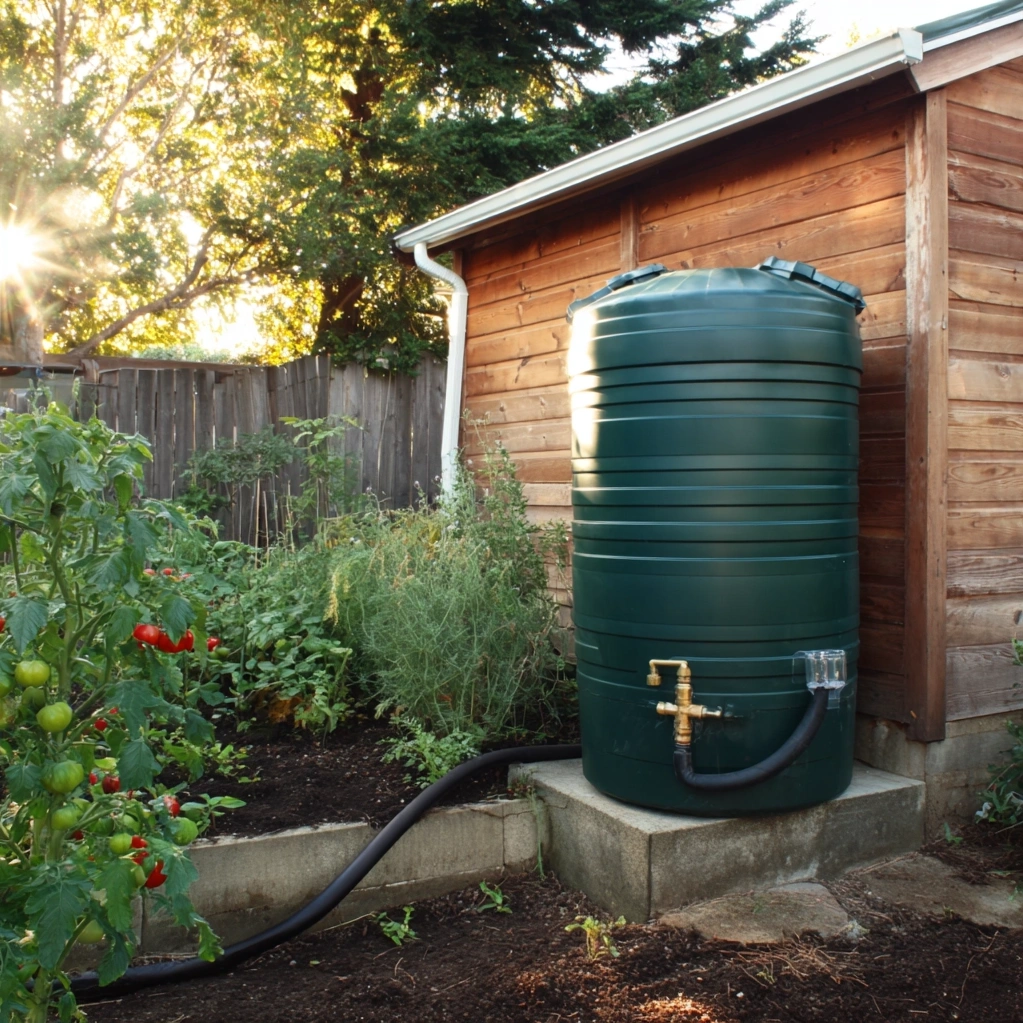
A rain water collection system doesn't need to be purely utilitarian—with thoughtful integration, it can enhance your home's aesthetic appeal while serving practical purposes. The storage component offers particular opportunities for decorative expression. Decorative rain barrels come in various styles, from rustic wooden casks to modern geometric designs that complement different architectural styles. Consider painting or staining barrels to match your home's exterior color scheme or garden theme. For those preferring discreet systems, underground tanks with decorative covers or concealed installations maintain functionality without visual intrusion. Above-ground systems can be incorporated into landscape design as focal points, surrounded by attractive plantings that soften their appearance while potentially utilizing the collected water. Rain chains provide both functional and decorative alternatives to traditional downspouts, creating visual interest as water cascades from roof to collection point. These come in various materials including copper, brass, and stainless steel, developing attractive patinas over time. Integration with hardscaping elements creates cohesive outdoor spaces—consider building a decorative enclosure around storage tanks that doubles as seating or incorporates planting pockets. Even functional components like filtration systems can be housed in attractive cabinets or integrated into garden sheds. For indoor applications, visible elements like hand pumps or vintage-style faucets can become conversation pieces that highlight your commitment to sustainability. The key to successful integration lies in viewing your rain water collection system not as separate equipment but as an integral part of your home's design language. This approach transforms practical necessity into aesthetic opportunity, creating spaces where sustainability and beauty coexist harmoniously.
Conclusion
Implementing a rain water collection system represents more than just a practical home improvement—it's a meaningful step toward sustainable living that benefits both your household and the environment. Throughout this guide, we've explored how these systems capture nature's bounty, reduce reliance on municipal water supplies, and contribute to water conservation efforts. The journey begins with understanding system components, progresses through thoughtful design and installation, and continues with regular maintenance and potential decorative integration. Each home's system will be unique, reflecting local climate conditions, water needs, and aesthetic preferences. As climate change continues to impact water availability worldwide, rain water collection systems will likely become increasingly valuable components of resilient homes. Future developments may include smarter monitoring technology, more efficient filtration methods, and improved integration with home automation systems. For now, even a basic setup can make a significant difference in your water consumption patterns and environmental impact. Start by assessing your roof's catchment potential and identifying your primary water needs. Consider beginning with a simple barrel system for garden irrigation, then expanding as you gain experience and confidence. Check local regulations regarding rainwater harvesting, as some areas offer incentives while others have specific requirements. Remember that every gallon collected represents water that doesn't need treatment at municipal facilities and reduced strain on local water resources. Your rain water collection system becomes a daily reminder of your connection to natural cycles and your role in sustainable stewardship—a practical investment that pays dividends for years to come.
Frequently Asked Questions
Q: How much water can I realistically collect with a residential rain water collection system?
The amount of water you can collect depends on your roof's catchment area and local rainfall. A simple calculation helps estimate potential yield: multiply your roof's square footage by the rainfall in inches, then multiply by 0.623 to get gallons. For example, a 1,000 square foot roof receiving 1 inch of rain yields approximately 623 gallons. Average annual collection varies significantly by region—arid areas might collect 5,000-10,000 gallons annually, while rainy regions could collect 20,000-40,000 gallons or more from a typical home. Remember that actual collection will be slightly less due to evaporation, splashing, and first-flush diversion. Most residential systems store between 500 and 5,000 gallons, with the average household using about 300 gallons daily for all purposes. Even modest systems can significantly reduce municipal water consumption, particularly for outdoor uses like gardening and lawn care.
Q: Is rainwater safe for drinking if collected properly?
Rainwater can be made safe for drinking with proper treatment, but it's not recommended without specific filtration and purification systems. Rainwater collected from roofs contains various contaminants including bird droppings, air pollution residues, and roofing material particles. For potable use, a comprehensive treatment system typically includes: a first-flush diverter to discard initial runoff, sediment filtration to remove particulates, carbon filtration to address chemical contaminants, and UV light or chlorine treatment to eliminate microorganisms. Many homeowners choose to use rainwater only for non-potable purposes like toilet flushing, laundry, and irrigation to avoid the complexity and expense of drinking water treatment. If considering potable use, consult local health regulations and consider professional water testing to ensure safety standards are met. For most households, using rainwater for non-potable applications represents the best balance of benefit and practicality.
Q: What maintenance does a rain water collection system require?
Regular maintenance ensures optimal performance and water quality. Seasonal tasks include cleaning gutters and downspouts before rainy periods, checking and cleaning leaf guards and first-flush diverters, and inspecting storage tanks for debris or algae growth. Every 3-6 months, clean inlet screens and check for mosquito breeding—fine mesh screens on all openings prevent this issue. Annually, inspect the entire system for leaks, clean storage tanks thoroughly if sediment accumulates, and check pumps and distribution components. For systems with filtration, replace filters according to manufacturer recommendations, typically every 3-12 months depending on water quality and usage. Before freezing weather, winterize above-ground components by draining pipes and protecting exposed equipment. Proper maintenance takes just a few hours annually but prevents problems and extends system lifespan significantly. Keeping a maintenance log helps track what needs attention and when.