
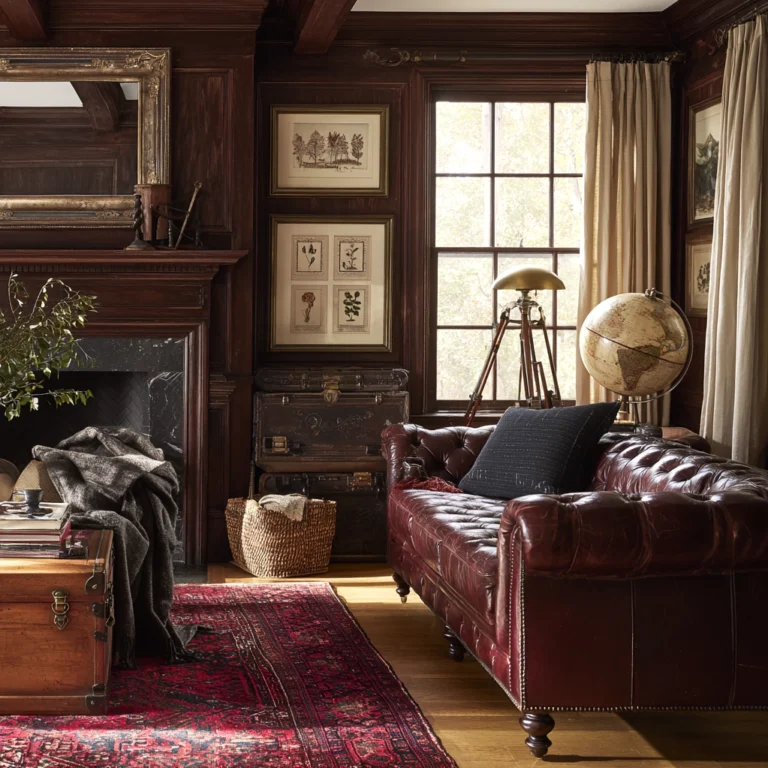
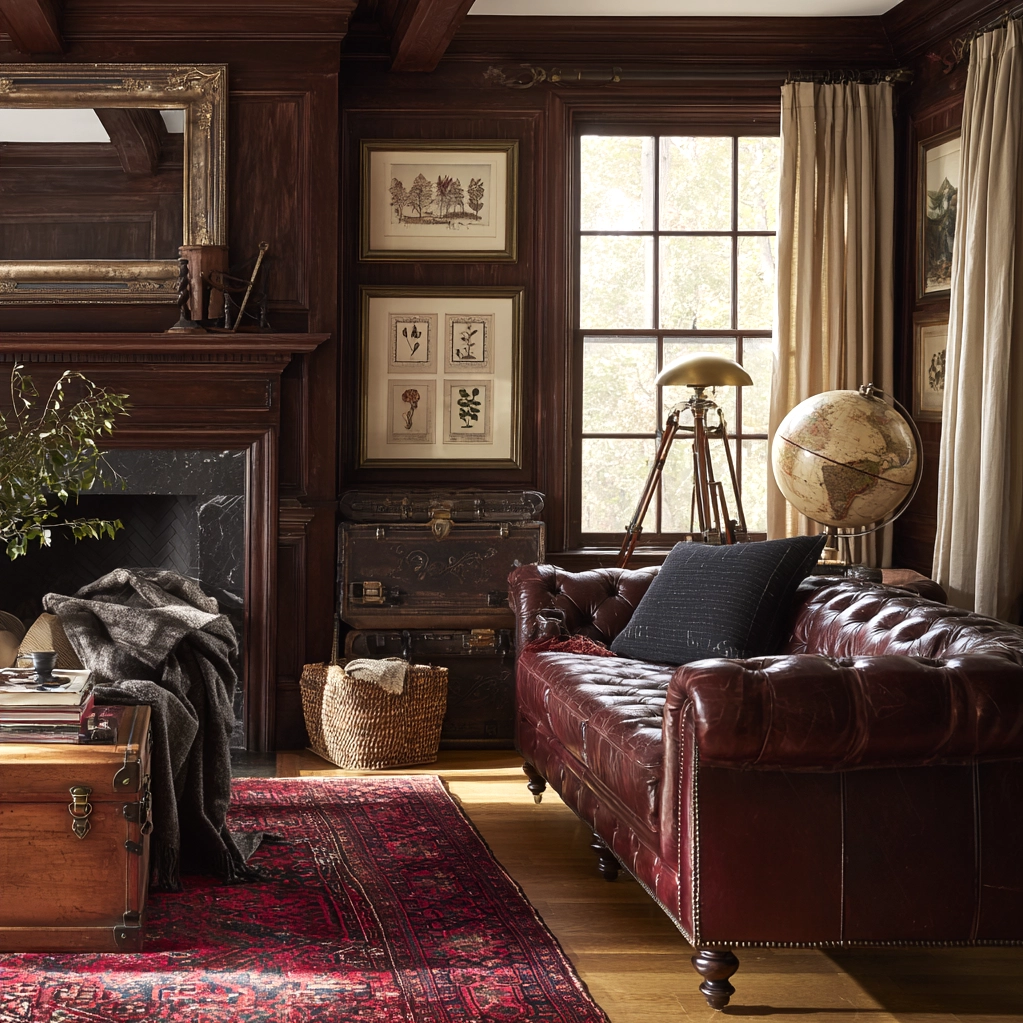
Imagine stepping into a room that feels both sophisticated and inviting, where every detail whispers of heritage and comfort. This is the essence of the Ralph Lauren interior design aesthetic, a style that has captivated homeowners for decades with its unique blend of classic American elegance and worldly charm. More than just a decorating trend, this aesthetic represents a philosophy of living well—one that prioritizes quality, authenticity, and timeless beauty over fleeting fads. In today’s fast-paced world, where interiors often feel impersonal or overly curated, the Ralph Lauren approach offers a refreshing alternative. It creates spaces that tell stories, evoke emotions, and stand the test of time. Whether you’re drawn to the rugged appeal of a Western ranch, the polished refinement of an English manor, or the relaxed sophistication of a coastal retreat, this design language provides a versatile framework for crafting homes that feel both luxurious and lived-in. Understanding this aesthetic isn’t just about selecting the right furniture or color palette; it’s about cultivating an atmosphere that reflects your personal journey while honoring craftsmanship and tradition. As we explore the key elements of this iconic style, you’ll discover how to infuse your own spaces with its signature warmth and character, transforming ordinary rooms into sanctuaries of style and comfort.
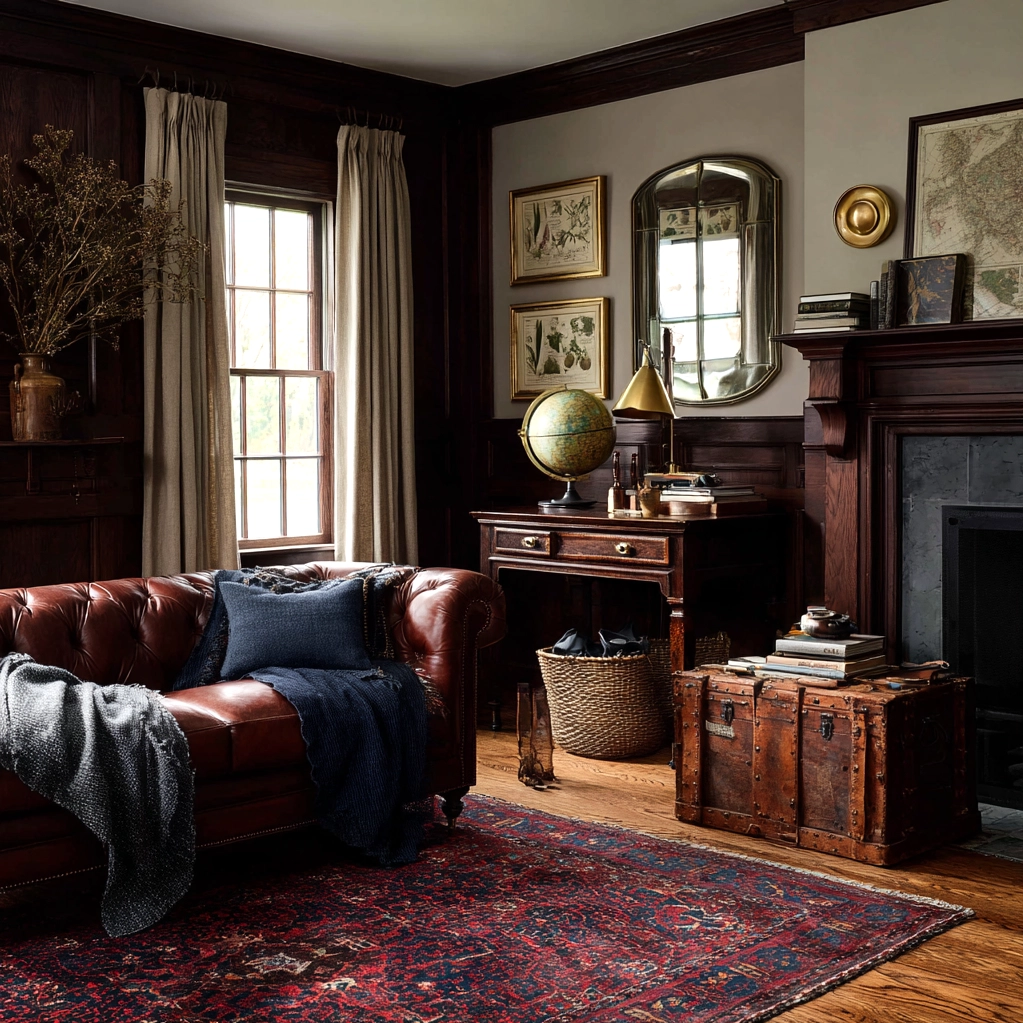
The Foundation of Ralph Lauren Interior Design Aesthetic: Heritage and Quality
At the heart of the Ralph Lauren interior design aesthetic lies a profound respect for heritage and uncompromising quality. This isn't a style that can be replicated with mass-produced items or quick fixes. Instead, it celebrates materials and craftsmanship that tell a story. Think of handcrafted leather armchairs that develop a rich patina over time, solid wood tables with visible grain patterns, and wool rugs woven using traditional techniques. These pieces aren't just functional; they're investments in beauty that improve with age. The color palette often reflects this heritage focus, drawing inspiration from natural landscapes and historical references. Deep navy blues evoke maritime traditions, warm camel tones reference safari adventures, and classic reds and greens nod to equestrian and country life. Texture plays a crucial role too, with layered fabrics like tweed, cashmere, and linen adding depth and tactile appeal. When implementing this aspect of the Ralph Lauren aesthetic, prioritize authenticity over perfection. Choose items that show their history—whether it's a vintage map, a well-worn saddle, or a family heirloom. Mixing eras and origins is encouraged, as long as each piece contributes to a cohesive narrative. This approach creates interiors that feel collected rather than decorated, spaces that resonate with personality and soul.
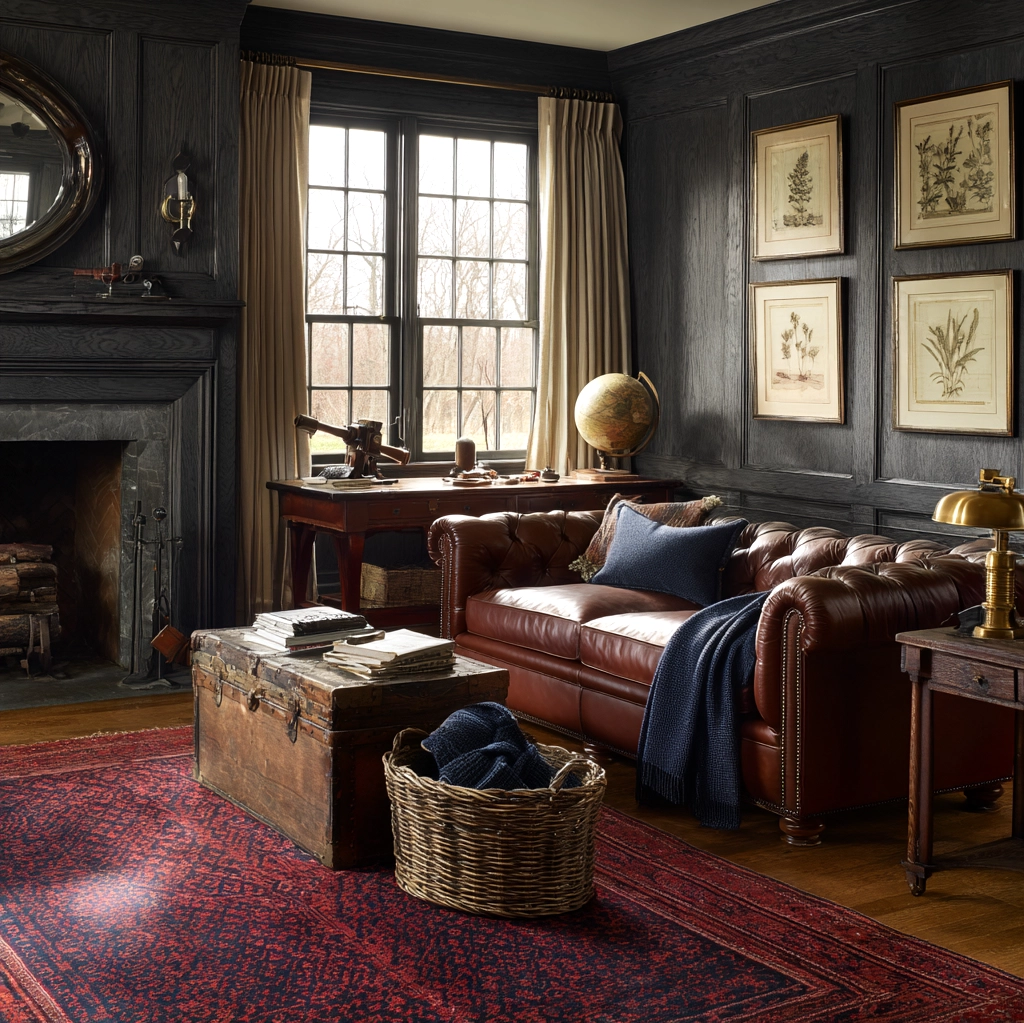
Key Elements That Define the Ralph Lauren Interior Design Aesthetic
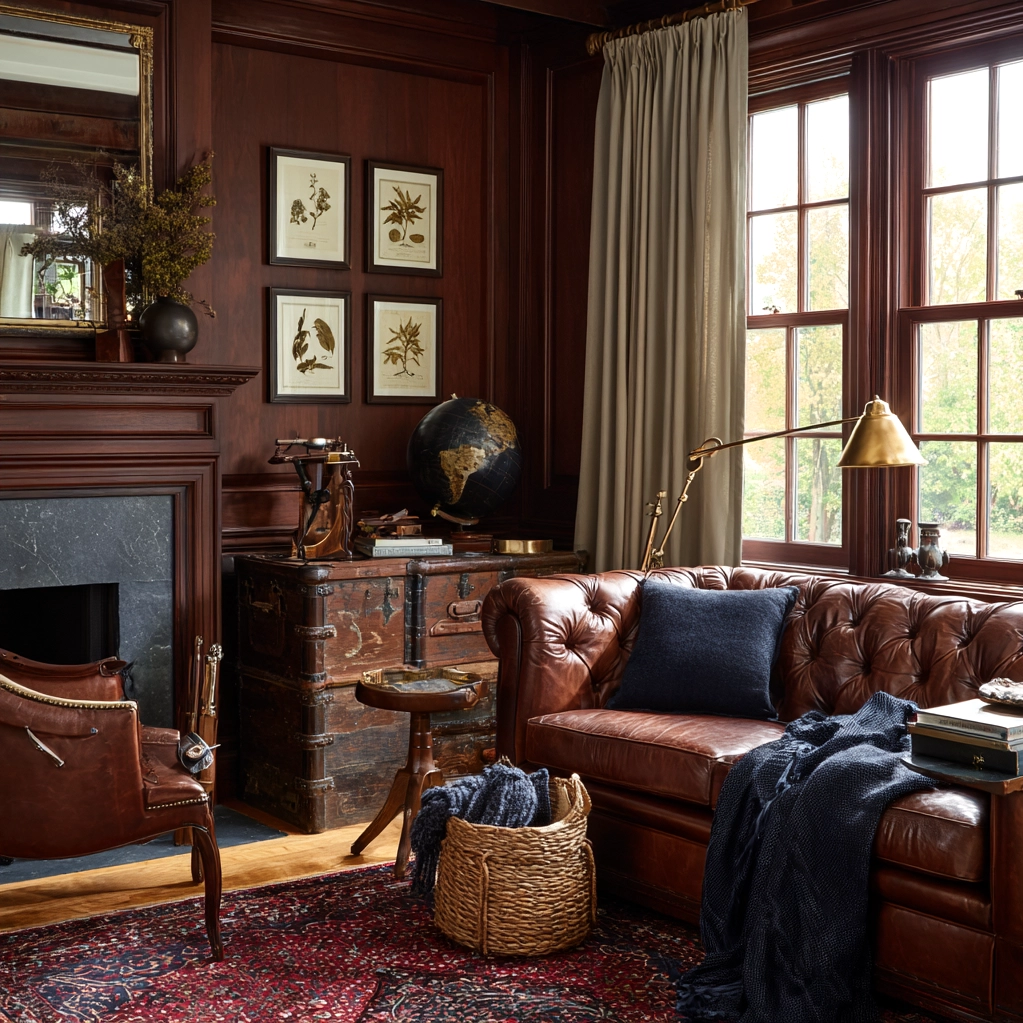
Several distinctive elements come together to create the unmistakable Ralph Lauren interior design aesthetic. First, consider the architectural details: wainscoting, beadboard, and exposed beams often provide a classic backdrop. These features anchor the space in tradition while allowing decorative elements to shine. Furniture selection follows a "less is more" philosophy, with each piece chosen for its form, function, and craftsmanship. Look for tailored silhouettes, such as Chesterfield sofas, wingback chairs, and campaign-style chests. Upholstery tends toward rich, durable fabrics in solid colors or subtle patterns like paisley, tartan, or equestrian motifs. Lighting is another critical component. The Ralph Lauren aesthetic favors fixtures that combine elegance with practicality—think brass library lamps, crystal chandeliers, and wrought-iron sconces. These should provide ample illumination while adding to the room's character. Art and accessories play a storytelling role. Framed botanical prints, vintage sporting equipment, and globes are common, arranged in curated groupings rather than scattered randomly. Finally, the overall layout emphasizes comfort and conversation. Furniture is arranged to facilitate interaction, with cozy seating areas and inviting pathways. This thoughtful composition ensures that every room feels both luxurious and livable, a hallmark of the Ralph Lauren approach.
How to Incorporate the Ralph Lauren Interior Design Aesthetic in Your Home
Bringing the Ralph Lauren interior design aesthetic into your home doesn't require a complete overhaul. Start with a neutral foundation—walls painted in shades of cream, taupe, or gray provide a versatile canvas. Layer in richer colors through textiles and accessories. For example, add navy throw pillows to a beige sofa or drape a red wool blanket over a leather chair. Invest in a few key quality pieces, such as a sturdy oak desk or a comfortable club chair, and build around them with more affordable finds. Mix high and low elements to keep the look approachable; a vintage rug can pair beautifully with a modern sofa if the colors and textures harmonize. Pay attention to details like hardware and trim. Switching out standard cabinet knobs for brass or porcelain options can instantly elevate a kitchen or bathroom. Incorporate natural materials wherever possible: stone countertops, wooden floors, and woven baskets add organic warmth. Don't forget the power of scent and sound—a subtle leather or wood fragrance and soft background music can enhance the ambiance. Most importantly, personalize the space with items that reflect your interests and travels. Whether it's a collection of vintage books, framed photographs from a favorite trip, or a handmade pottery piece, these touches make the aesthetic uniquely yours while staying true to its principles of authenticity and comfort.
Conclusion
The Ralph Lauren interior design aesthetic offers more than just a visual style; it provides a blueprint for creating homes that feel both elegant and authentic. By emphasizing heritage, quality, and personal narrative, this approach transforms living spaces into reflections of individual journeys and timeless values. As we've explored, key elements like tailored furniture, rich textures, and curated accessories work together to craft environments that are both sophisticated and welcoming. Looking ahead, this aesthetic continues to evolve while staying true to its core principles. In an era where sustainability and mindfulness are increasingly important, the focus on durable, well-made pieces aligns perfectly with conscious consumption. Future interpretations might incorporate more eco-friendly materials or smart technology seamlessly integrated into classic designs. To start your own transformation, choose one room and apply the seven secrets discussed: prioritize quality over quantity, embrace natural materials, layer textures, curate with intention, mix eras thoughtfully, focus on comfort, and infuse personal stories. Remember, perfection isn't the goal—character is. Whether you adopt the aesthetic fully or simply draw inspiration from its principles, you'll create spaces that stand the test of time, offering daily comfort and lasting beauty. Ultimately, the Ralph Lauren interior design aesthetic reminds us that the best homes are those that tell our stories while inviting us to write new chapters.
Frequently Asked Questions
Q: What are the main color palettes used in Ralph Lauren interior design?
The Ralph Lauren interior design aesthetic typically features rich, heritage-inspired color palettes. Common schemes include navy blue, camel, cream, and burgundy for a classic preppy look; earthy tones like olive green, rust, and tan for a Western or safari vibe; and sophisticated neutrals such as charcoal, ivory, and taupe for a more formal setting. These colors are often layered to create depth, with neutral walls and floors serving as a backdrop for bolder accents in textiles and accessories. The key is to choose colors that feel timeless and natural, avoiding overly bright or trendy shades.
Q: Can I achieve the Ralph Lauren look on a budget?
Absolutely. While the aesthetic values quality, you don't need to splurge on every item. Start by investing in one or two key pieces, like a well-made sofa or a solid wood table, and supplement with budget-friendly finds. Shop secondhand for vintage accessories, such as framed prints or leather trunks, which add instant character. Focus on texture and layering—inexpensive throws, pillows, and rugs in natural materials can elevate a space. DIY projects, like painting furniture in classic colors or adding decorative molding, also help achieve the look without breaking the bank. The goal is to create a collected feel, which often comes from mixing high and low elements thoughtfully.
Q: How does the Ralph Lauren aesthetic differ from other traditional styles?
The Ralph Lauren interior design aesthetic distinguishes itself through its narrative-driven approach and blend of influences. Unlike strict period styles (e.g., Victorian or Mid-Century Modern), it freely mixes elements from different eras and cultures—like combining English library furnishings with Native American textiles. It also emphasizes comfort and livability more than some formal traditional styles, prioritizing cozy seating and personal memorabilia. Additionally, the aesthetic has a distinct American spirit, often incorporating equestrian, maritime, or Western motifs that reflect Ralph Lauren's brand heritage. This results in spaces that feel both refined and relaxed, uniquely tailored to the homeowner's story.