
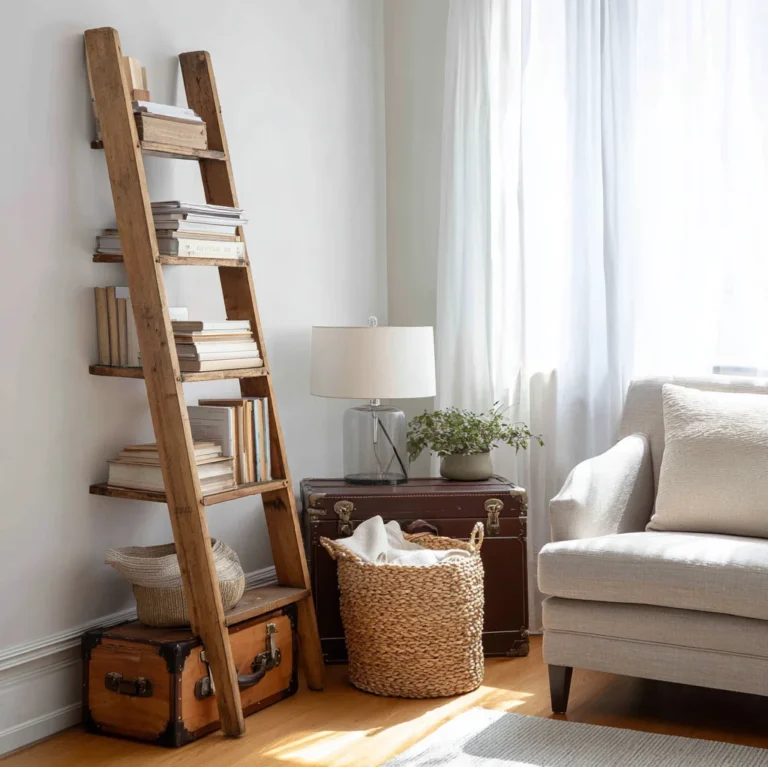
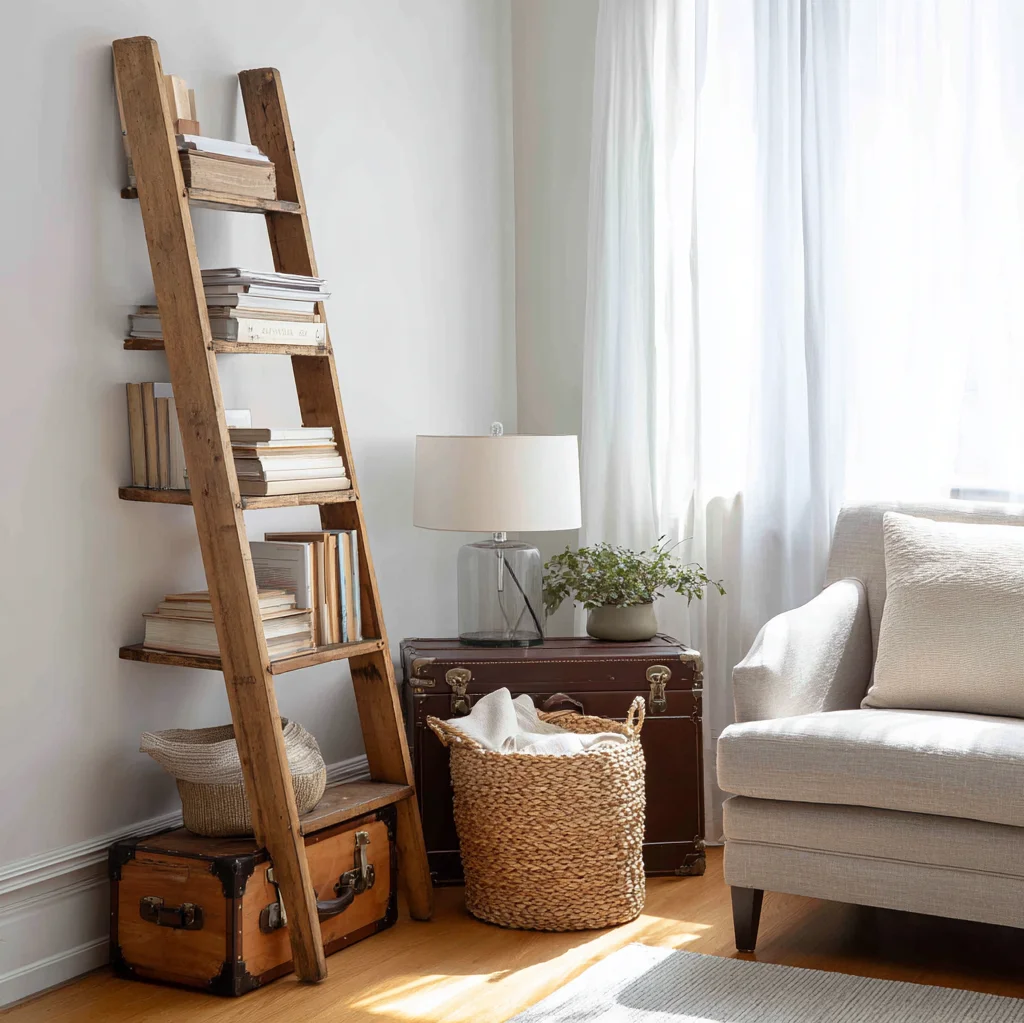
Repurposing ideas are more than just a trend in home decor—they’re a gateway to creativity, sustainability, and personal expression. Imagine giving old items a new lease on life, turning forgotten objects into cherished pieces that tell a story. This approach not only reduces waste and saves money but also infuses your space with unique charm that mass-produced items can’t replicate. In today’s fast-paced world, where overconsumption is rampant, adopting repurposing ideas helps combat environmental strain by keeping materials out of landfills. It encourages mindful living, where every piece has purpose and history. Whether you’re a seasoned DIY enthusiast or a beginner, embracing these ideas fosters a sense of accomplishment and pride. Think about that vintage ladder becoming a quirky bookshelf or mason jars transforming into elegant light fixtures. These projects aren’t just about aesthetics; they’re about resourcefulness and innovation. By diving into repurposing, you join a community that values ingenuity over impulse buys. This article will guide you through practical, inspiring repurposing ideas to revitalize your home, making it a reflection of your values and creativity. Let’s explore how simple changes can lead to profound impacts, starting with the basics and building up to stunning makeovers.

Creative Repurposing Ideas for Furniture
Furniture repurposing ideas can breathe new life into old pieces, saving you money and reducing waste. Start with a sturdy wooden dresser—instead of discarding it, consider turning it into a stylish bathroom vanity. Remove the top drawers, install a sink, and add a waterproof countertop for a custom look. Another great idea is transforming an old door into a headboard; simply sand it down, paint or stain it to match your bedroom, and mount it securely to the wall. For smaller items, take a wooden crate and repurpose it as a rustic side table or storage unit. Stack a few crates together, secure them with brackets, and add casters for mobility. Don't forget chairs: an outdated dining chair can become a unique plant stand by removing the seat and placing a potted plant on top. When working on these projects, always prioritize safety—wear gloves and goggles, and use non-toxic finishes. These repurposing ideas not only enhance your decor but also promote sustainability. For more inspiration on eco-friendly home projects, check out this guide from The Spruce, a trusted resource for DIY enthusiasts. Remember, the key is to assess the item's structure and potential before starting. With a bit of creativity, you can turn almost any piece of furniture into something functional and beautiful, adding character to your home while being kind to the planet.
Kitchen Repurposing Ideas to Maximize Space
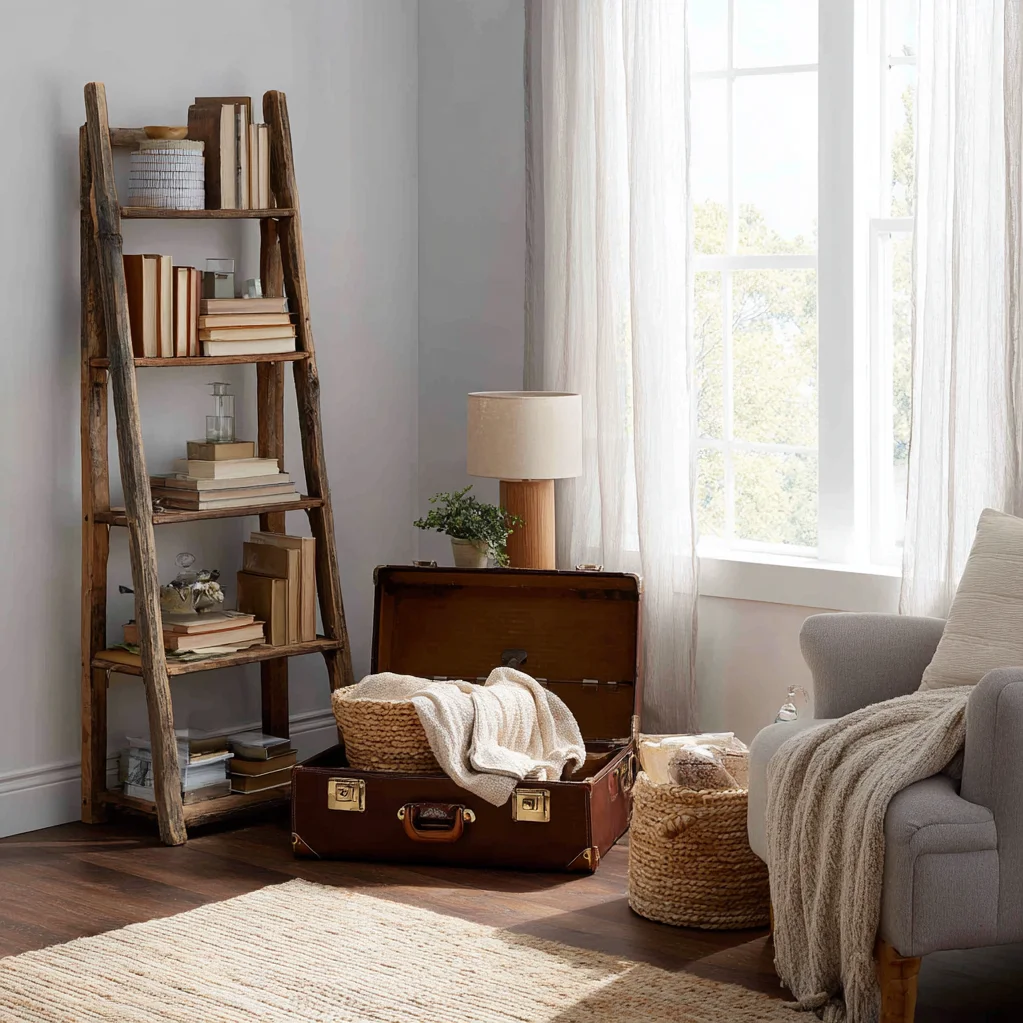
Kitchens are hubs of activity, and repurposing ideas here can optimize space and reduce clutter. Begin with mason jars: instead of tossing them, use them as organized storage for spices, grains, or utensils. Label them clearly and arrange them on open shelves for an accessible, farmhouse-style look. Old baking sheets can be repurposed as magnetic knife holders or tray organizers—simply attach strong magnets to the back and mount them on the wall. For larger items, consider an unused ladder; lean it against a wall to create a pot and pan rack, ensuring it's stable and secured with hooks. Another smart idea is turning a vintage colander into a hanging fruit basket; suspend it from the ceiling with a chain for a whimsical touch. If you have extra drawers, repurpose them as under-shelf baskets in cabinets to hold cutlery or linens. These kitchen repurposing ideas not only save money but also make cooking more efficient. When implementing these, measure spaces carefully to avoid overcrowding. For additional tips on kitchen organization, explore our related article on https://chicaurahome.com/diy-kitchen-hacks. Always use durable materials and test weight limits to prevent accidents. By embracing these transformations, you'll create a functional, personalized kitchen that reflects your style and reduces environmental impact, one repurposed item at a time.
Outdoor Repurposing Ideas for Garden and Patio
Outdoor spaces offer endless opportunities for repurposing ideas that blend function with charm. Start with pallets: these versatile wooden structures can be transformed into vertical gardens, coffee tables, or even lounge chairs. Disassemble them carefully, sand the wood to prevent splinters, and assemble into your desired shape—for a garden planter, add soil and plants to the slats. Another great idea is using old tires; paint them in bright colors and stack them to create unique planters or ottomans for your patio. If you have broken clay pots, don't throw them away—repurpose the pieces as mosaic decorations on pathways or as drainage layers in other planters. For lighting, convert mason jars into solar-powered lanterns by adding LED lights and hanging them from tree branches or pergolas. These outdoor repurposing ideas not only add personality to your yard but also help reduce waste. When working outdoors, consider weather resistance; use waterproof sealants and sturdy fastenings. Always ensure items are stable and safe, especially if they'll bear weight or be used by children. For more garden inspiration, visit https://chicaurahome.com/outdoor-decor-tips. By thinking creatively, you can turn discarded items into focal points that enhance your outdoor living experience, making your space eco-friendly and inviting.
Conclusion
Repurposing ideas are a powerful tool for transforming your home into a sustainable, personalized haven. Throughout this article, we've explored how old furniture, kitchen items, and outdoor objects can be given new purposes, saving money and reducing environmental impact. By embracing these concepts, you not only create unique decor but also foster a mindset of resourcefulness and creativity. The joy of turning something discarded into a cherished piece is unmatched, and it encourages others to think twice before throwing things away. Looking ahead, the future of home design is likely to lean even more toward upcycling and repurposing, as awareness of climate change and waste grows. Start small—perhaps with a mason jar project or a pallet garden—and build your confidence. Share your successes with friends or online communities to inspire further innovation. Remember, every repurposed item is a step toward a greener planet and a more meaningful home. For ongoing ideas, keep exploring resources and don't hesitate to experiment. The possibilities are endless, and your efforts can lead to a lifetime of beautiful, eco-conscious living.
Frequently Asked Questions
Q: What are the benefits of using repurposing ideas in home decor?
Repurposing ideas offer numerous benefits, including cost savings, as you use existing items instead of buying new ones. They promote sustainability by reducing waste and conserving resources, which helps the environment. Additionally, repurposing allows for unique, custom decor that reflects your personal style, making your home stand out. It also encourages creativity and can be a fun, rewarding DIY activity that builds skills and reduces clutter.
Q: How do I start with repurposing if I'm a beginner?
Begin with simple projects, such as repurposing mason jars into storage containers or turning old t-shirts into rags. Gather basic tools like sandpaper, paint, and glue, and start with items you already have at home. Research online tutorials or join DIY communities for inspiration. Focus on safety by wearing protective gear and working in a well-ventilated area. As you gain confidence, you can move on to more complex ideas, like furniture transformations.
Q: Are there any safety tips to keep in mind when repurposing items?
Yes, safety is crucial. Always wear gloves, goggles, and masks when sanding, painting, or using chemicals to avoid injuries and fumes. Check items for stability and structural integrity before repurposing—for example, ensure furniture can bear weight if modified. Use non-toxic materials, especially for items in kitchens or children's areas, and follow instructions for tools and adhesives. If working with electrical components, consult a professional to prevent hazards.