
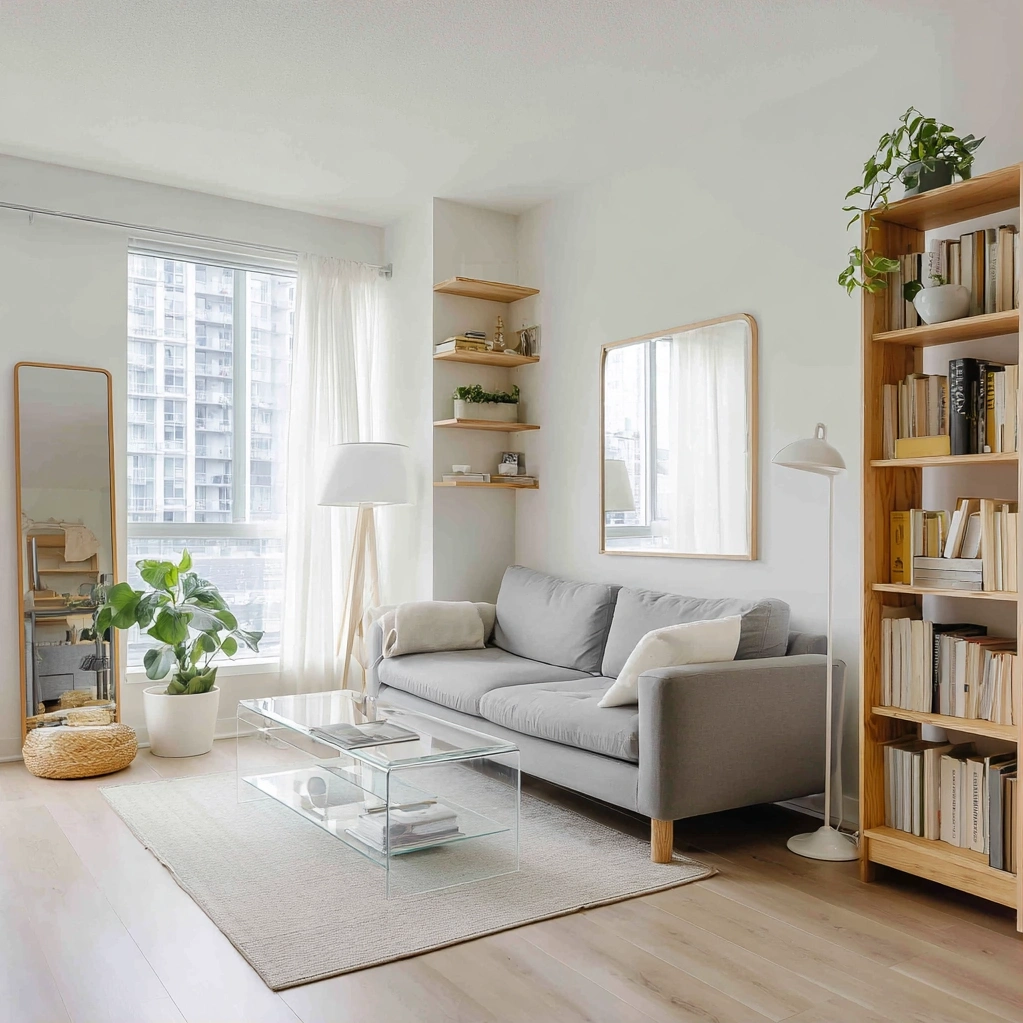
Living in a small apartment doesn’t mean sacrificing style or comfort. In fact, the challenge of limited square footage can spark incredible creativity and lead to spaces that feel uniquely personal and surprisingly spacious. Small apartment interior design has become an art form in itself, blending functionality with aesthetics to create homes that work beautifully for modern living. As urban populations grow and housing costs rise, more people are embracing compact living arrangements. This makes knowing how to optimize every inch of your space more valuable than ever. The right approach to your small apartment interior can transform what might feel like limitations into opportunities for innovation. You’ll discover that thoughtful design choices can make your home feel larger, more organized, and perfectly suited to your lifestyle. Whether you’re in a studio apartment, a one-bedroom, or a cozy loft, the principles of smart design remain the same. It’s about making intentional decisions that maximize both beauty and practicality. From clever storage solutions to strategic furniture placement, every element plays a crucial role in creating a harmonious living environment. The journey to a well-designed small apartment interior begins with understanding your space’s potential and learning how to work with what you have. This guide will walk you through essential strategies and inspiring ideas that prove great things really do come in small packages. Get ready to reimagine your compact living space as a haven of style and efficiency.
Smart Storage Solutions for Your Small Apartment Interior
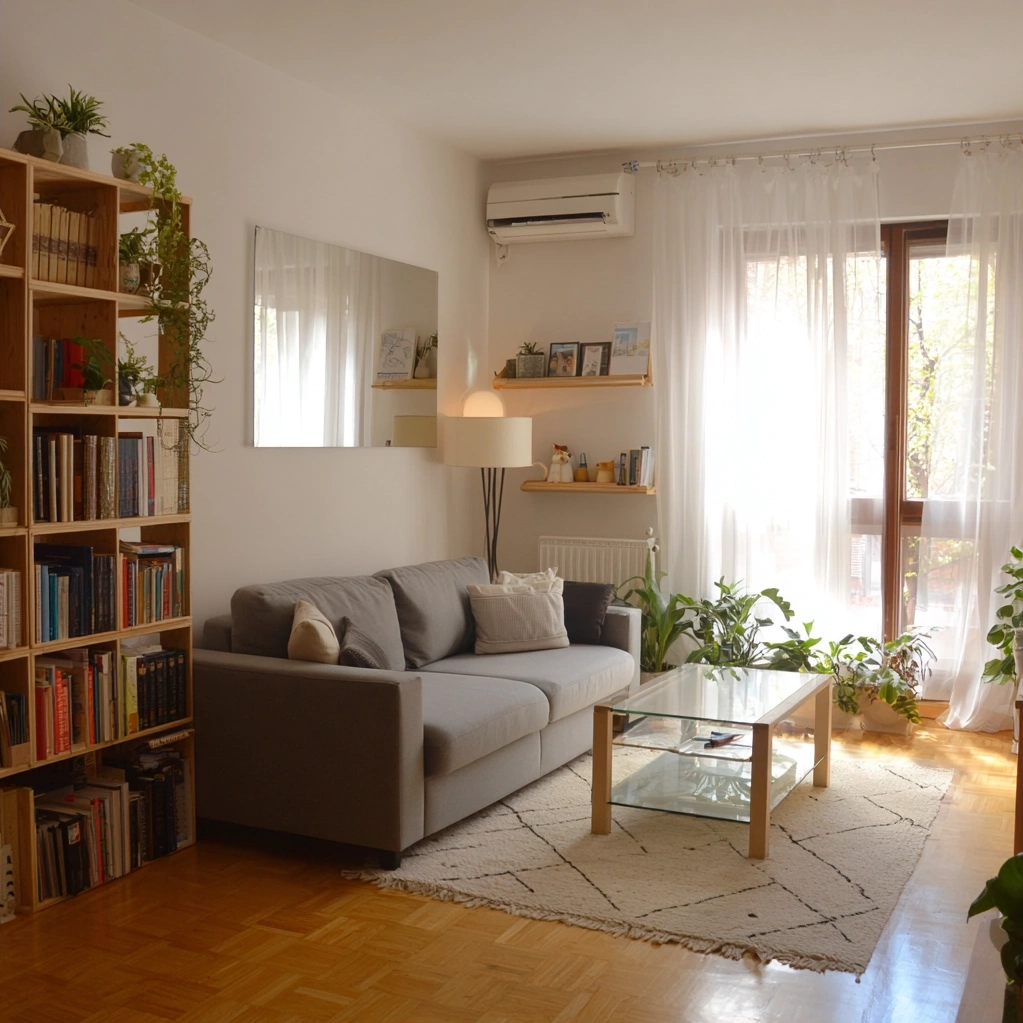
Storage is the foundation of any successful small apartment interior design. Without adequate storage, even the most beautifully decorated space can quickly feel cluttered and chaotic. The key is to think vertically and creatively about every available inch. Start by looking at walls as valuable real estate. Floating shelves above desks or beds provide display space without consuming floor area. Consider tall, narrow bookcases that reach toward the ceiling, making use of vertical space that often goes underutilized. Multi-functional furniture represents another game-changer for small apartment interiors. Ottomans with hidden storage compartments, beds with built-in drawers, and coffee tables that lift to become dining surfaces all serve dual purposes. Look for furniture pieces that can adapt to different needs throughout the day. Don't overlook the space under your bed—this area can accommodate seasonal clothing, extra bedding, or rarely used items in labeled containers. For kitchens in small apartments, magnetic strips for knives and spice racks mounted inside cabinet doors keep counters clear. In bathrooms, over-the-toilet shelving units and shower caddies maximize limited space. The goal is to create a place for everything, ensuring your small apartment interior feels organized and spacious rather than cramped. Regular decluttering sessions also help maintain this organized feel. Remember that effective storage solutions should blend seamlessly with your decor, becoming part of the aesthetic rather than just practical additions.
Maximizing Light and Space in Your Small Apartment Interior
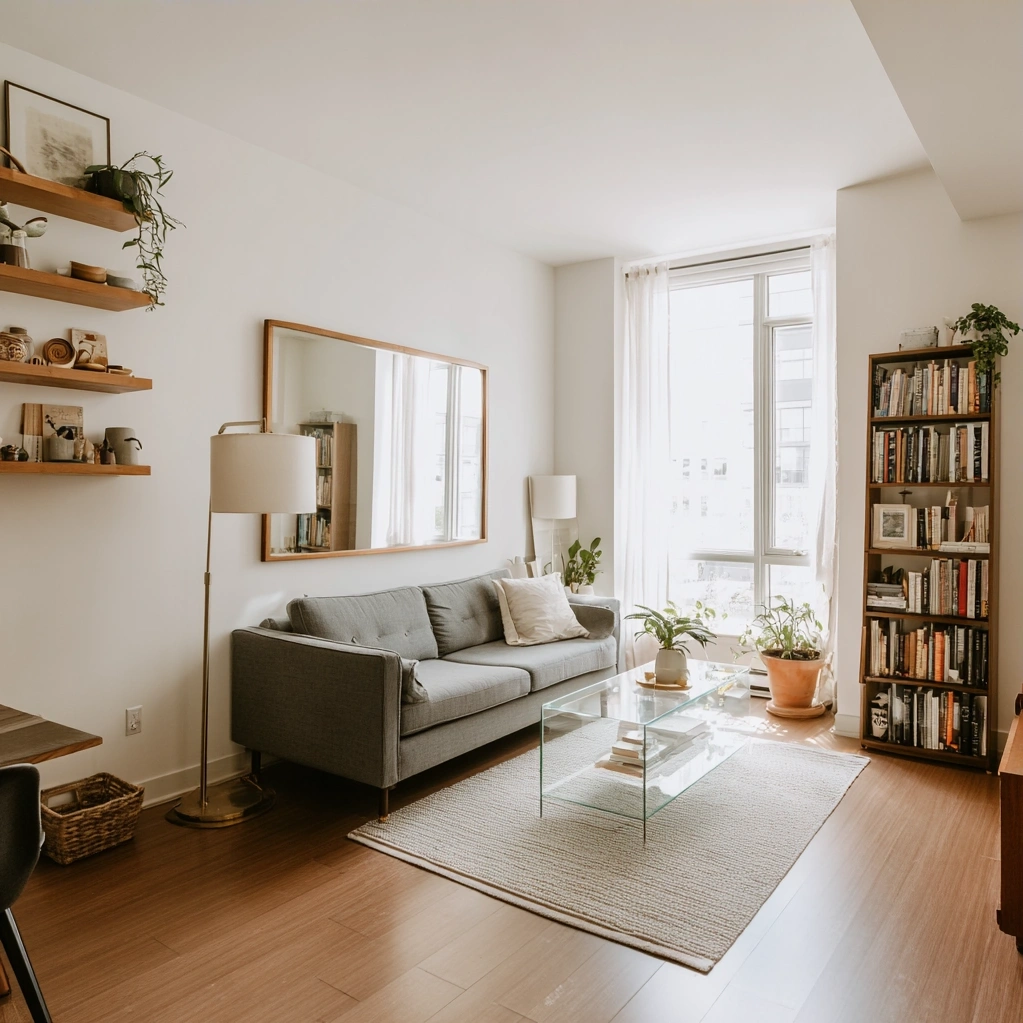
Light and perception of space are intimately connected in small apartment interior design. The right lighting strategy can make rooms feel significantly larger and more inviting. Start by maximizing natural light whenever possible. Keep window treatments simple and light-colored—sheer curtains or minimalist blinds allow sunlight to flood your space without obstruction. Mirrors strategically placed opposite windows can double the amount of natural light in a room while creating the illusion of depth. For artificial lighting, layer different types to avoid dark corners that can make spaces feel smaller. Combine overhead fixtures with floor lamps, table lamps, and wall sconces to create a warm, evenly lit environment. Color choices dramatically impact how spacious your small apartment interior feels. Light, neutral colors on walls and major furniture pieces help reflect light and create an airy atmosphere. Consider painting ceilings a shade lighter than walls to make them appear higher. If you love bold colors, use them as accents through accessories, artwork, or a single feature wall rather than covering large surfaces. Furniture selection and placement also influence spatial perception. Choose pieces with exposed legs rather than solid bases—this creates visual space beneath furniture. Arrange furniture to allow clear pathways through rooms, avoiding blocked sightlines. Multi-functional pieces like nesting tables or folding chairs can be stored away when not in use, freeing up valuable floor space. The psychological effect of an uncluttered, well-lit small apartment interior cannot be overstated—it creates a sense of calm and openness that belies the actual square footage.
Creating Functional Zones in Your Small Apartment Interior
One of the greatest challenges in small apartment interior design is creating distinct areas for different activities without physical walls dividing the space. The solution lies in establishing clear functional zones through clever design techniques. Even in studio apartments, you can create separate spaces for sleeping, working, dining, and relaxing. Start by considering the natural flow of your daily routine and arranging furniture to support different activities. Area rugs are excellent tools for defining zones—a rug under your seating arrangement creates a living area, while a different rug beneath your dining table establishes an eating space. Furniture placement can serve as visual dividers without blocking light or movement. A bookshelf placed perpendicular to a wall can separate a sleeping area from a living space while providing storage. Screens or curtains on ceiling tracks offer flexible division that can be opened or closed as needed. For home offices within small apartment interiors, consider a dedicated corner with a compact desk and proper task lighting. This creates psychological separation from leisure areas, helping with work-life balance even in limited spaces. In kitchens, create distinct preparation, cooking, and cleaning zones even if counter space is minimal. The key to successful zoning in small apartment interiors is maintaining visual cohesion while establishing clear purposes for different areas. Use consistent color palettes and materials throughout to create harmony, while varying textures or accent colors slightly between zones to provide subtle differentiation. Thoughtfully planned zones transform a small apartment interior from a single room into a multifunctional home that supports all aspects of your life.
Decorating Strategies That Enhance Your Small Apartment Interior
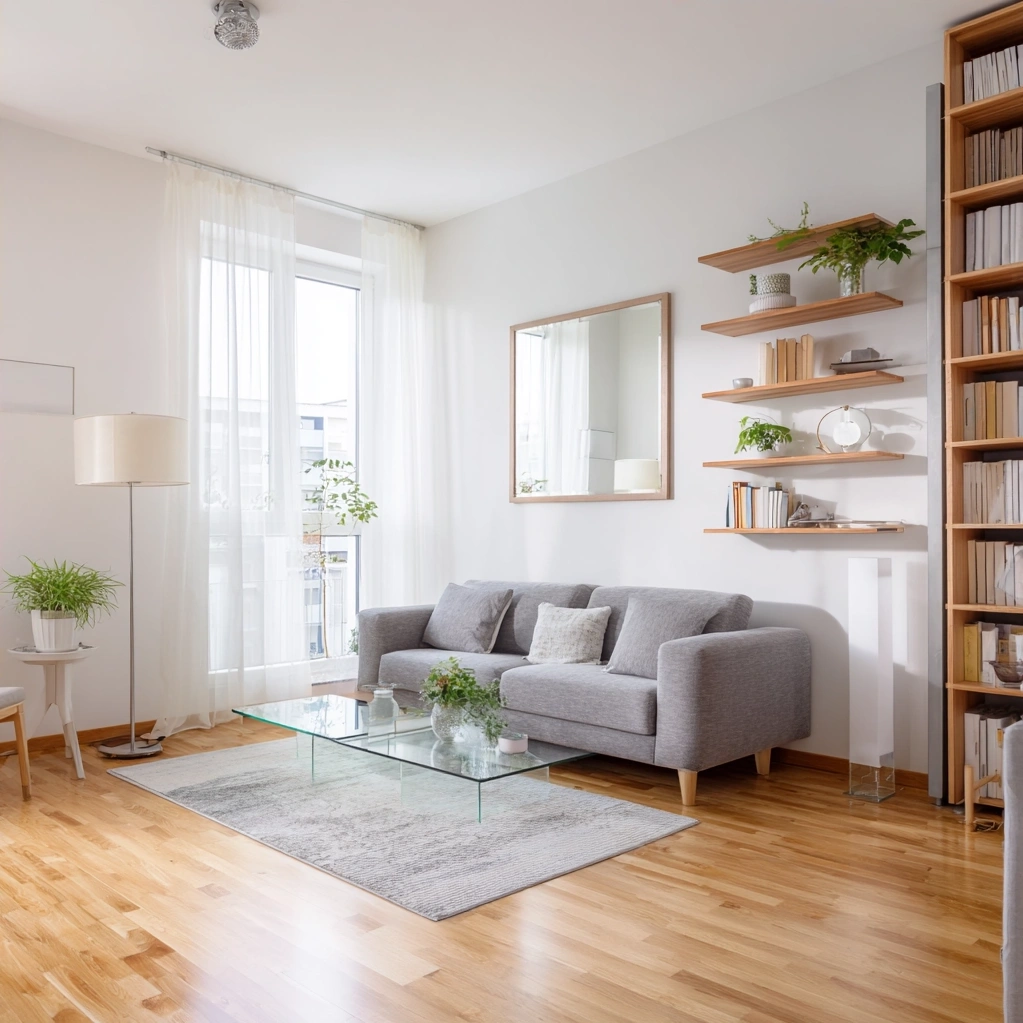
Decorating a small apartment interior requires a balanced approach—adding personality without creating visual clutter. The right decorative elements can actually make your space feel larger and more intentional. Start with a cohesive color scheme that flows throughout your entire apartment. This creates visual continuity that expands the perception of space. Choose two or three main colors and use them consistently in different rooms. When selecting artwork for your small apartment interior, consider scale carefully. One large statement piece often works better than several small ones that can create visual noise. Position artwork at eye level to draw attention upward and make walls appear taller. Textiles offer another opportunity to add warmth and personality without consuming precious space. A well-chosen throw blanket, decorative pillows, or an area rug can introduce pattern and texture. Choose fabrics that complement rather than compete with your overall design scheme. Plants bring life to small apartment interiors while improving air quality. Select varieties that thrive in your available light conditions, and consider hanging planters or wall-mounted options to save surface space. When accessorizing, practice restraint—a few carefully chosen items have more impact than numerous small objects. Display collections together rather than scattering them throughout your space. Finally, consider the power of negative space in your small apartment interior. Not every surface needs to be filled. Allowing some areas to remain simple and unadorned creates breathing room that makes your entire home feel more spacious and serene.
Conclusion
Transforming a small apartment interior into a functional, beautiful home is both an art and a science. By implementing smart storage solutions, maximizing light and space, creating clear functional zones, and decorating with intention, you can overcome the limitations of square footage. Remember that the most successful small apartment interiors aren't those that try to mimic larger homes, but rather those that embrace their compact nature with creativity and purpose. Each design choice should serve multiple functions while contributing to an overall sense of harmony. As you continue to live in and enjoy your space, remain open to adjustments—what works today might need tweaking tomorrow as your needs evolve. The future of small apartment interior design looks increasingly innovative, with furniture manufacturers creating more adaptable pieces and technology enabling smarter use of limited space. Consider incorporating sustainable materials and energy-efficient solutions as you refine your home. Ultimately, the beauty of a well-designed small apartment interior lies in its efficiency and personality. It proves that thoughtful design can create homes that feel expansive regardless of their actual dimensions. Start with one area of your apartment, apply these principles, and watch as your entire living space transforms into a place that truly reflects and supports your lifestyle.
Frequently Asked Questions
Q: What colors work best for making a small apartment interior feel larger?
Light, neutral colors are most effective for creating a sense of spaciousness in small apartment interiors. Shades of white, cream, light gray, and pale pastels reflect natural and artificial light, making rooms appear more open. If you prefer some color, consider using bolder hues as accents through accessories, artwork, or a single feature wall. Consistent color schemes throughout your apartment create visual flow that enhances the perception of space. Avoid dark colors on large surfaces as they tend to absorb light and make rooms feel smaller.
Q: How can I create separate rooms in a studio apartment?
Creating distinct areas in a studio apartment involves using visual cues rather than physical walls. Area rugs effectively define different zones—use one under your seating area and another beneath your dining table. Furniture placement can serve as dividers; a bookshelf or console table placed perpendicular to a wall separates spaces while providing storage. Screens, curtains on ceiling tracks, or even different lighting for each area help establish separate rooms within one open space. The key is maintaining an open feel while creating clear purposes for different sections of your small apartment interior.
Q: What type of furniture should I avoid in a small apartment?
In small apartment interiors, avoid oversized, bulky furniture that consumes excessive floor space. Instead, choose pieces with exposed legs that create visual lightness. Skip matching furniture sets that can feel monotonous—mix complementary pieces for more interest. Avoid low-quality multifunctional furniture that doesn't work well for any purpose; invest in pieces that truly serve dual functions effectively. Lastly, minimize purely decorative furniture that doesn't provide storage or seating. Every piece in a small apartment should earn its place through functionality while contributing to your overall design aesthetic.