
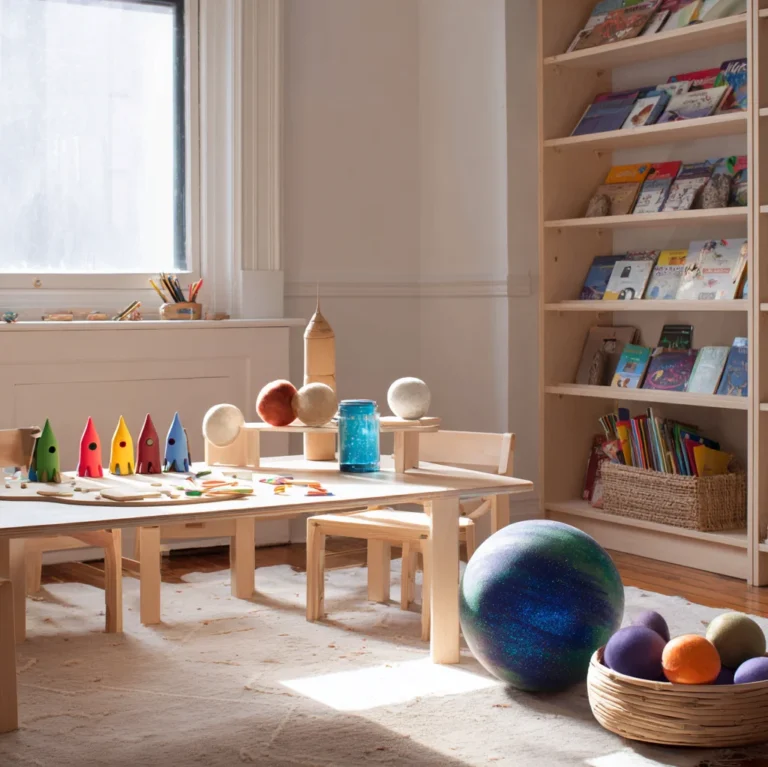
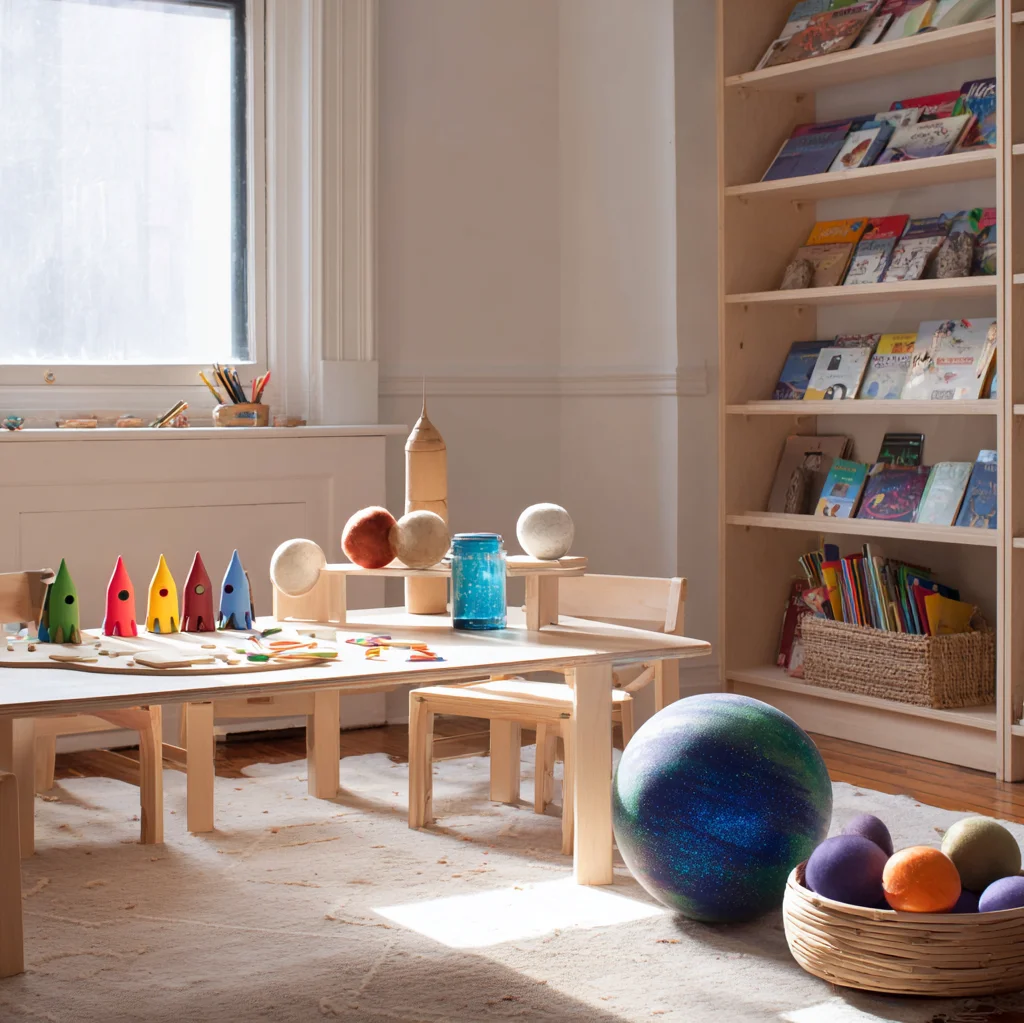
Engaging young children in hands-on activities is crucial for their development, and space-themed crafts offer a perfect blend of creativity and learning. In the early years, children are naturally curious about the world around them, and the universe beyond our planet captivates their imagination like few other topics. By introducing space craft ideas for early years, you not only spark their interest in science and exploration but also help develop fine motor skills, color recognition, and problem-solving abilities. These activities provide a wonderful opportunity for bonding between parents, caregivers, and children, creating lasting memories while fostering a love for learning. Simple projects like paper plate planets or rocket ships made from toilet paper rolls can transform ordinary afternoons into exciting adventures. As children manipulate materials, follow steps, and see their creations come to life, they build confidence and a sense of accomplishment. Moreover, space-themed crafts can be easily adapted to different age groups and skill levels, making them inclusive and accessible. Whether you’re a teacher planning classroom activities or a parent looking for fun weekend projects, these ideas are designed to be easy, affordable, and immensely rewarding. Embracing space craft ideas for early years sets the stage for a lifelong appreciation of art and science, turning playful moments into valuable educational experiences.
Simple Rocket Ship Space Craft Ideas for Early Years
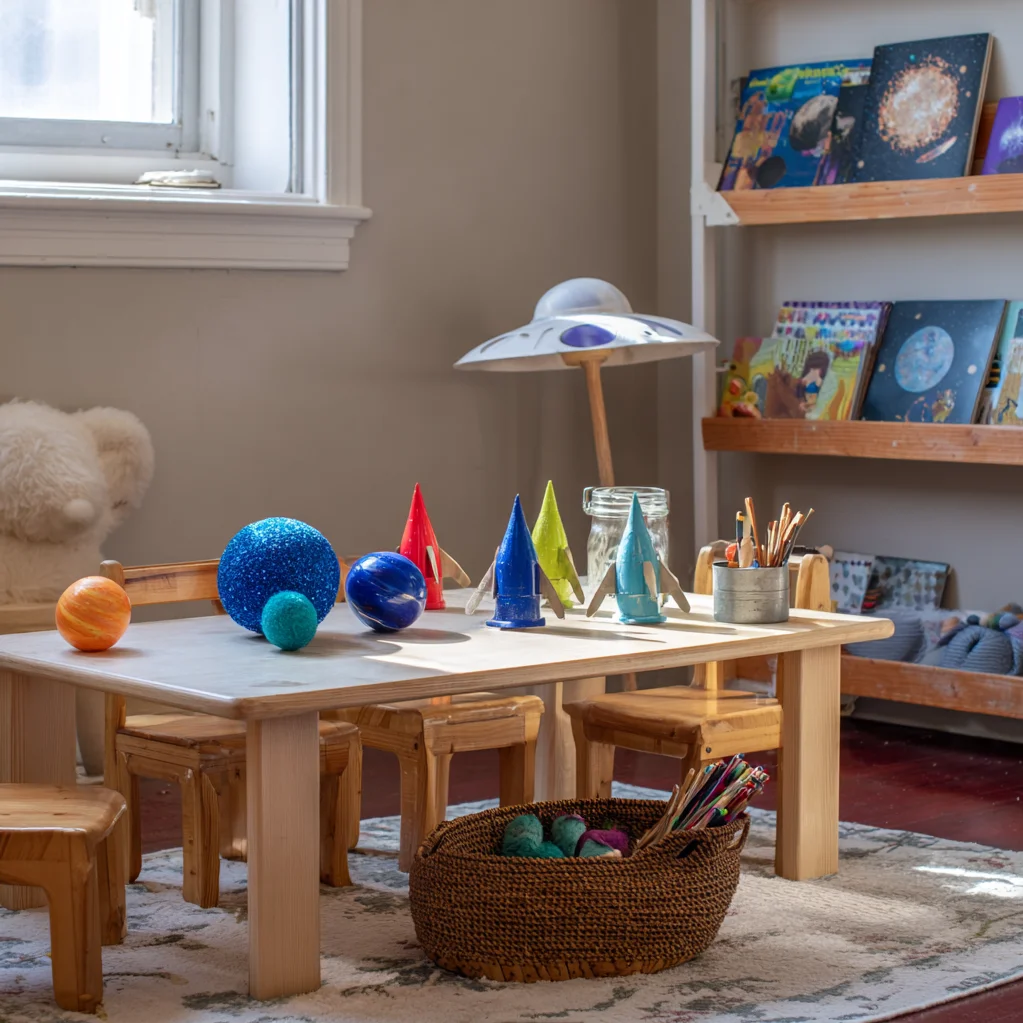
Rocket ships are a classic element of space exploration that fascinate young children, and creating them through crafts is both fun and educational. Start with basic materials like cardboard tubes, construction paper, and glue to build simple rocket ships. For toddlers, pre-cut shapes can help them assemble the rocket with minimal frustration, while older preschoolers might enjoy cutting out their own fins and cones. Decorate the rockets with stickers, markers, or paint to add personal touches, and discuss how rockets launch into space to carry astronauts. This activity not only enhances fine motor skills but also introduces concepts like propulsion and gravity in an age-appropriate way. Incorporate counting by having children add a certain number of stars or windows to their rocket, or use different colors to teach color names. For a group setting, set up a 'launch pad' area where kids can display their creations and share stories about imaginary space missions. Remember to emphasize safety by using child-safe scissors and non-toxic materials. These rocket ship space craft ideas for early years are perfect for sparking conversations about real space missions, such as those by NASA, which you can learn more about on their official education page. By making these crafts, children develop creativity and a foundational understanding of science, all while having a blast.
Planet and Solar System Space Craft Ideas for Early Years
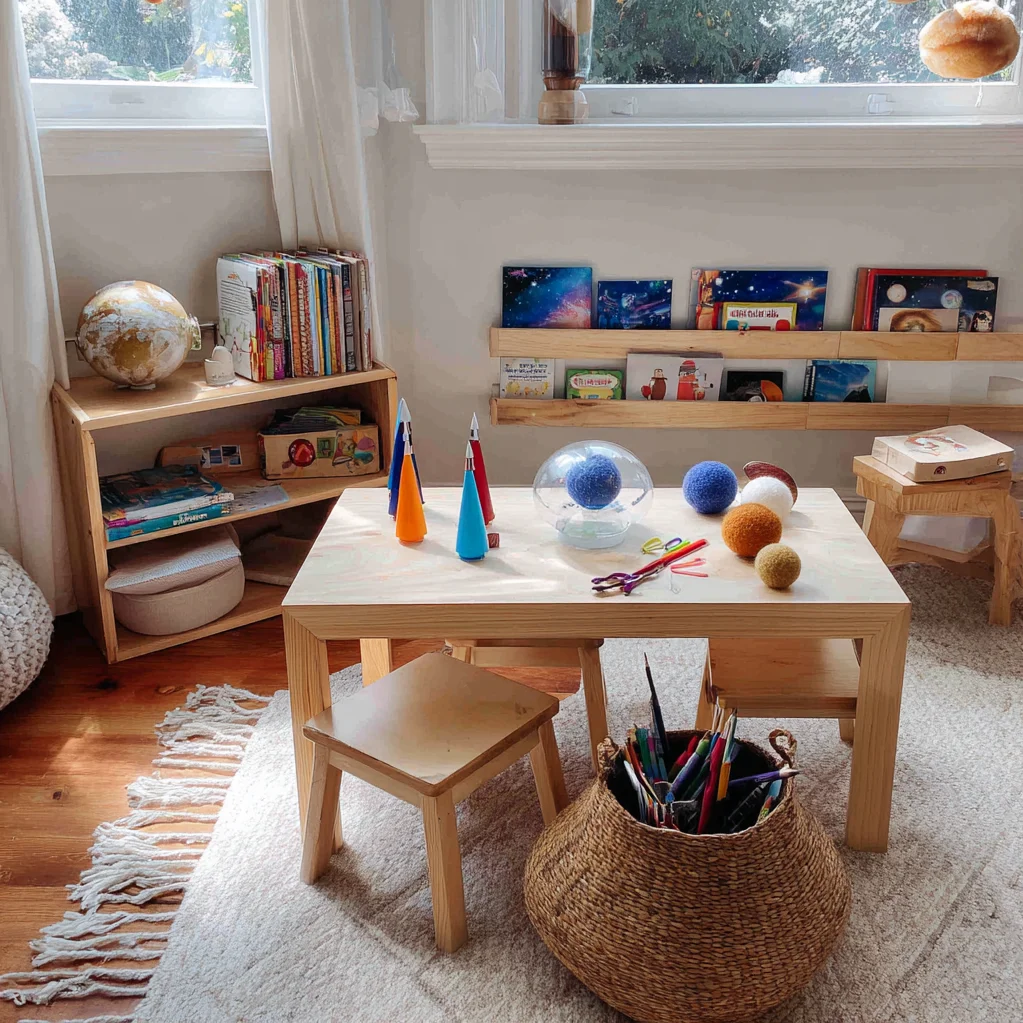
Teaching children about the solar system through crafts is an engaging way to introduce astronomy and the wonders of our universe. Begin with simple projects like creating planets from papier-mâché, Styrofoam balls, or even painted paper plates. For very young children, focus on basic planets like Earth, Mars, and Jupiter, using bright colors and simple facts—for example, 'Jupiter is the biggest planet with a big red spot.' As they assemble their solar system, discuss the order of planets and their unique features, keeping it light and fun. You can hang the planets from a mobile or arrange them on a poster board to create a mini solar system display. This hands-on approach helps reinforce memory and makes abstract concepts more tangible. Incorporate sensory elements by using textured materials like glitter for stars or cotton balls for clouds on Earth. For added learning, pair the craft with a storybook about space or a song like 'Twinkle, Twinkle, Little Star.' These planet-themed space craft ideas for early years not only foster artistic expression but also build early science vocabulary and observational skills. It's a great way to encourage questions and curiosity, laying the groundwork for future learning in STEM fields. For more inspiration on educational activities, check out resources on our site under DIY and Makeovers.
Alien and UFO Space Craft Ideas for Early Years
Letting children's imaginations run wild with alien and UFO crafts adds a playful twist to space-themed activities, perfect for encouraging creativity and storytelling. Start by making simple aliens using everyday items like paper cups, pipe cleaners, and googly eyes. Kids can design their own extraterrestrial beings, thinking about what aliens might look like and where they could live. For UFOs, use paper plates or plastic lids as the base, adding details like lights with markers or small stickers. This type of craft allows for open-ended play, where children can invent stories about friendly aliens visiting Earth or exploring new planets. Discuss how scientists search for life in space, tying it to real-world curiosity without overwhelming young minds. These projects are excellent for developing narrative skills and social interaction if done in groups. You can even create a 'space station' corner where kids display their aliens and act out space adventures. Safety is key, so avoid small parts for very young children and supervise closely. Alien and UFO space craft ideas for early years not only make learning fun but also help children express emotions and ideas through art. They learn that creativity has no limits, and every creation is unique. This approach supports emotional development and can be a springboard for discussions about diversity and imagination in a gentle, engaging way.
Interactive Galaxy-Themed Space Craft Ideas for Early Years
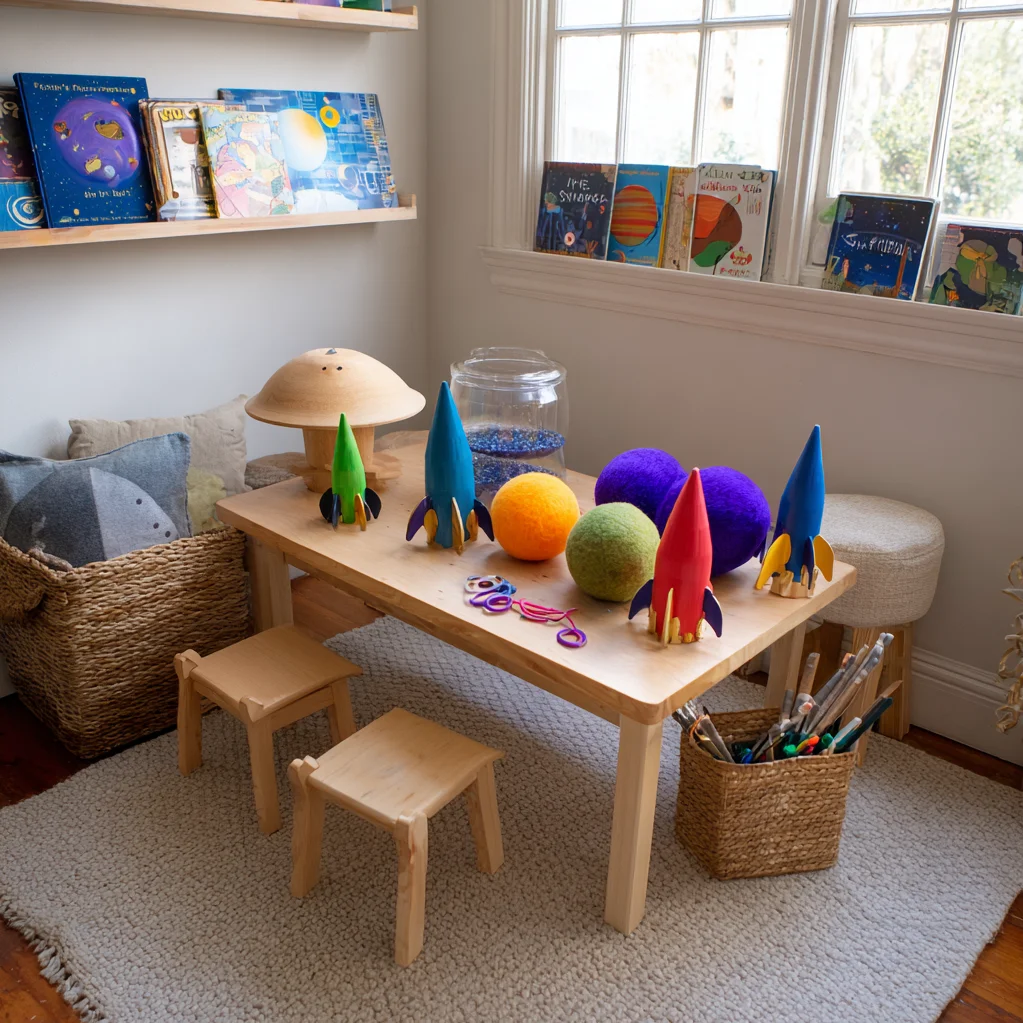
Interactive crafts that involve movement or sensory play can deepen children's engagement with space themes, making learning dynamic and memorable. Create a galaxy in a jar by layering colored water, glitter, and oil to simulate nebulae and stars—this simple science experiment teaches about liquid density while mesmerizing little ones. Alternatively, make a starry night sky with black paper and chalk or glow-in-the-dark stickers, encouraging kids to connect the dots to form constellations. For a more hands-on activity, try 'moon sand' made from flour and oil, molded into craters and landscapes like the moon's surface. These interactive space craft ideas for early years incorporate elements of play that appeal to multiple senses, helping to solidify concepts like patterns, textures, and cause-and-effect. Discuss how galaxies are vast groups of stars, and use the crafts to talk about night and day or the phases of the moon. This approach is ideal for kinesthetic learners who benefit from touching and manipulating materials. Always ensure materials are safe and age-appropriate, avoiding choking hazards. By blending art with simple science, these activities support cognitive development and make abstract ideas accessible. They're perfect for home or classroom settings, fostering a love for exploration that can last a lifetime. For more creative project ideas, visit our Interiors And Styling section for tips on setting up inspiring play spaces.
Conclusion
In summary, space craft ideas for early years offer a wonderful avenue for combining fun with education, helping young children develop essential skills while exploring the mysteries of the universe. From building rocket ships and crafting planets to imagining aliens and creating interactive galaxies, these activities nurture creativity, fine motor abilities, and a budding interest in science. By engaging in these projects, children not only learn about space but also gain confidence in their abilities to create and problem-solve. It's important to remember that the goal isn't perfection but the joy of the process—every messy glue moment or uniquely designed alien adds to the learning experience. Looking ahead, consider integrating these crafts into regular routines, such as weekly space-themed days or seasonal events like star-gazing nights. This not only reinforces learning but also strengthens family or classroom bonds. As children grow, these early exposures can inspire further exploration in STEM fields, showing how creativity and science go hand in hand. So, gather your materials, embrace the mess, and launch into a world of imagination with these space craft ideas for early years. For ongoing inspiration and tips, keep exploring resources that support hands-on learning and creative play, ensuring that every child's journey into space is as enriching as it is exciting.
Frequently Asked Questions
Q: What are the best materials for space crafts with toddlers?
For toddlers, opt for safe, easy-to-handle materials like non-toxic washable paints, large construction paper, child-safe scissors, glue sticks, and items like paper plates or cardboard tubes. Avoid small parts that could pose choking hazards, and always supervise closely. These materials are durable and allow for mess-free fun, making space crafts enjoyable and stress-free for both kids and adults.
Q: How can I adapt space crafts for children with different skill levels?
To adapt space crafts, vary the complexity based on age and ability. For beginners, use pre-cut shapes and simple assembly steps, focusing on basic decorating. For more advanced children, introduce cutting, measuring, or adding details like multiple planet layers or movable parts. Always provide options—for example, some kids might paint a rocket, while others build it from scratch—ensuring everyone can participate and feel successful.
Q: Are there any safety tips to keep in mind when doing space crafts with young children?
Yes, safety is paramount. Use age-appropriate, non-toxic materials and avoid sharp objects. Supervise all activities, especially when using scissors or small items. Ensure the workspace is clean and free of hazards, and teach children to handle materials responsibly. For crafts involving potential messes, like paints, cover surfaces and have wet wipes handy. Always check for allergies, such as to certain glues or paints, to keep the experience safe and enjoyable for all.