
As the chill of winter fades away, nature awakens with vibrant energy, and our homes should reflect this joyful transformation. Spring and summer decorating ideas for the home are not just about aesthetics; they’re about creating spaces that breathe, refresh, and inspire. These seasonal updates can dramatically improve your mood and daily living experience. The importance of adapting your decor to warmer months cannot be overstated. It’s about more than swapping out throw pillows—it’s an opportunity to reconnect with light, color, and nature after months of hibernation. Many people feel stuck in decorating ruts, unsure how to transition their spaces from cozy winter nests to airy summer retreats. The solution lies in strategic changes that feel both refreshing and practical. This transformation doesn’t require a complete overhaul or breaking the bank. Simple, thoughtful adjustments can make your home feel completely renewed. Whether you’re looking to brighten a dark room, create better flow for entertaining, or simply bring more of the outdoors inside, seasonal decorating offers endless possibilities. Embracing spring and summer decorating ideas for the home means creating environments that support relaxation, productivity, and connection. Your living spaces should evolve with the seasons, just as your wardrobe and activities do. This article will guide you through practical, beautiful ways to achieve this seasonal transformation. Get ready to open your windows, let in the light, and create a home that celebrates the best of warm weather living.
Spring and Summer Decorating Ideas for the Home: Embracing Natural Light and Airy Spaces
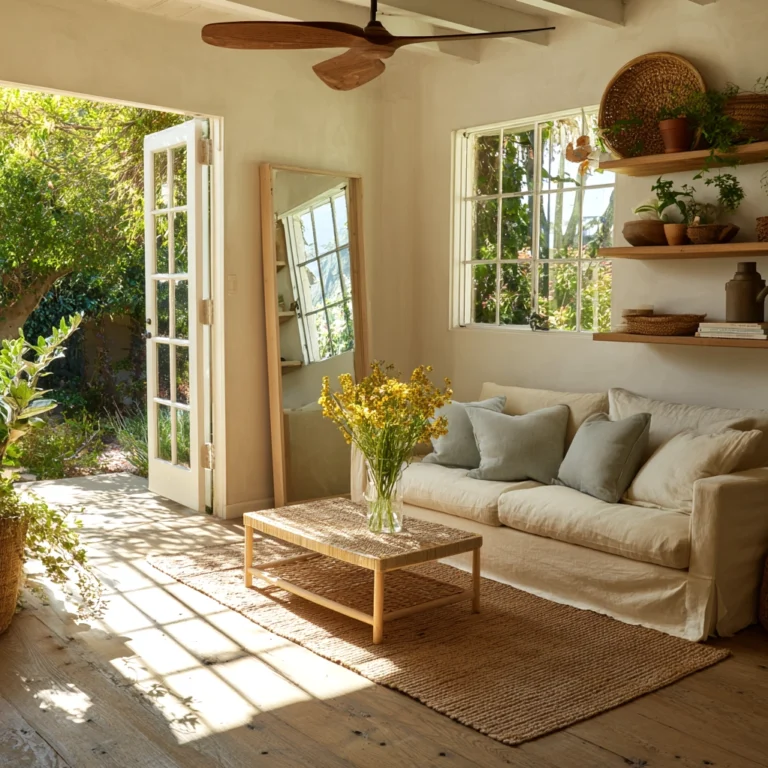
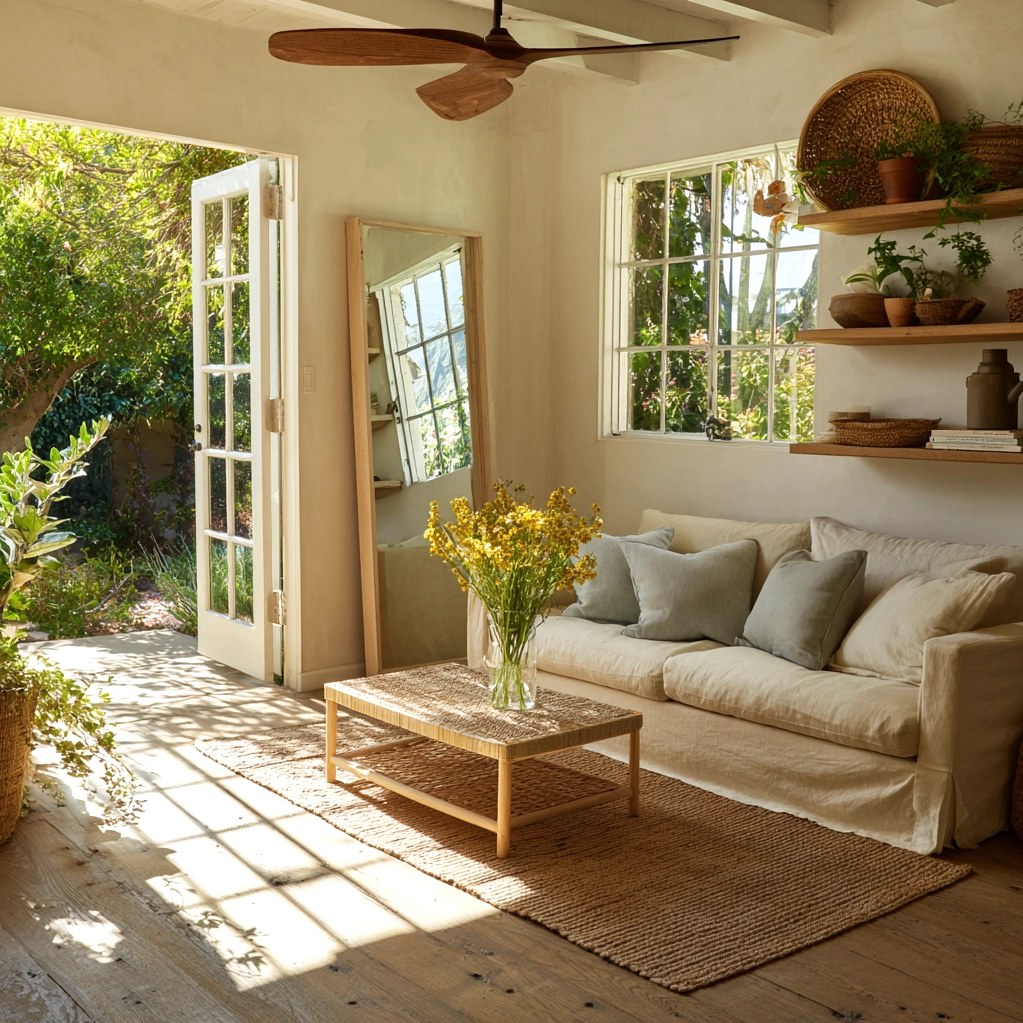
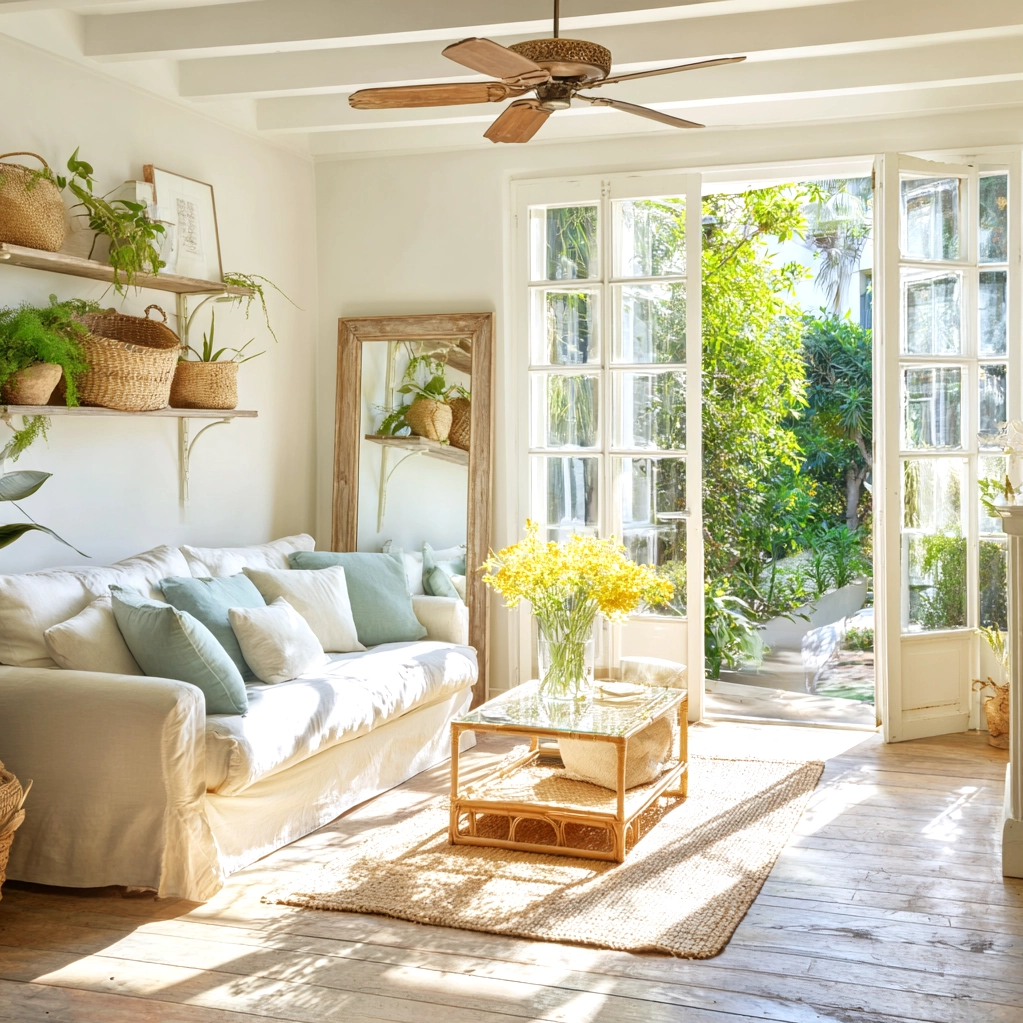
One of the most impactful spring and summer decorating ideas for the home involves maximizing natural light and creating airy, breathable spaces. As days grow longer, your home should feel brighter and more open. Start by assessing your window treatments. Heavy drapes that served well in winter should be replaced with lighter options. Sheer curtains, bamboo blinds, or light linen panels allow sunlight to filter through while maintaining privacy. Consider removing some window coverings entirely to let in maximum light. Next, focus on your furniture arrangement. Move pieces away from windows to prevent blocking precious sunlight. Create clear pathways that encourage airflow throughout your rooms. This simple adjustment can make spaces feel significantly larger and more inviting. Mirrors become essential tools in your seasonal decorating arsenal. Strategically placed mirrors opposite windows can double the amount of natural light in a room. Large floor mirrors, mirrored wall panels, or collections of smaller mirrors can transform dark corners into bright spaces. For furniture choices, opt for pieces with legs rather than solid bases. Sofas, chairs, and tables that are elevated create visual lightness and allow air to circulate underneath. Glass or acrylic furniture is another excellent choice as it appears almost invisible, reducing visual clutter. Finally, consider your color palette. While we'll explore color in depth later, know that lighter walls and ceilings naturally reflect more light. If you can't paint, use light-colored area rugs, artwork, and accessories to brighten your space. These spring and summer decorating ideas for the home will help you create environments that feel fresh, open, and perfectly suited to sunny days and warm evenings.
Color Palette Strategies for Spring and Summer Decorating Ideas for the Home
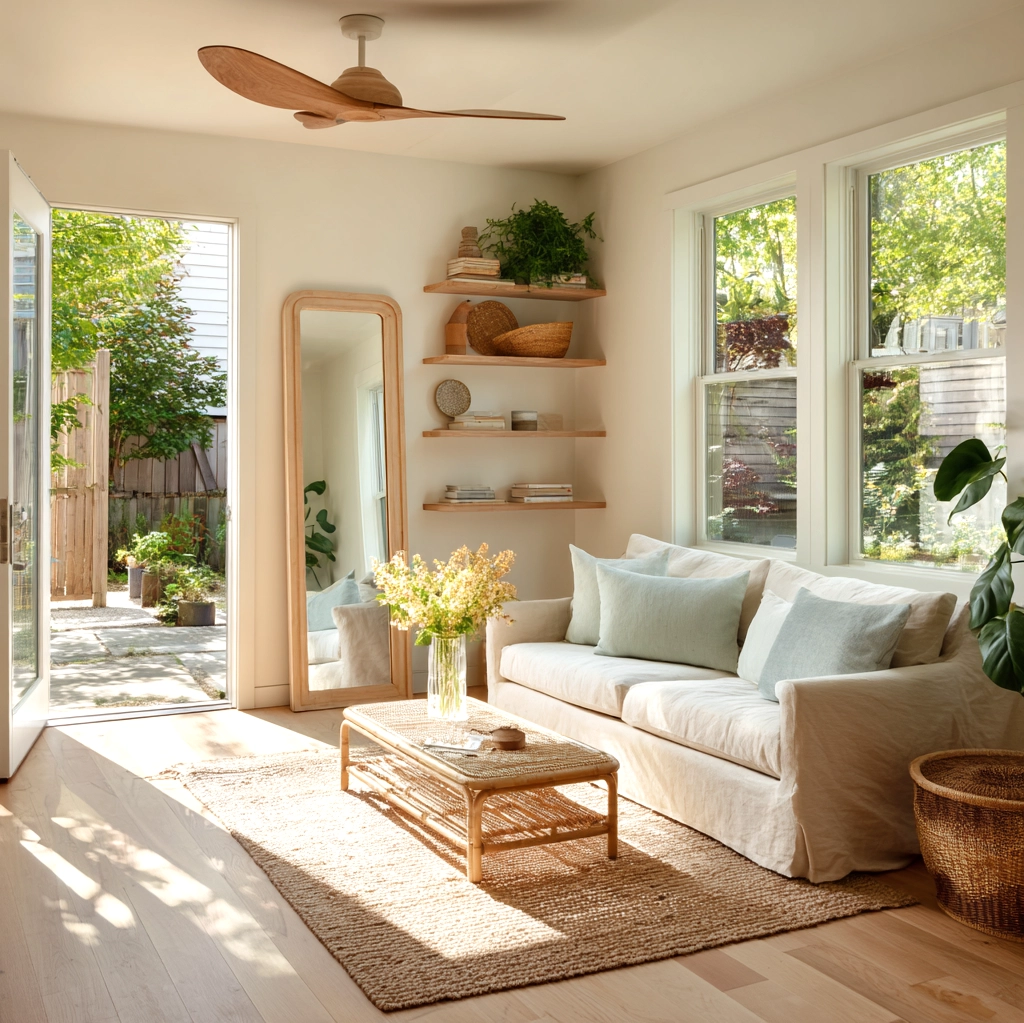
Color plays a crucial role in successful spring and summer decorating ideas for the home. The right palette can instantly evoke feelings of warmth, energy, and relaxation. Begin by looking to nature for inspiration. Spring brings soft pastels—think cherry blossom pinks, fresh leaf greens, and sky blues. Summer introduces bolder hues like sunflower yellows, ocean teals, and coral oranges. You don't need to repaint entire rooms to incorporate these colors. Start with accent walls if you want a dramatic change. Otherwise, focus on easily changeable elements. Throw pillows, blankets, and curtains in seasonal colors can transform a room without permanent commitment. Consider creating color stories within each room. A living room might feature varying shades of blue and green, while a bedroom could embrace soothing lavender and cream. Don't be afraid to mix patterns as long as they share a common color thread. Stripes, florals, and geometric patterns can work beautifully together when coordinated through color. For those who prefer neutral bases, seasonal color can come through artwork, vases, and decorative objects. A collection of blue glass bottles on a windowsill or yellow ceramic bowls on a kitchen shelf adds pops of color without overwhelming the space. Remember that color affects mood. Greens and blues promote calmness—perfect for bedrooms and reading nooks. Yellows and oranges stimulate energy and creativity—ideal for home offices and kitchens. Your spring and summer decorating ideas for the home should include testing colors in different lights before committing. Paint samples on walls and observe them throughout the day. Notice how morning light versus afternoon light changes their appearance. Ultimately, your color choices should make you feel happy and energized every time you enter the room.
Incorporating Natural Elements into Spring and Summer Decorating Ideas for the Home
Bringing the outdoors inside is essential for authentic spring and summer decorating ideas for the home. Natural elements create connections to the season and add texture and life to your spaces. Start with plants—they're the most obvious but often underutilized element. Don't just stick a potted plant in a corner. Create groupings of varying heights and textures. A tall fiddle leaf fig beside a medium-sized monstera with trailing pothos below creates visual interest. Consider hanging plants in macrame holders near windows where they'll thrive. Fresh flowers should become a weekly ritual during warmer months. Rather than formal arrangements, try loose, garden-style bouquets in simple pitchers or mason jars. Change them often to keep your spaces feeling fresh. Beyond plants, incorporate natural materials throughout your home. Wicker, rattan, and bamboo furniture pieces add organic texture. A rattan chair in a living room or bamboo shelves in a bathroom immediately evoke summer vibes. Natural fiber rugs like jute, sisal, or seagrass are perfect for high-traffic areas and add earthy texture underfoot. Don't forget about natural light itself as an element. Position seating areas to take advantage of morning or evening light patterns. Create cozy reading nooks in sunny spots. For evenings, incorporate candlelight—beeswax or soy candles in natural holders enhance the organic feel. Consider adding a water feature if space allows. A small tabletop fountain provides soothing sounds and visual interest. Shells, stones, and driftwood collected from outdoor adventures make beautiful, personal decor items. Display them in bowls or on shelves as reminders of summer days. These spring and summer decorating ideas for the home help create environments that feel connected to the natural world. They remind us to slow down, breathe deeply, and appreciate the beauty of each season as it unfolds within our living spaces.
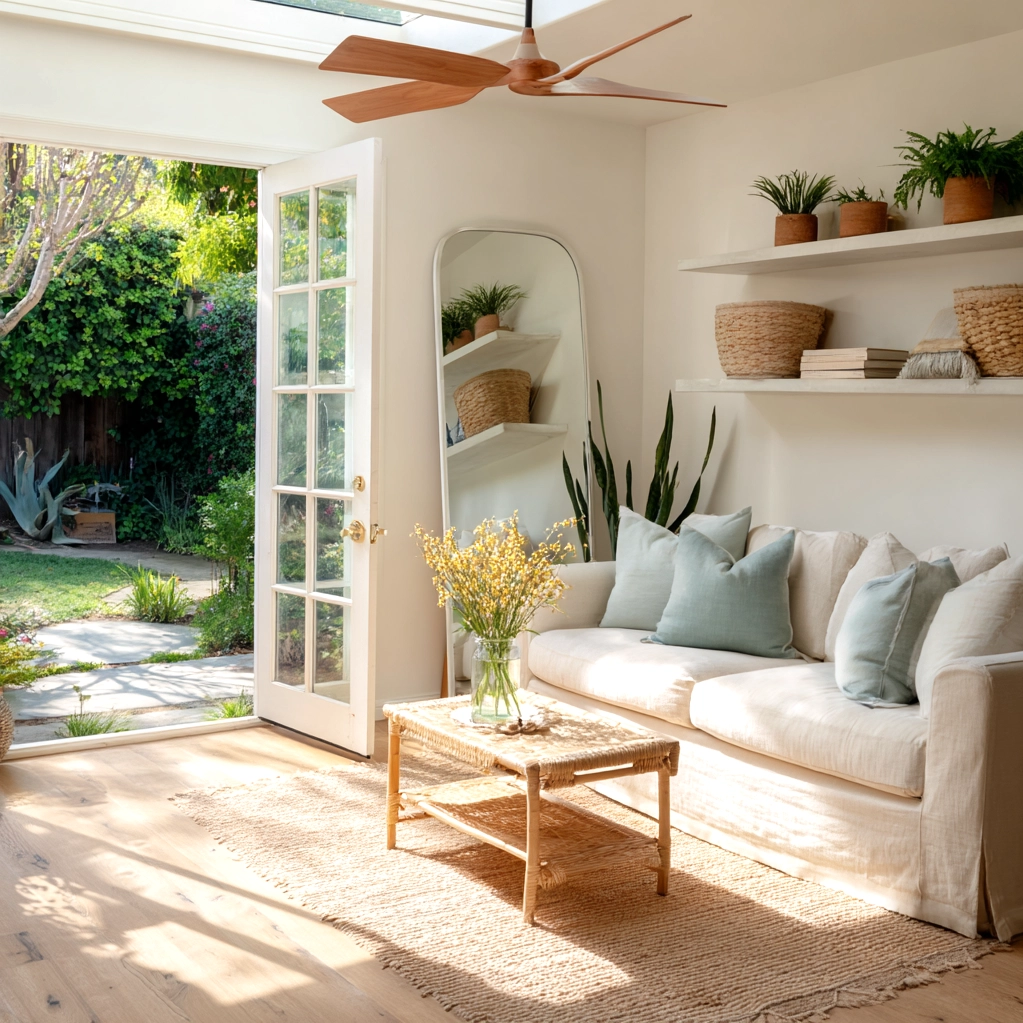
Practical Spring and Summer Decorating Ideas for the Home: Outdoor Spaces and Entertaining
Spring and summer decorating ideas for the home must extend to outdoor spaces and entertaining areas. As weather warms, our living expands beyond four walls. Start by creating seamless transitions between indoor and outdoor spaces. Use similar color palettes and materials on your patio or balcony as you do inside. This creates a cohesive flow that makes both areas feel like extensions of each other. For outdoor furniture, prioritize comfort and durability. Weather-resistant cushions in cheerful patterns invite relaxation. Create defined zones—a dining area with a sturdy table, a lounge area with comfortable seating, and perhaps a reading nook with a single comfortable chair. Lighting is crucial for evening enjoyment. String lights create magical atmospheres, while solar-powered lanterns offer eco-friendly illumination. Consider citronella candles or torches to keep insects at bay while adding ambiance. For entertaining, think about practical setups. A beverage station with a small cooler or ice bucket keeps drinks accessible without constant kitchen trips. Stackable or folding chairs stored neatly allow you to accommodate varying group sizes. Don't neglect smaller outdoor spaces. Even a tiny balcony can become a summer oasis with a bistro set, vertical planters, and weather-resistant textiles. Window boxes overflowing with herbs or flowers bring life to urban settings. Storage solutions protect your investments during inclement weather. Waterproof storage benches serve dual purposes as seating and protection for cushions and pillows. Finally, consider adding elements that engage the senses beyond sight. Wind chimes provide gentle sounds, herb gardens offer fresh scents, and textured outdoor rugs feel wonderful under bare feet. These spring and summer decorating ideas for the home ensure your entire living environment—indoor and outdoor—works harmoniously to support warm-weather living and entertaining.
Conclusion
Spring and summer decorating ideas for the home offer more than superficial beauty—they create environments that enhance our daily lives during the warmest, most active months of the year. By embracing natural light, incorporating seasonal colors, bringing in natural elements, and extending our living spaces outdoors, we craft homes that truly reflect and support seasonal living. The transformation doesn't require massive budgets or complete renovations. Thoughtful, strategic changes can yield dramatic results. Remember that the best seasonal decor evolves with your needs and preferences. What works one year might inspire different approaches the next. The key is staying attuned to how you want to feel in your spaces. Do you seek calm retreats or vibrant gathering places? Your decor choices should support these intentions. As you implement these spring and summer decorating ideas for the home, consider their longevity. Many elements—like quality natural fiber rugs or versatile furniture pieces—can transition beautifully between seasons with simple accessory changes. Looking ahead, sustainable practices will become increasingly important in seasonal decorating. Choosing durable, ethically made items reduces waste and supports conscious consumption. Consider swapping decor with friends or shopping secondhand for unique seasonal pieces. The future of home decorating lies in flexible, adaptable approaches that honor both aesthetics and functionality. Start small if the task feels overwhelming. Choose one room or one element to focus on first. Perhaps begin with lighter window treatments or a collection of seasonal plants. Each change builds momentum toward a home that feels perfectly attuned to spring and summer living. Your efforts will be rewarded every time you enter a space that feels fresh, bright, and perfectly suited to the season.
Frequently Asked Questions
Q: How can I incorporate spring and summer decorating ideas for the home on a tight budget?
Seasonal decorating doesn't require significant financial investment. Start with simple, cost-effective changes. Rearrange existing furniture to maximize light and airflow—this costs nothing but can transform a room's feel. Swap out heavy winter textiles for lighter alternatives you may already own. Light-colored sheets can become curtain panels, and summer clothing fabrics can be repurposed as throw pillow covers. Shop your home first—move items from one room to another for a fresh perspective. Visit thrift stores for inexpensive vases, baskets, and frames that can be painted or updated. Nature provides free decor—collect branches, stones, or shells for displays. Paint one accent wall rather than an entire room. Grow plants from cuttings or seeds instead of buying mature plants. Focus on one area at a time rather than trying to update your entire home at once. Small, thoughtful changes accumulate into significant transformations without straining your budget.
Q: What are the best plants to include in spring and summer decorating ideas for the home?
Choose plants that thrive in indoor conditions and complement your seasonal decor. For low-light areas, snake plants and pothos are excellent choices—they're hardy and add lush greenery. Spider plants work well in hanging baskets near windows. For sunny spots, consider succulents like jade plants or echeveria, which require minimal watering. Herbs like basil, mint, and rosemary serve dual purposes—they're decorative and useful in cooking. Place them in kitchen windows where they'll receive ample light. Flowering plants like African violets or peace lilies add color without requiring direct sunlight. For statement pieces, fiddle leaf figs or monstera plants create dramatic focal points but need consistent light and care. Always consider your home's specific conditions—light exposure, humidity levels, and your maintenance commitment. Group plants with similar needs together to simplify care. Use attractive pots that complement your decor, and consider rotating plants seasonally to keep displays fresh and thriving.
Q: How do I transition my spring and summer decorating ideas for the home when fall arrives?
Transitioning seasonal decor should be gradual and thoughtful. Begin by identifying elements that work year-round—quality furniture, neutral rugs, and versatile artwork can remain in place. For seasonal-specific items, develop a storage system. Clearly label boxes for spring/summer and fall/winter decor. As summer ends, first address textiles. Replace light linen curtains with heavier options as temperatures drop. Swap bright throw pillows and blankets for richer, warmer tones. Gradually introduce autumn colors through accessories rather than changing everything at once. Plants that thrived outdoors may need to come inside—research their light requirements first. Consider which summer items could work in fall with small adjustments. A white pitcher that held summer flowers might display autumn branches beautifully. The key is layering—add fall elements while gradually removing summer-specific items. This creates a smooth transition that feels natural rather than abrupt. Always evaluate what worked well during spring and summer—note successful arrangements or color combinations to replicate next year.