
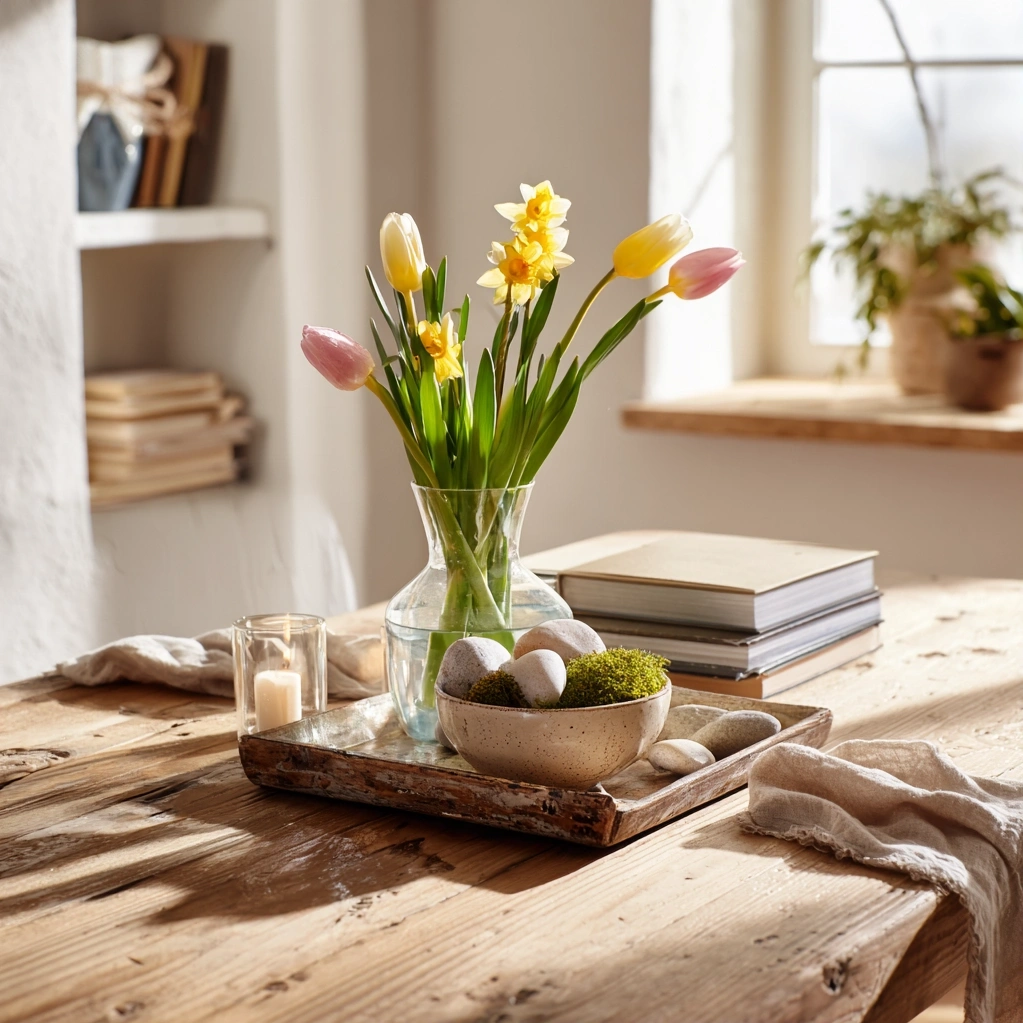
As winter’s chill fades away and the first buds of spring begin to bloom, our homes crave a similar renewal. The transition from cozy hibernation to bright, airy living starts with small touches that reflect the season’s vibrant energy. Spring table centerpieces offer one of the most impactful and delightful ways to welcome this change. Far more than mere decorations, these arrangements serve as the heart of your dining or living space, setting the tone for gatherings, daily meals, and the overall ambiance of your home.
A well-designed centerpiece captures the essence of spring—renewal, growth, and light. It can turn an ordinary table into a focal point of beauty and conversation. Whether you're hosting a festive brunch, enjoying a quiet family dinner, or simply adding a touch of seasonal cheer to your everyday routine, the right centerpiece makes all the difference. This isn't about extravagant spending or complicated designs; it's about creativity, personal expression, and bringing the outdoors in.
In this article, we'll explore why spring table centerpieces matter. They bridge the gap between nature and our indoor spaces, infusing rooms with life and color. From fresh flowers to foraged branches, from minimalist modern arrangements to rustic charming displays, there's a style for every home and skill level. Let's dive into ideas that are not only beautiful but also practical, sustainable, and joyfully easy to create. Your table is waiting for its spring transformation!
Fresh and Floral Spring Table Centerpieces
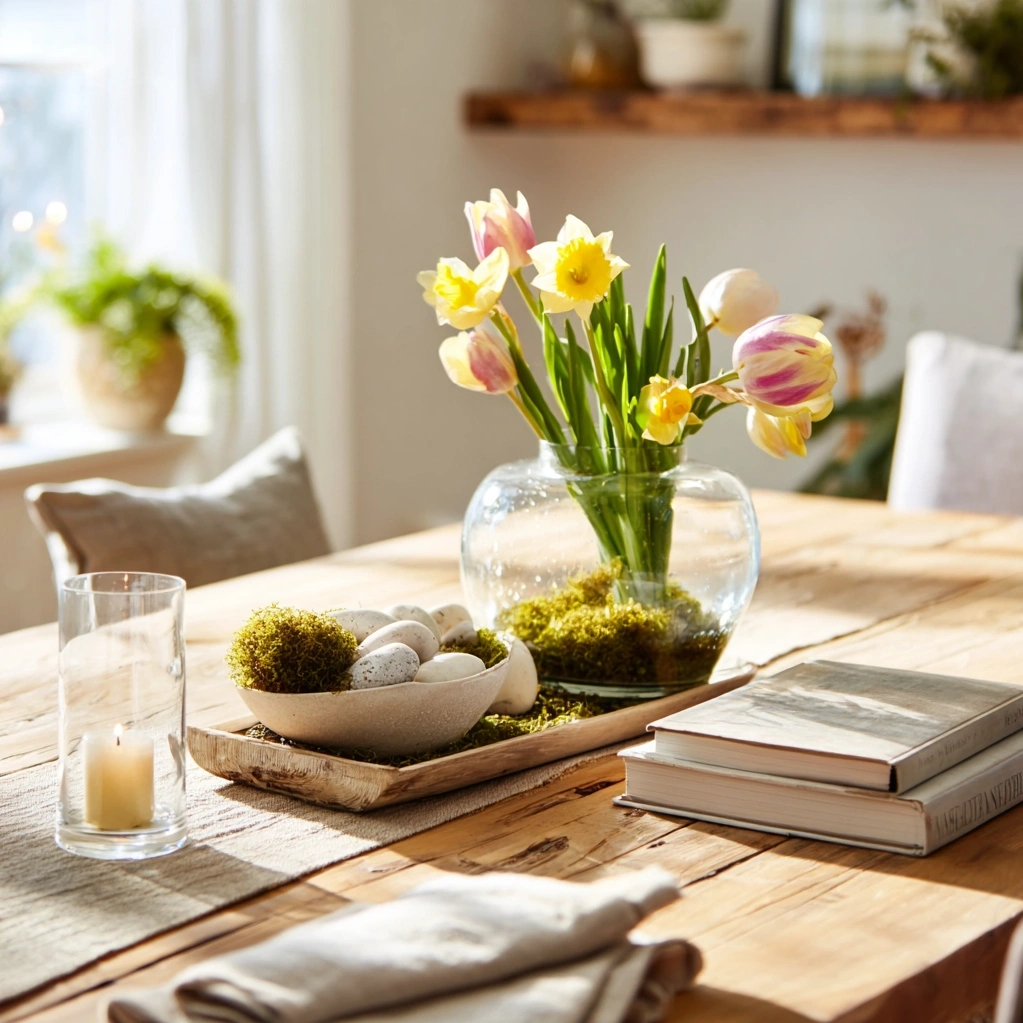
Nothing says spring quite like a burst of fresh flowers. For stunning spring table centerpieces, start with seasonal blooms like tulips, daffodils, hyacinths, or peonies. These flowers bring vibrant colors and delicate fragrances that instantly lift the mood. Arrange them in a simple glass vase or a collection of mismatched jars for a casual, garden-inspired look. Mix heights and textures by adding greenery like eucalyptus or ferns to create depth.
Consider using a single type of flower in a monochromatic scheme for a modern touch, or combine pastel shades for a soft, romantic feel. To keep your arrangement fresh, change the water every two days and trim the stems at an angle. If you're on a budget, grocery store flowers work wonderfully—just remove any wilted leaves and arrange them loosely. For a longer-lasting option, incorporate potted plants like primroses or herbs into your centerpiece. They can be replanted later, adding sustainability to your decor.
Don't forget about containers. A rustic wooden tray, a ceramic bowl, or even a vintage teapot can elevate your floral display. Add elements like moss, stones, or decorative eggs for extra spring charm. The key is to keep it natural and unforced, letting the beauty of the flowers shine. With a little creativity, you can create a centerpiece that feels both effortless and exquisite, perfect for everyday enjoyment or special occasions.
DIY and Sustainable Spring Table Centerpieces
Creating your own spring table centerpieces is not only rewarding but also eco-friendly. Start by foraging materials from your garden or local park. Think pussy willow branches, budding twigs, or dried grasses. These natural elements add texture and a rustic touch without costing a dime. Combine them with repurposed items like old bottles, tin cans, or wooden crates for a unique, personalized look.
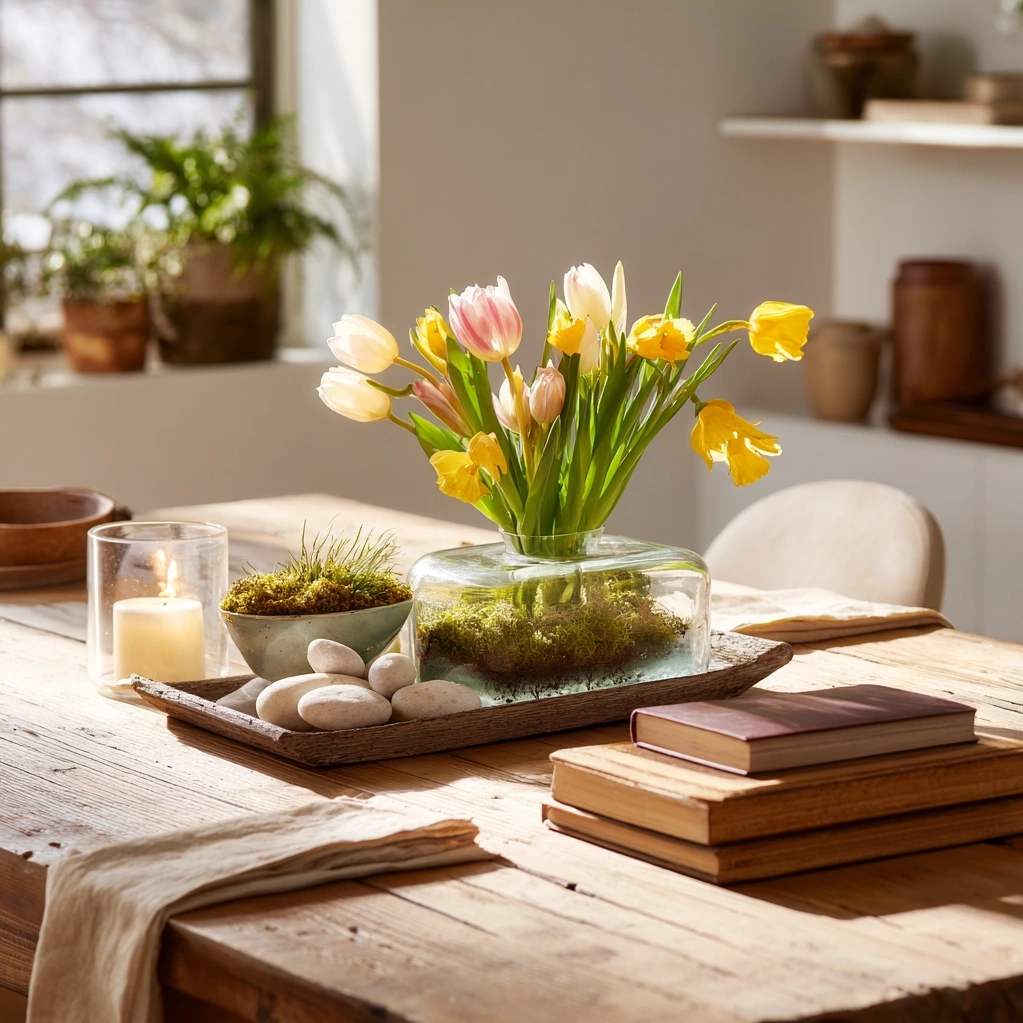
One popular DIY idea is a terrarium centerpiece. Use a clear glass bowl or jar, layer it with pebbles, activated charcoal, and soil, then add small succulents, moss, and miniature figurines. This low-maintenance option lasts all season and brings a bit of whimsy to your table. Another approach is to create a seasonal vignette. Arrange a mix of candles, painted rocks, and foraged items on a tray or slice of tree trunk. Incorporate symbols of spring like nests, butterflies, or ceramic birds to enhance the theme.
For those who enjoy crafts, try making paper flowers or fabric blossoms. They offer a lasting alternative to fresh blooms and can be tailored to your color scheme. Use scrapbook paper or old fabric scraps to keep it sustainable. The process itself can be a fun activity with family or friends. Remember, the goal is to reflect your personal style while minimizing waste. DIY spring table centerpieces allow you to experiment, reuse materials, and create something truly one-of-a-kind that celebrates the season in a mindful way.
Styling Tips for Perfect Spring Table Centerpieces
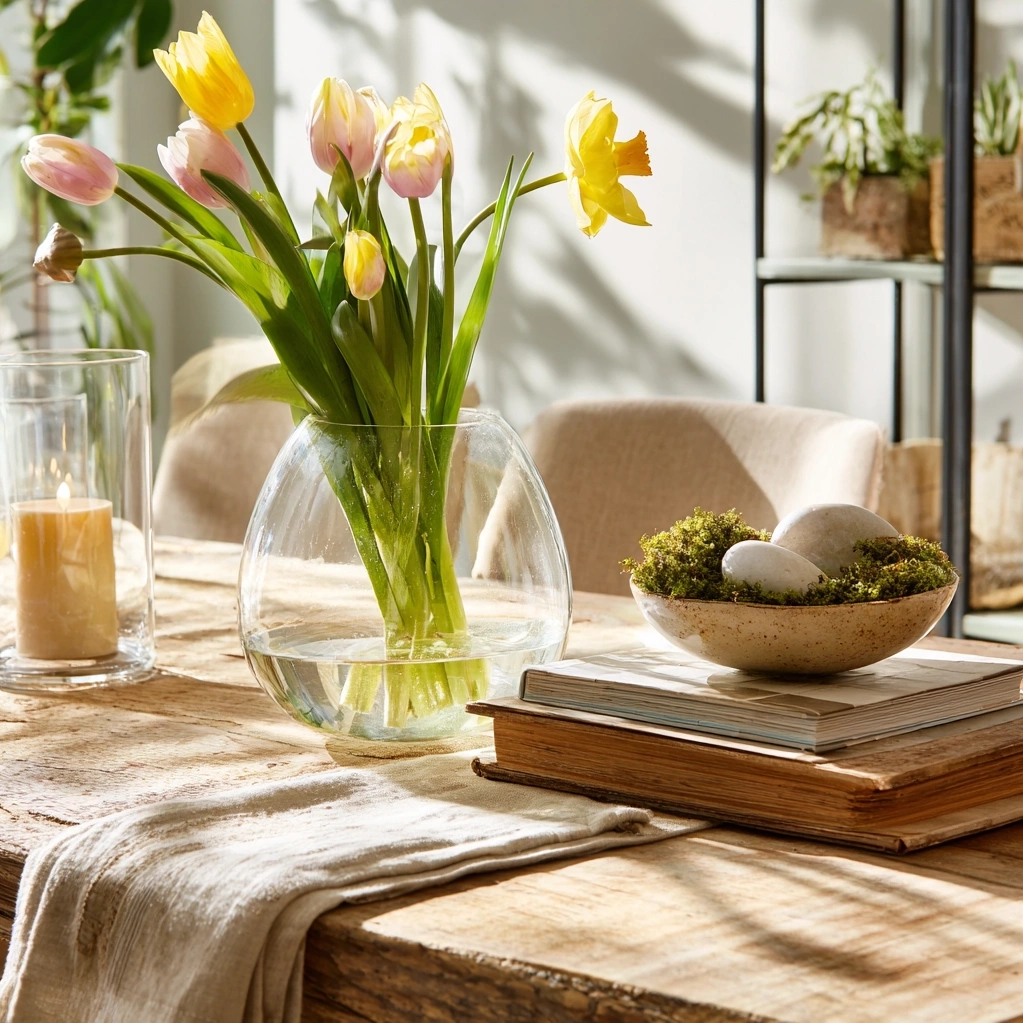
A great spring table centerpiece is more than just the arrangement itself—it's how it fits into your overall table setting. Start by considering scale. Your centerpiece should be low enough to allow conversation across the table, typically under 12 inches tall for dining tables. For coffee or console tables, you can go taller to create a dramatic effect. Use risers like books or wooden blocks to add height variation without blocking views.
Color coordination is key. Draw inspiration from spring's palette: soft greens, blush pinks, sunny yellows, and sky blues. Match your centerpiece to your table linens, dishes, or room decor for a cohesive look. For example, pair a blue-and-white ceramic vase with patterned napkins in similar hues. Texture also plays a vital role. Mix smooth glass vases with rough wooden elements or delicate flowers with sturdy branches to add visual interest.
Don't overcrowd the table. Leave ample space for place settings, glasses, and serving dishes. A minimalist approach often works best—let one or two standout pieces shine rather than cluttering with too many items. For long tables, consider multiple small centerpieces spaced evenly down the center. This creates rhythm and keeps the look balanced. Finally, think about lighting. Incorporate candles or string lights into your spring table centerpieces for evening ambiance. Battery-operated options are safe and easy to use. With these styling tips, your centerpiece will not only look beautiful but also function seamlessly in your daily life.
Conclusion
Spring table centerpieces are a wonderful way to embrace the season's renewal and bring a touch of nature into your home. From fresh floral displays to DIY sustainable creations, the options are endless and adaptable to any style or budget. These arrangements do more than decorate—they create atmosphere, spark joy, and make everyday moments feel special. Whether you're hosting a gathering or simply enjoying a quiet meal, a well-chosen centerpiece can transform your space.
As we look ahead, consider making your spring table centerpieces a seasonal tradition. Experiment with different themes each year, perhaps incorporating more edible elements like herb gardens or using locally sourced flowers to reduce environmental impact. The future of home decor leans towards personalization and sustainability, and these centerpieces fit perfectly into that trend. They allow you to express creativity while connecting with the natural world.
Remember, there's no right or wrong way to create a spring table centerpiece. It's all about what brings you happiness and complements your lifestyle. Start small with a single vase of tulips or dive into a DIY project—the important thing is to begin. Let your table tell the story of spring, filled with color, life, and inspiration. Happy decorating!
Frequently Asked Questions
Q: How long do fresh flower spring table centerpieces typically last?
Fresh flower spring table centerpieces usually last between 5 to 10 days, depending on the types of flowers and care. Hardy blooms like tulips or daffodils may last up to a week, while more delicate flowers like peonies might fade sooner. To extend their life, keep them in a cool spot away from direct sunlight and heat sources. Change the water every two days, trim stems at an angle, and remove any wilted leaves. Adding flower food or a teaspoon of sugar and a few drops of bleach to the water can also help. For longer-lasting options, consider using potted plants or incorporating dried elements.
Q: Can I create spring table centerpieces on a tight budget?
Absolutely! Spring table centerpieces can be both beautiful and budget-friendly. Start by foraging natural materials like branches, grasses, or wildflowers from your garden or local areas—just be mindful of regulations. Use repurposed containers like jars, tin cans, or old bottles instead of buying new vases. Grocery store flowers are often affordable and can be arranged creatively. DIY options like paper flowers or fabric blossoms cost very little if you use scraps. Another idea is to focus on a single, impactful element, such as a bowl of lemons or a cluster of candles, which requires minimal investment. Thrift stores are also great for finding unique containers at low prices.
Q: What are some low-maintenance alternatives to fresh flowers for spring table centerpieces?
For low-maintenance spring table centerpieces, consider using dried flowers, succulents, or artificial elements. Dried blooms like lavender or eucalyptus last for months and require no water, just occasional dusting. Succulents in a terrarium or shallow dish need minimal watering and can thrive indoors with indirect light. Artificial flowers have improved greatly in realism and can be reused season after year. Other options include potted herbs, which are both decorative and useful in cooking, or natural items like pinecones, stones, or shells arranged in a bowl. These alternatives save time and effort while still providing a seasonal touch to your table.