
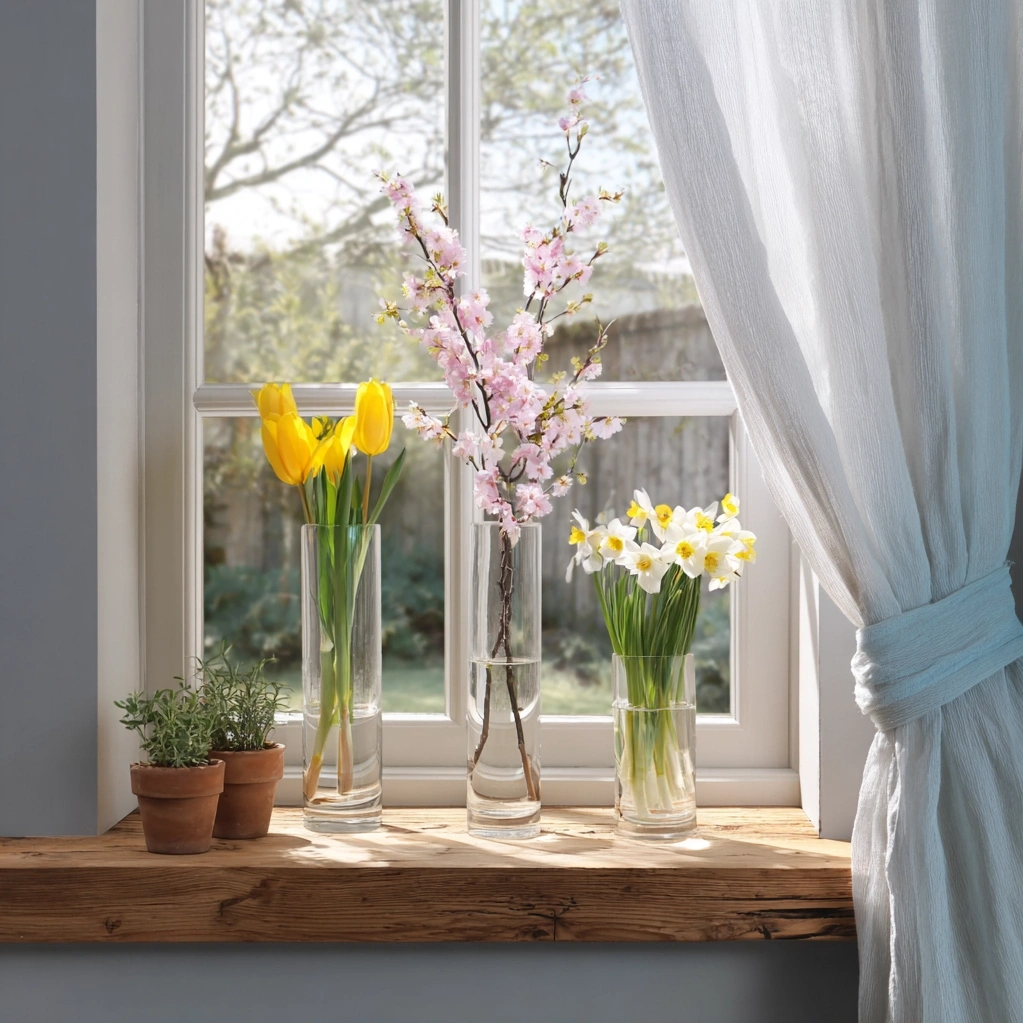
As the winter chill fades and nature awakens, your home deserves to reflect the vibrant energy of spring. A spring window display isn’t just about aesthetics; it’s a powerful way to connect your indoor space with the outdoor renewal happening right outside your glass. This seasonal transformation can boost your mood, welcome visitors with warmth, and create a focal point that celebrates the beauty of the season. Many homeowners overlook their windows as mere functional elements, but they’re actually prime real estate for creative expression. A thoughtfully designed window display can turn a simple view into an inspiring scene that captures the essence of spring. Whether you have large picture windows, cozy cottage panes, or modern floor-to-ceiling glass, each offers unique opportunities for seasonal styling. The best part? Creating a captivating spring window display doesn’t require professional skills or expensive materials. With some creativity and seasonal elements, you can transform any window into a celebration of spring. This article will guide you through practical, beautiful ideas that work for various home styles and budgets. You’ll discover how to choose elements that complement your existing decor while bringing fresh energy to your space. From simple arrangements to more elaborate designs, there’s an approach for every homeowner. Let’s explore how you can harness the power of a spring window display to make your home feel brighter, more welcoming, and perfectly in tune with the season.
Essential Elements for Your Spring Window Display
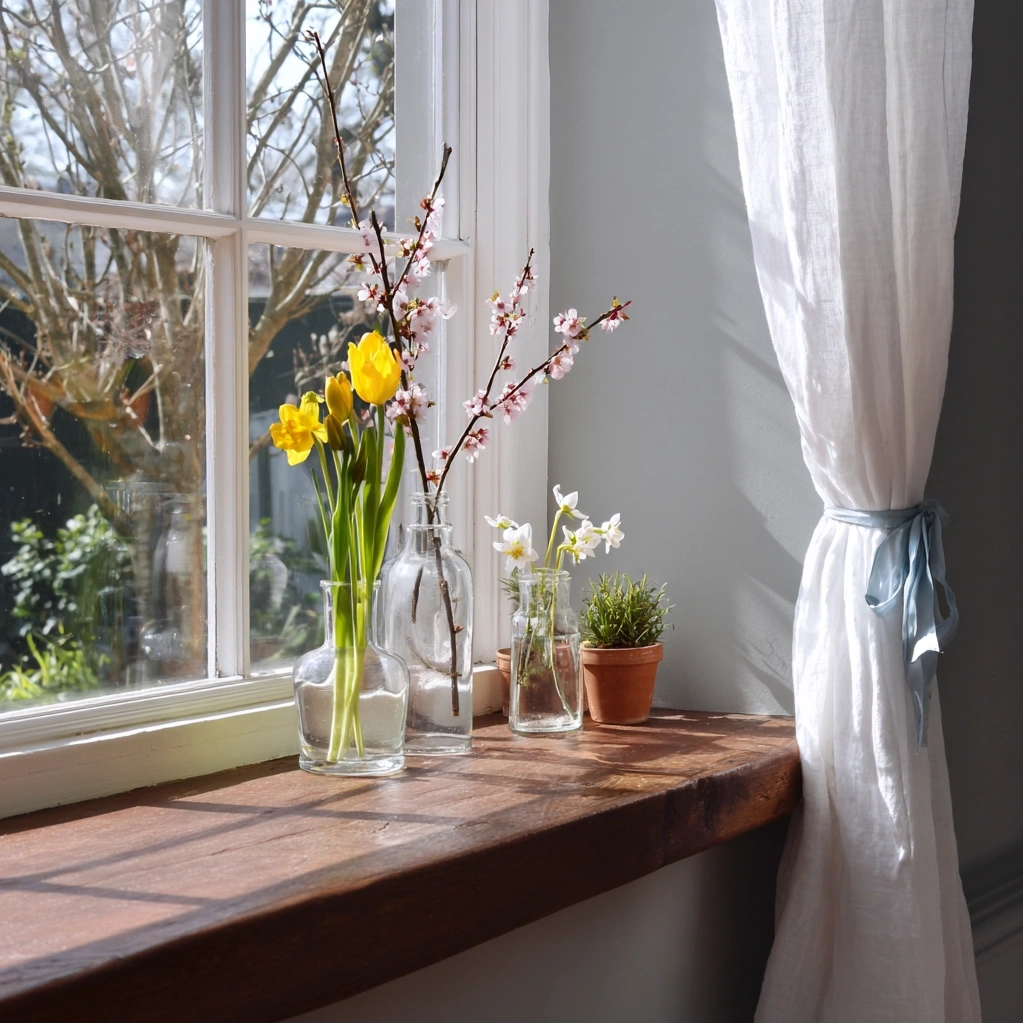
Creating a stunning spring window display begins with selecting the right elements that capture the season's essence. Fresh flowers are the most obvious choice, but there are many ways to incorporate them. Consider potted bulbs like tulips, daffodils, or hyacinths that can be arranged at varying heights. For longer-lasting displays, mix fresh blooms with high-quality silk flowers that won't wilt. Natural materials like budding branches, moss, and seasonal grasses add texture and organic appeal. Don't forget about containers and vases—choose clear glass to maximize light, or opt for painted ceramics in spring pastels. Lighting plays a crucial role in any window display. Natural sunlight will showcase your arrangement during the day, but consider adding subtle artificial lighting for evening impact. Small LED fairy lights woven through branches or battery-operated candles can create magical effects. Color coordination is key for a cohesive look. Spring color palettes typically feature soft pastels like lavender, mint, peach, and butter yellow, but don't be afraid to incorporate brighter tones like coral or turquoise for contrast. Layering elements at different heights creates depth and visual interest. Use window shelves, hanging planters, or stacked books to elevate some items while keeping others at eye level. Remember that your spring window display should complement both your interior decor and the view outside. If you have a garden visible through the window, coordinate your indoor display with the outdoor landscape for a seamless transition between spaces. This creates a harmonious flow that makes your entire home feel connected to the season's renewal.
Creative Spring Window Display Ideas for Every Home Style
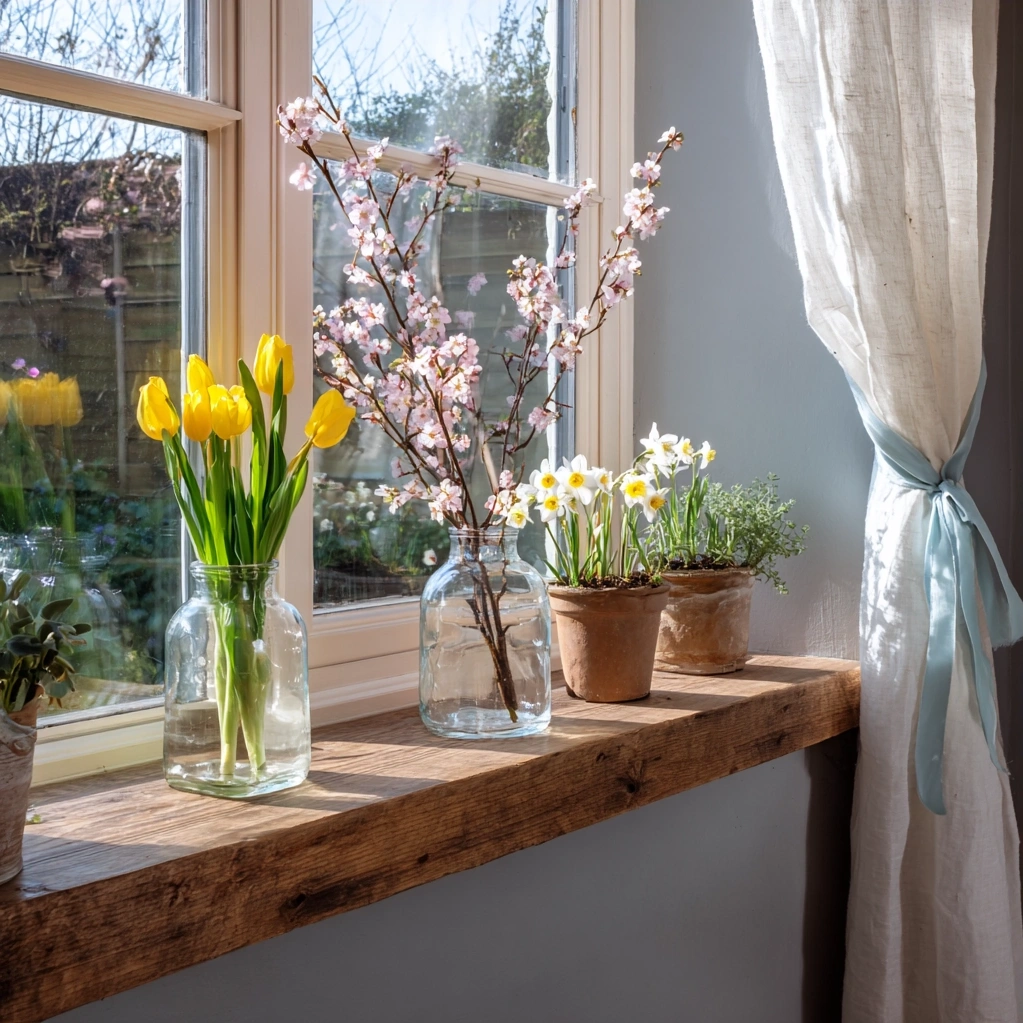
Your home's architectural style should influence your spring window display approach. For traditional homes with multiple panes or divided-light windows, consider symmetrical arrangements that highlight the window's structure. Matching displays on either side of the window frame create balanced elegance. Colonial-style homes might feature boxwood topiaries or classic urns filled with seasonal blooms. Modern homes with large, uninterrupted glass surfaces benefit from minimalist displays that don't obstruct views. A single dramatic orchid or sculptural branch arrangement can make a powerful statement. For farmhouse or rustic styles, incorporate natural elements like reclaimed wood planters, burlap accents, or galvanized metal containers. Mixing wildflowers with herbs like lavender or rosemary adds both beauty and fragrance. Small-space dwellers can create impactful spring window displays even with limited room. Windowsill gardens with shallow-rooted plants like succulents or herbs work beautifully. Hanging glass terrariums or macramé plant holders maximize vertical space without cluttering surfaces. For apartments with less natural light, focus on reflective elements like mirrored trays or metallic accents that bounce light around the space. Seasonal wreaths aren't just for doors—hanging a spring wreath in the window adds festive charm visible from both inside and out. Consider creating themed displays that tell a story, like a bird's nest with decorative eggs for an Easter-inspired look or a collection of vintage botanical prints for a literary garden theme. The key is to choose ideas that resonate with your personal style while embracing spring's joyful energy. Don't be afraid to experiment with unconventional elements like collected sea glass, colorful ribbons, or hand-painted stones. Your spring window display should feel authentic to you while celebrating the season's renewal.
Practical Tips for Maintaining Your Spring Window Display
A beautiful spring window display requires some maintenance to stay fresh throughout the season. Start with proper placement—most flowering plants need adequate sunlight, but direct afternoon sun can fade colors and dry out arrangements quickly. Monitor light patterns in your space and position displays accordingly. Watering needs vary by plant type, but a general rule is to check soil moisture every two to three days. Use saucers under potted plants to protect windowsills from water damage. For cut flowers, change water every other day and trim stems diagonally to prolong freshness. Dust accumulates quickly on window surfaces and display elements. Gently wipe leaves with a damp cloth weekly, and clean window glass inside and out for maximum light penetration. Rotate plants periodically so all sides receive equal light exposure, preventing lopsided growth. As temperatures warm, watch for signs of overheating near windows. Some plants may need to be moved slightly back from the glass during hottest hours. For displays incorporating multiple elements, create a cleaning and care schedule. Silk flowers can be refreshed with a hairdryer on cool setting to remove dust. Natural elements like branches may need occasional misting to prevent brittleness. Consider creating modular displays where you can easily swap out elements as they fade. Keep backup plants or flowers ready to replace any that don't thrive. Safety is important—ensure heavy items are securely positioned, and avoid overcrowding that could block emergency exits or window operation. Electrical elements like lights should use proper indoor-rated cords and be kept away from water sources. With regular attention, your spring window display will remain vibrant and welcoming throughout the season, bringing continuous joy to your home environment.
Seasonal Transitions: From Spring Window Display to Summer
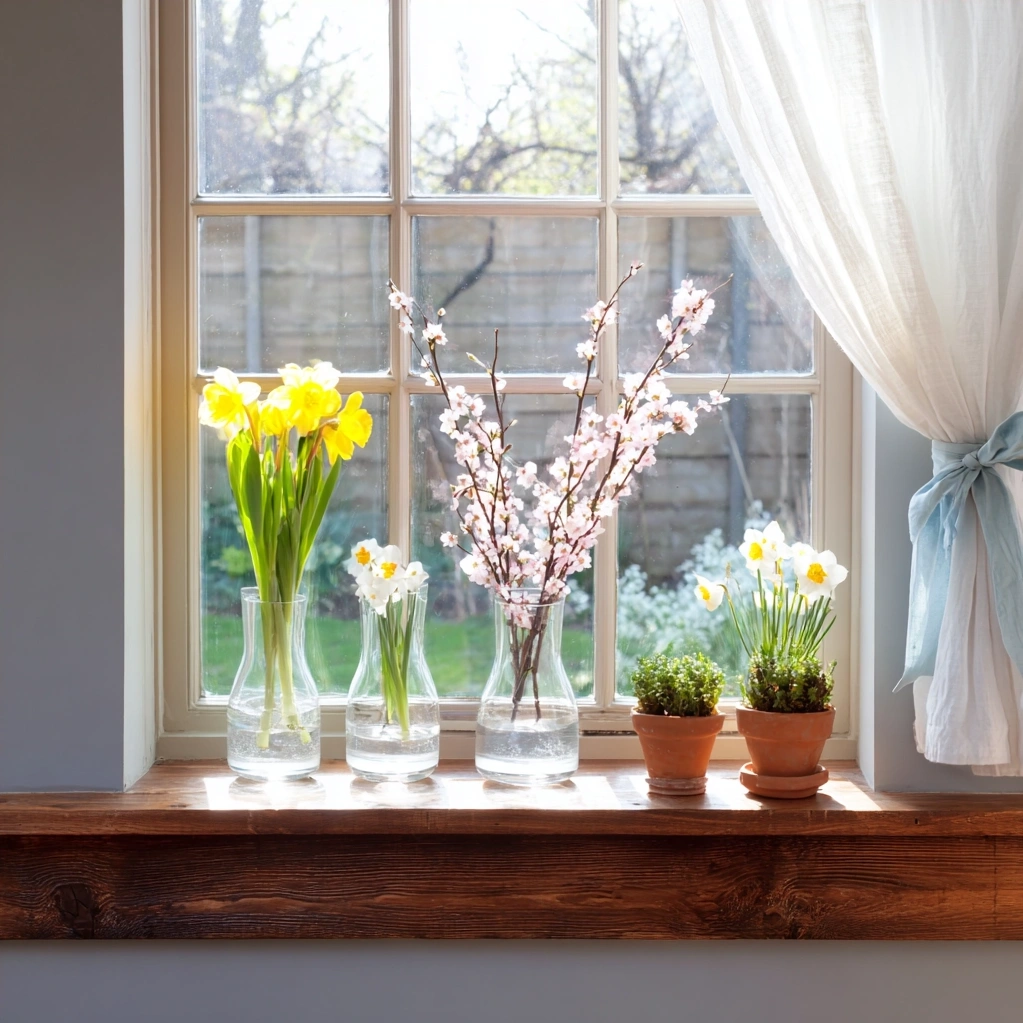
As spring gives way to summer, your window display can evolve gracefully to match the changing season. Begin transitioning elements gradually rather than making abrupt changes. Replace early spring bulbs with summer-blooming plants like geraniums, petunias, or marigolds. These offer vibrant colors that withstand warmer temperatures. Incorporate more greenery as flowering plants may become less abundant—ferns, ivy, and spider plants thrive in summer light conditions. Color schemes can shift from soft pastels to brighter, more saturated hues. Consider adding citrus tones like orange and lime, or ocean-inspired blues and aquas. Textural changes also signal seasonal transition—swap delicate spring materials like cherry blossoms for heartier summer elements like succulents, seashells, or woven rattan accents. If your spring window display featured Easter or other spring holiday elements, replace them with summer-themed items like starfish, sand dollars, or miniature beach scenes. Lighting becomes particularly important in summer displays. As days grow longer, maximize natural light with reflective surfaces like mirrors or metallic decorations. For evening ambiance, incorporate solar-powered lanterns or candles in hurricane glasses. Consider creating a dual-purpose display that serves both aesthetic and practical functions. Herb gardens in windows provide fresh cooking ingredients while looking beautiful. Small tomato plants or peppers can thrive in sunny windows while adding organic texture. As you transition your spring window display to summer, think about airflow and temperature control. Lighter arrangements that don't block breezes are ideal for warmer months. Sheer curtains behind the display can filter light while maintaining air circulation. Document your spring arrangement with photos before dismantling it—this creates a reference for next year and helps you remember what worked well. By planning the transition thoughtfully, you maintain a beautiful window display year-round while celebrating each season's unique character.
Conclusion
A spring window display offers more than seasonal decoration—it's an opportunity to renew your connection with nature and infuse your home with joyful energy. Throughout this article, we've explored how to select essential elements, adapt displays to different home styles, maintain arrangements, and transition gracefully into summer. The key takeaway is that successful displays balance aesthetics with practicality, creating spaces that feel both beautiful and authentic. As you implement these ideas, remember that perfection isn't the goal. The most captivating spring window displays often emerge from personal creativity and seasonal inspiration. Start with simple arrangements and build complexity as you gain confidence. Observe how light changes in your space throughout the day and adjust elements accordingly. Most importantly, choose items that genuinely delight you, whether that's fragrant blossoms, colorful containers, or meaningful collected objects. Looking ahead, consider how your window display practice might evolve. Could you incorporate more sustainable elements next spring, like locally sourced plants or upcycled containers? Might you involve family members in creating displays as a seasonal tradition? As climate patterns shift, you might also explore drought-tolerant plants or arrangements that withstand variable weather conditions. Whatever direction you choose, let your windows continue telling seasonal stories. They're not just openings to the outside world—they're canvases for expressing how your home lives and breathes with the turning year. With each new season, you have fresh opportunities to create displays that welcome, inspire, and celebrate the beauty right outside your glass.
Frequently Asked Questions
Q: How often should I change the water for cut flowers in my spring window display?
For optimal freshness, change the water in your vase every two to three days. Always use room temperature water and add flower food if available. Before placing stems in fresh water, trim them diagonally about half an inch from the bottom. This increases water absorption and helps flowers last longer. Remove any leaves that would sit below the waterline to prevent bacterial growth. If your display includes multiple vases, establish a rotating schedule to ensure all arrangements receive regular maintenance.
Q: What are the best low-light plants for a spring window display in a north-facing window?
North-facing windows receive indirect light, which suits many spring plants beautifully. Excellent choices include peace lilies, which produce elegant white flowers and thrive in low light. Snake plants offer architectural interest with minimal care requirements. Pothos vines provide trailing greenery that can be trained along window frames. Chinese evergreens come in variegated patterns that add visual interest. For flowering options, consider African violets or phalaenopsis orchids, which bloom reliably in indirect light. Always check specific care requirements, as even low-light plants need some brightness to thrive.
Q: Can I create a spring window display if I have allergies to pollen?
Absolutely! You can enjoy a beautiful spring window display without triggering allergies. Opt for pollen-free options like succulents, ferns, or air plants that don't produce airborne pollen. Silk or high-quality artificial flowers provide realistic beauty without allergens. Focus on textural elements like moss, stones, driftwood, or decorative grasses. Consider non-plant items like colored glass vases, seasonal ceramics, or fabric elements like ribbon streamers. If you do include live plants, choose female varieties of species like holly or juniper that don't produce pollen, or look for hypoallergenic options at your local nursery.