
Imagine stepping into a room that instantly washes away the heat and stress of the day—a space that feels light, airy, and perfectly attuned to the warmest months. This is the magic of a summer room, a concept that goes beyond mere decoration to create an environment that enhances your well-being during the sun-drenched season. A summer room isn’t just about aesthetics; it’s about crafting a personal retreat that promotes relaxation, connection with nature, and joyful living. As temperatures rise, our homes should adapt to offer comfort and inspiration. Too often, spaces feel heavy and closed-off, trapping heat and dampening spirits. But with thoughtful design, any room can be transformed into a summer sanctuary. This seasonal approach to interior design allows you to maximize natural light, improve airflow, and incorporate elements that evoke breezy coastal getaways or serene garden hideaways. The importance of creating a summer room extends beyond visual appeal. It impacts your daily mood, energy levels, and even how you entertain guests. A well-designed summer space encourages you to slow down, appreciate simple pleasures, and make the most of longer days. Whether you have a dedicated sunroom, a living area, or a bedroom, embracing this concept can turn ordinary moments into extraordinary experiences. Let’s explore how to unlock the full potential of your home this season.
Essential Elements for a Perfect Summer Room
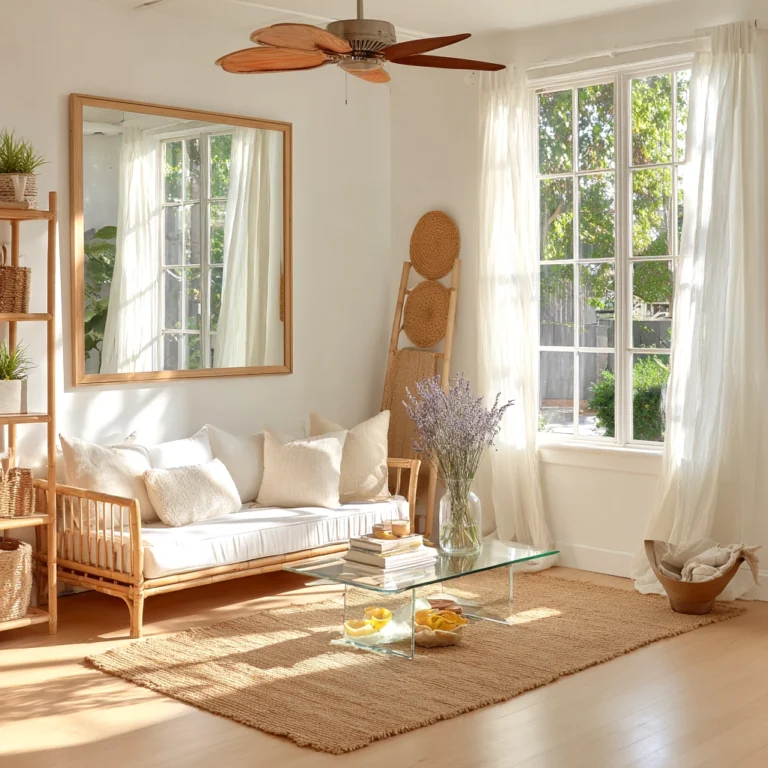
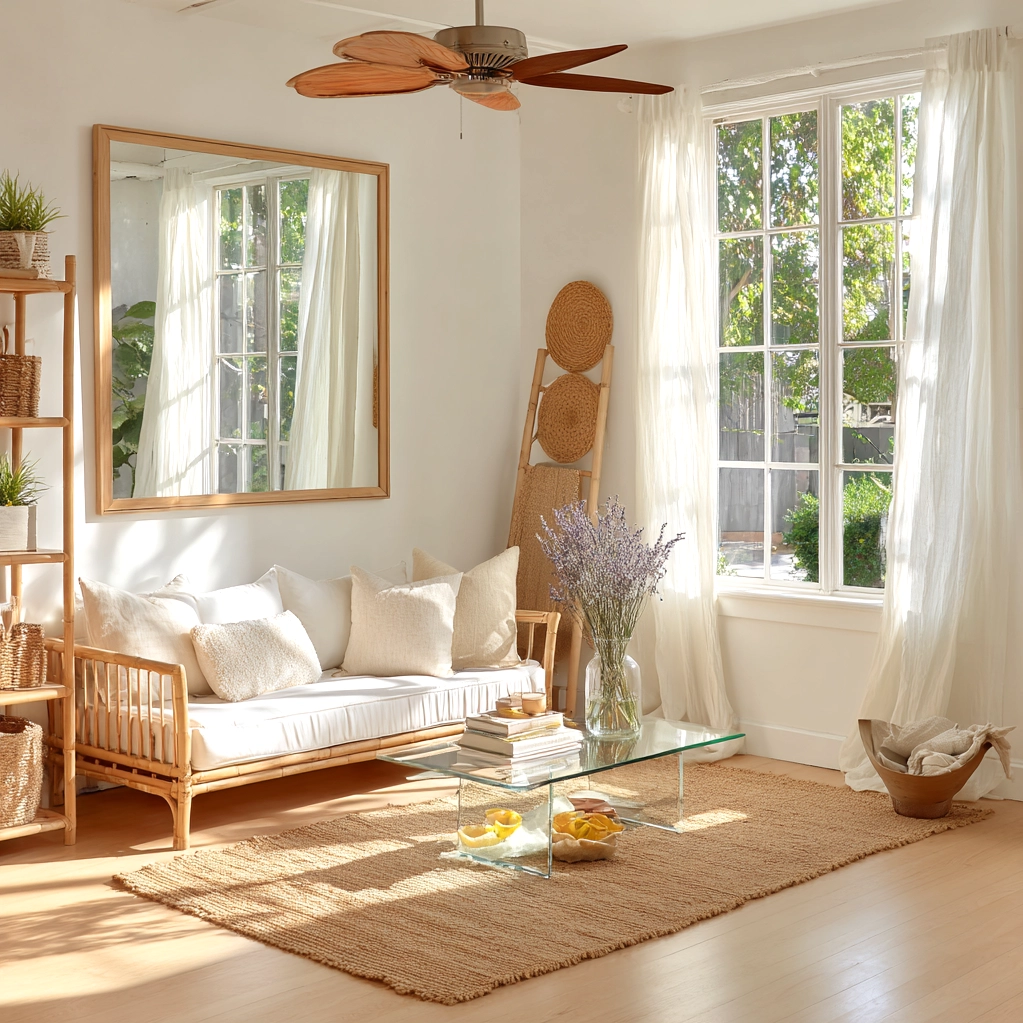
Creating a summer room starts with foundational elements that establish a light and airy atmosphere. First, prioritize natural light by removing heavy curtains and opting for sheer fabrics or bamboo shades that filter sunlight softly. This not only brightens the space but also reduces the need for artificial lighting during the day. Next, focus on ventilation. Ensure windows open easily to allow cross-breezes, and consider adding ceiling fans or portable fans to circulate air without the chill of air conditioning. These simple adjustments can make a room feel several degrees cooler. Color palette is crucial for a summer room. Choose soft, soothing hues like pale blues, mint greens, sandy neutrals, and crisp whites. These colors reflect light and create a sense of calm, avoiding the heat-absorbing properties of darker tones. Incorporate natural materials such as linen, cotton, rattan, and light wood to enhance the organic feel. Textiles should be lightweight—think breathable throws and cotton rugs instead of heavy wool. Furniture placement also plays a key role. Arrange pieces to maximize open flow and avoid clutter, which can make a space feel stuffy. Multi-functional items like storage ottomans or foldable chairs allow flexibility for summer gatherings. Finally, add reflective surfaces like mirrors or glass accents to bounce light around, amplifying the sense of spaciousness. By combining these elements, your summer room becomes a cohesive retreat that feels both refreshing and inviting.
Decorating Your Summer Room with Seasonal Flair
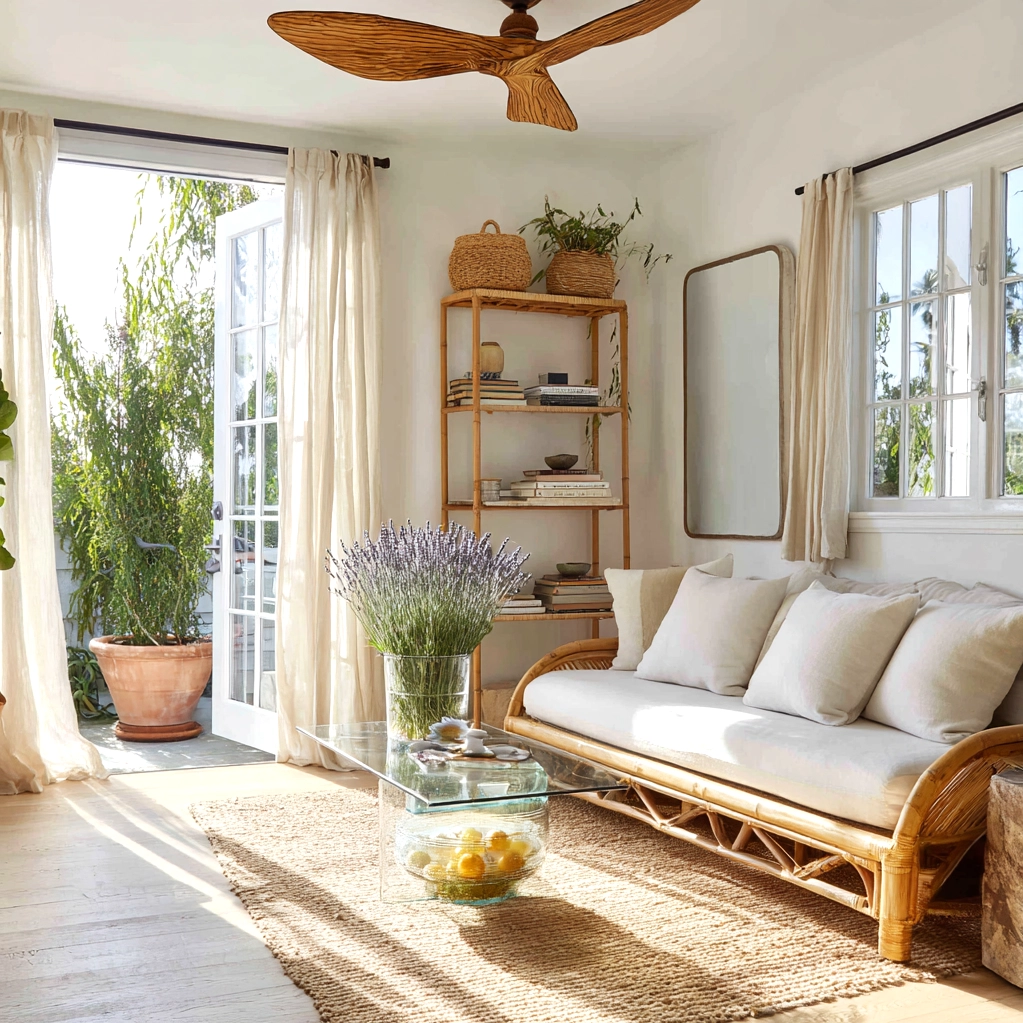
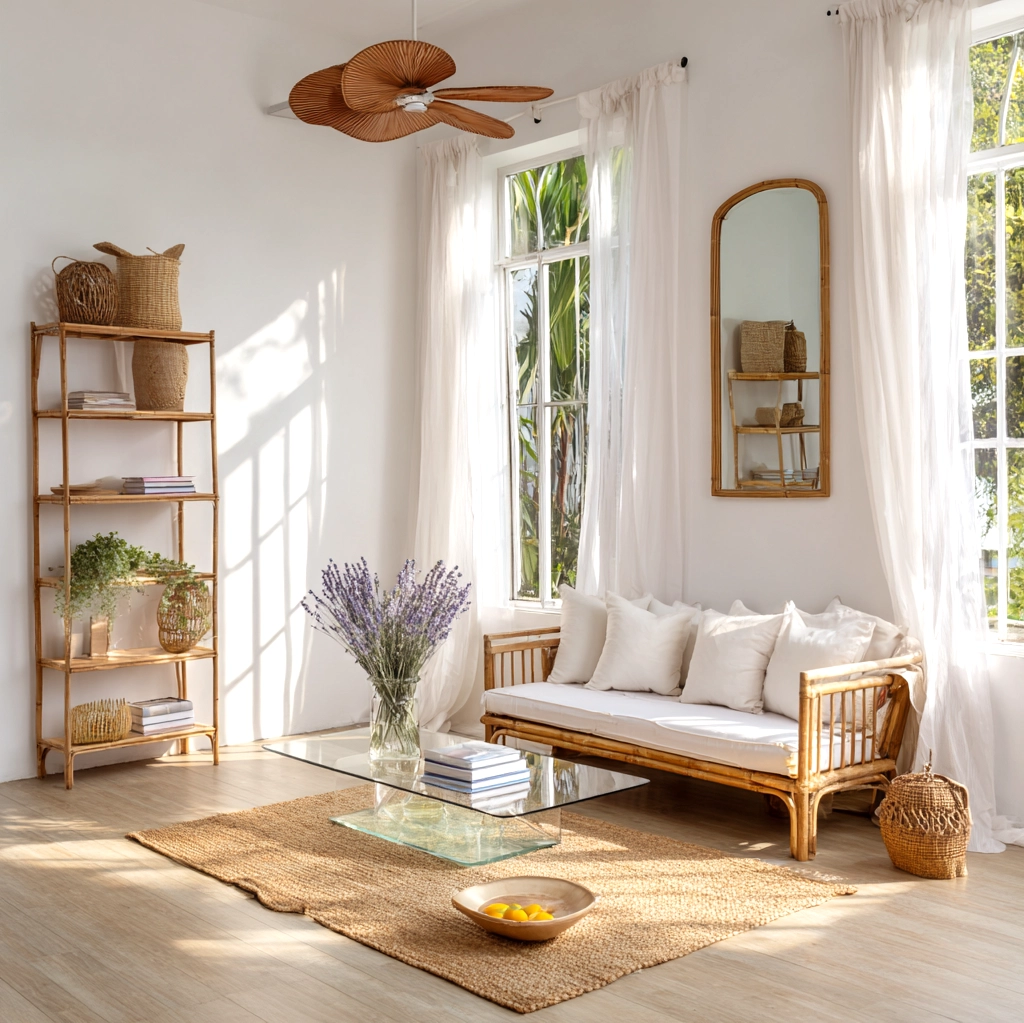
Once the basics are in place, decorating adds personality and seasonal charm to your summer room. Start with botanical touches that bring the outdoors in. Potted plants like succulents, ferns, or lavender not only purify air but also introduce vibrant greenery. Arrange them on windowsills, shelves, or hanging planters to create layers of natural interest. Fresh flowers in simple vases can provide bursts of color and fragrance, evoking garden freshness. For textiles, swap out heavy drapes and blankets for lightweight options. Linen curtains in neutral shades allow light to filter through while maintaining privacy. Add cotton or jute rugs that feel cool underfoot, and layer with cushions in summer patterns like stripes, florals, or nautical motifs. These small changes instantly lighten the room's mood. Art and accessories should reflect the season. Choose artworks with beach scenes, botanical prints, or abstract pieces in cool colors. Display seashells, driftwood, or woven baskets as decorative accents that tell a story of leisure and nature. Lighting is another decor opportunity. Use string lights, lanterns, or solar-powered lamps to create a soft glow for evening relaxation, avoiding harsh overhead lights. Scent can also enhance your summer room. Diffuse essential oils like citrus or eucalyptus, or use naturally scented candles to evoke fresh, clean aromas. Remember, less is more—avoid overcrowding surfaces to maintain that airy feel. Seasonal decor doesn't require a complete overhaul; even a few strategic updates can transform your space into a summer haven that feels curated and cohesive.
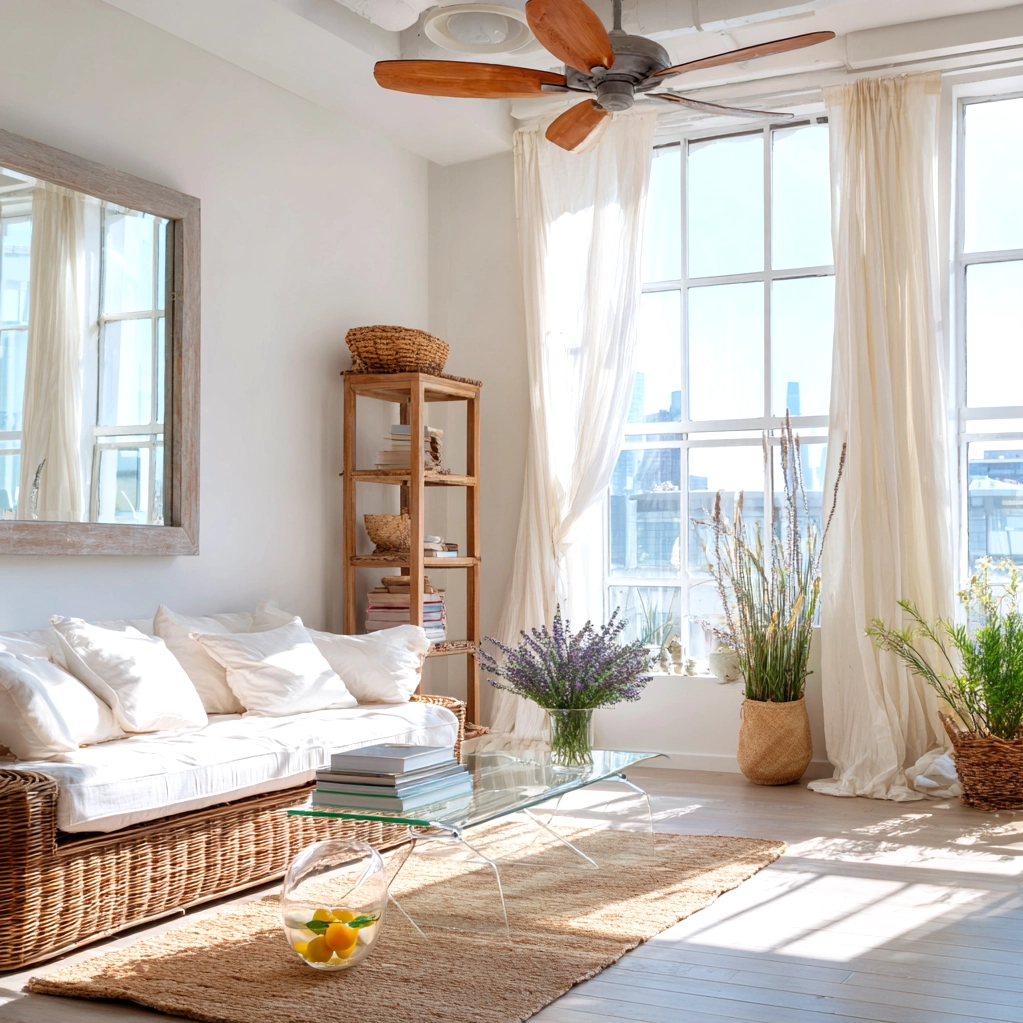
Maximizing Functionality in Your Summer Room
A summer room should be as functional as it is beautiful, adapting to your warm-weather activities. First, consider seating arrangements that encourage relaxation and socializing. Opt for lightweight chairs or modular sofas that can be easily rearranged for conversations or solo lounging. Add outdoor-inspired pieces like a hammock chair or a daybed with breathable fabrics to create cozy nooks for reading or napping. Storage solutions are key to maintaining a clutter-free environment. Use woven baskets, open shelving, or decorative trunks to store blankets, games, or seasonal items, keeping surfaces clear and airy. This not only improves aesthetics but also enhances airflow. For entertainment, create zones that support summer hobbies. A small corner with a bookshelf stocked with beach reads or a board game collection invites leisurely afternoons. If space allows, incorporate a beverage station with a pitcher of infused water or iced tea, using trays and glassware that feel refreshing. Temperature control is a functional priority. Beyond fans, use thermal curtains on sun-facing windows to block heat during peak hours, and consider light-colored blinds to reflect sunlight. Plants can also provide natural shading if placed strategically. Multi-purpose furniture, like a coffee table with storage or foldable side tables, adds versatility for impromptu gatherings. Finally, ensure your summer room supports digital detox by minimizing tech clutter—hide cords and create a charging station out of sight. By blending practicality with comfort, your summer room becomes a hub for enjoyment, whether you're hosting friends, enjoying quiet moments, or simply escaping the heat in style.
Conclusion
Transforming a space into a summer room is more than a seasonal update—it's an investment in your comfort and joy during the warmest months. By focusing on light, airflow, and nature-inspired decor, you can create a retreat that feels both refreshing and personal. We've explored essential elements like color palettes and ventilation, decorating tips that add seasonal flair, and functional strategies to maximize usability. Remember, the goal isn't perfection but creating an environment that resonates with the laid-back spirit of summer. Start small if needed; even a few changes, like adding plants or swapping textiles, can make a significant impact. As you enjoy your summer room, notice how it influences your daily routine, perhaps encouraging more relaxation or social connections. Looking ahead, consider making this a yearly tradition to refresh your space, adapting it to evolving tastes and needs. Embrace the flexibility of seasonal design—what works for summer might inspire cozy winter updates later. Ultimately, a summer room is about crafting moments of bliss in your own home, proving that with thoughtful touches, any room can become a sanctuary. So open those windows, let the light in, and savor the season in a space designed for pure enjoyment.
Frequently Asked Questions
Q: How can I create a summer room on a tight budget?
You don't need to spend a lot to transform your space. Start with simple, cost-effective changes like removing heavy curtains to let in natural light, rearranging furniture to improve airflow, and adding inexpensive plants from local nurseries. Shop your home for lightweight textiles like cotton throws or sheer fabrics, and repurpose items like baskets for storage. DIY projects, such as painting old furniture in light colors or creating botanical art, can also refresh the room without breaking the bank. Focus on decluttering and using what you have—often, a cleaner, more open layout alone makes a big difference.
Q: What are the best colors for a summer room to keep it cool?
Opt for light, reflective colors that evoke calm and coolness. Soft blues, mint greens, pale yellows, and crisp whites are excellent choices as they mimic sky, water, and sand, creating a serene atmosphere. Neutral tones like beige, ivory, or light gray also work well, providing a versatile backdrop. Avoid dark colors like deep reds or browns, which can absorb heat and make a room feel warmer. If you prefer patterns, incorporate them in accents like cushions or rugs using these cool hues to maintain an airy feel.
Q: Can I turn a small room into a functional summer space?
Absolutely! Small rooms can become cozy summer retreats with smart design. Use mirrors to create the illusion of more space and reflect light. Choose multi-functional furniture, such as a daybed that serves as seating and a guest bed, or nesting tables that save space. Keep decor minimal to avoid clutter—focus on a few key pieces like a plant or a light rug. Vertical storage, like wall shelves or hanging planters, maximizes floor area. Ensure good ventilation with a small fan and light window treatments to make the room feel open and breezy.