
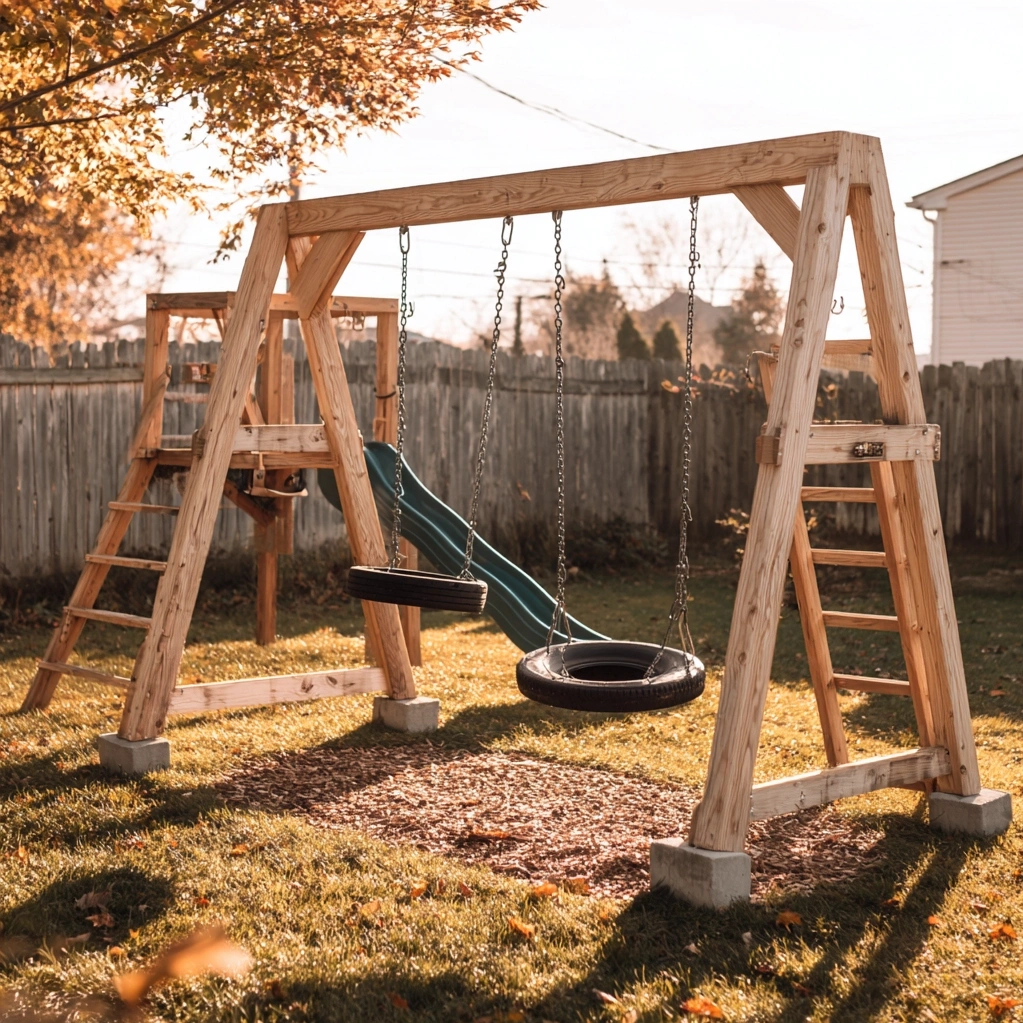
Creating a backyard swing set is more than just building a play structure—it’s about crafting memories that will last a lifetime. With thoughtful swing set plans, you can design a safe, engaging space that encourages outdoor play, physical activity, and imagination. Many families dream of having a custom swing set, but the cost of pre-built options can be prohibitive. That’s where DIY plans come in, offering an affordable and rewarding alternative. By following detailed swing set plans, you gain control over every aspect of the project, from materials to design features. This ensures the final product fits your space perfectly and meets your family’s specific needs. Whether you’re a seasoned builder or a first-time DIYer, having clear plans makes the process manageable and enjoyable. Beyond the practical benefits, building a swing set yourself allows for personalization. You can add unique touches like themed decorations, multiple swings, or even integrate it with existing garden features. The process becomes a family project, teaching valuable skills to children while creating something tangible they’ll use for years. Investing time in proper swing set plans pays off in safety, durability, and satisfaction. A well-built swing set withstands weather and vigorous play, becoming a centerpiece of backyard fun. Let’s explore how to choose and execute the perfect plans for your home.
Essential Swing Set Plans for Every Skill Level
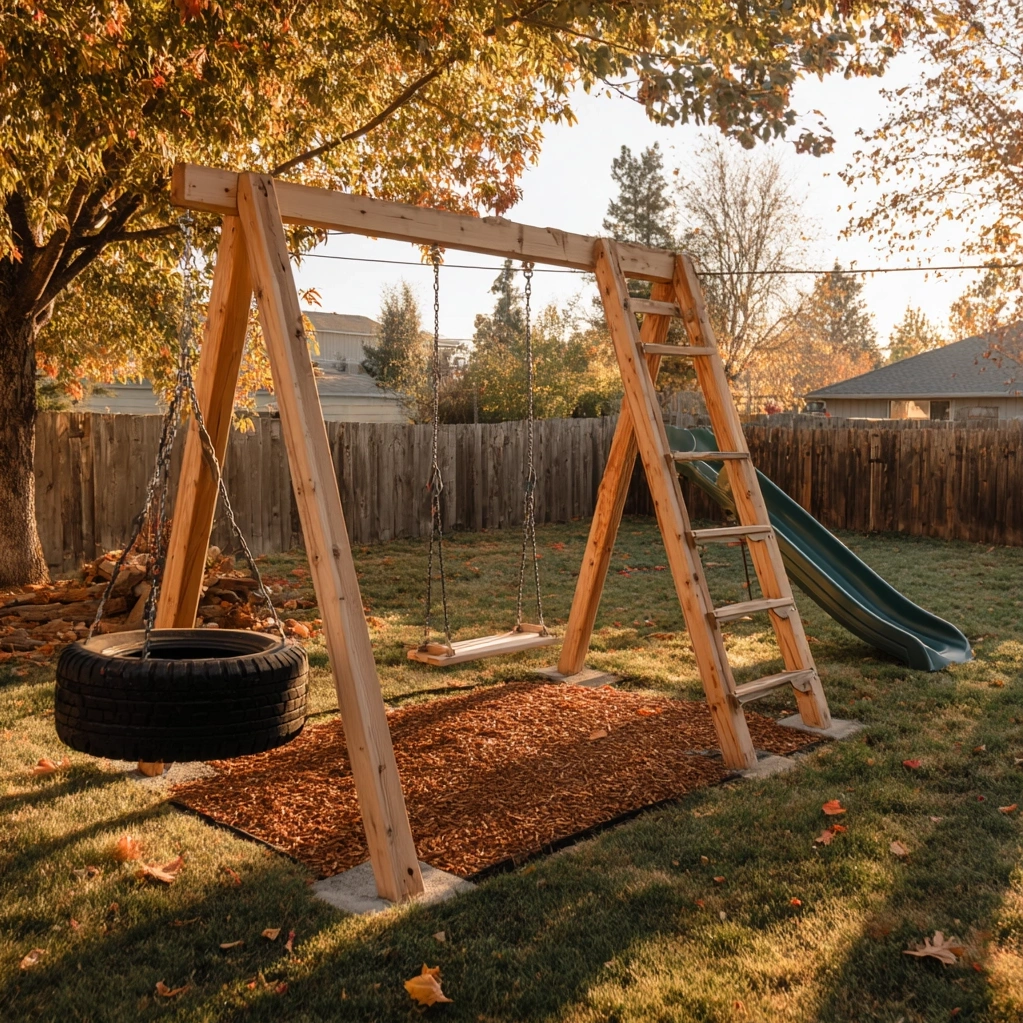
When selecting swing set plans, consider your building experience and available tools. Beginner-friendly plans typically feature straightforward designs with minimal cuts and basic joinery. These might include simple A-frame structures with one or two swings, using common lumber sizes. Intermediate plans often introduce more complex elements like multiple swing bays, climbing walls, or small platforms. Advanced swing set plans can incorporate elaborate features such as towers, slides, monkey bars, and covered areas. Regardless of skill level, all quality plans should include detailed material lists, cut diagrams, and step-by-step instructions. Look for plans that specify hardware types and quantities, as this prevents costly trips to the hardware store. Many plans are available online or in woodworking books, often with user reviews that highlight potential challenges. For families, consider plans that allow for future modifications—adding another swing or extending a platform as children grow. Safety should always be paramount in any swing set plans. Ensure the design includes proper anchoring methods to prevent tipping, smooth edges to avoid splinters, and adequate spacing between components. The best plans balance creativity with practicality, resulting in a structure that's both fun and durable. Taking time to review multiple swing set plans helps you find one that matches your vision and capabilities.
Materials and Tools for Successful Swing Set Plans
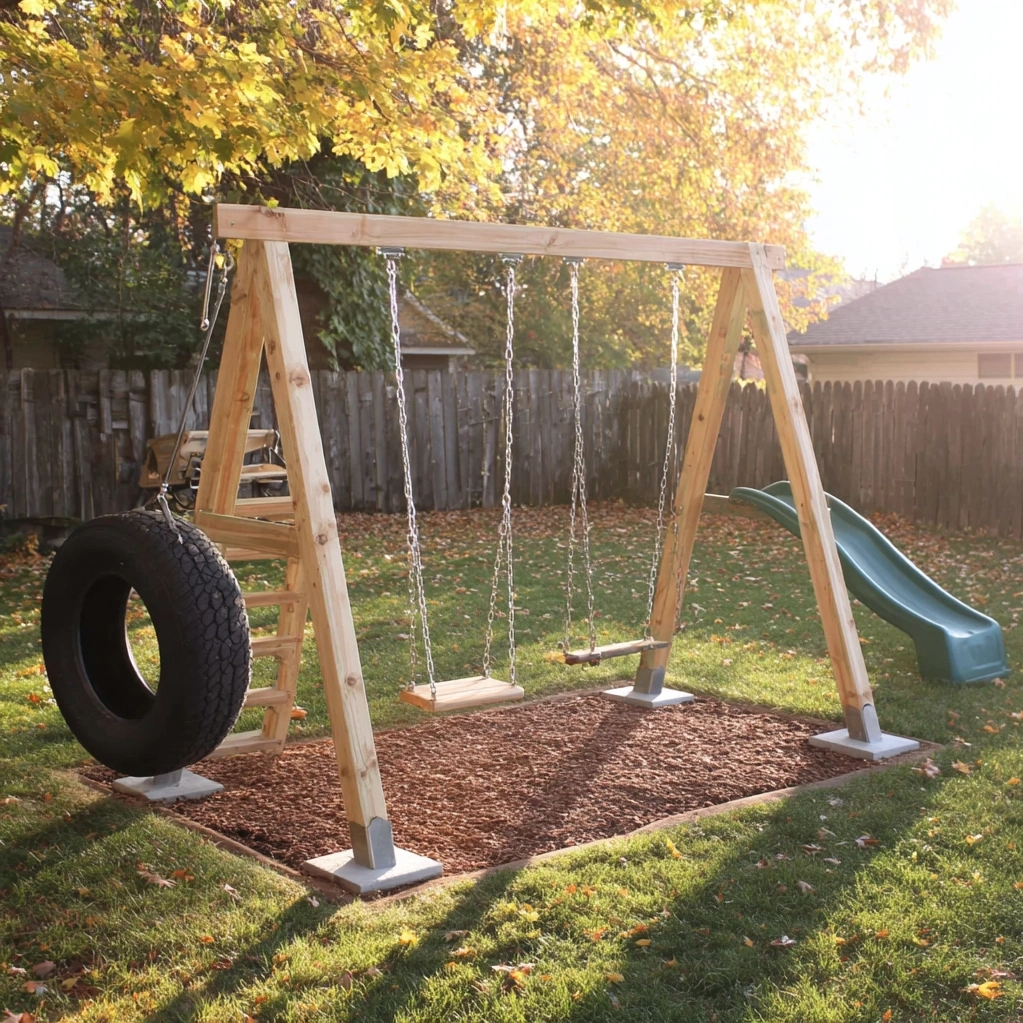
Executing swing set plans requires careful selection of materials and tools. Pressure-treated lumber is a common choice for its resistance to rot and insects, but cedar or redwood offer natural durability and aesthetic appeal. Hardware should include galvanized or stainless steel bolts, screws, and chains to prevent rust. Swing seats come in various materials: durable plastic for young children, rubber for comfort, or traditional wood for a classic look. For tools, basic carpentry equipment suffices for most swing set plans. A circular saw or miter saw ensures accurate cuts, while a drill with appropriate bits handles fastening. Level, tape measure, and square are essential for maintaining alignment during assembly. Safety gear like gloves and goggles protects you during construction. When sourcing materials, check local building codes for any requirements regarding swing set plans in residential areas. Some municipalities have regulations about height, setbacks from property lines, or anchoring depth. Proper preparation prevents delays and ensures compliance. Consider the ground surface beneath the swing set—soft materials like mulch or rubber tiles cushion falls. Many swing set plans include recommendations for ground preparation, which is crucial for safety. Investing in quality materials might increase upfront costs but extends the lifespan of your swing set. Regular maintenance, like tightening bolts and inspecting for wear, keeps it safe for years. With the right supplies, your swing set plans transform from paper to reality efficiently.
Customizing Swing Set Plans for Unique Backyards
One of the greatest advantages of DIY swing set plans is the ability to customize. Start by assessing your backyard's layout: measure available space, note slopes, and identify any obstacles like trees or fences. Many plans can be adapted to fit irregular shapes or smaller areas. For sloped yards, consider tiered designs or built-in leveling features. Customization extends to features—add a sandbox beneath a platform, incorporate a chalkboard panel, or include a picnic table attachment. Themed swing set plans, like pirate ships or castle towers, spark children's imaginations. Color choices for paint or stain allow coordination with your home's exterior or garden decor. When modifying swing set plans, maintain structural integrity. Consult building resources if adding significant weight or height. For families with children of different ages, include varied elements: low swings for toddlers, higher ones for older kids, and maybe a glider for group play. Accessibility can also be addressed; some plans feature ramps or wider platforms for inclusive use. Think about seasonal adjustments: removable shades for summer sun, or storage for cushions during winter. Custom swing set plans might integrate with existing landscaping, such as wrapping around a tree or bordering a flower bed. This creates a cohesive outdoor environment. Document any changes you make to the original plans for future reference or if repairs are needed. Personalized swing set plans ensure your creation is uniquely suited to your family's enjoyment and backyard aesthetics.
Safety and Maintenance Tips from Expert Swing Set Plans
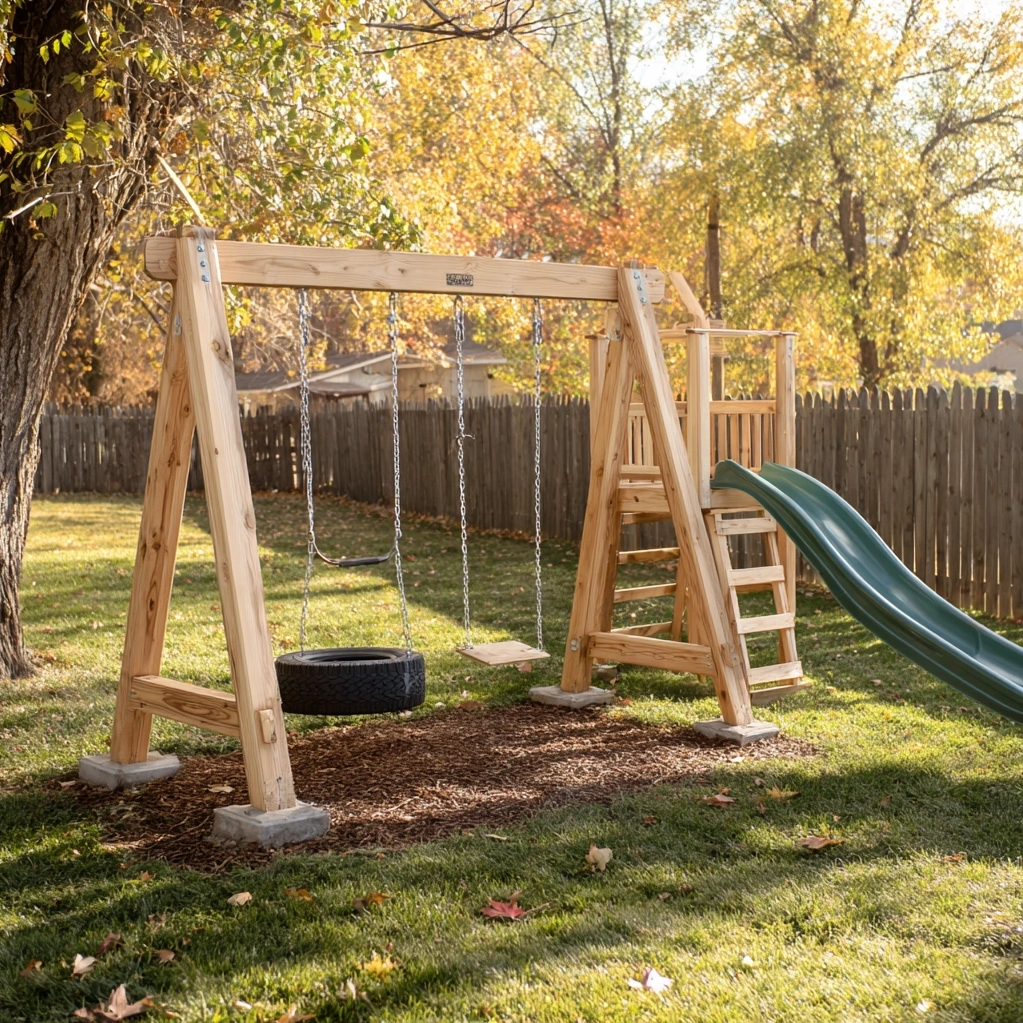
Safety is the cornerstone of any reliable swing set plans. During construction, follow plans precisely to ensure all joints are secure and load-bearing elements are robust. Use hardware designed for outdoor use to prevent corrosion failure. Anchoring is critical; most swing set plans recommend concrete footings or ground anchors to stabilize the structure against swinging motion. Regularly inspect the swing set for loose bolts, cracked wood, or worn swing chains. Tighten connections as needed and replace damaged parts immediately. The surrounding area should have a soft surface like wood chips, sand, or rubber mulch to cushion falls. Maintain adequate clearance around the swing set—at least six feet in front and back of swings, free of obstacles. Many swing set plans include maintenance schedules, suggesting seasonal checks for weather damage. In winter, remove snow buildup to prevent excessive weight on platforms. Apply sealant or stain every few years to protect wood from moisture and UV rays. When children use the swing set, establish rules like no standing on swings or pushing too high. Adult supervision is recommended, especially for younger kids. Some advanced swing set plans incorporate safety features like enclosed platforms or handrails. Always prioritize these elements over decorative additions. By adhering to safety guidelines in your swing set plans and performing routine maintenance, you ensure years of secure play. This proactive approach minimizes risks and extends the life of your investment, keeping the backyard a happy, safe space for all.
Conclusion
Building a swing set from detailed plans offers immense rewards, blending practicality with creativity to enhance your outdoor living space. We've explored how to choose plans suited to your skill level, select the right materials and tools, customize designs for your unique backyard, and prioritize safety through construction and maintenance. These steps transform a simple project into a lasting family asset. Swing set plans empower you to create more than just a play structure—they foster an environment where children develop physical skills, social interactions, and a love for the outdoors. The DIY process itself becomes a valuable experience, teaching problem-solving and craftsmanship. As you complete your swing set, consider its long-term role in your home. It might evolve with your family, adapting as children grow or serving as a nostalgic centerpiece for years. Future enhancements could include adding a tire swing, building a adjacent playhouse, or integrating garden elements like climbing vines. The flexibility of custom plans means your creation can change alongside your needs. Embrace the journey of building from swing set plans, and enjoy the countless hours of laughter and play it will bring. Your backyard will transform into a vibrant hub of activity, all thanks to thoughtful planning and effort. Start sketching your dream today, and watch as plans turn into cherished memories.
Frequently Asked Questions
Q: What are the most important factors to consider when choosing swing set plans?
When selecting swing set plans, prioritize safety, skill level, and space. Ensure the plans include detailed instructions for secure construction, such as proper anchoring and hardware specifications. Match the complexity of the plans to your building experience—beginners should opt for simple A-frame designs, while experienced builders can tackle multi-feature structures. Measure your backyard accurately to confirm the swing set will fit with adequate clearance around it. Also, consider materials availability and cost, as some plans require specialized lumber or components. Checking user reviews of plans can highlight potential challenges or successes.
Q: How much does it typically cost to build a swing set from plans?
The cost to build a swing set from plans varies widely based on size, materials, and features. A basic wooden swing set with two swings might cost $200 to $500 for materials like pressure-treated lumber, hardware, and swings. More elaborate plans with platforms, slides, or climbing walls can range from $500 to $1500 or more. Factors affecting cost include wood type (cedar is pricier than pine), quality of hardware, and additional elements like shade covers or sandboxes. DIY building saves on labor costs compared to pre-made sets, which often start at $1000. Always budget extra for tools if needed and ground preparation materials like mulch.
Q: Can swing set plans be modified for children with disabilities?
Yes, swing set plans can often be modified for accessibility. Look for plans that allow adjustments such as lower platforms, wider ramps instead of ladders, or adaptive swing seats. Some designs incorporate bucket swings with harnesses for better support. When customizing, ensure structural integrity remains intact—consult resources or professionals if adding significant weight. The ground surface should be firm and level for wheelchair access if needed. Many communities have guidelines for inclusive play equipment, which can inspire modifications. Prioritize safety and comfort to create a welcoming space for all children to enjoy.