
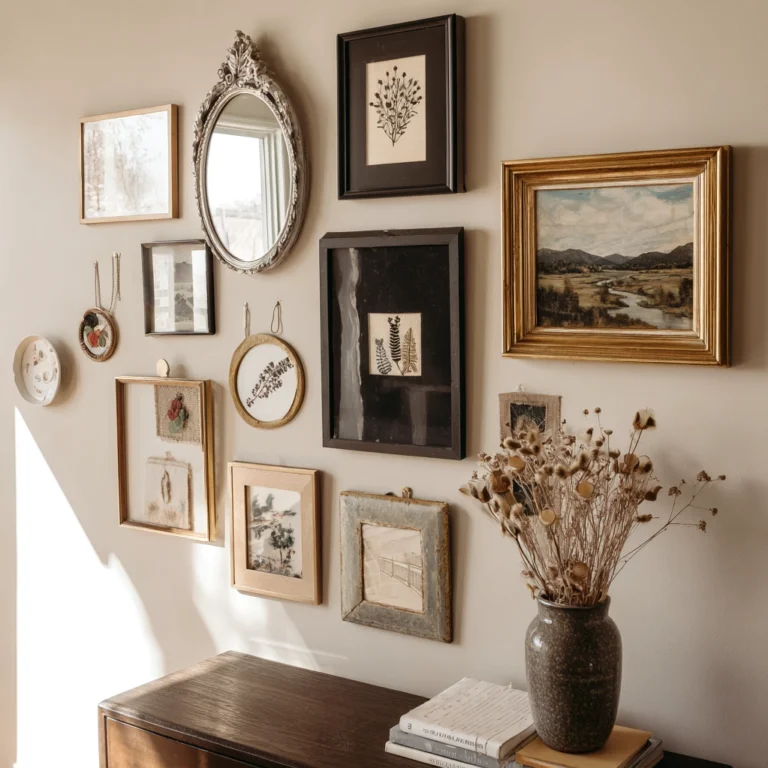
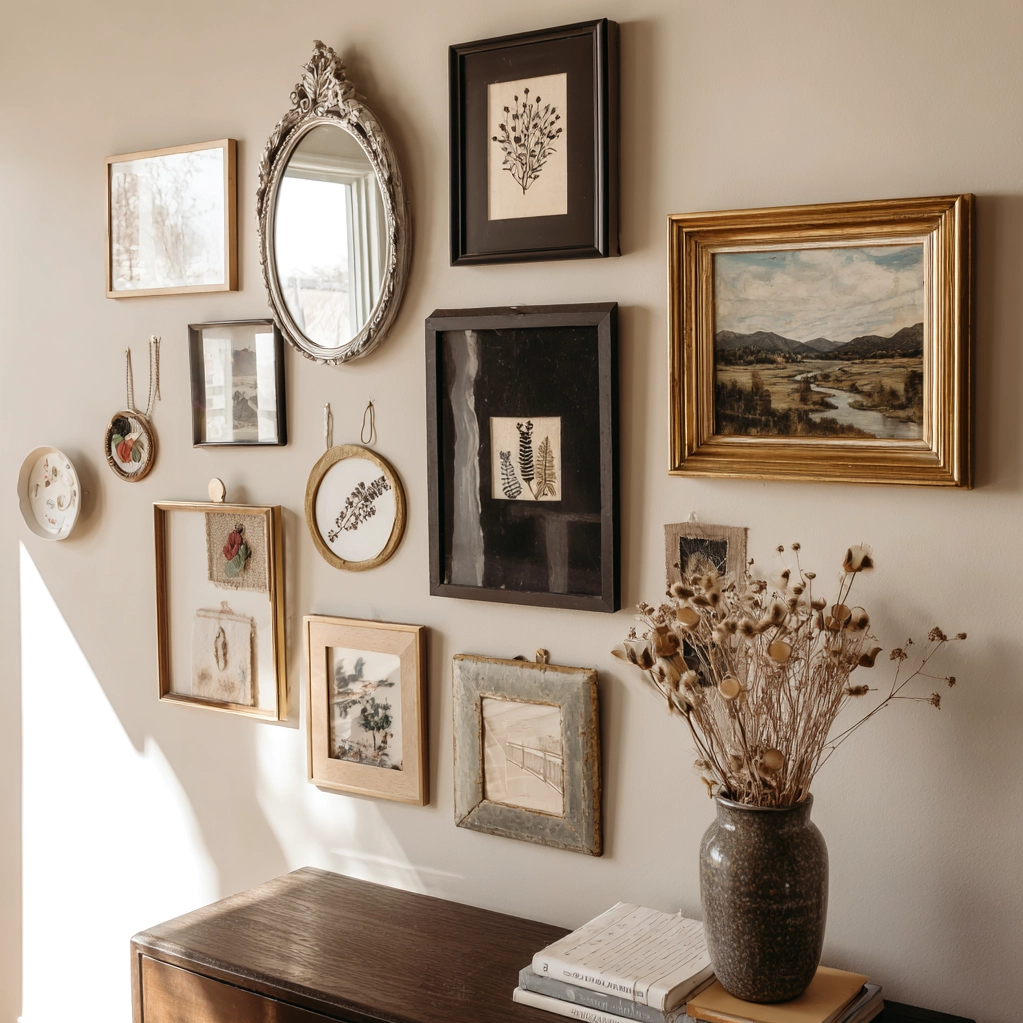
Have you ever walked into a room and felt it lacked soul? Many homes suffer from generic decor that fails to reflect the people living there. A thrifted gallery wall offers the perfect solution to this common problem. Unlike store-bought art collections that can feel impersonal and expensive, creating a gallery wall from thrifted finds allows you to build a display that’s uniquely yours. This approach celebrates creativity, sustainability, and storytelling through decor.
Thrifting for art and frames transforms the decorating process into an adventure. Each piece you discover has its own history and character. A vintage landscape painting, a quirky print from the 70s, or an ornate frame can become the foundation of your display. The beauty of a thrifted gallery wall lies in its imperfections and eclectic nature. It doesn't need to match perfectly or follow strict design rules. Instead, it evolves organically as you collect pieces that speak to you.
Beyond aesthetics, this approach is budget-friendly and environmentally conscious. By giving secondhand items new life, you reduce waste while creating meaningful decor. A thrifted gallery wall becomes more than just wall decoration—it's a conversation starter that reflects your personality and values. Whether you're an experienced decorator or just starting out, this method offers flexibility and creative freedom that mass-produced decor simply can't match. Your walls become a canvas for your unique story.
Discovering Hidden Gems: The Art of Thrifting for Your Gallery Wall
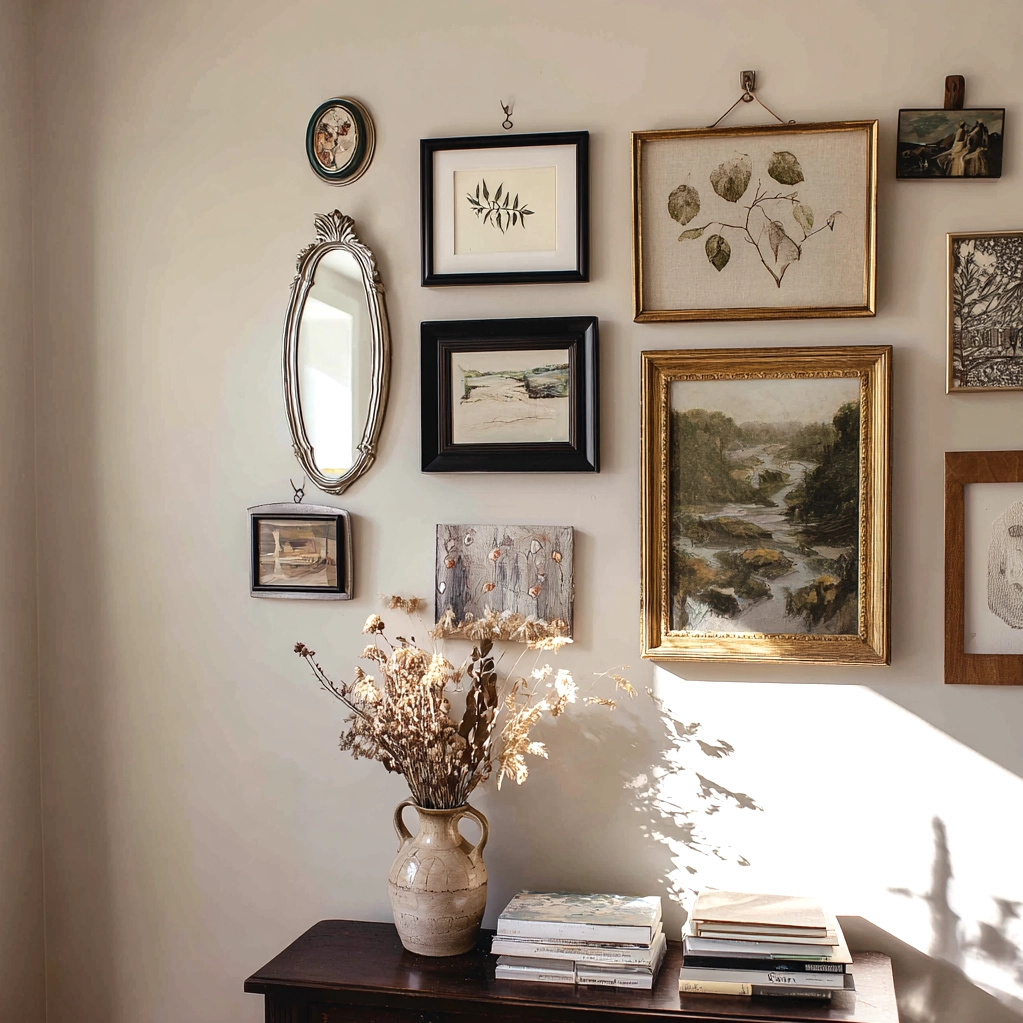
The journey to creating a stunning thrifted gallery wall begins with the hunt. Thrift stores, flea markets, estate sales, and online marketplaces are treasure troves waiting to be explored. Approach thrifting with an open mind—you never know what you'll find. Look beyond traditional art pieces. Vintage postcards, old book illustrations, embroidery hoops, decorative plates, and even interesting fabric can become part of your display.
When searching for gallery wall components, consider both the art itself and the frames. Sometimes an amazing frame with mediocre art inside can be transformed by replacing the artwork. Look for frames with interesting details—carved wood, ornate gold leaf, or unique shapes. Don't be afraid to mix frame styles; this adds character to your thrifted gallery wall. Matte black frames can coexist beautifully with distressed gold ones when arranged thoughtfully.
Bring measuring tape and photos of your wall space when thrifting. This helps you visualize how pieces might fit together. Remember that thrifted items often need cleaning or minor repairs. A little polish on a brass frame or fresh paint on a wooden one can make a huge difference. The most successful thrifted gallery walls often include unexpected elements—a small mirror, a collection of keys, or antique kitchen utensils framed like art. These personal touches make your display truly unique.
Patience is key when building a thrifted gallery wall. You might not find everything you need in one trip. Enjoy the process of gradual discovery. Each piece you add brings new texture and story to your collection. Over time, your thrifted gallery wall becomes a living display that you can continue to expand and rearrange as you find new treasures.
Designing Your Layout: Creating a Cohesive Thrifted Gallery Wall
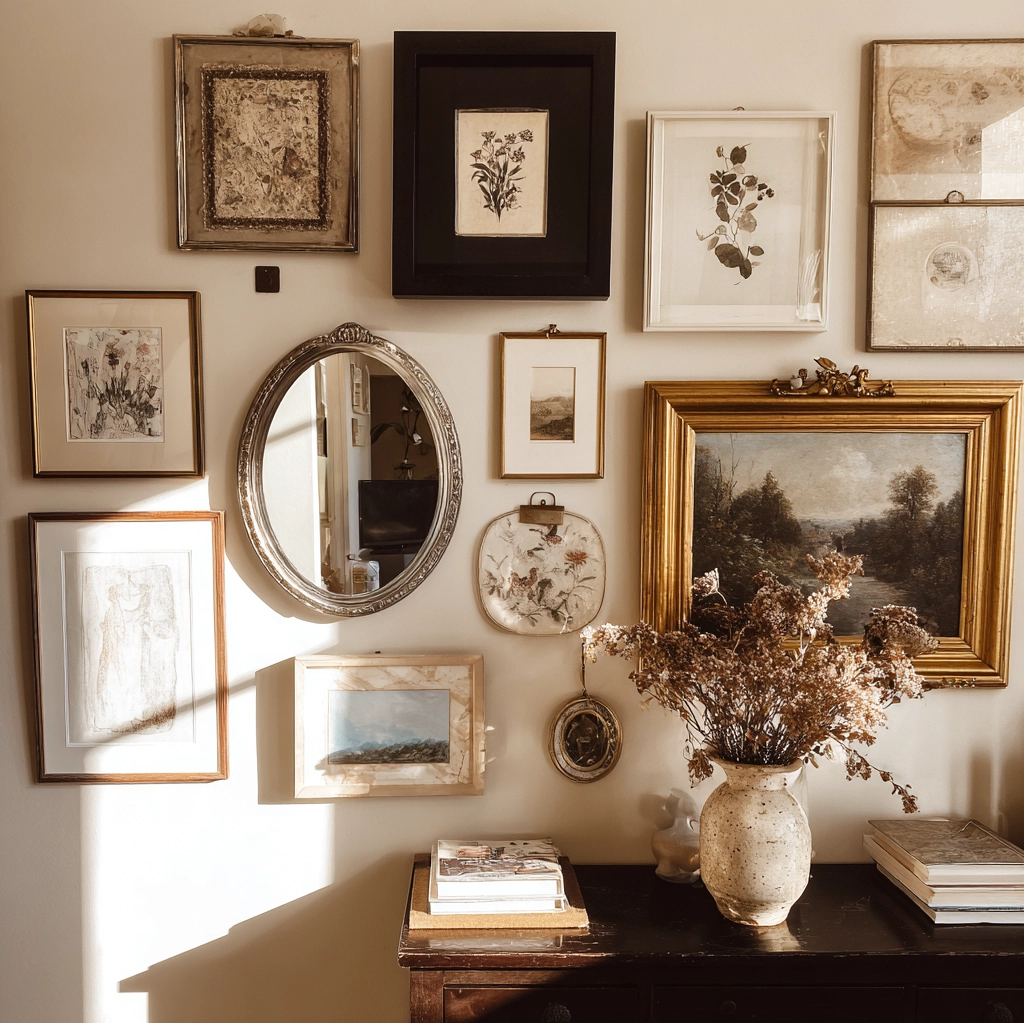
Once you've collected your thrifted pieces, the real fun begins—arranging your thrifted gallery wall. Start by laying all your pieces on the floor. This allows you to experiment with different layouts without putting holes in your wall. Consider the overall shape you want: a grid for a clean look, an organic cluster for eclectic charm, or a symmetrical arrangement for traditional appeal.
Balance is crucial in a thrifted gallery wall. Distribute colors, sizes, and textures evenly across your arrangement. If you have one large statement piece, place it slightly off-center as an anchor. Surround it with smaller complementary pieces. Create visual connections by repeating colors or themes throughout your display. For example, if you have several pieces with blue tones, spread them throughout the arrangement rather than clustering them together.
Spacing matters in a thrifted gallery wall. Leave 2-3 inches between frames for a cohesive look. Use a level and measuring tape when hanging to ensure everything is straight. Consider creating paper templates of your frames to tape on the wall first. This makes adjusting the layout much easier before committing to nail holes. A thrifted gallery wall should feel intentional, not haphazard, even with eclectic pieces.
Don't forget about negative space. The wall around your thrifted gallery wall is just as important as the pieces themselves. Make sure your arrangement has breathing room. If you're placing your thrifted gallery wall above furniture, leave 6-8 inches between the bottom of your lowest piece and the furniture top. This creates a visual connection without crowding. Remember that your thrifted gallery wall can evolve—you can always add new finds or rearrange pieces as your collection grows.
Personalizing Your Display: Adding Meaning to Your Thrifted Gallery Wall
A thrifted gallery wall becomes truly special when it reflects your personal story. Beyond just decorating, this is an opportunity to create a display with emotional resonance. Incorporate pieces that have personal meaning—a vintage map of your hometown, botanical prints of flowers that grow in your garden, or artwork in colors that make you happy. These connections transform your thrifted gallery wall from mere decoration to personal expression.
Consider mixing thrifted finds with your own creations. Frame children's artwork, personal photographs, or your own paintings alongside your thrifted pieces. This blend makes your thrifted gallery wall uniquely yours. You might also include three-dimensional elements like shadow boxes containing collected objects. Seashells from beach vacations, vintage keys, or pressed flowers add depth and interest to your thrifted gallery wall.
Lighting can dramatically enhance your thrifted gallery wall. Consider installing picture lights above larger pieces or using directional track lighting to highlight your collection. Natural light also plays a role—notice how sunlight moves across your wall throughout the day. Position pieces to avoid glare on glass-covered items. A well-lit thrifted gallery wall becomes a focal point that draws attention and creates ambiance.
Your thrifted gallery wall should tell a story about who you are and what you value. Group pieces thematically—all landscapes together, or create a section dedicated to typography and text-based art. Include pieces that represent different eras for historical interest. The most successful thrifted gallery walls feel curated rather than random. They demonstrate thoughtfulness in selection and arrangement while maintaining the charming imperfections that make thrifted items special.
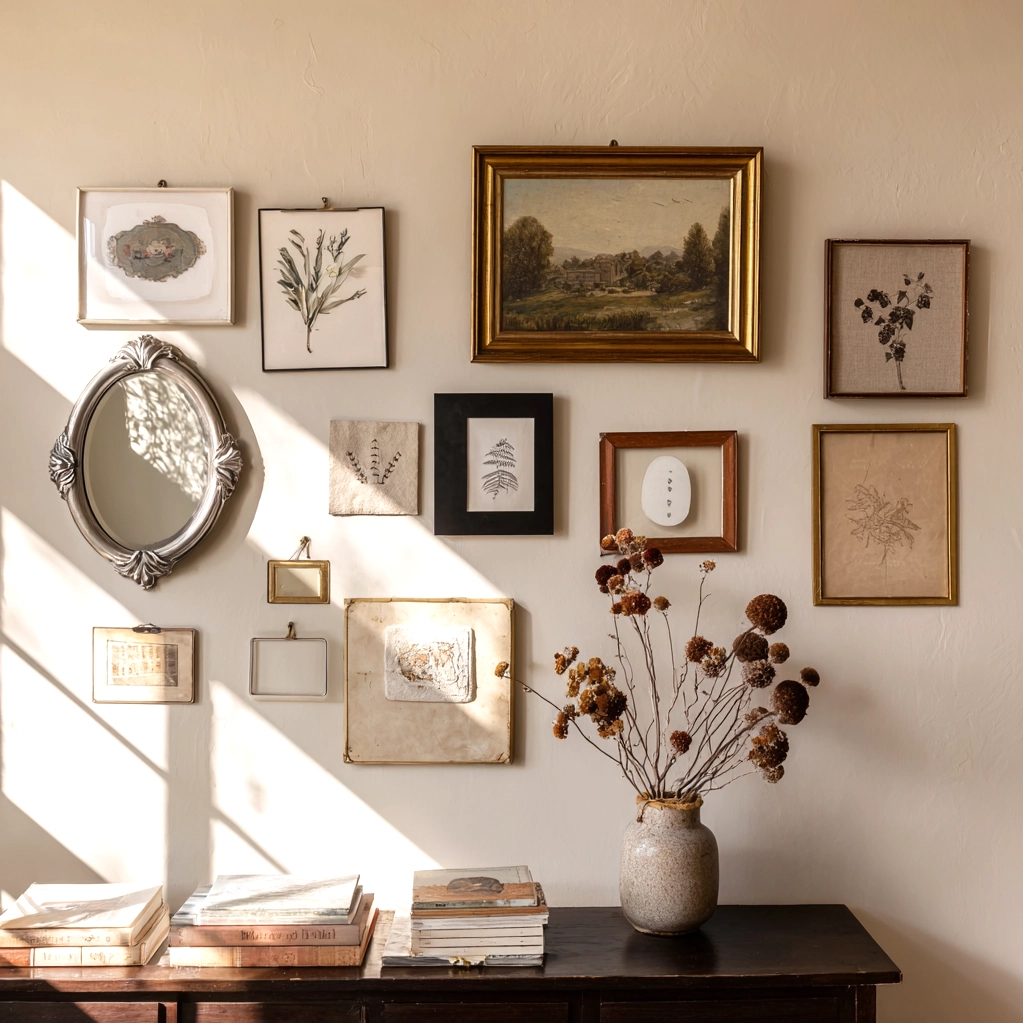
Maintaining and Evolving Your Thrifted Gallery Wall Over Time
A thrifted gallery wall is not a static display—it's a living collection that can grow and change with you. Regular maintenance keeps your thrifted gallery wall looking fresh. Dust frames gently with a soft cloth, and check that all pieces remain securely hung. Over time, sunlight may fade some artwork, so consider rotating pieces or using UV-protective glass for particularly valuable finds.
As your thrifting adventures continue, you'll naturally find new pieces to incorporate. Rather than completely redoing your thrifted gallery wall, look for opportunities to expand or refresh specific sections. You might replace one smaller piece with a new find, or add an entirely new cluster adjacent to your existing arrangement. This gradual evolution maintains the organic feel of your thrifted gallery wall while keeping it dynamic and interesting.
Seasonal changes offer perfect opportunities to update your thrifted gallery wall. For spring, you might incorporate more botanical prints or lighter-colored frames. In autumn, richer tones and landscape paintings can create cozy warmth. These subtle shifts keep your thrifted gallery wall feeling current without requiring a complete overhaul. Holiday pieces can be temporarily added—a vintage Christmas card in a simple frame, for example—then stored until next year.
Document the evolution of your thrifted gallery wall with photographs. This not only helps you remember different arrangements you've tried but also celebrates the journey of building your collection. Share your thrifted gallery wall with visitors—each piece likely has an interesting backstory about where and when you found it. As your display matures, it becomes more than decor; it becomes a visual diary of your thrifting adventures and personal growth. A well-maintained thrifted gallery wall continues to bring joy and character to your space for years to come.
Conclusion
Creating a thrifted gallery wall is more than just a decorating project—it's a journey of discovery, creativity, and personal expression. This approach to wall decor celebrates individuality while being kind to both your wallet and the environment. Each piece you incorporate tells a story, whether it's about the item's history, where you found it, or why it resonates with you. The eclectic nature of thrifted items creates depth and interest that mass-produced art simply cannot replicate.
Your thrifted gallery wall becomes a living part of your home that evolves with your tastes and experiences. It reflects your unique perspective and adds soul to your space. The imperfections and variety of thrifted pieces create visual texture that makes rooms feel lived-in and welcoming. Unlike perfectly matched store-bought collections, a thrifted gallery wall has character and authenticity.
Looking forward, consider your thrifted gallery wall as an ongoing project rather than a finished display. Continue to hunt for interesting pieces during your thrifting adventures. Swap out items seasonally or as your interests change. Share your knowledge with friends who admire your display—you might inspire others to start their own thrifted gallery walls. The skills you develop in curating and arranging will serve you in other decorating projects as well.
Most importantly, enjoy the process. The hunt for treasures, the creative arrangement, and the personal connections you build with each piece are what make a thrifted gallery wall truly special. Your walls become not just decorated surfaces, but canvases that showcase your life's stories and aesthetic journey. Start small, trust your instincts, and watch as your thrifted gallery wall transforms your space into a home that's unmistakably yours.
Frequently Asked Questions
Q: How do I start a thrifted gallery wall if I've never thrifted before?
Begin with a visit to your local thrift store with an open mind. Don't feel pressured to find everything at once. Start by looking for interesting frames—even empty ones can be filled with your own photos or art later. Focus on pieces that genuinely appeal to you rather than trying to match a specific style. Bring measurements of your wall space to help visualize scale. Remember that you can always paint frames or replace artwork inside them. Start with 3-5 pieces and build from there as you become more comfortable thrifting.
Q: How do I make different thrifted pieces look cohesive together?
Create cohesion through careful arrangement and subtle connections. Use a consistent color palette—even if frames are different styles, sticking to 2-3 main colors (like black, white, and gold) helps unify the display. Maintain consistent spacing between pieces (2-3 inches works well). You can also create thematic connections: group all landscape art together, or all text-based pieces in one section. Matting can help—using similar colored mats in all frames creates visual harmony. Most importantly, trust your eye; sometimes unexpected combinations create the most interesting displays.
Q: What if I make mistakes in my thrifted gallery wall arrangement?
Mistakes are part of the process and easily corrected. Use removable adhesive hooks or painters tape to test arrangements before making permanent holes. If you don't like how something looks after hanging, simply move it—small nail holes are easily filled with spackle. Thrifted gallery walls are meant to evolve, so don't strive for perfection. Sometimes 'mistakes' lead to creative breakthroughs. If a piece truly doesn't work, you can always replace it with another thrifted find. The flexibility of this approach is one of its greatest advantages.