
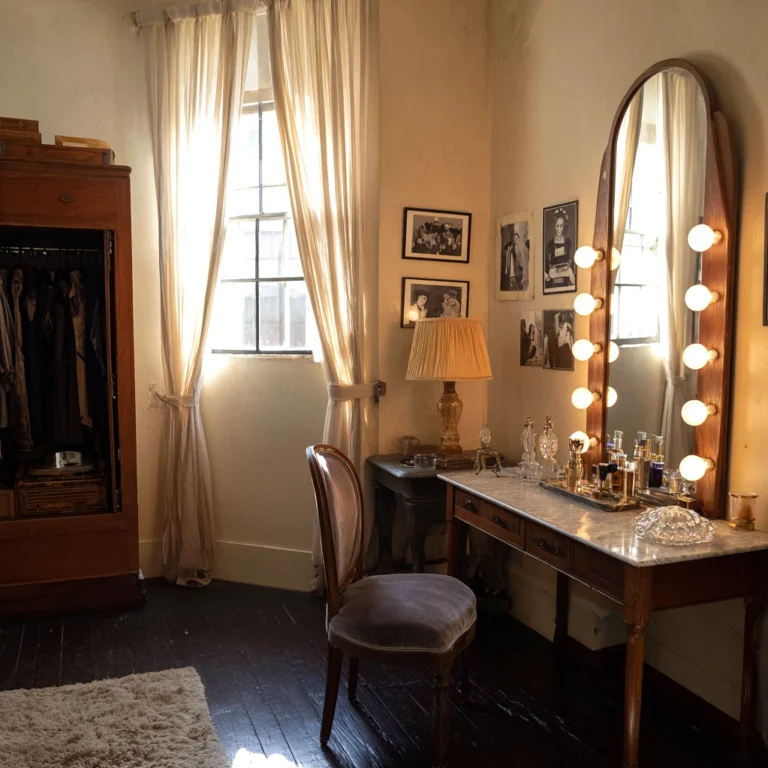
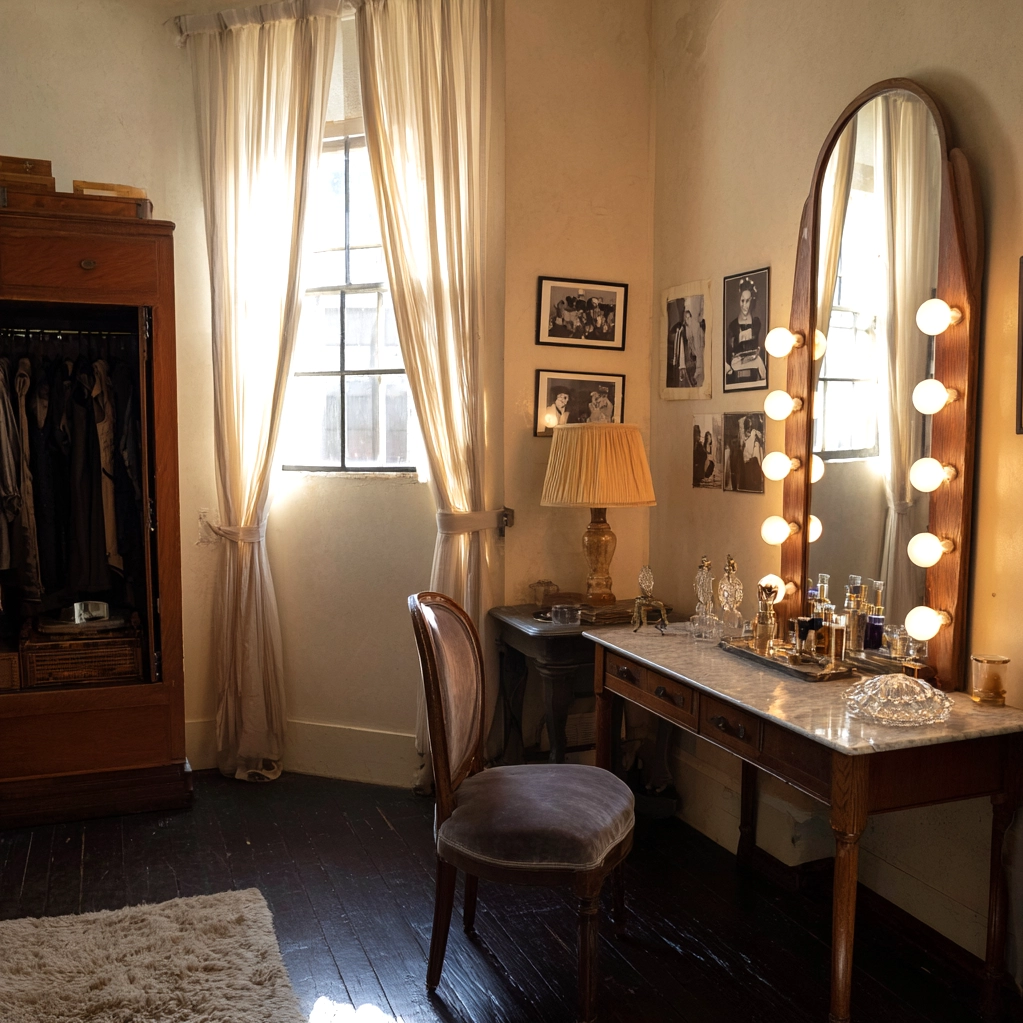
Step into the world of vintage dressing rooms Hollywood, and you’ll discover more than just spaces for changing clothes—you’ll find intimate sanctuaries where stars prepared for their iconic roles, practiced their craft, and expressed their unique personalities. These rooms represent a golden era of filmmaking when personal style and theatrical presentation were paramount. From the 1920s through the 1960s, dressing rooms served as creative havens where actors transformed into characters that would captivate audiences for generations. The importance of these spaces extends beyond their practical function. They were psychological retreats where performers gathered their thoughts before stepping onto sound stages, and they reflected the glamour and artistry of Hollywood’s most celebrated period. Today, vintage dressing rooms offer inspiration for anyone seeking to create a personal sanctuary in their own home—a space that blends functionality with timeless elegance. Understanding their design principles helps us appreciate how these rooms balanced practical needs with aesthetic beauty, creating environments that supported both professional performance and personal wellbeing. The allure of vintage Hollywood dressing rooms lies in their ability to combine luxury with intimacy, creating spaces that felt both grand and personal. These rooms weren’t just utilitarian spaces—they were extensions of the stars who inhabited them, filled with personal touches, cherished possessions, and design elements that reflected individual tastes. From custom-built vanities to carefully curated lighting, every element served both practical and psychological purposes. As we explore these historic spaces, we uncover design wisdom that remains relevant today, reminding us that our personal spaces should support both our practical needs and our creative spirits. The vintage dressing rooms of Hollywood offer a blueprint for creating environments that nurture both productivity and personal expression.
The Evolution of Vintage Dressing Rooms Hollywood
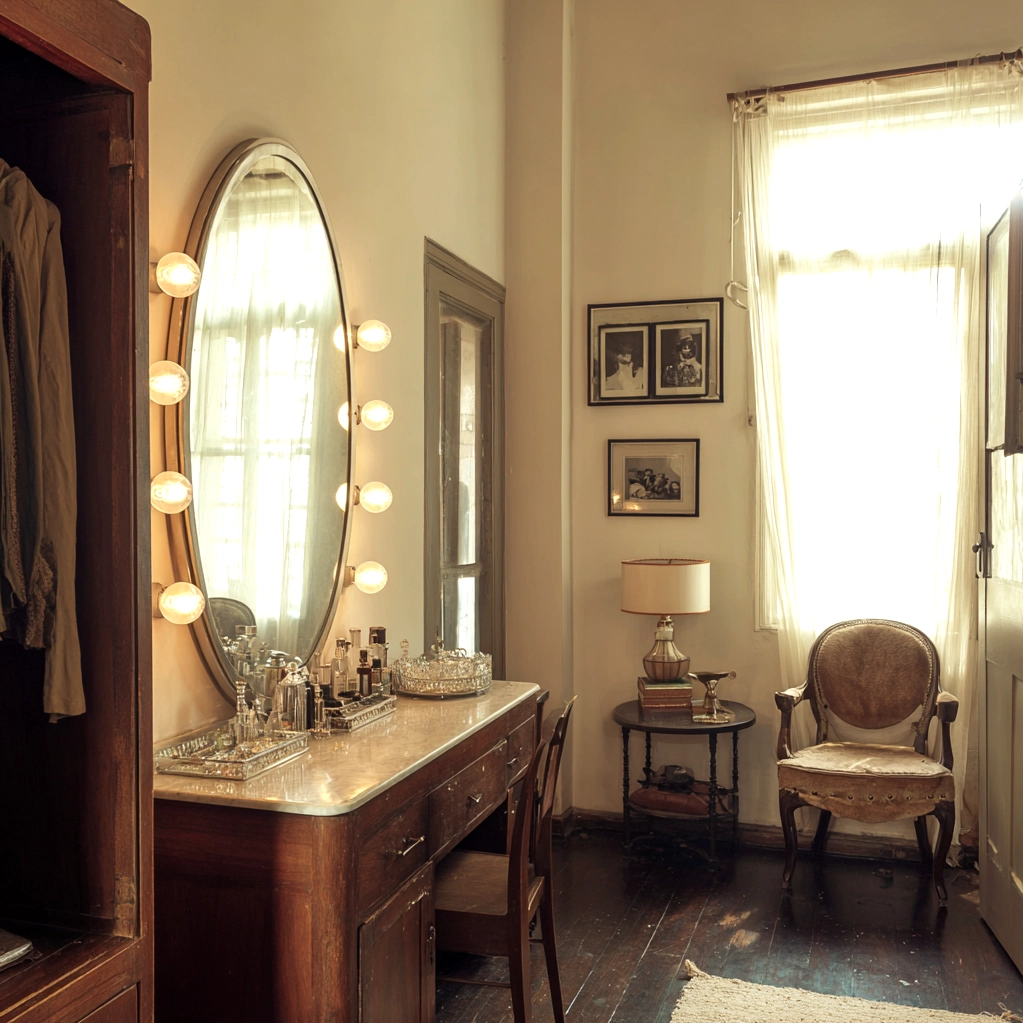
The history of vintage dressing rooms Hollywood reveals a fascinating evolution from simple backstage areas to luxurious personal retreats. In the early days of silent films, dressing rooms were often modest spaces shared among actors, with basic mirrors and minimal furnishings. As Hollywood's studio system grew in the 1920s and 1930s, so did the importance of these private spaces. Major studios like MGM, Paramount, and Warner Brothers began constructing elaborate dressing room complexes, recognizing that comfortable, inspiring environments contributed to better performances. Stars with sufficient clout could negotiate for custom-designed spaces that reflected their status and personal style. These vintage dressing rooms Hollywood developed distinct characteristics based on the era and the star's preferences. Art Deco influences dominated the 1920s and 1930s, with geometric patterns, chrome accents, and streamlined furniture. The 1940s brought a more subdued elegance, often incorporating rich woods and plush fabrics that reflected wartime sensibilities. By the 1950s, dressing rooms had become showcases of mid-century modern design, featuring clean lines, functional furniture, and innovative lighting solutions. What remained constant across decades was the emphasis on creating a sanctuary—a space where actors could escape the pressures of filming and focus on their craft. These rooms typically included multiple functional zones: a dressing area with full-length mirrors and costume storage, a makeup station with professional lighting, a seating area for visitors or quiet contemplation, and sometimes even small kitchenettes or private bathrooms. The evolution of these spaces mirrors Hollywood's own transformation from factory-like production to star-centered entertainment, demonstrating how physical environments can both reflect and influence creative processes.
Essential Elements of Authentic Vintage Dressing Rooms Hollywood
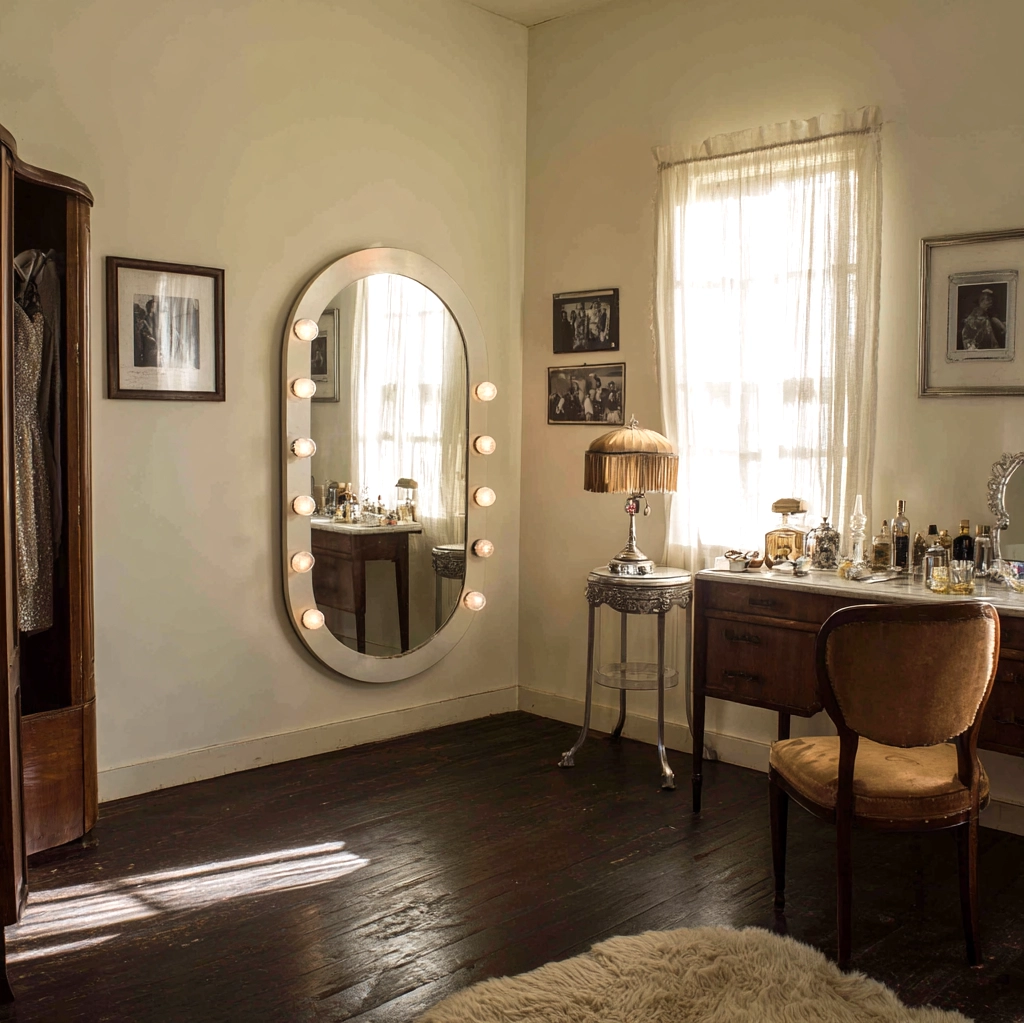
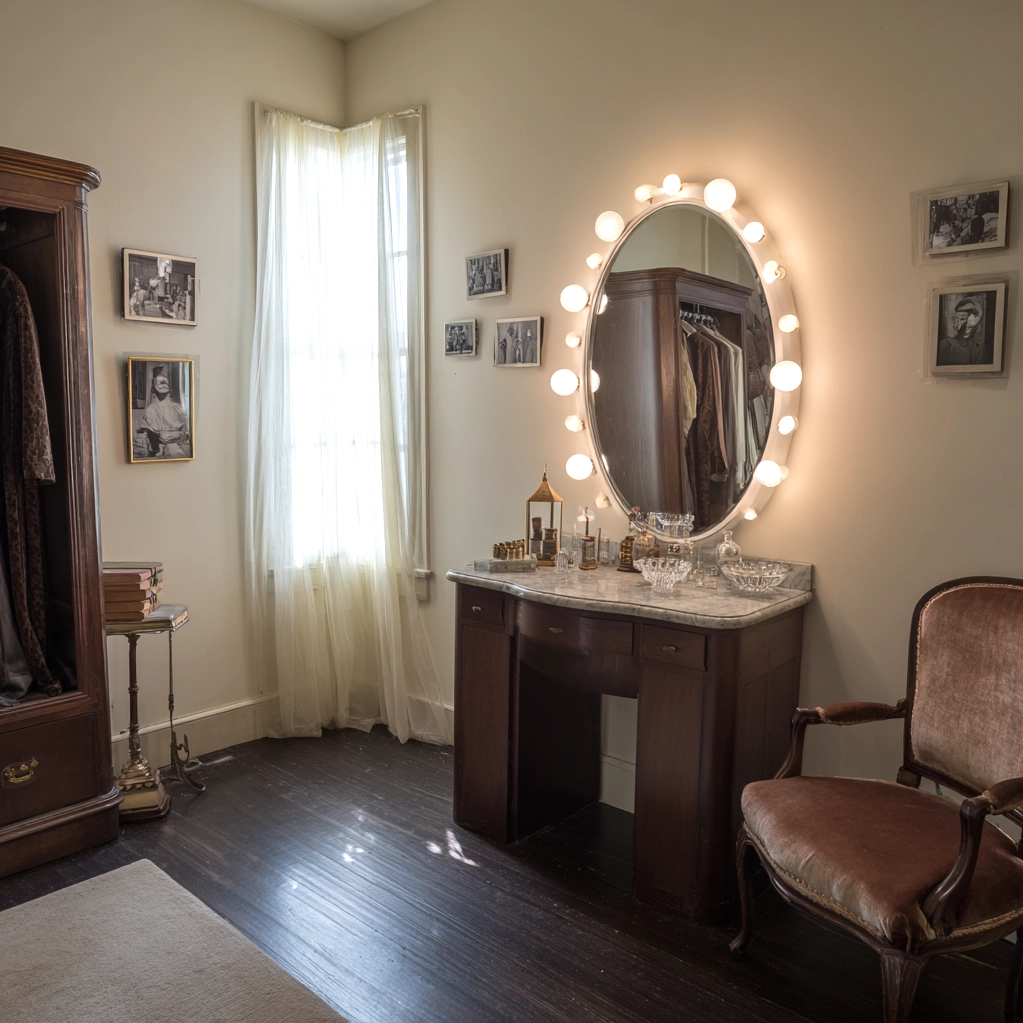
Creating an authentic vintage dressing rooms Hollywood aesthetic requires attention to specific design elements that defined these historic spaces. The vanity area serves as the heart of any dressing room, featuring a large mirror surrounded by Hollywood-style bulbs—those iconic circular or rectangular arrangements that provided even, flattering light for makeup application. Authentic vintage vanities were often custom-built with ample storage for cosmetics, brushes, and personal items, typically crafted from rich woods like mahogany or walnut with art deco or mid-century details. Lighting represents another crucial element, combining functional task lighting with ambient illumination that creates a warm, inviting atmosphere. Beyond the vanity, seating played a significant role in vintage dressing rooms Hollywood. Plush upholstered chairs or chaise lounges provided comfortable spots for reading scripts, receiving visitors, or simply relaxing between takes. These were often positioned near windows or carefully placed lamps to create ideal reading conditions. Storage solutions in these rooms balanced practicality with elegance, featuring built-in wardrobes with mirrored doors, discreet drawers for accessories, and sometimes even rotating costume racks for easy selection. The color palettes of authentic vintage dressing rooms typically favored sophisticated neutrals—creams, taupes, soft grays, and muted golds—accented with rich jewel tones or metallic finishes. Textures added depth and luxury, with velvet upholstery, silk draperies, plush rugs, and lacquered surfaces creating visual and tactile interest. Personal touches distinguished these spaces most significantly: framed photographs, cherished mementos, fresh flowers, and carefully selected art transformed standard dressing rooms into personalized sanctuaries. Understanding these essential elements helps modern homeowners recreate the authentic feel of vintage Hollywood glamour while adapting the concepts to contemporary needs and spaces.
Incorporating Vintage Dressing Rooms Hollywood Style into Modern Homes
Bringing the elegance of vintage dressing rooms Hollywood into contemporary living spaces requires thoughtful adaptation of historic design principles to modern lifestyles. The first step involves identifying an appropriate space—whether a dedicated dressing room, a spacious closet, or even a corner of a bedroom that can be transformed into a personal sanctuary. Modern interpretations should focus on creating multifunctional areas that serve practical needs while maintaining that timeless glamour. Start with lighting: instead of traditional Hollywood bulbs, consider LED alternatives that provide similar flattering illumination with energy efficiency. Modern vanities can incorporate vintage-inspired elements like curved edges, brass hardware, or mirrored surfaces while offering contemporary storage solutions like built-in organizers and charging stations for devices. When selecting furniture, look for pieces that blend vintage aesthetics with modern comfort—a streamlined bench with plush cushioning, a minimalist chair with elegant lines, or a storage ottoman that serves multiple purposes. For those with limited space, creating a vintage dressing rooms Hollywood vibe might mean focusing on key elements rather than recreating an entire room. A beautifully framed mirror with good lighting, a small vintage-style stool, and some elegant storage boxes can establish the aesthetic in even the most compact area. Wall treatments offer another opportunity for incorporating vintage glamour: consider grasscloth wallpaper, wainscoting, or subtle metallic finishes that catch the light. Modern technology can be discreetly integrated to maintain the vintage feel while adding convenience—hidden outlets for styling tools, smart lighting controls, or discreet speakers for playing period-appropriate music. The most successful modern interpretations balance historical inspiration with contemporary functionality, creating spaces that feel both nostalgic and perfectly suited to today's needs. Remember that the essence of vintage Hollywood dressing rooms lies in their personal nature, so incorporate elements that reflect your own style and make the space truly yours.
Famous Vintage Dressing Rooms Hollywood and Their Lasting Influence
Several legendary vintage dressing rooms Hollywood have left enduring impressions on design history, each reflecting the personality and preferences of their famous occupants. Marilyn Monroe's dressing room at Twentieth Century-Fox became famous for its combination of glamour and vulnerability, featuring full-length mirrors, a chaise lounge for resting between takes, and personal touches like photographs and fresh flowers that created a comforting environment. Elizabeth Taylor's dressing spaces were known for their opulence, often featuring luxurious fabrics, custom-built vanities, and elaborate lighting arrangements that matched her star status. These spaces weren't just functional areas but extensions of the stars' public personas. Fred Astaire's dressing room reflected his sophisticated elegance, with clean lines, muted colors, and practical elements that supported his meticulous preparation process. Meanwhile, Lucille Ball's dressing area at Desilu Studios combined professional functionality with personal warmth, creating a space where she could both work and entertain colleagues. The influence of these famous vintage dressing rooms Hollywood extends beyond their original contexts, inspiring design trends that continue today. Their emphasis on creating personalized, comforting environments has informed how we think about personal spaces in our own homes. The concept of a dressing room as a sanctuary—a place for preparation, reflection, and self-expression—has become increasingly popular in residential design. Modern designers often reference these historic spaces when creating luxury closets, home studios, or personal retreats. The lasting influence also appears in commercial spaces like boutique hotels, high-end salons, and photography studios that seek to capture that vintage Hollywood glamour. Perhaps most importantly, these famous dressing rooms remind us that our personal spaces should support our wellbeing and creativity. They demonstrate how thoughtful design can transform ordinary routines into enjoyable rituals, whether we're preparing for a day at work or simply taking time for self-care. The legacy of vintage Hollywood dressing rooms continues to inspire because it represents a perfect balance of beauty and functionality, luxury and intimacy, professional necessity and personal expression.
Conclusion
The enduring appeal of vintage dressing rooms Hollywood lies in their perfect marriage of form and function, glamour and practicality. These spaces teach us valuable lessons about creating personal sanctuaries that support both our professional endeavors and our personal wellbeing. As we've explored, the key elements—thoughtful lighting, comfortable seating, elegant storage, and personal touches—combine to create environments that feel both luxurious and intimately personal. Looking forward, the principles behind these historic spaces remain remarkably relevant. In our increasingly digital and fast-paced world, having a dedicated space for preparation and reflection becomes ever more valuable. Whether you're adapting vintage Hollywood concepts to a modern walk-in closet, a bedroom corner, or a dedicated dressing area, the core idea remains the same: create a space that makes you feel confident, inspired, and centered. The future of personal spaces will likely continue to draw inspiration from these vintage designs while incorporating sustainable materials, smart technology, and adaptable layouts. What won't change is the human need for environments that support our daily rituals with beauty and intention. As you consider incorporating elements of vintage dressing rooms Hollywood into your own home, remember that authenticity comes from personalization. Choose elements that resonate with your style, serve your practical needs, and create a sense of sanctuary. The true legacy of these historic spaces isn't about recreating them exactly, but about understanding the design philosophy behind them: that our personal spaces should nurture our best selves. By blending vintage inspiration with contemporary living, we can create environments that honor the past while perfectly serving our present needs and future aspirations.
Frequently Asked Questions
Q: What are the most important features to include when creating a vintage Hollywood dressing room style at home?
The most essential features include proper lighting with Hollywood-style bulbs around a mirror, a comfortable and elegant seating area, ample and stylish storage solutions, and personal decorative touches. Focus on creating a vanity area with good task lighting for grooming, incorporate plush seating like a chaise lounge or upholstered chair, use vintage-inspired storage like armoires or decorative boxes, and add personal elements like framed art, fresh flowers, or cherished mementos. The key is balancing functional needs with aesthetic appeal to create a space that feels both luxurious and personally meaningful.
Q: How can I achieve the vintage Hollywood dressing room look in a small space or budget?
You can achieve the vintage Hollywood dressing room aesthetic in limited spaces or on a budget by focusing on key elements rather than recreating an entire room. Start with a well-lit mirror area—even a simple mirror with string lights or a vintage-style frame can establish the vibe. Add a small stool or chair with elegant lines, use decorative boxes or baskets for storage, and incorporate vintage-inspired accessories like a crystal dish for jewelry or a velvet jewelry roll. Wall treatments like removable wallpaper with art deco patterns or a metallic accent wall can create big impact with minimal investment. Shop secondhand stores for vintage furniture pieces that can be refurbished, and remember that lighting is the most important element—good illumination instantly elevates any space.
Q: What modern adaptations make vintage dressing room designs more functional for today's lifestyles?
Modern adaptations that enhance vintage dressing room functionality include integrating technology discreetly, using space-saving solutions, and choosing materials that combine vintage aesthetics with contemporary durability. Consider LED alternatives to traditional Hollywood bulbs for energy efficiency and adjustable color temperature. Incorporate smart storage like pull-out organizers, rotating racks, or multi-functional furniture. Use modern materials that mimic vintage looks—acrylic instead of crystal, engineered wood with vintage finishes, or high-quality reproductions of period hardware. Add charging stations for devices, consider sound systems for music, and ensure adequate electrical outlets for modern grooming tools. The most successful adaptations maintain the vintage glamour while addressing today's needs for efficiency, technology integration, and space optimization.