
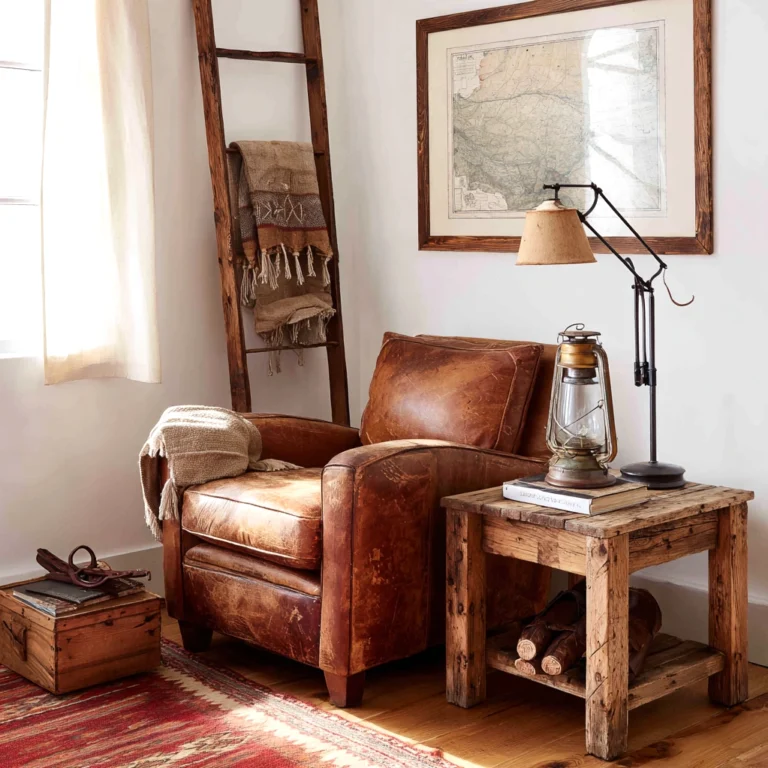
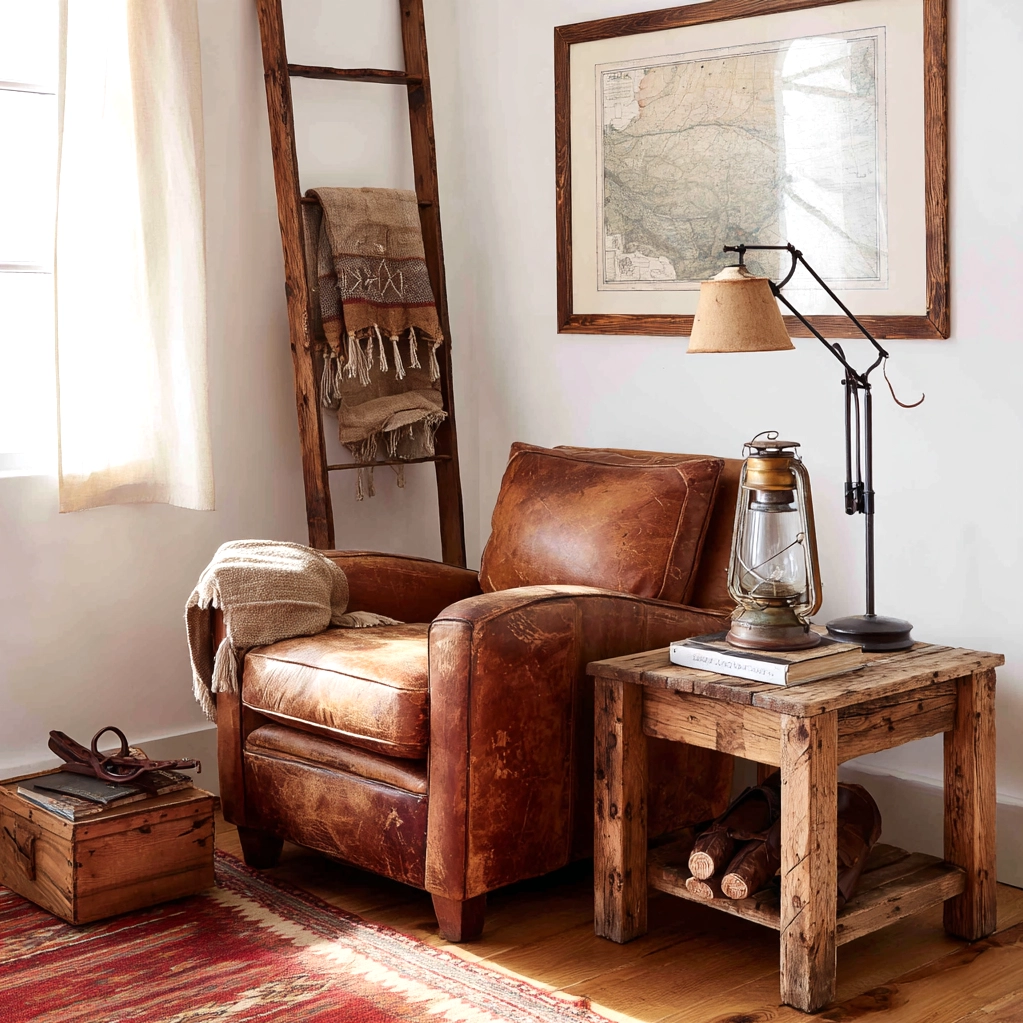
Step into a space where history whispers through every carefully chosen piece, where the rugged spirit of the American frontier meets the warm embrace of home. Vintage western decor isn’t just a design trend; it’s a narrative woven into the very fabric of your living environment. This style celebrates authenticity, craftsmanship, and a connection to the past that feels both nostalgic and refreshingly grounded. In today’s fast-paced world of mass-produced items, incorporating vintage western elements offers a powerful antidote—a way to create a sanctuary that tells a story and stands the test of time. The importance of this decor philosophy lies in its ability to transform ordinary rooms into character-filled retreats. It’s about more than just aesthetics; it’s about curating an atmosphere of resilience, adventure, and simple, honest beauty. Whether you live in a modern apartment or a countryside cabin, vintage western decor provides a versatile framework for building a home that feels uniquely yours, infused with the soulful charm of bygone eras. From weathered leather and hand-forged iron to rustic wood and Native American textiles, each element contributes to a cohesive look that’s both inviting and inspiring. Embracing this style means valuing quality over quantity, history over hype, and creating spaces that resonate with warmth and personality. As we explore the key components of vintage western decor, you’ll discover practical ways to bring this timeless aesthetic into your own home, crafting an environment that’s not only beautiful but deeply meaningful.
Essential Elements of Vintage Western Decor
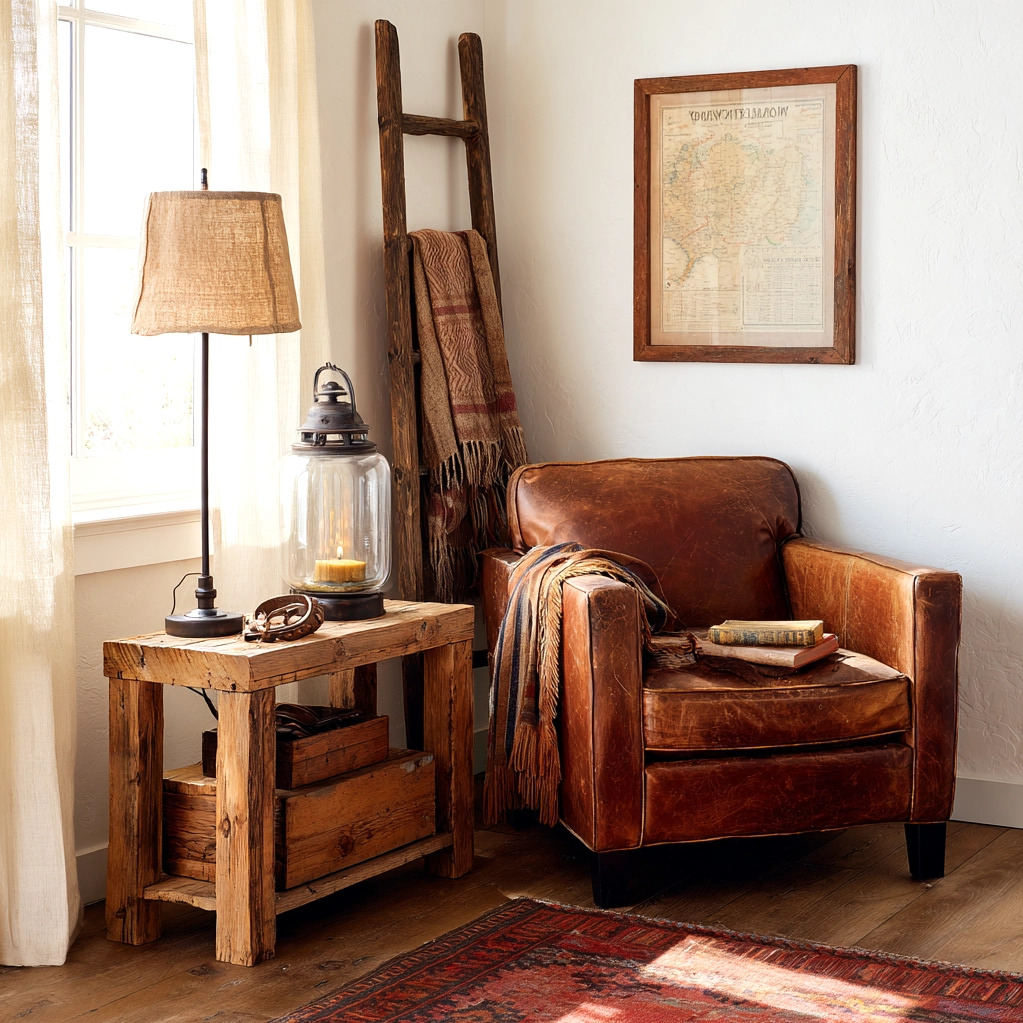
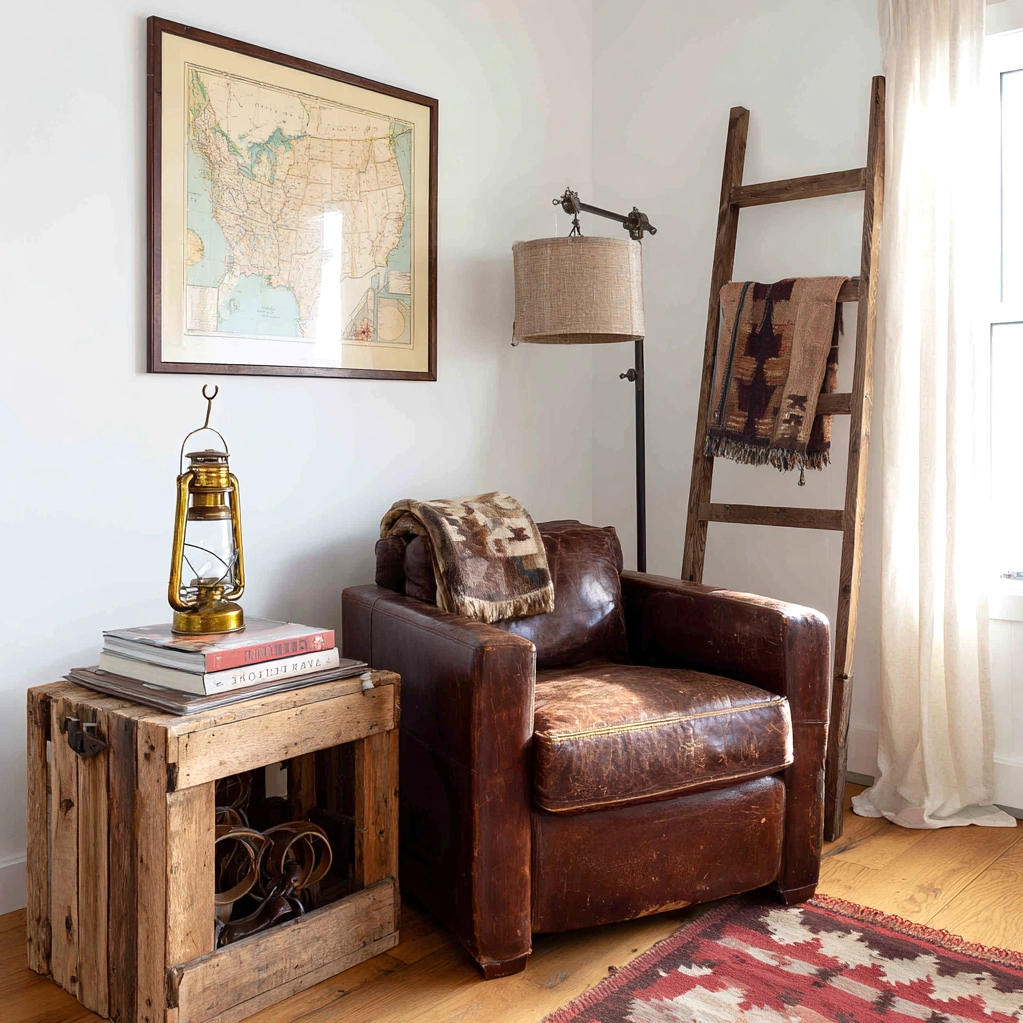
At the heart of authentic vintage western decor lie several key elements that define its character and appeal. First, consider materials: reclaimed wood is foundational, often seen in barn-style doors, exposed beams, or rustic furniture with visible grain and natural imperfections. This wood brings warmth and a sense of history, telling stories of past uses through its patina. Leather is another staple, whether in the form of a worn saddle-turned-stool, a distressed armchair, or tooled accents on decor items. Look for pieces with natural aging, scuffs, and a rich, supple texture that improves with time. Metalwork plays a crucial role, with wrought iron, brass, and copper appearing in lighting fixtures, hardware, and decorative objects. Think of lantern-style sconces, iron bed frames, or vintage cowboy spurs displayed as wall art. Textiles add softness and pattern; incorporate Native American-inspired blankets, Pendleton wool throws, or simple burlap and linen in neutral tones like earth browns, rusty reds, and sandy beiges. These fabrics often feature geometric patterns or tribal motifs that honor western heritage. Don't overlook smaller details: vintage signage, old ranch tools repurposed as hooks, or antique pottery can anchor the theme. The goal is to mix these elements thoughtfully, avoiding a cluttered 'theme park' feel. Instead, focus on a few statement pieces—like a large leather sofa or a reclaimed wood dining table—and complement them with subtle accents. This approach ensures your vintage western decor feels curated and cohesive, rather than overwhelming. Remember, authenticity is key; seek out genuine vintage items when possible, or choose high-quality reproductions that capture the spirit of the era.
How to Incorporate Vintage Western Decor in Modern Homes
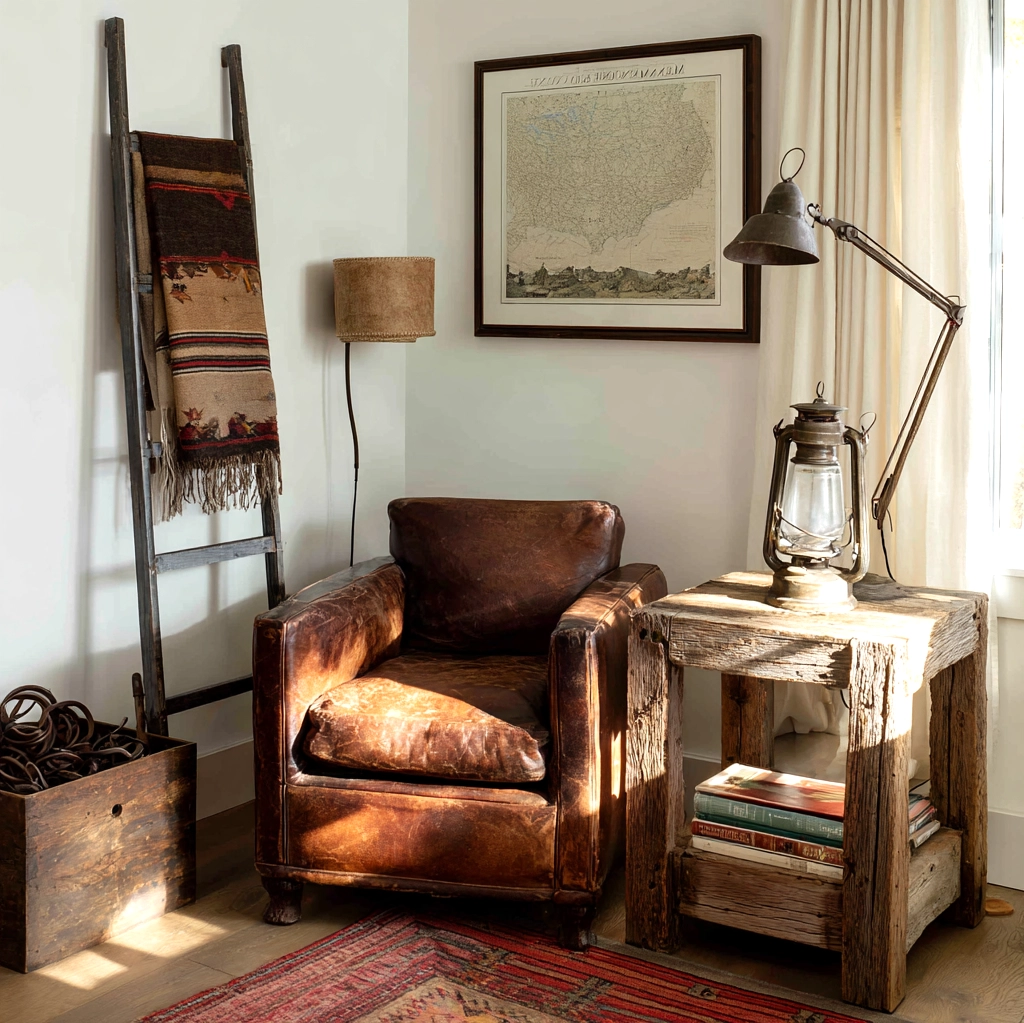
Blending vintage western decor with contemporary living spaces might seem challenging, but with a few strategic choices, you can achieve a harmonious balance that feels both timeless and fresh. Start by defining your focal points. In a living room, a large, comfortable leather sofa can serve as the centerpiece, paired with modern, clean-lined side tables in metal or dark wood to prevent the space from feeling too heavy. Layer in texture with a Navajo-patterned rug underfoot and throw pillows in complementary earthy hues. For bedrooms, consider an iron or rustic wood bed frame, dressed with simple, high-thread-count linens in neutral colors to keep the look serene and inviting. Vintage western decor thrives in kitchens and dining areas, where open shelving made from reclaimed wood can display ironstone pottery, enamelware mugs, or vintage tin containers. Pair these with modern stainless steel appliances for a stylish contrast that highlights the vintage pieces. Lighting is a powerful tool; swap out generic fixtures for wrought iron chandeliers, lantern-style pendants, or table lamps with burlap shades. These not only provide functional illumination but also enhance the western ambiance. Wall decor should tell a story: hang a collection of vintage horseshoes, framed antique maps of the West, or black-and-white photographs of landscapes and cowboy life. Keep backgrounds neutral—think white, cream, or soft gray walls—to let these elements shine without competing. In smaller spaces like apartments, focus on accessories: a vintage saddle blanket draped over a chair, a set of antique spurs on a bookshelf, or a weathered wood sign above a doorway. The key is to mix eras thoughtfully; don't be afraid to pair a sleek modern sofa with a rustic coffee table or a vintage wagon wheel mirror in a minimalist hallway. This juxtaposition creates depth and interest, making your vintage western decor feel intentional and integrated rather than dated or out of place.
Sourcing Authentic Vintage Western Decor Pieces
Finding genuine vintage western decor pieces requires a bit of hunting, but the reward is a home filled with unique, story-rich items that mass-produced alternatives can't match. Begin your search at local sources: flea markets, estate sales, and antique shops in rural or historically western regions are treasure troves for authentic finds. Look for items like old ranch tools, leather saddles, wooden crates, or vintage signage that show natural wear and age—these imperfections add character and authenticity. Online marketplaces such as Etsy, eBay, and specialized vintage western decor websites offer a wider selection, but be sure to check seller reviews and request detailed photos to assess condition. When evaluating pieces, prioritize quality and originality; avoid items that look overly distressed or manufactured to appear old. For larger furniture, consider custom pieces from artisans who use reclaimed materials and traditional techniques, ensuring they blend seamlessly with true vintage accents. If authentic vintage items are scarce or beyond budget, high-quality reproductions can be a great alternative. Seek out companies that specialize in western-style furniture and decor, focusing on those that use solid wood, genuine leather, and handcrafted details. Mixing these with a few authentic vintage finds creates a layered look that feels both curated and accessible. Don't forget about DIY projects: repurpose an old ladder into a blanket rack, frame vintage fabric as wall art, or distress a wooden chest to serve as a coffee table. These personalized touches add soul to your vintage western decor while keeping costs down. As you build your collection, think about functionality and scale; a massive wagon wheel might overwhelm a small room, while a delicate set of spurs could get lost in a large space. Document your finds and their stories—knowing the history behind a piece, like a saddle from a specific ranch or a blanket passed down through generations, enriches your decor and makes it truly meaningful. With patience and a keen eye, you can assemble a collection that honors the spirit of the West while reflecting your personal style.
Conclusion
Embracing vintage western decor is more than just decorating; it's about creating a home that resonates with history, craftsmanship, and timeless appeal. Throughout this article, we've explored the essential elements that define this style, from rugged materials like reclaimed wood and leather to the thoughtful integration of these pieces in modern spaces. We've also shared practical tips for sourcing authentic items, whether through local markets or careful online searches, ensuring your decor tells a genuine story. The beauty of vintage western decor lies in its versatility—it can transform a sleek city apartment into a cozy retreat or enhance the rustic charm of a countryside home. As you incorporate these ideas, remember that balance is key; mixing vintage with contemporary elements prevents the look from feeling stale or overly thematic. Looking ahead, the trend toward sustainable and meaningful design continues to grow, making vintage western decor more relevant than ever. By choosing pieces with history and character, you're not only crafting a beautiful space but also supporting a slower, more intentional approach to living. Start small, perhaps with a vintage blanket or a set of iron hooks, and gradually build your collection. Let your home evolve naturally, reflecting your journeys and the stories you collect along the way. In a world of fleeting trends, vintage western decor offers a lasting foundation for a home that feels both adventurous and deeply comforting—a true haven where the spirit of the West lives on.
Frequently Asked Questions
Q: What are some common mistakes to avoid when using vintage western decor?
A common mistake is overdoing the theme, which can make a space feel like a movie set rather than a livable home. Avoid cluttering rooms with too many cowboy hats, lassos, or neon signs. Instead, focus on subtle, high-quality pieces that add character without overwhelming. Another error is neglecting comfort; for example, a vintage wooden chair might look great but be uncomfortable for daily use—pair it with cushions or use it as an accent. Also, ensure your vintage western decor blends with your home's architecture and existing furniture; forcing it into a ultra-modern space without balance can create visual discord. Finally, don't sacrifice functionality for aesthetics; choose pieces that serve a purpose, like a reclaimed wood table that's sturdy enough for meals or leather sofas that are actually cozy to sit on.
Q: Can vintage western decor work in small spaces like apartments?
Absolutely! Vintage western decor can be adapted beautifully to small spaces by focusing on accessories and multi-functional pieces. In apartments, use wall-mounted items like vintage mirrors, small wrought iron shelves, or framed western art to save floor space. Opt for furniture with clean lines and lighter finishes to prevent the room from feeling cramped—for instance, a leather pouf instead of a bulky armchair. Incorporate textiles like Navajo-patterned throw pillows or a small rustic rug to add warmth without overwhelming. Keep color palettes light and neutral, using earthy accents sparingly to maintain an airy feel. Remember, less is more; a few well-chosen vintage pieces, such as an antique lantern or a set of spurs on a bookshelf, can evoke the western spirit without cluttering your limited space.
Q: How do I maintain and care for vintage western decor items?
Proper care ensures your vintage western decor lasts for years. For leather items like saddles or furniture, clean them with a damp cloth and condition regularly with a leather-specific product to prevent cracking. Avoid direct sunlight, which can fade colors and dry out materials. Wooden pieces should be dusted frequently and treated with wood polish or wax to protect their finish; if they're reclaimed, check for stability and repair any loose joints. Metal objects, such as iron fixtures or copper accents, may develop a natural patina—embrace this as part of their charm, but wipe them down with a soft cloth to remove dust. For textiles like blankets or rugs, vacuum gently on a low setting and spot clean stains with mild detergent; consider professional cleaning for delicate items. Store smaller decor pieces in a dry, cool place to prevent damage from humidity or pests. Regular maintenance not only preserves their beauty but also honors the history embedded in each piece.