
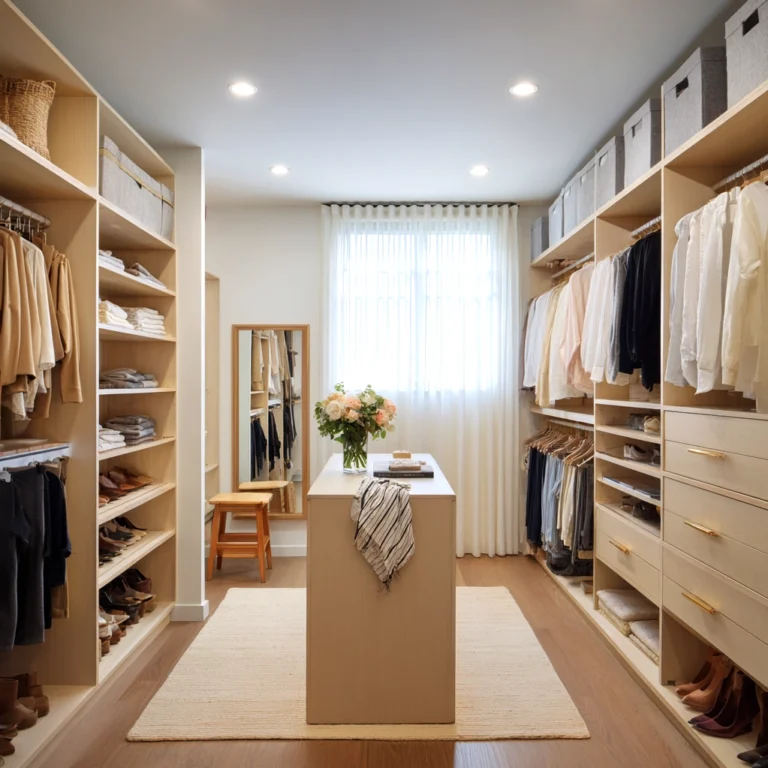
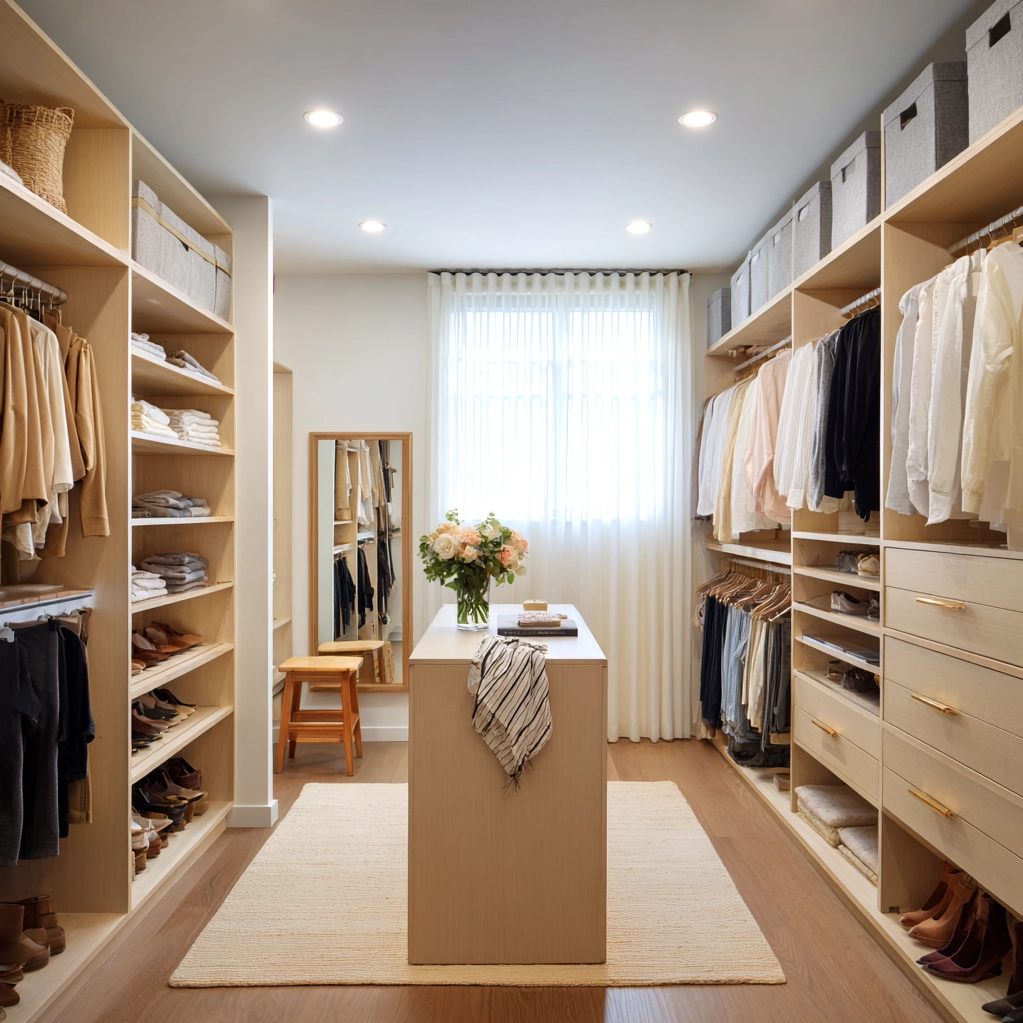
Imagine stepping into a walk-in closet where every item has its perfect place, where mornings become effortless and your wardrobe feels like a curated collection rather than a chaotic mess. This dream isn’t just for luxury homes or sprawling spaces—it’s achievable with thoughtful walk-in closet layout floor plans. The layout is the foundation of any functional closet, transforming it from mere storage into a personalized sanctuary that reflects your style and simplifies daily routines. A well-designed floor plan considers your specific needs, from clothing types to daily habits, ensuring that every inch serves a purpose. Whether you’re working with a spacious room or a compact nook, the right layout maximizes storage, enhances accessibility, and creates a visually appealing environment. In this article, we’ll explore why walk-in closet layout floor plans are crucial for organization and aesthetics. We’ll dive into key design principles, practical tips for different spaces, and how to tailor plans to your lifestyle. By focusing on layout first, you can avoid common pitfalls like wasted corners or inaccessible shelves, making your closet both beautiful and efficient. Let’s embark on this journey to design a closet that not only stores your belongings but also inspires your daily routine.
Essential Elements for Effective Walk In Closet Layout Floor Plans
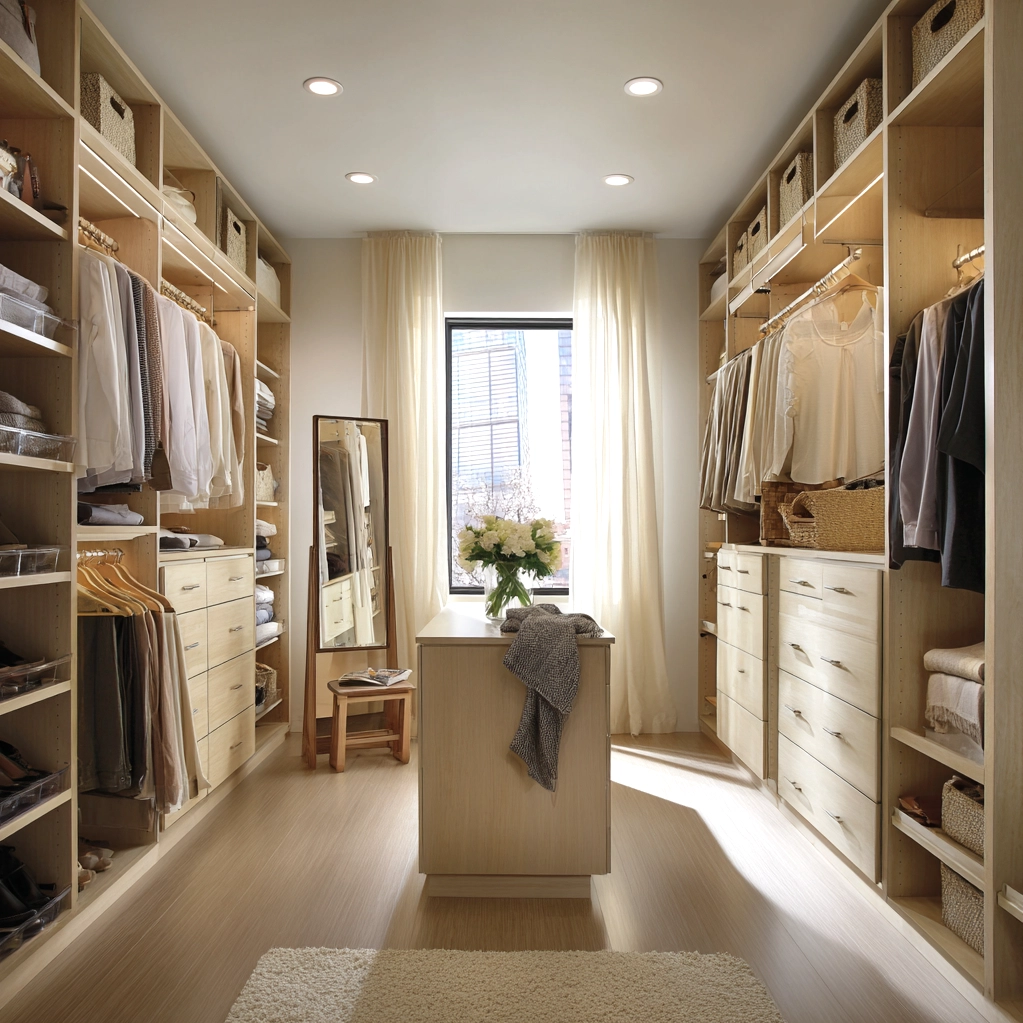
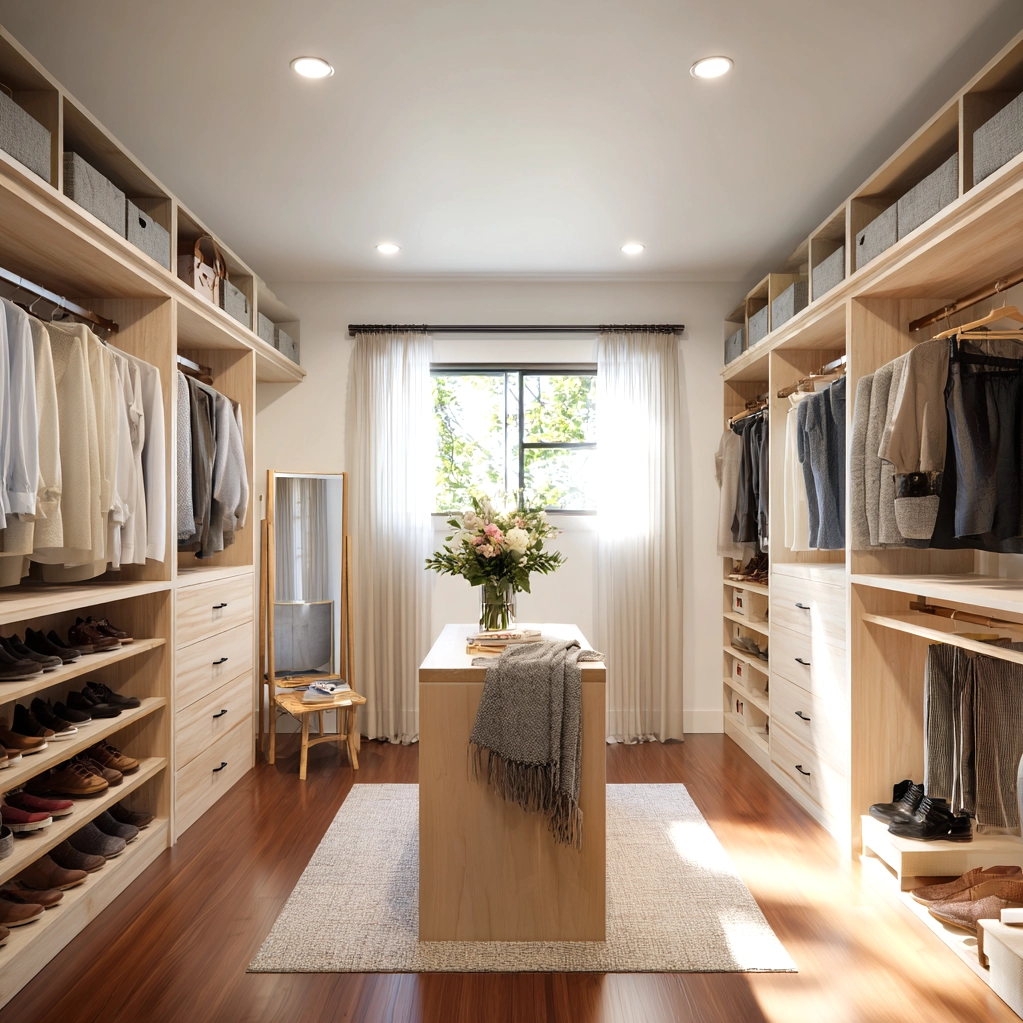
Creating effective walk-in closet layout floor plans starts with understanding the core elements that make a closet functional and stylish. These include storage zones, circulation space, and lighting. First, define zones based on your wardrobe categories, such as hanging areas for dresses and suits, shelves for folded items, and drawers for accessories. A typical plan might allocate 60% of space to hanging rods, 30% to shelves, and 10% to specialized storage like shoe racks or jewelry trays. Circulation is equally important—ensure aisles are at least 24 to 36 inches wide for comfortable movement, especially in larger closets. Lighting should be layered, with overhead fixtures for general illumination and task lighting near mirrors or dressing areas. For walk-in closet layout floor plans, consider incorporating islands or benches for added functionality, but only if space allows without crowding. Materials matter too; opt for durable finishes like wood or metal that can handle daily use. By balancing these elements, your layout will promote easy access and reduce clutter. Remember, a good plan adapts to your habits—if you wear lots of shoes, prioritize vertical storage. Start with a rough sketch, noting measurements and traffic flow, to visualize how these components fit together seamlessly.
Popular Walk In Closet Layout Floor Plans for Different Spaces
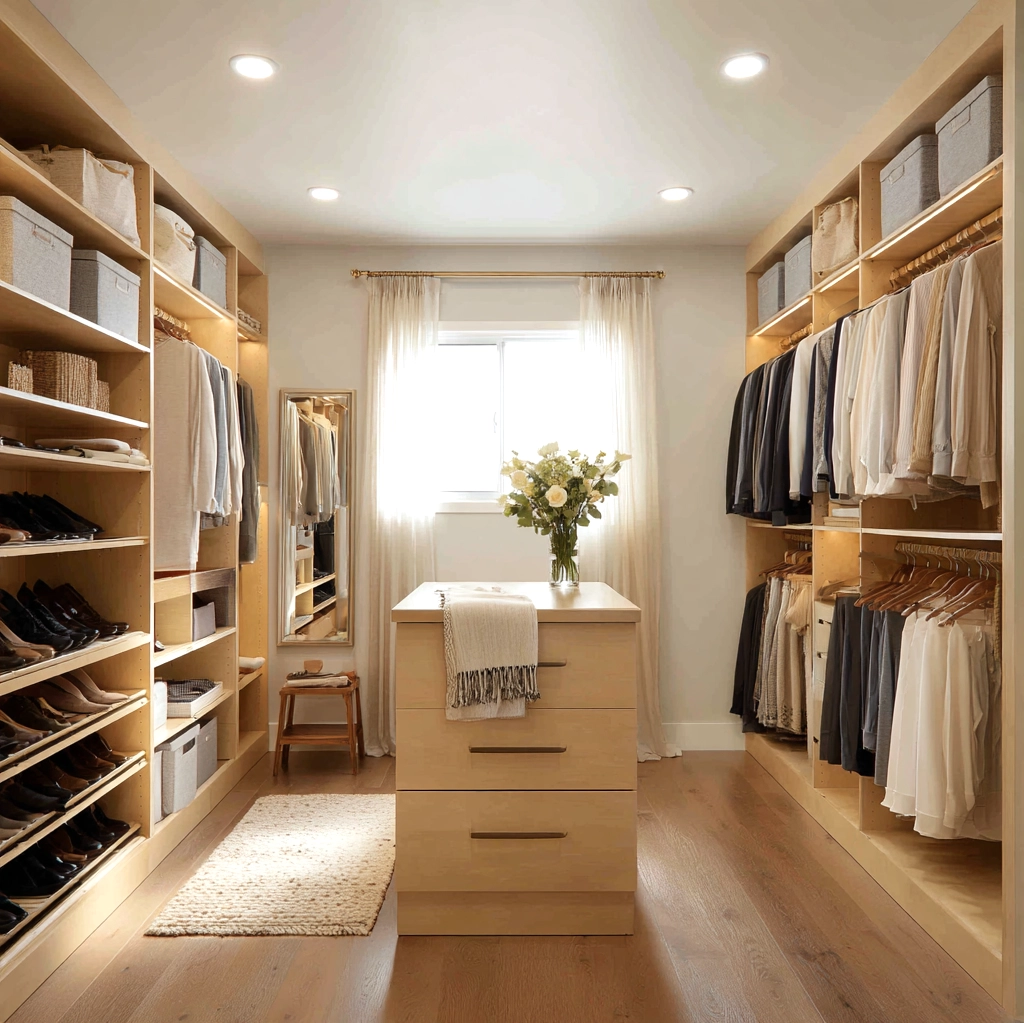
Walk-in closet layout floor plans vary based on room size and shape, offering solutions for everything from expansive suites to cozy corners. For larger spaces, an L-shaped or U-shaped plan works wonders, wrapping storage around the perimeter to maximize wall use while leaving a central area for dressing. These layouts often include islands with drawers or seating, creating a luxurious feel. In medium-sized rooms, a galley or corridor-style plan is ideal, with storage on both sides of a narrow walkway—perfect for efficient organization without wasted space. For small walk-in closets, consider a single-wall or reach-in design, where all storage is along one wall, making the most of limited square footage. Regardless of size, incorporate vertical elements like double-hung rods or high shelves with accessible ladders to boost capacity. When designing walk-in closet layout floor plans, factor in door placement and natural light sources to enhance usability. For example, in a U-shaped closet, place frequently used items at eye level and seasonal storage up high. Customizable systems from brands like IKEA or California Closets can help implement these plans affordably. By choosing a layout that matches your space, you'll create a closet that feels spacious and organized, no matter its dimensions.
Customizing Your Walk In Closet Layout Floor Plans for Personal Needs
Customizing walk-in closet layout floor plans ensures your closet truly serves your lifestyle, going beyond one-size-fits-all solutions. Start by assessing your wardrobe inventory—count hanging items, folded pieces, and accessories to allocate space proportionally. For example, if you own many shoes, integrate cubbies or slanted shelves into the floor plan. Consider your daily routine: if you dress quickly in the morning, position everyday wear near the entrance, with less-used items further back. For shared closets, design dual zones with separate sections for each person, using color-coded hangers or dividers to maintain harmony. Incorporate specialty features like valet rods for outfit planning, built-in hampers for laundry, or locked compartments for valuables. Lighting should be tailored too—add dimmers for ambiance or motion sensors for convenience. In walk-in closet layout floor plans, accessibility is key; ensure shelves and rods are within easy reach, and include pull-out racks for deeper storage. Don't forget aesthetics: choose finishes and colors that complement your home's decor, making the closet a joy to use. Sketch multiple iterations, testing different arrangements until you find one that balances form and function. By personalizing your plan, you'll create a closet that not only organizes but also inspires, turning a mundane task into a delightful experience.
Avoiding Common Mistakes in Walk In Closet Layout Floor Plans
Even with the best intentions, mistakes in walk-in closet layout floor plans can lead to frustration and wasted space. One common error is underestimating storage needs, resulting in overcrowded rods or insufficient shelving. To avoid this, measure your wardrobe accurately and plan for growth—add 10-15% extra capacity. Another pitfall is poor circulation; aisles that are too narrow make it hard to access items, especially in shared closets. Aim for at least 24 inches of clearance, and avoid blocking pathways with furniture like islands. Lighting oversights are also frequent—relying solely on a central fixture can create shadows in corners, so incorporate layered lighting with LEDs under shelves or around mirrors. In walk-in closet layout floor plans, neglecting vertical space is a missed opportunity; use high shelves for seasonal storage, but ensure they're accessible via sturdy ladders or step stools. Additionally, avoid placing rods too high or too low, which can strain your reach; standard heights are around 40-60 inches for hanging clothes. Material choices matter too—flimsy components may sag over time, so invest in quality hardware. Finally, skip overly complex designs that complicate cleaning or reorganization. By steering clear of these mistakes, your layout will be practical and durable, ensuring your closet remains functional for years to come.
Conclusion
Designing the perfect walk-in closet is more than just arranging storage—it's about creating a space that enhances your daily life through thoughtful walk-in closet layout floor plans. As we've explored, key elements like zoning, circulation, and lighting form the backbone of any effective plan, while popular layouts cater to different room sizes, from spacious U-shapes to compact single walls. By customizing these plans to your personal needs, you can transform a basic closet into a personalized sanctuary that reflects your style and streamlines your routine. Looking ahead, the future of closet design embraces smart technology and sustainable materials, with trends like automated racks or eco-friendly finishes gaining traction. To get started, grab a tape measure and sketch your space, experimenting with different configurations until you find one that balances aesthetics and functionality. Remember, a well-planned closet isn't a luxury—it's an investment in organization and peace of mind. Whether you're renovating or building from scratch, let these insights guide you toward a closet that not only stores your belongings but also inspires your every day. Embrace the process, and soon you'll be stepping into a dreamy storage haven tailored just for you.
Frequently Asked Questions
Q: What is the ideal aisle width for a walk-in closet layout floor plan?
The ideal aisle width in a walk-in closet layout floor plan is typically 24 to 36 inches. This range allows for comfortable movement, easy access to stored items, and enough space for multiple people if the closet is shared. For smaller closets, aim for at least 24 inches to avoid feeling cramped, while larger closets can benefit from 36-inch aisles to accommodate dressing areas or islands. Always measure your space and consider how you'll use it—if you plan to try on clothes in the closet, err on the wider side for better maneuverability.
Q: How can I maximize storage in a small walk-in closet layout floor plan?
To maximize storage in a small walk-in closet layout floor plan, focus on vertical space and multi-functional elements. Use double-hung rods to create two levels of hanging storage, install shelves up to the ceiling for folded items or bins, and incorporate pull-out drawers or baskets for accessories. Consider a single-wall layout to minimize wasted floor space, and add hooks or racks on the back of the door for extra hanging. Opt for slimline hangers and transparent containers to reduce visual clutter. Measuring accurately and using customizable systems can help you fit more into a compact area without sacrificing accessibility.
Q: Should I include an island in my walk-in closet layout floor plan?
Including an island in your walk-in closet layout floor plan depends on your space and needs. Islands add valuable surface area for folding, displaying accessories, or seating, but they require sufficient room—ideally, your closet should be at least 10 feet wide to accommodate an island without crowding aisles. If space allows, an island can enhance functionality and create a luxurious feel. However, in smaller closets, it might obstruct flow, so consider alternatives like wall-mounted counters or fold-down tables. Assess your storage priorities and measure carefully before deciding; if an island fits, choose one with drawers or shelves to boost organization.